
The Power of Propaganda: Shaping Public Opinion During Andean Wars

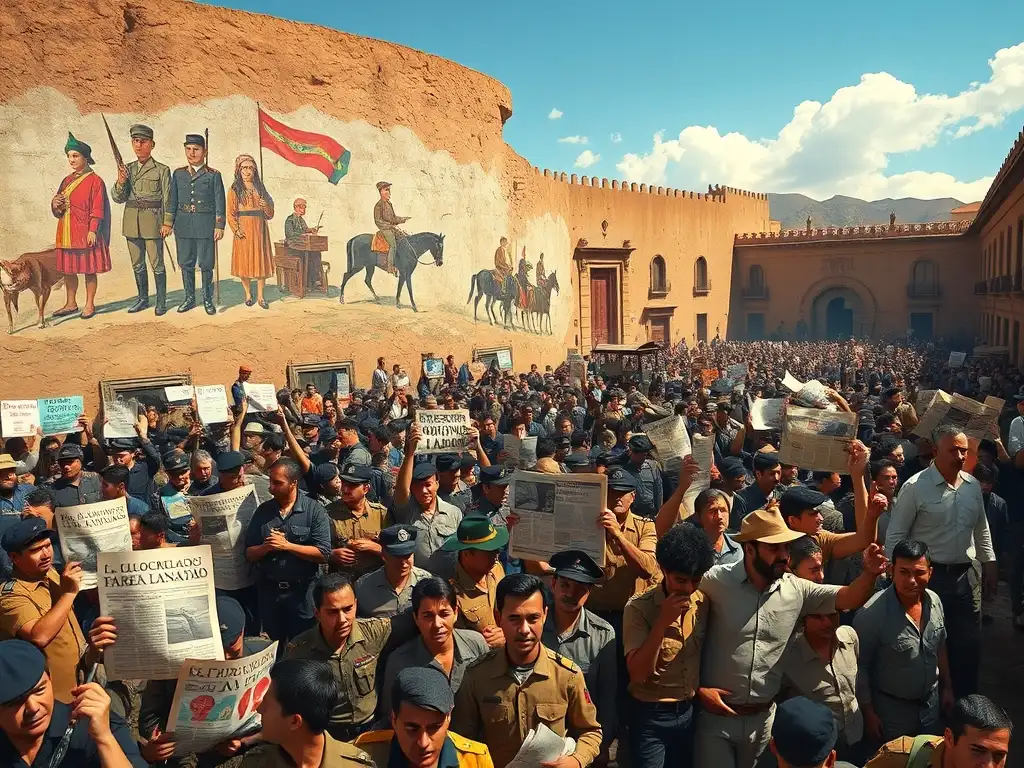
Uncover the secrets whispered on the wind across the Andes Mountains. For centuries, empires rose and fell, their power shaped not just by armies, but by ingenious propaganda techniques. Journey with us into the heart of Andean warfare and discover how the Incas, Moche, and other civilizations mastered the art of persuasion, manipulating public opinion to achieve military dominance. Prepare to be amazed by the sophisticated strategies employed in Andean propaganda – and their lasting impact. Explore the fascinating world of Andean propaganda techniques and learn how these ancient masters of influence shaped the course of history.
The rise and fall of Andean empires weren't solely determined by military might; the skillful manipulation of public opinion played a crucial, often underestimated, role. This article delves into the fascinating world of Andean propaganda, exploring the techniques employed by civilizations like the Inca, Moche, Nazca, and Tiahuanaco to bolster morale, incite loyalty, and demoralize enemies during periods of conflict. We will examine how these sophisticated strategies, often intertwined with religious beliefs and artistic expression, effectively shaped the course of Andean wars and contributed to the success or demise of entire empires.
Understanding these "Andean propaganda techniques" offers a unique perspective on the complexities of Andean warfare and the enduring power of information control. The strategic use of propaganda wasn't merely a tool; it was a weapon, wielded with precision and understanding of the target audience's cultural nuances.
Introduction to Andean Warfare and the Role of Propaganda
Andean warfare, far from being chaotic skirmishes, was often highly organized and strategically planned. Battles weren't just fought on the battlefield; they were also fought in the minds of the people. Empires understood the importance of maintaining public support, both within their own ranks and amongst conquered populations. Propaganda served as a vital instrument in this endeavor, used to justify military actions, celebrate victories, and demonize opponents.
The effectiveness of Andean propaganda stemmed from its deep integration with the existing social and religious structures. Messages weren't simply disseminated; they were woven into the fabric of daily life, through rituals, artwork, and storytelling. This ensured a lasting impact, shaping beliefs and influencing behavior across generations. The scale and sophistication of these campaigns varied across different Andean cultures, reflecting their unique social structures and technological capabilities.
Understanding Andean Propaganda Techniques
Andean civilizations developed a diverse range of propaganda techniques, skillfully utilizing available resources and adapting their strategies to specific contexts. These weren't crude attempts at manipulation; they were carefully crafted messages designed to resonate with the target audience on an emotional and intellectual level. The effectiveness of these techniques lay in their ability to tap into deeply held cultural beliefs and values, transforming political messages into powerful expressions of shared identity and purpose.
The methods employed ranged from elaborate visual displays to intricate oral traditions, each contributing to a comprehensive propaganda machine that shaped the perceptions and actions of individuals and entire communities. The impact of these techniques is still visible today in surviving artifacts and the enduring legacy of Andean cultures.
Visual Propaganda in Ancient Andes
Visual propaganda played a significant role in shaping public opinion in the Andes. Monumental architecture, such as the impressive stone structures of Machu Picchu or the intricate carvings of the Nazca Lines, served not only practical purposes but also as powerful symbols of imperial power and divine authority. These impressive feats of engineering and artistry conveyed messages of strength, prosperity, and the legitimacy of the ruling elite.
Textiles, ceramics, and metalwork were also employed as powerful mediums of propaganda, often depicting scenes of conquest, religious rituals, or idealized representations of rulers and gods. The intricate designs and vibrant colors of these artifacts served to reinforce the desired messages, creating a visual tapestry of imperial power and cultural identity. The deliberate placement and public display of these artworks ensured widespread dissemination of the desired messages, reinforcing the authority of the ruling power and shaping the collective consciousness of the population.
Oral Propaganda and Storytelling
Alongside visual propaganda, oral traditions played a crucial role in disseminating information and shaping public opinion. Storytelling, a cornerstone of Andean culture, was skillfully employed to transmit historical narratives, religious beliefs, and legitimize the actions of rulers. Epic poems, myths, and legends were used to create a sense of shared identity and collective purpose, fostering loyalty and obedience.
These narratives often emphasized the divine right of rulers, the importance of conformity, and the consequences of rebellion. Professional storytellers, often holding positions of respect within their communities, played a critical role in shaping perceptions and influencing behavior. Their ability to weave captivating narratives, imbued with religious and cultural significance, made them powerful agents of propaganda, capable of shaping the worldview of entire generations.
The continued existence of these oral traditions, even after the collapse of the empires, highlights their enduring power and influence. The skillful use of oral propaganda ensured the continuity of cultural values and the perpetuation of desired narratives.
Propaganda During the Inca Empire
The Inca Empire, at its zenith, controlled a vast territory encompassing diverse ethnic groups and environments. Maintaining control over such a sprawling empire required more than just military might; it demanded sophisticated strategies of persuasion and control, effectively employing propaganda techniques to solidify their power and legitimacy. The Inca state understood the power of image and narrative in shaping public opinion, using a variety of methods to project an image of imperial strength and divine authority.
These methods were crucial to both securing initial conquests and maintaining long-term stability within the empire. The efficient communication network established by the Inca, with its system of chasquis (runners) relaying messages across vast distances, proved vital in the rapid dissemination of propaganda.
Inca Propaganda Strategies for Conquest
Before the actual deployment of military force, the Inca often employed subtle yet powerful propaganda strategies to weaken resistance. Narratives of Inca invincibility, bolstered by tales of past victories and supernatural intervention, were strategically spread among targeted populations. This preemptive psychological warfare aimed to demoralize potential enemies and encourage surrender.
Furthermore, the Inca showcased their impressive military capabilities through carefully orchestrated displays of power, such as grand parades and military exercises, designed to awe potential adversaries and demonstrate the futility of resistance. The promise of integration into the Inca's sophisticated administrative and economic system, with its potential benefits like improved infrastructure and trade, also played a crucial role in swaying some communities to peacefully submit. This approach aimed to portray the Inca as benevolent rulers rather than mere conquerors.
Inca Propaganda and Control of Conquered Populations
Once conquered, populations faced a multifaceted propaganda campaign aimed at solidifying Inca rule. The Inca implemented a system of resettlement, moving conquered populations to new locations and integrating them into the existing social fabric. This strategy diluted potential resistance by dispersing pockets of opposition and fostering a sense of shared identity.
The construction of impressive infrastructure projects, such as roads, temples, and irrigation systems, served as a visual testament to Inca power and the benefits of imperial rule. Furthermore, the Inca promoted their ideology through religious rituals and festivals, incorporating local deities into the Inca pantheon to foster a sense of shared religious identity and lessen resistance to Inca rule.
This carefully crafted narrative aimed to portray the Inca as legitimate rulers, divinely appointed to govern their vast empire. The use of quipus (knotted strings) to record and transmit historical narratives and administrative information also played a significant role in consolidating Inca power and disseminating their version of history.
Propaganda in Pre-Inca Andean Societies
While the Inca Empire perfected the art of propaganda, the use of persuasive techniques to shape public opinion was not unique to them. Pre-Inca Andean societies also employed various strategies to consolidate power, maintain social order, and legitimize their rule. These methods, while less centralized than the Inca system, were equally effective in their respective contexts. The importance of visual displays, religious rituals, and the control of narratives remained central to these societies' methods of influencing public opinion. The specific techniques, however, varied depending on the cultural context and the particular needs of each society.
The Moche and their Propaganda Methods
The Moche civilization (100-800 CE), known for its elaborate artistic achievements, employed visual propaganda extensively. Their impressive monumental architecture, intricate pottery depicting warfare and ritual scenes, and monumental sculptures served as powerful displays of power and prestige. The Moche elite used these artistic representations to project an image of strength, divine authority, and control over supernatural forces.
The depiction of victorious military campaigns on their pottery, for instance, served as a powerful form of propaganda, reinforcing the legitimacy of their rule and potentially deterring potential rivals. These visual narratives were carefully crafted to instill awe and respect among the population, ensuring the stability and continuity of the Moche state. The emphasis on the Moche rulers' connection to the supernatural, often depicted in scenes of ritual sacrifice, also played a crucial role in legitimizing their authority.
Tiahuanaco and its Strategies of Persuasion
The Tiahuanaco civilization (500-1000 CE) employed a different, albeit equally effective, approach to propaganda. Their monumental architecture, notably the massive stone structures at Tiahuanaco, served as powerful symbols of their power and influence across a vast territory. The sheer scale and precision of these structures conveyed an image of technological superiority and divine favor.
The construction of these grand monuments required a massive mobilization of labor, showcasing the power and control exercised by the elite. Furthermore, the standardization of artifacts and architectural styles across their territory suggests a deliberate attempt to create a shared cultural identity and reinforce the unity of the empire.
The religious beliefs and rituals of Tiahuanaco, which likely involved a complex system of cosmology and religious iconography, also played a significant role in shaping public opinion and reinforcing the authority of the ruling class. The careful control and dissemination of religious narratives likely contributed to the cohesion and stability of the Tiahuanaco state.
The Impact of Andean Propaganda
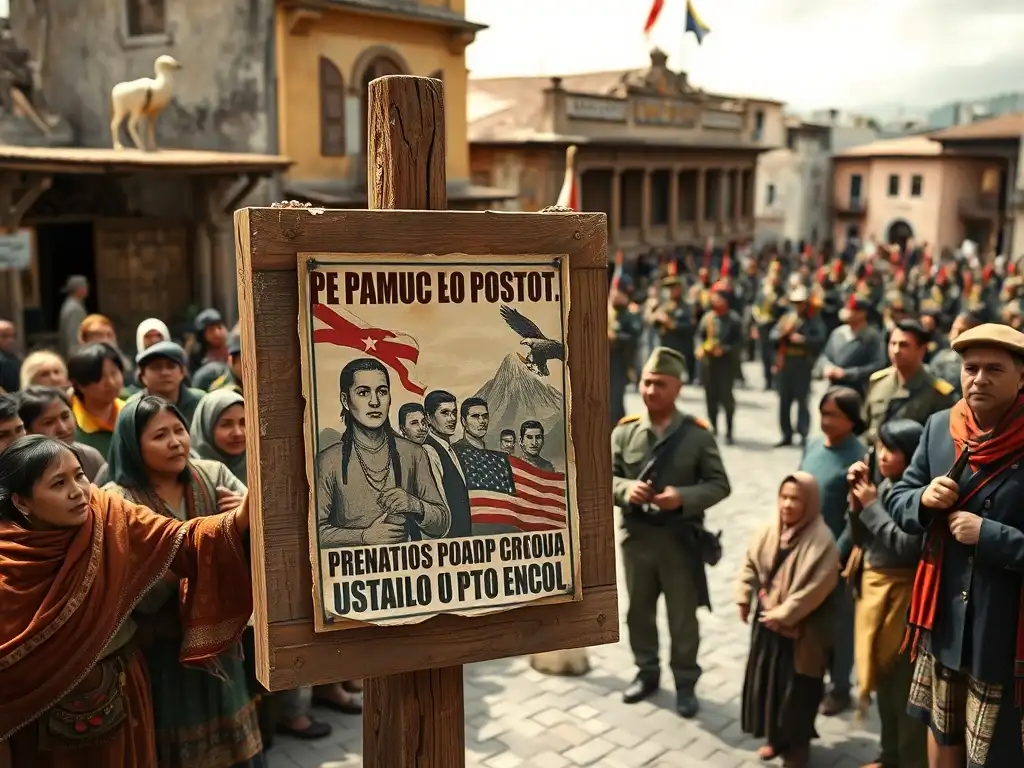
The impact of Andean propaganda was profound and multifaceted, shaping not only the immediate outcomes of wars but also the long-term trajectory of Andean societies. Effective propaganda fostered loyalty and unity among diverse populations within an empire, bolstering military recruitment and ensuring consistent supply lines. For instance, the Inca's sophisticated road system, Qhapaq Ñan, facilitated the rapid dissemination of messages and the movement of troops, significantly enhancing the impact of their propaganda campaigns.
Successful propaganda campaigns instilled a sense of shared identity and purpose, even across linguistic and cultural divides, ultimately strengthening the empire's cohesion and resilience against internal dissent and external threats. Conversely, failures in propaganda could lead to widespread unrest, rebellions, and ultimately, the weakening of the ruling power.
The decline of certain Andean empires can, in part, be attributed to a loss of popular support, a consequence of ineffective or counterproductive propaganda strategies. The manipulation of religious beliefs and the deification of rulers were key elements in the successful propaganda of many Andean civilizations.
The Effectiveness of Andean Propaganda Techniques
The effectiveness of Andean propaganda techniques stemmed from a combination of factors. Firstly, the use of readily accessible and easily understood visual imagery, such as textiles, pottery, and monumental architecture, transcended linguistic barriers. These visual representations often depicted the power and legitimacy of the ruling elite, reinforcing their authority and the ideology of the state. Secondly, the integration of propaganda into religious practices and rituals ensured its pervasive influence on daily life. Festivals, ceremonies, and public performances served as powerful platforms for disseminating state-sanctioned narratives and reinforcing desired behaviors. Finally, the control of information, through centralized administration and the carefully curated transmission of stories and myths, allowed the ruling power to shape the understanding of the past, present, and future, influencing public opinion effectively. The extent of this control varied among different Andean civilizations, with some exhibiting more centralized control than others. [Specific examples of successful and unsuccessful campaigns pending]
Long-Term Effects on Andean Societies
The long-term effects of Andean propaganda were significant and enduring. The carefully constructed narratives and images promoted by ruling elites shaped the collective memory and identity of Andean societies, influencing cultural practices, social structures, and even linguistic development for generations. The legacy of Inca propaganda, for instance, continues to resonate in contemporary Andean cultures through surviving traditions, stories, and artistic expressions. However, the impact wasn't solely positive.
The suppression of dissenting voices and the manipulation of information could lead to the erosion of critical thinking and independent judgment, hindering social progress and innovation in the long run. The legacy of propaganda also significantly impacted the perception and interpretation of historical events, often presenting a biased and incomplete picture of the past. Further research is needed to fully understand the long-term consequences of propaganda across various Andean societies and their lasting impact on their descendants.
Comparing Andean Propaganda with Other Ancient Civilizations
Similarities and Differences in Propaganda Strategies
Comparing Andean propaganda with that of other ancient civilizations reveals both similarities and striking differences. Many ancient empires, such as the Romans and the Egyptians, utilized similar techniques, including the construction of monumental architecture, the creation of elaborate visual imagery, and the manipulation of religious beliefs to legitimize their rule and inspire loyalty. However, the specific forms and styles of Andean propaganda differed significantly.
For instance, the extensive use of textiles and knotted strings (quipus) for information transmission is unique to the Andes. While the Romans relied heavily on written texts and public speeches, Andean societies often prioritized visual communication and oral traditions, reflecting the unique characteristics of their culture and communication systems. The level of control exerted by the ruling elite over information also varied significantly across different civilizations.
Unique Aspects of Andean Propaganda
The unique aspects of Andean propaganda are deeply intertwined with the specific cultural and environmental context of the Andes. The mountainous terrain and the diverse ecological zones influenced the forms and methods of communication. The use of knotted strings (quipus) for record-keeping and information transmission stands out as a uniquely Andean innovation.
Furthermore, the integration of propaganda with religious rituals and beliefs, particularly the emphasis on ancestor veneration and the complex cosmology of the Andes, shaped the specific character of Andean propaganda. The emphasis on visual communication, via textiles, ceramics, and monumental architecture, was further amplified by the relative scarcity of written sources compared to other ancient civilizations.
The use of vibrant colors and symbolic imagery in these visual media conveyed complex messages about power, legitimacy, and social order, effectively communicating across linguistic and cultural boundaries. The development of sophisticated systems of road networks also played a critical role in facilitating the dissemination of propaganda messages across vast distances.
Conclusion: The Lasting Legacy of Andean Propaganda
The sophisticated propaganda techniques employed by Andean civilizations, particularly the Inca Empire, weren't merely tools for wartime mobilization; they represent a crucial aspect of their enduring power and cultural legacy. The intricate system of knotted strings (quipus) used to convey information, along with the carefully crafted narratives woven into monumental architecture and religious ceremonies, shaped the collective consciousness of their vast populations. These methods fostered a sense of shared identity and loyalty, solidifying the Inca's rule and facilitating their impressive administrative achievements. The impact extended beyond mere control; it fostered a deep-seated belief system that permeated daily life, influencing everything from agricultural practices to artistic expression.
The echoes of this sophisticated propaganda continue to resonate today, informing our understanding of the Inca's remarkable ability to govern a diverse and geographically challenging empire. Studying these techniques provides valuable insights into the power of effective communication in shaping societal structures and beliefs, a lesson relevant even in the modern world. Further research into the specific symbols and narratives used in Andean propaganda, particularly through detailed analysis of surviving artifacts and archaeological evidence, will undoubtedly uncover even more nuanced aspects of this fascinating historical phenomenon.
The enduring power of Andean propaganda serves as a potent reminder of the crucial role communication plays in shaping history and culture. Understanding these ancient techniques offers a unique perspective on the complex interplay between power, ideology, and public opinion, highlighting the enduring relevance of the past for understanding the present. The legacy of Andean propaganda is not simply a historical curiosity; it's a testament to the enduring power of carefully crafted narratives and symbolic representation in shaping human societies.
- Introduction to Andean Warfare and the Role of Propaganda
- Understanding Andean Propaganda Techniques
- Propaganda During the Inca Empire
- Propaganda in Pre-Inca Andean Societies
- The Impact of Andean Propaganda
- Comparing Andean Propaganda with Other Ancient Civilizations
- Conclusion: The Lasting Legacy of Andean Propaganda
Frequently Asked Questions
How did Andean civilizations use propaganda?
Andean civilizations employed various propaganda techniques, including monumental architecture, like impressive temples and cities, to demonstrate power and divine legitimacy. They also used elaborate textiles and ceramics to disseminate messages and glorify rulers.
What role did art play in Andean propaganda?
Art served as a crucial tool for propaganda. Pottery, textiles, and sculptures depicted rulers' victories, divine connections, and the subjugation of enemies, shaping public perception and reinforcing authority. This visual propaganda was easily understood across different social strata.
Were there specific symbols used in Andean propaganda?
Yes, religious iconography and symbols of power, such as the Inca's chasqui messenger system or specific animal motifs, were frequently used to convey messages and instill loyalty. These symbols were carefully chosen for their cultural resonance and impact.
How did the Inca Empire use propaganda differently than other Andean cultures?
While all Andean civilizations used propaganda, the Inca Empire utilized a highly centralized system to control information and disseminate its message. Their vast road network facilitated quick communication and the spread of official narratives.
What is the significance of studying Andean propaganda techniques?
Studying Andean propaganda techniques provides valuable insights into the ways ancient societies managed power, built consensus, and controlled information. It shows how visual and symbolic communication shaped beliefs and influenced behavior in the past, echoing similar techniques used today.
Final Reflection: Echoes of the Andes: Propaganda's Enduring Legacy
The sophisticated propaganda techniques employed during the Andean Wars weren't merely historical artifacts; they serve as a chillingly relevant warning in our current age of misinformation. The ability to manipulate public perception, to sway allegiances through carefully crafted narratives, remains a potent force, shaping conflicts and influencing political landscapes across the globe. Understanding the historical precedents allows us to better identify and combat these tactics today.
The echoes of Andean propaganda resonate even now, influencing how we understand conflict, nationalism, and the power of media. The strategic use of imagery, symbolism, and emotional appeals, as documented throughout this article, continues to be refined and deployed in modern conflicts and political campaigns. The pen is mightier than the sword,
a phrase often attributed to Edward Bulwer-Lytton, rings truer than ever in the digital age, where the manipulation of narratives can be even more pervasive and insidious than in the past. The lessons learned from studying Andean propaganda are crucial for navigating the complexities of modern information warfare.
Consider the impact of carefully constructed narratives on your own life. How do you discern truth from falsehood in the constant barrage of information? I urge you to actively engage in critical thinking, to question the sources of information you encounter, and to seek diverse perspectives. By understanding the historical context of propaganda, and by developing your own critical analysis skills, you can become a more informed and engaged citizen, capable of resisting manipulation and contributing to a more truthful and just world.
Harness the Power of Propaganda: Understanding its Influence
Thank you for exploring the fascinating role of propaganda during the Andean Wars. Your interest demonstrates a keen understanding of how carefully crafted messages shape public opinion and influence historical events. Let's apply this knowledge to the present day.
Here are some ways to further explore the impact of propaganda:
- Investigate a Recent Example: Research a contemporary event where propaganda significantly influenced public opinion. Consider comparing the techniques used to those employed during the Andean Wars. What similarities and differences do you observe?
- Engage in Discussion: Share your insights and analysis on social media or within your community. Initiate conversations about the implications of propaganda in modern society. What are the ethical considerations?
- Create Your Own Propaganda: Design a propaganda piece—a poster, social media campaign, or short video—to promote a cause you believe in. Experiment with different techniques and analyze their effectiveness. What makes your message persuasive?
How do you believe propaganda shapes our perceptions in today's digital age, and what measures can we take to critically evaluate the information we consume? Share your thoughts below!