
When Words Become Worlds: The Creation of Andean Reality Through Oral Tradition

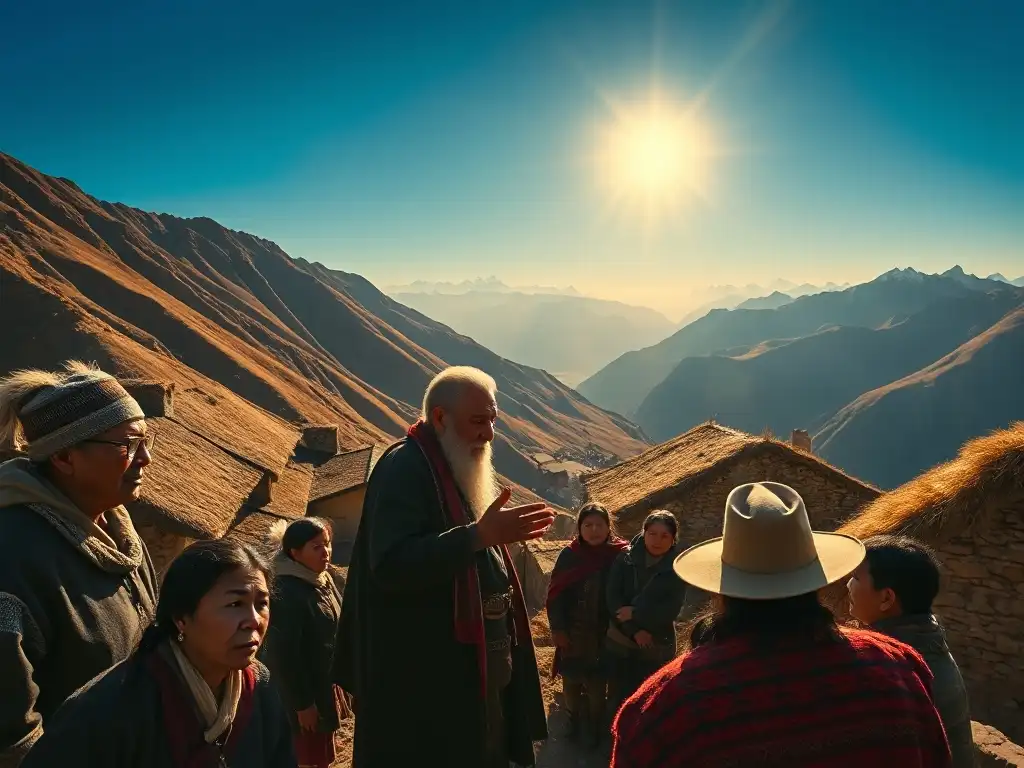
Unravel the mysteries of a world built not on stone, but on words. Journey into the heart of the Andes, where vibrant civilizations like the Inca, Moche, and Nazca wove their realities through the intricate tapestry of Andean oral tradition history. Discover how their stories, passed down through generations, shaped their beliefs, their societies, and their breathtaking legacy. Prepare to be captivated by the power of spoken history and the enduring legacy of the Andean languages. Dive in – the untold stories await.
The towering peaks of the Andes Mountains, a breathtaking backdrop to millennia of human history, witnessed the rise and fall of vibrant civilizations long before the written word took hold. For the Incas, Moche, Nazca, and Tiahuanaco, among others, the preservation and transmission of knowledge, beliefs, and history relied heavily on a sophisticated system of oral tradition. This article delves into the profound influence of Andean oral tradition, exploring how spoken narratives shaped societal structures, religious practices, and the very understanding of reality within these remarkable cultures.
We will examine the power of storytelling, the role of memory keepers, and the lasting impact of this rich legacy on our understanding of Andean history and cultural identity. Understanding Andean oral tradition history is crucial to grasping the complexity and richness of these ancient societies, moving beyond the limited perspectives often provided by written accounts primarily focused on the Inca Empire.
This exploration will uncover how spoken word became a powerful force in shaping the Andean world, revealing a complex tapestry woven from myths, legends, songs, and everyday conversations. We will uncover how this oral tradition not only preserved history but also actively created reality for these ancient peoples.
The Power of Spoken Word in Shaping Andean Cultures
The Andean oral tradition wasn't merely a method of recounting past events; it was a dynamic, living force that shaped the present and future. Narratives, passed down through generations, served as blueprints for social organization, establishing hierarchies, defining roles, and reinforcing community bonds. Myths and legends explained the origins of the world, the creation of humanity, and the relationship between humans and the supernatural.
These stories weren't passive entertainment; they provided moral guidance, instilled values, and maintained social order. For example, stories about powerful deities like Viracocha or Pachamama (Mother Earth) instilled respect for the natural world and emphasized the importance of living in harmony with it. The intricate system of ayllu, the traditional Andean community structure, was reinforced and maintained through oral narratives that emphasized kinship, reciprocity, and collective responsibility.
These stories weren't static; they adapted and evolved over time, reflecting changing social and environmental conditions. This adaptability highlights the dynamism and resilience of Andean oral tradition, proving its efficacy in navigating the complexities of life in the challenging Andean environment. The spoken word was the glue that held society together, fostering a strong sense of collective identity and shared purpose.
Andean Oral Tradition History: A Legacy of Narratives
The legacy of Andean oral tradition continues to resonate today. While the advent of writing introduced new forms of record-keeping, the oral tradition persists, interwoven with contemporary practices. Many indigenous communities still maintain vibrant oral traditions, using storytelling to preserve their cultural heritage and transmit knowledge to younger generations. Scholars and researchers continue to painstakingly collect and analyze these narratives, piecing together fragments of a vast and complex history.
This work is crucial for a more complete and nuanced understanding of Andean civilizations. The challenge lies in recognizing the limitations of written records, which often reflect the perspectives of the colonizers rather than the indigenous populations. By focusing on Andean oral tradition history, we gain access to alternative perspectives, uncovering untold stories and re-evaluating existing narratives. The recovery and preservation of these narratives are not merely academic exercises; they are acts of cultural revitalization, empowering indigenous communities and enriching our collective understanding of human history.
The study of Andean oral tradition provides invaluable insights into the complexities of pre-Columbian societies and challenges Eurocentric narratives that often dominate historical accounts. The richness and diversity of these oral traditions offer a powerful counterpoint to the dominant historical narratives, reminding us of the importance of diverse voices and perspectives in understanding the past. It is a testament to the enduring power of spoken word to shape not only the past but also the future.
- The Power of Spoken Word in Shaping Andean Cultures
- Andean Oral Tradition History: A Legacy of Narratives
- What role did oral tradition play in Andean societies?
- How was information preserved through oral tradition in the absence of writing?
- How did Andean oral traditions influence the development of Andean art and technology?
- What are some examples of Andean oral traditions that have survived to the present day?
- How accurate are historical accounts derived from Andean oral traditions?
Understanding the Significance of Oral Transmission in the Andes

The Andes Mountains, a spine of towering peaks and fertile valleys stretching along the western edge of South America, were home to a vibrant tapestry of cultures long before the arrival of Europeans. Understanding the Andean world requires acknowledging the profound role of oral tradition in shaping its history, social structures, and worldview.
For centuries, before the widespread use of writing systems, oral transmission served as the primary means of preserving and transmitting knowledge, beliefs, and cultural practices. This wasn't simply a method of communication; it was the very fabric of Andean reality, weaving together the past, present, and future within a complex and dynamic system of shared understanding.
The concept of "Andean oral tradition history" therefore encompasses far more than just a collection of stories; it represents a living, breathing legacy that continues to influence Andean societies today. This section delves into the vital mechanisms and societal impacts of this powerful form of cultural transmission.
The Role of Storytelling in Andean Societies
Storytelling wasn't merely entertainment in Andean societies; it was a fundamental pillar of social cohesion and cultural transmission. Narratives, often imbued with mythical and cosmological elements, served multiple purposes. They provided explanations for the natural world, tracing the origins of mountains, rivers, and celestial bodies.
Consider, for instance, the numerous creation myths explaining the emergence of the Andes themselves, often featuring powerful deities shaping the landscape and populating it with humans and animals. These weren't simple tales; they were foundational narratives that shaped Andean cosmology and provided a framework for understanding their place within the universe. Furthermore, stories served as moral guides, teaching ethical principles and societal norms.
They reinforced social hierarchies, explained kinship systems, and instilled a sense of community identity. The power of these narratives was amplified by their performative nature; skilled storytellers, often holding respected positions within their communities, used dramatic techniques, music, and gestures to engage their audiences and ensure the stories' impact. The effectiveness of this oral transmission is evidenced by the persistence of many of these core narratives, even in the face of colonization and modernization.
Transmission of Knowledge: From Generation to Generation
The successful transmission of knowledge across generations was crucial for the survival and continuity of Andean cultures. This wasn't a passive process; it involved active participation and rigorous memorization techniques. Mnemonics, songs, and repetitive chants played a vital role in preserving complex information, including genealogies, agricultural practices, medicinal knowledge, and intricate rituals.
Consider the sophisticated agricultural techniques employed by Andean civilizations, many of which were passed down through generations via meticulously detailed oral instructions. These techniques, including terracing, irrigation systems, and crop rotation, demonstrate a deep understanding of ecological principles and resource management. The knowledge wasn't simply recited; it was experienced, learned through direct participation in agricultural cycles and carefully observed by younger generations.
Similarly, medicinal knowledge, often intertwined with spiritual beliefs, was passed down through oral tradition, maintaining a rich pharmacopoeia derived from the Andean flora. This process of apprenticeship and experiential learning ensured the continuity of essential skills and knowledge, fostering cultural resilience and adaptation. The meticulous nature of this transmission highlights the importance placed on preserving and protecting this vital cultural heritage.
Oral Tradition and the Preservation of Andean History
The preservation of Andean history relied heavily on oral tradition, shaping collective memory and identity. While written records existed in some Andean societies (like the Inca quipu system for recording numerical data), oral tradition remained the dominant mode of historical transmission. Genealogies, tracing lineage and kinship ties, were meticulously memorized and recited, providing a framework for understanding social structures and power dynamics.
These weren't simply lists of names; they were narratives imbued with historical events, significant figures, and cultural values. Similarly, historical accounts of wars, migrations, and significant events were woven into songs, poems, and dramatic performances, ensuring their preservation and transmission across generations. The narratives weren't static; they evolved over time, reflecting changing social contexts and interpretations.
This dynamic nature of oral tradition highlights its adaptive capacity, allowing it to respond to new challenges and incorporate new experiences. Studying Andean oral tradition allows us to reconstruct historical events, understand cultural transformations, and appreciate the resilience and adaptability of Andean societies throughout their history. The continued relevance of these oral histories in contemporary Andean communities underscores their ongoing importance in shaping cultural identity and social cohesion.
Key Elements of Andean Oral Tradition
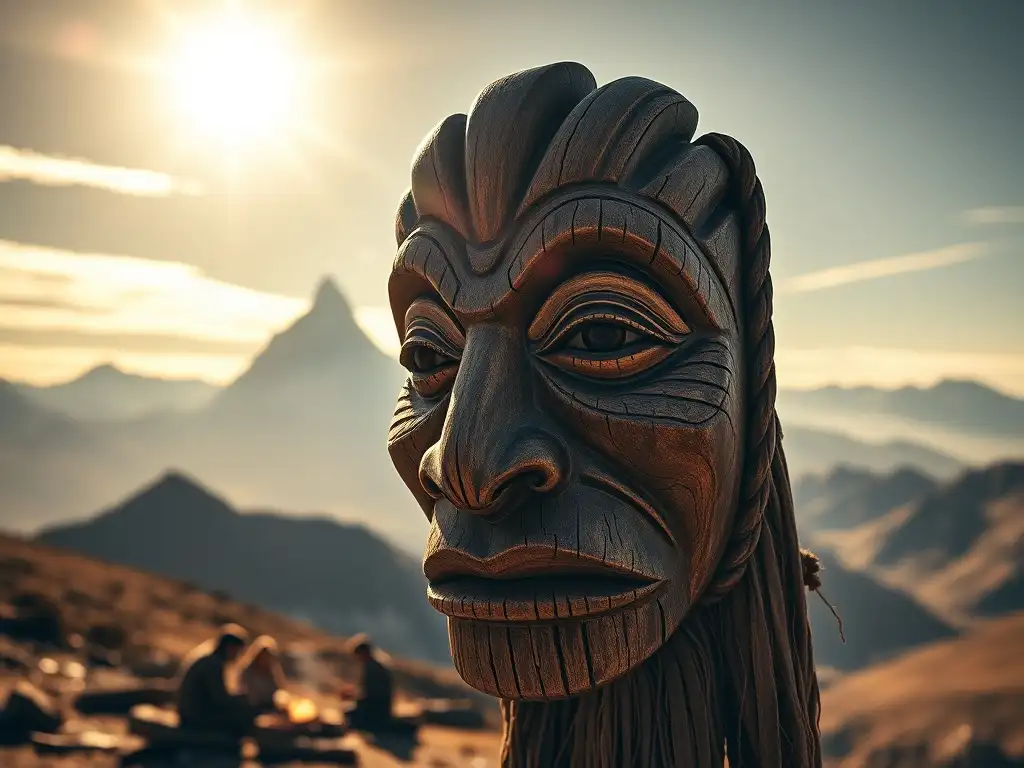
The Andean oral tradition, a vibrant tapestry woven through millennia, wasn't merely a means of storytelling; it was the very foundation of Andean reality. It shaped their worldview, governed their social structures, and guided their daily lives. Understanding its key elements unlocks a deeper appreciation for the complex societies that thrived in the Andes. This intricate system of knowledge transmission, deeply intertwined with their spiritual beliefs and social practices, ensured the continuity of their culture across generations, impacting their history significantly. The enduring power of Andean oral tradition history is a testament to its effectiveness.
Myths and Legends: Building the Andean Cosmovision
Andean cosmovision, a holistic understanding of the universe encompassing the physical and spiritual realms, was profoundly shaped by myths and legends passed down through generations. These narratives didn't simply entertain; they provided a framework for understanding the world, their place within it, and their relationship with the divine. The enduring power of these stories lies in their ability to connect past, present, and future, reinforcing community identity and cultural continuity.
Creation Myths: The Origins of the Andean World
Creation myths, fundamental to Andean oral tradition history, varied across different cultures but shared common themes. Many involved powerful deities shaping the landscape, creating humans, and establishing the cosmic order. These narratives often explained the origins of natural phenomena, such as mountains, rivers, and celestial bodies.
For instance, the Inca creation myth involved Viracocha, a creator god, emerging from Lake Titicaca to fashion the world and its inhabitants. These stories provided a powerful sense of origin and belonging for Andean communities, solidifying their connection to the land and their ancestors. Understanding these creation myths is crucial to comprehending the Andean worldview and their deep-seated respect for the natural environment.
Heroic Tales: The Deeds of Andean Ancestors
Heroic tales celebrated the deeds of legendary figures, both human and divine, who embodied the values and ideals of Andean societies. These stories often involved overcoming obstacles, demonstrating courage, and establishing social order. They served as moral guides, teaching important lessons about bravery, resilience, and community responsibility. These narratives, passed down through generations, instilled a sense of pride and identity, connecting individuals to their cultural heritage and inspiring future generations.
The specific heroes and their exploits varied depending on the region and the ethnic group, showcasing the diversity within the Andean oral tradition. Analyzing these narratives reveals valuable insights into the social structures, values, and beliefs of these ancient cultures. These tales, a vital part of Andean oral tradition history, continue to resonate today, offering valuable lessons about leadership and community.
Rituals and Ceremonies: The Living Embodiment of Tradition
Rituals and ceremonies were not merely symbolic acts; they were integral to the daily lives of Andean communities, serving as powerful vehicles for maintaining social cohesion, reinforcing religious beliefs, and ensuring the continuity of their traditions. Oral tradition played a pivotal role in these practices, transmitting the knowledge, procedures, and significance of each ritual.
The Importance of Language in Andean Rituals
Language was central to Andean rituals. Specific prayers, chants, and invocations, passed down orally, were essential components of ceremonies. The precise phrasing, intonation, and rhythm were crucial for their effectiveness. The use of Quechua, Aymara, and other Andean languages in these rituals underscored their importance in maintaining cultural identity and transmitting spiritual knowledge.
The loss of these languages directly impacts the understanding and preservation of Andean oral tradition history. The intricate relationship between language and ritual highlights the deep connection between oral tradition and spiritual practices. Variations in language across different regions further illustrate the rich diversity of Andean cultures.
Musicality and Rhythms in Oral Expression
Music and rhythm were integral to Andean oral tradition. Chants, songs, and musical instruments accompanied many rituals and ceremonies, enhancing their emotional impact and reinforcing their message. These musical elements served as mnemonic devices, helping to remember and transmit complex information across generations. The rhythmic patterns and melodies were often deeply symbolic, reflecting the beliefs and values of the community.
This musicality, a key aspect of Andean oral tradition history, helped to ensure the preservation of their cultural heritage. The use of specific instruments and musical styles varied across different Andean cultures, reflecting the rich diversity of their musical heritage. The study of these musical traditions provides invaluable insights into the beliefs, values, and social structures of these ancient societies.
Poetry and Songs: Expressing Emotions and Experiences
Andean oral tradition wasn't merely a means of transmitting historical data; it was a vibrant tapestry woven with threads of emotion, experience, and spirituality. Poetry and song served as powerful vehicles for expressing the full spectrum of human feeling, from the joy of harvest celebrations to the grief of loss and the anxieties of daily life. These weren't simply artistic expressions; they were integral parts of the social fabric, shaping individual identities and community bonds.
The rhythmic cadence of poetry and the melodic flow of songs acted as mnemonics, aiding in the memorization and transmission of crucial information across generations. This intimate connection between artistic expression and lived experience is a key element in understanding the depth and longevity of Andean oral traditions.
The emotional resonance of these forms ensured their continued relevance and ensured the stories, beliefs, and values they encapsulated were never truly forgotten. Moreover, the use of metaphor and symbolism within these artistic forms allowed for a nuanced and layered expression of complex ideas, far beyond the capabilities of a purely factual recounting of events.
Andean Poetry Forms and Their Meaning
The Andes boast a rich diversity of poetic forms, each carrying its unique significance and expressive potential. For instance, harawi, a Quechua poetic form, often employed melancholic themes, reflecting on love, loss, and the hardships of life. These weren't simply lamentations, however; they provided a framework for processing grief and finding solace within a shared cultural experience.
The structure of the harawi, with its characteristic rhythmic patterns and evocative imagery, contributed to its memorability and emotional impact. Other forms, such as the ayataqui, were used for celebratory purposes, often accompanying communal festivities and agricultural rites. The specific imagery and vocabulary used within these forms were often deeply symbolic, drawing upon the natural world and the spiritual beliefs of the Andean people.
Understanding these poetic forms requires an appreciation of the cultural context in which they were created and performed, recognizing the intricate interplay between language, music, and social life. Further research into specific Andean languages and their poetic traditions is needed to fully appreciate the vast richness and diversity of these expressions. The subtle variations in style, meter, and thematic concerns across different Andean communities highlight the dynamic nature of oral poetic traditions and their adaptation to specific environmental and social contexts.
The Power of Song in Community Life
Song played a crucial role in the daily lives of Andean communities, functioning as a powerful tool for social cohesion and cultural transmission. Work songs, for example, helped synchronize tasks in agriculture and construction, fostering a sense of collective effort and shared purpose. The rhythmic nature of these songs not only increased efficiency but also provided a framework for social interaction and the reinforcement of community values. Beyond practical applications, songs served as vehicles for storytelling, preserving historical accounts, myths, and legends through generations.
These songs often incorporated musical elements specific to their region or community, acting as markers of identity and affiliation. Ritual songs, accompanying ceremonies and religious practices, held immense spiritual significance, reinforcing social hierarchies and shaping beliefs about the cosmos. The melodies and lyrics of these songs were often closely guarded, passed down through lineages of shamans or religious leaders, reflecting the sacred nature of the knowledge they conveyed.
The power of song in Andean society extended far beyond mere entertainment; it was a fundamental aspect of their social, cultural, and spiritual lives. The continued use of traditional songs in many Andean communities today testifies to their enduring power and relevance. The preservation of these songs is crucial for understanding the continuity of Andean culture and the vital role of oral tradition in shaping its identity.
The Impact of Oral Tradition on Andean Identity
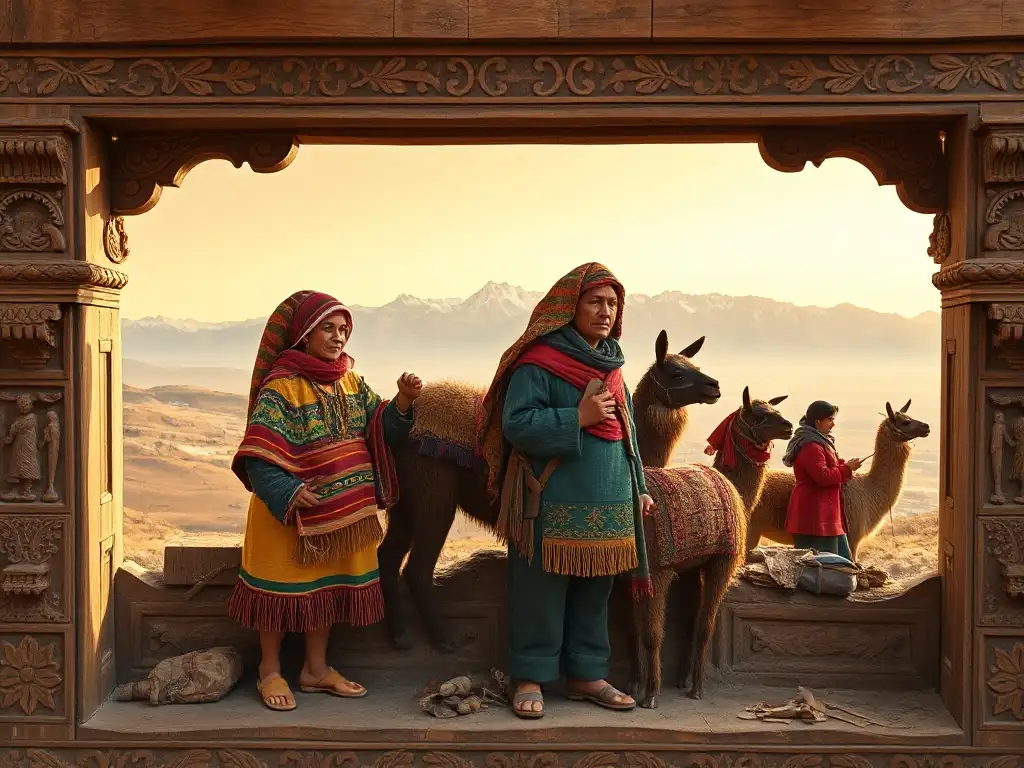
The Andes Mountains, a spine of towering peaks and deep valleys, cradled civilizations that thrived for millennia, leaving behind a legacy profoundly shaped by their unique approach to preserving and transmitting knowledge: oral tradition. This wasn't simply a method of storytelling; it was the very bedrock of Andean identity, a dynamic system that shaped cultural understanding, social structures, and even the very perception of reality.
Understanding the impact of oral tradition is crucial to grasping the complexities and richness of Andean history and culture. The enduring power of Andean oral tradition history is undeniable, weaving together the past and present in a rich tapestry of narratives.
Shared narratives, passed down through generations via oral tradition, formed the core of Andean cultural identity. These weren't mere tales; they were powerful tools for establishing a collective understanding of the world, their place within it, and their relationship with the cosmos. Myths of origin, for example, explained the creation of the world and the emergence of their ancestors, fostering a deep sense of belonging and continuity.
These stories weren't static; they evolved and adapted over time, reflecting changing social structures and environmental challenges. Think of the diverse creation myths across different Andean groups – each possessing unique elements yet sharing common threads of respect for nature and ancestor veneration. This adaptability showcases the dynamic nature of oral tradition and its role in shaping a fluid yet unified cultural identity.
The constant retelling and reinterpretation ensured the stories remained relevant and meaningful across generations. This process is crucial to understanding how Andean oral tradition history created a cohesive cultural identity, even amidst the diversity of ethnic groups and regional variations.
Beyond constructing cultural identity, Andean oral tradition played a vital role in maintaining social cohesion. Complex social structures, from kinship ties to political hierarchies, were often reinforced through oral narratives. Stories about heroic ancestors, wise leaders, and cautionary tales served as powerful tools for teaching moral values, social norms, and proper behavior.
These narratives weren't just entertaining; they were instructional, shaping individual conduct and contributing to social order. For example, the Inca Empire's sophisticated administrative system relied heavily on oral communication to transmit laws, decrees, and historical accounts. The quipucamayocs, or keepers of quipus (knotted-cord record-keeping system), were essential in this process, demonstrating the integration of oral tradition with a sophisticated system of record-keeping.
Analyzing these systems reveals how Andean oral tradition history facilitated social control and cooperation, essential for the stability and longevity of these complex societies. The narratives reinforced social hierarchies, defined roles, and provided a framework for social interaction.
Adapting Oral Tradition in Modern Andean Communities
Despite the challenges of colonization and globalization, Andean oral tradition persists. While written forms of communication have become more prevalent, oral storytelling remains a vital part of Andean life. In many communities, traditional narratives continue to be shared during festivals, ceremonies, and everyday interactions.
However, this isn't a static preservation; the narratives adapt to contemporary contexts, incorporating new elements and reflecting changing social realities. Modern Andean storytellers often integrate elements of contemporary life into traditional narratives, ensuring the stories remain relevant and engaging for younger generations. This adaptation is not a betrayal of tradition but rather a testament to its enduring power and resilience.
The ongoing evolution of Andean oral tradition history demonstrates its adaptability and its continued relevance in modern society. The fusion of ancient narratives and contemporary experiences showcases the vibrant and dynamic nature of Andean culture. Understanding this ongoing evolution is key to appreciating the multifaceted legacy of Andean oral tradition.
Challenges and Preservation of Andean Oral Tradition
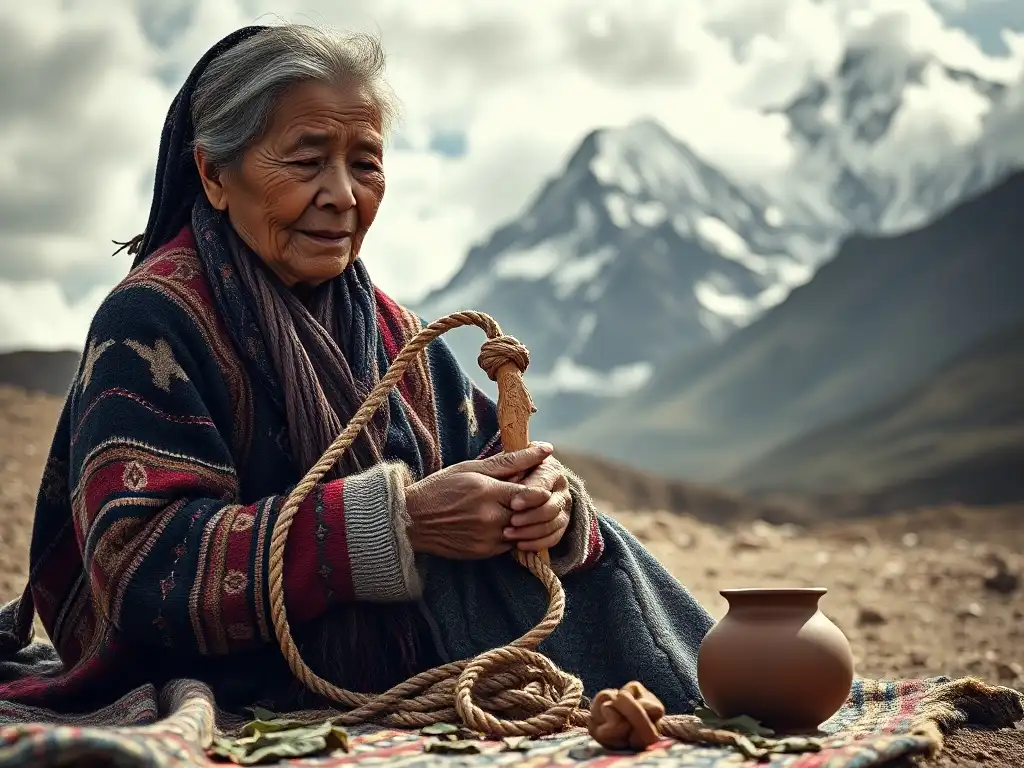
The vibrant tapestry of Andean oral tradition, woven through millennia, faces significant challenges in the modern world. The transmission of knowledge, stories, and cultural values—once a cornerstone of Andean societies—is threatened by various factors impacting the longevity of this invaluable historical record. Understanding these challenges is crucial to implementing effective preservation strategies for this vital aspect of Andean "Andean oral tradition history".
The Impact of Modernity on Oral Practices
Modernity's encroachment has profoundly altered Andean oral practices. The widespread adoption of Spanish and other global languages has led to a decline in the use of indigenous languages, impacting the transmission of oral traditions embedded within them. This linguistic shift often accompanies a cultural shift, where younger generations prioritize acquiring skills and knowledge relevant to a globalized economy, sometimes at the expense of traditional narratives and practices. The allure of television, internet, and other digital media further distracts from the communal storytelling that once formed the heart of Andean communities.
For example, in Quechua-speaking communities, the once-common practice of taqui, a form of dramatic storytelling accompanied by music and dance, is declining. While some efforts exist to revitalize taqui, the younger generation's engagement remains limited, highlighting the struggle to maintain this vital element of Andean oral tradition history. Furthermore, the migration of Andean populations to urban centers disrupts traditional social structures and weakens the intergenerational transmission of oral knowledge.
The close-knit family and community bonds that fostered oral learning are often fractured in urban settings, leading to a loss of cultural continuity. The impact is not merely the loss of stories, but the erosion of a worldview deeply intertwined with the natural environment and the spiritual beliefs passed down through generations.
Efforts to Document and Revitalize Andean Languages
Recognizing the critical need to preserve Andean oral traditions, various initiatives are underway to document and revitalize indigenous languages. These efforts involve meticulous fieldwork, recording oral narratives, translating them, and making them accessible to broader audiences. Linguists and anthropologists collaborate with community members to create comprehensive archives of oral histories, songs, and traditional knowledge. The use of digital technologies, such as audio and video recording, plays a crucial role in capturing and preserving these ephemeral forms of cultural expression.
However, challenges remain. The sheer diversity of Andean languages and dialects requires substantial resources and expertise. Furthermore, obtaining informed consent and ensuring the ethical handling of sensitive cultural information are paramount. Many projects emphasize community participation, aiming to empower local communities to take ownership of their cultural heritage. This participatory approach recognizes the importance of respecting indigenous knowledge systems and ensuring that documentation efforts serve the needs and aspirations of the communities involved. These efforts are crucial not just for preserving the past, but for empowering future generations to connect with their heritage and maintain a vibrant cultural identity.
Community-Based Language Programs
Community-based language programs are increasingly recognized as effective strategies for revitalizing Andean languages and preserving oral traditions. These programs often involve immersive learning experiences, where children and adults are encouraged to use the indigenous language in everyday settings. Storytelling, song, and traditional games are incorporated into the curriculum, making language learning engaging and culturally relevant. The focus is not solely on linguistic proficiency, but also on the transmission of cultural values and traditional knowledge embedded within the language.
Successful programs often involve close collaboration between educators, linguists, community elders, and local organizations. They emphasize the importance of respecting local knowledge and integrating language learning into the broader social and cultural context of the community. These initiatives demonstrate that language revitalization is not merely an academic endeavor, but a community-driven process that strengthens cultural identity and promotes social cohesion. The success of such community-based programs provides a beacon of hope for the future of Andean oral tradition history, highlighting the power of collaborative efforts in preserving a rich cultural legacy.
Conclusion: The Enduring Legacy of Andean Oral Tradition
The vibrant tapestry of Andean civilization, so richly detailed in archaeological findings, is incomplete without understanding the crucial role of oral tradition. This system of knowledge transmission, passed down through generations, shaped not just the history of these societies but their very understanding of the world. From intricate narratives explaining the origins of the cosmos to practical knowledge about agriculture and medicine, oral tradition provided a framework for Andean life, influencing everything from social structures to artistic expression.
The echoes of this tradition continue to resonate today, shaping modern Andean identities and cultural practices. Understanding Andean oral tradition history is key to appreciating the full complexity and enduring power of these ancient cultures.
The Importance of Recognizing and Valuing Oral Heritage
The preservation and study of Andean oral traditions are not merely academic exercises; they are vital for maintaining cultural continuity and promoting intercultural understanding. The loss of these traditions represents a profound loss of knowledge, perspective, and cultural identity. Many stories, songs, and rituals, once passed down verbally, are now threatened with extinction due to factors such as modernization, migration, and linguistic assimilation. Active efforts are needed to document and revitalize these oral traditions. This includes initiatives such as:
- Community-based archiving projects: Working directly with Andean communities to record and preserve their oral histories.
- Language revitalization programs: Supporting the continued use and teaching of indigenous Andean languages, which are often the primary vehicles for oral traditions.
- Educational initiatives: Integrating the study of Andean oral traditions into school curricula to foster appreciation and understanding among younger generations.
- Support for cultural festivals and performances: Providing resources and platforms for the continued practice and transmission of oral traditions through traditional performances and celebrations.
Failure to actively engage in these preservation efforts risks the irreversible erosion of a rich and irreplaceable cultural heritage. The unique perspectives and knowledge embedded within Andean oral traditions offer invaluable insights into human history, social organization, and environmental interaction, enriching our global understanding of the past and informing our approach to the future. The continued existence of these traditions is not just important for Andean communities; it is a benefit to humanity as a whole. The vibrant narratives, imbued with ancient wisdom and profound insights, deserve to be heard and understood.
Looking Towards the Future of Andean Storytelling
The future of Andean storytelling hinges on a collaborative effort involving both Andean communities and external researchers and institutions. This requires a shift from a purely extractive approach to research, where academics collect data without fully engaging with the communities involved, towards a participatory model that prioritizes community ownership and control. This means:
- Respecting intellectual property rights: Ensuring that the knowledge and stories shared by Andean communities are not exploited for commercial gain or academic advancement without proper consent and compensation.
- Promoting collaborative research: Working in partnership with Andean communities to design and implement research projects that are relevant to their needs and priorities.
- Supporting the development of new forms of storytelling: Encouraging the use of innovative technologies and media to reach wider audiences and engage younger generations with Andean oral traditions. This could include the creation of digital archives, interactive websites, and virtual reality experiences.
- Fostering intercultural dialogue: Creating opportunities for exchange and collaboration between Andean communities and other cultures, promoting mutual understanding and appreciation.
The preservation and dissemination of Andean oral traditions is not simply a matter of archiving historical data; it is an ongoing process of cultural revitalization and empowerment. By embracing a collaborative and respectful approach, we can ensure that the rich legacy of Andean storytelling continues to thrive for generations to come. The power of these stories, passed down through millennia, deserves to be celebrated and shared with the world. The future of Andean oral tradition history rests on our ability to work together to protect and promote this vital aspect of Andean heritage.
Frequently Asked Questions
What role did oral tradition play in Andean societies?
Oral tradition was central to Andean life, transmitting history, beliefs, and knowledge across generations. It shaped their worldview and social structures, influencing everything from daily life to monumental construction. It was not merely storytelling, but a way of creating and maintaining reality.
How was information preserved through oral tradition in the absence of writing?
Information was preserved through memorization techniques, including songs, poetry, and dramatic performances. Specialized memory keepers and storytellers played a crucial role. The use of mnemonic devices and repetitive structures aided recall.
How did Andean oral traditions influence the development of Andean art and technology?
Oral traditions directly influenced Andean art and technology by providing the myths, legends, and historical accounts that inspired their creations. Narratives about powerful figures or significant events often informed the design and construction of monumental structures and intricate artifacts.
What are some examples of Andean oral traditions that have survived to the present day?
Many myths, legends, and folktales continue to be told and adapted today. Examples include stories about the creation of the world, the origins of different ethnic groups, and the exploits of mythical heroes. These narratives often reflect a deep connection to the Andean landscape and its resources.
How accurate are historical accounts derived from Andean oral traditions?
The accuracy of historical accounts from oral traditions is complex and requires careful analysis. While they may not always be strictly factual in a chronological sense, they provide valuable insights into Andean beliefs, values, and social structures. Interpreting these traditions requires considering their cultural context and purpose.
Final Reflection: Echoes of the Andes, Shaping Our Present
The enduring power of Andean oral tradition isn't merely a historical curiosity; it's a vibrant force shaping our understanding of narrative, community, and the very construction of reality. The intricate tapestry woven from myths, legends, and songs continues to resonate, influencing contemporary Andean societies and offering invaluable insights into human resilience and cultural adaptation. This legacy demands our attention, not as a relic of the past, but as a living testament to the power of storytelling.
The profound impact of oral tradition on Andean identity is undeniable. It's a living archive, constantly evolving yet rooted in ancient wisdom, transmitting values, beliefs, and historical memory across generations. The stories we tell ourselves create the world we live in.
This quote, though not specifically Andean in origin, perfectly encapsulates the transformative power of narrative, a power amplified exponentially within the rich oral tradition of the Andes. The stories, songs, and rituals continue to inform social structures, ecological practices, and even political discourse in the region, shaping a unique worldview that deserves deeper understanding and respect.
Consider the narratives you carry within you, the stories that shape your own understanding of the world. How do they influence your actions, your beliefs, and your interactions with others? Embrace the power of storytelling, both in listening to the echoes of the Andes and in crafting your own narratives. Let the wisdom of these ancient traditions inspire you to explore the profound connection between words, worlds, and the enduring strength of the human spirit. By understanding the past, we can better navigate the present and build a more informed and empathetic future.
Unveil the Power of Oral Tradition!
Thank you for exploring the fascinating world of Andean oral traditions with us. By engaging with these rich narratives, you've gained a deeper understanding and appreciation of Andean culture. Now, let's build on this knowledge and actively participate in this vibrant tradition!
- Engage with your community: Seek out local initiatives that preserve and celebrate Andean oral traditions. Connect with Indigenous storytellers and learn directly from their experiences.
- Share your discoveries: Discuss your favorite stories or insights from this exploration with friends, family, or online using the hashtag #AndeanVoices. Inspire others to discover the power of oral tradition.
- Preserve your heritage: Record a significant oral story from your own family or community. This act of preservation contributes to the ongoing narrative of your culture and keeps its history alive.
What personal stories have shaped your understanding of the world?