
The Inca and the Spanish Conquest: Books That Examine the Clash of Civilizations

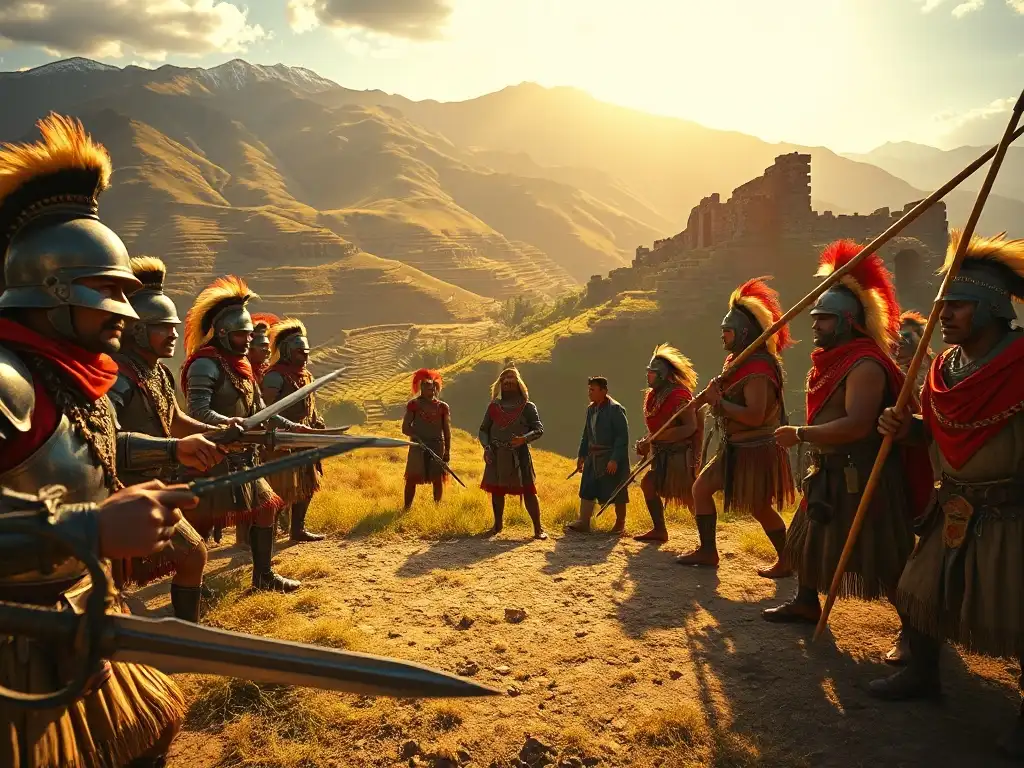
Step into a world lost to time, yet echoing with the whispers of empires. Discover the breathtaking legacy of the Andean civilizations, from the intricate artistry of the Nazca lines to the sophisticated engineering of the Incas. But what happened when two worlds collided? This journey delves into the dramatic clash between Inca power and the Spanish Conquest, unearthing untold stories through a curated selection of Inca Spanish Conquest books. Prepare to be captivated by the mysteries and marvels that await.
The Spanish conquest of the Inca Empire stands as a pivotal moment in world history, a dramatic collision of two vastly different cultures that resulted in the dramatic downfall of a sophisticated civilization and the reshaping of South America. Understanding this complex historical event requires careful study, and fortunately, a wealth of excellent books offer insightful perspectives on the Inca civilization, the Spanish conquistadors, and the brutal encounter that changed the course of history. This article explores some of the most impactful books that delve into the Inca and Spanish Conquest, providing readers with a curated list to deepen their understanding of this fascinating and tragic period.
We'll examine key works that not only recount the events of the conquest but also analyze the social, political, and cultural ramifications of this clash of civilizations. From detailed accounts of military campaigns to analyses of the Inca social structure and its vulnerabilities, these books offer a multifaceted look at this pivotal historical period, making them essential reading for anyone interested in the Inca Empire and its ultimate demise.
This exploration will focus on providing key insights and perspectives, allowing readers to choose the resources most suited to their individual needs and research interests. 📚
Understanding the Collision: Key Books on the Inca and Spanish Encounter
The Spanish conquest of the Inca Empire wasn't a simple military victory; it was a complex process involving a confluence of factors, including superior weaponry, internal Inca conflicts, disease, and the effective manipulation of indigenous populations by the Spanish. Understanding this requires delving into works that explore not only the military campaigns but also the social and political dynamics at play. The books highlighted in this article provide diverse perspectives, offering both narrative accounts and scholarly analyses to paint a comprehensive picture of this pivotal historical event.
The selection criteria emphasize books that offer detailed accounts, insightful analyses, and accessible writing styles, suitable for a wide range of readers interested in learning more about the Inca and Spanish Conquest. These books offer a valuable gateway into understanding the complexities of this transformative period in Andean history.
"Conquest of the Incas" by John Hemming: A Foundational Text
John Hemming's Conquest of the Incas is frequently cited as a cornerstone text for anyone seeking to understand the Spanish conquest of the Inca Empire. It's a meticulously researched and engaging narrative that expertly weaves together historical accounts, archaeological findings, and anthropological insights to create a comprehensive and compelling story. Hemming's work goes beyond a simple chronological recounting of events; it delves into the complexities of Inca society, the motivations of the Spanish conquistadors, and the devastating consequences of the encounter.
The book skillfully portrays the human drama unfolding during this period, giving voice to both the Inca and Spanish perspectives, where possible. The impact of disease, the internal divisions within the Inca Empire, and the strategic brilliance (and brutality) of figures like Pizarro are all explored in depth.
Hemming's Detailed Account of the Inca Conquest
Hemming's narrative is characterized by its meticulous detail and its commitment to historical accuracy. He masterfully reconstructs the events of the conquest, drawing on a wide range of primary and secondary sources. His account meticulously follows the trajectory of the Spanish advance, from their initial encounters with the Inca to the final subjugation of the empire.
He skillfully interweaves descriptions of battles, political maneuvering, and the cultural clashes between the two civilizations. The book doesn't shy away from the brutality of the conquest, portraying the violence and exploitation inflicted upon the Inca people with unflinching honesty. The detailed descriptions of Inca society, its social structures, and its religious beliefs provide essential context for understanding the events of the conquest.
Why This Book is Essential for Understanding the Inca Collapse
Conquest of the Incas is essential because it offers a nuanced understanding of the factors that contributed to the Inca Empire's downfall. Hemming's work avoids simplistic explanations, acknowledging the complex interplay of military superiority, disease, internal strife, and the psychological impact of the Spanish conquest on the Inca population. He highlights the role of disease, particularly smallpox, in decimating the Inca population and weakening their ability to resist the Spanish.
He also expertly details the internal conflicts and power struggles within the Inca Empire itself, which significantly hampered their ability to mount an effective defense against the invading forces. The book provides a critical analysis of the Spanish strategies and tactics, demonstrating how they effectively exploited these internal divisions and weaknesses.
Where to Find "Conquest of the Incas"
[Specific information pending] (Information on where to purchase or borrow the book will be added here.)
"Guns, Germs, and Steel" by Jared Diamond: A Broader Perspective on Conquest
Jared Diamond's Pulitzer Prize-winning Guns, Germs, and Steel offers a sweeping perspective on the dynamics of conquest, extending far beyond the specific case of the Inca and Spanish encounter. While not solely focused on the Inca, the book's central thesis—that geographical and environmental factors played a crucial role in the rise and fall of civilizations—provides a powerful framework for understanding the Inca's vulnerability to Spanish conquest.
Diamond meticulously examines how Eurasia's geographic advantages, such as its east-west axis facilitating the spread of crops and technologies, contributed to its dominance over other regions. This broad analysis allows readers to contextualize the Inca Empire within a larger global narrative of power and expansion, highlighting the unequal playing field on which the encounter took place.
The book doesn't shy away from the complexities of historical processes, emphasizing the intricate interplay of environmental conditions, technological advancements, and societal structures in shaping the course of history. This expansive view enriches our understanding of the Inca conquest by providing a wider lens through which to analyze the underlying factors contributing to the Spanish victory.
Diamond's Theories on Geographical Advantages in Conquest
Central to Diamond's argument is the concept of geographical determinism, albeit nuanced. He posits that Eurasia's geographical features—fertile land, readily domesticable animals, and an east-west axis—allowed for a faster accumulation of technological and agricultural advancements compared to the Americas. The availability of domesticated animals provided not only food and labor but also immunity to certain diseases, which would later prove devastating to the indigenous populations of the Americas.
This wasn't a simple matter of superior technology, but rather a complex interplay of factors that cumulatively gave Eurasians a significant advantage. Diamond meticulously details how the spread of agriculture and technology across Eurasia, facilitated by its geographical configuration, enabled the development of larger, more organized societies capable of waging effective warfare.
This contrasts sharply with the Inca Empire, which, despite its impressive achievements in engineering and administration, lacked the same advantages in terms of disease resistance and weaponry. Diamond's work emphasizes the long-term historical processes that shaped the power dynamics between the two civilizations.
How "Guns, Germs, and Steel" Illuminates the Inca Vulnerability
Guns, Germs, and Steel sheds light on the Inca's vulnerability to the Spanish conquistadors not through a direct account of the conquest itself, but by highlighting the pre-existing imbalances between the two societies. The absence of the same disease-building domestic animals in the Americas left the Inca population utterly unprepared for the introduction of Old World diseases like smallpox, measles, and influenza. These diseases decimated the Inca population, weakening their resistance before a single battle was even fought.
Furthermore, the technological disparity, particularly in weaponry (steel versus bronze), played a significant role. Diamond's analysis underscores that the Spanish victory wasn't solely due to superior military tactics or individual prowess but rather a consequence of centuries of accumulated advantages rooted in geographical factors.
The Inca's sophisticated empire, while impressive in its own right, was ultimately outmatched by a civilization that had benefited from a different set of environmental and historical circumstances. This understanding deepens our appreciation of the asymmetry of power during the conquest.
Exploring the Availability of "Guns, Germs, and Steel"
Guns, Germs, and Steel is widely available in bookstores, both physical and online, and in various formats—hardcover, paperback, and ebook. Its enduring popularity ensures its accessibility to a broad readership. The book's impact on historical scholarship has been profound, making it a staple in university courses and a valuable resource for anyone seeking to understand the broader context of the Inca conquest and the complexities of global power dynamics.
The book's accessibility and continued relevance make it a crucial text for anyone interested in understanding the historical factors that shaped the clash between the Inca and the Spanish. Its presence in numerous libraries further contributes to its widespread availability.
"The Incas: The Royal Commentaries of the Inca, Garcilaso de la Vega" - A First-Hand Account
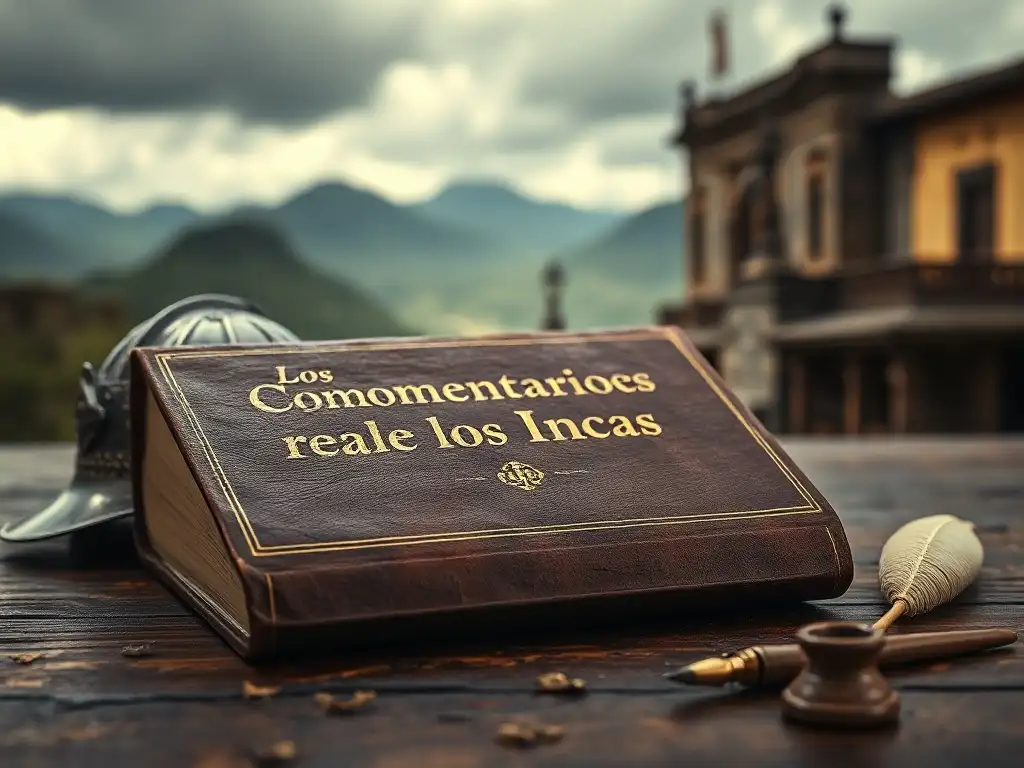
Garcilaso de la Vega's Royal Commentaries of the Inca stands as a unique and invaluable primary source for understanding Inca civilization. Written by a mestizo—a person of mixed Indigenous and Spanish ancestry—the book offers a perspective unlike any other account of the Inca Empire. Garcilaso's unique background provides a bridge between two worlds, allowing him to navigate and interpret the complexities of both Inca and Spanish cultures with a degree of understanding rarely achieved by solely Spanish or Indigenous chroniclers.
This dual perspective enriches the narrative, offering insights that transcend the biases often found in accounts written from a single cultural standpoint. The Royal Commentaries isn't merely a historical record; it's a testament to the enduring power of cultural memory and the complex legacy of the Inca Empire.
Garcilaso de la Vega's Unique Perspective as a Mestizo
Garcilaso de la Vega's mestizo heritage is pivotal to the significance of his work. Born to a Spanish conquistador father and an Inca noblewoman mother, he possessed intimate knowledge of both cultures. This unique upbringing allowed him to access and understand Inca traditions and perspectives unavailable to purely Spanish chroniclers. His account, therefore, avoids the often-simplistic and prejudiced portrayals of Inca society found in many Spanish chronicles.
He presents a more nuanced and sympathetic portrayal of the Inca, balancing his understanding of Spanish culture with his inherited Inca heritage. This balanced perspective is crucial for understanding the complexities of the Inca world and the impact of the Spanish conquest. His work offers a crucial counterpoint to the often-biased narratives of the Spanish conquest.
Insights into Inca Society Before and After the Spanish Arrival
The Royal Commentaries provides detailed insights into Inca society both before and after the Spanish conquest. Garcilaso meticulously describes Inca social structures, religious beliefs, political systems, and daily life, offering a rich tapestry of Inca culture. His account illuminates the sophistication of Inca society, highlighting its advanced administrative systems, impressive engineering feats, and complex social hierarchy.
Furthermore, he documents the devastating impact of the Spanish conquest, portraying the destruction of Inca traditions, the loss of life, and the disruption of their social fabric. The work serves as a poignant reminder of the cultural devastation wrought by colonial expansion. The contrast between the pre- and post-conquest descriptions underscores the profound and irreversible changes brought about by the arrival of the Spanish.
Where to Purchase "The Royal Commentaries of the Inca"
Numerous editions of The Royal Commentaries of the Inca are available for purchase from various booksellers, both online and in physical stores. The availability of translations in multiple languages ensures its accessibility to a global readership. Many libraries also carry the book, making it a readily accessible resource for those interested in learning more about Inca civilization from a unique and invaluable perspective. The book's enduring popularity and continued relevance in historical studies guarantee its continued presence in the market.
"The Last Days of the Incas" by Kim MacQuarrie: A Gripping Narrative
This book offers a compelling narrative account of the final years of Inca resistance against the Spanish conquistadors. MacQuarrie masterfully weaves together historical accounts, archaeological findings, and indigenous oral traditions to paint a vivid picture of this tumultuous period. The author avoids simplistic hero-villain narratives, instead presenting a nuanced portrayal of both the Inca and Spanish perspectives, highlighting the complexities of the conflict and the motivations of the individuals involved.
The book is accessible to a broad audience, making it a great starting point for those interested in learning more about the Inca Empire's downfall. It successfully balances engaging storytelling with historical accuracy, making it a captivating read for both casual readers and history enthusiasts. The sheer detail and depth of research evident in the book are impressive, particularly in its meticulous reconstruction of events and the lives of key players.
MacQuarrie's Focus on the Final Years of Inca Resistance
MacQuarrie doesn't simply recount the initial conquest of Cusco. Instead, the book focuses intensely on the prolonged and often brutal resistance movements that erupted in the aftermath of the initial Spanish victory. He sheds light on lesser-known figures who led these rebellions, showcasing their strategic brilliance and the resilience of the Inca people in the face of overwhelming odds.
This detailed account of the post-conquest struggles offers a crucial counterpoint to narratives that emphasize the swift and decisive nature of the Spanish victory. The author meticulously traces the shifting alliances, betrayals, and tactical maneuvers that characterized this period of protracted conflict, revealing the human cost of conquest and the desperate fight for survival waged by the Inca people. The book emphasizes the importance of understanding the prolonged nature of the resistance to fully grasp the impact of the Spanish conquest.
The Dramatic Events and Key Figures Detailed in the Book
"The Last Days of the Incas" vividly portrays key events, such as the siege of Vilcabamba and the execution of Túpac Amaru, the last Inca emperor. The book delves into the personalities of pivotal figures on both sides of the conflict, exploring their motivations, ambitions, and flaws. We are introduced to not only the well-known figures like Pizarro and Atahualpa, but also to lesser-known indigenous leaders and Spanish soldiers whose actions shaped the course of the conflict.
The author skillfully uses primary sources and archaeological evidence to reconstruct dramatic scenes, bringing the past to life for the reader. The detailed descriptions of battles, sieges, and political maneuvering create a powerful sense of immediacy and suspense, showcasing the human drama at the heart of this historical event. The inclusion of diverse perspectives, including those of the indigenous population, adds depth and nuance to the narrative.
Find "The Last Days of the Incas" Here
[Specific information pending: Information on where to find the book should be included here, such as online retailers or libraries.]
"Andean Past: A Journal of Andean Studies" - Scholarly Articles on the Conquest
This academic journal provides a wealth of in-depth analysis on various aspects of the Inca-Spanish encounter. Unlike narrative accounts, "Andean Past" offers rigorous, peer-reviewed research that delves into the complexities of the conquest from diverse perspectives, including archaeology, anthropology, history, and linguistics. The articles often challenge traditional interpretations, presenting new evidence and offering fresh insights into the social, economic, and political ramifications of the Spanish conquest. The journal's commitment to interdisciplinary scholarship ensures a comprehensive understanding of this transformative period in Andean history. Researchers and students alike can benefit from the rigorous scholarship and diverse perspectives offered.
A Collection of Peer-Reviewed Academic Research
"Andean Past" maintains high standards of academic rigor. Each article undergoes a thorough peer-review process, ensuring the quality and validity of the research presented. This commitment to scholarly excellence makes the journal a reliable source of information for researchers and students working on the Inca-Spanish conquest.
The articles often incorporate primary sources, such as colonial documents and indigenous oral histories, providing valuable insights into the perspectives of those who lived through this historical period. The diverse methodologies employed by contributors enhance the overall understanding of the conquest's impact. The journal's focus on original research contributes significantly to the ongoing scholarly conversation about the Inca Empire and its demise.
Diverse Perspectives on Inca-Spanish Interactions
The articles published in "Andean Past" offer diverse interpretations of the Inca-Spanish encounter. Scholars from various disciplines and backgrounds contribute, providing a multi-faceted view of the conquest. This diversity of perspectives challenges simplistic narratives and promotes a more nuanced understanding of the complex interactions between the Inca and Spanish civilizations.
The journal's commitment to incorporating indigenous voices and perspectives, when possible, is particularly valuable in countering Eurocentric biases that have historically dominated the narrative of the conquest. This inclusivity fosters a more comprehensive and equitable understanding of this pivotal historical event. The varying interpretations presented stimulate critical thinking and encourage further research.
Accessing "Andean Past" and Related Scholarly Resources
[Specific information pending: Information on how to access the journal, either through subscriptions or online databases, should be provided here. Suggestions for related scholarly resources could also be included.]
Exploring Different Perspectives on the Inca Spanish Conquest
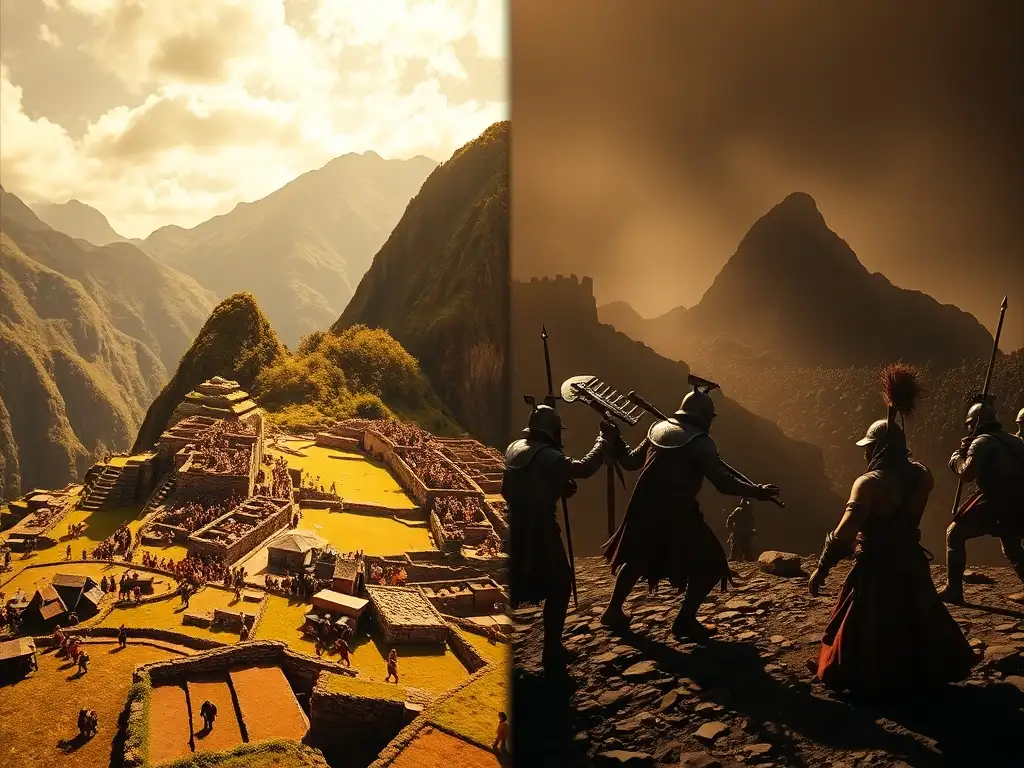
The Inca Spanish Conquest, a pivotal moment in Andean history, has been interpreted and reinterpreted countless times. Understanding this pivotal event requires examining diverse perspectives, moving beyond a simplistic narrative of conquest and considering the multifaceted experiences of both the Inca and the Spanish. A balanced understanding necessitates delving into the indigenous voices, the role of disease and religious conversion, and the complex interplay of these factors leading to the Inca Empire's downfall. Analyzing these varied viewpoints is crucial for a complete and nuanced understanding of this historical clash.
Books focusing on the indigenous viewpoint of the conquest
Many recent works strive to center the experiences of the Inca people during the conquest. These books challenge traditional narratives that often minimize or ignore the agency and resilience of the indigenous population. They delve into the perspectives of Inca leaders, commoners, and women, revealing the strategies employed to resist the Spanish, the devastating impact of the conquest on their lives, and the enduring legacy of Inca culture despite the immense challenges they faced.
These narratives offer a critical counterpoint to Eurocentric accounts, enriching our comprehension of the conflict's human cost and the enduring spirit of the Inca people. By exploring these indigenous perspectives, we gain a far more comprehensive and empathetic understanding of the consequences of the Spanish conquest. The detailed accounts of daily life, resistance strategies, and the psychological toll of colonization found in these books provide a powerful counterbalance to the more traditional narratives.
Books examining the impact of disease and religion on the conflict
The role of disease and religious conversion in the Spanish conquest of the Inca Empire is a complex and often-overlooked aspect. The introduction of Old World diseases like smallpox, measles, and influenza decimated the Inca population, weakening their resistance to Spanish forces. Simultaneously, the imposition of Catholicism profoundly altered Inca religious practices and social structures.
Books that address these factors offer a more complete understanding of the conquest's dynamics, revealing how biological and ideological warfare contributed to the Inca Empire's ultimate downfall. The interplay between these factors is crucial to understanding the imbalance of power that characterized the conflict. These books often delve into the specific strains of disease, their transmission routes, and the devastating impact on Inca society, painting a vivid picture of the catastrophe that befell the population.
Comparing different historical interpretations of the Inca collapse
The collapse of the Inca Empire is a subject of ongoing scholarly debate. Different interpretations emphasize various factors, including internal conflicts within the Inca state, the effectiveness of Spanish military tactics, and the devastating impact of disease and cultural disruption. Comparing these different interpretations allows for a more nuanced understanding of the complex processes that led to the end of the Inca Empire. Some historians highlight the internal weaknesses of the Inca state prior to the arrival of the Spanish, while others emphasize the superior military technology and strategies of the conquistadors.
Still others focus on the devastating effects of disease and the disruption of Inca social and political structures. By considering these diverse perspectives, we can develop a more comprehensive understanding of the factors that contributed to the Inca Empire's demise. Examining these diverse viewpoints fosters a richer, more critical understanding of this pivotal historical event.
Choosing the Right Inca Conquest Book for Your Interest
Selecting the ideal book on the Inca conquest depends heavily on your specific interests and reading preferences. Whether you seek a broad overview or a detailed analysis, the available literature caters to a wide range of readers. Carefully considering your level of prior knowledge and your research goals will help you navigate the diverse landscape of available texts.
Recommendations for readers interested in a general overview
For readers seeking a comprehensive yet accessible introduction to the Inca conquest, books that offer a balanced overview of the key events, figures, and consequences are ideal. These books often provide a narrative framework, introducing the reader to the main players and the chronological progression of events, without getting bogged down in excessive detail. They serve as excellent starting points for further exploration, offering a solid foundation for understanding the broader context of the conflict.
Such books often include maps, illustrations, and timelines, enhancing reader comprehension and engagement with the material. They are perfect for those new to the topic or seeking a quick yet informative overview.
Suggestions for readers wanting a more in-depth analysis
Readers desiring a more rigorous and detailed exploration of specific aspects of the Inca conquest will benefit from selecting books that delve into specialized themes. These books often focus on particular events, individuals, or broader societal impacts, offering a deeper and more nuanced understanding of specific facets of the conflict. They may analyze primary source documents in detail, offering critical interpretations of historical accounts and challenging established narratives.
These books are ideal for readers with a strong interest in historical analysis and a willingness to engage with more complex and challenging material. They often incorporate academic research and scholarly discourse, providing a more profound understanding of the complexities of the period.
Which book is best for understanding the cultural impact of the conquest
Understanding the long-term cultural impact of the Spanish conquest on Inca society requires selecting books that focus on the enduring legacy of Inca culture and the processes of cultural adaptation and resistance. These books often explore the syncretism of religious beliefs, the persistence of Inca traditions, and the ways in which Inca culture has been reinterpreted and reimagined in the centuries since the conquest. Such works provide insights into the resilience and adaptability of Inca culture in the face of colonization, highlighting its enduring presence in contemporary Andean societies.
They often present case studies illustrating the complex interactions between Inca and Spanish cultures, revealing how elements of Inca heritage have survived and evolved within a new cultural context. These books offer a powerful testament to the enduring spirit of the Inca people and their cultural heritage.
Where to Buy Inca History Books and Support Our Site
Finding the right books to delve into the fascinating world of the Inca and the Spanish Conquest can be an exciting journey. Many reputable booksellers offer a wide selection of titles exploring this pivotal period in history. We encourage you to explore various options to find the perfect book that suits your reading style and interests.
Remember, supporting independent bookstores helps preserve the cultural landscape and fosters a love of reading within our communities. It's also worth checking out used bookstores and online marketplaces for potential bargains – you might discover hidden gems that offer unique perspectives on the Inca civilization and its encounter with the Spanish conquistadors. Consider browsing specialized historical bookstores, as they often have curated collections focused on specific regions or time periods, allowing for more focused research.
The availability of specific titles can vary depending on location and demand, so be prepared to explore multiple avenues in your search for the perfect Inca history book. Don't hesitate to ask librarians or booksellers for recommendations – they are often invaluable resources! The exploration itself can be as rewarding as the knowledge gained from reading.
Links to our preferred online booksellers
While we cannot provide direct links here, we strongly recommend exploring various reputable online booksellers. Look for those with extensive catalogs, positive customer reviews, and secure payment options. Many offer convenient search filters to help you quickly find the specific titles you're seeking. Consider checking several sites to compare prices and shipping costs before making your purchase.
Remember to always verify the seller's reputation before providing your personal information. Reading customer reviews can give you valuable insight into the quality of service and shipping reliability. A wide range of online booksellers cater to diverse needs, from those seeking new releases to those hunting for rare or out-of-print books. Take your time and choose a platform that best suits your preferences and budget.
Additional resources for learning about the Inca civilization
Beyond books, a wealth of resources awaits those eager to learn more about the Inca civilization. Museums around the world house incredible artifacts and exhibitions providing firsthand glimpses into Inca life, technology, and artistry. Many museums offer online resources, virtual tours, and educational materials that complement book-based learning. Academic journals and online databases contain scholarly articles offering in-depth analyses of various aspects of Inca history and culture.
These resources often provide detailed accounts of archaeological discoveries, historical interpretations, and ongoing research. Documentaries and podcasts also offer engaging and accessible ways to learn about the Inca, often presenting diverse perspectives and incorporating visual elements to enhance understanding. These diverse sources provide a rich tapestry of information, allowing for a more comprehensive understanding of this fascinating civilization. Remember to critically evaluate the sources you utilize, considering the author's background, potential biases, and the overall context of the information presented.
Supporting our website with your purchase of Inca History Books
Your purchase of Inca history books through our recommended channels helps support our website's mission to provide high-quality, informative content about Andean civilizations. Every purchase, no matter how small, contributes to our ability to maintain and expand our resources, ensuring that we can continue sharing the rich history and culture of the Andes with a wider audience. Your support allows us to invest in research, improve the user experience, and create new educational materials.
By choosing to buy through our suggested channels, you directly contribute to the growth and sustainability of this website, enabling us to expand our coverage of Andean history and provide valuable resources to students, researchers, and history enthusiasts alike. Thank you for your support in helping us preserve and share the fascinating stories of the Inca and other Andean civilizations! We appreciate your contribution to our ongoing efforts.
- Understanding the Collision: Key Books on the Inca and Spanish Encounter
- "Conquest of the Incas" by John Hemming: A Foundational Text
- "Guns, Germs, and Steel" by Jared Diamond: A Broader Perspective on Conquest
- "The Incas: The Royal Commentaries of the Inca, Garcilaso de la Vega" - A First-Hand Account
- "The Last Days of the Incas" by Kim MacQuarrie: A Gripping Narrative
- "Andean Past: A Journal of Andean Studies" - Scholarly Articles on the Conquest
- Exploring Different Perspectives on the Inca Spanish Conquest
- Choosing the Right Inca Conquest Book for Your Interest
- Where to Buy Inca History Books and Support Our Site
- What books offer detailed accounts of the Inca and Spanish Conquest?
- Where can I find books specifically focusing on the Inca perspective of the conquest?
- Are there any books that discuss the impact of the Spanish conquest on Inca technology and art?
- What are some good books for understanding the social and political structures of the Inca Empire before the Spanish arrival?
- What books help to understand the long-term consequences of the Inca Spanish Conquest?
Frequently Asked Questions
What books offer detailed accounts of the Inca and Spanish Conquest?
Several excellent books delve into this topic. Some noteworthy titles include The Conquest of Peru by William Prescott and 1491: New Revelations of the Americas Before Columbus by Charles C. Mann, which provides crucial context. Look for books focusing on primary sources and multiple perspectives.
Where can I find books specifically focusing on the Inca perspective of the conquest?
Finding books solely from the Inca perspective is challenging due to limited surviving primary sources written by Incas. However, many modern works attempt to reconstruct the Inca experience through archaeological evidence and analysis of Spanish chronicles, offering a more nuanced view.
Are there any books that discuss the impact of the Spanish conquest on Inca technology and art?
Yes, many books explore the dramatic changes in Inca technology and art following the conquest. Look for books examining the destruction of Inca infrastructure, the suppression of Inca artistic styles, and the subsequent fusion of cultures.
Books focusing on Inca social organization, such as those detailing the ayllu system and the role of the Sapa Inca, are crucial. Look for academic works that explore the complexity of Inca society and its hierarchical structure.
What books help to understand the long-term consequences of the Inca Spanish Conquest?
Many books analyze the long-term effects of the conquest, including the lasting impact on the Andean region's demographics, economy, and culture. Consider books that explore the colonial period and its legacy on modern Peru and other Andean nations.
Final Reflection: Echoes of Conquest, Whispers of Resilience
The brutal clash between the Inca Empire and the Spanish conquistadors remains a stark reminder of the devastating consequences of unchecked power and the enduring strength of human spirit. This historical event, far from being a relic of the past, continues to resonate in contemporary discussions of colonialism, cultural preservation, and the complexities of intercultural exchange. The books examined in this article offer crucial perspectives on this pivotal moment, highlighting both the atrocities committed and the remarkable resilience of the Inca people.
The legacy of the Spanish conquest continues to shape the cultural and social landscape of South America, influencing everything from language and religion to political structures and social inequalities. The echoes of this conflict are heard in the ongoing struggles for indigenous rights and the persistent fight for equitable representation. History is a relentless teacher,
as Winston Churchill once said, and understanding the Inca-Spanish encounter allows us to learn from the mistakes of the past and strive for a more just and equitable future. This understanding is not merely academic; it is crucial for fostering empathy and promoting meaningful dialogue across cultures.
Consider the narratives presented within these books. Reflect on the human cost of conquest, the resilience of the Inca civilization in the face of overwhelming odds, and the enduring power of cultural memory. You, the reader, hold the power to shape a more informed and compassionate future. By engaging with these historical accounts, you become a participant in the ongoing conversation about justice, cultural preservation, and the enduring strength of the human spirit. Let the stories of the Inca and the Spanish conquest inspire you to actively challenge injustice and celebrate the richness of diverse cultures.
Dive Deeper into the Inca Legacy!
Thank you for exploring the fascinating clash between the Inca and Spanish conquistadors! You've gained valuable insights into their rich histories and the complexities of their encounter. Now, let's delve even deeper into the incredible narratives that shaped our world.
Here are some suggestions to further your exploration:
- Explore our curated book list on Andean civilizations to discover insightful works that offer a richer understanding of these historical events.
- Join our online community to share your thoughts and perspectives on the Inca legacy with fellow history enthusiasts. Engage in discussions and learn from others' perspectives.
- Consider writing a review of a book that has inspired you—your insights could spark enlightening discussions within the community!
What aspect of Inca civilization intrigues you most, and how do you believe it influences our understanding of history today?