
Inca Art and Artifacts: Books That Showcase the Beauty of Ancient Craftsmanship

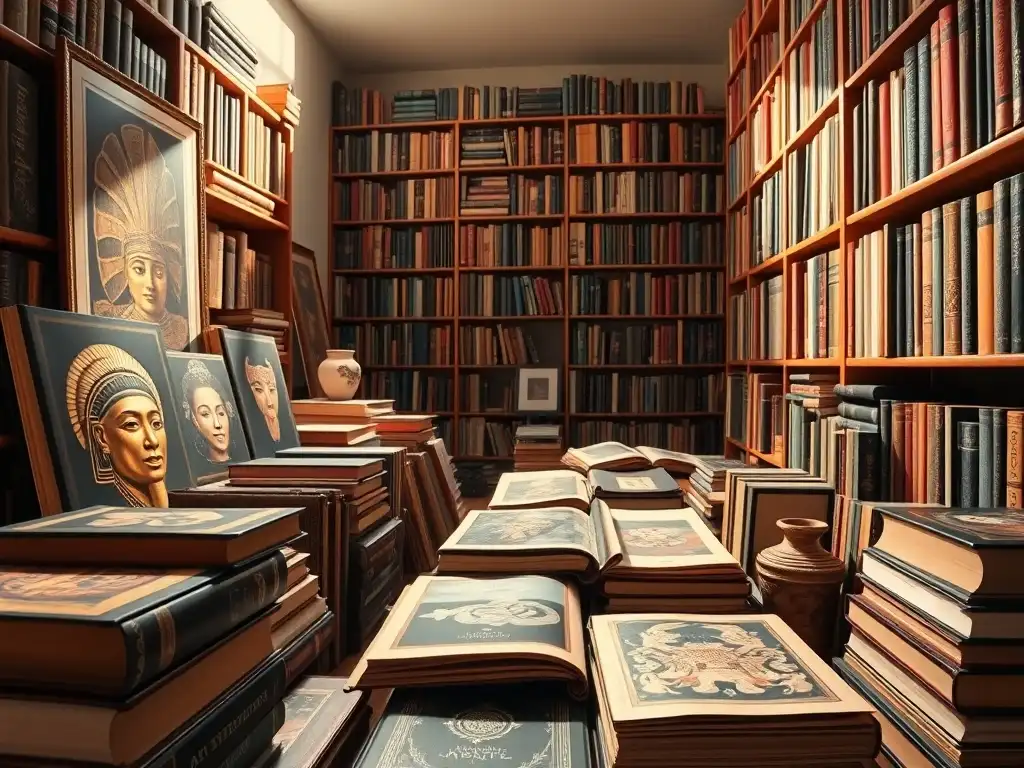
Dive into the mesmerizing world of Andean Civilizations, where the echoes of ancient empires still resonate. From the intricate artistry of the Nazca lines to the sophisticated engineering of the Incas, we unravel the mysteries of these remarkable cultures. But what secrets lie within the pages dedicated to Inca art books for collectors? Journey with us as we explore the breathtaking beauty and unparalleled craftsmanship of these lost civilizations, revealing treasures that will leave you breathless.
The Inca Empire, a civilization that flourished in the Andes Mountains from the 15th to the 16th centuries, left behind a legacy of breathtaking artistry and intricate craftsmanship. Their mastery of gold and silver work, their sophisticated textiles, and their impressive stone architecture continue to captivate and inspire awe centuries later. For collectors and enthusiasts alike, understanding this rich artistic heritage requires access to high-quality resources.
This article explores some of the best books available for those seeking to delve into the world of Inca art and artifacts, specifically focusing on titles that appeal to serious collectors of Inca art books. We’ll examine what makes these books so valuable, highlighting the key features that distinguish them and providing insights into the enduring allure of Inca artistry.
From detailed analyses of ancient techniques to stunning visuals showcasing the beauty of preserved artifacts, these books offer an unparalleled journey through the artistic achievements of this remarkable civilization. This guide is designed to help discerning collectors navigate the available literature and discover the perfect additions to their libraries.
Unveiling the World of Inca Art Through Expertly Curated Books
Collectors of Inca art often seek books that go beyond mere aesthetics; they crave detailed analyses, accurate historical contexts, and high-quality reproductions. The best books on Inca art achieve this by combining rigorous scholarship with visually stunning presentations. These publications aren't simply coffee-table books; they are meticulously researched works that offer in-depth explorations of specific artistic styles, techniques, and the social and cultural contexts in which these objects were created.
Many feature detailed descriptions of individual artifacts, including their materials, construction methods, and symbolic meanings. Furthermore, excellent Inca art books for collectors often include insightful essays by leading experts in Andean archaeology and art history, providing valuable context and interpretation. The inclusion of comprehensive bibliographies further enhances their academic value, allowing for deeper exploration of the subject matter.
Consider, for instance, the depth of research needed to accurately describe the intricate weaving techniques used in Inca textiles, or the metallurgical processes involved in creating their iconic gold and silver objects. These details, often painstakingly documented through years of research, are what truly elevate a book from a mere collection of images to a valuable resource for discerning collectors.
Why Collectors Seek Out Inca Art Books
The appeal of Inca art books for collectors extends beyond the intrinsic value of the artifacts themselves. These books offer a tangible connection to a fascinating and complex past. For many, the pursuit of these books is driven by a desire to:
- Understand the craftsmanship: Appreciate the technical skill and artistry that went into creating Inca objects.
- Learn about the cultural context: Gain insights into the social, religious, and political significance of Inca art.
- Build a comprehensive collection: Assemble a library of scholarly resources to support their understanding and appreciation.
- Invest in valuable resources: Acquire books that increase in value over time, reflecting the growing interest in Inca art.
- Enhance their expertise: Deepen their knowledge and become more informed collectors.
The best books provide detailed provenance information, allowing collectors to trace the history of specific artifacts. This information is crucial for authentication and verifying the legitimacy of pieces. The presence of high-resolution images, often accompanied by detailed captions, allows for a thorough examination of the objects' features and subtleties, often not easily accessible in person.
This is especially valuable for collectors who may not have the opportunity to view these artifacts firsthand in museums or private collections. The combination of scholarly rigor, stunning visuals, and detailed information makes these books not just valuable resources but also objects of beauty and fascination in their own right.
The Allure of Inca Artifacts: A Deep Dive into Ancient Techniques
Inca artistry wasn't merely decorative; it was deeply intertwined with their religious beliefs and social structures. The meticulous detail and precision evident in their work demonstrate a profound understanding of materials and techniques. For example, the Inca's mastery of metallurgy is astonishing. They were skilled in the working of gold, silver, copper, and bronze, creating intricate objects using techniques such as hammering, casting, and alloying.
Similarly, their textile production was highly sophisticated, employing a variety of techniques to create richly colored and patterned fabrics. The intricate knotting and weaving techniques used in their textiles are still studied and admired today. Stonework, particularly in their monumental architecture, demonstrates an impressive understanding of engineering and construction. The precision and fit of the stones in Inca structures, such as Machu Picchu, are testament to their advanced knowledge of engineering and construction.
Understanding these techniques requires careful study, and the best Inca art books provide this in-depth analysis, often accompanied by diagrams and illustrations that clarify complex processes. The books effectively bridge the gap between the aesthetic appreciation of the artifacts and a deep understanding of the technical skills and knowledge that made their creation possible. This detailed exploration of ancient techniques is a key element that attracts serious collectors to these specialized publications.
- Unveiling the World of Inca Art Through Expertly Curated Books
- Why Collectors Seek Out Inca Art Books
- The Allure of Inca Artifacts: A Deep Dive into Ancient Techniques
- What makes Inca art so unique and collectible?
- Where can I find books specifically focused on Inca art for collectors?
- What are some key features to look for when selecting Inca art books for my collection?
- Are there books that cover Inca art alongside other Andean cultures?
- Beyond books, what other resources can help me learn more about Inca art for collecting purposes?
Top Picks: Inca Art Books for Collectors
This section dives deep into two exceptional books that are essential additions to any serious collector's library of Inca art. We'll examine their strengths, focusing on what makes them invaluable resources for understanding and appreciating the artistry of the Inca civilization. These selections cater to different interests within the field, offering a balance of comprehensive overviews and focused analyses. We'll also consider pricing and accessibility, key factors for discerning collectors.
"Art of the Andes: From Chavín to Inca" - A Comprehensive Overview
This book provides a sweeping panorama of Andean art, from its earliest expressions to the height of the Inca Empire. It's not solely focused on Inca art, but it dedicates a substantial portion to the artistic achievements of the Inca, placing them within a broader chronological and cultural context. The detailed illustrations and high-quality reproductions are particularly noteworthy, allowing for close examination of intricate details often missed in less comprehensive works.
Key Features and Highlights of "Art of the Andes"
- Chronological Approach: The book's chronological structure facilitates understanding the evolution of Andean art styles and techniques over centuries. This contextualization is crucial for appreciating the unique characteristics of Inca artistry.
- Diverse Artistic Mediums: It covers a wide range of artistic mediums, including pottery, textiles, metalwork, and stone carving, showcasing the Inca's mastery across various crafts. The inclusion of less-commonly featured art forms adds depth to the reader's understanding.
- High-Quality Reproductions: The book boasts exceptional image quality. The clarity and detail of the reproductions allow for a near-museum-quality viewing experience, bringing the art to life for the reader.
- Expert Commentary: Authored by leading experts in the field, the book offers insightful commentary and analysis, providing valuable context for each artwork. This ensures a rigorous and scholarly approach to the subject.
Why This Book is a Must-Have for Serious Collectors
"Art of the Andes" serves as a foundational text for any serious collector of Inca art. Its comprehensive scope, detailed analysis, and high-quality reproductions make it an indispensable resource for understanding the historical and cultural context of Inca artistic creations. The book's chronological approach allows collectors to trace the development of Inca artistic styles and techniques, enhancing their ability to identify and appreciate individual pieces within a larger historical narrative. Furthermore, the book's breadth ensures that even collectors focusing on specific Inca art forms (e.g., textiles or pottery) will find it a valuable and enriching addition to their collection.
Price Point and Where to Purchase
[Specific information pending] Information regarding the book's current price and availability from various retailers should be included here. This will aid collectors in locating and purchasing the book.
"The Incas: New Perspectives" - Exploring Inca Art in its Historical Context
This book offers a more focused approach, delving into the artistic expressions of the Inca Empire within its broader historical and societal context. It goes beyond mere aesthetics, exploring the social, religious, and political significance embedded within Inca art. This deeper analysis provides collectors with a richer understanding of the meaning and purpose behind the artworks.
Unveiling the Artistic Expressions of the Inca Empire
This section explores the unique artistic styles and techniques employed by the Inca, highlighting their innovations and mastery of various materials. The Inca's skill in metalwork, particularly gold and silver, is meticulously documented, alongside their advancements in pottery and textile production. The book also discusses the symbolic meanings and iconography frequently found in Inca art, providing valuable insights into the cultural beliefs and practices of the civilization.
Detailed Analysis of Inca Pottery, Textiles, and Metalwork
The book provides detailed analyses of specific examples of Inca pottery, textiles, and metalwork. These analyses go beyond simple descriptions, exploring the techniques used, the materials employed, and the symbolic meanings conveyed. The inclusion of high-quality illustrations allows collectors to examine the intricate details of the artworks, enhancing their understanding and appreciation. For example, the analysis of Inca textiles might focus on the complex weaving techniques and the use of vibrant dyes, while the analysis of metalwork might highlight the intricate designs and the masterful use of gold and silver.
Examining the Cultural Significance of Inca Art
This section explores the role of art in Inca society, considering its use in religious ceremonies, royal displays, and everyday life. The book explores the relationship between Inca art and power, religion, and social hierarchy. For instance, it might discuss how specific designs or materials were associated with particular social groups or religious beliefs. This contextualization is crucial for understanding the deeper meaning and significance of Inca art.
Availability and Potential Collector's Value
[Specific information pending] Information on the book's current market value and availability will be added here. This will help collectors assess the potential investment value of acquiring the book itself, in addition to its value as a research tool. The section will also provide guidance on where to find the book, both online and potentially in specialized bookstores.
Inca Architecture and Engineering - Understanding the Functional Art of the Incas
Beyond Aesthetics: The Purpose of Inca Construction
Inca architecture wasn't merely about aesthetics; it served crucial social, religious, and practical purposes. Structures like the impressive Sacsayhuamán fortress near Cusco weren't just defensive structures; they were powerful statements of Inca power and ingenuity. Their strategic placement, often integrated seamlessly into the landscape, demonstrates a deep understanding of geography and engineering.
Temples, such as those at Machu Picchu, served as centers for religious ceremonies and rituals, reflecting the intricate cosmology of the Inca worldview. The meticulous planning and execution of these projects highlight the sophisticated organization and management capabilities of the Inca Empire. Even seemingly simple structures like residential buildings were carefully designed to maximize space and utilize available resources efficiently, reflecting a practical approach to construction deeply intertwined with their cultural values.
The overall effect is a harmonious blend of functionality and artistic expression. Consider, for example, the intricate network of irrigation channels that sustained Inca agriculture – a testament to their mastery of hydraulic engineering and a crucial component of their societal infrastructure.
Exploring the Intricate Techniques of Inca Stonework
The precision and artistry of Inca stonework are legendary. The iconic dry-stone masonry, where massive stones fit together without mortar, is a testament to their advanced knowledge of engineering and their remarkable craftsmanship. The stones, often perfectly fitted, show an understanding of geometry and engineering principles far ahead of their time.
The techniques used, including the meticulous shaping and placement of stones, were passed down through generations of master craftsmen. This wasn't simply about building; it was about creating structures that would endure for centuries. Scholars continue to debate the exact methods used, but it's clear that immense skill, planning, and labor were involved in creating these enduring monuments.
The intricate carvings and decorations found on some stones further demonstrate the artistry and skill of Inca artisans. The ability to quarry, transport, and precisely fit such massive stones is a testament to the organizational prowess of the Inca Empire and the dedication of its workforce.
A Visual Journey Through Inca Cities and Sites
Many books dedicated to Inca art offer stunning visual journeys through the most significant Inca cities and sites. These books often include high-quality photographs and illustrations, providing readers with a detailed look at the architecture, stonework, and overall aesthetic of these remarkable places. From the majestic walls of Sacsayhuamán to the breathtaking terraces of Machu Picchu, these visual explorations reveal the scale and complexity of Inca urban planning and construction.
The books often include detailed captions and descriptions, providing historical context and insights into the purpose and significance of each site. Furthermore, the inclusion of maps and diagrams can help readers better understand the spatial layout and organization of these cities.
By combining stunning visuals with informative text, these books offer a captivating and educational experience for readers interested in Inca art and architecture. The quality of the imagery is often a key selling point for collectors, making these books valuable additions to any collection focused on Andean civilizations.
Where to Find this Book and its Appeal to Collectors
Finding high-quality books on Inca architecture and engineering, particularly those focused on the artistry and craftsmanship of Inca stonework, can be a rewarding experience for collectors. These books often feature limited print runs, making them sought-after items. Specialty bookstores focusing on archaeology and anthropology, online marketplaces specializing in rare and antiquarian books, and even museum gift shops can be excellent sources.
The appeal to collectors stems from several factors: the stunning visuals, the detailed scholarly information, and the historical significance of the subject matter. The quality of printing, the use of archival paper, and even the book's binding can contribute to its collectability.
For many collectors, these books are not just sources of information but also beautiful objects to own and display, reflecting their passion for Inca art and history. The potential appreciation in value over time also adds to their appeal as investment pieces for discerning collectors interested in “Inca art books for collectors.”
Diving Deeper: Specialized Inca Art and Artifacts Books
This section delves into specific areas of Inca art and artifacts, focusing on resources—books—that cater to the discerning collector of Inca art. We'll explore titles dedicated to textiles and goldwork, two prominent areas showcasing the unparalleled craftsmanship of the Inca civilization. These books offer invaluable insights for both seasoned collectors and enthusiastic newcomers seeking to expand their knowledge and appreciation of Inca artistic heritage. Finding the right Inca art books for collectors can be a rewarding journey.
"Inca Textiles: A Journey into Ancient Weaving Techniques"
The Intricacies of Inca Textiles Patterns and Designs
Inca textiles are renowned for their intricate designs and vibrant colors. Many books dedicated to Inca art feature detailed analyses of these patterns, often employing high-resolution images to showcase the complexity of the weaving techniques. These patterns weren't merely decorative; they held symbolic meaning, often reflecting social status, religious beliefs, and cosmological concepts.
For example, geometric patterns could represent agricultural cycles or celestial events, while zoomorphic motifs might depict revered animals or deities. Understanding these patterns requires careful study of the available literature, which often includes glossaries of symbols and their interpretations. The visual complexity, combined with the rich cultural context, makes the study of Inca textile patterns a fascinating pursuit for any serious collector.
Understanding the Materials and Dyes Used in Inca Weaving
The materials used in Inca weaving were carefully selected, reflecting both the available resources and the desired quality of the finished product. Alpaca and llama wool were staples, prized for their softness and warmth. Cotton, cultivated in warmer regions, added a lighter, more breathable element to the textiles. The dyes, derived from natural sources like plants, minerals, and insects, produced a stunning range of colors, many of which have retained their vibrancy over centuries.
Books dedicated to Inca textiles often include detailed discussions of these materials and dyes, exploring their origins, preparation, and application. Understanding the sourcing and processing of these materials is crucial for authenticating Inca textiles and appreciating the sophisticated techniques employed by Inca weavers. This knowledge significantly enhances the collector's experience and allows for a deeper understanding of the artistry involved.
A Collector’s Guide to Identifying Authentic Inca Textiles
Identifying authentic Inca textiles requires a keen eye for detail and a thorough understanding of the weaving techniques and materials used. Reputable books on Inca art provide collectors with the tools to differentiate genuine artifacts from modern reproductions or imitations. Key features to examine include the type of weave, the quality of the yarn, the presence of specific dyes, and the overall design aesthetic.
Many books include comparative images of authentic and counterfeit textiles, highlighting the subtle differences that can betray a forgery. Furthermore, they might discuss common signs of age and wear, providing a framework for assessing the condition and authenticity of a potential acquisition. This knowledge empowers collectors to make informed decisions, ensuring that their investments are in genuine, historically significant pieces.
Affiliate Link to a Platform with Rare Books
[Specific information pending: An affiliate link to a reputable online platform specializing in rare books related to Inca art and artifacts would be inserted here.]
"Inca Gold and Metalwork: The Art of Precious Materials"
The Mastery of Inca Goldsmiths and Metalworkers
Inca gold and metalwork represents the pinnacle of Andean craftsmanship. The Inca's mastery of metallurgy is evident in the intricate details, the sophisticated techniques, and the sheer artistry displayed in their gold objects. Books on Inca art frequently showcase examples of tumbaga (a gold-copper alloy), demonstrating the Inca's ability to manipulate different metals to achieve diverse colors and textures.
These objects weren't merely decorative; they served religious, ceremonial, and political functions, reflecting the power and prestige of the Inca empire. The level of skill and precision involved in creating these artifacts was remarkable, showcasing a deep understanding of metallurgy and artistic design.
Examining the Techniques of Inca Metalworking
The techniques employed by Inca metalworkers were highly advanced for their time. Lost-wax casting, hammering, repoussé, and soldering were just some of the methods used to create intricate shapes and designs. Detailed analyses of these techniques are often found in specialized books on Inca art, accompanied by illustrations and diagrams that explain the processes involved.
Understanding these techniques is essential for appreciating the skill and artistry behind Inca metalwork, and it also helps collectors identify authentic pieces based on the telltale signs of specific methods. The precision and complexity of these techniques highlight the sophistication of Inca technology and artistic sensibilities.
Identifying and Valuing Inca Gold Artifacts
Identifying and valuing Inca gold artifacts requires expertise in both art history and metallurgy. Books focusing on Inca art provide collectors with the knowledge to assess the authenticity, condition, and historical significance of potential acquisitions. Factors to consider include the purity of the gold, the complexity of the design, the presence of any hallmarks or identifying features, and the overall condition of the artifact.
Many books include detailed descriptions and valuations of known Inca gold artifacts, providing a framework for assessing the value of similar pieces. This information is invaluable for collectors seeking to build a valuable and authentic collection of Inca gold and metalwork. Proper evaluation prevents costly mistakes.
Link to a Platform with Collector's Guides
[Specific information pending: An affiliate link to a platform offering collector's guides and resources related to Inca gold and metalwork would be inserted here.]
Ceremonial Inca Art: Exploring Ritual and Symbolism
The Role of Art in Inca Religious Practices
Inca religious practices were deeply intertwined with their artistic expressions. Art wasn't merely decorative; it served as a powerful medium for communicating with the gods, reinforcing social hierarchies, and commemorating significant events. Ceremonial objects, meticulously crafted from gold, silver, textiles, and stone, played a crucial role in rituals and festivals.
For example, intricately woven textiles adorned temples and were used in ceremonies to honor the sun god, Inti, and other deities. The creation of these objects was itself a ritualistic act, often involving specialized artisans who held a high social standing within Inca society. Their skill and dedication were considered essential to maintaining the cosmic balance and ensuring the prosperity of the empire.
The use of specific materials and colors further enhanced the objects' sacred significance, reflecting a sophisticated understanding of the natural world and its symbolic power. The meticulous detail and craftsmanship evident in these objects underscore the profound religious importance placed upon them.
Decoding the Iconography of Inca Ceremonial Objects
Understanding Inca ceremonial art requires deciphering its complex iconography. Symbols such as the Inti (sun), the condor, and the puma frequently appear, representing power, divinity, and the Inca worldview. These symbols weren't randomly chosen; they held specific meanings that varied depending on their context and combination.
For instance, the representation of a condor alongside the sun might signify royal power and divine authority, while a puma might symbolize strength and earthly power. Researchers continue to unravel the intricate meanings embedded within these designs, employing a combination of archaeological evidence, ethnohistorical accounts, and comparative studies with other Andean cultures. The iconography often reflects the Inca's sophisticated cosmological beliefs, their understanding of the relationship between the human and divine realms, and their highly structured social hierarchy.
Detailed analyses of these objects, along with careful study of their associated archaeological contexts, are crucial for unlocking the secrets of Inca religious beliefs and practices. Books specializing in Inca art often dedicate significant sections to explaining this complex iconography.
Understanding the Context of Inca Ritualistic Art
To fully appreciate Inca ritualistic art, it's vital to consider its context. Where was the object found? What other artifacts accompanied it? What evidence suggests its use in specific ceremonies?
These questions are essential for understanding the object's function and significance within Inca society. For example, the discovery of a gold mask buried alongside other ceremonial objects in a royal tomb provides significant insight into Inca funerary practices and beliefs about the afterlife. Similarly, the presence of intricately carved stone sculptures in temples offers valuable information about the rituals performed within these sacred spaces.
Archaeological excavations play a critical role in providing this contextual information. The careful documentation of artifact locations, associated finds, and stratigraphic relationships allows researchers to reconstruct the past and understand the role of art in Inca daily life and religious practices. The careful analysis of these contexts is essential for accurate interpretations, avoiding misinterpretations that can arise from analyzing art in isolation.
Where to Find Books on Specialized Inca Art
For serious collectors of Inca art books, several avenues exist to discover specialized publications. Academic presses often publish scholarly monographs dedicated to specific aspects of Inca art, such as textiles, ceramics, or metalwork. These books offer in-depth analyses and detailed illustrations, providing valuable insights for researchers and enthusiasts alike.
Museum catalogs, frequently associated with major exhibitions, also represent a rich source of information, often featuring high-quality images and scholarly essays on specific collections. Furthermore, specialized bookstores focusing on archaeology and anthropology often stock a range of books dedicated to Inca art and artifacts. Searching online databases of academic publications and browsing the websites of major museums and university presses can also lead to valuable resources.
Finally, attending conferences and workshops focused on Andean archaeology can present opportunities to discover less widely known, yet potentially valuable, publications on Inca art. The dedicated collector should pursue a multi-pronged approach to building a comprehensive library on this fascinating topic.
Selecting the Right Inca Art Book for Your Collection
This section guides discerning collectors of Inca art books through the process of selecting pieces that truly enhance their collection. Choosing the right book isn't just about acquiring another item; it's about strategically building a resource that reflects your specific interests and budget. We'll explore key factors to consider before making your next purchase. Remember, the best Inca art books for collectors are those that meet your individual needs and contribute meaningfully to your understanding and appreciation of this fascinating subject.
Understanding Your Collecting Goals: Specific Art Forms or Periods
Before diving into the marketplace, define your collecting goals. Are you focused on a particular aspect of Inca art? Do you prefer books specializing in ceramics, textiles, goldwork, or stone sculpture? Focusing your search on a specific art form, such as Inca pottery or metalwork, will significantly narrow your options and help you find truly relevant and valuable additions to your collection.
For instance, a collector passionate about Inca textiles might seek books with high-quality reproductions of k'epi (shawls) and lliclla (rectangular cloaks), while someone interested in Inca architecture might prefer books focusing on the detailed construction techniques of sites like Machu Picchu or Sacsayhuamán.
Consider also chronological periods. Are you primarily interested in the Late Intermediate Period, the Inca Empire's Classic Period, or the Colonial period's influence on Inca artistic traditions? Focusing your search on a specific time frame will yield more relevant results, helping you build a collection that tells a coherent story.
This specificity is crucial for building a valuable and focused collection of Inca art books for collectors. A scattered approach will likely lead to a less cohesive and less valuable collection in the long run.
Budget Considerations: From Introductory Texts to Rare Editions
The world of Inca art books caters to a wide range of budgets. Introductory texts offering broad overviews of Inca art are readily available and often affordable, serving as excellent starting points for newcomers. These provide a solid foundation in Inca art history and artistic techniques before moving on to more specialized or expensive volumes.
However, rare editions, first editions, or books with exceptional photographic quality and detailed scholarly analysis often command significantly higher prices. These books can be significant investments, but they can also become prized possessions and valuable assets within a collector's portfolio.
Consider setting a realistic budget before beginning your search. This will prevent impulsive purchases and help you stay focused on acquiring books that truly align with your financial capabilities and collecting goals. Remember, a well-curated collection built gradually is often more satisfying than a hastily assembled one filled with overpriced or irrelevant books. Prioritize quality over quantity, especially when dealing with rarer and more expensive Inca art books for collectors.
Assessing Book Quality: Condition, Authenticity, and Scarcity
Once you've identified potential books, thoroughly assess their quality. The condition of the book significantly impacts its value. Look for signs of wear and tear, such as damaged covers, loose pages, or foxing (brown spots). Authenticity is also paramount, particularly with older editions. Verify the publisher and printing information to ensure the book is genuine and not a counterfeit.
Rarity adds significant value to any collectible book. First editions, limited-edition prints, or books with unique features (e.g., signed copies, special bindings) are highly sought after by serious collectors. Research the book's publication history to determine its scarcity and potential value. Understanding these factors empowers you to make informed decisions and build a collection that appreciates in both value and scholarly significance. Remember, careful assessment is essential when acquiring Inca art books for collectors, ensuring you are investing wisely and building a collection of genuine, high-quality items.
Maintaining and Protecting Your Inca Art Book Collection
Collecting Inca art books is a rewarding endeavor, allowing you to delve deeper into the fascinating world of Inca civilization and its artistic achievements. However, preserving these valuable resources requires careful attention and proactive measures. The longevity of your collection depends on understanding and implementing proper handling, storage, and preservation techniques. This section focuses on practical steps to ensure your Inca art books remain in excellent condition for years to come, thus increasing their value as collector's items. This is crucial for serious Inca art books for collectors.
Proper Storage Techniques to Preserve Your Books
The environment plays a significant role in the deterioration of books. Extreme temperatures, high humidity, and direct sunlight are major culprits. Therefore, storing your Inca art books correctly is paramount. Here's a breakdown of best practices:
- Temperature and Humidity Control: Ideal storage conditions for books are a temperature between 65-70°F (18-21°C) and a relative humidity of 40-50%. Fluctuations in either can cause damage. Consider using a climate-controlled storage space, or investing in a dehumidifier or humidifier to maintain a stable environment.
- Protection from Light: Direct sunlight, even filtered light, can fade colors and weaken the paper over time. Store your books in a dark or dimly lit area, away from windows. Avoid fluorescent lighting, as the UV emissions can also contribute to deterioration.
- Shelving and Support: Use sturdy bookshelves that can support the weight of your collection. Avoid overcrowding shelves, allowing for adequate air circulation. Vertical shelving is preferred. For particularly valuable or heavy books, consider using bookends to prevent leaning and potential damage to the spines.
- Pest Control: Insects and rodents can cause significant damage to books. Regularly inspect your books for signs of infestation. Consider using natural pest deterrents, such as cedar chips or sachets of lavender, or consulting a pest control professional if necessary.
- Acid-Free Storage Materials: Use acid-free boxes and archival-quality folders for storing your books, particularly if you have rare or valuable editions. Acidic materials can accelerate the deterioration process.
Handling and Cleaning Tips to Avoid Damage
Careful handling is crucial to prevent damage to your Inca art books. Even minor scratches or tears can diminish their value. Follow these guidelines:
- Clean Hands: Always wash your hands before handling your books. Oils and dirt from your hands can transfer to the pages and covers, leading to staining and discoloration.
- Avoid Food and Drinks: Never eat or drink near your books. Spills can cause irreparable damage.
- Gentle Turning of Pages: When turning pages, use both hands to support the book and avoid bending or creasing the pages.
- Proper Support: Always use a book support or stand when reading your books, especially larger or heavier volumes. This prevents strain on the binding.
- Cleaning: Dust your books regularly using a soft brush or a microfiber cloth. For more stubborn dirt, consider using a soft, slightly damp cloth. Never use harsh chemicals or abrasive cleaners. For significant cleaning needs, consult a professional book conservator.
Resources for Appraising and Insuring Your Collection
As your collection of Inca art books grows in value, it becomes increasingly important to consider appraisal and insurance. This protects your investment and provides peace of mind.
- Professional Appraisal: A qualified appraiser specializing in rare books and manuscripts can provide an accurate assessment of your collection's worth. This is crucial for insurance purposes and potential sale or donation.
- Insurance: Insure your collection against loss, theft, and damage. Work with an insurance provider experienced in handling collections of valuable books. Provide them with the appraisal report to determine the appropriate coverage.
- Record Keeping: Maintain detailed records of your collection, including purchase dates, prices paid, and any appraisals or restoration work performed. This documentation is essential for insurance claims and future reference. Consider using a spreadsheet or database to track your collection effectively. This meticulous record-keeping is especially important for Inca art books for collectors seeking to maximize the value and security of their investment.
Frequently Asked Questions
What makes Inca art so unique and collectible?
Inca art is unique due to its intricate craftsmanship, use of precious metals, and distinctive styles reflecting their sophisticated culture and mastery of various materials. Collectors prize its historical significance and aesthetic beauty.
Where can I find books specifically focused on Inca art for collectors?
Many online retailers and specialized bookstores offer books dedicated to Inca art and artifacts. Look for titles focusing on detailed imagery, expert analysis, and provenance information.
What are some key features to look for when selecting Inca art books for my collection?
Consider books with high-quality images, accurate descriptions of techniques, and scholarly analysis of the pieces. Authorship by renowned experts is also a valuable indicator of quality.
Are there books that cover Inca art alongside other Andean cultures?
Yes, many books provide a broader overview of Andean art, including the Incas, alongside the Moche, Nazca, and Tiahuanaco cultures, offering a comparative perspective on artistic styles and techniques.
Beyond books, what other resources can help me learn more about Inca art for collecting purposes?
Museums, online databases, and academic journals offer valuable resources. Attending lectures and exhibitions can also greatly enhance your understanding and appreciation of Inca art and artifacts.
Final Reflection: The Enduring Legacy of Inca Art
The vibrant artistry of the Inca civilization continues to resonate today, a testament to the ingenuity and cultural richness of a people who left an indelible mark on history. These meticulously crafted artifacts, from intricately woven textiles to powerfully expressive ceramics, speak volumes about their sophisticated society and enduring spirit. More than just beautiful objects, they are windows into a past that continues to fascinate and inspire.
The impact of Inca art extends far beyond the museum walls and the pages of collector's books. It serves as a powerful reminder of the importance of preserving cultural heritage and understanding the diverse tapestry of human experience. The past is never dead. It's not even past.
- William Faulkner. This quote perfectly encapsulates the enduring relevance of Inca art; its influence permeates modern artistic expression, inspiring contemporary artists and designers while simultaneously reminding us of the fragility and importance of protecting our shared cultural inheritance. We must actively engage with and learn from these ancient masterpieces to understand the complexities of our own world.
Consider the intricate detail in each piece, the stories whispered in the vibrant colors and symbolic designs. You, the reader, are now part of this ongoing conversation. Take a moment to reflect on the power of art to transcend time and connect us to the past.
Seek out opportunities to engage with Inca art – whether through visiting museums, exploring books like those reviewed in this article, or simply taking the time to appreciate the beauty and skill embedded within these remarkable creations. Let the legacy of the Inca inspire you to value and protect the artistic treasures of our world, both past and present.
Unveil the Rich Tapestry of Inca Art!
Thank you for exploring the stunning world of Inca art and artifacts with us! We hope you're inspired by the beauty and sophistication of this ancient craftsmanship. Let's delve deeper into this captivating subject.
Here are some ways to continue your exploration:
- Expand your knowledge: Explore our curated selection of books on Inca art, featuring detailed illustrations and expert analysis.
- Join the community: Share your favorite Inca artwork on social media using #IncaArtJourney to connect with fellow enthusiasts.
- Experience it firsthand: Visit a museum with a collection of Andean artifacts to appreciate the artistry up close. You might be surprised by what you discover!
What piece of Inca artistry resonates most with you, and why? Share your thoughts below!