
The Influence of Religion on Social Classes in Andean Cultures

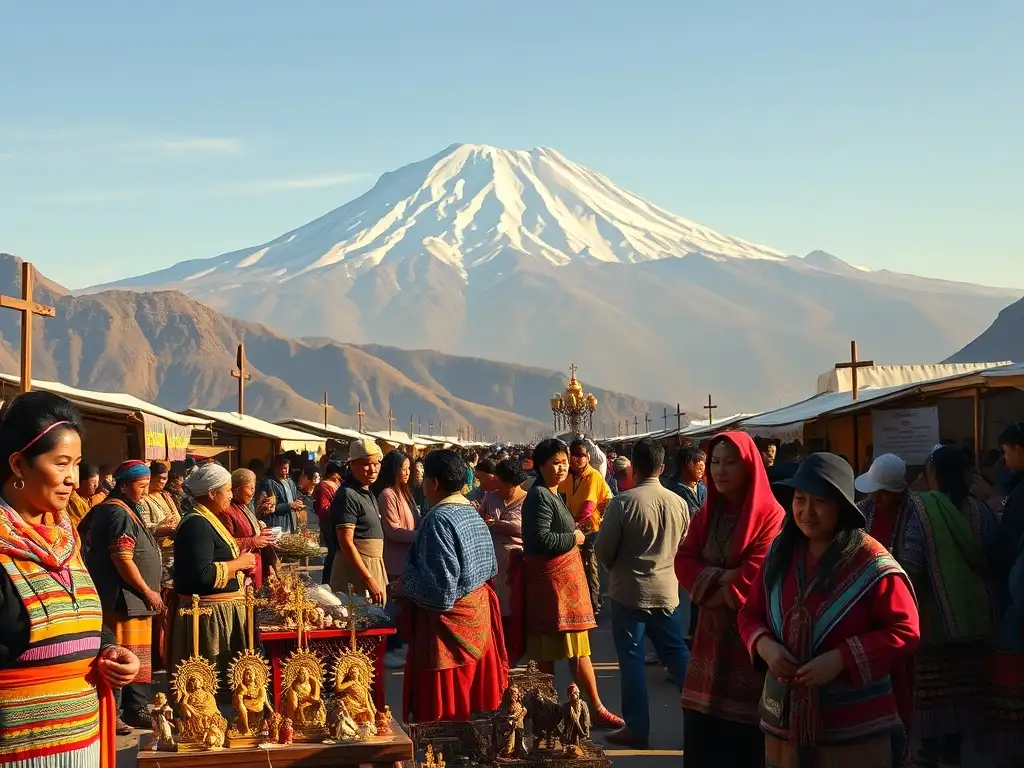
Unravel the mysteries of the Andes! Journey through time and discover how religion shaped the very fabric of Andean society. Did the intricate beliefs of the Incas, Moche, and other powerful civilizations truly dictate their complex social structures? Explore the profound impact of Andean religion social class impact and uncover the secrets behind their fascinating hierarchical systems. Prepare to be amazed by the intricate connections between faith and power in these ancient cultures.
The intricate tapestry of Andean civilizations reveals a profound interplay between religious beliefs and social structures. Across diverse cultures, from the expansive Inca Empire to the sophisticated Moche and Nazca societies, religious practices significantly shaped social hierarchies and the distribution of power. This article delves into the complex relationship between Andean religion and social class, exploring how religious beliefs and rituals reinforced existing power structures and influenced the lives of individuals across different strata of society.
We will examine the impact of religious ideology on social stratification, focusing on the roles of religious figures, rituals, and the divine in maintaining and legitimizing social hierarchies. Understanding this dynamic offers crucial insights into the very fabric of Andean societies and their enduring legacy. The keyword "Andean religion social class impact" is central to this exploration, highlighting the pervasive influence of religious systems on the social order.
Andean religious systems were far from monolithic. While sharing common threads – a reverence for nature, ancestor worship, and the belief in powerful deities – each culture developed unique religious practices and cosmologies. However, a common thread across these diverse belief systems was the close connection between religious authority and social status.
The elite often held privileged access to religious knowledge and practices, using this access to reinforce their power and legitimize their dominance. For example, the Moche elite's close association with powerful deities, often depicted in elaborate ceramics and monumental architecture, solidified their position at the apex of society. Similarly, the Nazca's complex geoglyphs, likely linked to religious ceremonies, suggest a highly stratified society where religious specialists held considerable influence.
The specific mechanisms of this influence varied, but the fundamental link between religious belief and social stratification remained consistent. This connection is evident in the distribution of resources, access to prestigious roles, and the overall social standing of different groups within Andean society. Further research is needed to fully understand the nuances of this relationship in specific Andean societies, but the overall trend is undeniable.
The Role of the Inca Religion in Hierarchical Structures
The Inca Empire, with its vast territory and sophisticated administrative system, provides a particularly clear example of the intertwining of religion and social class. Inca religion was deeply intertwined with the state, with the emperor acting as the supreme religious authority, a direct descendant of the sun god Inti. This divine connection served to legitimize the emperor's absolute power and the hierarchical structure of Inca society. The Inca state actively promoted religious beliefs and practices to maintain social order and consolidate its power. This involved extensive temple construction, elaborate rituals, and the control of religious specialists.
The Inca Emperor: Divine Authority and Social Power
The Inca emperor, Sapa Inca, was not merely a political leader but a divine figure, considered a direct descendant of the sun god Inti. This divine lineage granted him unparalleled authority and power, placing him at the absolute pinnacle of the social hierarchy. His role as the supreme religious authority allowed him to control access to religious resources and rituals, further solidifying his dominance.
The emperor’s religious authority was visually represented through elaborate clothing, ceremonies, and access to sacred sites, reinforcing his position as both earthly and divine ruler. His decisions were seen as divinely inspired, making any opposition tantamount to heresy.
Priests and Religious Officials: Their Social Status and Influence
Below the emperor, a complex hierarchy of priests and religious officials played a crucial role in maintaining the Inca religious system and, consequently, the social order. These individuals, often from the nobility, held significant power and influence due to their religious knowledge and proximity to the emperor. Their social status was reflected in their access to resources, their lavish clothing, and their involvement in major state ceremonies.
They acted as intermediaries between the divine and the common people, interpreting religious messages and ensuring the proper performance of rituals. Their influence extended beyond religious matters, impacting various aspects of daily life and social control.
Temple Personnel and their Place in Inca Society
The Inca temple system employed a significant number of individuals in various roles, from artisans crafting religious objects to servants attending to the needs of priests and the emperor. While not holding the same high social status as priests or noble officials, these individuals occupied a specific niche within the social hierarchy. Their position within the temple complex granted them a degree of social stability and access to resources that might not have been available to commoners.
Their work was integral to the functioning of the religious system and indirectly contributed to the maintenance of the social order. The division of labor within the temple system reflected the broader social stratification of Inca society. The work performed, level of skill, and proximity to power all influenced the social status of individuals within the temple complex.
The intricate relationship between religion and social mobility in pre-Inca Andean societies is a complex tapestry woven from ritual, belief, and power. While social structures were largely hereditary, religious practices offered, albeit limited, avenues for upward mobility. Successful performance in religious ceremonies, particularly those involving divination or shamanistic healing, could elevate an individual's standing within their community.
The ability to interpret omens, predict harvests, or cure illnesses was highly valued, granting individuals influence and prestige that transcended their birthright. This is evidenced by archaeological finds suggesting that certain individuals, buried with elaborate grave goods, may have achieved elevated status through their religious expertise rather than solely through lineage. However, it’s crucial to understand that this mobility was not unlimited.
The existing social hierarchy remained a powerful force, and true ascension to the highest echelons of power was typically reserved for those born into influential families. The system was more about incremental shifts within established structures than a complete overhaul of social order. Further research is needed to fully quantify the extent of this religious-based social mobility, as the archaeological record can be ambiguous and interpretations often debated.
How Religious Practices Shaped Social Status in Moche Culture
Moche culture, known for its impressive artistry and sophisticated irrigation systems, offers a compelling case study in the relationship between religious practices and social status. The Moche elite, often depicted in elaborate ceramics and murals, were deeply involved in religious rituals. They served as intermediaries between the divine and the populace, performing sacrifices and overseeing elaborate ceremonies.
These individuals, often depicted wearing elaborate headdresses and ornaments, held a privileged position in society, directly linked to their religious authority. Their control over religious rituals and resources solidified their power, reinforcing the existing social hierarchy. Conversely, commoners' participation in religious activities was largely dictated by their place in society, often involving agricultural rituals or community-based ceremonies less directly tied to elite power.
The Moche iconography, particularly the depictions of priests and rulers engaging in ritual sacrifice, underscores the religious underpinnings of their social structure and the crucial role of religion in maintaining social order. The elaborate tombs of Moche elites, filled with gold and silver artifacts, further emphasize the material benefits associated with religious authority.
The Impact of Nazca Religious Ceremonies on Social Hierarchy
The Nazca civilization, famous for its enigmatic geoglyphs, also integrated religious practices into its social structure. While the Nazca social hierarchy may not have been as rigidly defined as that of the Moche, religious ceremonies played a significant role in shaping social relationships and reinforcing existing power structures. The construction of monumental structures, such as the massive platforms and temples, likely involved large-scale mobilization of labor, suggesting a hierarchical organization.
Those responsible for planning and overseeing these projects held prominent positions, their authority derived from both religious and administrative roles. The Nazca's extensive irrigation systems, vital for agriculture, were likely managed by individuals who held religious authority, further linking religious practice to practical matters of governance and social control.
The evidence suggests that while religious participation was widespread, access to high-ranking religious positions was likely limited to the elite, further solidifying their social dominance. The precise nature of the religious hierarchy and its influence on social stratification requires further investigation, as the archaeological record is still being interpreted.
Tiahuanaco's Religious Elite and its Social Control
The Tiahuanaco culture, with its impressive monumental architecture and sophisticated state organization, exemplifies the profound impact of religious elites on social control. The city of Tiahuanaco served as a religious and administrative center, with a powerful priestly class controlling access to religious rituals and resources. The construction of massive structures, such as the Kalasasaya complex and the Akapana pyramid, required significant manpower and resources, suggesting a highly centralized and hierarchical society.
The Tiahuanaco religious elite, likely composed of hereditary rulers and priests, utilized religious ideology to legitimize their authority and control the population. Religious symbols and iconography were incorporated into architecture and art, reinforcing the power of the ruling class and the importance of religious adherence.
Evidence suggests that the Tiahuanaco elite controlled access to land, water, and other vital resources, using religious justification to maintain their dominance and suppress dissent. The sophisticated administrative system, supported by a religious ideology, played a key role in maintaining social order and ensuring the continuity of Tiahuanaco's powerful state.
The complex Andean pantheon, with its diverse array of gods and goddesses, mirrored the social stratification of the different cultures. The gods and goddesses were not simply abstract entities; they were deeply intertwined with the social and political structures of the time. Certain deities were associated with specific social groups, reinforcing the existing hierarchy and legitimizing the power of the elite.
This association was not static, however, and varied across different Andean cultures and throughout time. The understanding of these divine connections provides valuable insights into the belief systems and social organizations of these ancient societies. Archaeological evidence, such as iconography on pottery and textiles, as well as the arrangement of temples and shrines, offer clues to the relationships between the divine and the human realms.
Gods and Goddesses Associated with Different Social Groups
Different Andean cultures associated specific deities with different social groups. For example, some deities were associated with agricultural production and were revered by farmers, while others were linked to warfare and were worshipped by warriors. In some societies, the ruling class was closely associated with sun gods or other celestial deities, reinforcing their divine right to rule. Conversely, other deities were associated with fertility, rain, or specific aspects of nature and were revered by the common people.
The specific associations varied widely across different cultures and time periods, reflecting the nuances of their religious beliefs and social structures. Further research is needed to fully understand the complex interplay between the Andean pantheon and the social stratification of each culture. For instance, [specific information pending] regarding the precise associations of deities with specific social groups in the Nazca culture.
Religious Rituals and their Connection to Social Status
Religious rituals in Andean societies were not simply acts of worship; they were powerful tools for reinforcing social status. Access to certain rituals and ceremonies was often restricted to the elite, further highlighting their privileged position. Elaborate sacrifices, involving precious metals and textiles, were often reserved for the ruling class, signifying their connection to the divine and their control over resources. Conversely, commoners participated in community-based rituals focused on agricultural fertility and well-being.
The differential access to religious rituals and the nature of those rituals reflected and reinforced the existing social hierarchy. The archaeological record offers glimpses into these practices, but the full extent of their social impact requires further study. For example, [specific data needed] regarding the frequency and nature of different types of rituals within a specific Andean community.
The Use of Religious Symbols to Reinforce Social Divisions
The use of religious symbols played a crucial role in reinforcing social divisions in Andean societies. The elite often appropriated religious symbols and iconography to legitimize their power and distinguish themselves from commoners. Elaborate headdresses, clothing, and jewelry adorned with religious motifs served as markers of social status and reinforced the existing hierarchy. Commoners were often restricted from using certain symbols, further emphasizing their subordinate position.
The control over religious symbols and their interpretation was a key instrument of social control, used by the elite to maintain their dominance and reinforce the social order. The intentional use of religious imagery to highlight social distinctions serves as a powerful illustration of the deep entanglement of religion and social power in Andean cultures. The systematic study of Andean art and artifacts reveals the intricate ways in which religious symbols were used to solidify social hierarchies.
The Economic Power of Andean Temples and Religious Institutions
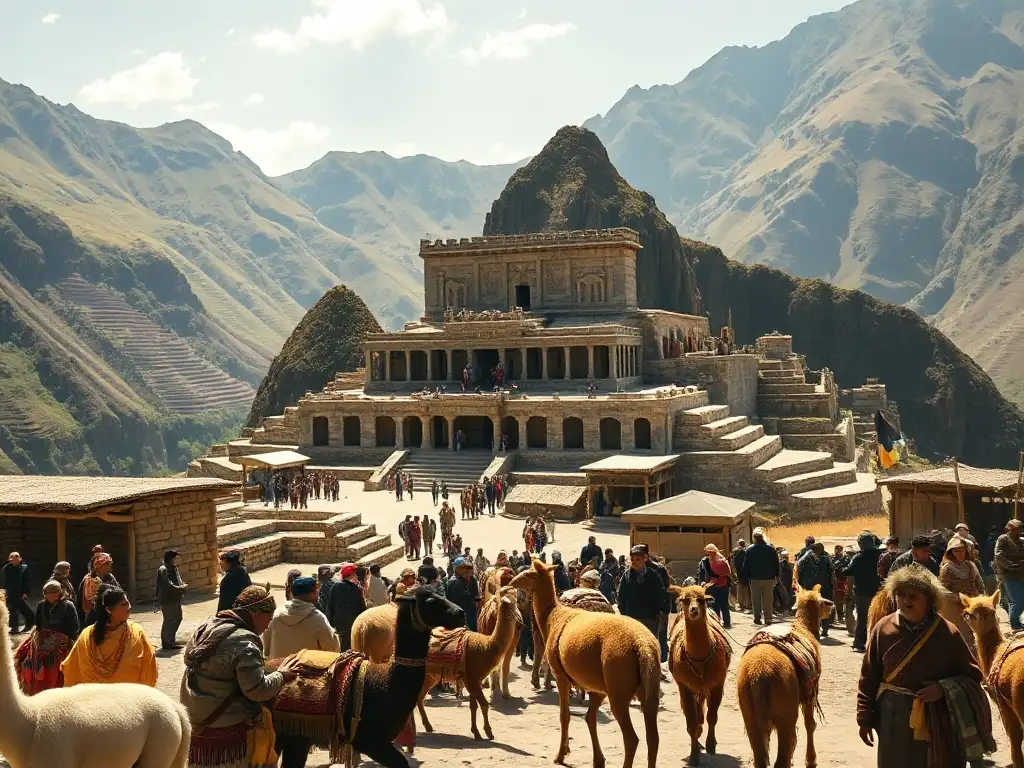
The economic power wielded by Andean temples and religious institutions significantly impacted the social stratification of these societies. These weren't merely places of worship; they were major economic players, controlling vast resources and influencing the distribution of wealth. This control stemmed from several key factors, which we'll explore below.
Temple Lands and Resources: Their Impact on Social Inequality
Andean temples owned extensive tracts of land, often the most fertile and productive areas. These lands were worked by commoners, who paid tribute in the form of agricultural products and labor. The surplus generated from these temple lands was immense, enriching the priestly class and those associated with the religious elite.
This unequal distribution of resources directly contributed to social inequality, creating a clear divide between the wealthy religious leaders and the working populace. The concentration of wealth in the hands of the religious elite solidified their power and influence within the social hierarchy. For example, in the Inca Empire, the ayllu system, while seemingly egalitarian at the community level, was ultimately subject to the demands of the Inca state, which included significant contributions to the temple storehouses.
The Collection of Religious Tribute and its Distribution
Religious tribute formed a substantial part of the Andean economy. This wasn't simply voluntary donations; it was a systematized process where communities were obligated to provide goods and services to the temples. The tribute included agricultural produce, textiles, precious metals, and even human labor.
The meticulous control and distribution of this tribute further enriched the religious institutions and those in power, reinforcing the existing social hierarchy. The specifics of tribute collection varied across different Andean cultures, with some employing more centralized systems than others, but the core principle of religious institutions benefiting economically remained consistent. The intricate record-keeping systems, such as the quipus used by the Incas, facilitated the tracking and management of this vast tribute system.
Religious Festivals and their Economic Implications
Religious festivals played a crucial role in the Andean economy, beyond their spiritual significance. These large-scale events involved significant economic activity, including the production and exchange of goods, the mobilization of labor, and the redistribution of resources. The preparation for and execution of festivals generated employment, stimulated trade, and facilitated social interactions, but also reinforced existing power structures. The elite controlled the resources needed for these festivals, further enhancing their economic and social standing. For instance, the elaborate ceremonies associated with the Inca sun god, Inti, involved massive expenditure and labor, benefiting those closest to the imperial court.
The influence of Andean religion on social structures extended far beyond the pre-Columbian era. Even today, its legacy is palpable in various aspects of Andean society, demonstrating its enduring impact.
The Legacy of Andean Religion on Modern Social Classes
While the formal religious structures of the Inca and other pre-Columbian empires have long since disappeared, their impact on the social fabric of modern Andean communities remains profound. Traditional religious practices and beliefs continue to influence social interactions, community organization, and economic activities. This influence is often subtle but pervasive, shaping social norms and values. For example, certain traditional festivals, adapted to modern contexts, still reinforce community bonds and social hierarchies, reflecting patterns established centuries ago.
Syncretism and the Adaptation of Religious Beliefs
The arrival of Christianity in the Andes did not erase indigenous religious beliefs; instead, it led to a complex process of syncretism. Indigenous religious practices and beliefs were often integrated with Christian ones, resulting in hybrid religious expressions. This syncretism reflects the resilience of Andean religious traditions and their adaptability to new circumstances. This blending of beliefs continues to shape social identities and interactions in contemporary Andean communities. The Virgin of Copacabana, for instance, is a powerful example of this syncretism, merging indigenous and Catholic elements.
How Religious Traditions Continue to Shape Social Interactions
Even today, many Andean communities maintain traditional religious practices, which significantly influence social interactions. Rituals, ceremonies, and festivals continue to play a vital role in community life, reinforcing social bonds and hierarchies. These traditions often incorporate elements of both indigenous and Christian beliefs, reflecting the complex history of religious syncretism in the region.
The enduring presence of these traditions highlights the lasting impact of Andean religion on the social fabric of the region, even in the face of centuries of change. The continuing importance of community rituals speaks volumes about the resilience of indigenous Andean beliefs and their capacity to adapt and persist.
The Andean worldview, deeply intertwined with religious beliefs and practices, profoundly shaped social structures for centuries. The concept of ayni, reciprocal exchange, wasn't merely an economic system; it was a sacred obligation underpinning social cohesion. Failure to fulfill ayni obligations, whether through laziness or deliberate defiance, could lead to social ostracism and a loss of status. This religious underpinning ensured the system's longevity, transcending mere economic incentives.
Furthermore, the belief in a powerful pantheon of gods and spirits, each with specific domains of influence, reinforced existing hierarchies. Those who held positions of power, often claiming divine lineage or favor, enjoyed privileged access to resources and religious rituals, further solidifying their social standing. The intricate relationship between religious belief and social mobility was complex; while religious piety could elevate individuals, social advancement often required demonstrating adherence to religious norms and fulfilling communal obligations.
The long-term impact is evident in the enduring legacy of Andean religious practices, even after the Spanish conquest, demonstrating the deep-seated influence of religion on social class dynamics. Religious beliefs weren't simply a separate aspect of life; they were fundamentally integrated into the fabric of Andean society, directly influencing social mobility and the maintenance of social hierarchies. The system created a self-reinforcing cycle where religious authority validated and maintained social order.
The Inti Raymi Festival and its Impact on Social Hierarchy
The Inti Raymi, the Inca festival celebrating the sun god Inti, provides a compelling example of how religion reinforced social hierarchy. This grand ceremony, held annually at the solstice, was a lavish spectacle involving thousands of participants. The emperor, considered a divine intermediary between the sun god and the people, played the central role, further solidifying his supreme position.
Only the elite, including nobles and priests, participated in the most sacred rituals, enjoying privileged access to the emperor and the divine offerings. The commoners, while participating in the festivities, played a supporting role, emphasizing their subordinate position within the Inca social structure. The elaborate preparations, requiring immense labor and resources, highlighted the power of the elite to command and control resources, a power inextricably linked to their religious authority.
The Inti Raymi wasn't just a religious festival; it was a potent display of the Inca's imperial power and its divine mandate, effectively reinforcing the existing social order through a spectacular demonstration of religious and political authority intertwined. The visual spectacle of the Inti Raymi served as a powerful reminder of the social hierarchy, solidifying the emperor's position at its apex.
A Comparative Analysis of Religious Influence Across Inca and Wari Cultures
Comparing the Inca and Wari civilizations reveals fascinating similarities and differences in how religion shaped social class. Both cultures employed elaborate religious practices and monumental architecture to reinforce social hierarchies, but the specifics differed. The Inca, with their sophisticated bureaucracy and centralized control, utilized religion to maintain a rigid, stratified system. The emperor's divine status was paramount, and religious authority directly supported his political power.
The Wari, while possessing a complex religious system, exhibited a less centralized structure. While religious elites held significant influence, their power wasn't as directly tied to a single, divinely ordained ruler. Archaeological evidence suggests a more nuanced relationship between religion and social stratification in Wari society, possibly reflecting a less centralized political structure compared to the Inca.
Furthermore, the Wari's iconography and religious practices suggest a broader range of religious specialists and a less pronounced emphasis on divine kingship than in the Inca empire. The differing approaches reflect distinct political and social structures, highlighting how religious practices adapted to and reinforced specific societal hierarchies. Further research is needed to fully understand the subtleties of religious influence in Wari society, particularly concerning the role of regional religious centers and their influence on local social dynamics.
The Relationship Between Religion and the Abolition of Slavery in the Andes
While slavery existed in various forms across Andean societies, its practice wasn't uniformly accepted or practiced throughout. Religious beliefs played a complex role, sometimes justifying slavery and other times contributing to its mitigation. Certain religious practices might have provided avenues for slaves to gain some measure of social mobility or freedom.
For instance, demonstrating exceptional piety or skill in religious service could potentially lead to improved treatment or even emancipation. However, this wasn't a guaranteed path to freedom, and the overall impact of religion on the abolition of slavery remains a subject of ongoing scholarly debate. The available evidence suggests a complicated interplay between religious beliefs, social structures, and the practice of slavery, varying significantly across different Andean cultures and time periods.
More research is needed to fully understand the nuanced role of religion in shaping the lives of enslaved individuals and the eventual decline of slavery in Andean societies. The limited evidence necessitates further investigation to elucidate this intricate relationship.
- Andean Religious Beliefs and Social Stratification
- The Role of the Inca Religion in Hierarchical Structures
- Religion and Social Mobility in Pre-Inca Andean Societies
- The Andean Pantheon and its Reflection in Social Classes
- The Economic Power of Andean Temples and Religious Institutions
- The Persistence of Religious Influence in Andean Social Structures
- The Long-Term Impact of Andean Religion on Social Class Dynamics
- How did religion impact the social hierarchy in Andean civilizations?
- What role did religious rituals play in maintaining social order?
- Did different social classes have different religious practices?
- How did religious beliefs influence the distribution of resources?
- How did Andean religious beliefs affect the daily lives of different social classes?
Frequently Asked Questions
Religion played a crucial role in shaping Andean social structures. Religious beliefs legitimized the power of elites, who often controlled access to sacred sites and rituals. This control reinforced their social dominance.
Rituals served to reinforce social hierarchies and maintain order. Public ceremonies and festivals displayed the power of the elite and solidified the belief in their divine connection. This fostered social cohesion and obedience.
Yes, access to religious practices and beliefs often varied by social class. The elite had privileged access to specific rituals and sacred objects, while commoners participated in different, often more localized practices. This difference further reinforced social divisions.
How did religious beliefs influence the distribution of resources?
Religious beliefs often justified the unequal distribution of resources. Elites claimed a right to a larger share of resources, citing their divine authority or role as intermediaries between the people and the gods. This fueled economic inequality.
Religious beliefs impacted daily life in significant ways, varying across social classes. For example, agricultural practices were deeply intertwined with religious rituals, and the elite controlled the timing and execution of these, impacting the lives of all. Religious festivals dictated parts of the yearly calendar for everyone.
Final Reflection: Weaving Faith and Society in the Andes
The intricate relationship between religion and social stratification in Andean cultures remains a potent force shaping societies today. Understanding this complex interplay is not merely an academic exercise; it's crucial for comprehending the persistent inequalities and cultural nuances that continue to define the region. The legacy of religious influence on social structures is far from dormant; it actively informs contemporary power dynamics and social justice initiatives.
The enduring impact of Andean religious beliefs on social class is profoundly evident in the persistence of traditional practices and their adaptation to modern contexts. These beliefs, often deeply intertwined with land ownership, access to resources, and community leadership, continue to shape social hierarchies. Religion is not merely a matter of personal belief; it is a social institution with profound implications for the distribution of power and resources.
This quote underscores the enduring relevance of our exploration of the historical and contemporary interplay between faith and social class in the Andes. The subtle yet powerful ways in which religious practices reinforce or challenge existing social structures deserve ongoing critical analysis.
Consider the ways in which religious traditions have shaped your own understanding of community, power, and social responsibility. How might the insights gained from exploring the Andean experience inform your perspective on similar dynamics in your own society? Let this exploration serve as a catalyst for deeper reflection on the intricate relationship between faith, power, and social justice, inspiring you to engage more critically with the world around you. The legacy of Andean cultures offers a powerful lens through which to examine these enduring questions, prompting us to build a more equitable and just future.
Elevate Your Understanding of Andean Cultures!
Thank you for exploring the complex interplay between religion and social class in Andean societies. Your interest is a valuable first step towards a deeper understanding of how these historical forces continue to shape modern societies. Let's delve even further into this fascinating topic.
Here are some ways you can expand your knowledge:
- Join a discussion group or online forum focused on Andean cultures to connect with other enthusiasts and broaden your perspective.
- Visit a museum or cultural center featuring Andean artifacts and exhibits to experience the profound influence of religion firsthand.
- Share this information with friends and family or on social media to encourage wider discussion about the enduring impact of culture and social structures.
What aspect of Andean culture most captivates you, and how do you perceive the ongoing influence of religious beliefs on contemporary social dynamics?