
The Mysteries of "Kay Pacha": The Middle World of Human Existence

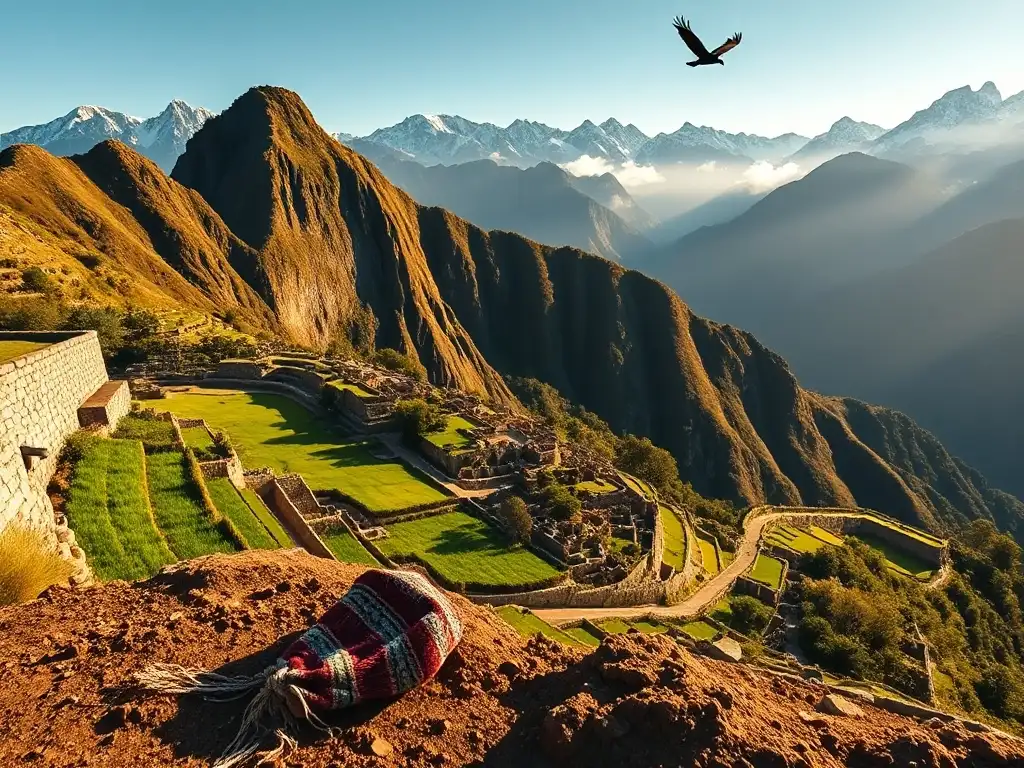
Dive into the enigmatic world of Andean civilizations and uncover the secrets held within their captivating history. Journey with us as we explore the intricate tapestry of their culture, art, and astonishing technological achievements. But first, prepare to be captivated by the mysteries surrounding "Kay Pacha," the Andean concept of the middle world—a realm of human existence that holds the key to understanding these remarkable societies. Are you ready to unravel its secrets? Let's begin our exploration...
- The Mysteries of Kay Pacha: Exploring the Middle World in Andean Cosmovision
- Understanding Kay Pacha: The Realm of Human Life in Andean Civilizations
- Inhabitants of Kay Pacha: Humans, Animals, and Nature Spirits
- Kay Pacha in Daily Life: Activities and Rituals in the Andean World
- The Interconnectedness of Kay Pacha with Hanan Pacha and Uku Pacha
- Symbolic Representations of Kay Pacha in Andean Art and Architecture
- Contrasting Interpretations of Kay Pacha across Andean Cultures
- The Legacy of Kay Pacha: Relevance in Modern Andean Societies
- Concluding Thoughts on the Significance of Kay Pacha in the Andean Worldview
- Frequently Asked Questions
- Final Reflection: Navigating the Enduring Legacy of Kay Pacha
- Unveil the Secrets of Kay Pacha Today!
The Mysteries of Kay Pacha: Exploring the Middle World in Andean Cosmovision
The Andean worldview, a complex tapestry woven from centuries of tradition and spiritual belief, is profoundly shaped by its understanding of the cosmos. Central to this cosmology is the concept of Kay Pacha, the "middle world"—the realm of human existence situated between the upper world ( Hanan Pacha) and the underworld ( Ukhu Pacha).
This article delves into the mysteries surrounding Kay Pacha, exploring its significance within Andean civilizations and its intricate relationship with the deities and supernatural beings that inhabited this vibrant, ever-changing plane. We will examine how Kay Pacha was perceived, its connection to daily life, and the rituals and beliefs that shaped the lives of the Andean peoples, from the Incas to the earlier Moche, Nazca, and Tiahuanaco cultures.
Understanding Kay Pacha is key to unlocking the secrets of Andean religion and cosmovision, offering a profound insight into the spiritual depth and complexity of these fascinating civilizations. The exploration of Andean civilizations Kay Pacha reveals a rich and nuanced understanding of life, death, and the interconnectedness of the cosmos.
Kay Pacha: The Realm of Human Existence
Kay Pacha, the middle world, wasn't simply a geographical location; it represented the entirety of human experience. It encompassed the physical world—the mountains, valleys, rivers, and the land itself—but also the social and spiritual dimensions of Andean life. This realm was believed to be constantly influenced by the forces of both Hanan Pacha and Ukhu Pacha, a delicate balance that required constant attention and respect.
For the Andean people, living harmoniously within Kay Pacha meant maintaining a respectful relationship with the natural world, their ancestors, and the supernatural beings that inhabited this plane. This involved a complex system of rituals, offerings, and ceremonies designed to maintain equilibrium and ensure prosperity. The concept of Pachamama, Mother Earth, is intrinsically linked to Kay Pacha, highlighting the deep reverence for the land and its life-giving properties.
Deities and Spirits of Kay Pacha
The Andean world wasn't populated solely by humans. Numerous deities and spirits inhabited Kay Pacha, each with its own specific role and influence. Some deities were associated with specific geographical features, such as mountains or rivers, while others represented natural forces, like the sun or the rain. These beings weren't necessarily benevolent; some were feared and appeased through offerings and rituals.
The specific pantheon varied across different Andean cultures, with each civilization developing its unique set of supernatural beings. Further research is needed to fully understand the nuances of these diverse beliefs and their representation across different Andean societies. Detailed accounts of specific deities and their interactions with humans within Kay Pacha are crucial to understanding the complexities of Andean religion. For example, [specific information pending] regarding the Moche's relationship with their deities in Kay Pacha would greatly enhance our knowledge.
Rituals and Practices in Kay Pacha
The Andean peoples developed a rich array of rituals and practices to interact with the supernatural world within Kay Pacha. These ceremonies often involved offerings of food, drink, and precious objects to appease the deities and spirits, ensuring their continued favor. Agricultural cycles played a significant role, with many rituals tied to planting, harvesting, and other seasonal events.
Shamans and other religious specialists played a crucial role in mediating between the human and supernatural worlds, interpreting omens, performing healing ceremonies, and guiding communities through times of crisis. These rituals weren't simply religious observances; they were integral to the social fabric of Andean society, reinforcing community bonds and reinforcing the importance of maintaining harmony within Kay Pacha.
The precise nature of these rituals varied across different cultures and time periods, reflecting the rich diversity of Andean traditions. For instance, [specific information pending] concerning the Inca's Capacocha sacrifices offers a crucial insight into their religious practices within Kay Pacha.
Kay Pacha and the Inca Empire
The Inca Empire, despite its power and influence, still operated within the framework of Kay Pacha cosmology. The Inca emperor, considered a descendant of the sun god, held a pivotal role in maintaining the balance of the cosmos. Imperial infrastructure, such as roads and irrigation systems, were not just feats of engineering but also reflections of the Inca's commitment to maintaining harmony within Kay Pacha.
The Inca worldview, while incorporating elements of imperial control, still maintained a deep respect for the natural world and the supernatural forces that shaped their lives. Further investigation is needed to fully explore the specific ways in which Inca ideology integrated with the pre-existing understanding of Kay Pacha from earlier Andean civilizations.
For example, [specific information pending] regarding the Inca's adaptation of existing religious practices within Kay Pacha would provide valuable context. The integration of Inca beliefs and practices within the existing framework of Kay Pacha presents a fascinating area for further study.
Understanding Kay Pacha: The Realm of Human Life in Andean Civilizations
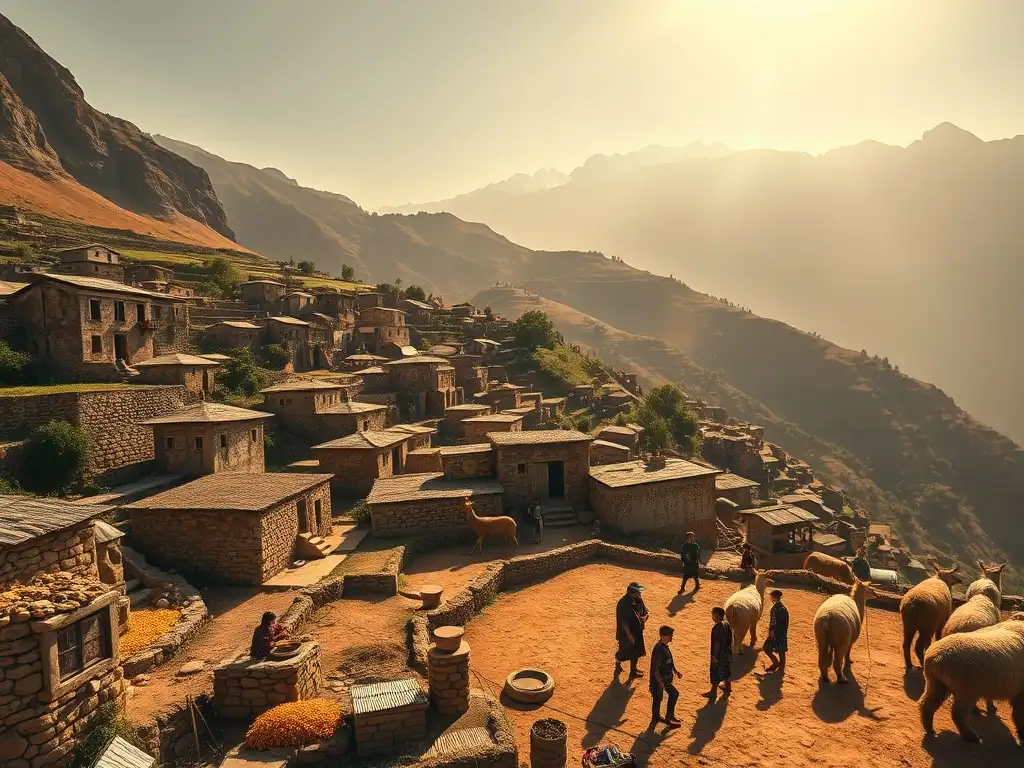
This section delves into the concept of Kay Pacha, the central realm within the Andean worldview, focusing on its significance in the lives and beliefs of various Andean civilizations. Understanding Kay Pacha is crucial to grasping the complexities of Andean religion and cosmology, a system deeply intertwined with their daily existence and social structures. We will explore its definition within the tripartite cosmos and analyze its profound influence on Andean thought and practices.
The term itself, often translated as "here and now," or "middle world," encapsulates its earthly nature and its connection to human experience within the broader Andean cosmological framework. This understanding of Kay Pacha is key to deciphering the beliefs and practices of Andean civilizations, from the Incas to the earlier Moche and Nazca cultures. The concept permeates their art, architecture, agriculture, and social organization, highlighting its central role in their lives.
Defining Kay Pacha within the Andean Tripartite World
The Andean worldview is famously structured around a three-part cosmos: Hanan Pacha (the upper world), Kay Pacha (the middle world), and Ukhu Pacha (the lower world). Kay Pacha, the focus here, represents the earthly realm, the plane of human existence. It's not simply a physical space, but a complex interplay of the tangible and intangible, the natural and the supernatural. It's where humans interact with the apu (mountain spirits), interact with the land, and experience the cycles of life and death.
Think of Kay Pacha as a vibrant tapestry woven from the threads of daily life: the cultivation of crops like potatoes and maize, the building of communities, the performance of rituals, the celebration of festivals, and the intricate social hierarchies that structured Andean society. This wasn't a passive existence; rather, it involved a constant engagement with the spiritual forces inhabiting and shaping Kay Pacha.
The Andean understanding of the interconnectedness of all things is vividly expressed in their reverence for the land, their meticulous agricultural practices, and their sophisticated understanding of the natural world. Their belief system wasn't separate from their daily lives; it was integral to it.
The relationship between Kay Pacha and the other two worlds is vital. Hanan Pacha, the celestial realm, provided the life-giving sun and rain, while Ukhu Pacha, the underworld, held the source of minerals and the spirits of the ancestors. Kay Pacha acted as the mediator, the bridge between these opposing realms. This dynamic interaction is reflected in Andean art, often depicting celestial beings interacting with earthly figures and the underworld represented symbolically. This highlights the crucial role of Kay Pacha as a central point of exchange and balance within the Andean cosmos.
The Significance of the Middle World in Andean Thought
The significance of Kay Pacha in Andean thought cannot be overstated. It was the stage upon which their entire civilization played out. Their understanding of the middle world extended beyond mere physical existence; it encompassed a profound spiritual dimension. This is evident in their intricate religious practices, which were interwoven with daily life. The very act of farming, for instance, was not simply a means of sustenance but a sacred ritual, connecting them to the deities and the cyclical nature of life and death.
The apu, the mountain spirits, were considered powerful entities residing within Kay Pacha, holding sway over the land and its resources. Appeasing these spirits through offerings and rituals was essential for ensuring a bountiful harvest and the well-being of the community. This deep connection to the natural world, fostered by the understanding of Kay Pacha, demonstrates a holistic approach to life, where the spiritual and material realms were inextricably linked.
Furthermore, the concept of ayni, reciprocal exchange, was central to Andean society and deeply rooted in their understanding of Kay Pacha. This principle of balance and reciprocity extended to all aspects of life, from interpersonal relationships to the interaction between humans and the natural world. Maintaining this balance was crucial for ensuring harmony within Kay Pacha and maintaining the favor of the spiritual forces that inhabited it.
The absence of this balance could lead to disruption and imbalance in the earthly realm, emphasizing the profound significance placed upon maintaining harmony within Kay Pacha. The intricate system of beliefs and practices surrounding Kay Pacha reveals a sophisticated and nuanced understanding of the world, deeply rooted in the interconnectedness of all things. This understanding is a testament to the rich spiritual and intellectual heritage of Andean civilizations.
Inhabitants of Kay Pacha: Humans, Animals, and Nature Spirits
The Andean worldview, encapsulated in the concept of Kay Pacha, the middle world, intricately weaves together the lives of humans, animals, and nature spirits. Understanding this interconnectedness is crucial to grasping the Andean civilizations' religious and cosmological beliefs. The Kay Pacha wasn't simply a physical space; it was a vibrant, dynamic realm where the actions of humans directly impacted the spiritual and natural world, and vice versa.
This section delves into the roles and relationships of these key inhabitants within the Andean middle world, emphasizing their crucial interconnectedness. The understanding of Kay Pacha as a holistic ecosystem, rather than a collection of separate entities, is fundamental to understanding Andean cosmovision.
The Role of Humans in the Middle Realm of the Andes
Humans, in Andean cosmology, occupied a central position within Kay Pacha. They weren't separate from nature but rather integral parts of it. Their actions, both positive and negative, had a direct impact on the balance of the world. Human responsibility extended beyond their individual lives; it encompassed the well-being of their communities, the environment, and the supernatural forces that shaped their existence.
This responsibility was deeply ingrained in their daily lives. Agricultural practices, for example, weren't merely about sustenance; they were sacred acts performed to honor the earth and ensure its continued fertility. Rituals and ceremonies were common, designed to maintain harmony between the human world and the spirit world. Failure to uphold these responsibilities could result in imbalance, leading to natural disasters, illness, or social unrest. The concept of Ayni, reciprocal exchange, highlights this interdependence. Humans were expected to give back to the earth and the community as much as they received.
Furthermore, the social structure within Andean societies reflected this interconnectedness. The Inca Empire, for example, had a hierarchical system that mirrored the cosmic order, with the Sapa Inca representing the link between the human and divine realms. This complex interplay between humans, nature, and the supernatural underscores the holistic nature of Andean beliefs and the central role humans played in maintaining the delicate balance of Kay Pacha. Understanding this nuanced relationship is crucial to appreciating the depth and complexity of Andean civilizations' worldview.
The Connection Between Animals and Kay Pacha
Animals held profound significance within the Andean worldview, far exceeding their practical value as sources of food or labor. They were seen as integral components of Kay Pacha, often imbued with spiritual power and acting as intermediaries between the human and supernatural realms. Many animals were associated with specific deities or held symbolic meaning related to Andean cosmology.
For instance, the condor, a majestic bird that soared high above the Andes, was often associated with the sun god Inti, symbolizing power, strength, and connection to the heavens. The llama, a crucial animal for Andean societies, held a dual role—providing essential resources while also representing fertility and prosperity. Different animals played distinct roles within the Andean cosmology, reflecting the diversity of the Andean landscape and its spiritual significance. The careful observation of animal behavior was often incorporated into decision-making processes and the interpretation of omens.
Detailed records of animal symbolism within Andean cultures are unfortunately limited, leaving room for further scholarly investigation. [Specific information pending] on the specific symbolic meanings attributed to a wider range of animals within different Andean cultures would significantly enhance our understanding of this crucial aspect of their worldview. However, even with the existing evidence, it's clear that animals were not simply creatures of the Kay Pacha but active participants in its complex web of life and spirituality.
Nature Spirits and Their Influence on the Andean Middle World
Beyond humans and animals, the Kay Pacha was populated by a vast array of nature spirits, collectively referred to as Apu (mountain spirits), Mallku (water spirits), and various other supernatural beings associated with specific natural elements. These spirits were not simply abstract concepts but powerful forces that directly influenced the lives of Andean people.
The Apu, powerful mountain spirits, were revered and appeased through offerings and rituals. Their influence extended to weather patterns, agricultural yields, and the overall well-being of the communities living in their shadow. Similarly, the Mallku, water spirits inhabiting lakes, rivers, and springs, held considerable power over water resources, a vital aspect of Andean life. Disrespecting these spirits could bring about drought, floods, or other natural calamities.
The belief in these nature spirits fostered a deep respect for the environment and a sustainable relationship with the natural world. The Andean civilizations' intricate agricultural systems and water management techniques weren't solely driven by practical considerations; they were also expressions of their reverence for the spirits that governed these resources.
This profound understanding of the interconnectedness between the human world and the spirit world is a defining characteristic of Andean cosmovision and a testament to the enduring power of their spiritual beliefs within the framework of Kay Pacha. Further research into specific regional variations in nature spirits and their associated rituals would provide a richer understanding of Andean religious practices.
Kay Pacha in Daily Life: Activities and Rituals in the Andean World
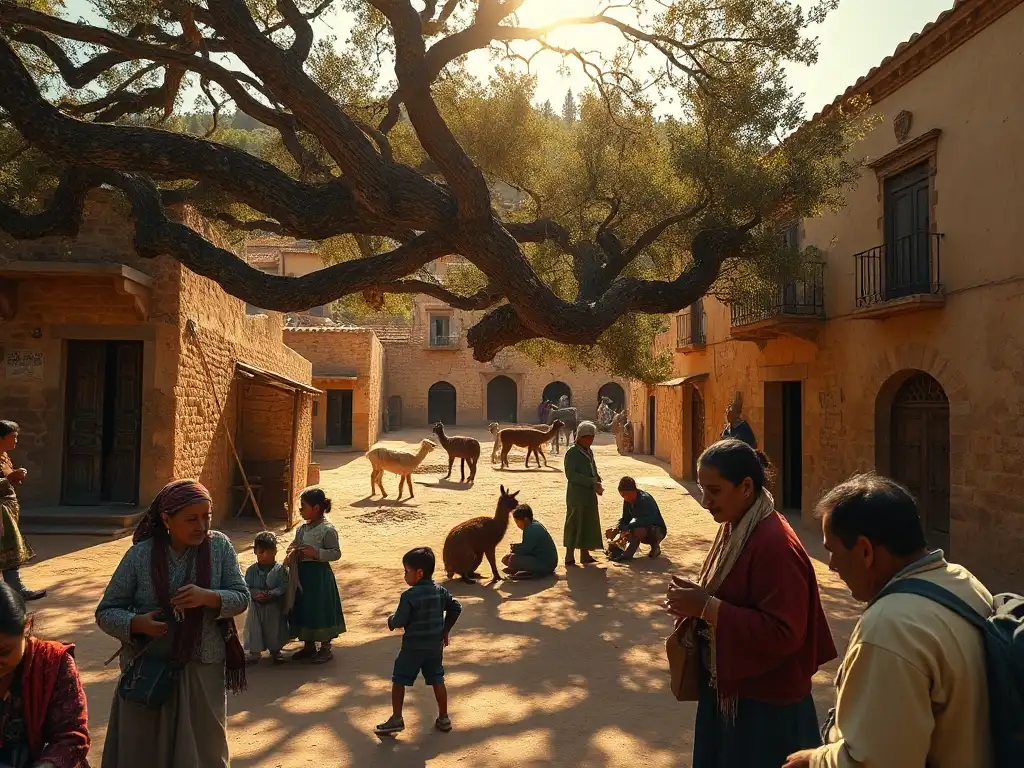
The concept of Kay Pacha, the middle world where Andean civilizations lived, permeated every aspect of daily life. It wasn't just a geographical location; it was a vibrant, interconnected realm where the human, spiritual, and natural worlds intertwined. Understanding Kay Pacha requires examining how Andean people interacted with their environment and the spiritual forces believed to inhabit it.
This section will explore how Kay Pacha manifested in everyday activities and rituals, revealing the deep spiritual significance embedded within seemingly mundane tasks. The profound connection between the Andean worldview and their daily practices offers a compelling glimpse into the richness and complexity of these ancient cultures. The term "Andean civilizations Kay Pacha" itself highlights this integral relationship.
Agriculture and its Connection to the Middle Realm
Agriculture formed the backbone of Andean societies, and its practice was deeply entwined with the beliefs surrounding Kay Pacha. Farming wasn't simply a means of sustenance; it was a sacred act, a communion with the earth and its life-giving forces. Andean farmers understood the importance of respecting the balance within Kay Pacha, recognizing that their actions directly impacted the fertility of the land and the well-being of their communities.
Specific rituals were performed before planting and harvesting, often involving offerings to Pachamama (Mother Earth) and other deities associated with fertility and abundance. The meticulous terracing techniques employed by the Incas, for example, not only maximized agricultural output but also demonstrated a profound respect for the land's delicate ecosystem – a clear reflection of their understanding of Kay Pacha's interconnectedness. Evidence suggests that specific crops were associated with specific deities or spirits within Kay Pacha, further emphasizing the sacred nature of agricultural practices.
Detailed records of these practices, while scarce, reveal a complex system of beliefs and rituals that ensured a successful harvest and maintained harmony within the middle world. The success of their agriculture was intrinsically linked to their understanding and respect for the delicate balance within Kay Pacha.
Andean Weaving and its manifestation in Kay Pacha
Andean weaving wasn't simply a craft; it was a powerful expression of their cosmology and a direct manifestation of Kay Pacha. The intricate designs woven into textiles often depicted scenes from the natural world, mythological narratives, and representations of deities and spirits inhabiting the middle world. The vibrant colors and complex patterns symbolized the diversity and interconnectedness of life within Kay Pacha.
For example, the use of specific colors, such as red representing blood and life, or green representing growth and fertility, reflected the symbolic language of the Andean worldview. Moreover, the act of weaving itself was considered a sacred ritual, connecting the weaver to the spiritual forces of Kay Pacha. The materials used – alpaca wool, cotton, and other natural fibers – were seen as gifts from the earth, further emphasizing the connection between the craft and the middle world.
The meticulous craftsmanship and attention to detail evident in Andean textiles are testaments to the profound spiritual significance they held within their society. These textiles served not only as clothing and adornment but also as powerful symbols of their connection to the sacred realm of Kay Pacha. The intricate designs, often depicting deities and spiritual beings, provide invaluable insights into their beliefs and understanding of the middle world.
Rituals and Ceremonies to honor the Middle World and its beings
Numerous rituals and ceremonies were performed to honor the beings and forces inhabiting Kay Pacha. These practices aimed to maintain balance, ensure prosperity, and appease the spiritual entities believed to influence daily life. These rituals varied across different Andean cultures and regions but shared common themes. Offerings of food, drink, coca leaves, and other sacred objects were frequently presented to Pachamama and other deities to express gratitude and seek their favor.
Festivals and celebrations often involved music, dance, and elaborate costumes, embodying the vibrant energy of Kay Pacha. The Capac Raymi, a major Inca festival honoring the sun god Inti, exemplifies the grandeur and importance of these ceremonies in maintaining harmony within the middle world. Furthermore, shamanic practices played a crucial role in mediating between the human world and the spirit world of Kay Pacha.
Shamans were believed to possess the ability to communicate with spirits, heal illnesses, and influence natural events, highlighting the integral role of spirituality in daily life within the Andean worldview. The complexity and diversity of these rituals underscore the profound spiritual significance of Kay Pacha in the lives of Andean people, demonstrating their deep understanding and respect for the interconnectedness of the human and spiritual realms. These practices provide a rich tapestry of evidence illustrating how Andean civilizations lived and interacted within the context of Kay Pacha.
The Interconnectedness of Kay Pacha with Hanan Pacha and Uku Pacha
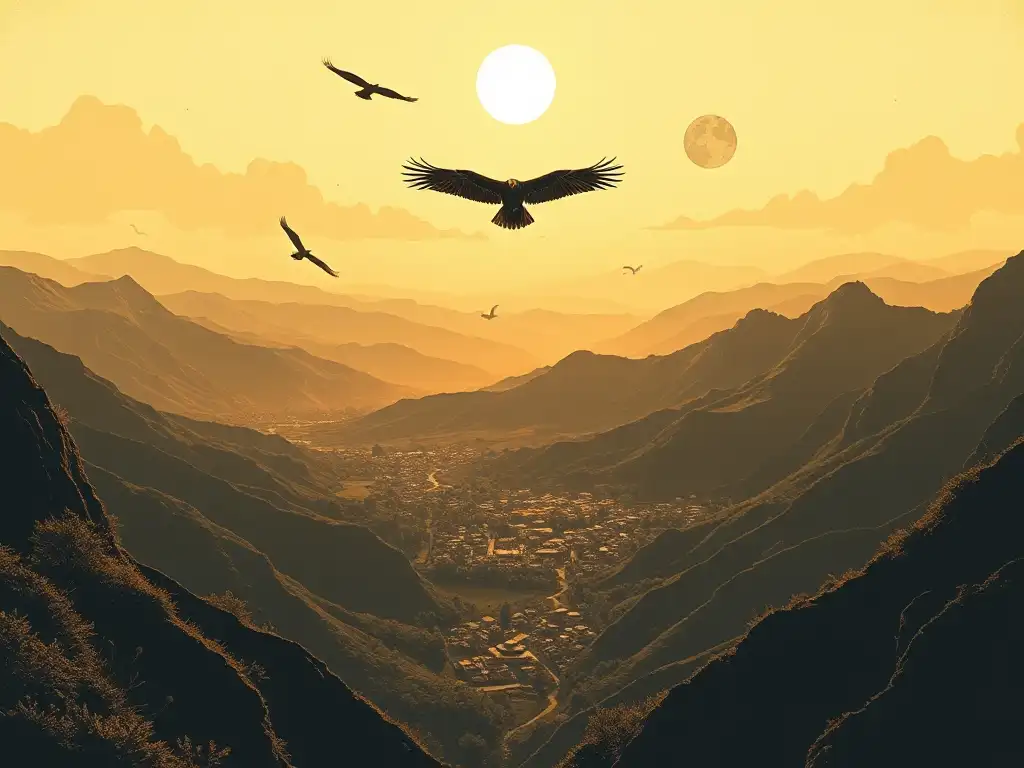
The Andean worldview, a complex tapestry woven from millennia of observation and spiritual practice, centers on the concept of pacha, a term encompassing not only space and time but also the interconnectedness of all existence. This cosmological model is fundamentally tripartite, divided into three distinct yet inseparable realms: Hanan Pacha (the upper world), Kay Pacha (the middle world, where humans reside), and Uku Pacha (the underworld). Understanding Kay Pacha necessitates grasping its intricate relationship with these other two realms.
The Andean civilizations, including the Incas, Moche, Nazca, and Tiahuanaco, all shared variations of this fundamental cosmological structure, impacting their religious practices, social structures, and even agricultural techniques. Their understanding of this interconnectedness deeply influenced their daily lives and shaped their perception of the universe. The concept of "Andean civilizations Kay Pacha" highlights this central role of the middle world in their overall cosmology.
The Relationship between the Upper World and the Middle World
Hanan Pacha, the celestial realm, is the abode of the gods, celestial beings, and ancestral spirits. It's a source of power, fertility, and cosmic order. The connection between Hanan Pacha and Kay Pacha is vital, as the upper world's influence directly impacts the middle world.
For example, the sun's journey across the sky, a crucial element of Andean life, directly relates to agricultural cycles and the provision of sustenance. Solar deities, such as Inti (the Inca sun god), held immense power and were appeased through rituals and offerings to ensure a successful harvest and the well-being of the community. This relationship wasn't solely unidirectional; human actions in Kay Pacha could influence Hanan Pacha.
Successful harvests and virtuous living were seen as ways to maintain harmony with the celestial realm. Furthermore, specific mountain peaks were considered sacred apus, intermediaries between the two worlds, where rituals and offerings were made to ensure good fortune and ward off misfortune. The intricate relationship between these two worlds underscores the Andean belief in a dynamic and interactive cosmos.
The Connection between the Underworld and the Realm of Human Existence
Uku Pacha, the underworld, is not simply a place of death but a realm of powerful forces, ancestral spirits, and deities associated with fertility, water, and the earth's bounty. Its connection with Kay Pacha is equally crucial. The earth itself, the source of all sustenance, is understood as a manifestation of Uku Pacha.
Therefore, agricultural practices were deeply intertwined with rituals aimed at appeasing the earth and ensuring its productivity. Mummification practices, prevalent across various Andean cultures, suggest a belief in the continued existence and influence of the deceased in Uku Pacha, maintaining a connection between the living and the dead. Furthermore, water sources, such as springs and underground rivers, were considered sacred portals to Uku Pacha, their veneration signifying the recognition of the underworld's vital role in sustaining life in the middle world.
This deep-seated connection emphasizes the Andean understanding of life, death, and the cyclical nature of existence. The concept of Uku Pacha isn't solely a realm of darkness but a powerful force shaping life in Kay Pacha.
Maintaining Balance between the Three Worlds in the Andean View
The Andean worldview emphasizes the importance of maintaining balance and harmony between Hanan Pacha, Kay Pacha, and Uku Pacha. This balance was seen as essential for prosperity, well-being, and the continuation of life. Imbalance, whether caused by natural disasters or human actions, was believed to lead to misfortune and disruption.
Rituals, offerings, and adherence to social norms were all crucial aspects of maintaining this delicate equilibrium. The intricate system of reciprocity, ayni, reflected this principle, emphasizing the importance of mutual exchange and responsibility within the community and between the different realms. The Andean concept of pachakuti, a cyclical renewal and transformation of the world, also highlights the dynamic nature of this balance and the need for constant adaptation and adjustment to maintain harmony across the three worlds.
Maintaining this balance was not just a religious practice but a fundamental aspect of Andean life, shaping their social structures, agricultural practices, and overall worldview. The preservation of this balance was paramount to the survival and prosperity of Andean civilizations. This intricate cosmological model offers a rich understanding of the Andean civilizations' deep connection with their environment and their spiritual beliefs.
Symbolic Representations of Kay Pacha in Andean Art and Architecture
The concept of Kay Pacha, the Andean middle world, is profoundly interwoven with the artistic and architectural achievements of the various Andean civilizations. Understanding these representations offers crucial insights into their cosmology and worldview. The human realm wasn't simply a physical space; it was a vibrant tapestry of interactions between the human, divine, and natural worlds, all symbolically depicted in their art and buildings.
Analyzing these representations allows us to better grasp the Andean understanding of life, death, and the cyclical nature of existence within Kay Pacha. This section will explore how Kay Pacha is visually represented in Andean art and architecture, focusing on specific examples and their interpretations. The keyword "Andean civilizations Kay Pacha" is intrinsically linked to this visual language.
Analyzing the Artistic Depictions of the Middle World
Andean art, particularly pottery and textiles, frequently depicts scenes of daily life within Kay Pacha. These aren't merely mundane depictions; they are often imbued with symbolic meaning. For instance, Moche pottery frequently showcases scenes of agricultural activities, feasts, and warfare – all integral aspects of human experience within the middle world.
The vibrant colors and intricate details of these pieces highlight the richness and complexity of life in Kay Pacha. The depiction of humans interacting with nature, such as figures harvesting crops or hunting animals, underscores the interconnectedness between humanity and the natural world within the Andean worldview. This interconnectedness was a fundamental aspect of their understanding of Kay Pacha.
Furthermore, the use of specific motifs, such as stylized plants, animals, and human figures, carries symbolic weight. For example, the recurring motif of the puma, a powerful Andean animal, can represent strength, leadership, and the earthly realm itself. The intricate weaving techniques used in Andean textiles, with their geometric patterns and symbolic imagery, further enhance the artistic representation of Kay Pacha.
These textiles often depict scenes of human activities alongside celestial motifs, illustrating the belief in the interplay between the earthly and celestial realms. The detailed craftsmanship speaks to the sacred importance placed on representing the human world accurately and respectfully.
Architectural Elements reflecting Kay Pacha in Andean Structures
The architectural marvels of Andean civilizations also reflect the importance of Kay Pacha. The design and layout of cities like Machu Picchu, for example, demonstrate a deep understanding of the environment and a harmonious integration with the natural landscape. The strategic placement of buildings, terraces, and water channels within the mountain environment illustrates the Andean concept of living in balance with nature, a central theme within Kay Pacha. The intricate stonework, precise engineering, and masterful use of materials showcase not only architectural prowess but also a deep spiritual connection to the land.
The Inca's sophisticated irrigation systems, which enabled them to cultivate crops in challenging terrains, are a testament to their ability to manage and manipulate the environment within Kay Pacha. These systems weren't merely functional; they were also symbolic representations of their mastery over nature and their ability to thrive within the middle world. Even the layout of individual buildings often incorporated symbolic elements, with specific rooms or sections dedicated to specific activities or deities related to the human world.
The careful planning and execution of these architectural feats reveal the significance they placed on creating a harmonious and sustainable existence within their physical realm. This careful planning and consideration reflects a deep understanding of their environment and a commitment to living in balance within Kay Pacha.
The use of symbols to convey the essence of the human realm
The Andean civilizations didn't simply depict Kay Pacha; they encoded its essence using a complex system of symbols. These symbols weren't arbitrary; they carried profound meaning, conveying aspects of human experience, social structures, and the relationship between humans and the divine. For example, the use of specific colors, such as red (associated with blood, energy, and the earth) and yellow (associated with the sun and power), carried symbolic weight within their artistic and architectural representations.
The use of specific motifs and patterns also played a vital role in conveying the essence of Kay Pacha. Geometric designs, often found in textiles and pottery, can represent different aspects of the human experience, such as agricultural cycles, social hierarchies, and spiritual beliefs. The interpretation of these symbols requires careful consideration of the context in which they appear and the specific cultural beliefs of the civilization in question.
Further research is needed to fully understand the nuances of these symbolic systems and their role in shaping the Andean understanding of the middle world. Understanding these symbolic representations is crucial for deciphering the rich tapestry of Andean cosmology and their perception of Kay Pacha, the human realm.
This detailed analysis reveals a sophisticated system of visual communication that helped to solidify and transmit their worldview across generations. The intricate details, combined with the careful selection of symbols, highlight the importance placed on accurately representing the essence of the human experience within Kay Pacha.
Contrasting Interpretations of Kay Pacha across Andean Cultures
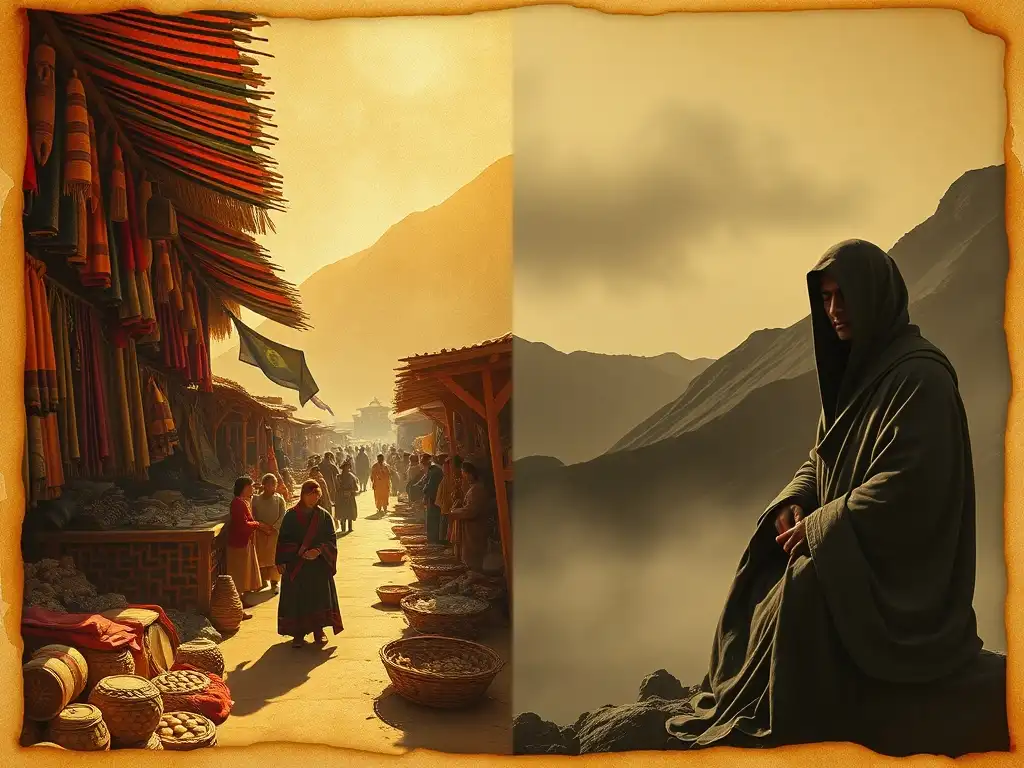
The concept of Kay Pacha, the "middle world" in Andean cosmology, wasn't uniformly understood across all Andean civilizations. While the general idea of a human-inhabited plane existing between the upper (Hanan Pacha) and lower (Ukhu Pacha) worlds held consistent importance, the specific attributes, deities associated with it, and the rituals performed to interact with it varied significantly depending on the cultural group. This diversity reflects the complex tapestry of Andean societies and their unique interpretations of the cosmos.
Understanding these variations is crucial to appreciating the richness and nuance of Andean spiritual beliefs. The term "Andean civilizations Kay Pacha" itself highlights the multifaceted nature of this concept, demanding a closer examination of its diverse expressions.
Variations in the Concept of the Middle World among different groups
The Inca Empire, while wielding significant influence, didn't impose a single, standardized understanding of Kay Pacha across all conquered territories. Pre-existing beliefs and practices persisted, often integrating with Inca ideology. For instance, the Moche, known for their intricate pottery depicting supernatural beings and daily life, likely held a conception of Kay Pacha intertwined with their rich mythology, though the specifics are difficult to ascertain due to limitations in surviving written records.
Similarly, the Nazca, renowned for their geoglyphs, likely integrated their understanding of Kay Pacha into their complex rituals and worldview, reflecting their unique cosmological perspectives. Further research is needed to fully understand the specific interpretations of Kay Pacha within these and other Andean cultures, such as the Tiwanaku, whose sophisticated urban planning suggests a well-developed cosmological framework.
This lack of comprehensive information necessitates further archaeological investigation and analysis of existing artifacts. We require more detailed studies to fully capture the diversity inherent in the Andean understanding of Kay Pacha.
Specific beliefs about Kay Pacha in Inca Religion
In Inca religion, Kay Pacha was the realm of human existence, the world of daily life, agriculture, and social interactions. It was considered a space where the sacred and profane intertwined, where the actions of humans directly impacted the balance of the cosmos. The Inca believed that the apus (mountain spirits) held significant power over Kay Pacha, influencing weather patterns, agricultural yields, and the overall well-being of the communities.
Rituals such as capacocha (child sacrifice) were performed to maintain harmony between Kay Pacha and the other worlds, ensuring the continued prosperity of the Inca Empire. These sacrifices, while viewed as brutal by modern standards, were considered essential for maintaining cosmic balance and appeasing the powerful deities inhabiting the other realms.
The Inca worldview emphasized a reciprocal relationship between humanity and the supernatural, with Kay Pacha serving as the crucial intermediary space where this interaction played out. Detailed records of Inca rituals and beliefs are scarce, making further research crucial to fully understanding their precise interpretations of Kay Pacha.
The unique perspectives of Aymara and Quechua Cultures regarding Kay Pacha
While both Aymara and Quechua cultures share a common Andean heritage and a belief in the three-world cosmology, their specific interpretations of Kay Pacha differ in subtle yet significant ways. The Aymara, for example, may place a greater emphasis on the connection between Kay Pacha and the Pachamama (Mother Earth), highlighting the importance of respecting and nurturing the land. Their rituals and agricultural practices often reflect this close relationship with the earth, emphasizing the interconnectedness of all living things within Kay Pacha.
In contrast, Quechua perspectives might emphasize the role of specific deities or ancestral spirits in shaping the events within Kay Pacha, reflecting a more hierarchical understanding of the supernatural world. These nuanced differences highlight the fact that the term "Andean civilizations Kay Pacha" encompasses a rich diversity of beliefs and practices, requiring a careful and sensitive approach to understanding the specific cultural contexts.
Further comparative studies of Aymara and Quechua cosmologies are needed to fully articulate the unique aspects of their respective interpretations of Kay Pacha. The ongoing study of indigenous Andean knowledge systems is vital for preserving and understanding these cultural nuances.
The Legacy of Kay Pacha: Relevance in Modern Andean Societies
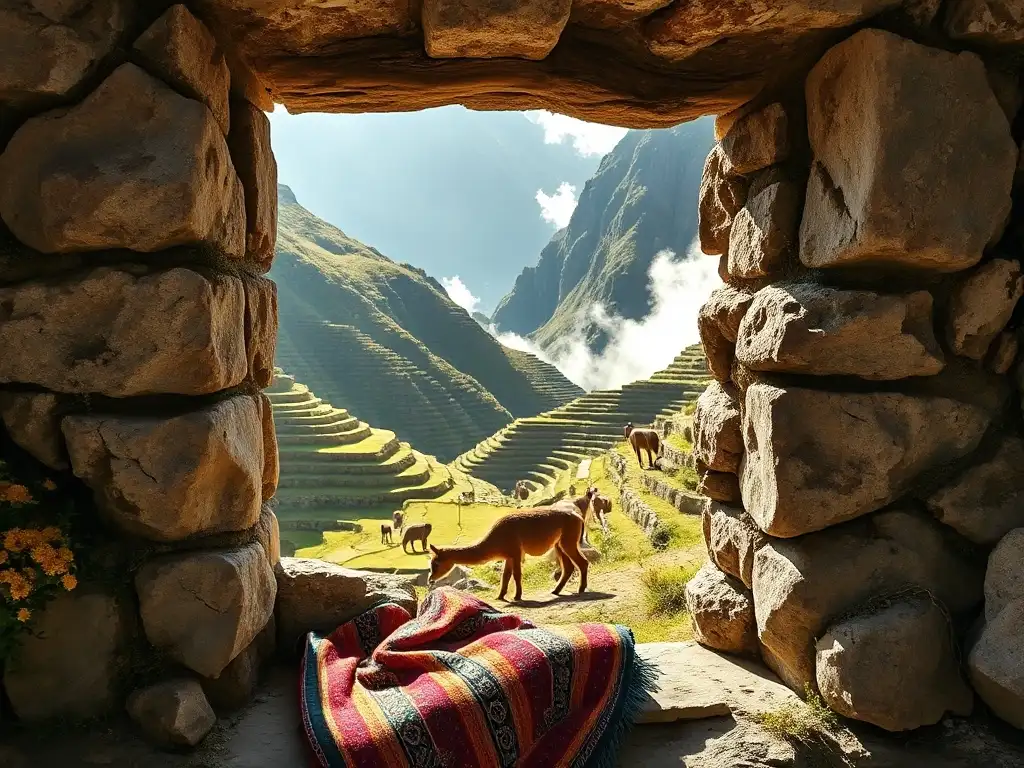
The concept of Kay Pacha, the Andean middle world, remains profoundly relevant in contemporary Andean societies. While the Inca Empire's dominance might seem distant, its cosmological framework, deeply rooted in the understanding of Kay Pacha, continues to shape daily life, beliefs, and practices across various Andean communities. This enduring influence isn't merely a historical curiosity; it's a vibrant, living tradition interwoven with modern realities.
Understanding this continuity is crucial for appreciating the richness and complexity of Andean cultures and their enduring connection to their ancestral past. The persistent influence of Kay Pacha demonstrates the resilience of Andean cosmovision in the face of globalization and modernization.
How the concept of the Middle World continues to influence Andean life
The influence of Kay Pacha manifests in myriad ways within modern Andean life. For instance, agricultural practices often incorporate rituals and beliefs directly linked to the middle world. Farmers may offer ch'alla (offerings) to Pachamama (Mother Earth) before planting, seeking her blessing for a bountiful harvest.
This act isn't simply a superstitious ritual; it's a deeply ingrained practice that reflects a profound understanding of the interconnectedness between the human world and the natural world, a key tenet of the Kay Pacha worldview. Furthermore, many traditional healing practices, involving medicinal plants and shamanistic rituals, are grounded in the belief system associated with Kay Pacha, viewing illness as an imbalance within this middle world. Even seemingly mundane aspects of daily life, such as the orientation of houses or the selection of building materials, can reflect an underlying awareness of the spatial and energetic dynamics of Kay Pacha.
These are not isolated instances but rather consistent reflections of a deeply embedded cosmology shaping daily existence. The continued use of Quechua and Aymara languages, often imbued with rich vocabulary related to Kay Pacha, further underscores its ongoing significance.
Contemporary Practices of Pachamama worship and their connection to Kay Pacha
The worship of Pachamama, a central figure in Andean cosmology, is intrinsically linked to the concept of Kay Pacha. Pachamama, often understood as the fertile earth, embodies the life-giving forces of the middle world. Contemporary practices of Pachamama worship range from intimate family rituals to large-scale community celebrations.
These rituals often involve offerings of coca leaves, food, and alcohol, intended to appease and honor Pachamama and ensure her continued benevolence. The timing of these rituals frequently coincides with agricultural cycles, reflecting the deep connection between Andean spirituality and the rhythms of nature. The vibrant celebrations of Pachamama during specific times of the year, such as the Inti Raymi (Inca festival of the sun), showcase the enduring power of this ancient Andean deity and its connection to the middle world.
The continuation of these practices demonstrates the adaptability and resilience of Andean religious traditions, integrating ancient beliefs into the fabric of modern life. Detailed ethnographic studies are needed to fully document the diverse expressions of Pachamama worship across different Andean communities.
The Importance of Understanding Kay Pacha for Cultural Preservation
Understanding Kay Pacha is paramount for the preservation of Andean cultural heritage. The concept is not merely a historical artifact; it’s a living, dynamic framework that informs contemporary Andean identities and worldviews. By studying and appreciating the complexities of Kay Pacha, we can gain a deeper understanding of the interconnectedness of Andean societies with their environment, their spiritual beliefs, and their social structures.
Ignoring or dismissing this crucial aspect of Andean culture risks losing a vital element of its rich heritage. Furthermore, acknowledging the enduring relevance of Kay Pacha is essential for fostering respectful and mutually beneficial relationships between scholars, researchers, and Andean communities themselves. This necessitates collaborative research projects that prioritize community participation and knowledge sharing, ensuring that the interpretation and preservation of Andean cultural heritage are guided by the perspectives and expertise of those who hold this knowledge most deeply.
Preserving this understanding is crucial not only for academic purposes but also for empowering Andean communities to maintain their cultural identity and autonomy in the face of ongoing global challenges. The continued study of Andean civilizations and their cosmology is crucial for understanding the enduring legacy of Kay Pacha.
Concluding Thoughts on the Significance of Kay Pacha in the Andean Worldview
The concept of Kay Pacha, the middle world of human existence within the Andean cosmovision, represents far more than a simple geographical location. It's the very heart of Andean life, a dynamic interplay between the celestial ( Hanan Pacha) and underworld ( Ukhu Pacha). Understanding Kay Pacha provides crucial insight into the deeply interconnected relationship Andean civilizations held with their environment, their social structures, and their spiritual beliefs.
The intricate web of beliefs surrounding Kay Pacha highlights the profound respect for the natural world and the delicate balance necessary for maintaining harmony within this three-world system. This holistic worldview, deeply ingrained in the Andean civilizations, offers valuable lessons for contemporary societies grappling with environmental challenges and the pursuit of sustainable living.
The enduring legacy of Kay Pacha serves as a potent reminder of the interconnectedness of all things and the importance of living in harmony with the natural world. It's a testament to the sophisticated understanding of ecology and spirituality present in these remarkable Andean civilizations.
The Profound Meaning of the Middle World in Andean Cosmovision
The Andean worldview, encompassing various cultures like the Inca, Moche, Nazca, and Tiahuanaco, didn't simply perceive Kay Pacha as a physical space; it was a living entity, a vibrant realm teeming with life and spiritual energy. It was the place where humans interacted directly with the divine, where rituals were performed to maintain balance, and where the ancestors continued to exert their influence. This intricate relationship between the human and spiritual realms within Kay Pacha is evident in the numerous archaeological sites and artifacts discovered throughout the Andes.
For example, the agricultural practices of these civilizations, reflecting a deep understanding of the land's rhythms and capabilities, were not simply practical endeavors; they were sacred acts aimed at fostering a reciprocal relationship with Pachamama, Mother Earth, a key element of Kay Pacha. Their sophisticated understanding of agricultural techniques, such as terracing and irrigation, wasn't just about maximizing crop yields; it was about nurturing the life force of Kay Pacha itself.
The meticulous construction of their cities, often integrated seamlessly into the landscape, further emphasizes their profound respect for the delicate balance of the middle world. This deep connection with the environment is crucial to understanding the Andean concept of Kay Pacha.
The Importance of Respecting the Delicate Balance of Kay Pacha
The Andean civilizations understood that the well-being of Kay Pacha was inextricably linked to their own survival. Maintaining harmony within the middle world required a delicate balance between human actions and the forces of nature. This understanding is reflected in their complex system of beliefs and practices, which emphasized reciprocity, respect, and reverence for all living things.
Disrupting this balance through excessive exploitation of resources or disrespectful behavior was believed to have dire consequences, leading to natural disasters, disease, or social unrest. This emphasis on ecological responsibility underscores the sophistication of their worldview and provides valuable insights for modern approaches to environmental sustainability. The intricate network of apachetas (stone piles) found throughout the Andean landscape serves as a testament to this interconnectedness, acting as markers of sacred pathways and places where offerings were made to maintain the balance of Kay Pacha.
Furthermore, the careful management of water resources, evident in their sophisticated irrigation systems, exemplifies their commitment to respecting the delicate balance of the middle world. The Andean concept of ayni, reciprocal exchange, further highlights the importance of balanced relationships within Kay Pacha, extending beyond human interactions to include the natural world.
Future Research Directions on Kay Pacha and Andean Environmental Philosophy
Further research on Kay Pacha should focus on several key areas. Firstly, a more detailed analysis of the relationship between Kay Pacha and specific Andean deities is needed. How did different deities interact with and influence the middle world?
Secondly, a deeper exploration of the practical implications of the Andean worldview on contemporary environmental issues is warranted. How can the principles of reciprocity and respect for nature, inherent in the Andean concept of Kay Pacha, inform sustainable practices today? Thirdly, interdisciplinary research integrating archaeology, anthropology, and environmental studies is crucial to fully understand the complex interplay between human actions and ecological processes within Kay Pacha.
This collaborative approach can provide a more holistic understanding of the Andean worldview and its enduring relevance. Finally, comparative studies examining the similarities and differences between Andean environmental philosophies and other indigenous cosmovisions can offer valuable insights into universal principles of environmental stewardship. By addressing these research questions, we can gain a more profound appreciation for the rich legacy of Andean civilizations and their insights into living in harmony with the natural world, enriching our understanding of "Andean civilizations Kay Pacha."
Frequently Asked Questions
What is "Kay Pacha"?
"Kay Pacha" is the Quechua term for the middle world, the realm where humans exist. It's a central concept in Andean cosmology, situated between the upper (Hanan Pacha) and lower (Ukhu Pacha) worlds.
How did the concept of Kay Pacha influence Andean civilizations?
The belief in Kay Pacha profoundly impacted Andean life, shaping their agriculture, religious practices, and social structures. It provided a framework for understanding their place in the universe.
What role did the Incas play in the Kay Pacha worldview?
The Incas, as the dominant Andean civilization, integrated Kay Pacha into their imperial administration and religious rituals. They saw themselves as stewards of this middle world.
How did Andean art reflect the Kay Pacha concept?
Andean art frequently depicted scenes and symbols representing the interconnectedness of the three worlds (Hanan Pacha, Kay Pacha, and Ukhu Pacha). This is evident in their textiles, pottery, and architecture.
What are some examples of Kay Pacha's influence in modern Andean culture?
Many modern Andean communities still retain aspects of the Kay Pacha worldview. This is visible in their agricultural practices, festivals, and spiritual beliefs, demonstrating its enduring legacy.
The Andean concept of Kay Pacha, the middle world of human existence, remains profoundly relevant today, offering a powerful lens through which to understand our relationship with the natural world and the delicate balance between the spiritual and the material. Its enduring wisdom challenges our modern, often anthropocentric worldview, urging us to reconsider our place within a larger, interconnected cosmos.
The influence of Kay Pacha's philosophy continues to resonate in Andean communities, shaping their worldview, their practices, and their relationship with the land. Its emphasis on reciprocity, respect for nature, and the interconnectedness of all living things offers a vital counterpoint to the exploitative tendencies of modern society. The earth does not belong to us; we belong to the earth.
- Chief Seattle. This sentiment, echoing across cultures and centuries, underscores the timeless wisdom embedded within the Andean understanding of Kay Pacha and its inherent respect for the planet.
Consider, for a moment, the implications of this ancient wisdom for your own life. How can you cultivate a deeper appreciation for the interconnectedness of all things? How might you integrate the principles of reciprocity and respect for nature into your daily actions?
Embrace the enduring lessons of Kay Pacha; let its wisdom guide you towards a more harmonious and sustainable existence, not just for yourself, but for generations to come. The path towards a more balanced relationship with the world around us begins with a conscious effort to understand and appreciate the perspectives of those who came before us, and the profound insights they offer.
Unveil the Secrets of Kay Pacha Today!
Thank you for exploring the fascinating world of Kay Pacha. Your interest in this Andean concept of the human world is a crucial step towards understanding the interconnectedness of life. Now, let's put your new knowledge into practice!
- Dive deeper into Andean culture: Expand your understanding of indigenous beliefs and their contemporary relevance by researching online or through local cultural centers and museums. Consider taking a university course or participating in a workshop.
- Share your insights: Discuss how Kay Pacha influences modern life with friends, family, or online communities. Start conversations that explore the intersection of ancient wisdom and current events.
- Engage with the community: Connect with online forums, cultural organizations, or academic groups dedicated to Andean studies. Share your thoughts and learn from others' perspectives.
How has exploring Kay Pacha changed your perspective on life? What connections have you discovered between this Andean worldview and your own experiences?