
The Future of Andean Metallurgy: What Can We Still Learn?

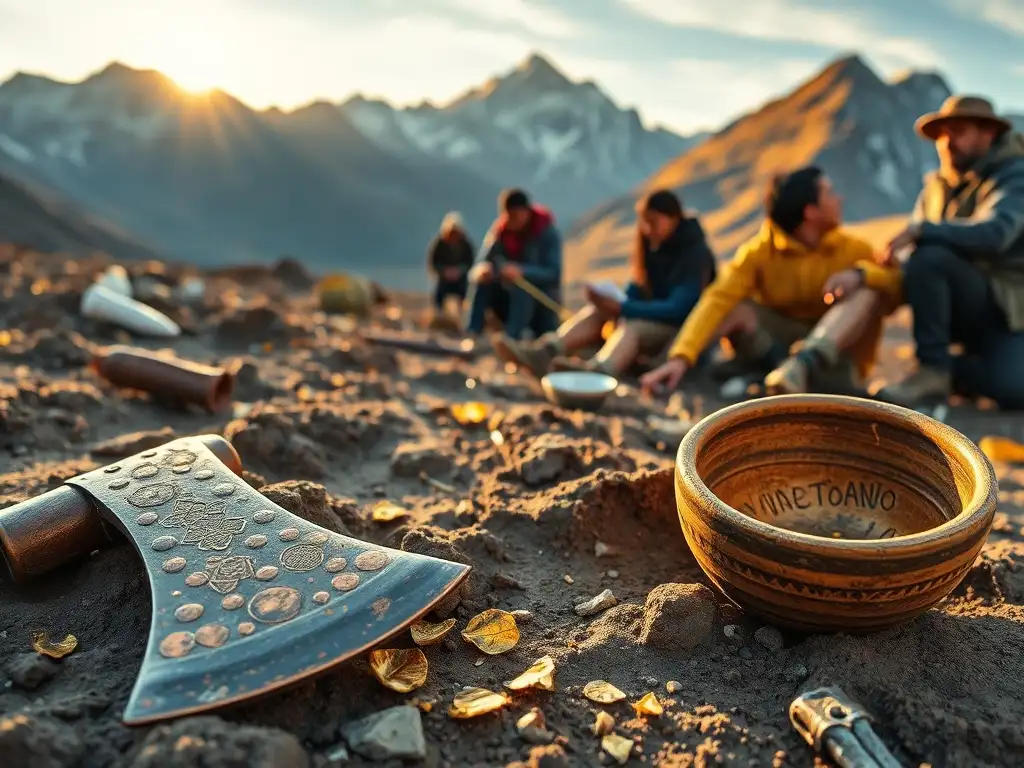
Uncover the secrets of a lost world! For centuries, the ingenuity of the Andean civilizations has captivated the world, from the breathtaking artistry of the Nazca lines to the sophisticated engineering of Machu Picchu. But what mysteries remain hidden beneath the surface? Dive into the fascinating realm of Andean metallurgy, and prepare to be amazed by the innovations that continue to challenge our understanding of ancient technology. Our exploration of Andean metallurgy future research will leave you questioning everything you thought you knew – are you ready to begin?
The Andes Mountains, a spine of towering peaks running down the west coast of South America, are home to a rich tapestry of ancient civilizations whose mastery of metallurgy continues to fascinate and inspire researchers today. From the intricate goldwork of the Moche to the sophisticated bronze alloys of the Tiahuanaco, Andean metallurgy represents a remarkable achievement in pre-Columbian technology.
This article delves into the ongoing research in Andean metallurgy, exploring what contemporary scholars are discovering and what avenues of future research promise to further illuminate this fascinating field. We will examine not only the well-known precious metals, but also the diverse range of materials and techniques employed by Andean metallurgists, highlighting the potential for groundbreaking discoveries that could reshape our understanding of these ancient societies and their technological prowess.
This exploration of the future of Andean metallurgy research will focus specifically on the potential for new discoveries and interpretations to enhance our understanding of Andean societies and their technological innovations, using "Andean metallurgy future research" as a guiding lens. The potential for new insights is immense, promising to enrich our understanding of these remarkable cultures.
Unearthing New Insights: Andean Metallurgy Research Today
Current research in Andean metallurgy is vibrant and multifaceted. Archaeologists and metallurgists are employing advanced techniques, such as X-ray fluorescence (XRF) spectroscopy and electron microscopy, to analyze the composition of ancient artifacts with unprecedented precision. This allows for a deeper understanding of the sourcing of raw materials, the manufacturing processes employed, and the technological sophistication of Andean metallurgists.
For example, recent studies have revealed the complex alloying techniques used to create specific colors and properties in bronze objects, challenging previous assumptions about the limitations of Andean metallurgical knowledge. Furthermore, research is increasingly focusing on the social and economic contexts of metal production and exchange. By analyzing the distribution patterns of metal artifacts and the presence of specialized workshops, researchers are gaining valuable insights into the organization of Andean societies and the role of metallurgy in their social structures.
The study of ancient mining sites is also providing crucial information about the extraction and processing of ores, shedding light on the labor practices and environmental impact of Andean metallurgy. This interdisciplinary approach, combining archaeological excavation with scientific analysis and social studies, is crucial for a comprehensive understanding of Andean metallurgical practices.
Beyond Gold and Silver: Exploring the Diversity of Andean Metalwork
While gold and silver are often associated with Andean metallurgy, the reality is far more complex and diverse. Andean metallurgists worked with a wide range of metals, including copper, bronze, and even less common elements like arsenic and tin, demonstrating remarkable skill in manipulating different materials to achieve specific aesthetic and functional results. The use of these metals varied across different regions and time periods, reflecting the unique environmental conditions and cultural practices of individual Andean societies.
For instance, the Moche culture is famed for its intricate goldwork, while the Tiahuanaco culture is known for its sophisticated bronze alloys. The development of these alloys involved a complex understanding of metallurgy and material science, requiring precise control over temperature and composition. Further research into the less-studied aspects of Andean metallurgy, such as the use of less prestigious metals, could reveal significant insights into the broader technological landscape of the Andes.
The investigation into the techniques used to create intricate shapes and decorations in these metals, including techniques like hammering, casting, and soldering, offers further avenues for research and potentially significant discoveries related to the technological innovation within these cultures. Understanding the full range of materials and techniques employed will offer a more complete picture of the ingenuity and technological advancements of Andean civilizations. The future of Andean metallurgy research promises to reveal even more about the technological sophistication and cultural complexity of these fascinating societies.
Advanced Techniques in Ancient Andean Metal Processing
Ancient Andean metallurgists displayed a mastery of techniques far surpassing what was previously believed. Their advanced understanding of alloying, casting, hammering, and finishing resulted in incredibly intricate and durable artifacts. For example, the Incas were adept at creating sophisticated alloys of gold, silver, and copper, achieving specific colors and hardnesses depending on the desired outcome. They understood the importance of controlling the temperature and duration of heating during the smelting process, a detail crucial for achieving consistent results.
This level of control is evident in the uniformity of their gold sheets used for intricate repoussé work, where thin sheets of gold were hammered into molds to create detailed designs. The precision and consistency achieved were remarkable, demonstrating a deep understanding of material science. Further research could delve into the specific recipes and processes used, potentially revealing even more sophisticated techniques.
Analysis of surviving tools and furnaces could also unlock valuable insights into their methods, illuminating the sophisticated infrastructure supporting Andean metallurgy. The precise composition of their alloys, and how those compositions relate to different techniques, is a rich area for future research in Andean metallurgy future research. Understanding these techniques could have significant implications for modern materials science.
Lost Technologies: Investigating Specific Metallurgical Practices of Andean Cultures
Many aspects of Andean metallurgical practices remain shrouded in mystery. The lack of extensive written records necessitates a multidisciplinary approach involving archaeology, metallurgy, and material science to unravel the secrets of their techniques. Future research should focus on uncovering the specifics of these lost technologies, including the precise methods employed for alloying, casting, and finishing.
The challenges are considerable, as many of the original workshops and tools have been lost or destroyed over time, and the surviving artifacts often lack the context necessary to fully understand their creation. However, by combining advanced analytical techniques such as X-ray fluorescence (XRF) and scanning electron microscopy (SEM) with careful archaeological excavation and analysis, we can hope to make significant progress. This will allow researchers to analyze the composition of ancient alloys with unprecedented precision, revealing the specific ratios of metals and other elements used.
It will also provide clues as to the specific tools and temperatures employed. This detailed analysis is crucial for understanding the true extent of their metallurgical achievements.
The Secrets of Moche Gilding Techniques
The Moche culture, renowned for its intricate goldwork, employed sophisticated gilding techniques to adorn ceramics and other artifacts. The precise methods used to apply thin layers of gold to these objects remain a subject of ongoing investigation. While some clues exist, a complete understanding of the process is lacking.
Future research needs to focus on analyzing the chemical composition of both the gold leaf and the underlying substrate to understand the adhesive used. It is hypothesized that certain organic resins or gums may have been employed, but the exact nature of these materials remains unknown. This understanding will advance our knowledge of Andean metallurgy future research.
Additionally, replicating the Moche gilding techniques could provide valuable insights into the limitations and possibilities of ancient Andean technology. Microscopic analysis of surviving examples could reveal further details about the application process and the degree of skill involved, potentially leading to a more accurate reconstruction of the techniques. This interdisciplinary approach, combining scientific analysis with careful observation of surviving artifacts, promises to illuminate the secrets of this remarkable Moche craft.
Tiahuanaco Bronze Production: A Case Study
The Tiahuanaco culture, known for its monumental architecture, also produced impressive bronze artifacts. However, the specifics of their bronze production remain relatively unknown compared to other Andean cultures. Future research should focus on identifying the sources of the copper and tin ores used in Tiahuanaco bronze production.
Tracing these materials back to their origins will provide vital information about the Tiahuanaco trade networks and the extent of their technological influence. Furthermore, analyzing the composition of Tiahuanaco bronze objects can provide insights into their smelting techniques and the level of control they exercised over the process. Isotopic analysis of the metals could also reveal the specific sources of the ores and the methods used to refine them.
This detailed analysis is crucial for understanding the technological sophistication of Tiahuanaco metallurgy and its place within the broader context of Andean technological development. This research is critical for a complete understanding of Andean metallurgy future research. The study of Tiahuanaco bronze production can serve as a valuable case study for understanding the wider technological landscape of the Andean region.
Material Analysis: What Modern Science Reveals About Andean Metals

The application of modern scientific techniques has revolutionized our understanding of Andean metallurgy, offering unprecedented insights into the materials used, the processes employed, and the societal implications of this sophisticated craft. By analyzing ancient artifacts with precision, researchers are uncovering details previously lost to time. This allows us to reconstruct the complex networks of production, distribution, and consumption that defined Andean societies.
The meticulous study of these metallic objects allows us to understand not just what was made, but how it was made, and why. This detailed knowledge allows us to appreciate the ingenuity and skill of Andean metallurgists, while also providing a deeper understanding of the social and cultural context in which their work flourished. The meticulous nature of this analysis also helps to debunk myths and misconceptions, offering a more nuanced perspective on the development and sophistication of Andean metallurgy.
Isotopic Analysis for Provenance Studies of Andean Metals
Isotopic analysis is a powerful tool for tracing the origins of metals used in Andean artifacts. By analyzing the isotopic ratios of elements like copper, silver, and gold, researchers can pinpoint the specific ore deposits from which the metals were extracted. This allows us to map the vast trade networks that connected different Andean regions and even beyond. For example, studies using this method have revealed the long-distance transport of copper from the Andes to coastal regions, highlighting the extensive reach of Andean trade networks. Further research continues to refine these techniques, promising even more detailed provenance studies in the future. This research is crucial for understanding the economic and political structures that facilitated the movement of these valuable resources across vast distances. The ability to trace the precise origin of metals used in specific artifacts sheds light on the economic and political relationships between different groups in the Andes.
Microscopy and Compositional Analysis: Understanding Metallurgical Processes
Microscopy techniques, such as scanning electron microscopy (SEM) and energy-dispersive X-ray spectroscopy (EDS), provide detailed information about the microstructure and chemical composition of Andean metals. These analyses reveal the specific techniques employed by Andean metallurgists, such as alloying, heat treatment, and hammering. For instance, SEM images can reveal the grain size and orientation of metal alloys, indicating the temperature and duration of heating processes.
EDS analysis provides precise information about the elemental composition of alloys, revealing the specific proportions of different metals used to create specific qualities in the finished product. This detailed information allows researchers to reconstruct the entire metallurgical process, from ore extraction to finished product, and to appreciate the sophistication of Andean metallurgical techniques. The combination of these microscopic and compositional analyses provides a comprehensive picture of the techniques used and the level of skill possessed by the artisans.
Andean metallurgy was not merely a technological achievement; it profoundly impacted the social and economic structures of Andean societies. The control and manipulation of metals—particularly precious metals like gold and silver—became closely linked to power, status, and wealth. The production and distribution of metal goods shaped economic relationships, created specialized labor roles, and influenced political alliances.
The availability of metal tools also revolutionized agriculture and other aspects of Andean life, leading to increased productivity and societal changes. This complex interplay between technology, economics, and social organization is a key area of ongoing research in Andean studies. Understanding this relationship is crucial to appreciating the overall impact of metallurgy on the development of Andean civilizations.
Metal as a Symbol of Power and Status in Andean Societies
In many Andean societies, metal, especially gold and silver, served as potent symbols of power and status. Elaborate gold and silver objects, such as jewelry, ornaments, and ceremonial vessels, were used to distinguish elites from commoners. The possession of such items signified wealth, power, and access to exclusive resources. The use of metal in royal insignia and religious contexts further cemented its role as a symbol of authority and divinity.
The intricate craftsmanship and the sheer quantity of precious metals used in these objects showcased the power and prestige of ruling elites. The creation and distribution of these items were carefully controlled, reinforcing existing social hierarchies and solidifying the power of those in control. The symbolic significance of metal artifacts continues to be a focus of research, revealing crucial aspects of Andean social structures and beliefs.
The Role of Metallurgy in Andean Trade Networks
Andean metallurgy played a crucial role in the extensive trade networks that connected different regions of the Andes. The demand for metals and metal goods, particularly high-quality alloys and finished products, stimulated the exchange of goods and resources across vast distances. Control over metal production and distribution often translated into political and economic influence. The movement of metal artifacts—from raw materials to finished products—provides valuable insights into the economic and social interactions between different Andean societies.
By studying the distribution patterns of metal artifacts, researchers can reconstruct the complex trade routes and exchange systems that characterized the region. The study of metallurgical practices in different regions also allows for a better understanding of the cultural exchange and technological diffusion that occurred within the Andean world. The interconnectedness of Andean societies, as revealed by the movement of metals, highlights the complex and dynamic nature of these civilizations.
Preserving the Legacy: The Importance of Studying Andean Metallurgical Techniques
The study of Andean metallurgical techniques is not merely an academic pursuit; it's a vital endeavor for preserving a rich cultural heritage and understanding the ingenuity of past civilizations. Andean metallurgy, renowned for its sophisticated techniques and exquisite artistry, offers invaluable insights into the social, economic, and technological advancements of societies like the Inca, Moche, and Nazca. By meticulously studying ancient artifacts, we can reconstruct the processes used in smelting, alloying, casting, and finishing metals, revealing the complex knowledge systems that underpinned these achievements.
This knowledge can inform contemporary metallurgical practices and inspire innovative approaches to material science. Furthermore, understanding the techniques employed allows us to better conserve and restore these irreplaceable artifacts, ensuring their preservation for future generations. The loss of this knowledge would represent a significant blow to our understanding of human ingenuity and cultural history.
The detailed analysis of ancient tools, furnaces, and waste materials provides a deeper understanding of the entire metallurgical production chain, from resource extraction to the final product. This holistic approach is crucial for a complete picture of Andean metallurgical practices. Careful documentation and analysis of these techniques are essential for effectively communicating this rich heritage to a wider audience, fostering a deeper appreciation for the achievements of Andean civilizations.
Future Directions in Andean Metallurgy Research: Opportunities and Challenges
The future of Andean metallurgy research is bright, brimming with exciting opportunities and significant challenges. As new technologies emerge and interdisciplinary collaborations flourish, we can expect a deeper understanding of the complexities of ancient metallurgical practices. However, several challenges remain, including the ethical considerations surrounding the study of cultural heritage and the need for sustainable practices in preserving these artifacts.
The integration of advanced analytical techniques will undoubtedly lead to groundbreaking discoveries, allowing researchers to analyze the composition, microstructure, and manufacturing processes of ancient metal artifacts with unprecedented detail. This detailed analysis will shed light on the specific alloys used, the techniques employed in shaping and decorating the objects, and the level of technological sophistication achieved by Andean metallurgists. Moreover, researchers can explore the social and economic implications of metallurgy, examining its role in power structures, trade networks, and religious practices.
The integration of anthropological and archaeological data with metallurgical analysis will provide a more comprehensive understanding of the societal context in which these technologies flourished. However, accessing and preserving these artifacts poses a significant logistical and ethical hurdle.
Interdisciplinary Collaboration: Combining Archaeology and Material Science
The study of Andean metallurgy greatly benefits from a collaborative, interdisciplinary approach. Combining the expertise of archaeologists, who provide context and historical insights, with material scientists, who offer sophisticated analytical tools, is crucial for unlocking the secrets of ancient metallurgical techniques. Archaeologists can provide crucial information on the context of discovery, the associated artifacts, and the broader cultural and social significance of the metallurgical finds.
Material scientists, in turn, can utilize advanced techniques such as X-ray diffraction, scanning electron microscopy, and isotopic analysis to determine the composition of alloys, the manufacturing processes used, and the sources of the raw materials. This combined approach moves beyond simple description and allows for detailed reconstruction of the entire metallurgical process, from ore extraction to finished product.
For example, collaboration between archaeologists who excavate ancient smelting sites and metallurgists who analyze the slag and metal residues can reveal details about the temperatures used, the types of furnaces employed, and the efficiency of the smelting process. This interdisciplinary approach fosters a more holistic and nuanced understanding of Andean metallurgy, significantly enriching our knowledge of these ancient technologies.
Ethical Considerations in the Study of Cultural Heritage
The study of Andean metallurgical artifacts necessitates a strong ethical framework. Respect for cultural heritage and the rights of indigenous communities is paramount. Researchers must prioritize the preservation of these artifacts and ensure that their study contributes to the understanding and appreciation of Andean cultures, rather than contributing to their exploitation.
This includes obtaining proper permits and collaborating with local communities and authorities. Repatriation of artifacts to their rightful owners should be considered where appropriate. Transparency in research methods and data sharing is vital to ensure accountability and prevent misuse of the research findings.
The focus should always be on understanding and respecting the cultural significance of these artifacts, rather than simply extracting scientific data. The ethical implications of studying ancient artifacts extend beyond the scientific realm, encompassing broader social and political considerations. Careful consideration of these ethical aspects is crucial for ensuring responsible research practices and fostering a positive relationship between researchers and the communities whose heritage is being studied.
Emerging Technologies for Analyzing Ancient Metal Artifacts
Modern technological advancements offer unprecedented opportunities for analyzing ancient Andean metal artifacts. Techniques like X-ray fluorescence (XRF) spectroscopy allow for non-destructive analysis of the elemental composition of metals, providing insights into the alloys used and the sources of the raw materials. Advanced imaging techniques, such as micro-computed tomography (micro-CT), offer detailed three-dimensional visualizations of internal structures, revealing intricate details of manufacturing processes and potential repairs.
Isotopic analysis can trace the origin of the metals, shedding light on ancient trade networks and resource management strategies. Furthermore, the application of machine learning and artificial intelligence to large datasets of metallurgical analyses can uncover patterns and correlations that might be missed by traditional methods.
These emerging technologies are revolutionizing the field of Andean metallurgy research, offering increasingly precise and detailed insights into the ingenuity and sophistication of ancient Andean metallurgists. The continued development and application of these techniques promise to yield even more significant discoveries in the years to come, deepening our understanding of this fascinating aspect of Andean civilization.
Andean Metallurgy Future Research: Key Areas of Focus
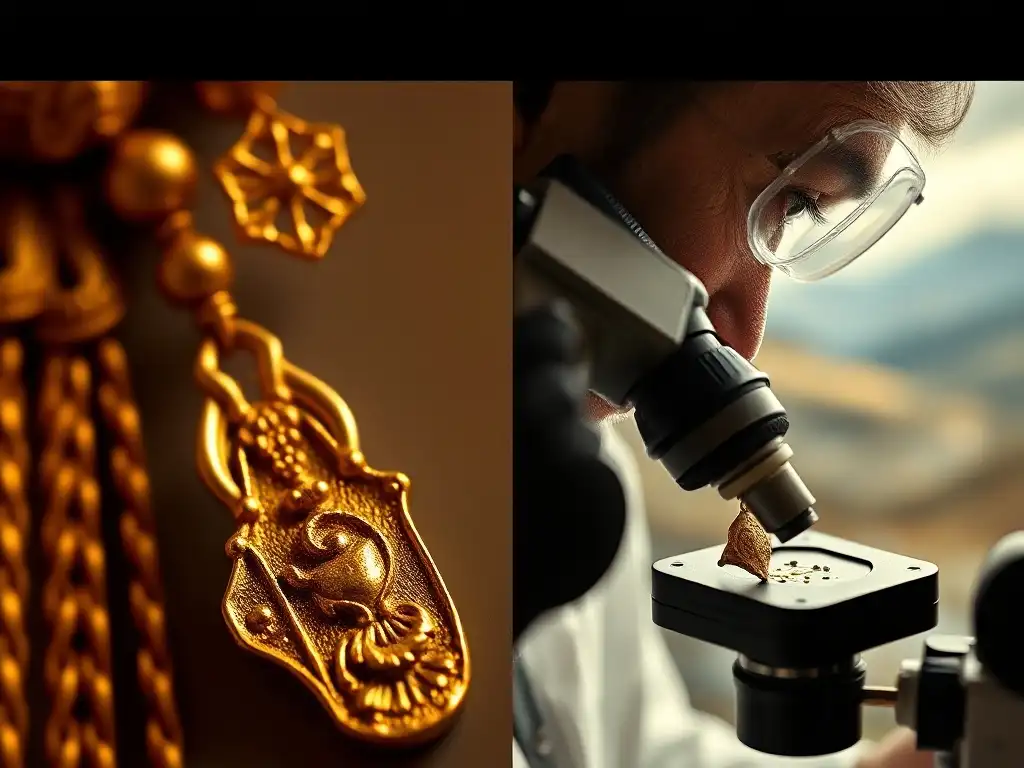
Andean metallurgy future research presents exciting opportunities to expand our understanding of these sophisticated ancient societies. Several key areas demand further investigation. One crucial focus is the precise chemical analysis of ancient alloys. While we have made significant strides in identifying the metals used, a deeper analysis, perhaps employing techniques like laser ablation inductively coupled plasma mass spectrometry (LA-ICP-MS), could reveal trace elements and impurities providing insights into sourcing, manufacturing processes, and even trade networks.
This granular level of analysis could pinpoint the origins of specific metals used in artifacts, illuminating the extent of Andean trade routes and the sophistication of their metallurgical knowledge. Furthermore, research into the environmental impact of ancient Andean mining and smelting is crucial. Understanding their techniques and the long-term consequences on the environment can inform modern sustainable practices and offer valuable lessons for responsible resource management. Finally, exploring the relationship between Andean metallurgy and societal structures is vital.
How did metallurgical advancements influence social hierarchies, political power, and religious beliefs? This interdisciplinary approach, combining archaeological findings with anthropological perspectives, offers rich potential for discoveries. Further research into the social implications of metallurgical prowess can help us understand the complex interplay between technology, society, and culture in the Andes.
Reconstructing Ancient Andean Metallurgical Workshops
Reconstructing ancient Andean metallurgical workshops is a complex but rewarding endeavor. Archaeological excavations have unearthed remnants of workshops, providing valuable clues. However, translating these remnants into a comprehensive understanding of the processes involved requires meticulous analysis and innovative approaches. For instance, experimental archaeology, the practice of replicating ancient techniques using available materials and tools, can offer invaluable insights.
By recreating the conditions under which ancient metallurgists worked, researchers can test hypotheses about techniques, tools, and the overall workflow. This hands-on approach allows for a deeper understanding of the challenges and limitations faced by ancient artisans. Furthermore, microscopic analysis of tools and artifacts can reveal minute details about the techniques employed. The wear patterns on tools, the residues left on artifacts, and the microstructure of the alloys themselves can provide compelling evidence about the specific methods used in shaping, casting, and finishing metal objects.
Combining this meticulous work with the study of iconography and written records (where available) provides a layered understanding of ancient Andean metallurgical processes. Detailed studies of the spatial organization of workshops, the arrangement of tools and materials, and the presence of waste products can also help reconstruct the daily activities and workflow within these ancient industrial spaces. This holistic approach is crucial for building a complete picture of these vital centers of Andean production.
Understanding the Organization of Labor in Andean Metal Production
Understanding the organization of labor in Andean metal production requires investigating the social and economic structures that governed the craft. Were metalworkers specialized artisans, part of larger communal projects, or organized in guilds? The evidence suggests a complex system. Some artifacts indicate a high degree of specialization, suggesting skilled individuals or groups dedicated to specific metallurgical tasks.
The intricate detail and consistent quality of some objects point towards skilled artisans working within established workshops. However, other evidence points to a broader involvement of the population in metal production, perhaps in the form of communal projects or tribute systems. The sheer scale of some metallurgical endeavors suggests a coordinated effort, involving many individuals with varying levels of skill. The analysis of ancient texts, if available, along with the study of social stratification evident in archaeological contexts, could shed light on the social hierarchy within the metallurgical workforce.
Moreover, isotopic analysis of human remains found near metallurgical sites could reveal dietary patterns and potential occupational hazards associated with metalworking, providing insights into the lives and health of those involved in this crucial aspect of Andean society. Further research focusing on the distribution of artifacts and the analysis of workshop remains could help clarify the roles of different individuals and groups within the complex network of Andean metal production. This includes considering the potential roles of women in this traditionally male-dominated field, potentially challenging existing assumptions. Understanding the social dynamics of Andean metallurgy is essential to fully appreciating its significance within the broader context of Andean civilization.
The Environmental Impact of Ancient Andean Mining and Smelting
The environmental impact of ancient Andean mining and smelting is a crucial area of future research in Andean metallurgy. While the scale of operations was smaller than modern industrial mining, the cumulative effects over centuries, particularly in densely populated regions, were significant. Understanding these impacts provides valuable insights not only into the past but also into the potential for sustainable mining practices today.
One key area of investigation is the extent of deforestation caused by mining activities. Wood was essential as fuel for smelting, and the demand for charcoal, particularly in regions with limited readily available fuel, likely led to significant forest clearance. Further research using pollen analysis, charcoal analysis, and isotopic studies of ancient settlements could help quantify the scale of deforestation linked to specific mining sites. This would allow for a more precise assessment of the long-term environmental consequences, including soil erosion and changes in local hydrology.
Another critical aspect is the impact of mining and smelting on water quality. The leaching of heavy metals, such as mercury, copper, and lead, from tailings and slag heaps contaminated water sources, potentially affecting both human and animal health. Detailed geochemical analyses of ancient water sources near mining sites, coupled with archaeological evidence of water management systems, could reveal the extent and nature of this contamination.
This would also allow researchers to assess the effectiveness of any mitigation strategies employed by the ancient Andean populations. For instance, did they utilize specific techniques to minimize water pollution, or were they largely unaware of the long-term effects?
Furthermore, the effects on air quality from smelting operations warrant further investigation. The release of particulate matter and toxic gases would have had a localized impact on air quality, potentially affecting respiratory health and possibly contributing to climate change on a smaller scale. Future research could employ atmospheric modeling techniques, combined with archaeological evidence of settlement patterns and smelting site locations, to reconstruct past air quality and its impact on the surrounding environment. By comparing these findings with modern air quality data from similar regions, researchers can gain valuable insights for developing more sustainable smelting practices.
Finally, understanding the long-term ecological consequences of ancient Andean mining and smelting is crucial for developing effective environmental management strategies for modern mining operations in the Andes. By combining archaeological, geochemical, and ecological data, we can better understand the complex interplay between human activities and the environment in the past and inform more sustainable practices for the future. This interdisciplinary approach is vital to ensure that the lessons learned from the past inform a more responsible and environmentally conscious approach to mining in the region.
- Unearthing New Insights: Andean Metallurgy Research Today
- Beyond Gold and Silver: Exploring the Diversity of Andean Metalwork
- Advanced Techniques in Ancient Andean Metal Processing
- Lost Technologies: Investigating Specific Metallurgical Practices of Andean Cultures
- Material Analysis: What Modern Science Reveals About Andean Metals
- Andean Metallurgy and its Impact on Social and Economic Structures
- Preserving the Legacy: The Importance of Studying Andean Metallurgical Techniques
- Future Directions in Andean Metallurgy Research: Opportunities and Challenges
- Andean Metallurgy Future Research: Key Areas of Focus
- Reconstructing Ancient Andean Metallurgical Workshops
- Understanding the Organization of Labor in Andean Metal Production
- The Environmental Impact of Ancient Andean Mining and Smelting
- What makes Andean metallurgy so significant for future research?
- What specific areas of Andean metallurgy are ripe for future study?
- How can modern technology aid in the study of Andean metallurgy?
- What ethical considerations should guide future research in Andean metallurgy?
- How might the study of Andean metallurgy benefit modern society?
Frequently Asked Questions
What makes Andean metallurgy so significant for future research?
Andean metallurgy offers a unique opportunity to study ancient metalworking techniques, particularly in challenging environments. Research can reveal innovative solutions to material science problems, and potentially inspire new approaches to sustainable metallurgy.
What specific areas of Andean metallurgy are ripe for future study?
Future research could focus on analyzing the chemical composition of alloys to understand their properties and production methods. Further studies on lost-wax casting techniques and the social organization of metal production are also crucial.
How can modern technology aid in the study of Andean metallurgy?
Advanced techniques like X-ray fluorescence spectroscopy and 3D modeling allow for non-destructive analysis of artifacts, revealing details about composition, manufacturing processes, and even the provenance of the metals. This provides a deeper understanding than ever before.
What ethical considerations should guide future research in Andean metallurgy?
Researchers must prioritize the preservation of archaeological sites and artifacts. Collaboration with local communities is essential, ensuring their involvement and respecting cultural heritage. Repatriation of artifacts should also be considered.
How might the study of Andean metallurgy benefit modern society?
Understanding ancient Andean metallurgical practices can provide insights into sustainable resource management, innovative alloy development, and efficient metalworking techniques. This knowledge can inform modern practices and promote more environmentally conscious approaches.
Final Reflection: Unearthing the Legacy, Forging the Future of Andean Metallurgy
The intricate artistry and advanced techniques of Andean metallurgy continue to resonate today, challenging our assumptions about ancient civilizations and inspiring innovative approaches to material science. The sheer ingenuity displayed in pre-Columbian metalworking, from the delicate gold filigree to the robust bronze tools, remains a testament to human creativity and a rich source of untapped knowledge. This legacy is not merely a historical curiosity; it holds the potential to revolutionize modern materials science and sustainable practices.
The enduring impact of Andean metallurgy extends far beyond museum displays; it shapes our understanding of ancient societies, their social structures, and their relationship with the environment. The sophisticated techniques employed, often using recycled materials and environmentally conscious methods, offer valuable lessons for contemporary sustainable development. The past is never dead. It's not even past.
– William Faulkner. This quote perfectly encapsulates the ongoing relevance of Andean metallurgical practices, reminding us that the wisdom of these ancient cultures can inform and inspire our actions today. Their innovative approaches to resource management and material manipulation continue to hold profound implications for our future.
Consider the possibilities: What innovations in material science could be unlocked by studying the lost techniques of pre-Columbian alloys? How can we apply their sustainable practices to address modern environmental challenges? You, the reader, hold the key to unlocking this potential. Engage with the ongoing research, explore the rich history, and consider how the ingenuity of Andean metallurgists can inspire your own work and contribute to a more sustainable and innovative future. Let us continue to unearth the secrets of the past to forge a brighter future.
Unveil the Secrets of Andean Metallurgy!
Thank you for exploring the fascinating world of Andean metallurgy with us! Your interest in this rich history unlocks a wealth of knowledge about ancient techniques that continue to inspire innovation today.
Let's delve deeper. Here are some ways to enhance your understanding and appreciation:
- Visit local museums and cultural centers to examine artifacts from Andean civilizations firsthand. Witness the artistry and skill that defined their metallurgical achievements.
- Join a community or online forum dedicated to Andean history and metallurgy to connect with fellow enthusiasts. Share your insights and learn from diverse perspectives.
- Undertake a small research project exploring how traditional Andean techniques might inform modern metallurgical or artistic practices. You might be surprised by the innovative ideas you discover.
What aspect of Andean metallurgy captivates you most, and how do you envision its influence on contemporary techniques? Share your thoughts below!