
The Puma and the Condor: Exploring Tiahuanaco's Sacred Animal Symbolism

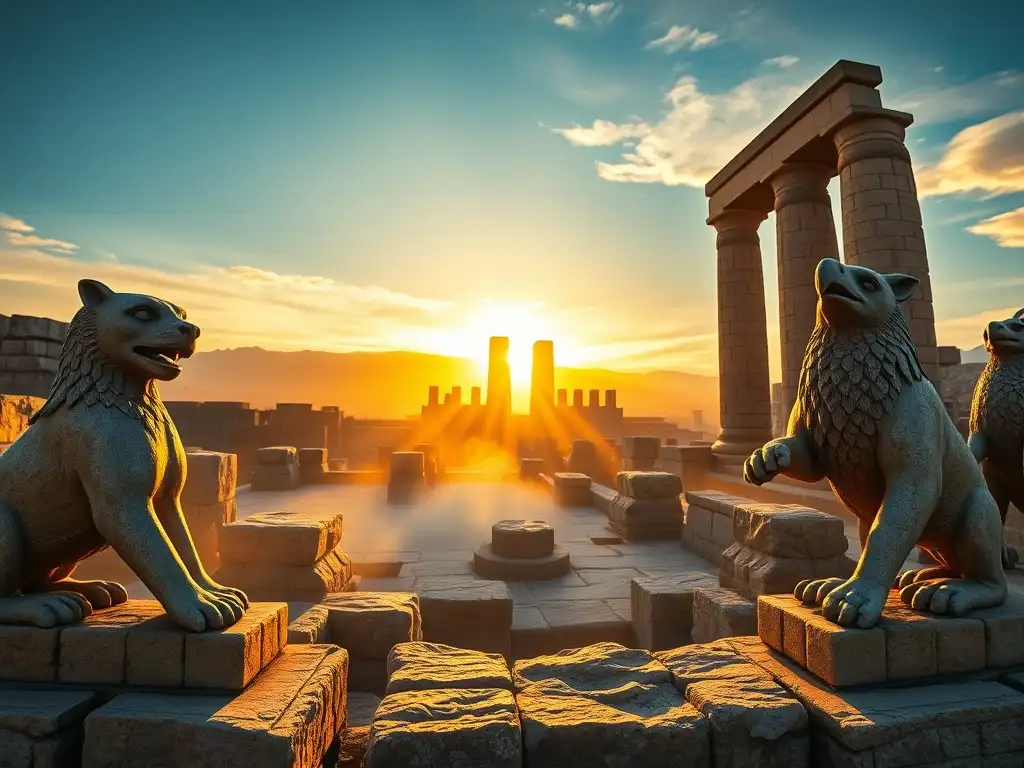
Step into a world lost to time, yet echoing with power and mystery. Journey with us through the breathtaking heights of the Andes, where ancient civilizations flourished, leaving behind a legacy of intricate artistry and profound spiritual beliefs. Uncover the secrets woven into the very fabric of their existence, starting with the enigmatic animal symbolism of Tiahuanaco. Prepare to be captivated by the stories whispered by the puma and the condor – their significance a key to unlocking the heart of this remarkable culture. Discover more...
- Tiahuanaco Animal Symbolism: The Puma and the Condor
- The Powerful Puma: Symbol of Earthly Authority in Tiahuanaco
- The Soaring Condor: Messenger of the Heavens in Tiahuanaco
- Tiahuanaco's Duality: The Puma and Condor as Complementary Forces
- Interpreting Tiahuanaco’s Animal Motifs: Beyond the Surface
-
Frequently Asked Questions
- What is the significance of animal symbolism in Tiahuanaco culture?
- Why are the puma and condor particularly important in Tiahuanaco's iconography?
- What other animals appear in Tiahuanaco art and what do they signify?
- How did Tiahuanaco artists depict these animals?
- Where can I learn more about Tiahuanaco animal symbolism?
- Final Reflection: Echoes of the Andes: Tiahuanaco's Enduring Legacy
- Unveil the Mysteries of Animal Symbolism!
Tiahuanaco Animal Symbolism: The Puma and the Condor
The enigmatic ruins of Tiahuanaco, perched high on the Altiplano of Bolivia, whisper tales of a sophisticated civilization that flourished centuries before the Inca. Beyond its impressive architecture and intricate artistry, Tiahuanaco's rich legacy encompasses a complex cosmology deeply interwoven with the natural world. This article delves into the fascinating realm of Tiahuanaco animal symbolism, focusing on two particularly prominent figures: the puma and the condor.
We will explore how these powerful creatures were not merely depicted in art and architecture but held profound religious and symbolic significance within the worldview of this remarkable Andean culture. Understanding Tiahuanaco's animal symbolism provides crucial insight into their beliefs about the cosmos, power, and the interconnectedness of the human and natural realms.
This exploration will reveal how these powerful Andean animals served as potent symbols, reflecting the society's sophisticated understanding of its environment and its place within it. Prepare to journey into the heart of Tiahuanaco's spiritual landscape, where the puma's strength and the condor's soaring flight held keys to understanding their cosmology.
Unveiling Tiahuanaco's Sacred Animals
The artistic representations found throughout Tiahuanaco – on intricately carved stones, monumental structures, and ceramic artifacts – consistently feature a diverse array of animals. However, the puma and the condor stand out as particularly prominent figures, frequently depicted in positions of power and reverence. The puma, a powerful feline native to the Andes, symbolizes strength, ferocity, and earthly power. Its nocturnal nature may have also linked it to the underworld in Tiahuanaco cosmology.
Archaeological evidence suggests that puma remains were found in certain ritual contexts, further supporting the animal's significant role in religious practices. Conversely, the condor, a majestic bird that soars high above the Andean peaks, represents celestial power, the sun, and the connection between the earthly and spiritual realms. The condor's ability to fly to great heights likely symbolized the connection to the gods and the heavens. The juxtaposition of these two powerful animals – one representing the earthly realm and the other the celestial – highlights the interconnectedness of these spheres in Tiahuanaco belief.
Depictions often show them in complementary roles, reinforcing the idea of balance and harmony within the cosmos. Further research is needed to fully understand the nuances of their representation in various contexts. For example, the size and positioning of the animal figures within specific artifacts may hold additional symbolic meaning.
The Significance of Animals in Tiahuanaco Cosmology
The incorporation of animals into Tiahuanaco cosmology reflects a deep understanding of the natural world and its influence on human life. Animals were not simply observed but were integral components of the Tiahuanaco worldview, acting as intermediaries between the human and divine realms. This is evidenced by the presence of animal figures in various ritual contexts, including funerary practices and offerings.
The use of animal imagery in religious iconography suggests that these creatures served as powerful symbols that conveyed complex theological concepts. For instance, the puma's association with the underworld might reflect beliefs about the cyclical nature of life and death, while the condor's connection to the sun could represent the life-giving energy of the celestial sphere. Further research into Tiahuanaco iconography and ritual practices is needed to completely unravel the full significance of animal symbolism within their cosmology.
The ongoing analysis of archaeological finds promises to further illuminate the intricate relationship between the people of Tiahuanaco and the animals that held such spiritual importance in their world. The detailed study of specific artifacts, their placement within structures, and the context of their discovery provides vital clues to unlocking the secrets of this fascinating culture.
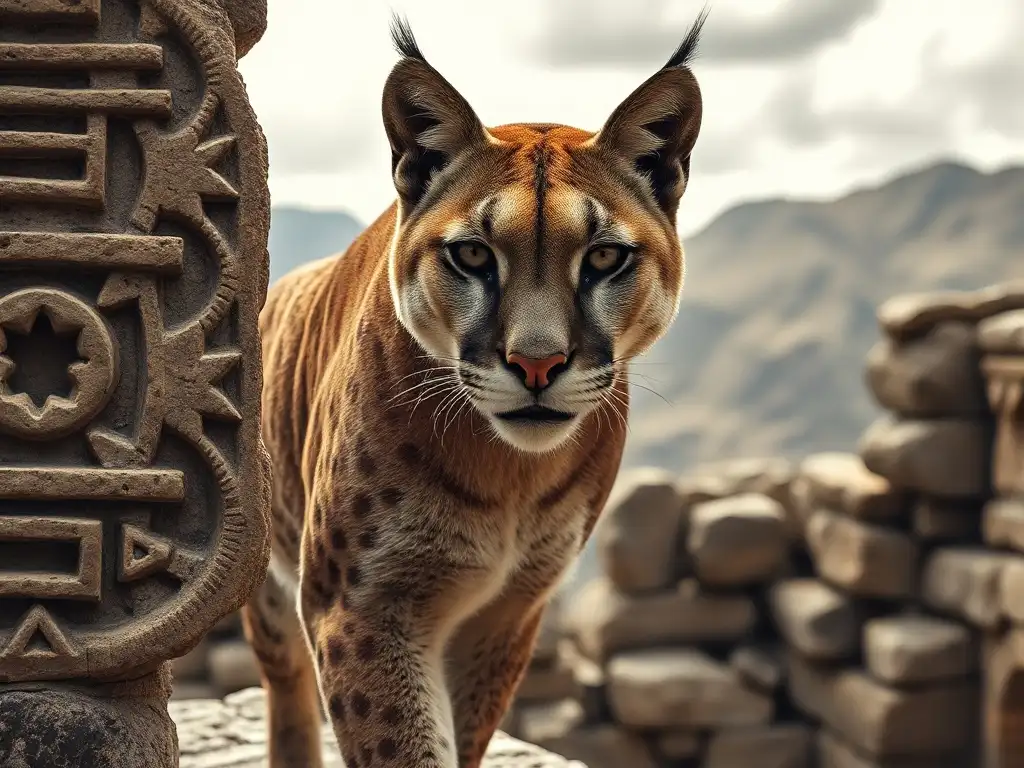
The puma, a majestic feline native to the Andes, held a position of paramount importance in Tiahuanaco's intricate system of sacred animal symbolism. Far from being a mere decorative motif, the puma represented earthly power, authority, and the connection between the human and spirit worlds. Its depiction in Tiahuanaco art and architecture wasn't arbitrary; it conveyed deep-seated beliefs about the cosmos, rulership, and the very fabric of society.
Understanding the puma's symbolism is crucial to deciphering the complexities of Tiahuanaco religion and cosmology, enriching our understanding of Tiahuanaco animal symbolism. The careful observation of its representation reveals a sophisticated understanding of the natural world and its symbolic integration into the spiritual realm.
The Puma's Representation in Tiahuanaco Art and Architecture
The puma's presence in Tiahuanaco art is undeniable. It appears in various forms, from intricately carved stone sculptures and monumental gateways to smaller artifacts such as pottery and textiles. Often depicted in a stylized manner, emphasizing its powerful physique and predatory nature, the puma is frequently shown in postures of alertness or dominance.
For example, the iconic Gateway of the Sun features a central figure often interpreted as a deity, surrounded by smaller representations of pumas and other animals. These depictions are not randomly placed; their arrangement likely reflects a specific cosmological order, reinforcing the puma's significance within this sacred framework. The meticulous craftsmanship and the consistent use of the puma motif across different media underscore its crucial role in Tiahuanaco's religious beliefs.
Further research is needed to fully understand the variations in puma depictions and their potential contextual meanings. [Specific information pending: detailed catalog of puma representations across different Tiahuanaco artifacts].
Puma Iconography and its Connection to Tiahuanaco Rulership
The association of the puma with earthly power in Tiahuanaco is strongly suggested by its frequent appearance in contexts related to rulership. Scholars posit that the puma's image may have been utilized to legitimize the authority of Tiahuanaco's rulers, connecting them to the powerful forces of nature. The use of puma imagery on ceremonial objects, palaces, and other structures associated with the elite suggests a deliberate strategy to imbue rulers with divine authority.
This association is further supported by the discovery of puma-shaped artifacts within elite burials, indicating a link between the animal and the status of the deceased. The puma, therefore, served not only as a religious symbol but also as a powerful political icon, reflecting the close relationship between the spiritual and temporal realms in Tiahuanaco society.
More research is needed to definitively link specific puma iconography to specific rulers or dynasties. [Specific information pending: detailed analysis of puma iconography found in elite burials].
The Puma as a Symbol of Strength and Power in Andean Culture
The significance of the puma in Tiahuanaco's symbolism can't be fully understood without considering its broader significance within Andean culture. Across various Andean societies, the puma was consistently revered as a powerful symbol of strength, courage, and dominance. Its nocturnal habits and hunting prowess imbued it with an aura of mystery and supernatural power.
The puma's association with the earth and its ability to navigate both the visible and unseen worlds further contributed to its revered status. This widespread Andean appreciation for the puma provides essential context for understanding its elevated role in Tiahuanaco's religious and political landscape. The puma's enduring legacy in Andean iconography underlines its enduring cultural relevance, offering a compelling glimpse into the shared beliefs and values of these ancient societies.
The puma's symbolic power transcended geographical boundaries and time periods, solidifying its position as a fundamental element in Andean cosmology. Further comparative studies across various Andean cultures are needed to fully understand the nuances of puma symbolism. [Specific information pending: Comparative analysis of puma symbolism in different Andean cultures].
The Soaring Condor: Messenger of the Heavens in Tiahuanaco
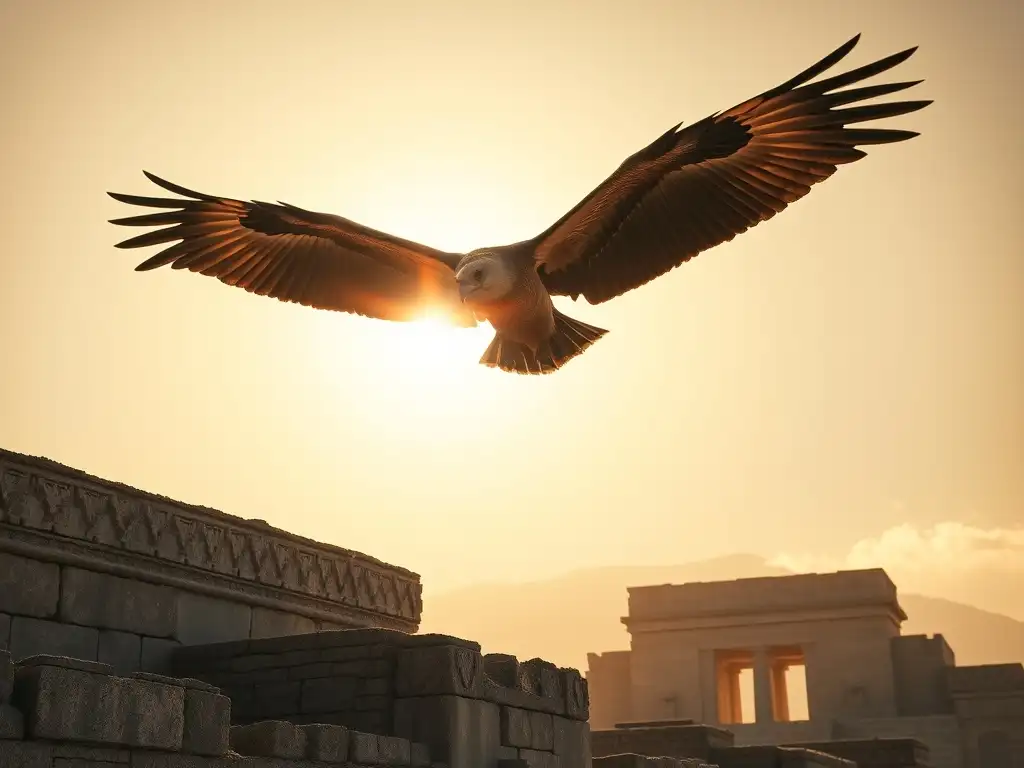
The condor, a majestic bird of the Andes, holds a position of immense significance within Tiahuanaco's complex religious and cosmological system. Its powerful presence, soaring effortlessly through the high altitudes, mirrored the spiritual aspirations of the Tiahuanaco people. Unlike the puma, grounded in the earthly realm, the condor represented the celestial sphere, acting as a potent intermediary between the human world and the divine. This section delves into the multifaceted symbolism of the condor in Tiahuanaco, exploring its role in religious practices, rituals, and its broader connection to Andean beliefs about the cosmos.
Understanding the condor's symbolism provides crucial insight into the worldview and spiritual practices of this fascinating civilization. The frequency with which condor imagery appears in Tiahuanaco art – from monumental sculptures to intricate textiles – underscores its central role in their belief system. We'll examine specific examples to illuminate the depth of this powerful symbol.
The Condor's Depiction in Tiahuanaco Religious Practices
The condor's depiction in Tiahuanaco art is remarkably consistent, often portraying it with outstretched wings, symbolizing its control over the wind and its ability to traverse vast distances. This visual representation reinforces its role as a messenger of the gods. For example, the Gateway of the Sun, a monumental stone structure, features intricate carvings, including depictions of stylized condors, often integrated into complex iconographic patterns alongside other significant symbols.
These carvings weren't merely decorative; they served as powerful visual representations of religious beliefs and cosmological concepts. Analyzing the placement and context of these carvings within the Gateway of the Sun and other Tiahuanaco structures provides valuable clues to their meaning and function within religious ceremonies. Furthermore, the size and prominence of the condor figures relative to other elements suggest its elevated status within the Tiahuanaco pantheon.
The meticulous detail in these carvings indicates the immense importance and reverence accorded to the condor. Archaeological evidence, although limited in directly depicting rituals, supports the notion that the condor was a central element in religious ceremonies.
Condor Symbolism and its Role in Tiahuanaco Rituals
The condor's symbolism extended beyond mere visual representation. It likely played a significant role in rituals and ceremonies, perhaps functioning as a conduit for communication with the supernatural world. While direct evidence of rituals involving condors is scarce, we can infer their possible involvement based on the prevalence of condor imagery in associated artifacts.
For instance, the discovery of condor feathers in certain burial sites might suggest their use in funerary rituals, signifying the deceased's journey to the afterlife. The use of condor imagery on ceremonial objects, such as staffs or headdresses, further supports this hypothesis.
The absence of direct textual records from Tiahuanaco leaves much open to interpretation, but careful analysis of surviving artifacts and architectural features provides valuable insights into the possible functions of the condor in their religious practices. Further research, including detailed analysis of the chemical composition of pigments used in condor depictions, might reveal additional information about the materials and rituals associated with this sacred bird.
The Condor as a Link Between the Earth and the Sky in Andean Beliefs
The condor's symbolic significance within Tiahuanaco culture is deeply rooted in broader Andean beliefs regarding the cosmos. In many Andean cultures, including those that preceded and succeeded Tiahuanaco, the condor's ability to soar to incredible heights symbolized its connection to the celestial realm. It acted as a bridge between the earthly and spiritual worlds, carrying messages and offerings to the gods.
This concept of a three-tiered cosmos – the upper world (Hanan Pacha), the middle world (Kay Pacha), and the underworld (Ukhu Pacha) – was central to Andean cosmology. The condor, inhabiting the upper world, was the perfect embodiment of this celestial connection. The puma, in contrast, represented the earthly realm, thus creating a powerful duality that reflects the Andean worldview of balance and harmony between the terrestrial and celestial spheres.
This understanding of the condor's role within the broader Andean cosmological framework is crucial to interpreting its specific significance within the Tiahuanaco culture, highlighting the continuity and evolution of Andean religious beliefs across time and space. Further comparative studies of Andean iconography can enrich our understanding of this complex symbolism.
Tiahuanaco's Duality: The Puma and Condor as Complementary Forces
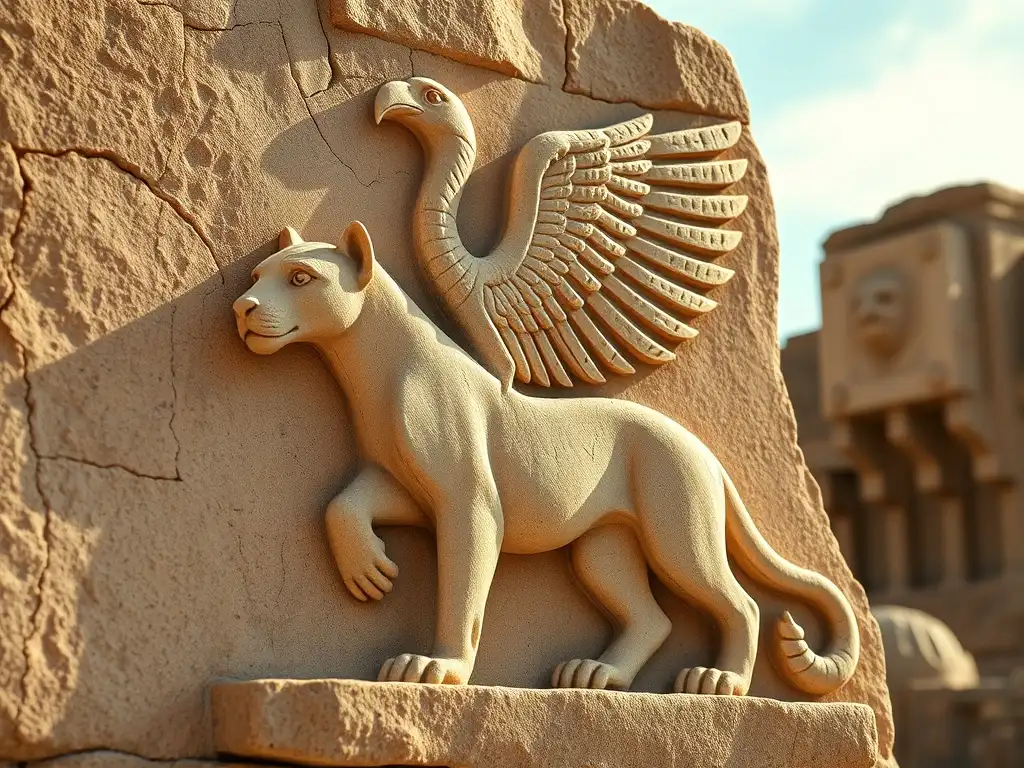
The iconic imagery of the puma and the condor permeates Tiahuanaco's religious and cosmological landscape. These powerful Andean animals, far from being simply decorative motifs, represent a fundamental duality at the heart of Tiahuanaco belief systems. This duality isn't one of opposition leading to conflict, but rather a dynamic interplay of complementary forces essential for maintaining cosmic balance and order. Understanding this intricate relationship is key to deciphering the complex religious worldview of the Tiahuanaco culture.
The frequent depiction of these animals together, often in symmetrical arrangements, emphasizes their interconnectedness and mutual dependence within the Tiahuanaco cosmology. This section will delve into the specific ways these animals embody this crucial balance, exploring their roles within the broader Tiahuanaco worldview. The careful analysis of Tiahuanaco artifacts reveals a sophisticated understanding of the natural world and its symbolic representation.
The Interplay Between Earthly and Celestial Realms in Tiahuanaco Thought
Tiahuanaco cosmology is deeply rooted in the Andean geography and its perceived connection to the cosmos. The puma, a creature of the earth, embodies the terrestrial realm – strength, stability, and the material world. Its association with the underworld and fertility is evidenced in numerous carvings and sculptures found at the site.
Conversely, the condor, soaring high above the mountains, represents the celestial realm – power, divinity, and the spiritual world. Its association with the sun, storms, and the upper world is equally well-documented. The interplay between the puma and the condor, therefore, reflects the Tiahuanaco understanding of the interconnectedness between the earthly and celestial realms.
This is not a simple dichotomy, but rather a continuous exchange of energy and influence. For example, the puma's power is not solely earthly; it is also connected to the subterranean forces that sustain life, while the condor's influence extends beyond the celestial to encompass the weather patterns crucial for agricultural success. This intricate relationship is a central theme in Tiahuanaco art and architecture.
The Puma and Condor as Representations of Opposing Yet Complementary Principles
The puma and the condor also symbolize opposing yet complementary principles within the Tiahuanaco worldview. The puma, with its nocturnal habits and association with the underworld, can be seen as representing the feminine, receptive, and passive aspects of creation. The condor, on the other hand, associated with the sun and its diurnal cycle, embodies the masculine, active, and creative principles.
This duality is not a conflict but a necessary tension, a dynamic balance that drives creation and sustains the cosmos. Think of the cyclical nature of life and death, growth and decay – the puma and the condor represent the two halves of this continuous cycle, each essential to the other's existence.
The presence of both animals in Tiahuanaco iconography underscores the importance of this dynamic equilibrium for maintaining order and harmony in the universe. The interaction between these opposing forces is not antagonistic but symbiotic, crucial for the continuous renewal of life.
| Animal | Symbolic Association | Complementary Principle |
|---|---|---|
| Puma | Earth, Underworld, Fertility, Feminine, Passive | Condor (Celestial, Masculine, Active) |
| Condor | Sky, Sun, Storms, Masculine, Active | Puma (Earthly, Feminine, Passive) |
Achieving Cosmic Balance Through Tiahuanaco Animal Symbolism
The intricate relationship between the puma and the condor in Tiahuanaco symbolism highlights the culture's emphasis on maintaining cosmic balance. The harmonious coexistence of these seemingly opposing forces is not just a religious concept but a reflection of the Tiahuanaco's deep understanding of the natural world and its cyclical rhythms. This balance was vital for their agricultural society, dependent on the predictable patterns of the seasons and the fertility of the land.
The careful observation and symbolic representation of this duality served as a powerful tool for maintaining social order and ensuring the prosperity of the community. The prevalence of puma and condor imagery in Tiahuanaco art, architecture, and religious practices underscores its central role in their worldview. By understanding and embodying this cosmic balance, the Tiahuanaco people aimed to achieve a state of harmony and prosperity, reflecting their sophisticated understanding of the interconnectedness of all things.
Further research into the specific contexts in which these symbols appear could offer even deeper insights into Tiahuanaco's complex religious and cosmological beliefs. The detailed study of Tiahuanaco animal symbolism continues to reveal the sophistication and depth of this ancient Andean civilization. 😻
Interpreting Tiahuanaco’s Animal Motifs: Beyond the Surface
The intricate carvings adorning Tiahuanaco's monumental architecture are not mere decoration; they represent a complex system of beliefs and cosmological understandings. The prevalence of animal motifs, particularly the puma and the condor, offers a fascinating window into the worldview of this sophisticated Andean civilization. Understanding Tiahuanaco animal symbolism requires moving beyond a superficial interpretation of the images themselves and delving into the socio-political and religious context in which they were created.
This involves considering the animals' symbolic significance within the broader Andean context, as well as their specific roles within the Tiahuanaco pantheon. The careful study of these motifs reveals insights into the civilization's beliefs about power, fertility, and the relationship between the human and supernatural worlds.
The careful placement and repetition of these symbols across various structures also suggests a deliberate and planned approach to their use, highlighting their importance in the Tiahuanaco worldview. Further research into the specific materials used in the carvings—the types of stone and the techniques employed—could provide additional insights into the meaning and significance assigned to these animal representations.
Analyzing the Gateway of the Sun and the Monoliths
The Gateway of the Sun, arguably Tiahuanaco's most iconic structure, is richly decorated with a central figure often interpreted as a deity, surrounded by intricate friezes featuring various animals, including the puma and the condor. The pumas, depicted with powerful musculature and intense gazes, likely symbolized strength, prowess, and earthly power. Their presence suggests a connection between the divine realm and the earthly rulers who controlled the vast Tiahuanaco empire.
The condors, with their majestic wings outstretched, probably represented the celestial realm, signifying altitude, vision, and connection to the gods. Their inclusion alongside the pumas might represent a balance between earthly and heavenly power.
The monoliths, standing as silent witnesses to Tiahuanaco's grandeur, also feature a variety of animal representations. These often appear as part of larger compositions, interwoven with human figures and other symbolic elements. Detailed analysis of these carvings, including their positioning and interaction with other symbols, is crucial for a deeper understanding of their meaning.
Specific examples, such as the repeated depiction of a particular type of feline on Monolith A, warrant further investigation to decipher their specific significance within the overall Tiahuanaco cosmology. The style and level of detail in these carvings also vary across different monoliths, suggesting potential differences in meaning or the time periods of their creation. This variance requires a nuanced approach to interpretation, considering both individual pieces and the overall context of the site.
The Role of Animal Symbolism in Tiahuanaco Society and Culture
The pervasive use of animal symbolism in Tiahuanaco suggests its deep integration into the fabric of society and culture. These animals were not merely decorative elements; they served as powerful symbols that reinforced social hierarchies, religious beliefs, and political power. The puma, for instance, might have been associated with specific clans or lineages, reflecting their status and power within the Tiahuanaco social structure. The use of specific animal motifs on certain types of artifacts, such as pottery or textiles, could further indicate social stratification or ritualistic practices.
Evidence suggests that the animals depicted in Tiahuanaco art were not just symbolic representations but also held practical significance. The puma and condor, being apex predators in the Andean ecosystem, likely held a revered status in Tiahuanaco society. Their depiction might have been linked to hunting practices, shamanistic rituals, or even agricultural cycles, reflecting a close relationship between the human and natural worlds.
The presence of other animals, such as birds and camelids, further underscores the multifaceted relationship between the Tiahuanaco people and their environment. Further research into the archaeological record, including the analysis of faunal remains, could help clarify the relationship between symbolic representations and the actual use of these animals in daily life. This interdisciplinary approach is crucial for a complete understanding of Tiahuanaco animal symbolism.
Understanding the Legacy of Tiahuanaco Animal Imagery
The influence of Tiahuanaco animal symbolism extended far beyond its geographical boundaries and temporal limits. The stylistic conventions and symbolic meanings associated with the puma and condor, for example, were adopted and adapted by later Andean cultures, demonstrating the enduring legacy of Tiahuanaco's artistic and religious traditions. The presence of similar animal motifs in subsequent Andean art suggests a continuity of beliefs and cultural practices, highlighting the impact of Tiahuanaco on the development of Andean civilization. Tracing the evolution of these symbols across different cultures and time periods can illuminate the complexities of Andean religious thought and artistic expression.
The continuing fascination with Tiahuanaco's animal imagery also speaks to its enduring power and relevance. The study of these motifs continues to offer valuable insights into the beliefs, practices, and social structures of this remarkable civilization. The ongoing research, combining archaeological findings with art historical analysis and anthropological perspectives, promises to further enrich our understanding of Tiahuanaco animal symbolism and its place within the broader context of Andean history and culture.
The ongoing discovery of new artifacts and the application of advanced research techniques will undoubtedly reveal further layers of meaning and deepen our appreciation of the sophistication of Tiahuanaco's artistic and religious traditions. The legacy of Tiahuanaco animal symbolism continues to inspire awe and wonder, inviting further exploration and research for generations to come.
Frequently Asked Questions
What is the significance of animal symbolism in Tiahuanaco culture?
Animal symbolism in Tiahuanaco was deeply religious and spiritual. Animals like the puma and condor represented powerful forces in their cosmology and were often depicted in art and architecture. They likely embodied concepts like power, strength, and connection to the Andes.
Why are the puma and condor particularly important in Tiahuanaco's iconography?
The puma, representing the earthly realm, and the condor, representing the celestial realm, symbolized the interconnectedness of the Andean world. Their combined imagery likely represented a balance between earthly and spiritual power.
What other animals appear in Tiahuanaco art and what do they signify?
Other animals, such as serpents, frogs, and birds, also feature prominently. These creatures likely held specific symbolic meanings within the Tiahuanaco worldview, although their exact interpretations remain a topic of ongoing scholarly debate.
How did Tiahuanaco artists depict these animals?
Tiahuanaco artists used a distinctive stylistic approach, often depicting animals in a highly stylized and abstract manner. They incorporated these images into textiles, ceramics, and monumental architecture, showcasing their importance to the culture.
Where can I learn more about Tiahuanaco animal symbolism?
You can explore further by researching academic publications and museum collections focusing on Tiahuanaco. Many books and websites dedicated to Andean archaeology and art history delve into this topic in greater detail.
Final Reflection: Echoes of the Andes: Tiahuanaco's Enduring Legacy
The intricate symbolism woven into the very fabric of Tiahuanaco's architecture and artifacts continues to resonate powerfully today, reminding us of the profound connection between ancient cultures and the natural world. Understanding the roles of the puma and the condor, as potent symbols of power and spirituality, offers a crucial lens through which to interpret the complexities of this enigmatic civilization. Their enduring presence challenges us to reconsider our own relationship with the environment and the spiritual significance we ascribe to the animals around us.
The enduring power of Tiahuanaco's animal symbolism lies not just in its artistic merit, but in its ability to transcend time and speak to our own innate understanding of the power and mystery of the natural world. The careful observation of these animals, their representation in art, and their integration into the very structure of Tiahuanaco society speaks volumes about the deep reverence held for the Andean ecosystem. The mountains are our teachers; the animals are our brothers and sisters.
This sentiment, though perhaps not directly from Tiahuanaco, encapsulates the profound interconnectedness that their symbolism reveals. The puma's strength and the condor's soaring majesty continue to inspire awe and respect, reminding us of the vital role nature plays in shaping human societies.
Consider, for a moment, the enduring power of these symbols. How can we, in our modern world, reconnect with the spiritual and ecological wisdom embedded within the legacy of Tiahuanaco? Let the puma's grounded strength and the condor's soaring vision inspire you to find your own path towards a deeper understanding of the natural world and your place within it. Embrace the lessons of this ancient civilization, and let them guide you towards a more sustainable and spiritually fulfilling life.
Unveil the Mysteries of Animal Symbolism!
Thank you for exploring the fascinating world of Tiahuanaco's sacred animal symbolism with us! We hope you've gained valuable insights into the profound meanings the puma and condor hold within Andean culture. Now, let's delve even deeper!
Here are some ways to further connect with this rich heritage:
- Embrace your curiosity! Visit a local museum or cultural center to learn more about Andean civilization and its intricate animal motifs. Many museums offer engaging exhibits on this topic.
- Share your knowledge! Discuss the symbolism of Andean animals on social media, sparking conversations with friends and fellow enthusiasts. Invite others to share how animals are symbolically represented in their own cultures.
- Expand your understanding! Explore Andean mythology through books and documentaries, or connect with like-minded individuals in online forums dedicated to ancient civilizations.
How does animal symbolism shape your understanding of culture and identity in the modern world? We'd love to hear your perspectives!