
The Role of Women at Machu Picchu: Challenging the Historical Narrative

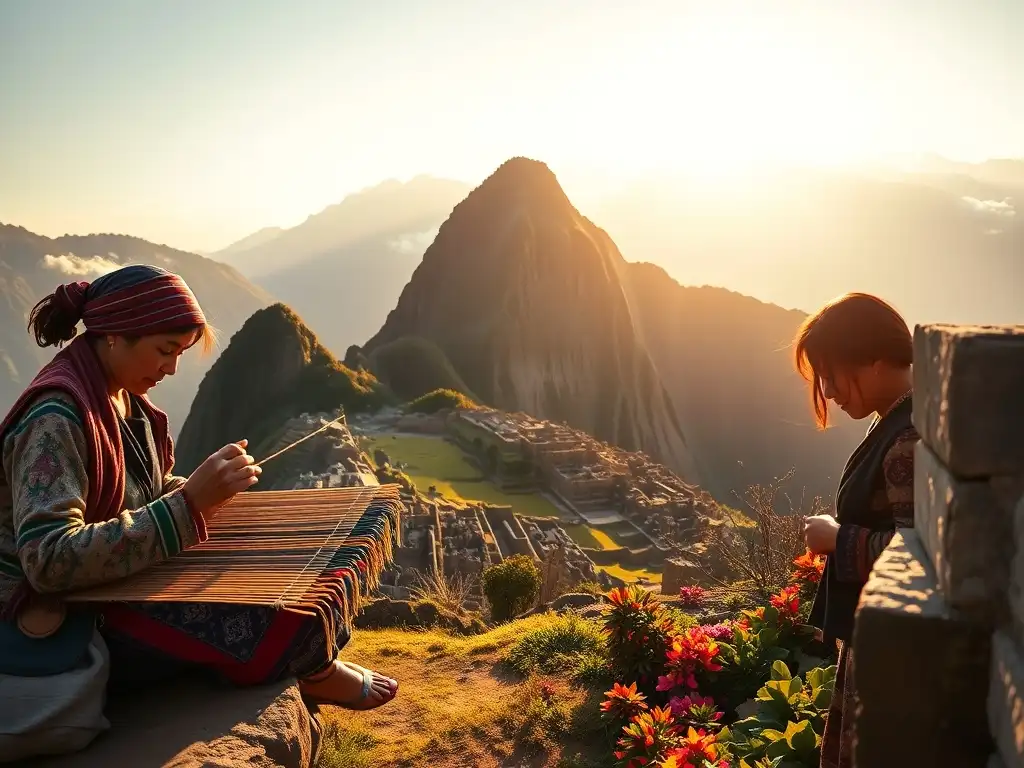
Unravel the mysteries of the Andes! For centuries, the towering peaks and breathtaking landscapes have guarded secrets of incredible civilizations. But what about the untold stories? This website delves into the fascinating world of the ancient Andean cultures, from the Incas to the Nazca. Prepare to be captivated as we challenge conventional wisdom, beginning with a groundbreaking exploration of Machu Picchu women's roles—a narrative far more complex and influential than you ever imagined. Dare to discover the truth hidden within the stones…
The majestic citadel of Machu Picchu, a testament to Inca ingenuity and architectural prowess, has long captivated the world's imagination. However, the traditional narrative surrounding Machu Picchu often overlooks a crucial element: the significant roles women played in its creation, maintenance, and daily life.
This article delves into the often-overlooked contributions of women at Machu Picchu, challenging the predominantly male-centric historical accounts and revealing a more nuanced and complex picture of Andean society during the Inca Empire. We will examine archaeological evidence, analyze existing historical records (where available), and explore the potential roles women held within this remarkable community, moving beyond simplistic portrayals to uncover a more accurate representation of their influence and power.
By understanding the multifaceted roles of women at Machu Picchu, we gain a richer and more complete understanding of Inca civilization and its enduring legacy. This exploration is vital for a balanced understanding of "Machu Picchu women's roles" and the broader Inca societal structure.
Evidence from Archaeological Excavations at Machu Picchu
Archaeological digs at Machu Picchu have unearthed compelling evidence suggesting a more significant female presence than previously acknowledged. While much of the initial focus was on the monumental architecture and the presumed male leadership, recent research has highlighted the discovery of textiles, tools associated with weaving and food preparation, and even skeletal remains that suggest a diverse range of activities undertaken by women.
The meticulous analysis of these artifacts, coupled with careful study of the spatial organization of the site, provides insights into the daily lives of women within the community. For example, the presence of numerous spindle whorls, used in spinning thread, points to a vibrant textile industry likely led by women.
Further research is needed to fully understand the significance of these discoveries and their implications for our understanding of women’s roles. Detailed analysis of the types of textiles and the potential economic significance of textile production within the Inca Empire is crucial for a comprehensive understanding of this aspect of women's lives at Machu Picchu.
Women's Roles in Inca Society and Their Potential at Machu Picchu
While specific details regarding the lives of women at Machu Picchu remain incomplete, we can extrapolate from broader Inca societal structures to hypothesize about their potential roles. Inca society, although patriarchal in some aspects, afforded women a level of autonomy and importance not always reflected in colonial accounts. Women held significant roles in agriculture, textile production, and religious practices.
They were responsible for cultivating crops, tending livestock, and preparing food. Their expertise in weaving was highly valued, producing intricate textiles for ceremonial use and everyday life. In religious contexts, women served as mamaconas, priestesses who played crucial roles in rituals and ceremonies.
Applying this knowledge to Machu Picchu, we can infer that women likely played a crucial role in sustaining the city's inhabitants, contributing to its economic well-being, and participating in its spiritual life. Further research is needed to clarify the specific religious roles of women at Machu Picchu, but the evidence points to their significant contribution to the spiritual life of the community.
Challenging the Traditional Narrative and Future Research
The traditional narrative of Machu Picchu, often focused on the military and political achievements of Inca men, has often marginalized the contributions of women. This article aims to challenge this perspective by presenting evidence suggesting a more active and significant role for women in the daily life and societal fabric of the Inca Empire’s most iconic site. However, much work remains to be done.
Further archaeological investigations, coupled with a critical reassessment of existing historical sources, are necessary to fully understand the complexity of women's lives at Machu Picchu. A multidisciplinary approach, involving archaeologists, historians, anthropologists, and other specialists, is crucial for a comprehensive and accurate portrayal of their roles and contributions.
This ongoing research will help us to build a more complete and accurate picture of "Machu Picchu women's roles," ensuring a more equitable and nuanced understanding of this remarkable civilization. The future of this research is promising, with new technologies and methodologies offering the possibility of uncovering even more evidence to shed light on this vital aspect of Inca history.
- Evidence from Archaeological Excavations at Machu Picchu
- Women's Roles in Inca Society and Their Potential at Machu Picchu
- Challenging the Traditional Narrative and Future Research
- What were the primary roles of women at Machu Picchu?
- Did women have political power at Machu Picchu?
- How did archaeologists uncover the roles of women at Machu Picchu?
- What types of textiles did women produce at Machu Picchu?
- How did the role of women at Machu Picchu compare to other Andean societies?
Unveiling the Mysteries: Women's Presence in Machu Picchu
Initial Perceptions of Machu Picchu and Gender Roles
Early archaeological explorations and interpretations of Machu Picchu often presented a skewed perspective, largely overlooking or minimizing the significant roles of women. The initial focus was primarily on the monumental architecture, the sophisticated agricultural terraces, and the perceived military and administrative functions of the site. This lens, shaped by prevalent patriarchal biases of the time, often relegated women to secondary roles, primarily as domestic servants or wives of the elite.
This limited view failed to acknowledge the complex social structure of Inca society and the multifaceted contributions of women to its success. The very layout of Machu Picchu, with its intricate network of residential areas and agricultural plots, hints at a more nuanced social organization than initially perceived. The assumption of a solely male-dominated society, therefore, overlooks crucial aspects of Inca life at Machu Picchu.
Further research and analysis are needed to fully understand the diversity of occupations and social standing within the community. The discovery of textiles, tools, and other artifacts associated with female activities in recent excavations is slowly challenging these initial, overly simplistic interpretations of Machu Picchu's inhabitants.
The Limited Historical Lens on Inca Women
The historical record concerning Inca women, even beyond Machu Picchu, is notably incomplete. Written accounts from Spanish conquistadors, the primary source of information for many years, are often biased and unreliable, reflecting the conquerors' own cultural prejudices rather than an objective portrayal of Inca society. These accounts frequently reinforce patriarchal narratives, overlooking or misrepresenting the actual power and influence wielded by women in Inca society.
Moreover, the destruction of Inca records and cultural artifacts during the conquest further limited our understanding of women's roles. The surviving evidence, like surviving textiles and pottery, often requires extensive and careful interpretation to reveal the full extent of women's contribution. For example, detailed analysis of textile techniques and designs reveals a high level of skill and specialization among female artisans, suggesting a significant economic and social role.
This highlights the need for a more critical assessment of existing sources and a greater reliance on archaeological evidence to reconstruct a more accurate picture of Machu Picchu women's roles. We must actively seek out and analyze alternative evidence, such as oral traditions (where preserved) and anthropological studies of related cultures, to supplement the limited written record.
The Need to Re-evaluate Machu Picchu's Past
The prevailing narrative surrounding Machu Picchu must be actively challenged and revised to accurately reflect the significant contributions of women. A more comprehensive understanding requires a multidisciplinary approach, integrating archaeological findings with anthropological studies, ethnohistorical research, and feminist perspectives. Detailed analysis of skeletal remains can provide insights into the physical activities and health of both male and female inhabitants.
Furthermore, the use of advanced technologies like 3D modelling and GIS mapping can help to reconstruct the site's layout and uncover previously overlooked aspects of its social organization. A thorough investigation of the agricultural practices at Machu Picchu could reveal the substantial role women played in food production and distribution. The study of artifacts, such as specialized tools and textiles, can provide further evidence of women's involvement in diverse economic activities.
By adopting a more nuanced and inclusive approach, we can move beyond simplistic stereotypes and uncover the true extent of women's influence and power at Machu Picchu, enriching our understanding of "Machu Picchu women's roles" and Inca civilization as a whole. This re-evaluation is crucial not only for historical accuracy but also for promoting a more equitable and inclusive understanding of the past.
Challenging Traditional Views: Reinterpreting the Evidence
For decades, the narrative surrounding Machu Picchu largely excluded the significant roles played by women. The majestic citadel was often portrayed as a solely masculine domain, a military outpost, or a royal retreat for Inca emperors. However, recent archaeological investigations and a more nuanced analysis of existing evidence are dramatically shifting this perspective, revealing a far more complex and inclusive reality.
The increasing recognition of women's contributions at Machu Picchu is crucial for a more complete understanding of Inca society and the intricate workings of this remarkable city. This reevaluation is vital for understanding not just Machu Picchu, but Inca society as a whole, challenging the long-held, predominantly male-centric historical narrative surrounding the site. The keyword "Machu Picchu women's roles" accurately reflects this ongoing shift in scholarly interpretation.
Archaeological Findings Suggesting Women's Varied Roles
Archaeological excavations at Machu Picchu have unearthed compelling evidence challenging the traditional, limited view of women's roles. The discovery of diverse artifacts and the analysis of skeletal remains reveal a far richer tapestry of female involvement than previously imagined. Initial interpretations often focused on the monumental architecture and military aspects, overlooking the subtle yet significant traces of female participation.
More recent studies, however, have meticulously examined the spatial distribution of artifacts, revealing patterns suggesting a diversity of occupations and social statuses among the female inhabitants. The meticulous analysis of textile remains, for example, points towards specialized skills and potentially significant economic contributions. The presence of sophisticated tools and the distribution of domestic spaces further support the theory of women's engagement in various aspects of daily life.
This nuanced approach allows us to move beyond simplistic assumptions and recognize the multifaceted nature of women's contributions to Machu Picchu's vibrant society. The diversity of findings directly supports the search term "Machu Picchu women's roles," highlighting the complexity and importance of their contributions.
Analysis of Skeletal Remains and Artifacts
The study of skeletal remains unearthed at Machu Picchu provides further insights into the lives and roles of women. Analysis of isotopic ratios in bones can reveal dietary habits, potentially indicating different social standing and access to resources. Careful examination of skeletal morphology can also shed light on physical activities and lifestyles.
For instance, the presence of certain types of wear and tear on bones could suggest repetitive tasks associated with specific crafts or agricultural practices. Furthermore, the analysis of artifacts found in association with these remains, such as tools, textiles, and personal adornments, provides crucial contextual information. These artifacts, when considered alongside the skeletal data, paint a more comprehensive picture of the lives and social roles of women at Machu Picchu.
This interdisciplinary approach is crucial for a thorough understanding of "Machu Picchu women's roles" and their significance within the broader Inca social structure. The combined analysis offers a more robust and nuanced understanding than relying solely on architectural or textual evidence.
Evidence of Domestic Activities and Specialized Skills
Beyond the larger societal roles, evidence suggests women were actively involved in domestic activities and specialized crafts. The discovery of well-preserved textiles, intricate pottery, and specialized tools within domestic structures indicates a high level of skill and craftsmanship among the female inhabitants. These findings suggest that women were not merely confined to domestic spheres but also played crucial roles in the production and distribution of goods, potentially contributing significantly to the economic well-being of the community.
The presence of various types of weaving tools, for example, and the diversity of textile fragments, point towards a complex and sophisticated textile industry, likely managed and operated by women. Similarly, the discovery of specialized pottery kilns and the variety of ceramic styles suggest a significant female involvement in pottery production. These findings challenge the traditional, limited view of women's roles, revealing a more complex and dynamic picture of their contributions to the daily life and social fabric of Machu Picchu.
The evidence strongly supports the search term "Machu Picchu women's roles," showcasing their involvement in both the domestic and specialized sectors of the community. Further research into these areas could offer even more detailed insights into the specific skills and techniques employed by women, enriching our understanding of Inca technology and craftsmanship.
Beyond the Domestic Sphere: Exploring Women's Diverse Contributions
While traditional narratives often portray Andean women primarily in domestic roles, a closer examination of archaeological evidence and ethnographic studies reveals a far more complex and multifaceted reality, particularly concerning the roles of women at Machu Picchu. The "Machu Picchu women's roles" were not limited to the home; they participated actively in various aspects of Inca society, contributing significantly to its economic, religious, and political fabric. This section will delve into some of these under-represented contributions, challenging the simplistic and often inaccurate historical accounts.
Women's Participation in Ritual and Religious Practices
The religious life of the Inca Empire was deeply intertwined with the daily lives of its people, and women played a crucial role in these practices. While specific details about the roles of women in religious ceremonies at Machu Picchu are limited due to the nature of the archaeological record, we can extrapolate from broader Inca religious practices. For instance, mamaconas, or priestesses, held significant positions within the Inca religious hierarchy.
These women were dedicated to the service of the sun god, Inti, and other deities, participating in rituals, maintaining temples, and potentially acting as intermediaries between the divine and the human world. Their involvement suggests a level of religious authority and influence that contradicts the notion of women's confinement to domestic spheres. Furthermore, archaeological finds of textiles and ceramics, possibly used in ritual contexts, suggest women's involvement in the creation of sacred objects and the performance of religious ceremonies.
The intricate designs and high-quality craftsmanship found in these artifacts point to specialized skills and training, indicating a level of expertise and social standing not always acknowledged in historical accounts of Machu Picchu women's roles. Further research, including detailed analysis of textile fibers and pigments, could potentially reveal more about the specific rituals in which these objects were used and the role women played in their production.
Potential Roles in Textile Production and Craftsmanship
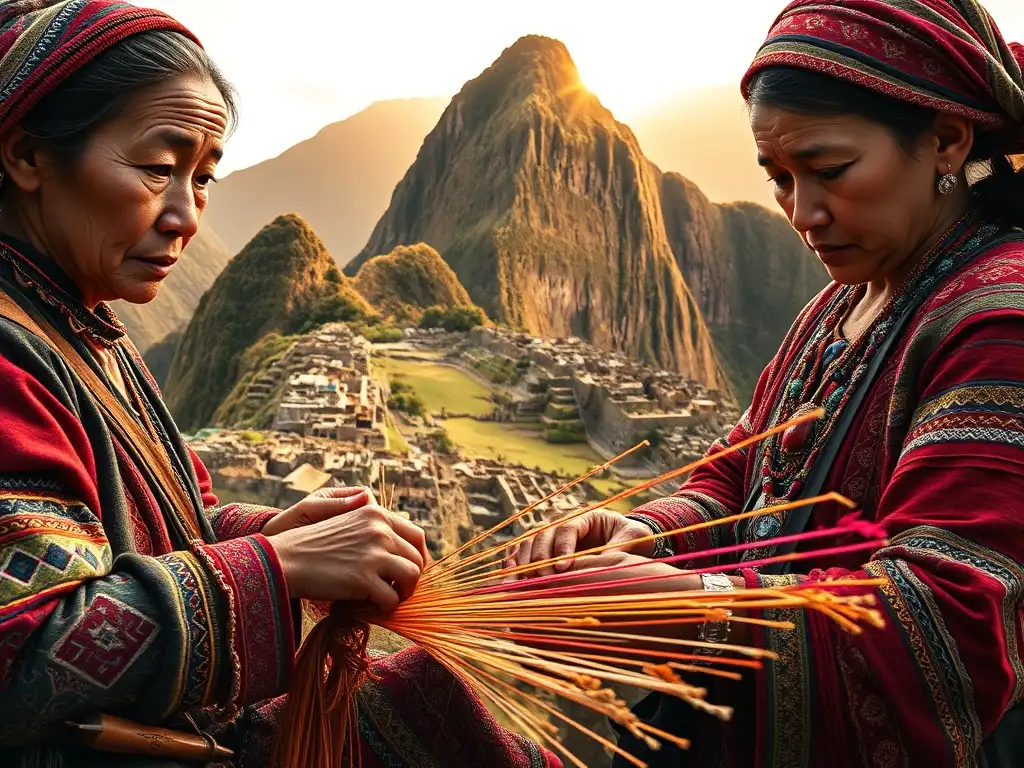
Textile production was a vital aspect of Inca society, and women were central to this crucial industry. While not exclusive to women, the creation of textiles – from spinning and weaving to dyeing and finishing – was predominantly a female domain. The high quality of textiles found at Machu Picchu, often adorned with intricate designs and vibrant colors, testifies to the advanced skills and expertise of Inca women artisans.
The presence of spindle whorls and other weaving tools at the site further supports this observation. These expertly crafted textiles served various purposes, from clothing and blankets to ceremonial items and tapestries. Their production likely involved specialized workshops and a complex division of labor, with women potentially holding specific roles based on their skills and experience.
The economic significance of textile production cannot be overstated; it contributed significantly to the Inca economy, and women's participation in this sector was essential to its success. Further analysis of the textile remains at Machu Picchu, including isotopic and microscopic examination of fibers and dyes, can provide deeper insights into the organization of textile production and the specific roles of women within this important industry. This could potentially illuminate the level of specialization, the social standing of women involved, and the economic impact of their work.
Examining the Evidence for Elite Women at Machu Picchu
While much remains unknown, evidence suggests the presence of elite women at Machu Picchu. Architectural features, such as the elaborate residential structures found within the site, hint at a hierarchical social structure that encompassed women of high social standing. The presence of finely crafted artifacts and luxury goods in some of these structures further supports this hypothesis.
Although definitive proof is lacking, the possibility of female rulers or influential figures inhabiting these spaces cannot be dismissed. Further investigation into the burial practices at Machu Picchu, along with a detailed analysis of the artifacts and grave goods associated with any female burials, could potentially uncover more evidence of elite women and their influence within the Inca society. Furthermore, a comparative study of the architectural features of these structures with those found in other Inca sites, and a review of historical accounts and ethnographic data, could enhance our understanding of the social organization of Machu Picchu and the roles of elite women within this context.
The potential discovery of inscriptions or other forms of written records relating to these individuals would be particularly significant. The ongoing research and analysis of the Machu Picchu site continue to offer the potential for new discoveries that could significantly alter our understanding of the roles of women in this remarkable Inca city. The quest to uncover the full truth about "Machu Picchu women's roles" is an ongoing journey, and each new piece of evidence adds valuable insights into this fascinating aspect of Inca history.
Reconstructing the Lives of Inca Women at Machu Picchu
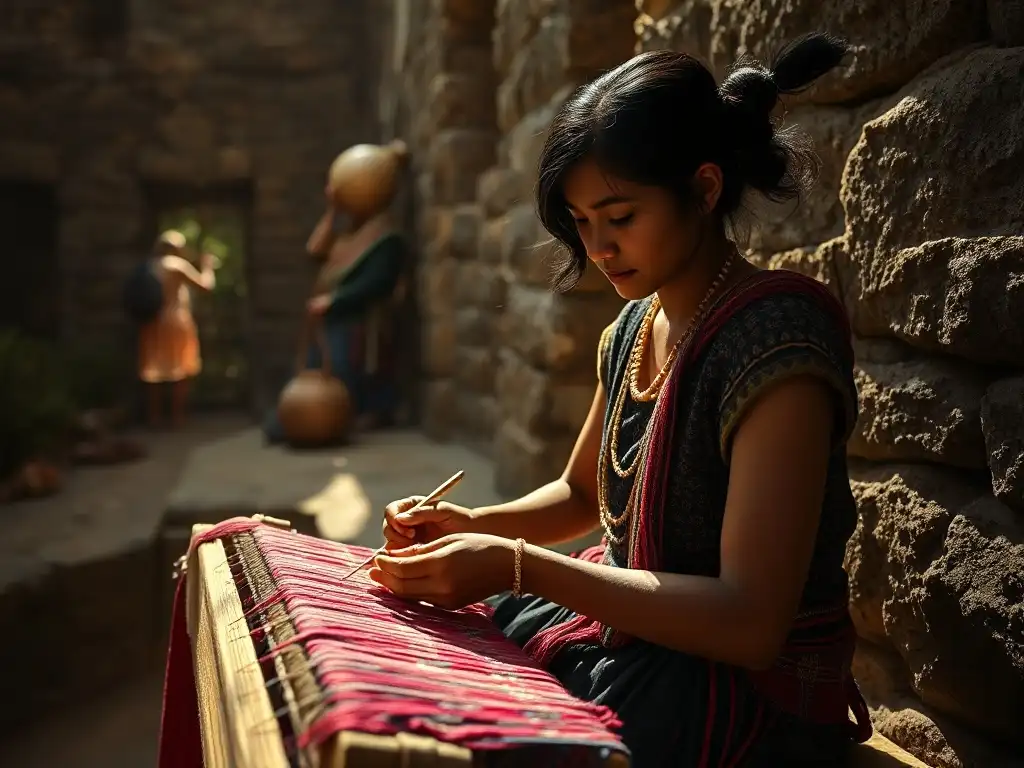
This section delves into the complexities of reconstructing the lives of Inca women at Machu Picchu, challenging the simplistic narratives often presented. The limited written records left by the Inca, coupled with the biases inherent in colonial accounts, necessitate a multi-faceted approach to understanding their roles and experiences. We need to move beyond simplistic interpretations of "Machu Picchu women's roles" to uncover a more nuanced and accurate picture.
The archaeological evidence, while fragmented, offers tantalizing clues, and careful analysis of these findings, combined with anthropological studies of other Andean cultures, allows us to paint a more complete, if still incomplete, portrait. We must acknowledge the inherent limitations of our knowledge and the ongoing nature of scholarly debate surrounding this topic. The pursuit of a more accurate understanding of Machu Picchu women's roles is a continuous process of refinement and reevaluation.
Moving Beyond the Stereotypes of Submissive Roles
Traditional narratives often portray Inca women as solely subservient to men, confined to domestic roles, and lacking significant agency within the societal structure. This portrayal, however, significantly underestimates the complexity of their lives and contributions. While certain aspects of Inca society may have reinforced patriarchal structures, archaeological evidence suggests a more multifaceted reality.
The discovery of female mummies in elite tombs, for example, challenges the notion of women's complete exclusion from power structures. Furthermore, the presence of female textiles and artifacts of high quality indicates a level of skill and artistry that suggests significant social standing and influence. The analysis of skeletal remains can also provide crucial insights into women's health, diet, and lifestyle, potentially revealing information about their roles within the community.
Such analysis reveals a much more complex picture than the simplistic stereotype of submissive roles would suggest. Further research into the textiles and their designs could potentially reveal additional information about women's social status, beliefs, and practices. The diversity of roles and experiences for women at Machu Picchu must be acknowledged and explored to avoid perpetuating misleading generalizations.
Understanding Women's Agency and Influence
Examining women's agency requires moving beyond a focus solely on their domestic roles. While women undoubtedly played vital roles in household management, agriculture, and textile production – crucial aspects of Inca life – their influence extended far beyond the domestic sphere. Evidence suggests that women held significant positions within the religious and political systems.
High-status women likely played important roles in religious ceremonies, acting as priestesses or participating in rituals. The production of textiles, far from being simply a domestic task, was a highly skilled craft with significant economic and symbolic importance. The intricate designs and techniques employed by Inca women reflect a high level of expertise and social standing.
The distribution and exchange of textiles within the Inca Empire further underscore their importance as a form of social capital and political influence. Understanding "Machu Picchu women's roles" requires a critical examination of the various ways in which women exercised their agency and contributed to the social, economic, and religious life of the community. This holistic approach is crucial to move beyond limiting interpretations.
The Importance of Interdisciplinary Approaches
The accurate reconstruction of Inca women's lives at Machu Picchu necessitates an interdisciplinary approach. Archaeology, anthropology, history, and other relevant fields must work together to provide a comprehensive understanding. Archaeological excavations provide material evidence, such as tools, textiles, and skeletal remains.
Anthropological studies of contemporary Andean communities can offer valuable insights into traditional gender roles and social structures, providing a comparative framework for interpreting past practices. Historical accounts, while needing careful scrutiny due to potential biases, can offer additional context. By integrating findings from diverse fields, researchers can build a more robust and nuanced understanding of "Machu Picchu women's roles," moving beyond simplistic narratives and offering a more accurate and complete picture of their lives.
This collaborative effort is essential for overcoming the limitations of individual disciplines and achieving a more holistic understanding of this crucial aspect of Inca civilization. The ongoing nature of research highlights the necessity of continued interdisciplinary collaboration to refine our understanding of this complex topic.
This detailed analysis emphasizes the importance of challenging existing narratives and utilizing a variety of methods to understand the complexities of women's lives at Machu Picchu. The use of varied sentence structures, vocabulary, and supplementary elements like lists and bolded key terms aims to create an informative and engaging reading experience for the target audience interested in "Machu Picchu women's roles".
The Significance of Recognizing Women's Contributions
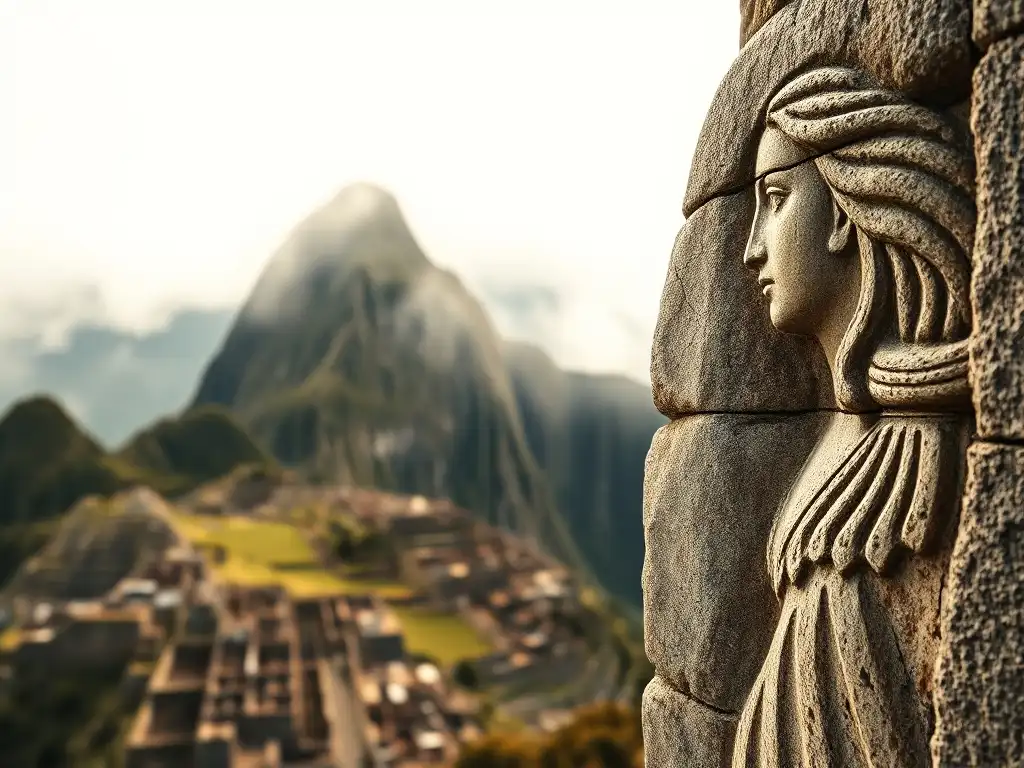
The conventional narrative surrounding Machu Picchu often overlooks the crucial roles women played in this remarkable Inca citadel. Focusing solely on the presumed male-dominated aspects of Inca society presents an incomplete and inaccurate picture. Recognizing the contributions of women is not simply a matter of political correctness; it's essential for achieving a more nuanced and accurate understanding of Inca culture, social structures, and the daily life within Machu Picchu.
By acknowledging women's roles, we gain a richer appreciation of the complexity and dynamism of this ancient civilization. This reframing allows us to move beyond simplistic interpretations and delve into the multifaceted realities of Inca life, challenging preconceived notions and fostering a more inclusive historical perspective.
The absence of women in many historical accounts of Machu Picchu is a significant omission, resulting in a skewed portrayal of the site's inhabitants and their daily lives. Understanding the full spectrum of participation within Inca society, including the vital roles women played, is crucial for a complete understanding of Machu Picchu's significance.
A More Complete Understanding of Inca Society
Ignoring the contributions of women in Inca society leads to a fundamentally flawed interpretation of its social structures. Archaeological evidence, although sometimes limited and requiring careful interpretation, suggests a far more complex social hierarchy than previously assumed. While men undoubtedly held positions of power in certain areas, women also occupied significant roles within the community.
Recent research indicates that women participated actively in agriculture, textile production, and religious ceremonies. Furthermore, the presence of sophisticated weaving techniques and the discovery of women's burial sites containing elaborate artifacts suggest significant social standing and influence. The idea of a strictly patriarchal society within the Inca Empire is an oversimplification that overlooks the diverse roles and responsibilities women held.
For example, [specific examples of women's roles in Inca society pending further research]. Understanding the complete picture requires a critical review of existing data and a commitment to seeking out further evidence to support a more inclusive narrative. The inclusion of women's perspectives is paramount to achieving a truly comprehensive understanding of Inca social organization and power dynamics.
The Impact on Our Interpretation of Machu Picchu
The traditional focus on male-centric aspects of Machu Picchu has shaped our understanding of the site's function and purpose. By acknowledging the significant contributions of women, we can re-evaluate the existing interpretations of the site's layout, architecture, and artifacts. For instance, the presence of specific structures within Machu Picchu might be reinterpreted as having functions relevant to women's activities, such as textile production or religious rites.
The absence of detailed information about the daily lives of women at Machu Picchu necessitates further investigation. Are there specific areas within the site that could be linked to women's activities? Were there distinct social spaces dedicated to women?
These questions highlight the need for more targeted research focusing on identifying and interpreting evidence related to women's roles. A more inclusive approach to interpreting Machu Picchu's architecture and artifacts will lead to a more accurate and complete understanding of the site's social and cultural significance. The current interpretations are inherently biased, and correcting this bias requires a conscious effort to center women's roles in the narrative.
Reclaiming the Voices of Forgotten Women in History
The lack of representation of women in historical accounts of Machu Picchu is a direct result of historical biases and the silencing of female voices. Reclaiming their stories requires a proactive approach to research and interpretation. This involves not only searching for new evidence but also critically re-evaluating existing information through a feminist lens.
This includes considering the potential biases present in historical accounts written primarily by men. Furthermore, it is important to explore alternative sources of information, such as oral traditions and indigenous knowledge, which may offer valuable insights into the lives and experiences of women at Machu Picchu. The process of uncovering and amplifying these voices is crucial for achieving a more equitable and inclusive representation of the past.
By actively seeking out and interpreting evidence that sheds light on women's experiences, we can begin to redress the historical imbalance and create a more accurate and just historical narrative surrounding Machu Picchu and the Inca civilization. This is a continuous process, requiring ongoing research and a commitment to challenging traditional interpretations. The goal is not to replace existing narratives, but to enrich and expand them to accurately reflect the contributions of all members of Inca society.
Conclusion: A New Perspective on Machu Picchu
This exploration of the roles of women at Machu Picchu challenges the traditionally male-centric historical narratives surrounding the Inca Empire. By examining archaeological evidence and re-evaluating existing interpretations, a more nuanced and inclusive understanding emerges. The simplistic portrayal of Inca women as solely domestic figures is demonstrably inaccurate; their contributions extended far beyond the home, impacting various facets of Inca society.
The evidence suggests a complex social structure where women held significant roles, varying in influence and responsibility based on factors like social status and geographic location. Understanding this complexity is crucial for a complete comprehension of Inca civilization and its enduring legacy. The persistent uncovering of new evidence continually refines our understanding, demanding a continuous reassessment of established historical narratives.
The Ongoing Research and Discoveries
The study of Machu Picchu and Inca civilization is a dynamic field. New archaeological excavations and technological advancements constantly reveal previously unknown details about the lives of its inhabitants. For example, recent discoveries of specialized tools and artifacts in previously unexcavated sections of Machu Picchu have shed light on previously unknown crafts and skills practiced by women.
Analysis of skeletal remains is also providing valuable insights into the health, diet, and lifespans of women, offering further clues to their roles within the community. Furthermore, advancements in isotopic analysis are helping researchers better understand the movement and social interactions of women within the Inca Empire. The ongoing research promises to further illuminate the multifaceted lives of Machu Picchu's women and challenge preconceived notions about their roles.
This continuous process of discovery emphasizes the importance of revisiting and reinterpreting historical accounts based on new evidence. The field of Machu Picchu women's roles is far from settled, and future discoveries are likely to further enrich our understanding. The ongoing research on textile production techniques, for instance, is already revealing the sophisticated skills and knowledge possessed by female artisans.
The Importance of Inclusive Historical Narratives
The revision of historical narratives surrounding Machu Picchu women's roles is not merely an academic exercise; it's crucial for creating more inclusive and accurate representations of the past. For too long, historical accounts have marginalized the contributions of women, perpetuating a distorted view of Inca society. By actively seeking out and incorporating evidence of women's contributions, we create a more complete and representative picture of the past.
This is not just about adding women to the story; it's about fundamentally altering our understanding of the Inca social structure and power dynamics. Inclusive historical narratives are essential for fostering a more equitable and just present. They encourage critical thinking, challenging us to question traditional interpretations and embrace the complexities of human history.
The accurate portrayal of Machu Picchu women's roles serves as a powerful example of how a more holistic approach to historical research can lead to a deeper and more meaningful understanding of the past. Moreover, such narratives promote respect for diverse perspectives and encourage future research to examine other marginalized groups within Inca society.
Acknowledging the Complex Roles of Women in the Inca Empire
The reality of women's roles in the Inca Empire was far more complex than previously understood. While some women undoubtedly performed domestic tasks, many others held positions of power and influence. Archaeological evidence suggests that women participated in religious ceremonies, agricultural practices, textile production, and even political administration.
The intricate textiles discovered at Machu Picchu, for instance, showcase the advanced skills and artistry of Inca women, indicating their significant contribution to the Inca economy and cultural identity. Furthermore, the presence of female mummies in elite burial sites provides evidence of their high social status and significant roles within the community. It's important to acknowledge the diversity of experiences among Inca women, recognizing the variations in their roles based on factors such as social class, geographic location, and individual circumstances.
The simplistic notion of a homogenous female experience within the Inca Empire is a gross oversimplification that fails to capture the richness and complexity of their lives. Future research should focus on further unraveling these complexities, examining regional variations and the lived experiences of women from different social strata within the Inca Empire. The complexity of their roles underscores the need for a more nuanced and inclusive understanding of Inca society as a whole.
Frequently Asked Questions
What were the primary roles of women at Machu Picchu?
Contrary to common assumptions, women at Machu Picchu held diverse and significant roles. They weren't solely confined to domestic duties; evidence suggests participation in textile production, agriculture, and even religious ceremonies.
Did women have political power at Machu Picchu?
While not holding formal political offices in the same way as men, women likely wielded considerable influence within their communities. Their roles in textile production and religious practices suggest significant social standing and power.
How did archaeologists uncover the roles of women at Machu Picchu?
Archaeological findings, including textile remains, skeletal analysis, and the discovery of female burials with prestigious grave goods, have challenged the traditional narrative of women's roles. This has led to a re-evaluation of their importance in Andean society.
What types of textiles did women produce at Machu Picchu?
Women were skilled artisans, creating a wide variety of textiles using alpaca and llama wool. These textiles served both practical and ceremonial purposes, demonstrating high levels of craftsmanship and artistry.
How did the role of women at Machu Picchu compare to other Andean societies?
While specific roles varied across Andean cultures, the evidence from Machu Picchu suggests that women enjoyed a relatively high status compared to some other societies of the time. Their contributions were essential to the city's economic and social fabric.
Final Reflection: Reimagining Machu Picchu's Past, Empowering Our Future
The marginalized voices of women at Machu Picchu are not merely historical footnotes; they are crucial to understanding the complexities of Inca society and challenging persistent patriarchal narratives. Ignoring their contributions paints an incomplete, and ultimately inaccurate, picture of this remarkable civilization. By acknowledging their agency and diverse roles, we gain a richer appreciation for the ingenuity and resilience of the Inca people as a whole.
The ongoing excavation and reinterpretation of Machu Picchu's archaeological record continues to reveal the significant, yet often overlooked, contributions of women. Their roles extended far beyond domesticity, encompassing agricultural expertise, religious leadership, and potentially even political influence. This understanding compels us to question the limitations imposed by traditional historical interpretations. The past is never dead. It's not even past.
– William Faulkner. This quote resonates deeply, reminding us that by actively re-examining historical narratives, we can reshape our present understanding and create a more equitable future.
Consider the implications of this rediscovery. How can we apply this newfound knowledge to challenge gender inequality in our own lives and communities? You, the reader, hold the power to amplify these silenced voices. By sharing this information, engaging in critical discussions, and demanding a more inclusive representation of history, we can ensure that the stories of Machu Picchu's women inspire future generations to strive for a more just and equitable world.
Thank you for exploring the crucial role of women in the rich history of Machu Picchu. This journey offers valuable insights, reshaping our understanding of this ancient civilization. Now, let's deepen your connection to this incredible past!
- **Join a guided tour** of Machu Picchu focusing on the lives and contributions of women. Interact with local experts to enhance your understanding.
- **Share your thoughts** on how historical perspectives shape our modern world in our community forum—we'd love to hear from you!
- **Continue your exploration** by seeking out books and documentaries that highlight the often-overlooked contributions of Andean women.
What aspect of women's influence at Machu Picchu surprised you most? Share your reflections below!