
Machu Picchu's Role in the Inca Empire: A Strategic Citadel or Spiritual Retreat?

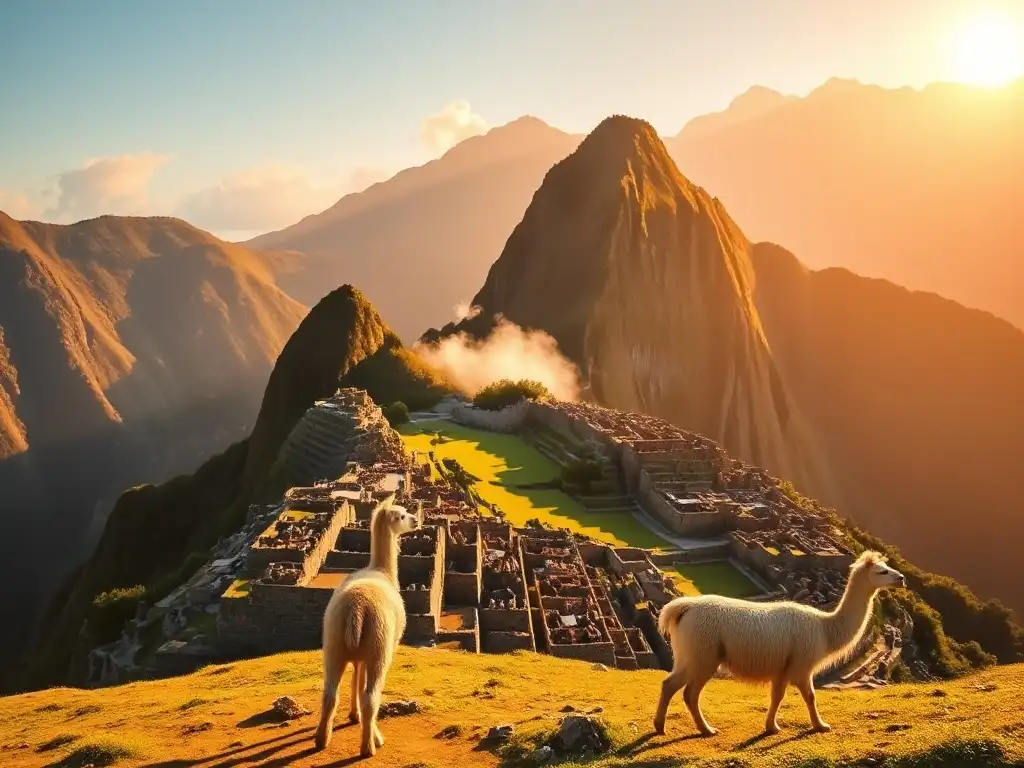
Step into a world lost to time, yet echoing with the whispers of a magnificent empire. For centuries, the Andes have held secrets, and none more captivating than the enigmatic Machu Picchu. Was this breathtaking citadel a strategic military stronghold, or a sacred sanctuary steeped in spiritual significance? Discover the truth behind Inca Machu Picchu's strategic role and unravel the mysteries surrounding this iconic site. Journey with us as we delve into the heart of the Inca Empire and explore its awe-inspiring legacy.
The majestic mountaintop citadel of Machu Picchu, shrouded in mist and mystery, continues to captivate the world. Its breathtaking architecture and stunning location have cemented its place as a global icon. However, the precise role Machu Picchu played within the vast Inca Empire remains a subject of ongoing debate among historians and archaeologists.
Was it primarily a strategic military stronghold, a carefully planned refuge for the Inca elite, a significant religious center, or perhaps a complex interplay of all three? This article delves into the evidence, exploring the competing theories surrounding Machu Picchu's function within the Inca Empire, ultimately aiming to answer the question: was it a strategic citadel or a spiritual retreat, or something more nuanced? We will examine the architectural features, geographical location, and available archaeological evidence to paint a more complete picture of this enigmatic site and its significance to the Inca civilization.
Understanding Machu Picchu's role is crucial to understanding the Inca Empire's power, organization, and spiritual beliefs. The debate surrounding its function highlights the complexities and enduring mysteries that still surround this incredible site.
The Strategic Location Argument: A Fortress in the Clouds?
The imposing location of Machu Picchu, perched high in the Andes Mountains, immediately suggests a strategic military advantage. Its inaccessibility would have made it a formidable defensive position, difficult to attack and easily defensible. The intricate network of terraces and strategically placed structures could have facilitated the observation of approaching enemies and the control of vital pathways.
The presence of agricultural terraces indicates a capacity for self-sufficiency, crucial for a site that could potentially be under siege. Furthermore, its proximity to important Inca roads and communication networks supports the idea of Machu Picchu serving as a critical point in the Inca's logistical and military infrastructure. Evidence suggests that the Inca Empire meticulously planned its infrastructure, and Machu Picchu's placement fits within this broader strategic framework.
Detailed analysis of the defensive architecture, including the placement of watchtowers and the design of the walls, strengthens this interpretation. However, the lack of extensive evidence of direct military conflict at the site raises some questions about its purely military function.
The Religious Significance: A Sacred Sanctuary?
Beyond its potential military utility, many scholars believe Machu Picchu held profound religious significance for the Inca. The site's orientation towards celestial events, the presence of ritualistic structures like the Intihuatana (sun dial), and the discovery of numerous religious artifacts suggest a dedication to Inca cosmology and religious practices. The meticulously planned layout of the site, incorporating elements of Inca religious beliefs and astronomical observations, further strengthens this argument.
The agricultural terraces themselves could be interpreted not just as a means of food production, but also as a symbolic representation of the Inca worldview and their connection to the land. The abundance of evidence points towards the site being more than just a settlement; it seems to have served as a place for ritual and worship, a sacred sanctuary for the Inca elite.
The intricate details of the stonework, the precise alignment of buildings, and the symbolic representations found within the structures all contribute to this interpretation. Further investigation is needed to fully understand the interplay between the religious and practical functions of the site.
The Royal Retreat: A Place of Rest and Renewal?
Another compelling theory suggests that Machu Picchu served as a royal retreat, a place where the Inca elite could escape the pressures of court life and engage in leisure activities. The presence of luxurious residences, sophisticated water systems, and recreational areas supports this interpretation. The site's tranquil setting and stunning natural beauty would have provided an ideal environment for rest and relaxation.
This theory doesn't exclude the strategic or religious aspects; rather, it proposes that Machu Picchu fulfilled multiple roles simultaneously. The presence of comfortable living quarters and areas for recreation suggests a combination of practicality and luxury, reflecting the lifestyle of the Inca nobility.
The balance between functionality and comfort further enhances the understanding of Machu Picchu as a place where the Inca elite could escape the demands of governance while maintaining access to resources and communication networks. The detailed study of the residential areas provides further insights into this multifaceted aspect of Machu Picchu's function.
Unraveling the Mystery: A Multifaceted Interpretation
Ultimately, the question of Machu Picchu's primary function remains open to interpretation. The available evidence suggests that it was not simply a military fortress, a purely religious site, or solely a royal retreat. Instead, a more nuanced and multifaceted interpretation is likely. Machu Picchu likely served as a strategic location, a religious center, and a royal estate simultaneously.
The interplay of these functions shaped the site's development and its significance within the Inca Empire. Further research and archaeological discoveries are needed to fully understand the complexity of this remarkable site and its place in Inca history. The enduring enigma of Machu Picchu continues to challenge and inspire, reminding us of the rich and complex tapestry of Andean civilization.
- The Strategic Location Argument: A Fortress in the Clouds?
- The Religious Significance: A Sacred Sanctuary?
- The Royal Retreat: A Place of Rest and Renewal?
- Unraveling the Mystery: A Multifaceted Interpretation
- What was Machu Picchu's primary function in the Inca Empire?
- How did Machu Picchu's location contribute to its strategic importance?
- What evidence supports the idea of Machu Picchu as a strategic location?
- Was Machu Picchu solely a royal retreat for the Inca elite?
- How did Machu Picchu's strategic location impact Inca control over its empire?
Unveiling Machu Picchu's Enigmatic Purpose within the Inca Realm
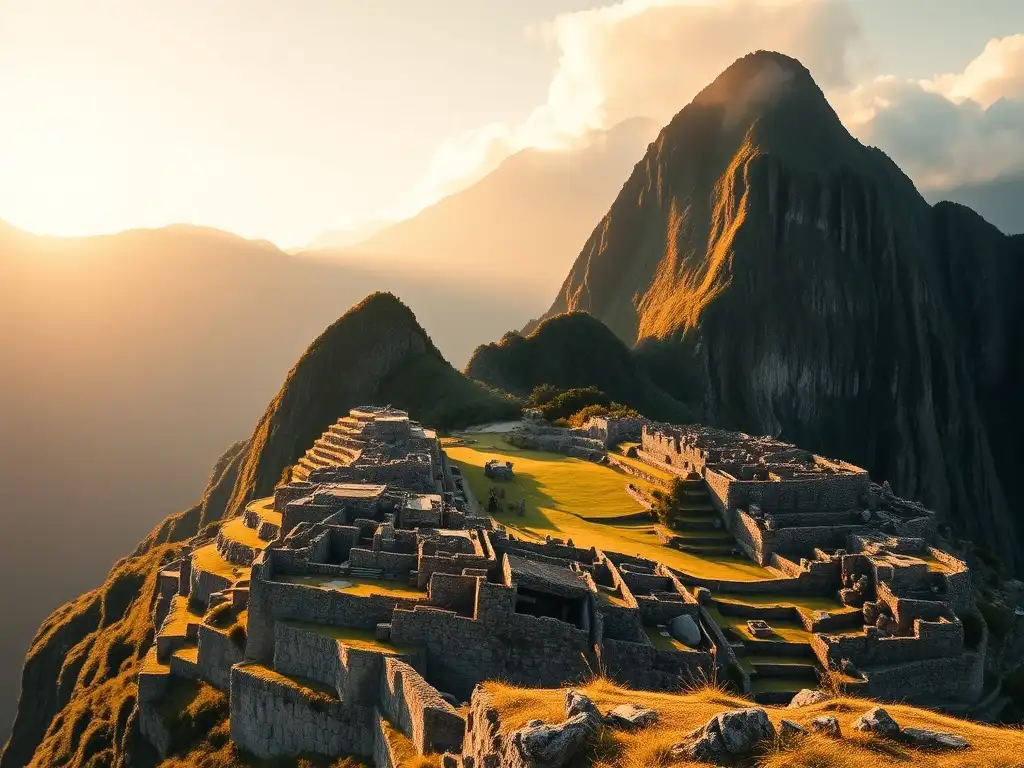
Machu Picchu's function within the vast Inca empire remains a subject of ongoing scholarly debate. Was it primarily a strategic military stronghold, a sacred religious center, a royal estate, or a complex amalgamation of all three? Deciphering its true purpose requires a careful examination of its unique features, its location within the Inca road network, and the archaeological evidence unearthed at the site. The prevailing narrative often focuses on its breathtaking location and stunning architecture, but a deeper dive reveals a more nuanced picture of its strategic and symbolic significance for the Inca civilization.
Analyzing Inca Machu Picchu's strategic role necessitates considering its construction, maintenance, and eventual abandonment. Understanding the Inca Empire's sophisticated logistical abilities and its religious beliefs is crucial to comprehending the site's multifaceted nature. The keyword phrase "Inca Machu Picchu strategic role" highlights this very complexity.
The Historical Context of Inca Machu Picchu
The construction of Machu Picchu is estimated to have begun during the 15th century, under the reign of Pachacuti Inca Yupanqui, a pivotal figure in Inca expansion and empire building. This period witnessed significant advancements in Inca architecture, engineering, and agricultural techniques. The precise dating remains debated, but radiocarbon dating and stylistic analysis of the stonework point towards a construction period spanning several decades, suggesting a phased development rather than a single, rapid construction.
This phased development supports the idea that the site's function may have evolved over time, possibly starting as a smaller settlement and gradually expanding in scope and complexity. The Inca's mastery of stonework, evident in the precision-cut stones and intricate fitting of Machu Picchu's structures, is unparalleled, showcasing both their technological prowess and their deep understanding of engineering principles.
Furthermore, the meticulous agricultural terraces carved into the mountainside speak volumes about their sophisticated agricultural practices, essential for sustaining a population in a challenging mountainous environment. This intricate interplay between engineering, agriculture, and potentially strategic positioning is key to understanding Inca Machu Picchu's strategic role.
Understanding the Inca Empire's Expansion and Organization
The Inca Empire's remarkable expansion across the Andes Mountains was facilitated by a highly organized administrative system. The empire was divided into four suyus (quarters), each governed by a designated official responsible for maintaining order, collecting tribute, and overseeing infrastructure projects. This efficient administrative structure allowed for the rapid mobilization of resources and manpower, crucial for the construction of monumental projects like Machu Picchu.
The Inca road system, a marvel of ancient engineering, connected all corners of the empire, enabling swift communication and the movement of troops and supplies. Machu Picchu's strategic location along this extensive network suggests its potential role as a vital link in the empire's logistical chain. Its position overlooking a significant valley also provided a natural vantage point, potentially serving a defensive purpose.
The presence of military structures within the complex supports this hypothesis, although their exact function and the extent of their military use remain subjects of ongoing research. The Inca's ability to effectively manage such a vast and geographically diverse territory, coupled with their advanced logistical capabilities, significantly influenced the design and function of Machu Picchu. This integrated approach to administration and infrastructure helps to clarify Inca Machu Picchu's strategic role within the larger context of the Inca Empire.
The Strategic Citadel Hypothesis: Machu Picchu as an Inca Military Outpost
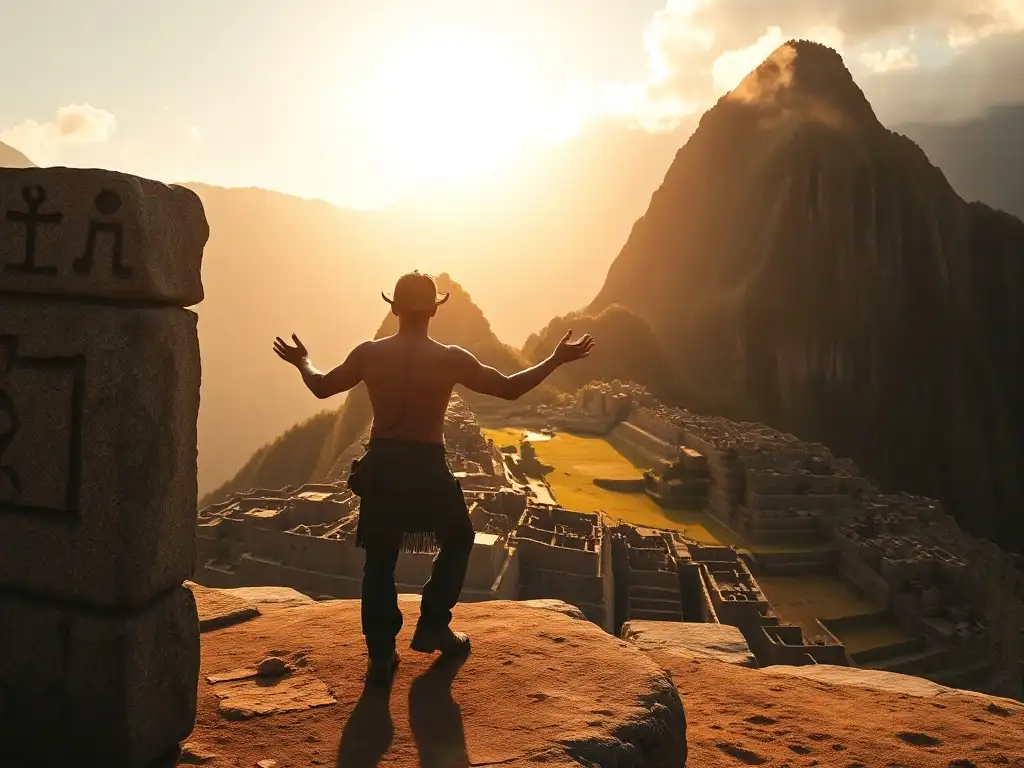
The prevailing narrative often portrays Machu Picchu as a secluded spiritual retreat, a sanctuary for Inca royalty. However, a compelling alternative interpretation posits its significance as a strategically vital military outpost, integral to the Inca Empire's power and control. This hypothesis, focusing on the Inca Machu Picchu strategic role, emphasizes the site's defensive architecture, its location within a broader network of fortifications, and its proximity to crucial trade routes.
Analyzing these aspects reveals a complex picture, challenging the purely spiritual narrative and highlighting Machu Picchu's multifaceted function within the Inca state. The Inca's mastery of military engineering and their sophisticated understanding of terrain are key to understanding this perspective.
Analyzing Machu Picchu's Defensive Architecture and Location
Machu Picchu's location, perched high in the Andes mountains, offers unparalleled defensive advantages. The steep, rugged terrain provided natural protection, making it incredibly difficult for enemy forces to approach. The city's architecture itself reflects a strong emphasis on defense.
Consider the strategically placed watchtowers, which would have allowed for early detection of approaching enemies. Furthermore, the walls, terraces, and intricate network of pathways were not just aesthetically pleasing; they were carefully designed to channel and control enemy movement, creating chokepoints and bottlenecks. The placement of buildings and the use of natural obstacles like cliffs and rivers showcase the Inca's sophisticated understanding of defensive design.
This wasn't simply a pretty city; it was a fortress, cleverly integrated into the landscape. Evidence suggests that the Inca's military expertise informed every aspect of its construction, from the placement of residential buildings to the construction of its agricultural terraces. The strategic positioning of defensive structures within the agricultural areas, for instance, indicates a concern for protecting vital food supplies.
Evidence of Military Presence and Control at Machu Picchu
While the evidence isn't entirely conclusive, several factors suggest a significant military presence at Machu Picchu. The discovery of weaponry and defensive implements within the site strengthens this hypothesis. Although the exact numbers and types of these artifacts are still under investigation and require further analysis, their presence challenges the idea of a purely ceremonial site.
Moreover, the presence of sophisticated storage facilities suggests the capacity to house and supply a considerable number of soldiers. These facilities were not simply for ceremonial items; the scale and sophistication indicate a need for logistical support for a significant population, likely including a military contingent. Furthermore, the city's layout suggests a hierarchical structure, with areas clearly designated for different functions, which could include military barracks or command centers.
The presence of a large number of well-maintained buildings, beyond those needed for a small, secluded community, further supports the idea of a significant and strategically important population. The sheer size and complexity of the site itself are evidence of the Inca's investment, an investment unlikely to be made for a purely spiritual or ceremonial purpose alone.
Machu Picchu's Potential Role in Securing Inca Trade Routes
Machu Picchu's strategic location also played a key role in securing vital Inca trade routes. The site's proximity to the Inca Road system, a complex network of pathways that connected various parts of the empire, is undeniable. Controlling Machu Picchu meant controlling access to these crucial trade routes, allowing for the efficient movement of goods and people, and preventing disruption by hostile forces.
The ability to quickly deploy troops from Machu Picchu to intercept threats along these routes would have significantly enhanced the Inca Empire's logistical capabilities and its ability to maintain control over its vast territory. This strategic positioning underscores the importance of Machu Picchu as a vital component of the Inca Empire's military infrastructure. The Inca's ability to maintain control over these trade routes was directly linked to their economic prosperity and military strength, making Machu Picchu's role in securing them indispensable.
The site's strategic location within the Inca Road network, therefore, reinforces the hypothesis of its function as a crucial military outpost. Further research into the Inca Road system and its connection to Machu Picchu could provide even more compelling evidence to support this interpretation of the site's strategic role.
The Spiritual Retreat Interpretation: Machu Picchu as a Sacred Site
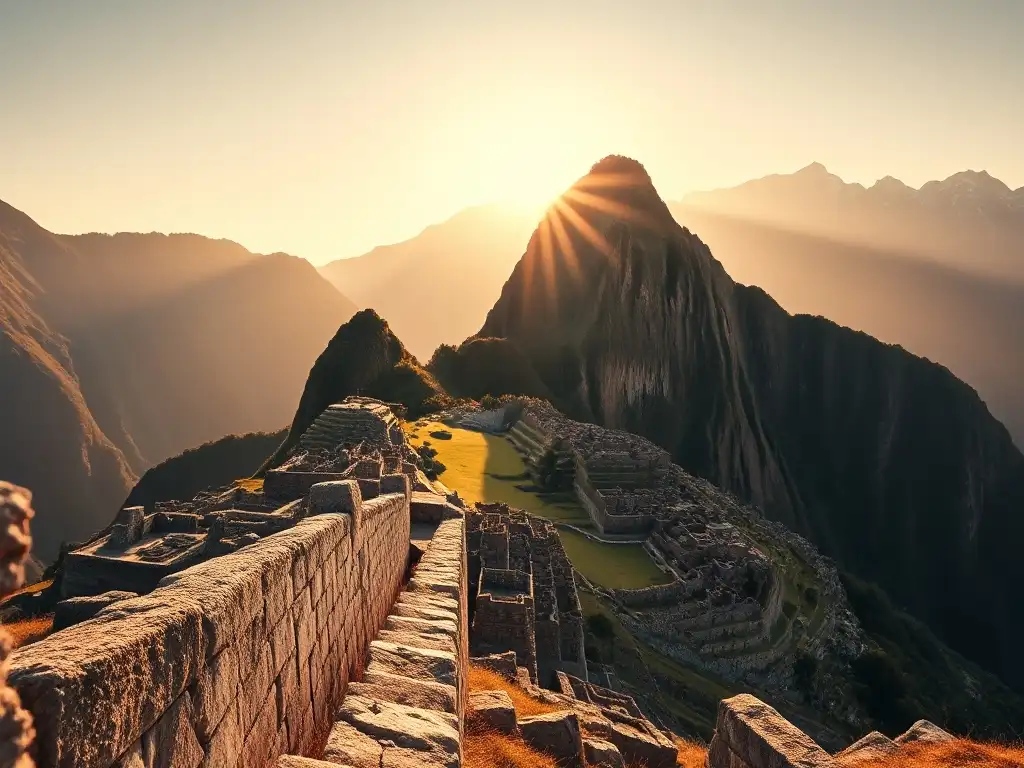
This interpretation posits Machu Picchu not solely as a military stronghold, but as a significant religious center, a place of spiritual retreat and ritualistic importance within the Inca Empire. This perspective emphasizes the abundant evidence of religious structures and the site's apparent alignment with celestial events, suggesting a deeper, more profound purpose beyond its strategic location.
The Inca Empire, known for its intricate religious beliefs and practices, likely viewed Machu Picchu as a sacred space where the connection between the earthly and spiritual realms was particularly strong. This interpretation doesn't negate the possibility of a strategic military component, but rather suggests a complex interplay between spiritual and practical considerations in its construction and use.
Further research into the religious practices of the Inca and the specific artifacts found at Machu Picchu is crucial to fully understand this aspect of the site's significance. The sheer scale and sophistication of the religious structures themselves lend significant weight to this interpretation.
Examining Religious Structures and Ritual Spaces at Machu Picchu
Machu Picchu boasts numerous structures strongly suggestive of religious functions. The presence of several huacas (sacred places), including possibly the Intihuatana stone – a significant solar observatory and ritual site – points towards a central role for religious ceremonies. The meticulous stonework and the careful orientation of many buildings towards specific celestial bodies further support this.
Detailed analysis of the Main Temple, for example, reveals its intricate design, including niches possibly used for offerings and the careful placement of windows to capture specific sunlight patterns at certain times of the year. Similarly, the Royal Tomb, though possibly serving a dual purpose, exhibits features consistent with Inca funerary rites and spiritual beliefs.
The presence of numerous smaller structures dispersed throughout the site, many with unclear functions, also hints at a rich tapestry of religious activities, perhaps involving different levels of priesthood or different rituals. Further investigation into the artifacts found within these structures could provide invaluable insights into the nature of these rituals and their significance within the Inca worldview.
The Significance of Machu Picchu's Astronomical Alignments
The Inca civilization was deeply connected to astronomy, incorporating celestial observations into their agricultural practices and religious beliefs. Machu Picchu's layout and the orientation of its structures show a remarkable alignment with various astronomical events, notably the solstices and equinoxes. The Intihuatana stone, for example, is believed to have been used to mark the solstices, with its precise positioning allowing for the observation of the sun's movement and the accurate determination of the annual agricultural cycle.
This astronomical precision is not accidental; it reveals a sophisticated understanding of astronomy and its integration into the site's overall design. The meticulous alignment of buildings and features with the rising and setting of the sun and stars reinforces the idea of Machu Picchu as a place where the earthly and celestial realms intersected.
This suggests that the site was not only a strategic location but also a calendar, a place of observation and spiritual connection with the cosmos. Further research is needed to fully understand the extent and complexity of these astronomical alignments and their significance within the Inca religious system.
Exploring the Connection between Machu Picchu and Inca Cosmology
Machu Picchu's role as a spiritual retreat is intimately linked to Inca cosmology, their understanding of the universe and their place within it. The Inca believed in a hierarchical cosmos, with the sun god Inti at its apex. Machu Picchu's layout and design may reflect this cosmology, with certain structures representing different levels or aspects of the Inca worldview.
The meticulous planning and execution of the site's construction, its integration with the surrounding landscape, and its careful orientation towards the celestial bodies all point towards a deep understanding and incorporation of Inca cosmological principles. The use of specific materials, the selection of the site itself, and even the arrangement of the agricultural terraces may have held symbolic significance within their cosmological framework. The integration of nature and architecture at Machu Picchu reflects the Inca's belief in the interconnectedness of all things, a central tenet of their cosmology.
Further research into Inca mythology and religious texts could reveal deeper connections between the specific features of Machu Picchu and the broader Inca worldview. Understanding this connection is crucial to fully appreciating the site's significance as a spiritual retreat and a reflection of the Inca civilization's profound understanding of the cosmos.
Reconciling the Two Perspectives: A Multifaceted Role for Machu Picchu
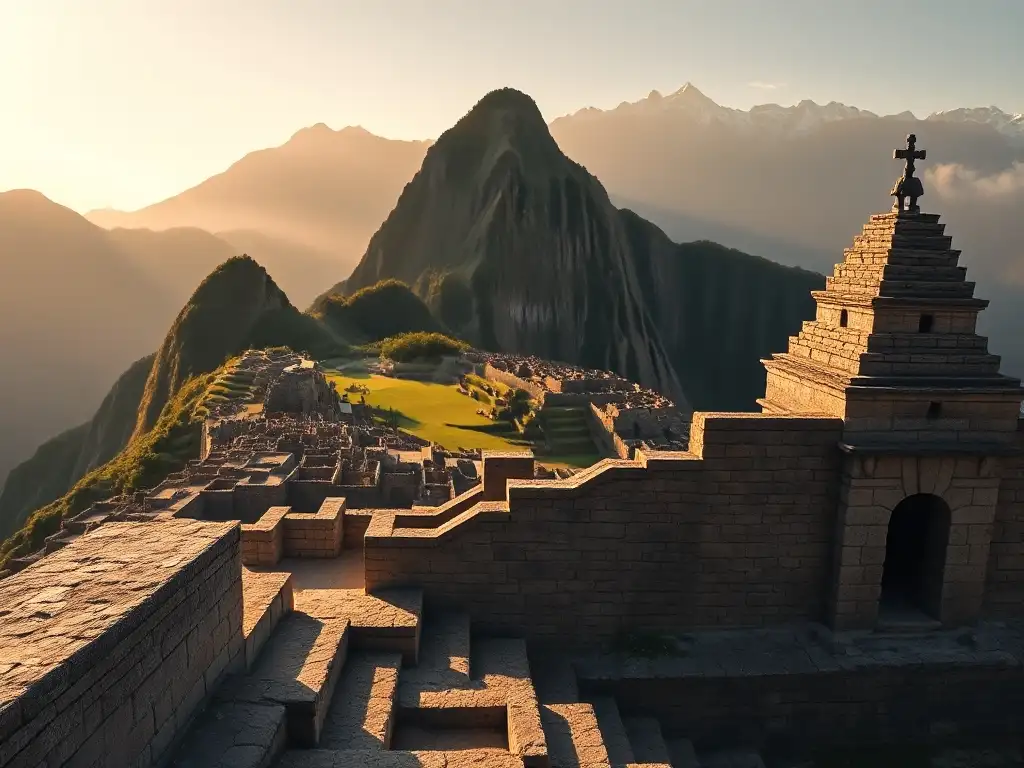
The debate surrounding Machu Picchu's primary function within the Inca Empire – whether it served primarily as a strategic military citadel or a secluded spiritual retreat – often presents itself as a binary choice. However, a deeper examination of archaeological evidence and Inca societal structures suggests a more nuanced reality: Machu Picchu likely fulfilled both roles simultaneously, its significance multifaceted and deeply interwoven with the Inca worldview.
This integrated approach allows us to understand the site not as a simple either/or proposition, but as a complex expression of Inca power, spirituality, and resource management. The Inca Empire, known for its sophisticated engineering and administrative prowess, wouldn't have invested so heavily in a location without a compelling blend of strategic and spiritual reasons.
This understanding is crucial for comprehending the Inca Empire's approach to urban planning and its relationship with the sacred landscape. The keyword "Inca Machu Picchu strategic role" needs to be considered within this broader context of dual functionality.
The Possibility of Dual Functionality: Strategic and Spiritual
The idea of dual functionality isn't unique to Machu Picchu within the Inca context. Many Inca sites, including Ollantaytambo and Sacsayhuamán, combined military defenses with religious significance. Machu Picchu's location, high in the Andes with commanding views of surrounding valleys, undeniably offered strategic advantages.
Its intricate network of terraces, strategically placed watchtowers, and defensive walls suggest a capacity for military defense. However, the presence of numerous temples, ritual baths, and the sophisticated astronomical alignment of structures points to a strong spiritual dimension. This isn't a contradiction; rather, it reflects the Inca worldview, where the earthly and spiritual realms were inextricably linked.
The Inca Empire saw no inherent conflict between strategic practicality and spiritual significance; they were often complementary aspects of a single, holistic vision. The strategic location enhanced the site's spiritual power, providing a secluded and protected space for ritual and contemplation. The very act of securing such a location demonstrates the high priority given to both strategic security and spiritual practice within the Inca Empire.
Machu Picchu as a Royal Estate and Elite Residence
Beyond its potential military and religious roles, Machu Picchu also served as a royal estate and elite residence. Archaeological findings reveal evidence of comfortable living quarters, finely crafted stonework, and sophisticated water management systems, suggesting the site housed a privileged population. The presence of agricultural terraces indicates not only food production but also a carefully managed landscape designed to support the needs of its inhabitants.
This points to a complex social structure where the elite, likely including members of the Inca royal family and high-ranking officials, resided at Machu Picchu. This elite residence, however, wasn't isolated; it was integrated into the wider Inca administrative network, connecting it to the empire's resources and strategic concerns.
The existence of such a refined residential area within a strategically important and spiritually significant location further emphasizes the multifaceted nature of Machu Picchu's function within the Inca Empire. The carefully planned agricultural plots were not merely a means of subsistence, but also a demonstration of Inca control over the environment and its resources.
The Importance of Agriculture and Resource Management at Machu Picchu
Machu Picchu's extensive agricultural terraces are a testament to the Inca Empire's mastery of resource management. These terraces, carved into the mountainside, allowed for intensive cultivation in a challenging environment. The sophisticated irrigation systems ensured a reliable water supply, even during the dry season.
The agricultural productivity of Machu Picchu wasn't solely for self-sufficiency; it likely contributed to the overall food supply of the empire, supporting the needs of the elite residing there and potentially serving as a vital resource in times of conflict or emergency. The integration of agriculture with the site's strategic and spiritual aspects underlines the holistic approach of the Inca Empire. The carefully managed agricultural system wasn't separate from the military or spiritual aspects; it was an integral part of the overall functioning of Machu Picchu as a strategic and sacred center.
The meticulous planning and execution of the agricultural terraces demonstrate the Inca's profound understanding of their environment and their ability to harness its resources to support their society, further supporting the idea of Inca Machu Picchu's strategic role in their empire's sustenance and stability. The successful cultivation of crops in such a challenging location is a testament to their engineering skills and their commitment to resource management.
Debunking Myths and Misconceptions About Machu Picchu's Function
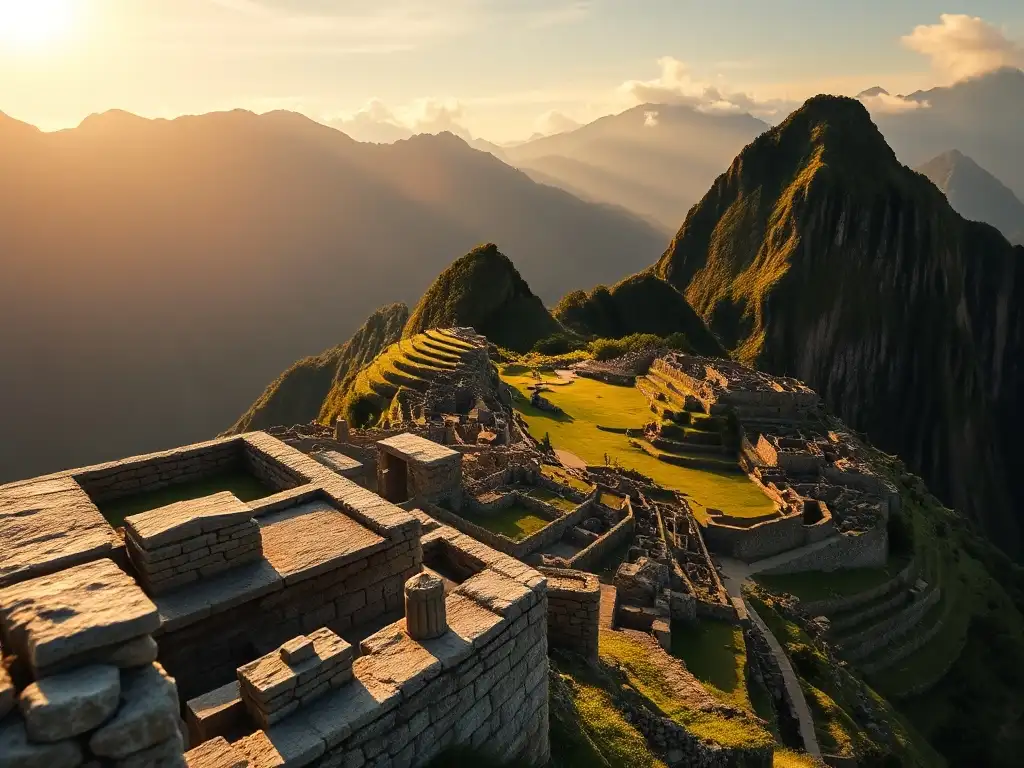
The iconic image of Machu Picchu often conjures romantic notions of a lost city, a hidden refuge, or a mystical sanctuary. While its isolation and breathtaking setting certainly contribute to this perception, a closer examination of archaeological evidence reveals a more complex reality. The "Inca Machu Picchu strategic role" is far more nuanced than popular imagination often suggests. Many misconceptions surrounding its purpose persist, hindering a complete understanding of its significance within the Inca Empire. Let's delve into some of these myths and uncover the truth behind Machu Picchu's true function.
Addressing the Theories of a Lost City or Refuge
The idea of Machu Picchu as a "lost city" is a persistent myth, fueled by its rediscovery in relatively recent times and its secluded location. However, archaeological findings demonstrate that Machu Picchu was not abandoned suddenly or mysteriously. Evidence suggests a gradual decline in its occupation, likely tied to broader shifts within the Inca Empire itself, rather than a catastrophic event necessitating a hasty evacuation.
The notion of it being solely a refuge, perhaps for Inca royalty fleeing a Spanish conquest, is equally inaccurate. While Machu Picchu’s defensible location certainly offered protection, its construction and layout point towards a far more multifaceted purpose. The intricate agricultural terraces, sophisticated water management systems, and extensive residential areas suggest a far more permanent and organized community than a temporary sanctuary would entail.
Further research continues to refine our understanding, challenging the simplistic narrative of a forgotten city. The complexity of the site speaks to a more intricate story, one that reflects the Inca Empire's sophisticated planning and organization.
Separating Fact from Fiction: What We Know for Sure About Machu Picchu
What we do know with certainty is that Machu Picchu served multiple functions within the Inca Empire. It wasn't simply one thing—a palace, a fortress, a religious center—but rather a complex interplay of all three. Evidence points to its use as an administrative center, managing resources and overseeing the surrounding agricultural lands.
Its strategic location in the Andes Mountains provided vital control over trade routes and access to agricultural resources. Furthermore, the presence of numerous religious structures and the sophisticated astronomical alignments suggest a significant spiritual role. The Inca worldview deeply intertwined the natural world with the spiritual realm, and Machu Picchu embodies this connection.
The carefully planned layout, the precise placement of buildings, and the incorporation of natural elements all reflect this profound spiritual significance. Finally, the impressive defensive structures, such as the strategically placed walls and watchtowers, clearly indicate a military or defensive function, allowing for the protection of its inhabitants and resources. Therefore, considering the "Inca Machu Picchu strategic role" requires a multifaceted approach acknowledging its administrative, spiritual, and defensive aspects, all working in concert.
The ongoing archaeological work continues to uncover new details, constantly refining our understanding of this remarkable site. While the romantic image of a lost city might persist in popular culture, a deeper understanding reveals a far more complex and fascinating reality—a testament to the sophisticated engineering, administrative prowess, and spiritual beliefs of the Inca civilization. The true legacy of Machu Picchu lies not in a single, simplistic explanation, but in the rich tapestry of its multiple functions within the broader context of the Inca Empire.
Conclusion: The Enduring Mystery of Inca Machu Picchu's Strategic and Spiritual Significance
The question of Machu Picchu's primary function within the Inca Empire remains a captivating enigma, defying simple categorization as solely a strategic citadel or a purely spiritual retreat. Evidence strongly suggests a multifaceted role, integrating both military preparedness and religious reverence. The Inca's mastery of engineering and their profound spiritual beliefs likely intertwined seamlessly in the design and purpose of this iconic site.
The precise balance between these aspects continues to be debated by scholars, highlighting the richness and complexity of Inca culture. Further research, including more sophisticated archaeological techniques and a deeper understanding of Inca cosmology, may one day provide a more definitive answer. However, the very ambiguity surrounding Machu Picchu's purpose adds to its enduring allure and its status as a powerful symbol of the Inca civilization.
The ongoing debate itself underscores the sophisticated nature of Inca society and their ability to seamlessly blend practical necessities with profound spiritual beliefs. This sophisticated integration of practical and spiritual elements is a key characteristic of Inca Inca Machu Picchu strategic role and its legacy.
Reflecting on the Complexity of Machu Picchu's Purpose
Machu Picchu's layout itself speaks volumes about its dual nature. The strategic placement on a mountaintop, overlooking crucial agricultural valleys and offering defensive advantages, points towards a significant military role. The presence of sophisticated agricultural terraces, meticulously engineered water management systems, and storage facilities supports the idea of self-sufficiency, essential for a potentially isolated stronghold.
However, the presence of numerous religious structures, such as the Intihuatana stone (believed to have been used for solar observations and religious ceremonies), intricately carved temples, and the overall layout suggestive of ritualistic practices, strongly suggest a significant religious component. The discovery of numerous human remains, offering insights into the diverse population that inhabited the site, further complicates the narrative, hinting at a dynamic community with a complex social structure that integrated both practical and spiritual life.
The integration of these elements into the city's design makes it difficult to definitively assign a single function to Inca Machu Picchu. It seems highly probable that the site served multiple purposes, adapting to the needs of the Inca Empire over time.
The Lasting Legacy of Machu Picchu in the Andes
Machu Picchu's enduring legacy extends far beyond its physical presence. It serves as a powerful symbol of Inca ingenuity, resilience, and spiritual depth. Its rediscovery in the 20th century sparked renewed interest in Inca civilization, leading to extensive research and a greater understanding of their advanced culture.
Today, Machu Picchu stands as a UNESCO World Heritage site, attracting millions of visitors annually and inspiring awe and wonder. The site's continued relevance is a testament to the Inca's ability to create a lasting impact on the landscape and the collective consciousness. Furthermore, the ongoing study of Machu Picchu continues to inform our understanding of Inca Inca Machu Picchu strategic role within their broader empire and their sophisticated integration of practical and spiritual elements in their urban planning.
The mystery surrounding its purpose continues to fuel scholarly debate and public fascination, ensuring its status as one of the most significant archaeological sites in the world. The site’s enduring legacy is a testament to the ingenuity and complexity of the Inca civilization, a civilization that continues to captivate and inspire generations. The ongoing research and the continued fascination with Machu Picchu ensures its place as a pivotal site for understanding the Inca Empire and its enduring impact.
Frequently Asked Questions
What was Machu Picchu's primary function in the Inca Empire?
Machu Picchu's purpose remains debated. While some believe it served as a royal estate or religious center, evidence suggests it also had a strategic military role, due to its location and defensive features. Its function was likely multifaceted.
How did Machu Picchu's location contribute to its strategic importance?
Its mountaintop location provided excellent defensive capabilities and control over surrounding valleys. This allowed the Incas to monitor and control vital trade routes and agricultural lands.
What evidence supports the idea of Machu Picchu as a strategic location?
The presence of agricultural terraces, water management systems, and military architecture including walls and watchtowers all point to a strategic purpose beyond a purely religious or residential function.
Was Machu Picchu solely a royal retreat for the Inca elite?
While it certainly served as a place of refuge and likely hosted Inca royalty, evidence suggests a broader population resided there, indicating a more complex and multifaceted function beyond a simple retreat.
How did Machu Picchu's strategic location impact Inca control over its empire?
Machu Picchu's location allowed the Incas to effectively control vital resources and monitor trade routes, contributing to the stability and expansion of their empire across the Andes Mountains.
Final Reflection: Unveiling Machu Picchu's Enduring Legacy
Machu Picchu's strategic importance to the Inca Empire remains a captivating enigma, a testament to the sophisticated planning and profound spirituality of a civilization lost to time. The debate surrounding its primary function – military stronghold or sacred sanctuary – continues to resonate today, highlighting the complexities of interpreting historical evidence and the enduring power of a site that transcends simple categorization. The very ambiguity fuels our fascination, driving ongoing research and inspiring countless interpretations.
The enduring influence of Machu Picchu extends far beyond its archaeological significance. It serves as a powerful symbol of a rich and complex culture, a reminder of the ingenuity and resilience of the Inca people. Its breathtaking beauty and mysterious aura continue to captivate the world, shaping our understanding of pre-Columbian civilizations and inspiring a sense of wonder. The past is never dead. It's not even past.
– William Faulkner. This quote perfectly encapsulates Machu Picchu's ongoing relevance; its history continues to shape our present, influencing our perspectives on history, architecture, and the enduring power of human ingenuity.
Consider, for a moment, the layers of meaning embedded within the stones of Machu Picchu. What does its enduring mystery tell us about our own search for meaning and purpose? Let the echoes of the Inca resonate within you, inspiring a deeper appreciation for the past and a renewed commitment to preserving our shared heritage. Engage with the ongoing debate, explore the evidence yourself, and allow Machu Picchu's enduring legacy to inspire your own journey of discovery.
Uncover Your Path: Explore the Wonders of Machu Picchu!
Thank you for exploring the fascinating world of Machu Picchu and its significance within the Inca Empire. You've gained valuable insights into its purpose, considering whether it served primarily as a strategic fortress or a spiritual retreat. Let's delve even deeper!
Here's how you can continue your exploration:
- **Take a guided tour** of Machu Picchu to experience its majesty firsthand and learn from expert historians.
- **Join our online community**—share your thoughts on Machu Picchu's multifaceted roles on our forum and connect with fellow enthusiasts.
- **Explore other lesser-known Inca sites** in the Sacred Valley, such as Ollantaytambo, to gain a broader understanding of this remarkable civilization.
What new perspectives will you gain from uncovering the mysteries of Machu Picchu?