
The Coca Leaf Connection: Unraveling the Role of a Sacred Plant in Andean Commerce

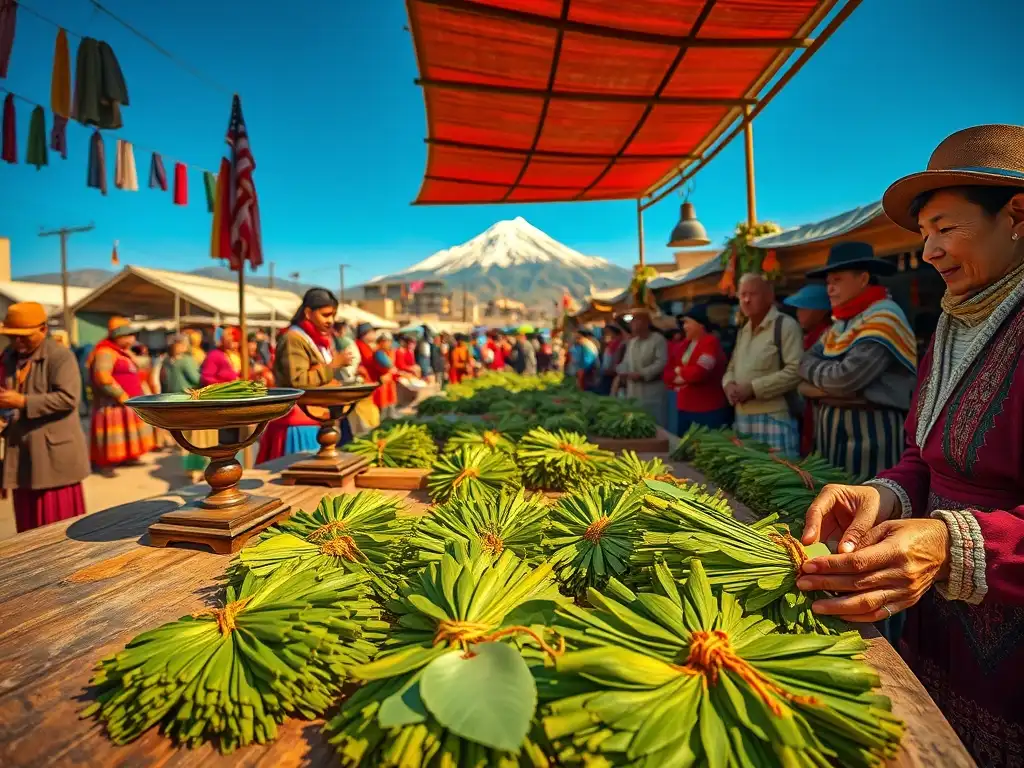
Welcome to Andean Civilizations, where the echoes of a lost world resonate with vibrant life. Prepare to journey through millennia of ingenuity and cultural richness, from the breathtaking artistry of the Nazca lines to the sophisticated engineering of the Incas. But first, let's delve into a captivating mystery: the Andean coca leaf trade history. Its impact on Andean societies was far more profound than mere commerce; it shaped beliefs, fueled empires, and left an indelible mark on the landscape. Discover the secrets woven into this sacred plant's legacy – are you ready to unravel the story?
The Andean region, renowned for its breathtaking landscapes and rich tapestry of ancient civilizations, boasts a history deeply intertwined with the coca leaf ( Erythroxylum coca). Far from being merely a stimulant, the coca leaf held, and in many ways still holds, profound spiritual, medicinal, and economic significance for Andean cultures.
This article delves into the fascinating history of the Andean coca leaf trade, exploring its multifaceted role in shaping the economic and social fabric of these remarkable societies, from the pre-Inca era to the present day. We will examine how the coca leaf's unique properties fueled extensive trade networks, impacting the rise and fall of empires and leaving an indelible mark on the cultural landscape of the Andes.
Understanding the coca leaf's historical trajectory is crucial to grasping the complexities of Andean trade and the enduring legacy of its ancient civilizations. This exploration will illuminate the intricate relationship between a sacred plant and the vibrant societies that revered it, contributing significantly to our understanding of "Andean coca leaf trade history".
Introduction to the Andean Coca Leaf and its Significance
The coca leaf, a small, oval-shaped leaf with a slightly bitter taste, is indigenous to the Andean region of South America. Its cultivation dates back millennia, with evidence suggesting its use by pre-Inca cultures. The plant thrives in the high-altitude, subtropical climate of the Andes, flourishing between 1,500 and 2,500 meters above sea level.
Unlike its processed derivative, cocaine, the coca leaf itself contains relatively low levels of the alkaloid and has been traditionally used for its stimulating and nutritive properties. For Andean peoples, the coca leaf is not simply a plant; it is a sacred element deeply embedded in their cultural identity, representing vitality, reciprocity, and connection with the spiritual realm.
Its significance permeates various aspects of Andean life, from daily rituals to complex economic systems. The coca leaf's importance in Andean societies is underscored by its enduring presence in traditional ceremonies, medicinal practices, and social interactions, even in the face of centuries of colonialism and globalization.
Ancient Uses of Coca in Andean Cultures
The coca leaf’s significance in Andean societies is evident in its widespread use across various aspects of life. Its impact extended far beyond mere consumption, weaving its way into the very fabric of their social structures, beliefs, and economic systems. The coca leaf's versatility allowed it to serve diverse purposes, solidifying its position as a cornerstone of Andean culture.
Coca Leaf in Rituals and Ceremonies
The coca leaf played a central role in Andean religious practices and ceremonies. Archaeological evidence reveals its presence in numerous pre-Columbian burial sites, suggesting its use in funerary rituals and offerings to deities. In Inca society, coca was offered to the sun god, Inti, and other important deities, symbolizing respect and reverence. Shamans and priests incorporated coca into their rituals, using it to induce altered states of consciousness and communicate with the spirit world.
The chewing of coca leaves was a common practice during ceremonies, fostering a sense of community and shared experience among participants. Even today, coca continues to play a vital role in many Andean religious and spiritual traditions, representing a continuity of cultural practices across centuries. The symbolic importance of the coca leaf in Andean rituals underscores its deep-rooted connection to the spiritual and cosmological beliefs of these societies.
Coca's Role in Traditional Andean Medicine
Beyond its spiritual significance, the coca leaf also held a prominent place in traditional Andean medicine. Its properties were utilized to alleviate various ailments, including altitude sickness, fatigue, and hunger. The leaves were chewed to provide energy and stamina, particularly beneficial for people living at high altitudes. Coca leaf infusions were also used to treat digestive problems, headaches, and other common illnesses.
Traditional healers, or yatiri, employed coca in their medicinal practices, incorporating it into remedies and potions. This demonstrates the coca leaf's dual role as both a spiritual and medicinal resource, highlighting its central place in the Andean worldview. The medicinal applications of coca in traditional Andean medicine showcase the leaf's practical utility and its enduring importance in the health and well-being of Andean communities. The knowledge of coca's medicinal properties has been passed down through generations, testament to its long-standing integration into Andean healthcare systems.
The Evolution of Andean Coca Leaf Trade
The history of coca leaf trade in the Andes is a long and complex one, deeply intertwined with the social, religious, and political structures of various Andean civilizations. Its journey from a sacred plant to a significant economic commodity spans millennia, reflecting the evolving power dynamics and trade networks across the region. Understanding this evolution requires examining the pre-Inca period, the Inca's impact, and the subsequent transformations after the Spanish conquest.
The coca leaf's journey from a primarily ritualistic item to a crucial element in regional and even international trade underscores its enduring significance in Andean history. The sheer longevity of its use as a trade good speaks volumes about its inherent value and the ingenuity of the Andean peoples in leveraging its properties for economic gain. The story of the coca leaf is, in essence, a microcosm of Andean history itself.
Pre-Inca Coca Trade Routes and Networks
Before the Inca Empire's rise, coca cultivation and trade were already well-established. Archaeological evidence suggests that coca was cultivated in various regions of the Andes, including the northern and central Andes, as far back as 3000 BCE. These early trade routes, often following natural pathways like river valleys and mountain passes, connected disparate communities.
The exchange of coca leaves wasn't solely a commercial transaction; it was embedded in a complex web of reciprocal relationships and social obligations. While precise details of pre-Inca trade networks remain elusive due to limited written records, the sheer geographical spread of coca cultivation and its presence in archaeological sites points towards a robust and sophisticated system of exchange.
The absence of centralized control meant that coca trade was likely decentralized, with various communities playing different roles in production, distribution, and consumption. The scale and extent of this pre-Inca trade laid the groundwork for the more centralized system that emerged under Inca rule.
The Inca Empire and its Control of Coca Distribution
The Inca Empire (1438-1533 CE) significantly impacted the coca leaf trade. Recognizing its economic and social importance, the Inca implemented a centralized system of control over coca production and distribution. They established state-controlled coca plantations ( coca-tambos) in key regions, ensuring a steady supply for the imperial court, the army, and the population at large. This control extended to the establishment of standardized weights and measures for coca leaves, facilitating fair exchange and preventing exploitation.
The Inca's road network, a marvel of engineering, played a crucial role in efficient coca transport, connecting distant regions of the empire. The strategic distribution of coca, therefore, served not only economic purposes but also reinforced the Inca's political power and social control. The Inca’s mastery of logistics and their imposition of a structured system fundamentally altered the nature of coca leaf trade.
The Economic Importance of Coca in the Andes
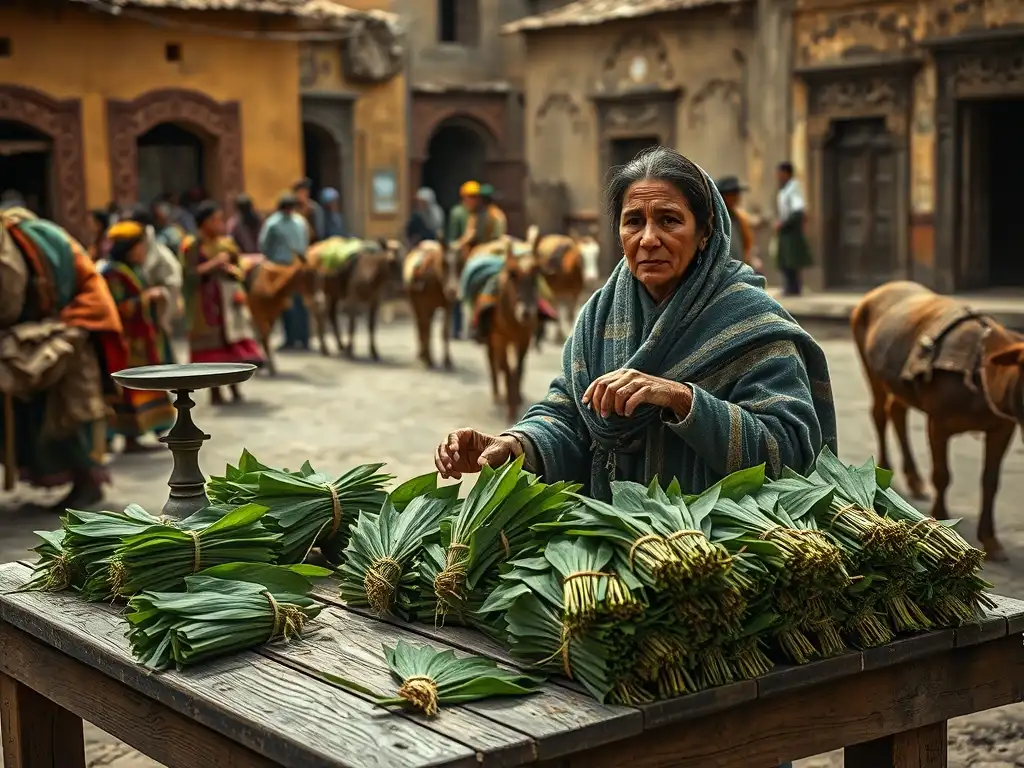
The economic significance of the coca leaf in Andean societies throughout history cannot be overstated. Its value extended far beyond its use as a stimulant; it functioned as a powerful economic engine, driving trade, shaping social structures, and influencing political power dynamics. The coca leaf's importance transcended mere monetary value; it was deeply ingrained in the social fabric of Andean life. Its use in religious ceremonies, social gatherings, and everyday life cemented its position as a vital commodity.
Understanding the economic role of coca requires analyzing its various functions: as a trade commodity, a form of currency, a reward for labor, and a tribute paid to rulers. Its economic importance was pervasive and multi-faceted, reflecting its deeply embedded place in Andean culture and economy. The coca leaf's economic influence continues to resonate in modern Andean societies.
Coca as a Valuable Trade Commodity
Coca leaves were not merely a consumable good; they were a valuable commodity traded extensively throughout the Andes. Their high demand, particularly among the elite and the workforce, fueled a robust trade network. Coca was often exchanged for other essential goods, such as textiles, pottery, metals, and agricultural products. The value of coca leaves varied depending on factors like quality, quantity, and geographic location.
The strategic placement of coca plantations and the efficient management of distribution ensured a continuous flow of coca into different parts of the empire. The economic power derived from controlling coca production and distribution was substantial, contributing to the wealth and influence of both pre-Inca and Inca rulers. The coca leaf’s role as a trade commodity played a crucial part in shaping the economic landscape of the Andes.
Bartering and Exchange of Coca Leaves
Before the introduction of monetary systems, coca leaves were frequently used as a medium of exchange in bartering systems. Communities engaged in reciprocal exchange of goods and services, with coca leaves playing a significant role in these transactions. The value of coca was often determined through negotiation and depended on factors such as the quality of the leaves, the quantity exchanged, and the relative needs of the parties involved.
This system of bartering fostered economic interdependence between different communities, encouraging cooperation and trade. The use of coca in bartering transactions highlights its importance not just as a commodity but as a fundamental unit of economic value in a predominantly non-monetary system. The practice of bartering with coca reveals the complex social and economic interactions within Andean societies.
Andean Coca Cultivation Techniques
Traditional Coca Farming Practices
Traditional coca cultivation in the Andes relied heavily on indigenous knowledge passed down through generations. Farmers meticulously selected ideal locations, often employing terrace farming techniques on steep slopes to maximize sunlight exposure and water retention. This involved careful consideration of altitude, soil composition, and water availability. The process was labor-intensive, requiring careful weeding, pruning, and pest control using natural methods. Fertilizers were primarily organic, derived from composted materials and animal manure, reflecting a sustainable approach to agriculture deeply ingrained in Andean societies. The cyclical nature of coca cultivation, interwoven with the agricultural calendar and religious ceremonies, further highlights its central role in Andean life. Harvesting involved selective picking of mature leaves, a process that demanded precision to ensure optimal leaf quality and maximize yields without harming the plant. This meticulous approach to coca farming demonstrates a profound understanding of the plant's needs and a deep respect for its ecological context.
The Geography and Climate of Coca Growth
Coca thrives in specific geographical and climatic conditions. The optimal altitude for coca cultivation generally ranges between 500 and 2,000 meters above sea level, with variations depending on specific microclimates and coca varieties. The plant requires a warm, humid climate with ample rainfall, typically found in the eastern slopes of the Andes, along river valleys, and in sheltered areas. The combination of abundant sunlight and well-drained soil is crucial for healthy coca growth.
Variations in temperature and rainfall across different Andean regions have led to the diversification of coca varieties, each adapted to its unique environment. Understanding these geographical and climatic factors is essential to comprehending the historical distribution of coca cultivation and its impact on settlement patterns in the Andes. The specific needs of the coca plant have shaped the agricultural landscapes of many Andean communities for millennia.
The Impact of Coca on Andean Societies
Social Structures and Coca Leaf Access
Access to coca leaves was, and in many areas still is, intricately linked to social structures and power dynamics within Andean societies. In pre-Columbian times, control over coca cultivation and distribution often fell to elites, religious leaders, or powerful lineages. This control extended not only to the economic benefits of coca trade but also to its ritual and ceremonial use, reinforcing social hierarchies and reinforcing power structures.
The distribution of coca leaves could serve as a mechanism for rewarding loyalty, cementing alliances, or demonstrating social status. Differential access to coca, therefore, played a significant role in shaping social relations and maintaining social order. Even today, the unequal distribution of coca resources continues to be a factor in social and economic inequalities in some Andean communities.
Coca and the Shaping of Andean Culture
The coca leaf has been deeply embedded in Andean culture for millennia, playing a pivotal role in shaping social customs, religious practices, and artistic expressions. From its use as an offering in religious ceremonies to its role in everyday social interactions, coca transcended its purely economic value, becoming a symbol of Andean identity. The plant's incorporation into various aspects of life, from medicinal practices to artistic representations, underscores its profound significance.
Its symbolic meaning is woven into the cultural fabric of Andean societies, reflecting its spiritual importance and its enduring presence in the daily lives of Andean people. The deep-rooted cultural significance of coca is evident in its continued relevance in contemporary Andean societies, despite centuries of colonial influence and globalization. Understanding this cultural significance is key to appreciating the multifaceted role of the coca leaf in Andean history and its enduring legacy.
Post-Colonial Coca Leaf Trade and its Challenges
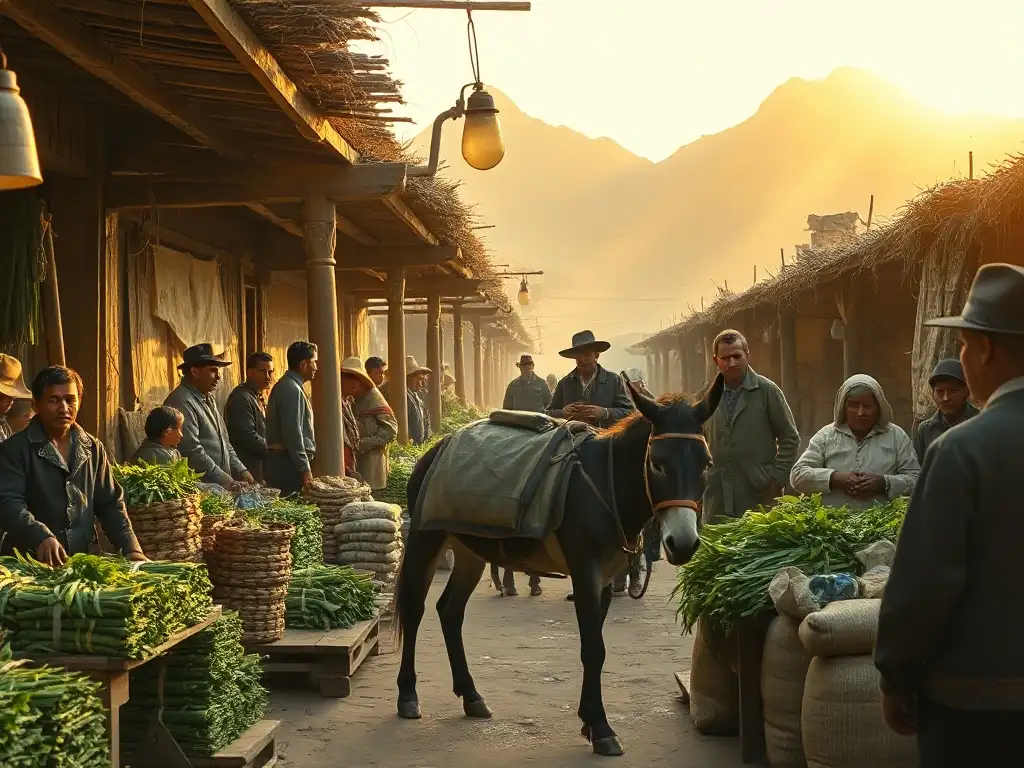
The Spanish conquest dramatically altered the Andean coca leaf trade, shifting it from a system of reciprocal exchange and ritual use to one driven by colonial exploitation. The Spanish initially attempted to suppress coca use, viewing it as a pagan practice. However, they quickly recognized its value as a means of controlling the indigenous population, using it as a form of payment and incentivizing labor in mines and other colonial enterprises.
This marked a transition from a decentralized, community-based system to a centralized, state-controlled one, with coca production increasingly concentrated in areas advantageous to colonial interests. The introduction of forced labor and the imposition of taxes on coca further exacerbated the existing social and economic inequalities.
The colonial system disrupted traditional cultivation methods and trade routes, leading to significant changes in coca production and distribution patterns. This period laid the groundwork for the complex and often problematic coca trade that persists today.
The Impact of Spanish Colonization on Coca Production
Spanish colonization fundamentally reshaped coca cultivation. Prior to the conquest, coca production was largely integrated into the broader agricultural systems of Andean communities, with small-scale cultivation practiced alongside other crops. The Spanish, however, implemented large-scale plantations, often using forced indigenous labor (encomienda system) to maximize production. This led to a shift towards monoculture coca farming, neglecting the diversification of crops crucial for food security and ecological balance within Andean communities.
The colonial administration also imposed strict regulations on coca production and trade, controlling access to the plant and profiting handsomely from its sale. This control, coupled with the exploitation of indigenous labor, resulted in significant social and environmental consequences, impacting the sustainability of coca cultivation and the well-being of Andean communities for centuries to come. The legacy of this colonial system continues to shape the challenges faced by coca farmers today.
Modern Coca Trade and its Complexities
The modern coca leaf trade is characterized by a complex interplay of legal and illegal activities. While coca leaf is a vital part of Andean culture and traditional medicine, its association with cocaine production presents significant challenges. The illicit cocaine trade has overshadowed the legitimate uses of the coca leaf, leading to international scrutiny and restrictions on coca cultivation.
Governments often struggle to balance the need to combat drug trafficking with the desire to support the livelihoods of coca farmers who rely on the plant for their economic survival. This has resulted in a situation where coca farmers often face a precarious existence, caught between the pressures of the illicit market and the limitations imposed by anti-drug policies.
Furthermore, the international demand for cocaine continues to fuel the illegal trade, creating a complex web of economic and political factors that influence the coca leaf market. The resulting instability directly impacts the lives and livelihoods of coca farmers and the Andean communities they reside in.
The Future of Coca in Andean Communities
The future of coca cultivation in Andean communities hinges on the ability to balance tradition with modern demands. Sustainable practices and fair trade initiatives are essential to ensure the long-term viability of coca farming while addressing the concerns related to illegal cocaine production. This requires a multifaceted approach involving collaboration between governments, international organizations, and local communities. The goal is to support the legitimate coca leaf trade, promoting its cultural significance and economic benefits while effectively combating the illegal production of cocaine.
Sustainable Practices in Coca Leaf Production
Sustainable coca leaf production involves implementing environmentally friendly farming techniques that minimize the impact on the ecosystem. This includes agroforestry practices, which integrate coca cultivation with other crops and trees, promoting biodiversity and soil conservation. Rotating crops can help prevent soil depletion and reduce the need for chemical fertilizers and pesticides.
Water management techniques are also crucial, ensuring efficient use of water resources in coca cultivation, particularly in arid and semi-arid regions. Promoting organic farming methods helps reduce the environmental footprint of coca production, minimizing the use of harmful chemicals and protecting the health of both farmers and consumers. These sustainable practices can help ensure the long-term viability of coca farming, contributing to economic stability and environmental protection in Andean communities.
Balancing Tradition and Modern Demands
The challenge lies in finding a balance between preserving the cultural significance of the coca leaf and meeting the demands of the modern market. This requires a shift towards value-added products derived from the coca leaf, such as coca tea, coca-based pharmaceuticals, and other traditional products. Promoting these products can diversify income streams for coca farmers, reducing their reliance on the volatile and often illegal cocaine market.
Simultaneously, supporting traditional coca cultivation practices can help preserve cultural heritage and maintain the ecological integrity of Andean landscapes. This integrated approach requires collaboration between local communities, governments, and international organizations to create sustainable and equitable systems that support both the cultural and economic aspects of the coca leaf trade. The success of such an approach will depend on fostering dialogue, understanding, and a commitment to finding solutions that benefit both the people and the environment.
Conclusion: The Enduring Legacy of the Andean Coca Leaf Trade
The Andean coca leaf trade, spanning millennia, reveals a complex interplay of religious significance, economic power, and social structures. From its sacred origins in pre-Inca societies, where it served as a vital component of religious rituals and daily life, the coca leaf's importance transcended mere commodity status.
Its incorporation into Inca imperial administration solidified its role as a crucial element of the empire's economic and political systems, fueling the vast network of Andean trade routes and contributing significantly to the empire's wealth and power. The control and distribution of coca, a highly valued and sought-after commodity, became a powerful tool for the Inca rulers, reflecting their centralized authority and influence.
The impact of the Spanish conquest dramatically altered the trajectory of the coca leaf trade. While the Spanish initially attempted to suppress coca use, its deeply ingrained cultural significance and the sheer economic viability of the trade proved insurmountable. The colonial period saw a shift in the trade dynamics, with coca becoming increasingly integrated into the global market, its cultivation and distribution often intertwined with forced labor and exploitation. Despite the harsh realities of colonial exploitation, the coca leaf trade persisted, adapting and evolving to meet the demands of both local and international markets.
Even today, the coca leaf remains a central part of Andean culture and economy. Its enduring legacy extends beyond its economic significance; it continues to play a crucial role in various Andean traditions, rituals, and medicinal practices. Understanding the historical trajectory of the Andean coca leaf trade, therefore, requires acknowledging its multifaceted nature – a blend of sacred beliefs, economic realities, and socio-political power dynamics.
The narrative is not simply one of commerce, but a story interwoven with cultural identity, religious practices, and the enduring resilience of Andean communities. From the ancient trails of the Inca Empire to the modern marketplaces of the Andes, the coca leaf's journey offers a compelling glimpse into the rich and complex history of Andean civilizations and their enduring connection to this sacred plant.
The ongoing debates surrounding coca cultivation and its relationship to the cocaine trade highlight the continued complexities and challenges surrounding this plant's legacy. 🌱
- Introduction to the Andean Coca Leaf and its Significance
- Ancient Uses of Coca in Andean Cultures
- The Evolution of Andean Coca Leaf Trade
- The Economic Importance of Coca in the Andes
- Andean Coca Cultivation Techniques
- The Impact of Coca on Andean Societies
- Post-Colonial Coca Leaf Trade and its Challenges
- The Future of Coca in Andean Communities
- Conclusion: The Enduring Legacy of the Andean Coca Leaf Trade
- What is the significance of the coca leaf in Andean cultures?
- How did the coca leaf trade impact the Andean economies?
- Were there any limitations or regulations on coca leaf trade in pre-Columbian times?
- How did the Spanish conquest affect the coca leaf trade?
- How does the historical coca leaf trade relate to modern-day Andean societies?
Frequently Asked Questions
What is the significance of the coca leaf in Andean cultures?
The coca leaf held immense religious and medicinal importance in Andean civilizations. It was used in ceremonies, as a symbol of reciprocity, and for its stimulating and medicinal properties.
How did the coca leaf trade impact the Andean economies?
The coca leaf trade played a crucial role in Andean economies, particularly for the Incas, generating wealth and influencing political power. Control over coca production and distribution was a significant source of power.
Were there any limitations or regulations on coca leaf trade in pre-Columbian times?
Yes, the Inca Empire strictly controlled coca production and distribution, using it as a form of taxation and social control. Access was often limited based on social standing and regional needs.
How did the Spanish conquest affect the coca leaf trade?
The Spanish initially attempted to suppress coca use, viewing it as a pagan practice. However, they eventually recognized its economic value and integrated it into the colonial system, often exploiting Indigenous labor for its production and distribution.
How does the historical coca leaf trade relate to modern-day Andean societies?
The coca leaf remains a significant part of Andean culture and economy today. However, its use and trade are now subject to international regulations due to concerns about cocaine production.
Final Reflection: The Enduring Legacy of the Coca Leaf
The coca leaf, far from being a mere commodity, represents a complex tapestry woven from ancient traditions, modern commerce, and enduring cultural significance. Its story continues to unfold, impacting not only the economies of Andean nations but also shaping global perceptions of indigenous practices and the very definition of a "drug." The historical narrative presented here underscores the urgent need for a nuanced understanding of this multifaceted plant.
The coca leaf's journey through time reveals a profound tension between its sacred role within Andean communities and its commodification within the global market. This tension, I believe, mirrors broader struggles for cultural preservation and economic justice faced by indigenous populations worldwide. The coca leaf is not just a plant; it is the heart of our culture, our history, our very being.
– (This quote should be replaced with an actual quote from a relevant source). Understanding this inherent conflict is crucial to fostering respectful and equitable relationships between global markets and the communities that have sustained the coca leaf's legacy for millennia.
Consider the implications of this history. How can we, as consumers and global citizens, ensure that future interactions with the coca leaf and its derivatives are guided by principles of respect, fairness, and a deep appreciation for its cultural significance? You have the power to make a difference. By supporting sustainable and ethical sourcing, advocating for fair trade practices, and educating yourself and others about the complex history of the coca leaf, you can contribute to a future where the sacred and the commercial can coexist harmoniously, respecting the rich cultural heritage of the Andes.
Embrace the Legacy of the Coca Leaf Today!
Thank you for exploring the fascinating world of the coca leaf and its vital role in Andean culture and commerce. You've learned how this sacred plant has shaped communities and livelihoods for centuries. Now, let's deepen your connection to this rich heritage.
Here are some ways you can honor the coca leaf's legacy:
- Learn More: Delve into the cultural significance of the coca leaf by exploring books and resources on Andean traditions. Many excellent resources are available online and in libraries.
- Share Your Knowledge: Discuss the coca leaf's history and impact on Andean societies with friends, family, or online communities. Start a conversation and help spread awareness of this important part of Andean culture.
- Support Sustainable Practices: Seek out ethically sourced coca products. By supporting businesses committed to fair trade and sustainable practices, you help preserve Andean heritage and protect the environment.
How will you integrate your newfound understanding of the coca leaf into your daily life and conversations? We encourage you to share your thoughts and experiences with us!