
Atahualpa's Mistakes: Hindsight Lessons From the Inca King's Decisions


Step into a world lost to time, yet echoing with the power and mystery of the Andean Civilizations. From the intricate artistry of the Nazca lines to the sophisticated engineering of the Incas, prepare to be captivated. But what truly sealed the fate of this magnificent empire? Discover the intriguing story behind Atahualpa Inca's mistakes, and learn the surprising lessons hidden within the Spanish Conquest. Unravel the enigma—explore further to uncover the truth.
The Spanish conquest of the Inca Empire remains a pivotal moment in history, a brutal clash of cultures that irrevocably altered the course of South America. While Francisco Pizarro's cunning and brutality are well-documented, a crucial element often overlooked is the role of Atahualpa, the last Sapa Inca before the conquest.
This article delves into the critical decisions made by Atahualpa, analyzing them through the lens of hindsight to understand how different choices might have altered the outcome of this historical tragedy. We will explore the strategic missteps that, arguably, paved the way for the Inca Empire's downfall, examining not only the immediate consequences but also the long-term implications of his actions.
Understanding Atahualpa’s choices offers valuable insights into the complexities of leadership, warfare, and cultural interaction during a period of immense upheaval. By analyzing his mistakes, we gain a deeper appreciation for the fragility of even the most powerful empires and the lasting impact of critical decisions in times of crisis.
Underestimating Pizarro's Forces and Intentions
Atahualpa's initial assessment of Pizarro's relatively small force significantly underestimated the Spaniard's true capabilities and long-term strategic goals. The Inca army, while vastly larger in number, lacked the technological advantage of the conquistadors, specifically firearms and horses. Atahualpa's reliance on traditional warfare tactics proved insufficient against the Spaniards' superior weaponry and strategic deployment.
Furthermore, he failed to fully grasp the extent of the Spanish ambition—their desire not just for tribute but for complete control of the empire. This misjudgment, coupled with a lack of comprehensive intelligence gathering regarding Spanish alliances and capabilities, proved fatal. The initial encounter at Cajamarca vividly illustrates this, with Atahualpa's peaceful approach directly contributing to his capture.
Had he recognized the potential threat earlier and responded with a more aggressive, decisive military strategy, the outcome might have been vastly different. The lack of preparedness and the underestimation of the enemy's determination are crucial factors that contributed to the Inca's defeat.
Internal Conflicts and Political Instability
The Inca Empire, even before the arrival of the Spaniards, was grappling with internal conflicts and political instability. Atahualpa's ascension to power itself was the result of a civil war with his half-brother Huáscar, severely weakening the empire's unity and resilience. This internal strife diverted resources and manpower, leaving the empire vulnerable to external threats.
The lingering resentments and divisions within the Inca ranks hindered the ability to mount a unified and effective defense against the Spanish. The lack of a cohesive strategy and the absence of complete loyalty amongst the Inca army played a significant role in the ease with which Pizarro was able to conquer such a vast empire. Atahualpa's failure to effectively consolidate power and address the underlying political fractures created a fertile ground for the Spanish conquest to succeed.
The Cajamarca Ambush and its Consequences
The infamous ambush at Cajamarca represents a catastrophic failure of intelligence and strategic planning. Atahualpa's decision to attend a meeting with Pizarro without adequate security measures was a grave error, directly leading to his capture. This single event marked a turning point in the conquest, effectively dismantling the Inca leadership and paralyzing the empire's ability to resist.
The lack of awareness of the Spanish tactics, coupled with a profound cultural misunderstanding, created the perfect conditions for the ambush to succeed. The sheer audacity of Pizarro's plan, coupled with Atahualpa's naiveté, highlights the crucial role of cultural differences and strategic miscalculations in the ultimate defeat of the Inca Empire. The consequences of this single event reverberated through the entire Inca civilization.
Failure to Leverage Existing Alliances and Resources
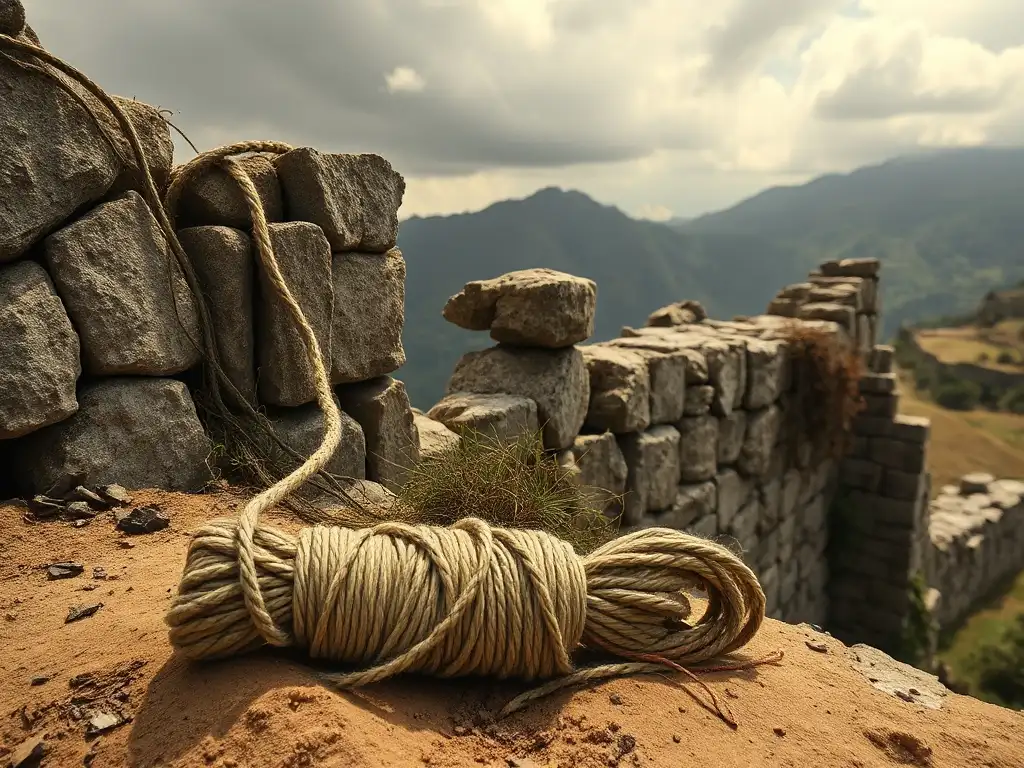
Despite the internal strife, Atahualpa still commanded significant resources and potential alliances. However, he failed to effectively utilize these assets to his advantage. The existing network of loyal subjects and the vast Inca army could have been mobilized more effectively to resist the Spanish advance.
The lack of a unified command structure and the failure to leverage existing alliances with other indigenous groups hampered the Inca's ability to mount a concerted defense. Had Atahualpa fostered stronger alliances and effectively utilized the vast resources at his disposal, the Spanish conquest could have been far more challenging, if not impossible. His failure to do so exemplifies a critical leadership flaw in times of crisis.
The Ransom and its Ultimate Futility
While the massive ransom offered by Atahualpa might seem like a rational attempt to secure his freedom, it ultimately proved futile. Despite filling a room with gold and silver, it didn't prevent his execution. This highlights the inherent limitations of material wealth in the face of ideological and political conflict.
The Spanish greed, coupled with their determination to conquer and exploit the empire, rendered the ransom meaningless. Atahualpa's decision to prioritize his own freedom over a broader strategic plan for the survival of his empire ultimately contributed to its downfall. The focus on a single, albeit substantial, solution instead of a comprehensive strategy demonstrates a lack of foresight and strategic depth.
- Underestimating Pizarro's Forces and Intentions
- Internal Conflicts and Political Instability
- The Cajamarca Ambush and its Consequences
- Failure to Leverage Existing Alliances and Resources
- The Ransom and its Ultimate Futility
- What were some of Atahualpa's key mistakes that led to his downfall?
- How did Atahualpa's internal conflicts weaken the Inca Empire?
- What role did the element of surprise play in the Spanish conquest of Atahualpa?
- Did Atahualpa's trust in the Spanish contribute to his demise?
- What lessons can we learn from Atahualpa's mistakes regarding leadership and strategy?
The Fateful Encounter: Atahualpa and the Spanish Conquest
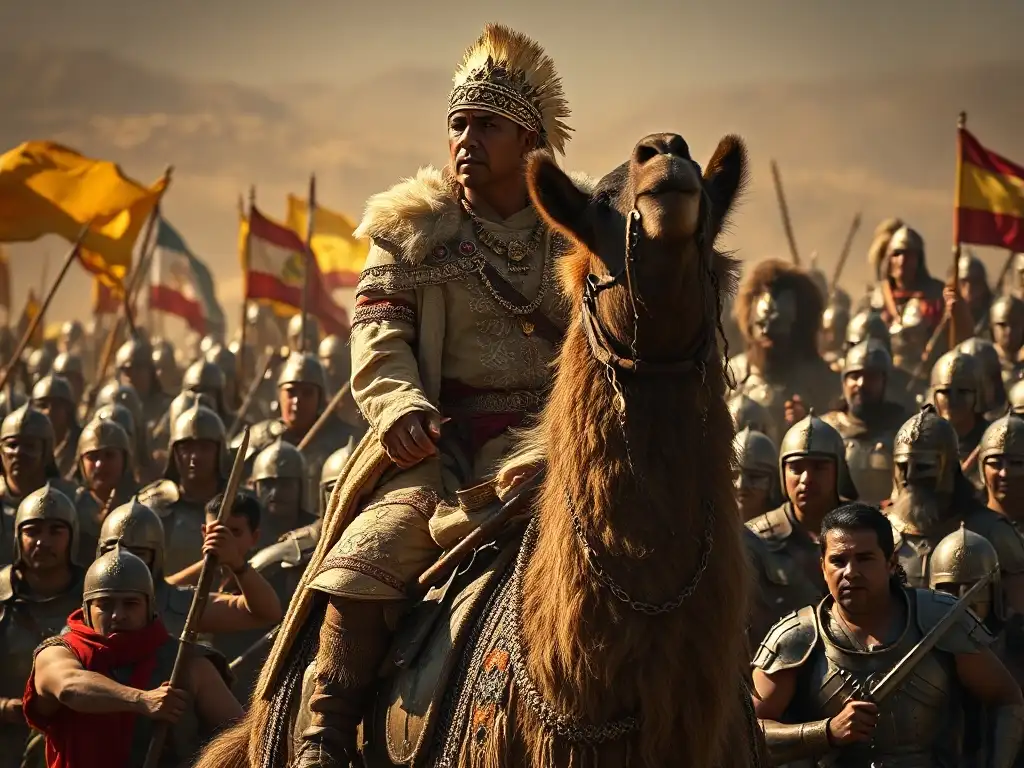
This section delves into the critical juncture where Atahualpa's decisions, or lack thereof, irrevocably altered the course of the Inca Empire. We will examine the context of his reign, focusing on the pre-existing vulnerabilities within the empire that exacerbated the impact of the Spanish arrival. Understanding these factors is crucial to analyzing Atahualpa's strategic missteps and their devastating consequences. The keyword phrase "Atahualpa Inca mistakes" will be explored through a detailed analysis of his actions and their ramifications.
The Inca Empire on the Brink: Pre-Conquest Instability
The Inca Empire, at the time of Atahualpa's ascension, was far from the monolithic, invincible force often depicted in historical narratives. Years of internal strife and succession disputes had significantly weakened its foundations. The death of Huayna Capac, Atahualpa's father, triggered a brutal civil war between Atahualpa and his half-brother Huáscar, a conflict that fractured the empire and depleted its resources. This internal conflict, characterized by intense battles and widespread destruction, left the empire vulnerable to external threats.
The infrastructure, crucial for communication and mobilization, was damaged, and the loyalty of various provinces was uncertain, creating a fertile ground for exploitation by the Spanish conquistadors. The Inca army, once a formidable fighting force, was weakened and divided, lacking the unified command and logistical support necessary to effectively repel an invasion. This pre-existing instability is a critical factor in understanding Atahualpa's subsequent failures.
The sheer scale of the civil war's devastation, with its impact on the Inca's military strength and internal cohesion, directly contributed to the ease with which Pizarro was able to conquer. Accurate figures regarding casualties and economic losses during the civil war remain debated among historians, but the evidence overwhelmingly points to a severely weakened empire. This internal fragility, often overlooked, is a key element in the "Atahualpa Inca mistakes" narrative.
Atahualpa's Rise to Power: A Civil War Weakened Empire
Atahualpa's victory in the civil war, while securing his position as Sapa Inca, came at a tremendous cost. The empire was fractured, its economy in ruins, and its military depleted. His rise to power was not a seamless transition but a bloody and protracted struggle that left the Inca Empire vulnerable. The prolonged conflict diverted resources and manpower away from crucial infrastructure maintenance and defense preparations, making the empire far less resilient against the Spanish invasion.
Moreover, the brutality of the civil war likely alienated many within the empire, leading to a decrease in support and loyalty towards Atahualpa himself. This internal division, coupled with the devastation caused by the conflict, created an environment ripe for conquest. Atahualpa's focus on consolidating his power after the civil war, arguably necessary, left him unprepared for the sudden and unexpected arrival of Pizarro and his small band of conquistadors. This lack of preparedness, directly stemming from the prior civil war, represents a crucial aspect of the analysis around "Atahualpa Inca mistakes."
The strategic decisions made, or rather, the lack thereof, in the face of the Spanish advance, could be viewed as a continuation of the missteps that began during the civil war itself. The consequences of these actions – the fall of the Inca Empire – underscore the long-term implications of Atahualpa's choices and the pre-existing vulnerabilities within the empire. The impact of the civil war should not be underestimated in any comprehensive study of the "Atahualpa Inca mistakes."
Strategic Errors: Atahualpa's Miscalculations
Atahualpa's reign, though brief, was marked by a series of strategic errors that ultimately sealed his fate and contributed significantly to the downfall of the Inca Empire. Analyzing these mistakes through a modern lens offers valuable insights into the complexities of leadership, particularly during times of conflict and upheaval. Atahualpa's failures weren't simply individual blunders; they stemmed from a confluence of factors, including flawed intelligence, underestimation of the enemy, and internal power struggles within the Inca leadership. Understanding these "Atahualpa Inca mistakes" is crucial to comprehending the conquest's broader narrative.
Dismissing the Threat: Underestimating Pizarro's Forces
One of Atahualpa's most significant errors was his profound underestimation of Francisco Pizarro's relatively small force. While the Spanish possessed superior weaponry – firearms, steel armor, and horses – their numerical inferiority was substantial. Atahualpa, accustomed to commanding vast Inca armies, likely dismissed the Spanish as a minor threat, perhaps viewing their advanced technology as a novelty rather than a game-changer.
This misjudgment proved fatal. Instead of deploying a swift and decisive military response, Atahualpa initially engaged in a series of diplomatic maneuvers and seemingly underestimated the Spanish ambition and ruthlessness. His initial approach, characterized by cautious observation rather than aggressive action, allowed Pizarro to consolidate his position and exploit the Inca's internal divisions.
Historical accounts suggest that Atahualpa was more concerned with internal political struggles and consolidating his own power after a civil war than with the potential threat posed by the Spanish. This lack of focus on the external threat contributed significantly to his downfall.
The Fatal Decision at Cajamarca: Atahualpa’s Ill-Advised Meeting
The infamous meeting at Cajamarca represents the culmination of Atahualpa's strategic miscalculations. Agreeing to a meeting with Pizarro in such a vulnerable location, surrounded by a seemingly peaceful Spanish encampment, was a colossal error in judgment. This decision, arguably driven by a combination of arrogance and a desire to showcase Inca dominance, played directly into Pizarro's hands. Atahualpa's lack of awareness of Spanish military tactics and their capacity for sudden, brutal violence resulted in a catastrophic ambush.
The massacre at Cajamarca was not simply a tactical defeat; it was a symbolic annihilation of Inca power and prestige. The sheer scale of the surprise attack, which resulted in the capture of the Inca emperor and the deaths of thousands of his soldiers, underscores Atahualpa's failure to properly assess the situation and anticipate the Spanish intentions. The event highlights the dangers of underestimating an enemy, even one numerically inferior.
Poor Intelligence Gathering: Lack of Understanding of Spanish Tactics
Atahualpa's downfall was also significantly influenced by a lack of effective intelligence gathering. The Inca Empire, despite its advanced administrative system, seemingly failed to accurately assess the nature of the Spanish threat. While some accounts suggest the Inca received reports about the Spanish presence and their activities, these reports were either ignored, misinterpreted, or failed to convey the true extent of the Spanish military capabilities and strategic intentions.
The lack of comprehensive and accurate intelligence prevented Atahualpa from developing a robust defense strategy. This deficiency in intelligence gathering is particularly glaring when compared to the sophisticated communication and administrative networks that were characteristic of the Inca Empire.
The failure to adequately understand Spanish tactics, their reliance on deception, and their capacity for swift, decisive action, severely hampered Atahualpa's ability to effectively respond to the Spanish threat. More effective intelligence could have potentially prevented the disastrous encounter at Cajamarca and altered the course of the conquest.
Political Blunders: Internal Conflicts and Loyalties
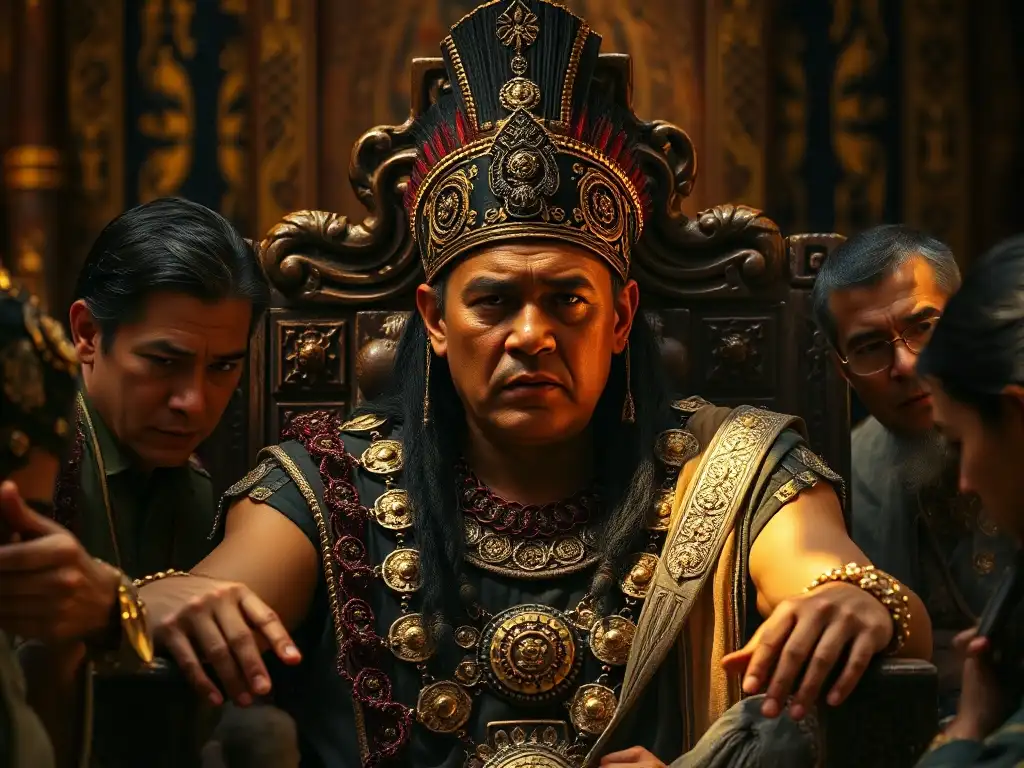
Atahualpa's reign, though brief, was marred by significant political miscalculations that ultimately contributed to the Inca Empire's downfall. His ascent to power, already tainted by fratricide, set the stage for a series of decisions that fractured the empire's internal cohesion, leaving it vulnerable to Pizarro's relatively small force. Analyzing Atahualpa Inca mistakes reveals a pattern of prioritizing personal ambition over strategic political maneuvering.
The consequences of these errors resonate even today, offering valuable lessons in leadership and governance. The key to understanding Atahualpa's failures lies in examining his handling of the Inca nobility and his failure to forge crucial alliances.
Alienating Inca Nobility: The Impact of Atahualpa’s Reign
Atahualpa's actions following his victory over Huáscar profoundly impacted his relationship with the Inca nobility. While he consolidated his power, he did so through a brutal campaign that left many powerful families distrustful and resentful. Executions and forced relocations were common, creating a climate of fear and instability rather than unity. This created a power vacuum, as many nobles secretly plotted against him, some even collaborating with Pizarro.
The absence of widespread loyalty among the nobility proved catastrophic when the Spanish arrived. Instead of a unified front against the invaders, Atahualpa faced internal dissent and a lack of unwavering support, hindering his ability to effectively mobilize his army. The ensuing chaos weakened the Inca's defenses and allowed the Spanish to exploit divisions within the ranks. Historians often cite this as one of the most critical Atahualpa Inca mistakes.
Failure to Secure Alliances: Lost Opportunities for Support
The Inca Empire, despite its vast size and military might, was not immune to external threats. Surrounding tribes and kingdoms, previously subdued or allied with the Incas, saw Atahualpa's reign as an opportunity to renegotiate their positions or even openly rebel. Atahualpa's focus on consolidating his power within the empire led him to neglect the crucial task of securing alliances with neighboring groups. These groups, who could have provided vital military support and logistical assistance, remained neutral or even actively hostile towards the Inca.
Had Atahualpa invested more effort in diplomacy and forging alliances, the Spanish conquest might have unfolded very differently. The lack of external support significantly reduced the Inca's capacity to resist the Spanish advance. This underscores the importance of strategic alliances in maintaining power and stability, a lesson often overlooked by ambitious rulers.
The Fragility of the Inca Succession: A Vulnerable System
The Inca succession system, already fraught with tensions and rivalries, was further destabilized by Atahualpa's actions. The brutal civil war between Atahualpa and Huáscar exposed inherent weaknesses in the system. The lack of a clear and universally accepted mechanism for transferring power created an environment ripe for conflict and instability. Atahualpa's ascension to the throne, achieved through violence and treachery, further exacerbated these problems.
The resulting uncertainty and internal strife weakened the empire's ability to respond effectively to external threats, making it exceptionally vulnerable to the Spanish invasion. This inherent fragility of the Inca succession system was a significant factor contributing to the empire's downfall, highlighting the importance of a robust and transparent succession plan for any large and complex political entity. The failure to address this critical weakness stands as another significant Atahualpa Inca mistake.
Communication Failures: Misunderstandings and Assumptions
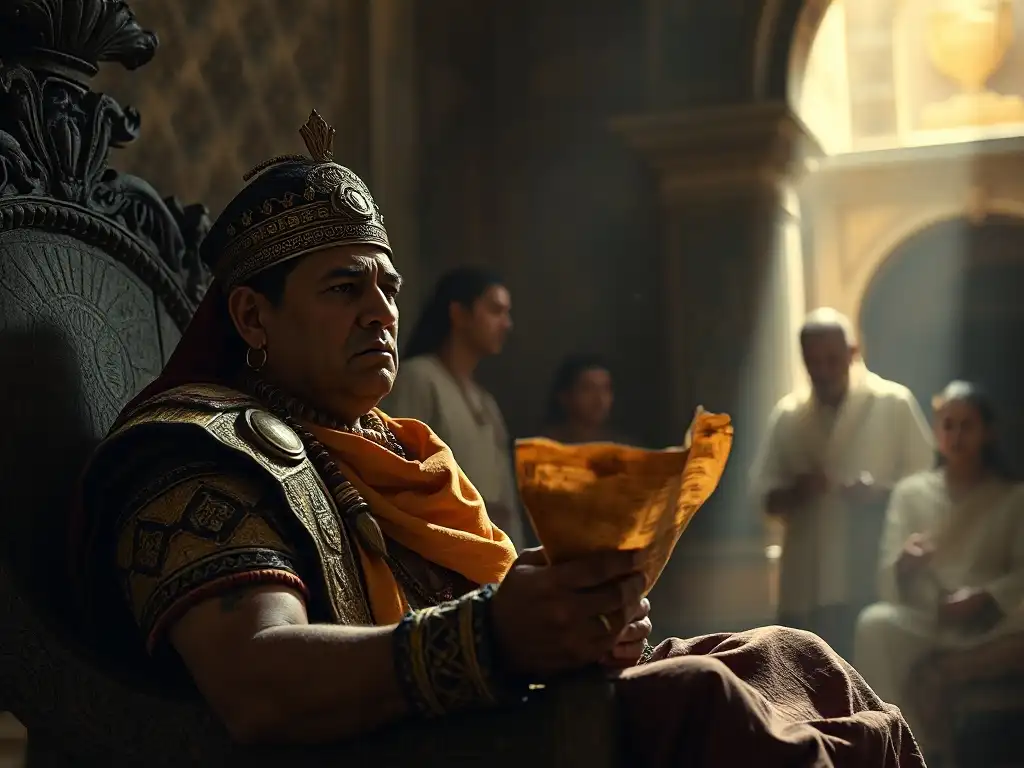
Atahualpa's downfall wasn't solely due to military inferiority; crucial communication failures played a significant role in the Inca empire's conquest. These failures, stemming from language barriers, cultural misunderstandings, and a misjudgment of Spanish intentions, created a perfect storm that ultimately led to Atahualpa's capture and execution.
Analyzing these communication breakdowns reveals critical lessons about the dangers of assumptions and the importance of effective intercultural dialogue, especially in high-stakes political situations. The consequences of these communication failures are directly linked to the ultimate demise of the Inca empire and serve as a stark example of the "Atahualpa Inca mistakes" that sealed his fate.
Language Barriers and Misinterpretations: Fatal Communication Gaps
The starkest communication obstacle was the language barrier. Atahualpa and his advisors primarily spoke Quechua, while the Spanish relied on Spanish and, to a lesser extent, rudimentary Quechua interpreters. This immediately created a significant communication gap. Nuances were lost in translation, leading to misunderstandings that escalated tensions.
Simple requests or seemingly innocuous statements could be misinterpreted, fueling suspicion and distrust on both sides. For example, what the Spanish might have intended as a friendly gesture could be perceived as a threat by the Inca, and vice-versa. This lack of precise understanding fueled the escalating conflict, leading to a miscalculation of the Spanish's true intentions and capabilities. The absence of accurate and reliable translation was a critical factor in the chain of events that led to Atahualpa's capture, highlighting a key aspect of the "Atahualpa Inca mistakes."
Cultural Clashes: The Lack of Cross-Cultural Understanding
Beyond language, profound cultural differences further hampered communication. The Inca worldview, deeply rooted in Andean cosmology and religious beliefs, starkly contrasted with the Spanish worldview, shaped by European Christianity and feudal hierarchies. The Inca's concept of power and authority, based on divine lineage and ritual practices, was fundamentally different from the Spanish concept of power based on military might and territorial control. These differences created a profound chasm in understanding, preventing both sides from effectively interpreting each other's actions and intentions.
For instance, the Inca's elaborate ceremonies and rituals, intended to demonstrate respect and authority, were likely misinterpreted by the Spanish as signs of weakness or indecision. This misinterpretation, coupled with the differences in communication styles, exacerbated the existing tensions. The failure to bridge this cultural divide represents a critical element in the "Atahualpa Inca mistakes."
Misjudging Spanish Intentions: A Tragic Miscalculation
Atahualpa and his advisors significantly underestimated the Spanish's intentions and capabilities. They initially perceived the relatively small Spanish force as a manageable threat, perhaps even an opportunity for strategic advantage. This misjudgment stemmed from a lack of accurate intelligence about the Spanish's military technology, their alliances with other indigenous groups, and their overall strategic goals. The Inca underestimated the devastating impact of firearms and horses, technological advancements unknown in the Andean region.
Furthermore, the Inca's internal conflicts and power struggles weakened their ability to respond effectively to the Spanish threat. This flawed assessment of the Spanish threat stands out as one of the most significant "Atahualpa Inca mistakes," highlighting the danger of underestimating an adversary in a conflict. The consequences of this miscalculation were catastrophic, leading to the rapid collapse of the Inca Empire.
The Aftermath of Atahualpa's Mistakes: Legacy and Impact
The reign of Atahualpa, tragically cut short, left an indelible mark on the Inca Empire and Andean history. His decisions, viewed through the lens of hindsight, directly contributed to the empire's swift collapse under Spanish rule. Analyzing these missteps reveals crucial lessons about leadership, internal strife, and the vulnerability of even the most powerful empires to external forces.
The consequences extended far beyond Atahualpa's personal fate, shaping the cultural, political, and social landscape of the Andes for centuries to come. The devastating impact of his choices reverberates even today, influencing how we understand the complexities of the Inca civilization and the brutal realities of the Spanish conquest. Understanding the full extent of the consequences requires examining both the immediate and long-term effects of Atahualpa's actions and inactions.
The Fall of the Inca Empire: A Direct Consequence of Decisions
Atahualpa's reign was marked by internal conflict, a vulnerability ruthlessly exploited by Francisco Pizarro. His failure to effectively consolidate power after his victory in the Inca Civil War left the empire fractured and unprepared for the Spanish invasion. The ongoing tensions between his supporters and those loyal to his half-brother Huáscar created a power vacuum that Pizarro deftly filled.
This internal division, coupled with Atahualpa's underestimation of Spanish military technology and strategy, proved catastrophic. The swift conquest, achieved with a relatively small Spanish force, stands as a testament to the profound impact of Atahualpa's poor judgment. The Inca army, once a formidable fighting force, was demoralized and disorganized, unable to mount an effective defense against the invaders.
The empire's sophisticated administrative system, which had maintained order and prosperity for generations, crumbled under the weight of internal conflict and external aggression. The fall of the Inca Empire was not solely the result of Spanish military might; it was significantly hastened by the political instability and internal weaknesses created by Atahualpa's actions. The sheer speed of the conquest – a testament to the empire's fragility – underscores the gravity of his miscalculations.
Atahualpa's Execution: The End of an Era
Atahualpa's execution in 1533 marked not only the end of his life but also the symbolic end of an era. Despite fulfilling his promise of a mountain of gold and silver, his life was cruelly extinguished, a stark illustration of the brutality of the Spanish conquest. His death was a pivotal moment, eliminating a powerful leader and further destabilizing the Inca Empire. The consequences were immediate and profound.
The vacuum of leadership created by his execution threw the Inca resistance into disarray. The subsequent struggle for power amongst Inca nobles further weakened any chance of a unified resistance against the Spanish. The execution served as a chilling warning to other Inca leaders and further emboldened the Spanish conquistadors.
It effectively extinguished any immediate hope of a coordinated rebellion and paved the way for the systematic dismantling of the Inca political and social structure. The dramatic nature of his death, a public spectacle, cemented the Spanish dominance and instilled fear amongst the subjugated population. This act solidified the Spanish conquest and initiated a period of profound cultural and social transformation in the Andean region.
Lessons from History: Analyzing Atahualpa's Leadership
Atahualpa's story serves as a cautionary tale about the importance of effective leadership, particularly in times of crisis. His failure to unify his people, his underestimation of his adversaries, and his ultimately fatal reliance on negotiations rather than decisive military action all contributed to the fall of his empire. Analyzing his mistakes offers valuable insights into strategic decision-making, the dangers of internal conflict, and the crucial role of accurate intelligence gathering.
Historians continue to debate the extent to which Atahualpa's actions were a result of deliberate miscalculations or unforeseen circumstances, but the consequences remain undeniable. His story highlights the importance of strong alliances, strategic foresight, and a willingness to adapt to changing circumstances. The legacy of Atahualpa's reign serves as a reminder that even the most powerful empires can crumble under the weight of internal divisions and external threats, especially when leadership falters.
The study of his leadership, or rather, the lack thereof in the face of the Spanish conquest, remains a vital area of study for understanding the dynamics of power and the fragility of empires. His story, therefore, continues to offer valuable lessons for leaders and strategists alike.
Analyzing Atahualpa's Errors: A Historical Perspective
Analyzing Atahualpa's reign and ultimate downfall requires a nuanced approach, moving beyond simplistic narratives of individual failings. The "Atahualpa Inca mistakes" often cited are better understood as a confluence of factors—internal Inca dynamics, the inherent vulnerabilities of a vast empire, and the sheer brutality and unexpected strategic brilliance of the Spanish conquistadors. Attributing his demise solely to personal errors ignores the complex tapestry of events that led to the Inca Empire's collapse.
We must consider the political landscape, the existing tensions within the empire, and the technological disparity between the Inca and Spanish forces. This section delves into the multifaceted nature of Atahualpa's challenges and the historical context crucial to understanding his decisions.
The Complexity of Conquest: Examining Multiple Factors
Atahualpa's reign was marked by internal strife even before Pizarro's arrival. The Inca civil war between Atahualpa and his half-brother Huáscar had weakened the empire significantly. The conflict drained resources, fractured loyalties, and left the empire vulnerable to external threats. This pre-existing instability is a crucial factor often overlooked when assessing Atahualpa's actions. Furthermore, the Inca's lack of immunity to Old World diseases played a devastating role. Smallpox, measles, and other illnesses decimated the Inca population, crippling their ability to resist the Spanish. This biological warfare, unforeseen by Atahualpa, significantly altered the power dynamic.
The Inca's sophisticated administrative system, while impressive, proved to be a double-edged sword. While allowing for efficient resource management and control over a vast territory, it also created a centralized authority highly susceptible to disruption at its core. The capture of Atahualpa effectively decapitated the empire's command structure, leading to chaos and facilitating the Spanish conquest. Finally, the Spanish possessed superior weaponry—guns, cannons, and steel—that gave them a decisive military advantage. Atahualpa's tactical decisions, while perhaps flawed in hindsight, were made within this context of overwhelming disparity.
The Role of Chance and Circumstance: Beyond Simple Mistakes
To solely label Atahualpa's actions as "mistakes" is a simplification. The element of chance played a significant role in the outcome. The timing of Pizarro's arrival, coinciding with the aftermath of the Inca civil war, was profoundly fortuitous for the Spanish. Had Pizarro arrived a few years earlier or later, the outcome might have been drastically different. Additionally, the capture of Atahualpa himself was a stroke of luck for the Spanish. While Atahualpa's initial underestimation of the Spanish threat might be considered a tactical error, the circumstances surrounding his capture involved a degree of chance and unforeseen events.
Consider the Cajamarca ambush. While Atahualpa's decision to meet Pizarro without a larger contingent of troops might be seen as a misjudgment, it was also a calculated risk based on his understanding of the situation at the time. The information available to him, the perceived weakness of the Spanish, and the political climate within his own empire all influenced his decision-making.
These factors, combined with the element of surprise employed by Pizarro, contributed to Atahualpa's capture, highlighting the unpredictable nature of warfare and the role of chance in shaping historical events. The narrative should therefore shift from a simple "Atahualpa Inca mistakes" framework to a more comprehensive analysis considering the intricate interplay of factors involved.
Atahualpa's Legacy: A Cautionary Tale for Leaders
Despite his tragic end, Atahualpa's story offers valuable lessons for leaders. His legacy serves as a cautionary tale about the dangers of internal conflict, the importance of accurate intelligence gathering, and the need for adaptability in the face of unforeseen circumstances. The swift collapse of the Inca Empire under his rule underscores the fragility of even the most powerful empires when faced with internal divisions and external threats. Atahualpa's story highlights the critical need for leaders to cultivate strong alliances, maintain internal stability, and remain vigilant against unexpected challenges.
Atahualpa's experience demonstrates the devastating consequences of underestimating an opponent, regardless of their apparent technological inferiority. The Spanish conquest, while brutal and exploitative, also reveals the importance of strategic thinking, adaptability, and exploiting an opponent's weaknesses. The "Atahualpa Inca mistakes" should not be viewed in isolation but as part of a larger historical narrative that emphasizes the complex interplay of factors that determine the fate of empires and the lives of their leaders. His story remains a powerful reminder of the precarious nature of power and the importance of foresight and strategic planning in navigating the complexities of leadership.
Frequently Asked Questions
What were some of Atahualpa's key mistakes that led to his downfall?
Atahualpa's critical errors included underestimating the Spanish conquistadors' military technology and tactics, failing to unify his empire against a common enemy, and trusting in the promises of Pizarro. These factors ultimately led to his capture and execution.
How did Atahualpa's internal conflicts weaken the Inca Empire?
Atahualpa's ascension to power was marked by brutal civil war against his brother Huáscar. This internal conflict significantly weakened the Inca Empire, leaving it vulnerable to the Spanish invasion. The resulting disunity and depleted resources proved catastrophic.
What role did the element of surprise play in the Spanish conquest of Atahualpa?
The Spanish cleverly exploited the element of surprise, using superior weaponry and unexpected tactics to overcome the numerical advantage of the Inca army. Atahualpa's lack of preparedness and understanding of Spanish warfare proved disastrous.
Did Atahualpa's trust in the Spanish contribute to his demise?
Yes, Atahualpa's naive trust in Pizarro's promises and his underestimation of Spanish treachery were crucial factors. He mistakenly believed diplomacy could prevent conflict, allowing the Spanish to gain an advantage.
What lessons can we learn from Atahualpa's mistakes regarding leadership and strategy?
Atahualpa's story illustrates the importance of strong internal unity, accurate assessment of threats, and avoiding overconfidence. Understanding the weaknesses of one's enemies and one's own is crucial for effective leadership.
Final Reflection: Atahualpa's Legacy: Learning from Yesterday's Choices
The choices of Atahualpa, the last Sapa Inca, continue to resonate today, serving as a stark reminder of the fragility of power and the importance of strategic foresight. His fatal miscalculations, born from a confluence of cultural misunderstandings and internal conflicts, led to the devastating fall of the Inca Empire. This historical tragedy offers invaluable lessons for leaders and societies alike, highlighting the enduring consequences of poor judgment.
The story of Atahualpa's reign is more than just a historical account; it's a poignant exploration of human nature and the complexities of leadership. His story underscores the dangers of hubris and the necessity of adaptability in the face of unforeseen challenges. The consequences of his actions continue to shape our understanding of colonialism and its lasting impact on indigenous populations. History does not repeat itself, but it often rhymes.
– Mark Twain. This quote perfectly encapsulates the enduring relevance of Atahualpa's story, reminding us that while the specifics may differ, the underlying patterns of human behavior and their consequences remain strikingly similar across time.
Consider Atahualpa's story. Reflect on the decisions you make, both large and small. What lessons can you glean from his mistakes? How can you cultivate a more strategic and adaptable approach to your own challenges? By understanding the past, we can better navigate the complexities of the present and build a more informed and resilient future. Let Atahualpa's legacy serve not as a condemnation, but as a powerful catalyst for personal growth and a deeper understanding of the human condition.
Unveil the Power of Hindsight: Learn and Act!
Thank you for exploring the fascinating lessons from the reign of Atahualpa. By examining the Inca emperor's decisions, you've gained valuable insights into effective leadership, strategic thinking, and the profound impact of choices throughout history. Now, let's put that knowledge to work!
Here's how you can build on this learning:
- Reflect on your decisions: Take some time to journal about a recent decision. What worked well? What could you have done differently, and what have you learned from the experience?
- Share your insights: Discuss the lessons from Atahualpa's story with friends, colleagues, or online communities. How do these historical examples relate to contemporary leadership challenges?
- Explore further: Deepen your understanding of Andean history by reading more articles on this site or visiting a local museum to learn more about this remarkable civilization.
What aspects of Atahualpa's story resonate most with your own experiences and choices? Share your thoughts in the comments below!