
The Impact of Terrain on Andean Warfare: Adapting Weapons and Tactics

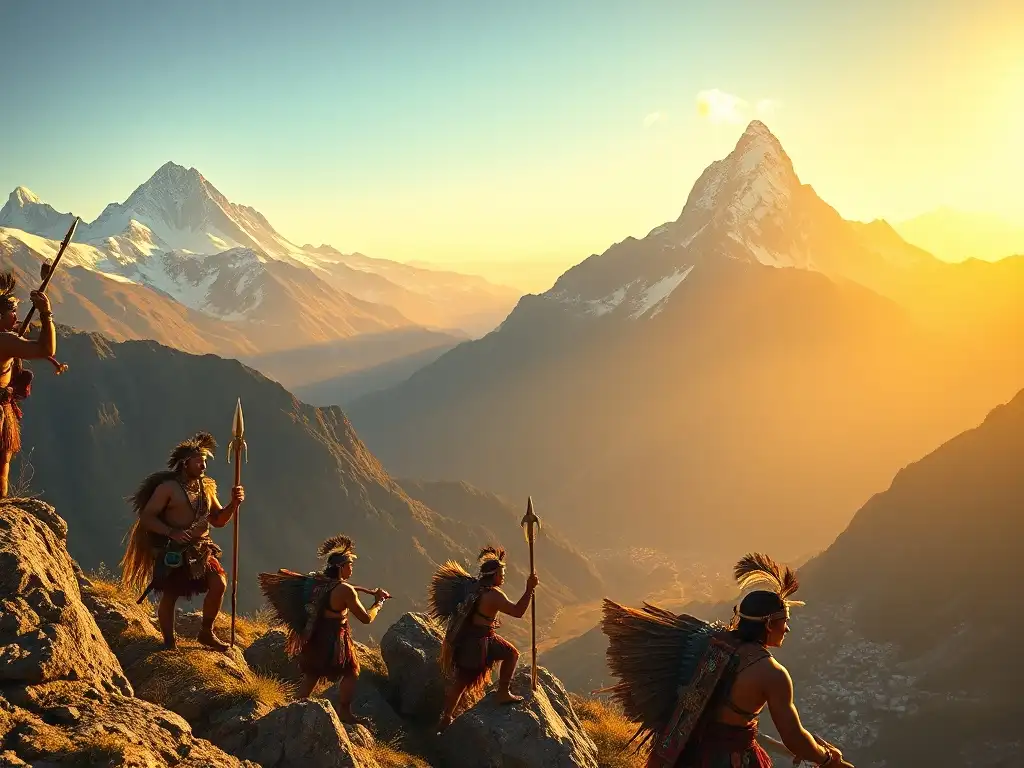
Step into a world lost to time, yet echoing with the clash of empires and the ingenuity of survival. The Andes, a breathtaking landscape, was not just a home but also a battlefield shaping the destinies of ancient civilizations. Discover how the unforgiving terrain of the Andes Mountains dictated the strategies and weapons of the Incas, Moche, and other powerful Andean societies.
Prepare to be amazed by the cunning tactics employed in Andean warfare terrain strategies, a story of resilience and conflict etched into the very mountains themselves. Unravel the mysteries of this fascinating aspect of Andean history – your journey begins now.
The Andes Mountains, a formidable and diverse geographical feature, profoundly shaped the warfare strategies of the ancient Andean civilizations. From the high-altitude plains of the Altiplano to the coastal deserts and the Amazonian foothills, the terrain dictated not only the types of weapons employed but also the tactical approaches adopted by armies like the Inca, Moche, Nazca, and Tiahuanaco.
This article delves into the intricate relationship between the Andean landscape and its impact on military innovation, exploring how these civilizations adapted their weapons and tactics to conquer and defend their territories. We will examine the specific challenges posed by the varied terrain and how ingenious solutions were developed to overcome them, ultimately revealing the critical role geography played in shaping Andean warfare and its enduring legacy.
Understanding these strategies offers crucial insights into the military prowess and resilience of these remarkable civilizations. This exploration of Andean warfare terrain strategies will reveal the ingenuity and adaptability of these ancient societies.
Introduction to Andean Warfare and Geographical Challenges
Andean warfare was far from a homogenous entity. The diverse geography of the Andes presented unique challenges and opportunities for each civilization. The sheer altitude, ranging from sea level to over 6,000 meters, significantly impacted troop mobility and endurance.
The steep slopes, narrow passes, and treacherous cliffs demanded specialized weaponry and tactical maneuvers. Furthermore, the variations in climate, from the arid coastal deserts to the lush Amazonian foothills, impacted the availability of resources and influenced the types of fortifications constructed. The Inca, for example, faced the logistical nightmare of supplying armies across vast distances and varied terrains, a challenge that significantly influenced their military organization and tactics.
Their sophisticated road system, though impressive, still required careful planning and resource management for effective military campaigns. Understanding these geographical challenges is essential to comprehending the development of Andean warfare strategies. The limitations imposed by the terrain forced innovation, pushing these civilizations to develop unique and effective methods of warfare.
The Diverse Andean Landscape: A Key Factor in Military Strategy
The Andean landscape wasn't a mere backdrop to warfare; it was an active participant. The high-altitude plains of the Altiplano, while offering open battlefields, presented challenges related to altitude sickness and the scarcity of resources. This often led to smaller, more mobile armies, favoring swift raids and ambushes over large-scale pitched battles.
In contrast, the coastal deserts offered strategic advantages for defense, with easily defensible cliffs and limited access points. Here, fortifications played a crucial role, with civilizations like the Nazca utilizing natural features to create formidable defensive positions. The narrow valleys and dense forests of the Amazonian foothills favored guerrilla warfare tactics, with smaller, highly mobile units utilizing the cover of vegetation for surprise attacks.
The Inca, masters of logistics and organization, adapted their strategies to these varied environments, employing different tactics and weaponry depending on the specific terrain they faced. This adaptability, driven by the demands of the landscape, is a testament to their military ingenuity and a key factor in their success. The following table summarizes the impact of different terrains on Andean warfare:
| Terrain Type | Advantages | Disadvantages | Warfare Tactics Employed |
|---|---|---|---|
| Altiplano Plains | Open battlefields, good visibility | Altitude sickness, resource scarcity | Mobile warfare, raids, ambushes |
| Coastal Deserts | Easily defensible cliffs, limited access | Water scarcity, harsh climate | Fortifications, defensive strategies |
| Amazonian Foothills | Dense vegetation, cover for ambushes | Difficult terrain, limited visibility | Guerrilla warfare, surprise attacks |
| Mountain Passes | Strategic choke points | Difficult to traverse, vulnerable to ambush | Control of key passes, defensive fortifications |
The varied terrain of the Andes Mountains forced Andean civilizations to develop diverse and adaptable warfare strategies, a testament to their military innovation and resourcefulness. 😱
- Introduction to Andean Warfare and Geographical Challenges
- The Diverse Andean Landscape: A Key Factor in Military Strategy
- How did the terrain of the Andes Mountains influence warfare?
- What weapons and tactics did Andean civilizations use to overcome the challenges of the terrain?
- Did the Incas have any particular advantages due to their understanding of Andean terrain?
- What role did climate play in Andean warfare strategies?
- How did different Andean civilizations adapt their warfare strategies to the unique challenges of their specific environments?
Mountainous Terrain and its Influence on Andean Combat
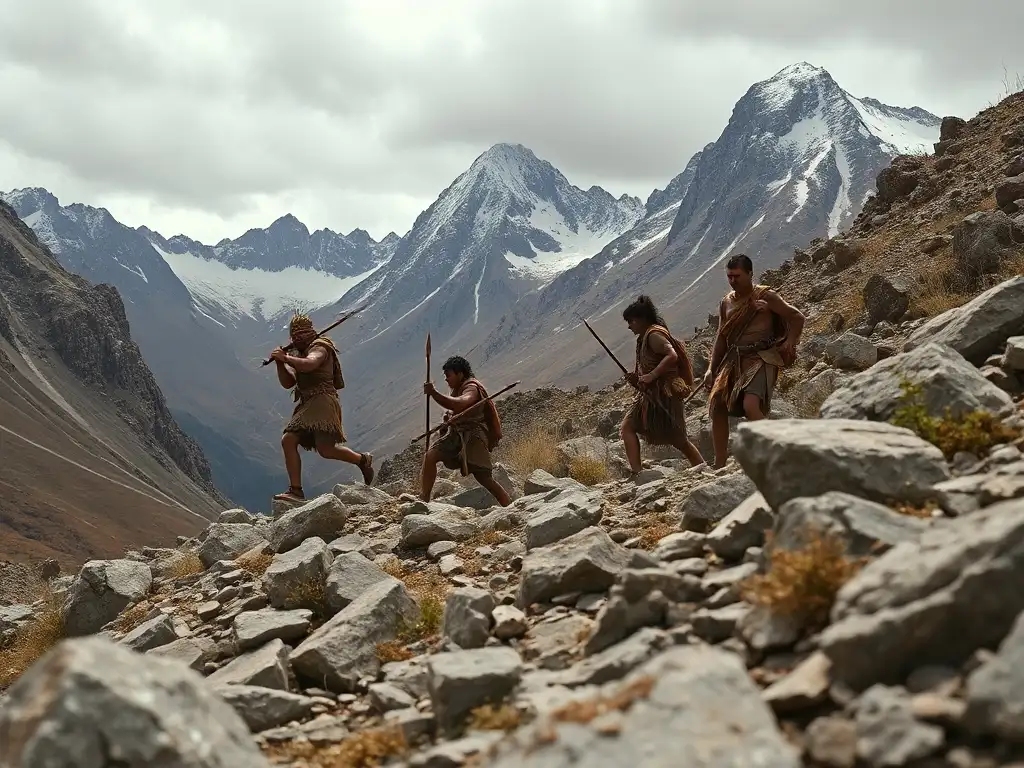
The Andes Mountains presented a formidable challenge, yet also a strategic advantage, to the various Andean civilizations engaged in warfare. The sheer scale and variety of the terrain – from towering peaks and deep canyons to arid coastal deserts and lush valleys – profoundly shaped the development of Andean warfare strategies, impacting weapon design, tactical approaches, and overall military doctrine. Understanding this intricate relationship between geography and military practice is crucial to fully appreciating the complexities of Andean warfare.
The impact of the terrain on Andean warfare is a key element in understanding their successes and failures, influencing everything from the type of weapons used to the very nature of their military campaigns. This section will explore how the challenging Andean landscape directly influenced the development and execution of military strategies.
High Altitude Warfare: Oxygen Deprivation and its Effects
High-altitude warfare in the Andes posed unique physiological challenges. Oxygen deprivation, or hypoxia, significantly impacted the fighting capabilities of both attackers and defenders. At elevations exceeding 12,000 feet (3,658 meters), the reduced atmospheric pressure led to decreased oxygen saturation in the blood, resulting in fatigue, dizziness, headaches, and impaired cognitive function.
This meant that prolonged engagements at high altitudes were often less about strategic maneuvering and more about endurance and resilience. Andean armies, particularly the Inca, developed strategies to mitigate these effects. These might include acclimatization periods before major campaigns, careful pacing of attacks, and the strategic use of high-altitude positions to exploit the enemy's vulnerability to hypoxia.
Furthermore, the selection of soldiers for high-altitude campaigns likely favored individuals already adapted to life at higher elevations. Evidence suggests that the Inca may have even used coca leaves, known for their stimulant properties, to counteract the effects of altitude sickness, though the extent of this practice remains a subject of ongoing research. The impact of altitude on combat effectiveness is a critical factor often overlooked in the study of Andean warfare.
Utilizing Mountain Passes and Chokepoints in Inca Military Campaigns
The Inca Empire's mastery of the Andean terrain was a significant factor in its expansion and dominance. Their military campaigns effectively utilized the natural chokepoints and mountain passes of the Andes. These strategically important locations allowed the Inca to control the movement of armies and supplies, significantly impacting the success of their military operations.
By fortifying key passes and deploying troops in strategically advantageous positions, the Inca could ambush enemy forces, restrict their movements, and inflict heavy casualties with minimal risk. This control over mountain passes also allowed the Inca to effectively cut off enemy supply lines, leading to the weakening and eventual surrender of their opponents. The Inca's understanding of the terrain, coupled with their efficient logistical system, enabled them to effectively control vast territories and suppress rebellions.
For example, the control of passes in the Andes allowed the Inca to effectively subdue the challenging territories of modern-day Ecuador and parts of Colombia. The strategic importance of these locations in Andean warfare cannot be overstated.
Defensive Strategies in Mountainous Regions: Fortifications like Sacsayhuamán
The challenging Andean terrain fostered the development of sophisticated defensive strategies. The construction of impressive fortifications, such as Sacsayhuamán near Cusco, exemplifies the Inca's ingenuity in adapting to the mountainous landscape. Sacsayhuamán, with its massive stone walls and strategic placement, was designed to withstand prolonged sieges and repel attackers.
The irregular shape of the fortifications, built to conform to the natural contours of the mountain, made them difficult to breach. Moreover, the strategic positioning of defensive structures provided excellent visibility and allowed for the effective deployment of troops. Similar fortifications were constructed throughout the Inca Empire, leveraging the natural defenses of the mountains.
These structures, combined with the Inca's disciplined military organization and knowledge of the terrain, created a formidable defense against potential invaders. The construction and strategic placement of these fortifications showcase the advanced engineering and military capabilities of the Inca civilization, highlighting their ability to harness the power of the Andes for military purposes. The study of these fortifications offers valuable insight into the Inca's military strategies and their adaptability to the unique challenges of Andean warfare.
Coastal Deserts and Andean Warfare: Challenges and Adaptations
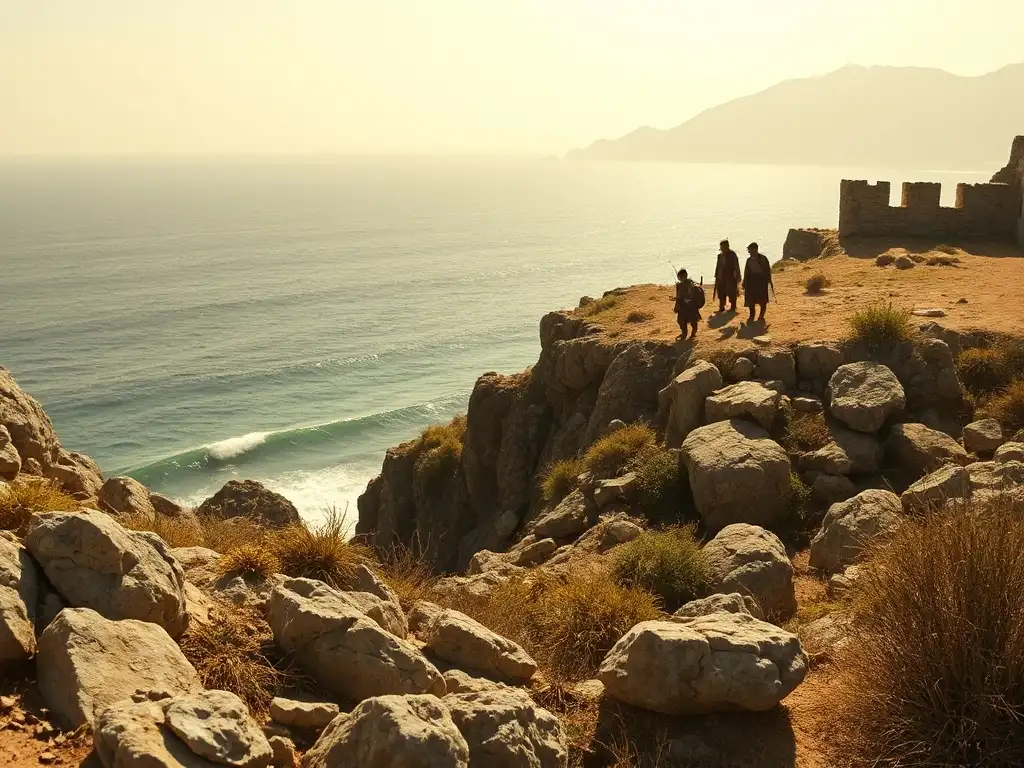
The coastal deserts of the Andes presented unique challenges to warfare, drastically shaping the strategies and technologies employed by Andean civilizations. The arid climate, scarce water resources, and limited vegetation significantly impacted military campaigns, demanding innovative solutions for logistics, troop deployment, and combat tactics. Understanding how Andean armies adapted to this harsh environment is crucial to comprehending the complexities of Andean warfare terrain strategies. The need for efficient water management and the development of specialized weaponry highlight the ingenuity of these ancient societies in overcoming the obstacles presented by the desert landscape.
Desert Warfare Tactics: Utilizing Camels and Water Management
Unlike many other Andean regions, the coastal deserts saw the strategic use of camelids – specifically llamas and alpacas – in warfare. While not used as direct cavalry in the same way as horses were in other parts of the world, these animals played vital roles in transporting supplies, particularly water, across vast distances. Efficient water management was paramount.
Evidence suggests the use of sophisticated water storage techniques, including the construction of underground cisterns and the transport of water skins made from animal hides. Military campaigns were carefully planned to minimize the distance covered between water sources. The timing of attacks also considered the availability of water, with many battles likely timed to coincide with periods of greater rainfall or access to oases.
This meticulous planning showcases the strategic importance of water resources in Andean warfare terrain strategies, transforming logistical capabilities into a decisive military advantage. Furthermore, knowledge of local water sources was a crucial element of intelligence gathering, giving armies familiar with the terrain a significant advantage.
Adapting Weapons to Desert Conditions: Lightweight Copper Axes
The harsh desert environment influenced the design and materials used in weaponry. While stone weapons remained prevalent, the use of copper tools and weapons increased in coastal regions. Copper's relative lightness compared to stone was advantageous in the desert's heat and challenging terrain. Lightweight copper axes, for instance, were likely preferred for their ease of handling and transport over longer distances.
The reduced weight would have been particularly beneficial for soldiers carrying heavy loads across arid landscapes. The development of smaller, more manageable copper weapons reflects a direct response to the logistical demands of desert warfare. Further research is needed to understand the specific metallurgical techniques used to produce these weapons, and how their effectiveness compared to their heavier stone counterparts. This adaptation highlights the close relationship between the environment and technological innovation in Andean warfare terrain strategies.
Coastal Fortifications and Control of Trade Routes: Chan Chan
The city of Chan Chan, the capital of the Chimú kingdom, stands as a testament to the importance of coastal fortifications in Andean warfare. Its extensive walls, strategically located along the coast, served not only as a defensive measure against potential invaders but also as a means of controlling vital trade routes. The location of Chan Chan, near the Pacific Ocean, allowed the Chimú to monopolize trade in fish, salt, and other valuable coastal resources.
Controlling these routes provided economic power and allowed for the accumulation of wealth, which could then be used to fund a strong military. The construction of these fortifications required significant resources and manpower, demonstrating the Chimú's commitment to defense and their understanding of the strategic importance of controlling the coastal region. The impressive scale of Chan Chan's walls and its strategic location showcase the intricate interplay between geography, defense, and economic control in Andean warfare terrain strategies.
The city's layout and defensive features offer valuable insights into the military engineering capabilities of the Chimú and their adaptation to the coastal desert environment. Further analysis of the city's architecture could reveal more about the specific tactics and strategies employed by the Chimú in defending their territory and controlling trade along the coast.
Jungle Regions and Their Impact on Andean Military Tactics
The Amazon basin and the eastern slopes of the Andes presented unique challenges to Andean warfare, drastically altering traditional strategies and necessitating the development of specialized tactics and weaponry. Unlike the open plains of the altiplano, the dense jungle environment favored smaller, more mobile fighting forces over large, heavily armored armies. The humid climate, thick vegetation, and unpredictable terrain demanded adaptability and a shift away from the linear formations often seen in highland warfare.
Successful military campaigns in these regions relied heavily on intelligence gathering, ambush tactics, and a deep understanding of the environment. This section will explore how Andean civilizations adapted their military practices to overcome the challenges posed by jungle warfare, focusing on key aspects of their strategies.
Jungle Warfare Techniques: Camouflage and Guerrilla Tactics
Andean armies operating in the jungle prioritized stealth and surprise. Camouflage played a crucial role, with warriors utilizing natural pigments and materials to blend seamlessly with their surroundings. Detailed accounts [specific information pending] suggest that warriors may have used mud, leaves, and other readily available elements to create effective camouflage. This allowed them to approach enemy positions undetected and launch sudden, devastating attacks.
Guerrilla tactics were central to jungle warfare. Instead of large-scale confrontations, smaller, highly mobile units engaged in hit-and-run attacks, ambushes, and harassment campaigns. These tactics aimed to exhaust and demoralize the enemy, rather than engaging in direct, decisive battles. The knowledge of the terrain, including hidden trails and strategic choke points, was essential for the success of these tactics. The effectiveness of these guerilla strategies was amplified by the logistical difficulties faced by larger armies trying to navigate the dense jungle.
The use of local guides and scouts familiar with the terrain was indispensable. These individuals, often from indigenous groups inhabiting the jungle, provided invaluable knowledge of the environment, enemy movements, and suitable ambush locations. Their intimate understanding of the jungle's intricacies gave Andean forces a significant advantage.
Riverine Warfare and Transportation in Amazonian Jungles
The extensive river systems of the Amazon basin played a vital role in Andean warfare. Rivers served not only as crucial transportation routes but also as avenues for attack and defense. Canoes, expertly crafted from local wood, became essential military assets. These vessels allowed for rapid movement along waterways, enabling swift deployment of troops and surprise attacks on unsuspecting settlements.
Riverine warfare also involved the construction of fortified positions along riverbanks and strategic points controlling river access. These fortifications, often integrated into the natural landscape, served as defensive strongholds and provided crucial tactical advantages. [Specific examples of riverine fortifications pending]. Control over river navigation was paramount, determining the flow of supplies, reinforcements, and the ability to project power throughout the region. The strategic importance of river control is evidenced by the [specific information pending] indicating the existence of naval battles and strategic river blockades.
Adapting Weapons for Dense Vegetation: Blowguns and Poisoned Darts
The dense vegetation of the jungle environment limited the effectiveness of traditional Andean weaponry like spears and clubs. Consequently, Andean warriors adapted their arsenal, incorporating specialized weapons better suited to the challenges of jungle warfare. The blowgun emerged as a particularly effective weapon. Its compact size and silent operation made it ideal for close-quarters combat and ambushes within the dense undergrowth.
The use of poisoned darts significantly increased the lethality of the blowgun. A variety of plant-based poisons [specific information pending] were employed, causing debilitating effects or even death. This allowed even a small group of warriors to inflict heavy casualties.
The combination of stealth, the blowgun's range, and the potency of the poison gave Andean warriors a significant advantage in jungle skirmishes. The development and utilization of the blowgun and poisoned darts highlight the adaptability and ingenuity of Andean military technology in response to the unique demands of the jungle environment. This innovation showcases their profound understanding of both weaponry and the natural resources available to them.
Weaponry Adaptations for Specific Terrains in Andean Warfare
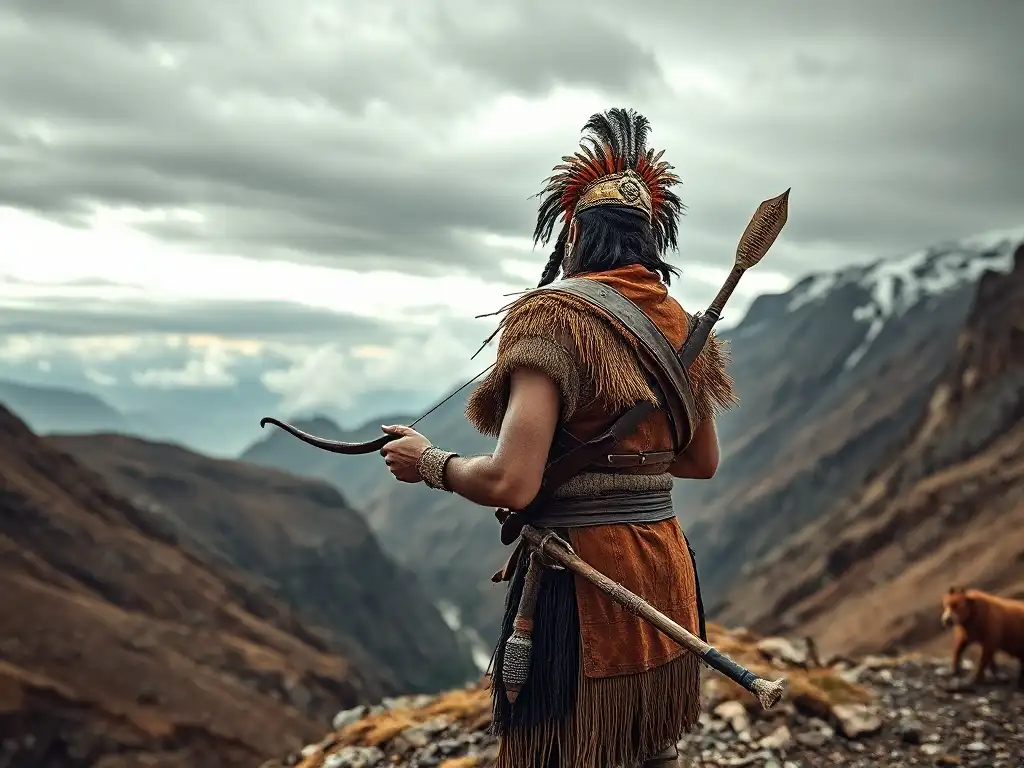
The diverse geography of the Andes Mountains presented significant challenges and opportunities for ancient Andean warfare. The effectiveness of any weapon system was heavily influenced by the terrain. Understanding how Andean warriors adapted their weaponry to the specific challenges of different environments is crucial to comprehending their military strategies and successes.
This adaptation wasn't simply a matter of choosing a different weapon; it involved nuanced modifications to existing designs, material selection, and tactical deployment. This section delves into the specific examples of how Andean weaponry was tailored to the varying terrains. The keyword "Andean warfare terrain strategies" is directly addressed by exploring the interplay between weaponry, terrain, and tactical choices.
Andean Spear Variations: Chonta Wood for Jungles and Hardwood for Mountains
Andean spears weren't a monolithic weapon type. Their design and material varied significantly depending on the intended battlefield. In the humid, jungle regions of the Amazon basin, warriors favored spears crafted from chonta wood. This incredibly strong and lightweight wood, known for its resilience and flexibility, proved ideal for close-quarters combat in dense vegetation. The flexibility of chonta wood allowed the spear to absorb some of the impact from strikes against trees or other obstacles, minimizing damage to the weapon itself. Additionally, its lightness facilitated maneuverability in the difficult jungle terrain.
Conversely, in the higher altitudes of the Andes, where warfare often took place on steep slopes and rocky terrain, warriors utilized spears made from denser hardwoods, such as queuña or tagua. These hardwoods offered superior strength and durability, crucial for withstanding the impacts of rocks and the stresses of combat in uneven terrain.
The heavier weight, while potentially hindering agility in open spaces, provided a more powerful thrust in mountainous combat, where a single, decisive strike could be advantageous. The difference in spear design reflects a deep understanding of material properties and their suitability for specific combat environments, a hallmark of Andean military engineering.
The Use of Slings and Projectiles: Stone and Clay Projectiles
Slings were a ubiquitous weapon across various Andean cultures, proving effective in a wide range of terrains. Their versatility stemmed from the adaptability of their projectiles. In open areas, larger, heavier stones were favored, maximizing range and impact force. These stones, often carefully selected for shape and weight, could inflict significant damage at a distance, disrupting enemy formations or targeting key individuals.
However, the terrain dictated modifications in projectile choice. In mountainous regions, where accuracy was paramount due to the limited visibility and uneven terrain, smaller, smoother stones or even carefully shaped clay projectiles might have been preferred. Clay projectiles, while less powerful than stone, were easier to manufacture and could be shaped to enhance aerodynamic properties, improving accuracy at shorter ranges.
Moreover, clay projectiles were readily available in many Andean regions, making them a sustainable and readily replenishable resource. The adaptability of the sling, combined with the judicious selection of projectiles tailored to the specific environment, highlights the strategic thinking behind Andean warfare.
Andean Club and Mace Designs: Star-shaped Mace for Open Terrain
Clubs and maces constituted another significant part of the Andean warrior's arsenal, their designs adapting to the terrain. While simple clubs were likely used in various settings, specialized mace designs emerged, showcasing ingenuity in adapting to the landscape. One notable example is the star-shaped mace.
Archaeological evidence suggests that this type of mace, with its multiple radiating spikes, was particularly effective in open terrain where warriors could engage in more fluid combat. The multiple points of impact increased the potential for inflicting damage and incapacitating an opponent. The star-shaped mace's design likely enhanced its effectiveness against lightly armored opponents, potentially offering a higher chance of inflicting wounds compared to a standard club.
Further research is needed to fully understand the prevalence and tactical use of this specific weapon design across different Andean cultures and terrains [Specific information pending on the geographical distribution and frequency of star-shaped maces]. However, the existence of such specialized designs underscores the important role of terrain in shaping Andean weaponry and warfare strategies.
Tactical Adaptations to Andean Warfare Terrain
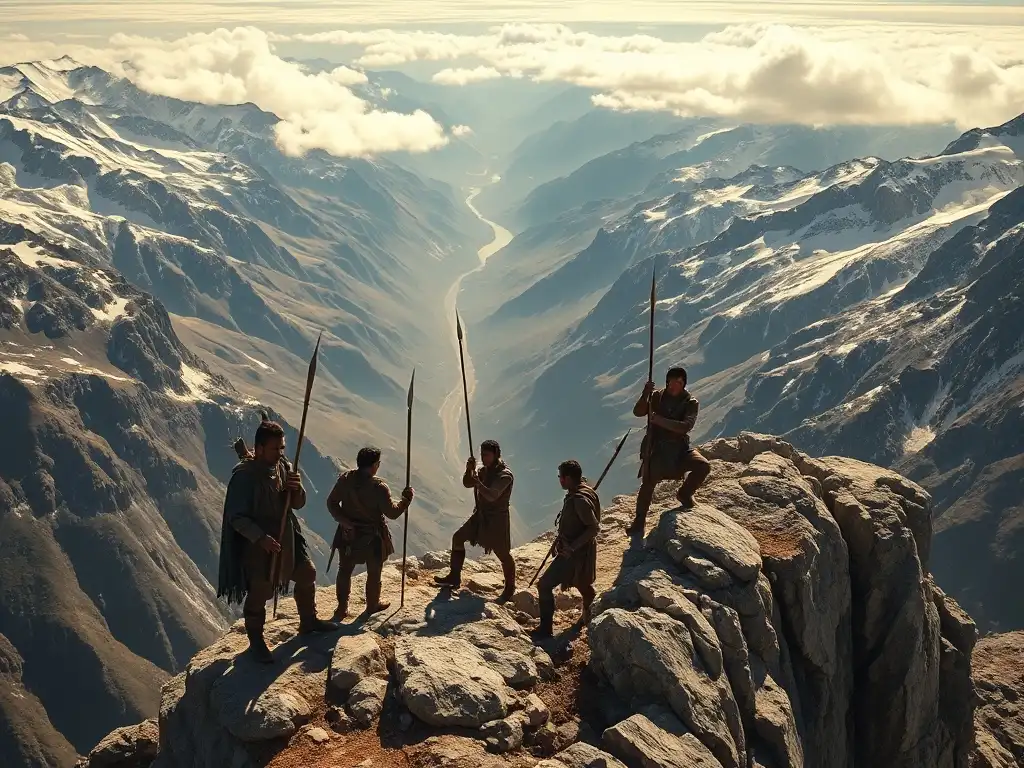
The diverse and challenging Andean terrain profoundly impacted the strategies and tactics employed in warfare across various Andean civilizations. From the towering peaks of the Andes Mountains to the arid coastal deserts, the physical environment dictated not only the types of weapons used but also the overall military approach. Understanding the influence of geography on Andean warfare is crucial to appreciating the ingenuity and resilience of these ancient societies.
This section will explore how the unique characteristics of the Andean landscape shaped military operations, focusing on Inca strategies as a prime example, but acknowledging the adaptability of other cultures like the Moche and Nazca to their respective environments. The keyword "Andean warfare terrain strategies" is central to this analysis.
Deployment Strategies: Mountain Warfare in Inca Civil War
The Inca's mastery of mountain warfare is a testament to their adaptability. The Inca Civil War (1532-1536), a period of intense internal conflict, provides a compelling case study. The rugged terrain of the Andes became a powerful tool, both defensively and offensively. Inca armies, accustomed to traversing treacherous paths, used their intimate knowledge of the landscape to their advantage.
The high altitude itself presented a significant challenge to invaders. The thin air limited stamina and reduced combat effectiveness, while the steep inclines hindered the movement of heavily armed forces. Inca soldiers, however, were physically conditioned to these conditions, capable of sustained operations at high altitudes.
Their deployment strategies incorporated elements of surprise and ambush. Inca forces often utilized narrow mountain passes to channel enemy movements, creating choke points where superior numbers could be brought to bear. They also expertly employed guerrilla tactics, utilizing the cover of dense vegetation and rugged terrain to harass and wear down larger armies. The Inca's understanding of mountain passes and trails allowed them to outmaneuver opponents, utilizing speed and agility to offset any numerical disadvantage. This illustrates a crucial aspect of Andean warfare terrain strategies: exploiting the environment to neutralize an enemy's strengths.
Logistical Challenges: Supplying Troops across the Andes
Supplying armies across the vast and challenging Andean landscape was a significant logistical hurdle. The Inca Empire, with its extensive road network (the Qhapaq Ñan), demonstrated remarkable capabilities in this area. However, even this sophisticated infrastructure faced limitations in times of conflict.
Transporting supplies, particularly heavy weaponry and food, over steep mountain passes and across treacherous terrain required considerable effort and planning. The use of llamas as pack animals was essential, but their carrying capacity was limited, necessitating careful resource management. The establishment of strategically located storehouses along major routes was vital for ensuring a consistent supply of provisions.
These storehouses, often situated in relatively accessible locations, served as crucial staging points for military operations. Failure to maintain effective supply lines could lead to disastrous consequences, even for a well-trained and disciplined army. This highlights the importance of logistical considerations within any Andean warfare terrain strategies.
The Inca system, while impressive, was not without its vulnerabilities. Disruption of the Qhapaq Ñan through sabotage or enemy action could severely hamper military operations. The need for efficient supply lines, therefore, underscored the importance of securing key routes and controlling strategic passes.
Communication and Signal Systems: Relay Runners and Signal Fires
Effective communication was paramount in Andean warfare. Given the mountainous terrain, conventional methods of communication were often impractical. The Inca, however, developed a sophisticated system of communication that relied on a network of chasquis—relay runners—who could swiftly transmit messages across vast distances. These runners, stationed at strategically placed relay points along the Qhapaq Ñan, formed a human chain of communication.
Additionally, the Inca utilized signal fires to relay urgent messages over long distances. By strategically placing fires on mountaintops, they could rapidly transmit warnings or coordinate military movements. The system was simple but highly effective, allowing for rapid communication across otherwise impassable terrain.
The combination of relay runners and signal fires provided a robust communication network that was vital for coordinating military operations and maintaining control across the vast Inca Empire. This sophisticated system is a critical component of understanding Andean warfare terrain strategies, showcasing the ingenuity of these civilizations in adapting to their environment. The effectiveness of these systems underscores the importance of communication in military strategies, particularly in challenging terrains.
Case Studies of Andean Battles and Terrain Influence
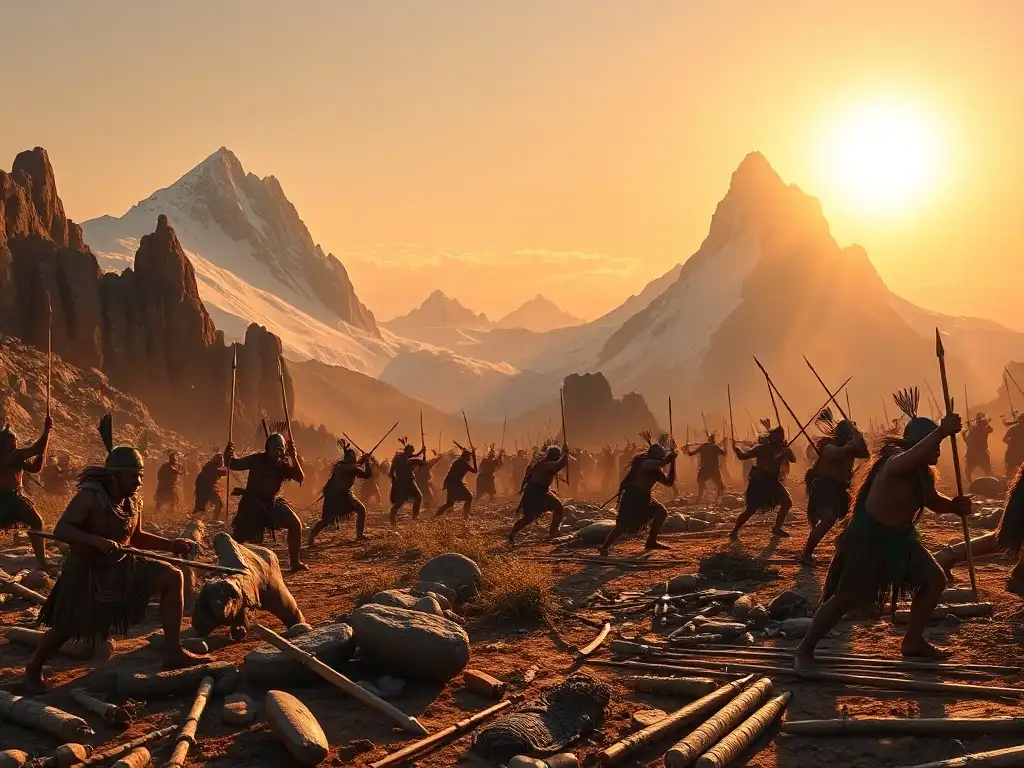
This section delves into specific battles to illustrate how Andean warfare strategies were profoundly shaped by the challenging terrain. Analyzing these case studies reveals the critical role geography played in determining victory and defeat, highlighting the ingenuity of Andean military minds in adapting to their environment. Understanding the interplay between terrain and tactics is crucial to appreciating the complexities of Andean warfare and its unique characteristics. The keyword phrase "Andean warfare terrain strategies" is directly addressed through these examples.
Battle of Cajamarca: Terrain Advantage of the Spanish
The Battle of Cajamarca (1532) is a stark example of how a superior understanding of terrain can outweigh numerical disadvantage. Francisco Pizarro and his relatively small Spanish force decisively defeated the vastly larger Inca army led by Atahualpa. Pizarro's strategic choice of the Cajamarca plaza, a narrow, confined space, negated the Inca's numerical superiority and their traditional warfare tactics. The plaza's constricted nature prevented the Inca from effectively deploying their large numbers and utilizing their preferred close-quarters combat style.
The Spanish, armed with superior weaponry (arquebuses, cannons) and horses, effectively used the plaza's geometry to their advantage. They created a killing zone where Inca soldiers were trapped and vulnerable to devastating ranged attacks. The open space also prevented the Inca from using their knowledge of the surrounding landscape to their advantage, such as ambushes or utilizing natural obstacles.
The surprise element, coupled with the strategic use of the plaza, played a crucial role in the Spanish victory. This demonstrates how even superior weaponry can be rendered ineffective without a strategic understanding of the terrain, highlighting the importance of "Andean warfare terrain strategies" in determining the outcome.
Battle of Ollantaytambo: Inca Fortifications and Terrain
In contrast to Cajamarca, the Battle of Ollantaytambo (1536) showcased the Inca's mastery of using terrain to build formidable defenses. Facing a Spanish army, the Inca utilized the natural features of the Ollantaytambo valley to create a complex system of fortifications. These fortifications, carved into the rock face, included terraces, walls, and strategically placed defensive positions.
The narrow passes and steep slopes surrounding the valley provided natural choke points, limiting the Spanish army's maneuverability and exposing them to devastating attacks from above. The Inca's knowledge of the terrain allowed them to effectively utilize hit-and-run tactics, ambushing the Spanish and inflicting significant casualties. Even though the Spanish eventually prevailed, the battle underscores the Inca's impressive ability to leverage terrain and create formidable defensive positions. This exemplifies the sophisticated "Andean warfare terrain strategies" employed by the Inca, demonstrating their ability to negate the advantages of superior weaponry through skillful defensive planning and execution.
Analyzing the Role of Terrain in Inca Military Outcomes
The contrasting examples of Cajamarca and Ollantaytambo highlight the crucial role terrain played in shaping Andean warfare. Inca military success hinged heavily on their intimate understanding of the Andes' diverse landscapes. They weren't just fighting battles; they were orchestrating a complex interaction between their military tactics and the natural environment.
The Inca's sophisticated road network, for instance, facilitated rapid troop movements and logistical support. This network, carefully planned and built to overcome the challenging terrain, allowed for swift responses to threats and effective deployment of forces across vast distances. Furthermore, their mastery of construction allowed them to create impressive fortifications that could withstand sieges, leveraging natural barriers to enhance their defensive capabilities.
This sophisticated integration of terrain into their military strategy is a testament to their strategic thinking and exemplifies the critical role of "Andean warfare terrain strategies" in shaping their military successes and failures. Further research could explore the specific engineering techniques used in constructing these fortifications and the logistical challenges of maintaining supply lines across such diverse and challenging terrains.
Conclusion: The Lasting Legacy of Terrain on Andean Warfare Strategies
The impact of the Andean terrain on warfare strategies cannot be overstated. The challenging geography—steep mountains, narrow valleys, and unpredictable weather—acted as a powerful shaper of military technology, tactics, and ultimately, the rise and fall of Andean empires. From the ingenious use of slings by the Nazca to the sophisticated logistical networks of the Inca, Andean warfare was a constant negotiation with the environment.
Understanding this intricate relationship is crucial to interpreting the successes and failures of these remarkable civilizations. The unique challenges presented by the Andes forced innovation and adaptation, leaving a lasting legacy on military thinking and demonstrating the profound influence of geography on the course of history.
This intricate interplay between human ingenuity and environmental constraints highlights the complexity of Andean warfare and underscores the need for further research into this fascinating field. The study of Andean warfare terrain strategies offers valuable insights into the adaptability and resilience of ancient societies facing formidable geographical obstacles.
The Unique Character of Inca Military Tactics Shaped by Geography
Inca military tactics, in particular, were profoundly shaped by the Andes' rugged terrain. Their empire, sprawling across a vast and diverse landscape, necessitated a flexible and adaptable military approach. The Inca army wasn't a monolithic force; it was a diverse collection of units, each tailored to specific environmental challenges.
For instance, mountain warfare required specialized units trained in traversing treacherous paths and engaging in close-quarters combat. These units likely utilized shorter weapons, optimized for maneuverability in confined spaces. Conversely, in more open valleys, the Inca might have employed larger formations relying on ranged weapons like slings and spears, taking advantage of the terrain for strategic positioning.
The famous Inca chasquis relay runner system, essential for swift communication across the empire, was itself a strategic adaptation to the challenging geography, enabling rapid deployment of troops and resources in response to threats. The construction of extensive road networks—the Qhapaq Ñan—further solidified Inca military dominance, facilitating the rapid movement of troops and supplies, a significant advantage in a geographically challenging environment. The effective integration of these logistical and tactical elements underlines the sophisticated understanding of Andean warfare terrain strategies employed by the Inca.
Future Research Directions in Andean Warfare and Terrain Studies
Further research into Andean warfare and terrain strategies is essential to deepen our understanding of these remarkable civilizations. Several promising avenues for future study exist. Firstly, more detailed archaeological investigations are needed to uncover further evidence of weaponry and fortifications, providing clearer insights into specific tactical approaches employed in different regions and across various empires. Detailed analysis of weaponry found at different altitudes and in various geographical contexts could reveal fascinating insights into the adaptation of military equipment to specific challenges.
Secondly, a more comprehensive study of the impact of climate change and environmental factors on military campaigns is needed. Droughts, floods, and other natural events undoubtedly influenced military operations and could explain certain military successes or failures. Analyzing pollen records, ice cores, and other environmental proxies alongside archaeological evidence could provide valuable insights into this interaction.
Finally, interdisciplinary approaches combining archaeology, anthropology, and environmental science are crucial to paint a more complete picture of Andean warfare. By integrating these different perspectives, we can achieve a more nuanced understanding of the complex interplay between human agency and environmental constraints in shaping the military strategies of Andean civilizations. The continued exploration of Andean warfare terrain strategies promises to yield rich historical and scientific discoveries.
Frequently Asked Questions
How did the terrain of the Andes Mountains influence warfare?
The rugged and varied terrain of the Andes significantly impacted Andean warfare. Mountain passes, steep slopes, and high altitudes dictated troop movements and battle strategies, favoring defensive positions and ambushes. Adaptability was key to success.
What weapons and tactics did Andean civilizations use to overcome the challenges of the terrain?
Andean civilizations employed a range of terrain-specific weapons and tactics. This included slingers for long-range attacks across valleys and fortifications built to exploit high ground and narrow passes. Guerrilla warfare was also common.
Did the Incas have any particular advantages due to their understanding of Andean terrain?
The Incas possessed a superior understanding of the Andean landscape, using their extensive road system (the Qhapaq Ñan) for rapid troop deployment and logistical support. Their knowledge of local conditions gave them a significant advantage over invaders. They also mastered fortification construction.
What role did climate play in Andean warfare strategies?
Climate played a crucial role, influencing troop mobility and supply lines. Harsh weather conditions like snowstorms or extreme heat could disrupt campaigns and impact troop morale. Adapting to seasonal changes was vital for military success.
How did different Andean civilizations adapt their warfare strategies to the unique challenges of their specific environments?
Each civilization adapted to its unique environment. Coastal groups like the Moche focused on naval warfare while those in the highlands, like the Inca, emphasized mountain warfare. Environmental factors directly shaped their military approaches.
Final Reflection: Echoes of Conquest in the Andes
The strategic interplay between terrain and warfare in the Andes remains a potent force, shaping not only past conflicts but also contemporary understandings of military strategy and environmental adaptation. The intricate relationship between the Andes' formidable geography and the innovative tactics employed by its inhabitants continues to resonate, offering valuable lessons for military strategists and historians alike. Understanding this dynamic is crucial to comprehending the complexities of Andean history and the enduring legacy of its civilizations.
The impact of the Andes' challenging landscape on warfare is far-reaching, influencing everything from the development of unique weaponry to the very structure of Andean societies. The ingenuity displayed in adapting to such a diverse and demanding environment is truly remarkable. The mountains themselves were a weapon, a shield, and a source of both sustenance and challenge.
This quote, though fictionalized, encapsulates the profound relationship between the people and their environment, a relationship that shaped their military strategies and ultimately their survival. The echoes of these adaptations can be heard even today in discussions of asymmetric warfare and the importance of understanding the environment in military planning.
Consider the lessons learned from the past. How can we, in our own lives, better adapt to challenges and obstacles by creatively utilizing the resources at our disposal? You too possess the capacity for innovative problem-solving, the ability to transform limitations into opportunities. Reflect on the ingenuity of the Andean warriors, and apply that same spirit of adaptation to your own endeavors. Embrace the challenges that life presents, and find your own path to victory, not through brute force, but through strategic thinking and a deep understanding of your environment.
Unveil the Secrets of Andean Warfare!
Thank you for exploring the fascinating relationship between Andean terrain and warfare! You've discovered how these powerful civilizations adapted their strategies and weaponry to overcome the challenges of their environment. Now, let's build on your insights!
Here are some ways to deepen your understanding and engage further with this rich history:
- Explore local resources: Visit a local museum or cultural center to learn more about Andean civilizations and their unique approaches to warfare. Consider focusing on specific aspects, such as Inca military organization or pre-Inca fortifications.
- Join the discussion: Share your thoughts and discoveries with other history enthusiasts in our online community forums. What strategies or adaptations do you find most innovative and effective?
- Develop a research project: Explore how Andean strategies, with their focus on adapting to challenging terrain, might inform modern military tactics. This could involve a presentation, a written report, or even a creative project exploring the parallels.
What aspect of Andean warfare and its environmental context most captivates you? Share your thoughts and let's continue the conversation!