
The Quiet Revolution: Exploring the Impact of Andean Tools on Daily Life


Step into a world lost to time, yet echoing with innovation. Imagine a society where ingenuity sculpted the very landscape, where the mountains themselves yielded the secrets to survival. The Andean civilizations, masters of their environment, left behind a legacy far beyond glittering gold – a legacy forged in the ingenuity of their tools. Discover how these remarkable instruments shaped daily life, from the simplest tasks to the grandest feats of engineering, in our exploration of the Andean tools impact on daily life. Prepare to be amazed.
The Andes Mountains, a spine of towering peaks running down the western coast of South America, nurtured a series of remarkable civilizations. From the sophisticated Incas to the enigmatic Nazca, these cultures weren't just defined by their impressive architecture and intricate artwork; they were also masters of technological innovation.
This article delves into the often-overlooked impact of Andean tools on the daily lives of these ancient peoples, revealing how ingenious implements shaped their societies, economies, and even their spiritual beliefs. We will explore how these tools, seemingly simple yet profoundly effective, facilitated advancements in agriculture, construction, textile production, and more, ultimately contributing to the remarkable achievements of Andean civilizations.
Understanding the role of these tools offers a unique perspective on the ingenuity and resilience of these ancient cultures and provides a fascinating glimpse into the complexities of their daily routines. We will explore a range of tools, examining their design, function, and societal implications, highlighting the crucial role they played in shaping the Andean world.
Agricultural Innovations: Shaping the Landscape and Sustenance
The success of Andean civilizations hinged on their ability to cultivate crops in challenging terrains. Ingenious tools played a crucial role in this achievement. The chaquitaclla, a foot-powered plow, allowed for efficient tilling of the steep slopes, maximizing arable land. This tool, along with sophisticated irrigation systems, enabled the cultivation of diverse crops like potatoes, maize, and quinoa, forming the basis of their diet and economy. The development of specialized tools for harvesting, such as sickles and harvesting knives made from obsidian or copper, further enhanced agricultural productivity. Consider the impact: a larger food surplus allowed for population growth, specialization of labor, and the development of complex social structures. The effectiveness of these tools was directly tied to the survival and prosperity of Andean communities. The design of the chaquitaclla, for example, reflects a deep understanding of soil mechanics and agricultural principles, showcasing a remarkable level of technological sophistication.
Further research is needed to fully understand the regional variations in agricultural tools and their impact on specific crops. [Specific regional data on tool variations pending]
Construction and Architecture: Building Empires from Stone
Andean civilizations are renowned for their impressive architectural feats, from the monumental structures of Machu Picchu to the intricate Nazca lines. The construction of these marvels relied heavily on specialized tools. Stone hammers, chisels, and finely crafted copper tools were used to shape and precisely fit massive stones, demonstrating an advanced understanding of engineering and craftsmanship.
The precision with which these stones were cut and placed is astonishing, showcasing both the skill of the artisans and the effectiveness of their tools. The development of effective tools for quarrying, transporting, and shaping stone was essential for the creation of monumental architecture and infrastructure, such as roads, irrigation canals, and impressive temples.
The ingenuity of these tools is evident in the longevity and structural integrity of many of these constructions, which stand as testaments to the skill and innovation of Andean builders. The process of moving enormous stones over challenging terrain, for example, required advanced planning and the use of specialized tools and techniques, which we are still only beginning to fully understand.
Textile Production: Weaving Threads of Culture and Identity
Textiles played a vital role in Andean societies, serving both practical and symbolic purposes. From warm clothing to intricate tapestries, the production of textiles involved a range of specialized tools. Spindles and looms, often crafted from wood and adorned with intricate designs, were fundamental to the weaving process. The quality and intricacy of Andean textiles, known for their vibrant colors and complex patterns, are a testament to the skill of the weavers and the efficiency of their tools.
The production of textiles was not merely a practical activity; it was deeply intertwined with social status and cultural identity. The use of specific dyes, patterns, and weaving techniques often signified social standing and regional affiliation. Further research into the specific types of dyes and their impact on textile production is needed to fully appreciate the extent of Andean textile technology. [Specific information on dye production techniques pending]
Beyond the Obvious: The Unsung Tools of Daily Life
While monumental architecture and agriculture often take center stage, the daily lives of Andean people were also shaped by a vast array of less-spectacular, yet equally vital tools. Simple tools like grinding stones (metates), for processing grains and other foods, were essential for food preparation. Knives, made from obsidian or other materials, served a multitude of purposes, from preparing food to crafting tools.
Even seemingly mundane tools reveal a sophisticated understanding of materials and design. The integration of these everyday tools into the daily routines of Andean people highlights the pervasive impact of technology on their lives. Analyzing the design and use of these tools offers a more complete picture of the technological sophistication of Andean civilizations, beyond the grander architectural achievements.
The study of these everyday tools provides valuable insights into the daily lives and social structures of Andean people. [Further research needed on the diversity of everyday tools and their regional variations]
- Agricultural Innovations: Shaping the Landscape and Sustenance
- Construction and Architecture: Building Empires from Stone
- Textile Production: Weaving Threads of Culture and Identity
- Beyond the Obvious: The Unsung Tools of Daily Life
- What was the most significant impact of Andean tools on daily life?
- How did Andean tools influence the construction of monumental structures?
- What materials were commonly used in the creation of Andean tools?
- Did Andean tool technology change over time?
- How did Andean tools impact the social structure of Andean societies?
Ancient Andean Tools: More Than Simple Implements
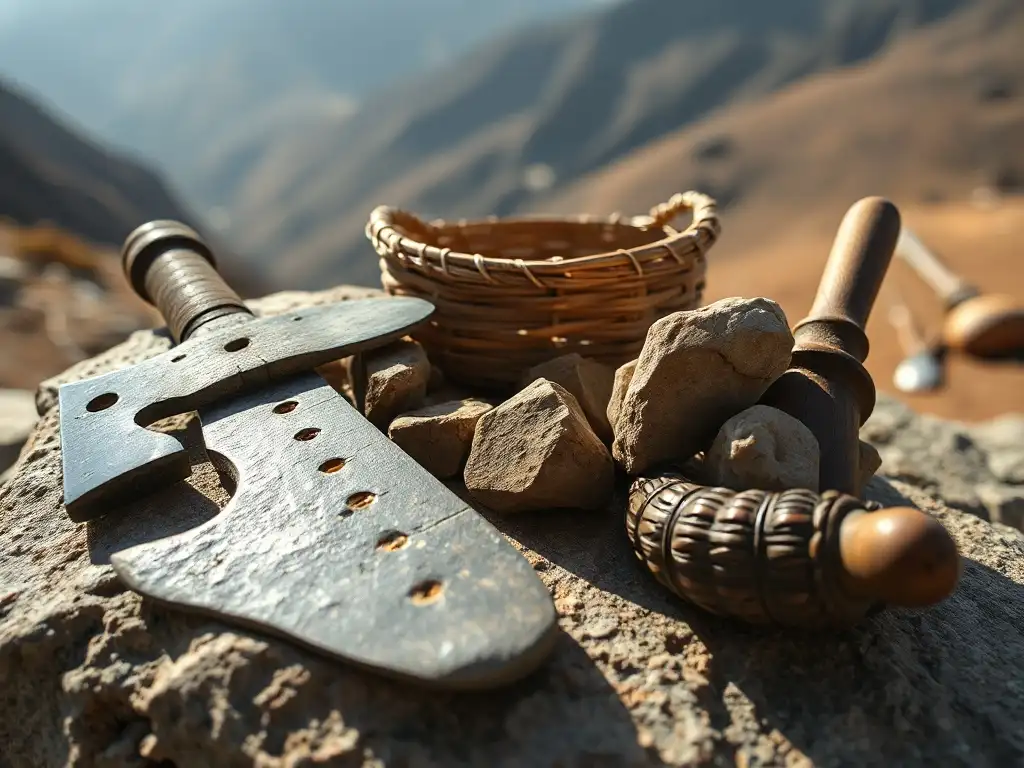
This section delves into the profound impact of Andean tools on the daily lives of ancient Andean civilizations. We'll move beyond a simple cataloging of implements to explore the ingenuity, resourcefulness, and societal implications embedded within their creation and use. Understanding these tools is key to understanding the societies that crafted them, revealing a level of technological sophistication often underestimated. The Andean tools impact on daily life was far-reaching, influencing everything from agriculture and construction to textile production and religious practices.
Understanding the Significance of Andean Technology in Daily Life
The Andean world, encompassing diverse cultures like the Inca, Moche, Nazca, and Tiahuanaco, was characterized by its adaptation to challenging geographical conditions. Steep mountains, arid deserts, and high altitudes demanded innovative solutions for survival and prosperity. Andean tools weren't merely functional; they were essential components of a complex system reflecting social organization, spiritual beliefs, and environmental adaptation. Their design and application reveal a deep understanding of materials science, engineering principles, and the rhythms of nature.
Consider, for example, the chaquitaclla, a foot-powered plow. This seemingly simple tool allowed for efficient cultivation of the often-difficult Andean terrain, significantly increasing agricultural yields. Its effectiveness stemmed not only from its design but also from the knowledge of soil types and planting techniques passed down through generations. The chaquitaclla wasn't just a tool; it was a symbol of agricultural prowess and a cornerstone of Andean food security.
Similarly, the sophisticated irrigation systems, built with carefully crafted stone channels and canals, were only possible due to the development of specialized tools for quarrying, shaping, and transporting stone. These tools enabled the creation of extensive networks that supported thriving agricultural communities. The impact of these tools on daily life was nothing short of transformative, allowing for population growth and the development of complex societies.
The Ingenuity Behind Andean Tool Design
The ingenuity of Andean tool design is evident in their efficiency, adaptability, and longevity. Many tools were crafted using readily available materials, but their effectiveness lay in the understanding of those materials' properties and the skillful application of techniques like hammering, grinding, and polishing. The design often incorporated ergonomic features, reflecting a concern for the comfort and efficiency of the user.
For instance, the toqapu, a type of Andean adze, featured a carefully shaped blade perfectly suited to the task of woodworking. Its curved design allowed for precise cuts and minimized effort. The handle, often crafted from a durable wood, was ergonomically designed to fit comfortably in the hand, reducing fatigue during prolonged use. Similarly, the intricate designs of weaving tools, such as the pallay, showcase an understanding of leverage and precision.
These tools allowed for the creation of incredibly intricate and durable textiles, vital for clothing, shelter, and religious ceremonies. The attention to detail in the design of these tools points to a deep understanding of both the materials and the tasks they were intended to perform. The impact of this design ingenuity on daily life was significant, resulting in higher quality products, increased productivity, and greater efficiency in various tasks.
Materials Used in Traditional Andean Tool Making
The selection of materials for Andean tools was dictated by availability and properties. Stone, wood, bone, and metal were commonly used, each chosen for its specific qualities. Obsidian, for its sharpness, was favored for blades; wood, for its strength and flexibility, was used for handles and shafts; and bone, for its durability, was used for smaller tools and implements. The utilization of these materials demonstrates a deep understanding of their strengths and weaknesses.
The transition to metalworking, particularly bronze and later copper alloys, marked a significant technological advancement. The ability to cast and shape metal allowed for the creation of stronger, more durable tools, further enhancing productivity. However, even with the introduction of metals, traditional materials like stone and wood continued to be used, demonstrating a pragmatic approach to toolmaking.
The strategic selection and combination of materials reflect a sophisticated understanding of materials science, and the impact on daily life was a gradual improvement in tool performance and longevity. Specific examples of the proportions of each material used in different tools across different Andean cultures are [specific information pending], but it's clear that resourcefulness and adaptation to available materials were key to the success of Andean toolmaking.
Agricultural Tools and Their Impact on Andean Life
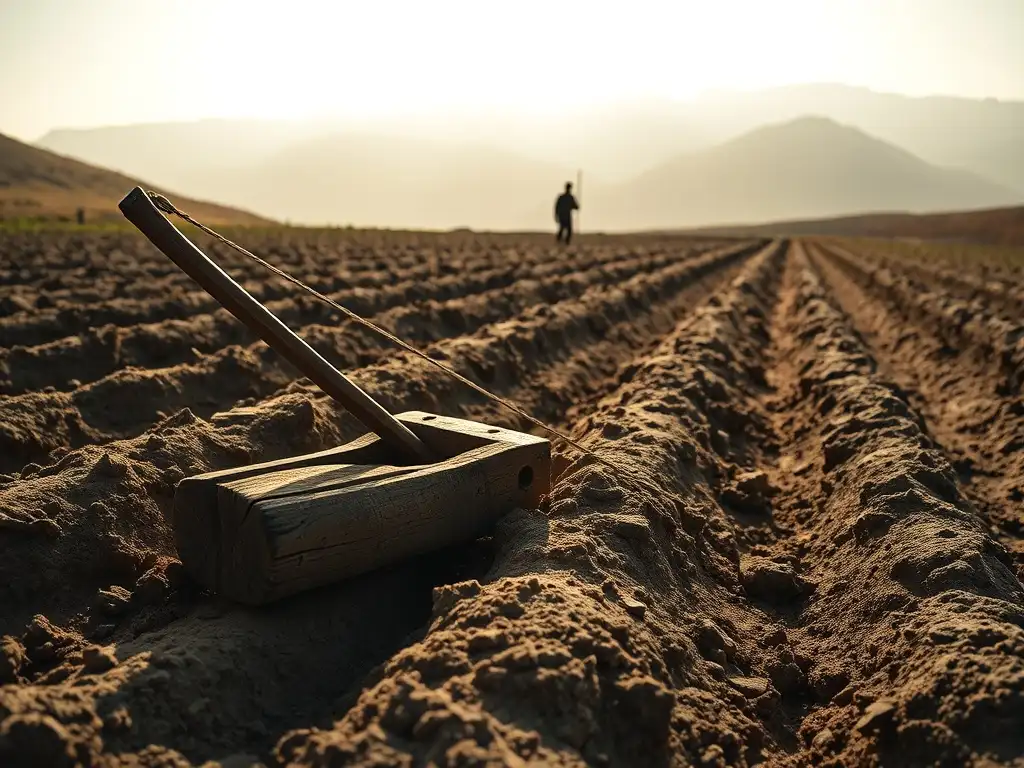
The Andean region's diverse geography, ranging from arid coastal deserts to high-altitude plains, demanded innovative agricultural techniques. The impact of Andean tools on daily life was profound, shaping not only food production but also social structures and the very landscape itself. These tools weren't merely instruments; they were integral to the survival and prosperity of Andean societies, reflecting a deep understanding of their environment and a remarkable ingenuity in adapting to its challenges.
The development and refinement of these tools over centuries allowed for increased agricultural yields, supporting larger and more complex populations. The following sections explore some key examples of these crucial implements.
The Chaquitaclla: Revolutionizing Andean Farming Techniques
The chaquitaclla, a foot-powered plow, stands as a testament to Andean ingenuity. Unlike animal-drawn plows found in other parts of the world, this tool was perfectly adapted to the Andean terrain and labor resources. Its design, a simple yet effective combination of wood and sometimes metal, allowed for efficient tilling of the soil, particularly in the challenging conditions of the highlands. The chaquitaclla minimized soil disturbance, preserving its structure and fertility. This was crucial in Andean agriculture, where maintaining soil health was paramount for sustainable farming practices.
The impact of the chaquitaclla extended beyond increased efficiency. Its use fostered a sense of community, as families and communities often worked together in the fields, sharing the labor and reaping the rewards. This collaborative aspect of farming strengthened social bonds and reinforced collective responsibility for the well-being of the community.
Archaeological evidence suggests its widespread use across various Andean cultures for centuries, highlighting its enduring significance in shaping Andean agricultural practices and social dynamics. Furthermore, its relatively simple construction meant it was readily accessible to a wide range of farmers, further contributing to its widespread adoption and impact on daily life.
The Andean Hoe: A Versatile Tool for Cultivation
The Andean hoe, a seemingly simple tool, played a multifaceted role in Andean agriculture. Its design varied depending on the specific region and the type of soil being worked, showcasing adaptability and regional variations in toolmaking. Some hoes were made from wood, others from stone or metal, reflecting the available resources and the specific needs of the agricultural task. The versatility of the hoe made it indispensable for a variety of agricultural activities, including weeding, planting, and harvesting.
Its use was not limited to large-scale farming. The Andean hoe was also an essential tool for cultivating smaller plots of land near villages and homes, providing families with a supplementary food source. This accessibility fostered a degree of self-sufficiency and food security at the household level, reducing reliance on centralized food distribution systems. The enduring legacy of the Andean hoe is evident in its continued use in some Andean communities even today, demonstrating its lasting impact on agricultural practices and daily life.
Terracing and the Role of Specialized Tools
Andean agriculture is renowned for its sophisticated terracing systems, which transformed steep slopes into productive farmland. This remarkable feat of engineering required specialized tools and techniques. While the chaquitaclla and hoe were crucial for cultivation within the terraces, other tools were necessary for the initial construction and maintenance of these impressive agricultural landscapes. These included stone tools for carving and shaping the terraces, as well as systems of irrigation canals and channels that required specialized instruments for construction and maintenance.
The construction and maintenance of terraces was a communal effort, requiring significant labor investment. This collaborative work further strengthened community ties and fostered a shared sense of ownership and responsibility for the land. The impact on daily life was substantial, as the terraces not only increased arable land but also helped to control water erosion and conserve soil moisture, crucial factors in the success of Andean agriculture in challenging environments.
The development and implementation of these terracing techniques, facilitated by specialized tools, represent a significant achievement in Andean engineering and a clear example of how tools shaped the very landscape and daily lives of Andean peoples. The long-term impact of these systems is still visible today in many Andean regions.
How Andean Agricultural Tools Shaped Food Production
Andean agricultural tools played a pivotal role in shaping food production, significantly impacting the sustenance and societal structures of these ancient civilizations. The ingenuity of these tools allowed for the cultivation of diverse crops in challenging terrains, contributing to the development of complex agricultural systems that supported large populations. The effectiveness of these tools directly correlated with the success of Andean agriculture, influencing everything from crop yields to the overall economic stability of these societies.
The impact wasn't merely about quantity; it was also about quality and diversity. The ability to cultivate a variety of crops ensured nutritional security and resilience against crop failures.
The development of sophisticated irrigation systems, facilitated by tools like canals and channels carved with stone implements, allowed for controlled water distribution to fields, even in arid regions. This wasn't a simple process; it required intricate understanding of water flow, topography, and seasonal variations. The tools used to build and maintain these systems, including picks, shovels, and leveling tools made from stone and metal, demonstrate a high level of technological sophistication.
The precision needed to create effective irrigation networks highlights the advanced engineering skills of Andean societies. This control over water resources was a critical factor in allowing them to cultivate crops that would otherwise not thrive in the harsh Andean environment.
Furthermore, the design and use of tools like the chaquitaclla (a foot-powered plow) and various types of hoes significantly increased efficiency in planting and harvesting. The chaquitaclla, in particular, is a testament to the innovative spirit of Andean farmers. Its design, allowing for efficient tilling of the soil with minimal physical strain, allowed for the cultivation of larger areas of land.
The development of specialized tools for different crops and soil types further enhanced productivity. This specialization reflects a deep understanding of agricultural practices and the specific needs of various crops grown in the diverse Andean ecosystems.
Different tools were used for different stages of cultivation, from preparing the soil to harvesting and processing the crops, showcasing a sophisticated and integrated approach to farming. The impact of these tools on food production was undeniable, enabling the growth of surplus crops that supported population growth and the development of complex social structures.
Andean Tools for Construction and Infrastructure
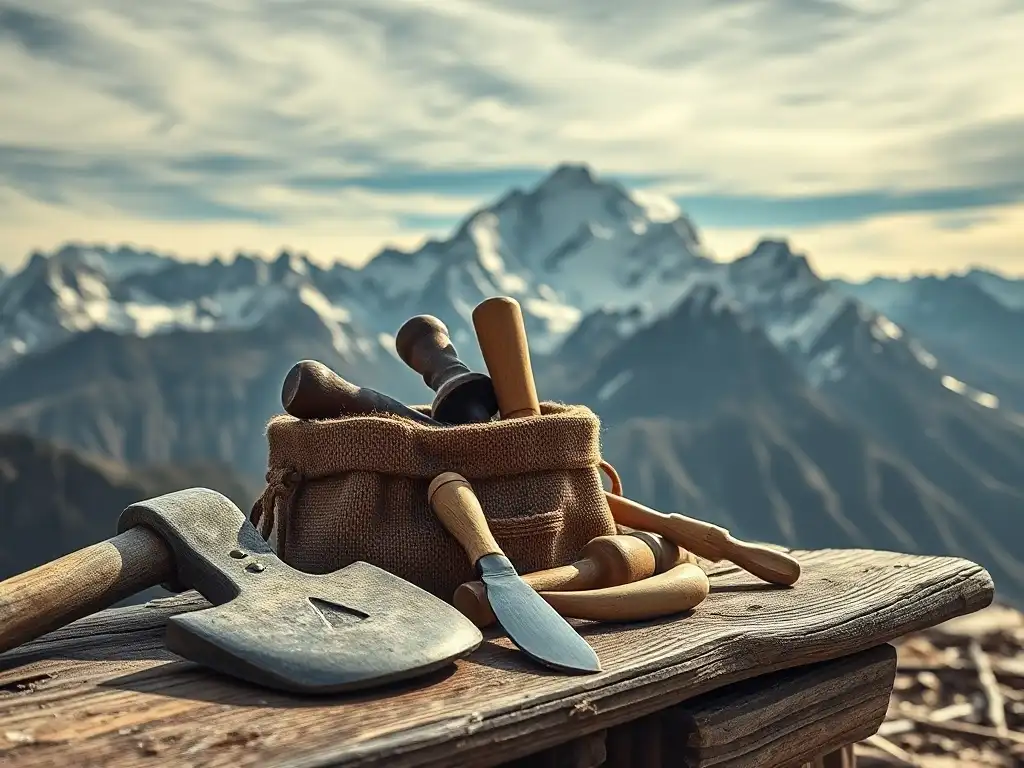
The impact of Andean tools on daily life is profoundly evident in the remarkable infrastructure these civilizations constructed. Their ingenuity in adapting available materials to create sophisticated tools allowed them to overcome significant geographical challenges and build impressive cities, temples, and agricultural systems. This section will delve into the specific tools used in construction and their influence on the Andean way of life.
The mastery of stonework, in particular, showcases the remarkable technological advancement of these cultures and its direct effect on their daily existence. Understanding the tools themselves gives us a deeper appreciation for the scale and complexity of their achievements. The seemingly simple act of building a house or irrigation canal was a testament to their technological prowess, directly impacting their daily lives, food security, and societal organization.
Stone Tools for Shaping Andean Architecture
Andean architecture is renowned for its precision and scale. This wasn't achieved through brute force, but through the skillful application of specialized stone tools. The most common were various types of hammers, chisels, and mallets, often made from hard volcanic rock like andesite or basalt.
These tools allowed for the precise shaping and fitting of massive stones, a feat particularly evident in sites like Machu Picchu and Sacsayhuamán. The creation of these tools themselves required considerable skill and knowledge of material properties. It wasn't simply a matter of finding a suitable rock; the process involved careful selection, shaping, and sharpening to optimize the tool's effectiveness.
Consider the painstaking effort required to create a finely honed chisel capable of carving intricate details into stone. This level of craftsmanship directly impacted the quality of Andean structures, making them remarkably durable and aesthetically pleasing, shaping the landscape and the daily lives of those who inhabited it.
The process involved much more than just the tools themselves. The selection of the appropriate stone for the tool, its shaping and sharpening techniques, and the understanding of its limitations all contributed to the final result. Furthermore, the efficiency of these tools directly translated into the speed and cost-effectiveness of construction projects, impacting resource allocation and the overall development of Andean societies.
The precision achieved with these tools allowed for the creation of complex interlocking stonework, minimizing the need for mortar and maximizing structural integrity. This directly affected the longevity of buildings and the safety of the people who lived and worked within them.
The Importance of Andean Leveling Tools
The construction of extensive terraces for agriculture and the creation of level platforms for buildings required advanced leveling techniques. While we lack detailed descriptions of every tool employed, evidence suggests the use of sophisticated leveling devices, likely incorporating plumb bobs, simple levels, and possibly even rudimentary surveying instruments. The accuracy of these leveling tools was crucial for the stability and functionality of both agricultural terraces and architectural structures.
A slight miscalculation in leveling could lead to significant problems, impacting the productivity of fields or the structural integrity of buildings. The impact on daily life was immense: successful leveling directly translated into increased agricultural yields and safer, more functional living spaces.
Imagine the meticulous work involved in creating a vast terraced landscape, each terrace perfectly level to maximize water retention and crop yield. This wasn't achieved through guesswork but through the precise application of leveling tools and techniques passed down through generations. The development and refinement of these tools were essential for the success of Andean agriculture, significantly impacting food security and contributing to the stability and prosperity of Andean societies.
This directly ensured the daily survival and well-being of the population. The precision of these tools also impacted the aesthetics of the landscape, creating visually stunning terraced hillsides that are still admired today.
Construction Techniques Enabled by Andean Implements
Andean construction techniques were heavily influenced by the tools available. The use of stone tools, combined with ingenious techniques like the precise fitting of stones without mortar (ashlar masonry), showcases a deep understanding of engineering principles. The development of effective tools for quarrying, transporting, and shaping massive stones allowed for the construction of monumental structures.
The impact on daily life extended beyond the mere construction of buildings. The skills and knowledge required to create and use these tools were passed down through generations, fostering a strong sense of community and shared expertise. The availability of sophisticated tools also allowed for specialization within the workforce, leading to greater efficiency and productivity.
Furthermore, the construction techniques themselves were often adapted to the specific tools and materials available in a given region. This adaptability is a testament to the ingenuity and resourcefulness of Andean civilizations. For example, the use of different types of stone and different construction techniques in various regions reflects the adaptation of tools and techniques to local conditions.
This highlights the intricate relationship between the tools, the materials, and the environment, all shaping the daily lives of the Andean people. The impact wasn't limited to the physical structures; it permeated the social and economic fabric of Andean society, influencing everything from labor organization to trade networks. The ability to build durable and impressive structures directly impacted social status, trade, and the overall power dynamics of Andean communities.
Legacy of Andean Engineering Through Its Tools
The ingenuity of Andean civilizations is profoundly reflected in their tools, which facilitated the construction of remarkable infrastructure that continues to amaze and inspire. Their mastery of stonework, for example, is evident in the precision and scale of their constructions. The intricate fitting of stones in sites like Machu Picchu showcases not only advanced architectural knowledge but also a sophisticated understanding of tool creation and utilization.
These weren't simply hammers and chisels; they were finely crafted instruments designed for specific tasks, reflecting a deep understanding of materials science and engineering principles. The effectiveness of these tools is demonstrated by the longevity of the structures they built, many of which have withstood the test of time and the elements for centuries. This enduring legacy speaks volumes about the effectiveness and sophistication of Andean tool technology.
The development of specialized tools wasn't a haphazard process. It was a gradual evolution driven by both necessity and innovation. Evidence suggests a continuous refinement of techniques and tool designs over generations, leading to increasingly efficient and precise methods of construction.
Archaeological findings reveal a diverse range of tools, each tailored for a particular purpose, from rough-hewing large stones to the meticulous carving of intricate details. This specialization suggests a highly organized and skilled workforce, capable of coordinating complex projects requiring a high degree of precision and teamwork. The sophisticated nature of these tools also hints at a strong understanding of metallurgy, as some tools were crafted from bronze and other alloys, demonstrating a level of technological advancement far beyond what was initially assumed.
Furthermore, the impact of Andean tools extended beyond the immediate construction process. The creation and maintenance of these tools themselves spurred economic activity, fostering specialized craftspeople and trade networks. The demand for high-quality materials and skilled labor created a vibrant economic ecosystem, contributing to the overall prosperity and stability of Andean societies.
The tools weren't simply instruments; they were integral components of a complex socio-economic system that fueled innovation and technological progress across various aspects of Andean life. The legacy of these tools is not only visible in the physical structures they helped create but also in the intricate societal structures they helped shape.
Understanding this legacy requires appreciating the tools not just as objects, but as pivotal agents of technological and societal advancement. The sheer scale and precision of Andean constructions are a testament to the effectiveness and sophistication of their tools, a legacy that continues to inspire awe and wonder.
Domestic Tools and Their Role in Andean Households

The impact of Andean tools on daily life was profound, shaping not only the practicalities of existence but also the cultural and social fabric of Andean societies. From the simplest household tasks to complex agricultural practices, the ingenuity and effectiveness of their tools are undeniable. Understanding these tools provides a crucial window into the daily routines, social structures, and resourcefulness of these remarkable civilizations. The Andean people's ability to adapt and innovate tool design based on available resources showcases a deep understanding of their environment and a remarkable capacity for problem-solving.
This section will examine some key domestic tools and their significant role in shaping Andean households. The ingenuity displayed in their design and use speaks volumes about the resourcefulness and adaptability of these ancient societies. The study of these Andean tools offers invaluable insight into the lives and cultures of these fascinating civilizations.
Weaving Tools: Creating Andean Textiles
Andean textiles represent a pinnacle of artistic and technological achievement. The creation of these intricate fabrics relied heavily on specialized weaving tools, reflecting both sophisticated craftsmanship and a deep connection to the environment. The most fundamental tool was the spindle whorl, a small, weighted disc used to spin yarn from fiber sources like alpaca, llama, and cotton. Different materials and designs of spindle whorls existed, showcasing regional variations and stylistic preferences.
The backstrap loom, a portable and versatile device, was essential for weaving. This loom used a harness system and a backstrap attached to the weaver's waist to control the tension of the warp threads, allowing for intricate patterns and high-quality textiles. The loom's portability facilitated weaving in various locations, highlighting the integration of textile production into daily life. Beyond these primary tools, numerous specialized implements assisted in the process, including:
- Shears: Used for preparing fibers and cutting threads.
- Needles: For mending and embellishing textiles.
- Weaving combs: For smoothing and compacting the woven fabric.
The production of textiles was not just a domestic task; it was a significant economic and social activity. The quality and intricacy of Andean textiles often reflected social status, with elaborate designs and fine materials reserved for elites. The tools used in their creation were, therefore, integral to the social hierarchy and economic systems of Andean societies. The mastery of these tools, passed down through generations, ensured the continuity of textile traditions and their enduring significance in Andean culture.
Pottery Tools: Shaping Daily Life
Pottery played a crucial role in Andean daily life, serving as containers for food, water, and other necessities. The creation of pottery involved a range of specialized tools reflecting both practical needs and artistic expression. The most fundamental tool was the potter's wheel, though its use varied across different Andean cultures. Some groups employed a slow wheel, while others relied on hand-building techniques. Regardless of the technique, the creation of pottery required several key tools:
- Modeling tools: These included various implements for shaping and smoothing the clay, such as wooden paddles, bone tools, and even shells.
- Burnishing tools: Used to create a smooth, polished surface on the pottery after it had been shaped.
- Incising tools: For decorating the pottery with intricate patterns and designs.
The types of clay used, along with the specific tools employed, varied regionally, resulting in a remarkable diversity of pottery styles across the Andes. The design and decoration of the pottery were often imbued with symbolic meaning, reflecting religious beliefs and cultural practices. The impact of pottery tools on Andean daily life extended beyond the practical function of the vessels themselves; they contributed to the rich artistic and cultural heritage of these civilizations. The diverse styles and techniques in pottery production demonstrate the sophisticated craftsmanship and artistic ingenuity of Andean peoples.
Cooking Implements and Food Preparation Methods
Andean cooking practices were diverse and sophisticated, relying on a range of tools and techniques adapted to the specific environments and available resources. The primary cooking method involved open-fire hearths, utilizing various tools for food preparation:
- Mortars and pestles: Used for grinding grains, spices, and other ingredients.
- Metates and manos: Similar to mortars and pestles, but larger and used for grinding larger quantities of food.
- Spatulas and stirring tools: For manipulating food during the cooking process.
- Cooking pots: Made from various materials, including clay, stone, and metal, depending on the region and available resources.
The types of cooking implements and techniques varied regionally, reflecting differences in diet and culinary traditions. The preparation of staple crops like maize, potatoes, and quinoa involved specific tools and techniques, showcasing a deep understanding of food processing and preservation. The use of these tools was not limited to individual households; communal cooking practices were common, particularly during festivals and other social gatherings.
The impact of these cooking tools on Andean daily life is evident in the diversity of their cuisine and the sophisticated methods employed in food preparation. The tools reflect the adaptation to diverse environments and a remarkable understanding of food production and preservation techniques.
Significance of Household Tools in Andean Culture
The development and use of household tools were not merely practical necessities for Andean civilizations; they held deep cultural significance, interwoven with daily life, social structures, and spiritual beliefs. These tools weren't just functional objects; they represented ingenuity, community, and a connection to the natural world. The creation and use of these implements were often tied to specific rituals and ceremonies, further highlighting their importance beyond mere utility. For instance, the meticulous crafting of a grinding stone wasn't simply a task; it was a process imbued with meaning, reflecting the respect for the materials used and the dedication to creating a tool that would serve the community for generations.
The passing down of these tools, often within families, represented the transmission of knowledge, skills, and cultural heritage. This continuity emphasized the enduring legacy of Andean craftsmanship and its profound impact on the social fabric. The efficiency and effectiveness of these tools, in turn, allowed for increased agricultural output and the development of more complex social structures. The very act of using these tools fostered a sense of community and shared experience, strengthening social bonds within Andean households.
The intricate designs and decorations found on some tools also suggest a connection to Andean art and aesthetics, blurring the lines between functionality and artistry. This fusion of practicality and artistry is a testament to the holistic worldview of Andean societies, where even everyday objects held symbolic weight. The significance of these tools extended beyond their immediate use, reflecting the deep-rooted values and beliefs that shaped Andean culture.
The Enduring Legacy of Andean Tools
The impact of Andean tools on daily life extended far beyond their immediate practical applications. These ingenious implements, crafted from readily available materials like stone, wood, bone, and metal, fundamentally shaped the social, economic, and cultural landscapes of the Andes. Their effectiveness in agriculture, construction, and textile production fostered population growth, enabled the construction of impressive cities and infrastructure, and contributed to the development of complex social hierarchies.
Understanding the significance of Andean tools requires appreciating their role not just as individual instruments but as integral components of a sophisticated technological system finely tuned to the Andean environment. The efficiency and adaptability of these tools allowed Andean societies to thrive in challenging terrains, showcasing a remarkable level of ingenuity and resilience. This technological prowess is a testament to the deep understanding these cultures possessed of their environment and the needs of their communities.
How Andean Tool Technology Influenced Later Civilizations
The innovative techniques and designs employed in Andean toolmaking left an indelible mark on subsequent civilizations. For example, the intricate metalworking techniques of the Moche, renowned for their elaborate gold and silver artifacts, influenced later metalworking traditions in the region. Their advanced casting and hammering techniques, combined with their understanding of alloys, represent a significant contribution to metallurgical knowledge.
Similarly, the sophisticated agricultural tools of the Inca, such as the chaquitaclla (a foot plow), were adopted and adapted by later communities, improving agricultural yields and contributing to food security. The Inca road system, facilitated by effective tools for quarrying and road construction, served as a model for infrastructure development for centuries to come.
The ingenuity displayed in the design and manufacture of these tools underscores the enduring legacy of Andean technological innovation and its far-reaching influence on the development of subsequent societies. The impact of these tools transcends mere practicality; they represent a transfer of knowledge and a testament to the lasting influence of Andean civilizations.
Modern Uses and Adaptations of Traditional Andean Tools
Even today, many traditional Andean tools continue to be used and adapted in modern contexts. The chaquitaclla, for instance, remains a vital tool for small-scale farmers in the Andes, demonstrating its enduring practicality and efficiency in challenging terrains. While modern agricultural machinery exists, the chaquitaclla's simplicity, affordability, and adaptability to various soil types make it a valuable asset, particularly in remote areas.
Similarly, traditional weaving techniques and tools, such as the backstrap loom, are still used to produce high-quality textiles, preserving ancient traditions while contributing to the local economy. The knowledge and skills associated with these tools are often passed down through generations, ensuring the continuity of these ancient practices.
This ongoing use highlights the inherent value and adaptability of these tools, showcasing their relevance even in a rapidly changing world. The continued use and adaptation of these tools represent a fascinating blend of tradition and modernity, demonstrating the enduring impact of Andean ingenuity.
Preserving the Knowledge of Ancient Andean Tool Making
The preservation of knowledge regarding ancient Andean toolmaking is crucial for understanding the ingenuity and sophistication of these past cultures. This requires a multi-faceted approach, including archaeological research to uncover and analyze ancient tools, ethnographic studies to document contemporary uses of traditional tools, and educational initiatives to transmit this knowledge to future generations. Furthermore, efforts to preserve and restore ancient tool-making techniques are essential.
This may involve working with local communities to revive traditional crafts and skills, fostering a sense of cultural pride and economic opportunity. Museums and cultural centers play a vital role in showcasing these tools and the techniques used to create them, making this knowledge accessible to a wider audience.
The preservation of this knowledge is not merely an academic pursuit; it is a crucial step in recognizing and celebrating the contributions of Andean civilizations and ensuring that their legacy continues to inspire and inform future generations. The preservation of this knowledge is vital for appreciating the ingenuity and sophisticated understanding of materials and techniques employed by Andean cultures, and for ensuring the continued relevance of their legacy.
The Lasting Impact of Andean Tools on Daily Life
The ingenuity of Andean tools extended far beyond mere functionality; they profoundly shaped the daily lives of their creators and users, leaving an enduring legacy that resonates even today. The sophisticated techniques employed in their creation, often involving intricate metallurgical processes or the skillful manipulation of natural materials, demonstrate a deep understanding of engineering principles. This mastery wasn't limited to elite artisans; the widespread use of these tools across various social strata indicates a level of technological diffusion and accessibility rarely seen in other ancient societies.
Consider, for example, the ubiquitous chaquitaclla, a foot-powered plow used for centuries in Andean agriculture. Its simple yet effective design allowed for efficient cultivation of even challenging terrains, contributing significantly to food production and economic stability.
The impact wasn't just economic; the chaquitaclla also facilitated social organization, as communal farming practices often relied on its use. This tool’s legacy isn't just historical; its design principles continue to inspire modern agricultural innovations in regions facing similar environmental challenges.
The impact of Andean tools extends beyond agriculture. The meticulous craftsmanship evident in textiles, pottery, and metalwork reveals a deep understanding of materials science and design. The intricate weaving techniques used to create vibrant textiles, for example, not only produced beautiful and durable garments but also served as a means of social communication and identity expression. Similarly, the sophisticated pottery techniques, including the use of specialized kilns and glazes, allowed for the creation of functional vessels and ceremonial objects of exceptional beauty and artistry.
These weren't mere decorative items; they played crucial roles in daily rituals, social interactions, and the storage and preparation of food. The precision and artistry involved in these tools and the objects they created underscore the importance of craftsmanship and skill within Andean societies. The enduring aesthetic appeal of these artifacts demonstrates the lasting impact of Andean artistic sensibilities on subsequent cultures.
Furthermore, the development and use of Andean tools fostered a unique relationship between humans and their environment. The tools themselves were often crafted from locally sourced materials, reflecting an intimate understanding of the landscape and its resources. This relationship extended beyond simple resource extraction; the design and use of tools often adapted to the specific challenges posed by the Andean environment, such as high altitudes, variable climates, and rugged terrain.
This close connection between technology and environment is a key factor in understanding the resilience and adaptability of Andean civilizations. Their innovative approaches to toolmaking, informed by their deep understanding of their environment, serve as a compelling example of sustainable technology and resource management, lessons still relevant in today's world. The careful consideration of environmental factors in tool design and use offers valuable insights for contemporary sustainable development initiatives.
Frequently Asked Questions
What was the most significant impact of Andean tools on daily life?
Andean tools dramatically improved agricultural practices, leading to increased food production and supporting larger populations. This surplus facilitated the development of complex societies and urban centers. Irrigation systems and advanced farming techniques were crucial.
How did Andean tools influence the construction of monumental structures?
Sophisticated tools like stone chisels, hammers, and ropes allowed the construction of impressive structures like Machu Picchu and other monumental sites. Precise engineering and efficient tools were essential for moving and shaping massive stones. Cooperative labor was also a vital component.
What materials were commonly used in the creation of Andean tools?
Andean tools were crafted from a variety of materials including obsidian, copper, bronze, and wood. The choice of material depended on the tool's intended purpose and the availability of resources in the specific region. Stone remained a crucial material throughout many periods.
Did Andean tool technology change over time?
Yes, Andean tool technology evolved significantly over centuries. Early tools were primarily made of stone, but later civilizations incorporated metals like copper and bronze, leading to more efficient and specialized tools. This technological progress fueled societal advancements.
The development and mastery of tools directly influenced social structures. Specialized craftspeople emerged, creating a division of labor. Control over resources and the production of tools often conferred social status and power within Andean communities.
Final Reflection: The Enduring Legacy of Andean Ingenuity
The ingenious tools of the Andes, far from being relics of a bygone era, continue to resonate in our modern world, shaping our understanding of sustainable practices and resource management. Their impact extends beyond the historical context, offering valuable lessons for a future grappling with environmental challenges and the pursuit of innovative solutions. The ingenuity displayed in their creation serves as a powerful reminder of humanity's capacity for adaptation and resilience.
The quiet revolution sparked by Andean tools wasn't just about efficient farming or construction; it was about a deep connection with the land and a profound understanding of its rhythms. This holistic approach to resource utilization, often overlooked in our fast-paced modern world, offers a compelling alternative. The earth provides enough to satisfy every man's needs but not every man's greed.
- Mahatma Gandhi. This quote perfectly encapsulates the wisdom embedded within the Andean approach, a wisdom we would do well to heed as we navigate the complexities of the 21st century.
Consider the ingenuity of the tools themselves, their simplicity, and their effectiveness. Reflect on how their design, often born from necessity, speaks to a deep understanding of materials and their properties. Now, consider how you can apply this spirit of resourcefulness and innovation to your own life. Embrace the challenge of finding sustainable solutions, of minimizing waste, and of connecting more deeply with the resources that sustain us. Let the legacy of Andean tools inspire you to create a more mindful and sustainable future.
Thank you for exploring the fascinating world of Andean tools and their enduring influence on daily life! We hope you've discovered how these ingenious instruments shaped not only agriculture and crafts, but also culture and social structures. Now, let's explore how you can integrate these valuable lessons into your own life.
- Embrace Andean-inspired projects: Whether you're crafting, gardening, or cooking, try a traditional Andean technique at home or within your community. The experience will be both rewarding and enriching.
- Share your discoveries: Discuss your newfound knowledge with friends and family, or share your insights on social media to inspire others.
- Deepen your understanding: Consider joining a workshop or class focused on traditional Andean practices to further connect with and appreciate this vibrant culture.
Reflecting on the ingenuity of these ancient tools, consider this: How can the innovative spirit of Andean civilizations inspire you to approach your daily life with greater creativity and resourcefulness?