
A Stitch in Time: The Endurance of Andean Textile Art Through the Ages

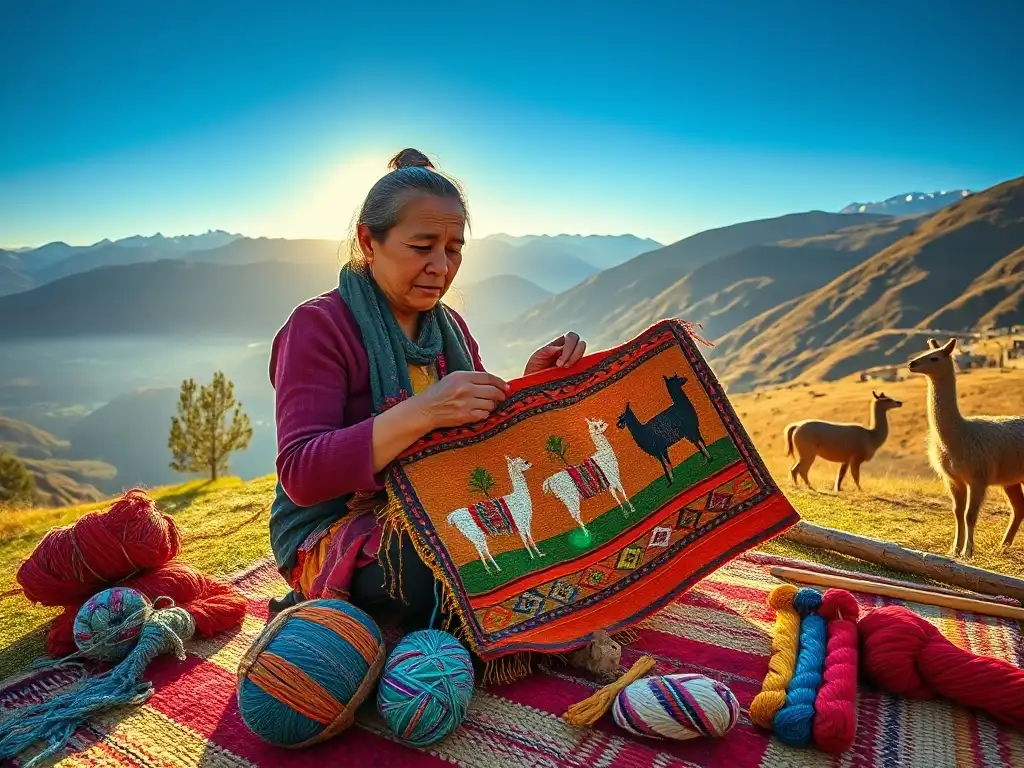
Unravel the mysteries woven into the very fabric of history. Journey through the breathtaking artistry of the Andes, where vibrant threads tell tales of empires risen and fallen. Discover the enduring legacy of Andean textile art history, a captivating narrative spanning millennia and revealing the ingenuity of civilizations like the Incas, Moche, and Nazca. Prepare to be amazed by the intricate designs and profound symbolism that continue to resonate today – a story waiting to be unraveled, thread by thread.
The Andes Mountains, a spine of towering peaks running down the western coast of South America, are home to a rich tapestry of ancient cultures. For millennia, these civilizations—including the Incas, Moche, Nazca, and Tiahuanaco—have woven not only intricate textiles but also a complex narrative of their beliefs, social structures, and daily lives.
This article delves into the fascinating history of Andean textile art, exploring its enduring legacy and the remarkable techniques employed by these masterful artisans. We will uncover how Andean textile art history reveals a profound connection between the people and their environment, demonstrating sophisticated artistry and technological innovation that continues to inspire awe and admiration today.
Understanding Andean textile art means understanding a significant part of the Andean civilizations themselves; their vibrant colors, intricate designs, and the materials used all tell a story waiting to be unravelled. This exploration of Andean textile art history will reveal the deep-rooted significance of these textiles, far beyond their simple aesthetic appeal.
Introduction to Andean Textile Art and its Historical Significance
Andean textile art boasts a history stretching back thousands of years, with evidence of sophisticated textile production dating as far back as the early Preceramic periods. The earliest examples, often discovered in burial sites, showcase a surprising level of skill and artistry. These early textiles, primarily made from natural fibers like cotton and camelid wool (alpaca, llama, and vicuña), were not merely functional items of clothing but served important ritualistic and symbolic purposes.
They were used in ceremonies, adorned important figures, and even served as burial shrouds, demonstrating their integral role in Andean society. The intricate weaving techniques, the use of vibrant natural dyes derived from plants and minerals, and the recurring motifs all point to a deep understanding of the natural world and a complex system of beliefs. The discovery of these ancient textiles provides invaluable insights into the social structures, religious practices, and daily lives of these ancient Andean societies.
The sheer longevity and sophistication of these early pieces lay the groundwork for the even more impressive textile traditions that would follow. The development of specialized tools and techniques, coupled with the continuity of artistic styles, reveals a vibrant and evolving textile tradition that spanned centuries. The evolution of Andean textile art wasn't merely about technical improvements; it reflects the dynamic changes within the societies themselves, mirroring their growth, adaptation, and resilience.
Key Techniques and Materials in Andean Textile Art
The creation of Andean textiles was a highly specialized craft, demanding immense skill and patience. Several key techniques were employed, each contributing to the unique characteristics of Andean textile art. These include:
- Warp-faced plain weave: A basic but highly versatile technique, providing a durable and even surface.
- Float weaves: Creating intricate patterns and textures by manipulating the warp threads.
- Brocade: A complex technique involving the introduction of supplementary weft threads to create elaborate designs.
- Tapestry: Similar to brocade but with a more distinct separation between the colors and designs.
- Embroidery: Adding decorative elements to already woven fabrics.
The materials used were equally important, reflecting the Andean environment and the ingenuity of its inhabitants. Camelid fibers, known for their warmth, softness, and durability, were the primary choice. Cotton, grown in warmer, lower altitudes, provided a lighter and more breathable alternative.
The dyes, extracted from plants, insects, and minerals, produced a stunning array of colors, often reflecting the rich palette of the Andean landscape. The meticulous preparation of the fibers, the careful selection of dyes, and the mastery of weaving techniques all contributed to the exceptional quality and enduring beauty of Andean textiles. The use of these materials and techniques demonstrates a deep understanding of the environment and a remarkable level of technical skill.
Iconography and Symbolism in Andean Textiles
The designs and motifs found in Andean textiles are not merely decorative; they are rich in symbolism and convey important information about the culture and beliefs of the people who created them. Recurring motifs often include:
- Geometric patterns: Representing the cosmos, agricultural cycles, and social structures.
- Zoomorphic figures: Depicting animals with symbolic significance, such as condors, jaguars, and snakes.
- Anthropomorphic figures: Representing deities, ancestors, and other important figures.
- Stylized plants: Reflecting the importance of agriculture and the natural world.
These motifs were not randomly chosen; they were carefully selected and arranged to convey specific meanings. The combination of different motifs, the colors used, and the overall composition of the textile all contributed to its symbolic significance. The interpretation of these symbols requires a deep understanding of Andean cosmology and mythology, which often involved a complex interplay of supernatural forces and the natural world.
The study of Andean textile iconography offers a unique window into the spiritual beliefs, social organization, and worldview of these ancient civilizations. Deciphering these symbols provides a rich understanding of the complex narratives woven into the very fabric of Andean culture.
The Legacy of Andean Textile Art
Andean textile art continues to thrive today, with contemporary artisans drawing inspiration from ancient techniques and motifs. The enduring legacy of these ancient traditions is a testament to the ingenuity, artistry, and cultural resilience of the Andean people.
The vibrant colors, intricate designs, and the deep symbolism embedded in these textiles continue to captivate and inspire, reminding us of the rich history and cultural heritage of the Andes. The continued practice of these techniques and the preservation of ancient knowledge ensures that the story of Andean textile art will continue to be woven into the future.
The legacy of Andean textile art is not simply a collection of beautiful objects; it is a living tradition, a testament to the enduring spirit of a culture that has woven its history into its very fabric. The preservation and celebration of this legacy are crucial for understanding and appreciating the richness of Andean civilization.
- Introduction to Andean Textile Art and its Historical Significance
- Key Techniques and Materials in Andean Textile Art
- Iconography and Symbolism in Andean Textiles
- The Legacy of Andean Textile Art
- What makes Andean textile art so unique?
- Which Andean civilizations were particularly known for their textiles?
- What materials were traditionally used in Andean textile production?
- How did Andean textile art reflect the social structure of the time?
- Where can I learn more about the history of Andean textile art?
The Origins of Andean Weaving Traditions
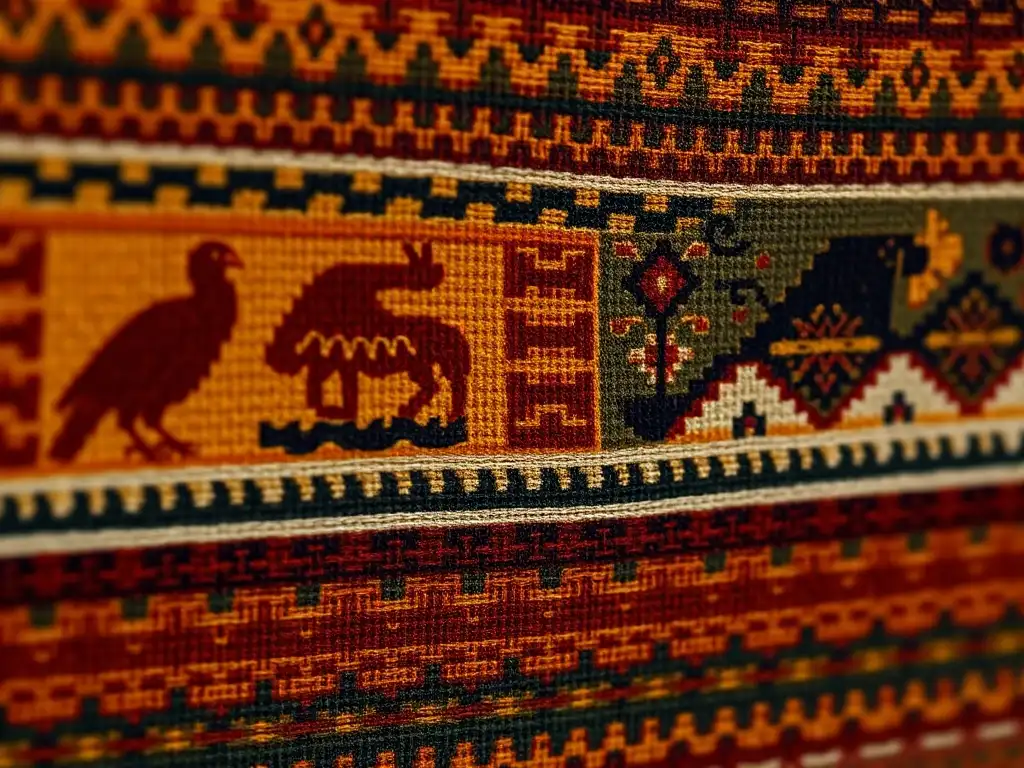
The vibrant tapestry of Andean textile art history is a testament to the ingenuity and artistry of ancient Andean cultures. Its origins are deeply rooted in the region's unique environment and the readily available resources. Understanding the origins of Andean weaving requires exploring the interplay between necessity, innovation, and spiritual belief.
The earliest evidence of textile production in the Andes dates back millennia, predating even the rise of the Inca Empire. These early textiles, often discovered in archaeological contexts, provide invaluable insights into the development of techniques and the evolving relationship between humans and their environment. The sophistication of these early textiles challenges the notion that weaving was a solely utilitarian practice; instead, it suggests a deeply embedded cultural significance from the very beginning.
The enduring legacy of these early traditions continues to influence contemporary Andean textile art, highlighting the unbroken thread connecting past and present. Analyzing these ancient artifacts allows us to appreciate the continuous evolution and refinement of techniques across diverse Andean cultures. The resilience of these traditions is a remarkable testament to the cultural depth and continuity of the Andean world.
Early Textile Techniques in the Andes
The earliest Andean textile techniques were remarkably sophisticated, considering the limited tools available. Evidence suggests the use of simple backstrap looms, a technology that allowed for the creation of intricate designs. These looms, often portable and easily adaptable to different environments, facilitated both simple and complex weaving patterns.
Archaeological finds reveal the use of various spinning and dyeing techniques, demonstrating a mastery of natural resources. Fibers from both plant and animal sources were expertly manipulated to create durable and aesthetically pleasing textiles. The early mastery of techniques like tapestry weaving, brocade, and gauging showcases a high level of skill and innovation.
Detailed analysis of surviving fragments indicates a gradual refinement of these techniques over time, reflecting an ongoing process of experimentation and adaptation. Moreover, the choice of fibers and dyes often reflects regional variations and environmental constraints, further highlighting the close relationship between the Andean peoples and their surroundings. The development of these early techniques laid the foundation for the more complex and elaborate textile traditions that would flourish in later periods.
Chavín Textiles: A Glimpse into the Past
The Chavín culture (900-200 BCE), known for its distinctive artistic style, left behind a legacy of impressive textiles. While relatively few complete Chavín textiles have survived, fragmented pieces offer a tantalizing glimpse into their weaving techniques and aesthetic sensibilities. The surviving fragments often exhibit bold geometric patterns and stylized depictions of animals and mythical creatures.
These designs, characteristic of Chavín art, suggest a strong connection between textile production and religious beliefs. The use of contrasting colors and textures adds depth and visual interest to the surviving examples. Analysis of the fibers reveals the use of both cotton and camelid fibers, indicating a sophisticated understanding of material properties and their application.
The meticulous craftsmanship evident in these fragments underscores the high status and social significance of textile production within Chavín society. Further research into Chavín textile technology could reveal more about their weaving methods and the social organization surrounding textile production. The limited surviving examples highlight the need for further archaeological investigation to fully understand the role of textiles in Chavín culture.
The Role of Cotton and Camelid Fibers in Ancient Andean Textiles
Cotton and camelid fibers (alpaca, llama, and vicuña) formed the backbone of Andean textile production. Cotton, cultivated in the warmer coastal regions, provided a soft and absorbent fiber ideal for clothing and everyday use. Camelid fibers, sourced from the high Andes, offered superior warmth and durability, making them suitable for outerwear and ceremonial textiles. The skillful blending of these fibers, along with other plant fibers like those from maguey, allowed Andean weavers to create textiles with a wide range of textures and properties.
The choice of fiber often dictated the purpose and social significance of the textile. Fine vicuña wool, for example, was reserved for elite members of society, reflecting its rarity and value. The dyeing techniques employed further enhanced the aesthetic qualities of these textiles. Natural dyes derived from plants, minerals, and insects produced a remarkable range of vibrant and long-lasting colors.
The mastery of these dyeing techniques, combined with the expert manipulation of fibers, resulted in textiles of exceptional beauty and durability. Understanding the properties of these fibers and the techniques used to process and weave them provides crucial insight into the ingenuity and resourcefulness of Andean textile artisans. The enduring quality of these ancient textiles is a testament to the superior quality of the materials and the skill of the weavers.
Andean Textile Art History: Key Civilizations and Their Contributions
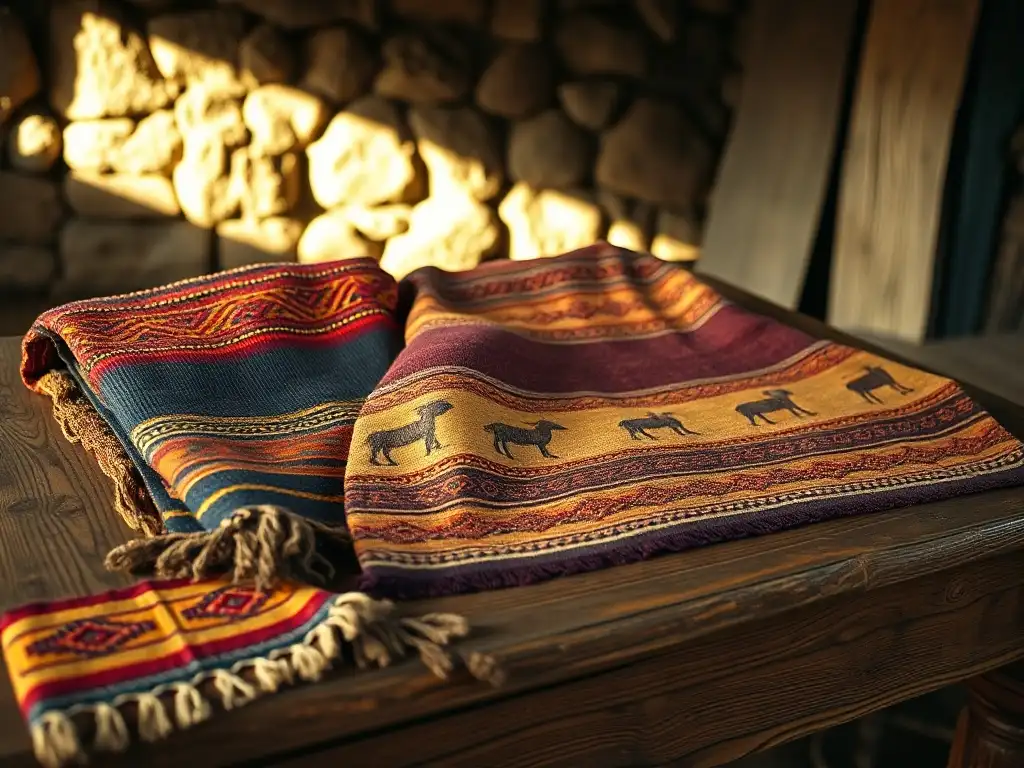
This section delves into the remarkable contributions of several Andean civilizations to the rich tapestry—pun intended—of Andean textile art history. We will explore the unique styles, techniques, and symbolic meanings embedded within their textile creations, showcasing the ingenuity and artistry of these ancient cultures. The enduring legacy of their textile traditions continues to fascinate and inspire textile scholars and enthusiasts alike. Understanding the historical context of these pieces is crucial for appreciating the depth and complexity of Andean textile art.
The Moche and Their Exquisite Textile Designs
The Moche civilization (c. 100-800 CE), known for its sophisticated metalwork and impressive monumental architecture, also produced exquisite textiles. Unlike some other Andean cultures, Moche textiles were not solely utilitarian; they served important ceremonial and symbolic purposes. While many examples have sadly degraded due to the harsh coastal climate, surviving fragments reveal intricate designs and vibrant colors.
The Moche employed a variety of weaving techniques, including tapestry, brocade, and plain weave. Their designs often incorporated highly stylized representations of their deities, mythical creatures, and scenes from daily life. These depictions, often featuring bold geometric patterns alongside realistic representations of flora and fauna, offer invaluable insights into Moche cosmology, beliefs, and social structures.
The use of natural dyes derived from plants and minerals resulted in a stunning palette of colors, which, although faded over time, still retain a remarkable vibrancy. Scholars continue to analyze the surviving fragments to uncover further details about Moche textile production and its social context.
Nazca Textiles: Geometric Patterns and Symbolic Meanings
The Nazca culture (c. 100 BCE – 800 CE), famed for its enigmatic geoglyphs, also left behind a remarkable legacy in textile art. Nazca textiles are characterized by their striking geometric patterns and the use of vibrant, richly saturated colors. Unlike the more figurative representations found in Moche textiles, Nazca textiles often feature abstract designs, complex geometric motifs, and intricate borders.
These patterns are not merely decorative; they are believed to hold deep symbolic meanings related to Nazca cosmology, religious beliefs, and social organization. Researchers have identified recurring motifs, such as stylized birds, snakes, and feline figures, which may represent deities or shamanic entities. The precision and complexity of the weaving techniques employed by Nazca artisans are truly remarkable, showcasing their advanced understanding of textile production.
The use of camelid fibers, such as alpaca and llama wool, further highlights the sophistication of their material culture and resource management. Further research into the iconography and symbolism present in Nazca textiles promises to reveal more about this fascinating culture.
Wari Weaving: Iconography and Cultural Expression
The Wari civilization (c. 600–1000 CE) exerted considerable influence across a vast territory in the central Andes. This powerful empire also left an impressive mark on Andean textile art history. Wari textiles are distinguished by their distinctive iconography and the use of standardized designs that reflect the empire's centralized power and administrative control. Many Wari textiles feature representations of stylized figures, geometric patterns, and symbolic motifs, often arranged in a highly structured and repetitive manner.
These patterns reflect the Wari emphasis on order and control, and the standardization of designs suggests a high level of centralized production and distribution. The use of specific colors and motifs may have indicated social status or regional affiliation within the empire. Analysis of Wari textiles provides valuable information about the political organization, social hierarchy, and economic systems of this influential Andean civilization.
The complexity of the weaving techniques and the sophistication of the designs demonstrate the skilled craftsmanship and artistic abilities of Wari artisans. The enduring influence of Wari textile traditions is evident in the textile arts of later Andean cultures, highlighting their lasting impact on the region's artistic heritage.
The Inca Empire and its Influence on Textile Production and Design
The Inca Empire, spanning from the 15th to the 16th centuries, left an indelible mark on Andean textile art. Their mastery of textile production was unparalleled, showcasing a sophisticated understanding of weaving techniques and a keen eye for intricate designs. The Inca's vast empire facilitated the exchange of raw materials and weaving styles, leading to a remarkable standardization of certain techniques across their territories.
This standardization, however, didn't stifle creativity; instead, it provided a foundation upon which regional variations and artistic expressions could flourish. We see evidence of this in the remarkable diversity of Inca textiles that have survived to this day.
One key aspect of Inca textile production was the use of a wide array of fibers. Alpaca and llama wool were staples, prized for their softness and warmth, but cotton, too, played a significant role, particularly in warmer coastal regions. The Inca also expertly utilized other materials, such as vicuña and guanaco wool, reserved for the elite. The careful selection and combination of fibers demonstrate a sophisticated understanding of material properties and their suitability for different weaving techniques and purposes. The resulting textiles varied greatly in texture and drape, reflecting the Inca's mastery of textile technology.
Inca textile designs were often imbued with symbolic meaning, reflecting the empire's complex social hierarchy and religious beliefs. Geometric patterns, such as stepped triangles and zigzags, were frequently employed, representing mountains and agricultural terraces—essential elements of Inca life and cosmology. Representations of animals, such as condors and jaguars, also appeared, embodying power and authority. Furthermore, the colors used held significant cultural weight.
Specific dyes, often derived from natural sources like plants and minerals, were associated with different social groups and deities. The careful selection of color and pattern was not merely decorative; it conveyed important social and religious messages. The vibrant hues and intricate patterns of Inca textiles speak volumes about the ingenuity and artistry of the Inca weavers.
The Inca's sophisticated organization of labor played a crucial role in their textile production. Specialized workshops, often located in major urban centers, employed skilled artisans who were responsible for creating high-quality textiles for the elite and for religious purposes. These artisans often worked in a highly collaborative environment, specializing in different aspects of the weaving process, from spinning and dyeing to weaving and finishing.
This division of labor allowed for the creation of complex and elaborate textiles, testament to their intricate organizational system. The surviving examples, often adorned with intricate designs and rich colors, stand as a testament to the skill and dedication of these artisans. The Inca's legacy in textile production extends far beyond the empire’s lifespan, influencing later Andean cultures and continuing to inspire awe and admiration today.
Andean Textile Techniques: From Fiber to Fabric
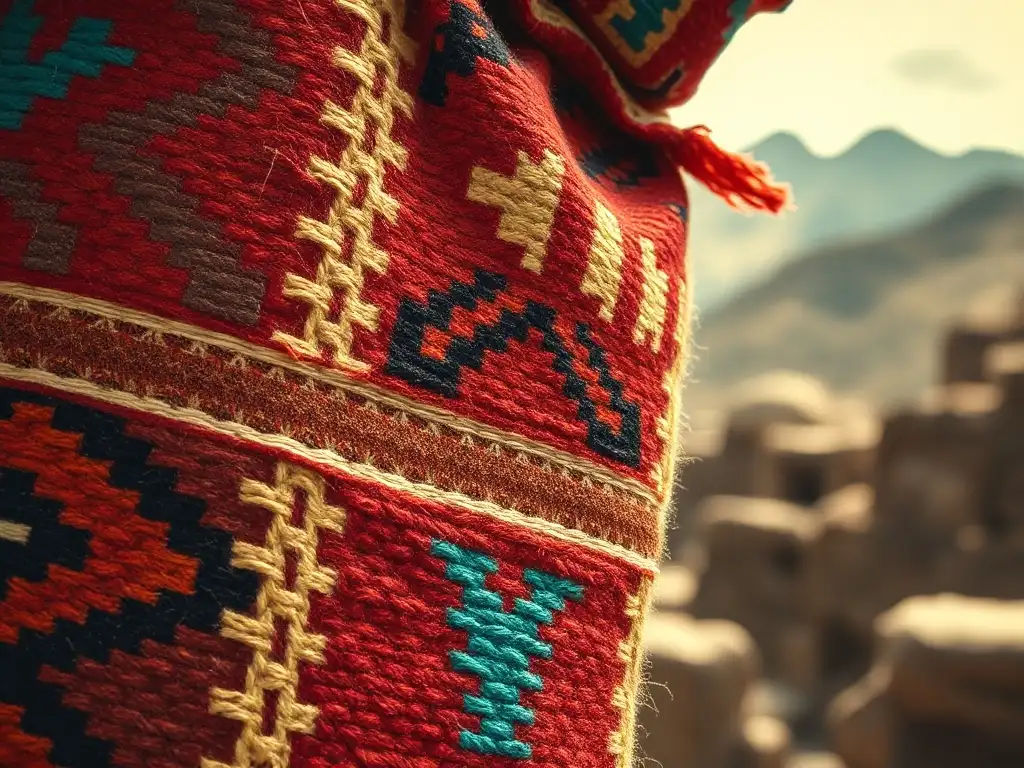
This section delves into the intricate techniques employed by Andean cultures to transform raw materials into exquisite textiles. Understanding these processes is key to appreciating the artistry and ingenuity inherent in Andean textile art history. The creation of these textiles was not merely a craft; it was deeply intertwined with their spiritual beliefs, social structures, and daily lives. The mastery of these techniques represents a significant aspect of their technological achievements and cultural identity.
The Art of Spinning and Dyeing in Andean Cultures
The journey of Andean textile art begins long before the loom. The meticulous process of spinning and dyeing fibers required immense skill and patience. Andean artisans expertly spun fibers from various sources, including alpaca, llama, vicuña, and cotton, each possessing unique qualities impacting the final textile's texture and drape. The choice of fiber often reflected the social status of the wearer or the intended use of the cloth. For example, vicuña wool, prized for its softness and fineness, was reserved for elite members of society.
The dyeing process was equally complex and fascinating. Andean cultures utilized a remarkable array of natural dyes derived from plants, insects, and minerals. Cochineal insects, for instance, yielded vibrant reds and crimsons, while various plants provided yellows, browns, and greens. The precise recipes and techniques for achieving specific colors were often closely guarded secrets, passed down through generations within families or communities.
The permanence and brilliance of many Andean dyes are a testament to the sophisticated knowledge of these ancient artisans. Consider the intricate, multi-colored designs found on Paracas textiles; the consistent vibrancy of the colors after centuries speaks volumes about the effectiveness of their dyeing methods. The exact composition of some dyes remains a subject of ongoing research, highlighting the depth of knowledge yet to be fully uncovered in the field of Andean textile art history.
Weaving Methods: Backstrap Looms and Other Tools
The backbone of Andean weaving was the backstrap loom, a portable and versatile tool allowing for intricate designs and varied textures. This simple yet ingenious device, consisting of a warp held taut by a strap across the weaver's back, enabled the creation of textiles of remarkable complexity. The weaver's skill lay not only in manipulating the loom but also in the precise control of tension and the skillful interweaving of weft threads.
Beyond the backstrap loom, other techniques and tools were employed, depending on the specific culture and the desired textile. Some Andean communities utilized other types of looms, while others incorporated supplementary techniques like embroidery and knotting to enhance their creations.
The tools used were often crafted from readily available materials, such as wood, bone, and stone. These simple tools, however, facilitated the creation of extraordinarily complex designs. The precision and artistry involved in creating these textiles are astonishing, considering the relatively simple tools at the weavers' disposal. This underscores the importance of skill and knowledge passed down through generations, forming a crucial part of Andean textile art history.
Different Types of Andean Weaves and Their Characteristics
Andean weaving traditions encompass a diverse array of techniques and styles, each with distinctive characteristics. From the finely woven textiles of the Nazca culture, known for their intricate geometric patterns, to the richly colored and symbolically laden cloths of the Inca Empire, the variety is striking. The different types of weaves reflect not only aesthetic preferences but also practical considerations, such as the intended use of the textile and the availability of materials. Some common types of Andean weaves include:
| Weave Type | Description | Characteristics | Cultural Association |
|---|---|---|---|
| Plain Weave | The simplest weave structure, characterized by alternating warp and weft threads. | Durable, versatile, suitable for everyday use. | All Andean Cultures |
| Warp-faced Weave | Warp threads dominate the surface, creating a textured, often durable fabric. | Strong, often used for clothing and bags. | Inca, Wari |
| Weft-faced Weave | Weft threads are prominent, resulting in a softer, more pliable fabric. | Suitable for finer garments and decorative items. | Paracas, Nazca |
| Brocade | Intricate patterns are created by introducing supplementary weft threads. | Highly decorative, often used for ceremonial textiles. | Inca, Chimú |
| Tapestry Weave | Weft threads are woven over specific warp threads to create distinct images. | Highly detailed, used for narrative and representational textiles. | Paracas, Nazca |
These are just a few examples, and many other weaving techniques were employed across different Andean cultures throughout history. The study of these weaves provides crucial insights into the technological sophistication and artistic expression of these ancient civilizations, continuing to enrich our understanding of Andean textile art history. The enduring legacy of these techniques is evident in the surviving textiles, which continue to inspire and amaze researchers and art enthusiasts alike.
The Use of Natural Dyes in Andean Textile Art
The vibrant colors that characterize Andean textile art are not the result of modern chemical dyes, but rather a testament to the ingenuity of ancient Andean artisans who mastered the art of extracting dyes from the natural world. Their palette was as diverse as the Andean landscape itself, ranging from the deep reds and oranges of cochineal insects to the rich yellows of various plants and the deep blues of certain minerals. The process of creating these dyes was often complex and time-consuming, reflecting the deep cultural significance attributed to the textiles themselves.
The use of cochineal, for example, was particularly significant. These small insects, harvested from prickly pear cacti, yielded a remarkably intense and durable crimson dye. The scale of cochineal production suggests a sophisticated understanding of insect cultivation and dye extraction techniques, with evidence of specialized farms and processing centers in various Andean regions. The intensity of the color and the durability of the dye meant that cochineal-dyed textiles held a high status, often associated with elite members of society.
Beyond cochineal, a wide range of plants provided dyes for Andean textiles. Various species of Bixa orellana (achiote) yielded yellows and oranges, while other plants offered a range of browns, greens, and yellows. The precise identification of these plants remains a subject of ongoing research, as many traditional dye recipes have been lost over time.
However, archaeological evidence, combined with ethnographic studies of surviving Andean communities, continues to shed light on the diverse palette of natural dyes used throughout the Andes. Furthermore, the methods of preparation varied considerably depending on the desired shade and the specific plant used, highlighting a deep understanding of botanical chemistry.
The use of minerals also played a significant role in Andean dyeing practices. Certain minerals, such as those containing copper, provided intense blues and greens. The sourcing of these minerals and their preparation for dyeing required specialized knowledge and access to specific geological locations, again emphasizing the importance of these dyes within Andean society and their connection to the environment.
The mastery of these techniques represents not only an artistic achievement but also a profound understanding of the natural world and its resources. The enduring legacy of these natural dyes is a testament to the ingenuity and artistry of the Andean textile tradition, a tradition that continues to inspire and amaze.
Symbolism and Meaning in Andean Textile Art
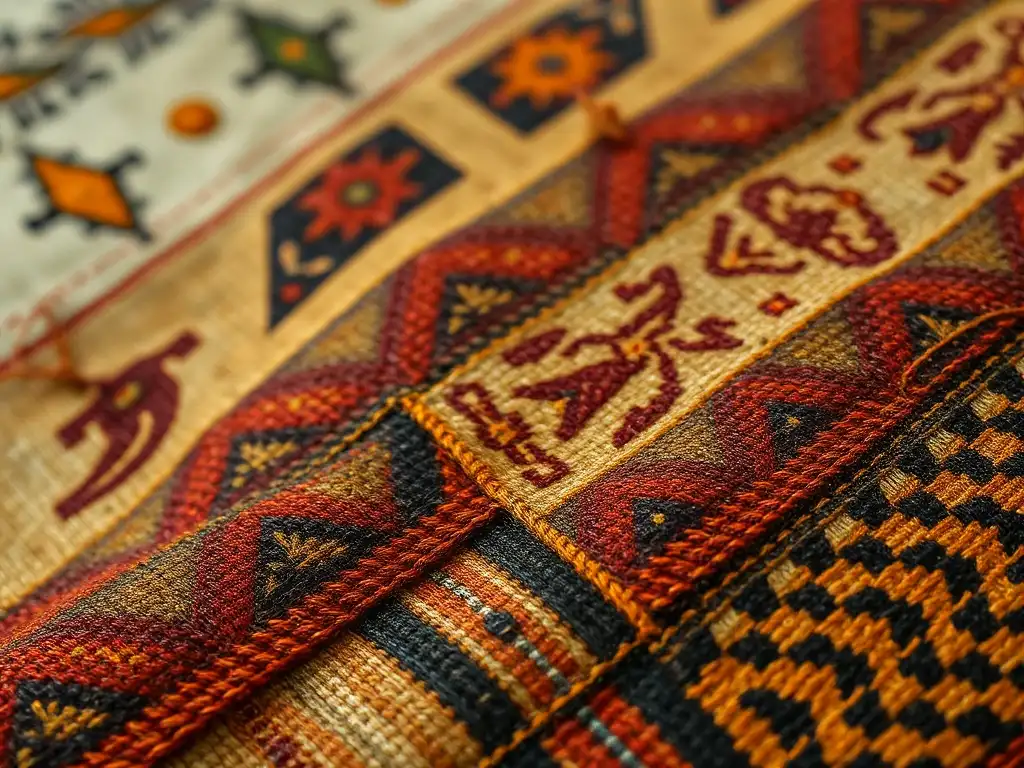
Andean textile art history is replete with layers of symbolic meaning, woven into the very fabric of the pieces themselves. Understanding these symbols provides crucial insight into the beliefs, social structures, and daily lives of the ancient Andean peoples. The vibrant colors, intricate patterns, and carefully chosen materials weren't merely aesthetic choices; they were powerful communicative tools, conveying complex messages across generations.
This section will delve into the rich symbolism embedded within these remarkable textiles, exploring how seemingly simple designs held profound significance. The persistence of certain motifs across different cultures and time periods highlights the enduring power of these symbolic systems. Analyzing these patterns allows us to connect with the spiritual and social worlds of these ancient civilizations in a tangible way.
Iconography and Representation of Gods and Deities
The representation of deities and mythical beings in Andean textile art is a prominent theme, varying across different cultures and time periods. For example, the Moche culture, known for its intricate metalwork and ceramics, also produced textiles featuring stylized depictions of their gods, often associated with fertility, warfare, and the natural world. These depictions frequently incorporated specific colors and patterns, adding another layer to their symbolic meaning.
The use of specific colors, such as red for blood and sacrifice or green for vegetation and renewal, was not arbitrary. Detailed studies of Moche textiles reveal a sophisticated system of iconography, where even the smallest detail held significance. For instance, the positioning of a deity's hands or the direction of its gaze could alter the overall message.
Furthermore, the choice of weaving techniques, such as tapestry or brocade, could also contribute to the symbolic meaning of the deity's representation. Unfortunately, detailed analyses of the iconography of less-studied cultures remain [specific information pending]. However, preliminary research suggests similar levels of complexity and symbolic depth in their textile arts.
Beyond religious iconography, Andean textiles served as powerful indicators of social status and identity. The type of fiber used (alpaca, llama, vicuña – each with its own symbolic weight), the complexity of the weaving technique, and the overall design all played a role in signifying social standing. For instance, the use of vicuña wool, a luxurious and rare material, clearly indicated high social standing within Inca society. Only the elite could afford to wear garments made from this prestigious fiber.
This exclusivity is reflected in the intricate and elaborate designs found on these textiles, often featuring intricate geometric patterns or representations of royal insignia. Moreover, the size and quality of textiles further emphasized social hierarchy. Large, finely woven textiles, often adorned with precious metals or beads, were reserved for the elite, whereas simpler textiles were worn by the common people.
The meticulous craftsmanship involved in these high-status textiles highlights the significant social value placed upon them. This social stratification, clearly visible in surviving examples of Andean textile art, demonstrates the importance of textiles as markers of power and prestige within these societies. The careful documentation of these textiles, combined with archaeological findings from tombs and ceremonial sites, allows researchers to confidently connect specific textile types with particular social groups.
Textiles as Narratives: Telling Stories Through Weaving
Andean textile art wasn't merely decorative; it served as a powerful medium for storytelling. Complex narratives, historical events, and mythological tales were meticulously woven into the fabric, creating vibrant tapestries that preserved and transmitted cultural knowledge across generations. These narratives often unfolded through the arrangement of symbolic motifs, the use of color, and the overall composition of the textile. For example, a series of repeating patterns could represent a cyclical event in nature or a significant historical occurrence.
The precise placement and interrelation of these patterns helped to convey the narrative's meaning. Furthermore, the choice of colors held immense significance, with each hue often associated with particular deities, events, or emotions. The creation of these textile narratives required immense skill and knowledge, passed down through generations of weavers. These textiles served as living archives, preserving and transmitting cultural heritage in a tangible and engaging manner.
Further research is needed to fully decipher the narratives woven into many of these textiles, but ongoing efforts are revealing incredible details about ancient Andean beliefs and history. The intricate detail and the sheer volume of surviving textiles promise a rich field of study for years to come. The careful examination of these textiles provides invaluable insights into the rich tapestry of Andean culture and history. 🧶
Andean Textile Art and its Connection to Cosmovision
Andean textile art wasn't merely decorative; it was a powerful expression of the Andean cosmovision, a complex worldview that intertwined the earthly and spiritual realms. Textiles served as tangible representations of this interconnectedness, embodying beliefs about the cosmos, nature, and the ancestors. The intricate designs woven into fabrics weren't arbitrary; they were carefully chosen symbols communicating profound spiritual and social meanings.
For example, the recurring motif of the hummingbird, a creature associated with the sun and swiftness, often symbolized power, vitality, and the ability to traverse between worlds. Similarly, the depiction of snakes, condors, and jaguars reflected the importance of these animals within the Andean pantheon and their roles in maintaining cosmic balance.
The colors used in Andean textiles also held significant symbolic meaning. Specific dyes, derived from natural sources like plants and minerals, were associated with particular deities or energies. Red, for instance, frequently symbolized blood, fertility, and the sun, while blue represented the sky, water, and the sacred.
The careful selection and combination of colors further enhanced the symbolic power of the textile, creating a visual language that conveyed complex narratives and beliefs. The skillful manipulation of color and design allowed Andean artisans to express their understanding of the universe and their place within it. This wasn't merely artistic expression; it was a form of spiritual practice, a way of connecting with the divine and reinforcing social structures.
Understanding the deep connection between Andean textile art and cosmovision requires appreciating the holistic nature of Andean society. Textiles weren't created in isolation; their production, use, and significance were deeply embedded within the social fabric of the community. The process of creating a textile was often a communal activity, with different individuals contributing their expertise and knowledge.
This collaborative effort reflected the communal values and the shared understanding of the cosmos that underpinned Andean society. The finished textile, therefore, represented more than just the skill of the artisan; it embodied the collective wisdom and spiritual beliefs of the entire community.
This intricate relationship between the maker, the textile, and the cosmovision highlights the profound spiritual and social significance of Andean textile art. The enduring legacy of these textiles lies not just in their aesthetic beauty but also in their ability to illuminate the rich and complex spiritual world of the Andean civilizations.
The Legacy of Andean Textiles: Modern Adaptations and Continuities
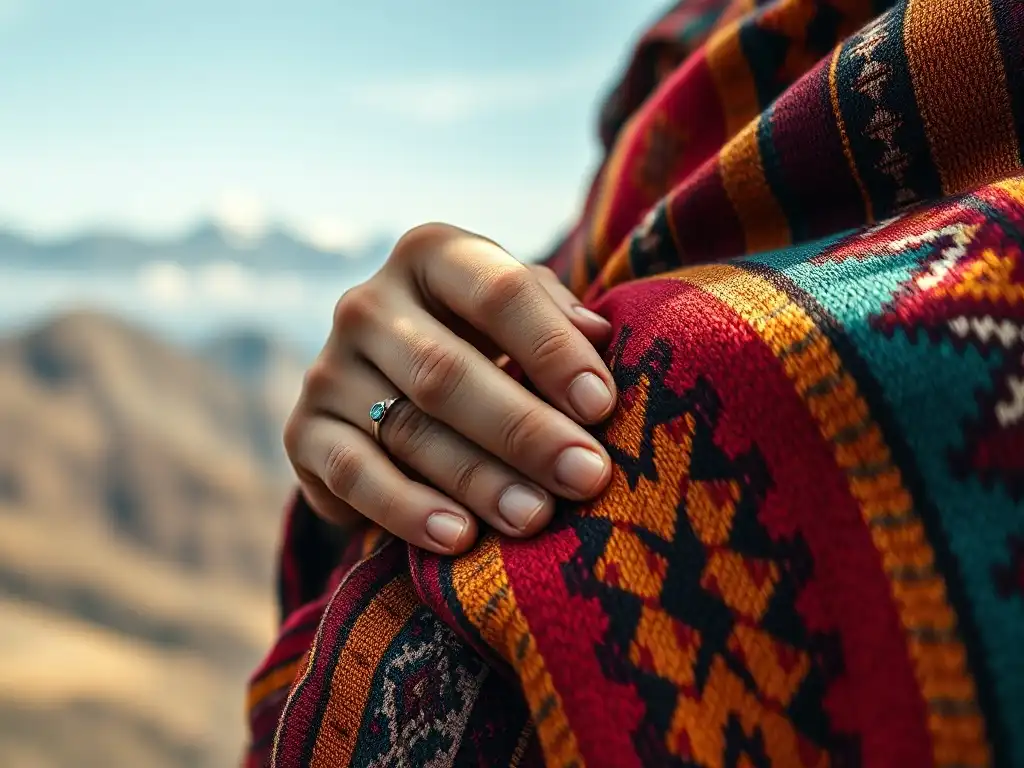
The vibrant legacy of Andean textile art continues to resonate powerfully in the 21st century. While techniques and motifs have evolved, the core principles of craftsmanship, symbolic representation, and community engagement remain central to Andean textile production. This enduring legacy is a testament to the ingenuity and resilience of Andean cultures, demonstrating their ability to adapt ancient traditions to modern contexts while preserving their cultural identity.
Understanding this continuity is crucial to appreciating the depth and complexity of "Andean textile art history". The intricate designs and sophisticated techniques employed centuries ago are not merely artifacts of the past; they are living traditions, constantly being reinterpreted and reinvented.
Contemporary Andean Weaving Practices
Contemporary Andean weaving practices showcase a fascinating blend of tradition and innovation. Weavers continue to utilize ancient techniques like backstrap loom weaving, passed down through generations, often within family units. However, modern influences are undeniable. The introduction of new dyes, fibers (including synthetic ones), and market demands have led to variations in style and production.
For example, while traditional alpaca and llama wool remain highly valued, some weavers incorporate cotton or even recycled materials, creating unique blends reflecting both heritage and contemporary sensibilities. This adaptability is not a betrayal of tradition but rather a demonstration of its enduring relevance. The underlying principles of meticulous craftsmanship, intricate patterning, and symbolic meaning remain constant, ensuring the continuity of Andean textile art history.
The incorporation of new elements simply expands the creative possibilities within the existing framework. We can observe a fascinating interplay between maintaining traditional techniques and embracing modern influences in the vibrant tapestry of contemporary Andean weaving. This dynamic interplay is a powerful testament to the enduring resilience of this art form.
The Influence of Andean Textile Art on Modern Design
The influence of Andean textile art extends far beyond the Andes, significantly impacting global fashion, interior design, and contemporary art. The bold geometric patterns, intricate iconography, and rich color palettes of Andean textiles have inspired countless designers and artists. From high-fashion runways showcasing alpaca wool garments to home décor featuring textiles inspired by traditional Andean designs, the aesthetic appeal of this art form is undeniable.
This influence is not simply a superficial appropriation; rather, it reflects a deep appreciation for the artistry and cultural significance embedded within Andean textile art history. Many designers actively collaborate with Andean communities, ensuring fair trade practices and preserving traditional knowledge while simultaneously introducing Andean aesthetics to a wider audience.
This collaboration represents a powerful example of cultural exchange, highlighting the enduring relevance and global impact of this rich artistic heritage. The vibrant colors, intricate patterns, and symbolic depth of Andean textiles continue to inspire and influence contemporary design, solidifying their place in the global artistic landscape.
Preserving Andean Textile Heritage for Future Generations
Preserving Andean textile heritage requires a multifaceted approach that encompasses education, documentation, and community engagement. Efforts to safeguard this invaluable cultural legacy involve creating educational programs that teach traditional weaving techniques to younger generations, ensuring the continuity of this art form. Moreover, meticulous documentation of existing textiles, including their designs, techniques, and cultural significance, is crucial for understanding Andean textile art history.
This documentation serves as a vital resource for researchers, designers, and future generations. Finally, supporting Andean weaving communities through fair trade practices and providing access to markets is essential for ensuring the economic viability of this art form and fostering its continued development. The preservation of Andean textile heritage is not merely a matter of preserving artifacts; it is a matter of preserving a living culture, its rich history, and the unique artistic expression it embodies.
Through concerted efforts, we can ensure that the vibrant threads of Andean textile art history continue to enrich the world for generations to come. This requires a collaborative approach involving governments, organizations, and individuals who are passionate about safeguarding this invaluable cultural heritage.
The Center for Traditional Textiles of Cusco: A Case Study
The Center for Traditional Textiles of Cusco (CTC) serves as a powerful example of how Andean textile traditions are not only preserved but also revitalized in the modern era. Founded with the goal of supporting and promoting traditional Andean textile practices, the CTC offers a multifaceted approach to safeguarding this invaluable cultural heritage.
This includes providing educational workshops for both aspiring and experienced artisans, fostering collaboration among weavers from different communities, and creating market opportunities for their creations. The center actively works to preserve traditional techniques, ensuring that the intricate knowledge of natural dye extraction, spinning, and weaving techniques, passed down through generations, continues to flourish.
The CTC's commitment extends beyond mere preservation; it actively engages with contemporary design, encouraging experimentation while maintaining respect for ancestral methods. This innovative blend of tradition and modernity allows for the creation of unique pieces that resonate with both local and international audiences, demonstrating the enduring relevance of Andean textile art.
The CTC’s impact is not just limited to the economic empowerment of artisans. It contributes significantly to the cultural identity of the Cusco region and Peru as a whole. By supporting the continuation of these traditional practices, the CTC helps to preserve a vital part of Andean history and identity, preventing the loss of these invaluable skills and knowledge.
The center's educational programs are particularly crucial in this endeavor, as they actively train a new generation of weavers, ensuring the legacy of Andean textile art continues far into the future. The CTC meticulously documents the techniques and designs, creating a valuable archive that serves as a resource for researchers and textile enthusiasts alike. This active documentation not only ensures the preservation of knowledge but also helps to promote a deeper understanding and appreciation of the rich history embedded within each thread.
The center’s success showcases the potential for sustainable development models that prioritize cultural preservation and economic empowerment, offering a compelling case study for other regions seeking to protect their own unique artistic heritage. The CTC's dedication to both tradition and innovation serves as a shining example of how the past can inform and inspire the future, ensuring the enduring legacy of Andean textile art.
Conclusion: The Enduring Power of Andean Textile Art
The vibrant tapestry of Andean textile art history continues to fascinate and inspire. From the intricate weavings of the Nazca lines to the richly colored textiles of the Inca empire, these artifacts offer a captivating glimpse into the lives, beliefs, and artistic mastery of ancient Andean cultures. The enduring legacy of these textiles lies not only in their aesthetic beauty but also in their profound social and cultural significance.
They served as powerful symbols of status, identity, and spirituality, reflecting the complex social structures and cosmological beliefs of the time. Even today, the techniques and designs employed by ancient Andean artisans continue to influence contemporary textile artists, demonstrating the timeless appeal and enduring power of this ancient art form. Understanding this enduring influence requires a deep dive into the historical context and the skill involved.
The Importance of Studying Andean Textile Art History
Studying Andean textile art history is crucial for several reasons. Firstly, it provides invaluable insights into the social and political structures of past Andean societies. Textiles often functioned as markers of social status, with intricate designs and rare materials reserved for elites. Analyzing these patterns and materials allows researchers to reconstruct social hierarchies and power dynamics. For instance, the presence of specific motifs or colors in a textile might indicate the wearer's role within the community or their connection to a particular deity.
Secondly, the study of Andean textiles reveals the remarkable technological achievements of ancient Andean civilizations. Their mastery of spinning, weaving, dyeing, and knotting techniques was unparalleled, and their innovations continue to inspire textile artists today. The sophisticated use of natural dyes, the intricate designs, and the durability of the textiles are a testament to their advanced technological skills. Finally, studying Andean textile art history helps us appreciate the cultural richness and diversity of the Andes.
Each culture developed its unique textile traditions, reflecting their distinct artistic sensibilities and beliefs. This diversity is reflected in the wide range of techniques, designs, and materials employed across different regions and periods. Preserving and studying these traditions is crucial for understanding the complex cultural landscape of the Andes and for ensuring the continuation of these valuable artistic practices. The study of Andean textile art history is therefore not just an academic pursuit; it is a vital contribution to our understanding of human history and creativity.
Andean Textiles: A Testament to Ancient Skill and Creativity
The sheer artistry and technical skill displayed in Andean textiles are breathtaking. Consider the intricate designs woven into fabrics, often incorporating complex geometric patterns, stylized animals, and representations of deities. These designs were not merely decorative; they frequently held deep symbolic meanings, reflecting the cosmology and beliefs of the respective cultures. The use of natural dyes, derived from plants, minerals, and insects, yielded a stunning array of colors, which were often symbolically significant. For example, specific colors might be associated with particular deities or social groups.
The precise techniques employed in creating these textiles, such as backstrap loom weaving, are testament to the ingenuity and dedication of the artisans. These techniques, passed down through generations, required immense skill and patience. Moreover, the durability of many Andean textiles is remarkable, with some surviving for centuries, a testament to the quality of the materials and the craftsmanship involved. The intricate tapestry weaving, the finely spun yarns, and the vibrant colors all combine to create textiles that are not only beautiful but also remarkably durable.
Examining these textiles reveals a level of sophistication and artistry that belies their age and highlights the remarkable ingenuity of the ancient Andean civilizations. These artifacts serve not only as beautiful objects but as important historical documents, providing valuable insights into the lives, beliefs, and artistic achievements of the ancient Andean people. The legacy of this skill continues to inform and inspire textile artists today. The meticulous detail and the innovative techniques are a source of ongoing fascination and study.
Frequently Asked Questions
What makes Andean textile art so unique?
Andean textile art is unique due to its complex techniques, including double-interlocking weaving and elaborate dyeing processes using natural pigments. The vibrant colors and intricate designs tell rich stories about the civilizations that created them.
Which Andean civilizations were particularly known for their textiles?
Many Andean cultures excelled at textile arts, but the Inca, Moche, Nazca, and Paracas are particularly renowned for their sophisticated techniques and artistic expression in textiles. Their work offers fascinating insights into their beliefs and daily life.
What materials were traditionally used in Andean textile production?
Andean textiles were primarily made from alpaca, llama, vicuña, and cotton fibers. The choice of fiber often depended on the region and the intended use of the textile. Natural dyes from plants and minerals were also commonly used.
Textiles often indicated social status and religious beliefs. The quality of materials, the complexity of designs, and the type of garment all conveyed information about the wearer's position within society. Certain designs were reserved for elites.
Where can I learn more about the history of Andean textile art?
You can explore museums such as the Larco Museum in Lima, Peru, or the Textile Museum of Canada, which house significant collections. Many academic journals and books also delve into the rich history and techniques of Andean textile art.
Final Reflection: Weaving the Threads of Time and Legacy
The enduring power of Andean textile art isn't merely a historical curiosity; it's a vibrant testament to human creativity and resilience that continues to resonate deeply in the 21st century. These intricate weavings, imbued with centuries of stories and techniques, offer a powerful counterpoint to the fleeting nature of modern trends, reminding us of the enduring value of craftsmanship and cultural preservation.
The profound impact of Andean textile art extends far beyond its aesthetic beauty. It represents a living connection to ancestral knowledge, a tangible link to generations past who wove their hopes, dreams, and beliefs into the very fabric of their existence. The threads themselves are a language, telling stories of cosmology, social structures, and daily life.
This quote encapsulates the rich tapestry of meaning woven into each piece, a legacy that continues to inspire contemporary artists and designers alike, pushing the boundaries of textile art while honoring its rich heritage.
Consider, for a moment, the stories whispered by the vibrant colors and intricate patterns. What narratives do they evoke within you? Let the legacy of Andean textile art inspire you to appreciate the enduring power of craftsmanship, the importance of cultural preservation, and the beauty of stories passed down through generations. Seek out opportunities to learn more, to support artisans, and to share the wonder of this ancient art form with others. Let the threads of history weave themselves into the fabric of your own understanding and appreciation.
Unveil the Vibrancy of Andean Textiles Today!
Thank you for exploring the rich heritage of Andean textile art! We hope you've discovered the beauty and cultural significance woven into each piece. Now, let's deepen your connection with this vibrant tradition.
- Learn: Participate in a local weaving workshop or online class to master traditional techniques and become a part of this timeless art form.
- Share: Inspire others by posting your favorite textile stories or images on social media, using the hashtag #AndeanArt, to spread appreciation for this vibrant culture.
- Connect: Join our online community, Andean Civilizations, to share your insights and experiences with fellow enthusiasts.
What aspect of Andean textile art moves you most, and how do you envision it influencing your creative endeavors?