
The Nazca Astronomers: Mapping the Cosmos in the Desert


Step into a world lost to time, where the desert whispers secrets of a celestial mastery. For centuries, the enigmatic Nazca Lines have baffled explorers, but what if their true purpose lay not in earthly designs, but in the stars? Unravel the mystery surrounding the Nazca lines astronomical significance and discover the advanced astronomical knowledge of the Andean civilizations. Prepare to be amazed as we delve into the lives and legacies of these extraordinary cultures – their ingenuity will leave you breathless. Journey with us, and uncover the celestial tapestry woven into the very fabric of Andean history.
The Nazca Lines, those enigmatic geoglyphs etched into the Peruvian desert, have captivated the world for decades. While often viewed solely as a monumental artistic achievement, a growing body of evidence suggests a far more profound purpose: astronomical observation and calendrical reckoning. This article delves into the fascinating hypothesis that the Nazca people, far from being simply skilled artists, were sophisticated astronomers who used these colossal earthworks to track celestial events, potentially influencing their agricultural practices, religious beliefs, and societal structures.
We will explore the evidence linking the Nazca Lines to astronomical significance, examining specific geoglyphs and their alignment with constellations, solstices, and equinoxes. Understanding this connection offers a richer appreciation for the intellectual and scientific prowess of the Nazca civilization, placing them firmly within the pantheon of ancient astronomical observers.
The Nazca Lines, therefore, become less of a mere mystery and more a testament to a highly developed understanding of the cosmos. This exploration will contribute to a deeper understanding of the keyword "Nazca lines astronomical significance" and its multifaceted implications.
Introduction to Nazca Culture and its Enigmatic Lines
The Nazca culture flourished on the southern coast of Peru between 100 BCE and 800 CE. Known for their intricate pottery depicting vibrant scenes of daily life and mythical creatures, their mastery of irrigation techniques in the arid desert environment, and their remarkable textile artistry, the Nazca left behind a legacy of impressive achievements. But it is the Nazca Lines, hundreds of geoglyphs ranging from simple lines to complex figures of animals, plants, and geometric shapes, that continue to puzzle and fascinate researchers. These colossal designs, some stretching over a kilometer in length, were created by removing the dark reddish-brown surface stones to reveal the lighter subsoil.
Their creation remains a subject of debate, with theories ranging from ceremonial purposes to astronomical observatories. The sheer scale and precision of these works is astonishing, especially considering the tools available to the Nazca people. The creation of these intricate designs required meticulous planning, significant manpower, and a deep understanding of the landscape.
The precise methods used to create such large-scale designs remain a mystery, but recent research suggests advanced surveying techniques may have been employed. The scale and precision of the Nazca lines alone suggest a level of societal organization and engineering capabilities that surpass many other contemporary cultures. This level of sophistication further supports the theory of astronomical significance.
Further Exploration: Nazca Irrigation Systems
The Nazca's ingenuity extended beyond their artistic achievements. Their mastery of water management in the harsh desert environment is equally remarkable. They developed sophisticated irrigation systems, using canals and aqueducts to channel water from underground sources to their fields, enabling them to cultivate crops and sustain a relatively large population in a challenging environment. This efficient water management system likely played a crucial role in their societal development and stability, further highlighting their advanced technological capabilities.
The mystery surrounding the creation of the Nazca Lines is compounded by their location in a vast, seemingly desolate landscape. Their remote location, however, might also be a key to understanding their astronomical function, offering an unobstructed view of the night sky. The next sections will explore the specific astronomical alignments and interpretations proposed by researchers.
Unveiling the Astronomical Significance of the Nazca Lines
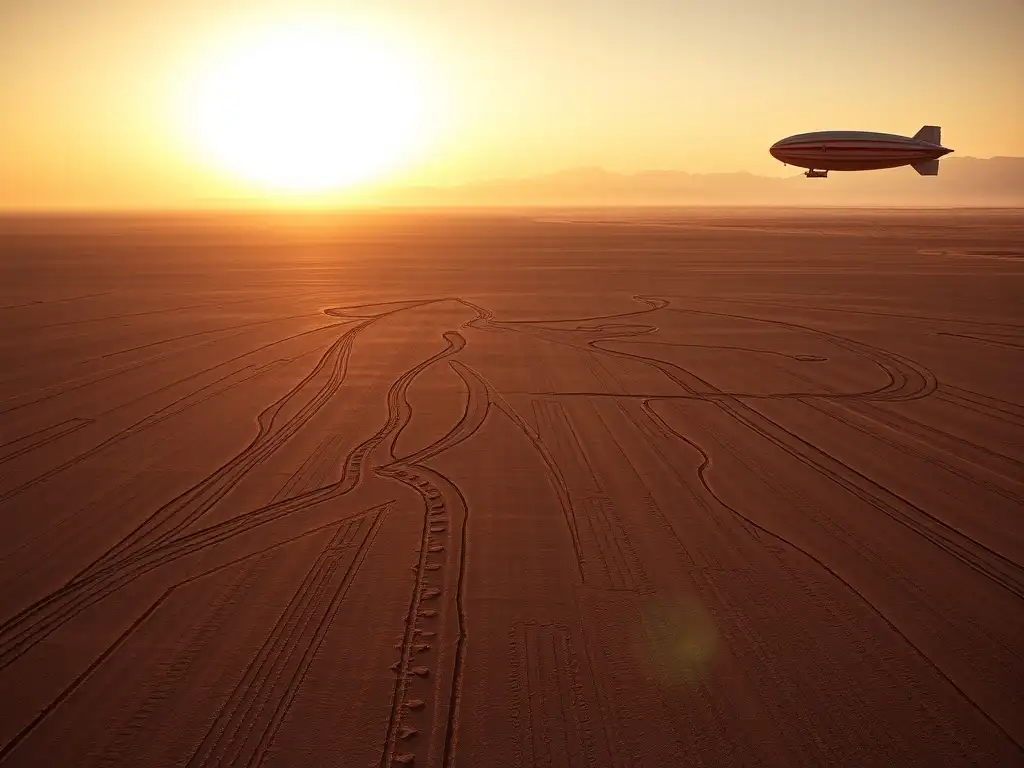
The Nazca Lines, those enigmatic geoglyphs etched into the Peruvian desert, have captivated researchers and the public alike for decades. While their precise purpose remains a subject of ongoing debate, a compelling body of evidence strongly suggests a significant astronomical component to their creation. The intricate designs, their orientations, and their relationship to the celestial bodies point towards a sophisticated understanding of astronomy amongst the Nazca culture, far exceeding previous assumptions about their capabilities.
Understanding the "Nazca lines astronomical significance" requires examining the various theories and the evidence supporting them. This section will explore the multifaceted relationship between Nazca culture and the cosmos, highlighting the astronomical interpretations that have gained traction within the archaeological community. The sheer scale and precision of these geoglyphs, many larger than a football field, hint at a level of planning and knowledge that suggests a dedicated astronomical purpose.
Theories on the Purpose of the Nazca Geoglyphs
Several theories attempt to explain the purpose of the Nazca Lines. Some propose purely ritualistic or ceremonial functions, suggesting the lines were used for processions or religious rites. Others posit a more practical function, such as marking water sources or territorial boundaries. However, the increasingly robust evidence for astronomical alignments strongly suggests a significant role for celestial observations in the creation and use of these geoglyphs.
The precise positioning of many lines in relation to solstices and equinoxes, for instance, cannot be easily dismissed as coincidence. Moreover, the incorporation of animal and plant figures, some of which may represent constellations or celestial events, further supports this astronomical interpretation. The Nazca people, skilled mathematicians and engineers, may have used the lines as a giant calendar, tracking the movements of the sun, moon, and stars.
This would have been crucial for agricultural planning and religious practices intimately tied to the cycles of nature. Further research into the precise geometries and orientations of the lines is needed to fully unravel their complex astronomical significance. The use of advanced surveying techniques and modern astronomical software is crucial in this ongoing endeavor.
Nazca Lines and Celestial Alignments: Exploring the Evidence
A significant portion of research into the "Nazca lines astronomical significance" focuses on identifying and analyzing celestial alignments. Many lines and figures appear to align with specific points on the horizon where the sun rises or sets during solstices and equinoxes. For example, some researchers have proposed that the hummingbird geoglyph aligns with the rising point of the Pleiades star cluster at the winter solstice.
This alignment would have held significant cultural and religious importance for the Nazca. Other studies have focused on the alignment of certain lines with the moon's path, suggesting a complex understanding of lunar cycles. This evidence is meticulously collected and analyzed using Geographic Information Systems (GIS) and other advanced technologies, allowing researchers to create highly accurate 3D models and simulations.
The use of these technologies has revolutionized the study of the Nazca Lines, allowing for a more precise and comprehensive understanding of their possible astronomical functions. The data compiled indicates a deep and sophisticated understanding of the cosmos, suggesting the Nazca people were highly skilled astronomers and meticulously planned their geoglyphs to reflect their cosmic knowledge.
Nazca Astronomy: More Than Just Lines on the Ground
The astronomical significance of the Nazca Lines extends beyond simple alignments. The intricate designs themselves may encode astronomical information, with certain figures representing constellations or celestial events. The apparent precision in the creation of these geoglyphs, often stretching for hundreds of meters, speaks to the advanced technological capabilities of the Nazca culture.
Their understanding of geometry, surveying, and astronomy is remarkable, suggesting a level of sophistication that was previously underestimated. Furthermore, the lines’ location in the desert, a vast and open landscape, allowed for unobstructed views of the horizon, ideal for astronomical observations. The very act of creating these immense geoglyphs may have been a ritualistic act, itself tied to celestial events, reinforcing the lines' importance as both astronomical tools and religious symbols.
The Nazca Lines, therefore, represent far more than just impressive artwork; they embody a sophisticated understanding of the cosmos and a deep connection between the Nazca people and the celestial realm. Continued research and interdisciplinary collaboration will be crucial to fully unlock the secrets embedded within these extraordinary geoglyphs and fully understand their profound "Nazca lines astronomical significance".
Nazca Cosmology: Connecting Earth and Sky
Understanding Nazca Beliefs About the Universe
The Nazca people, inhabiting the arid coastal plains of southern Peru between 100 BCE and 800 CE, possessed a sophisticated understanding of the cosmos, deeply interwoven with their daily lives and religious practices. Their cosmology wasn't simply a detached intellectual pursuit; it was a practical framework for understanding the world, predicting events, and ensuring prosperity. Unlike many other ancient cultures whose cosmological views are inferred from fragmented evidence, the Nazca's leave a remarkably clear imprint on their monumental geoglyphs and elaborate ceramics.
These artifacts reveal a worldview that emphasized the interconnectedness of the earth and sky, a dynamic relationship where celestial events directly influenced terrestrial affairs. The Nazca believed that the celestial bodies—the sun, moon, stars, and constellations—exerted a powerful influence on agricultural cycles, water availability, and ultimately, their survival. This profound connection fueled their meticulous astronomical observations and the creation of intricate systems for tracking celestial movements.
Evidence suggests a deep reverence for celestial deities, with astronomical events likely forming the backbone of their religious calendar and rituals. Further research is needed to fully unravel the nuances of their beliefs, particularly concerning the specific deities associated with different celestial bodies. However, the available evidence strongly suggests a sophisticated, well-developed cosmological framework that shaped Nazca society in profound ways.
The Nazca Calendar and its Link to Agriculture
The Nazca calendar, though not explicitly documented in a written format, is powerfully implied by the precise alignments of many geoglyphs and the careful observation reflected in their pottery designs depicting celestial events. The Nazca lines' astronomical significance is most evident in their potential function as a giant calendar, marking solstices and equinoxes. These precise alignments suggest that the Nazca meticulously tracked the sun's path throughout the year, using this knowledge to predict crucial agricultural seasons.
The availability of water in the arid Nazca desert was paramount, and the calendar likely played a vital role in optimizing planting and harvesting cycles based on the anticipated rainfall patterns. For example, the alignment of certain lines with the rising or setting sun during solstices could have signaled the beginning or end of the rainy season, crucial for planning planting activities. [Specific data on the precise alignments and their correlation with agricultural cycles pending].
Furthermore, the depiction of constellations and celestial bodies on Nazca ceramics provides further insight into their astronomical knowledge and its integration into their agricultural practices. These depictions often appear alongside imagery of agricultural activities, further reinforcing the link between celestial observations and practical farming techniques. The Nazca calendar wasn't just a tool for predicting weather; it was an integral part of their agricultural strategy, a testament to their ingenuity and deep understanding of the environment.
The Role of the Stars in Nazca Rituals and Ceremonies
Beyond their agricultural significance, the stars played a crucial role in Nazca rituals and ceremonies. Many scholars believe that the geoglyphs, particularly those depicting animals and mythical creatures, served as both astronomical markers and symbolic representations of deities or powerful forces associated with specific constellations. The astronomical significance of the Nazca lines is further enhanced by the possible connection between these figures and specific constellations visible in the Nazca night sky. [Further research is needed to identify the precise constellations represented and their corresponding rituals].
The positioning of some geoglyphs might have facilitated astronomical observations, potentially used to mark significant celestial events and guide ritual practices. These rituals likely involved offerings, sacrifices, and possibly shamanistic practices aimed at appeasing deities or ensuring favorable conditions. The precise nature of these ceremonies remains largely speculative, but the evidence strongly suggests that the stars held a prominent place in their religious life.
The intricate designs on Nazca ceramics, often depicting celestial beings and rituals, offer visual clues to the importance of astronomy within their religious practices. The meticulous attention to detail in both the geoglyphs and the pottery reinforces the profound reverence that the Nazca held for the cosmos and its influence on their lives. The Nazca lines, therefore, represent not only impressive feats of engineering but also a powerful window into the religious and spiritual beliefs of this remarkable civilization.
Interpreting Nazca Art and its Astronomical Motifs


The Nazca Lines are undeniably famous, but the Nazca's profound understanding of astronomy is also reflected in their art, providing invaluable insights into their cosmological beliefs and practices. Analyzing their pottery, textiles, and other artistic expressions reveals a civilization deeply connected to the celestial sphere, meticulously documenting and interpreting astronomical events. The intricate designs woven into their cultural artifacts serve as a tangible link to their astronomical observations and beliefs, enriching our understanding of "Nazca lines astronomical significance". This section delves into specific examples, demonstrating the intricate relationship between Nazca art and their astronomical knowledge.
Nazca Pottery and Depictions of Cosmic Entities
Nazca pottery is renowned for its vibrant colors and complex iconography. Many pieces showcase stylized depictions of celestial bodies, constellations, and mythical beings associated with the cosmos. For example, numerous vessels feature representations of the sun and moon, often depicted with exaggerated size and detail, reflecting their importance in Nazca cosmology.
These depictions are not simply decorative; they are carefully rendered, often showing phases of the moon or the sun's apparent movement across the sky. The precision and consistency in these representations suggest a sophisticated understanding of celestial mechanics. Furthermore, some pottery pieces feature constellations, although identifying them definitively requires further research.
The style and composition of these cosmic motifs vary, possibly indicating different interpretations or beliefs within different Nazca communities or time periods. Detailed analysis of the pigments and techniques employed further reinforces the importance placed upon these artistic representations of astronomical phenomena. The sheer volume of pottery with such imagery suggests a widespread understanding and appreciation of astronomy within Nazca society.
The Significance of Animal Representations in Nazca Cosmology
While celestial bodies are prominent, animal representations hold significant weight in interpreting the astronomical significance of Nazca art. Many animals depicted in Nazca pottery and textiles, such as the hummingbird, the condor, and various felines, were likely linked to specific constellations or astronomical events. For instance, the hummingbird, known for its swift flight, might have been associated with the rapid movements of certain stars or celestial bodies.
The condor, a powerful bird soaring high above the Andes, could symbolize the sun's journey across the sky. Analyzing the context in which these animals appear—often alongside celestial motifs—provides crucial clues to deciphering their symbolic meaning within Nazca astronomy. Further research is needed to definitively link specific animals to particular constellations or astronomical cycles, but the prevalence of these animal representations strongly suggests a symbolic connection to their cosmological understanding.
This integration of animal imagery with astronomical elements emphasizes the holistic and interconnected nature of Nazca worldview. The intricate details in the depictions, such as the feathers of the hummingbird or the sharp talons of the condor, hint at a deep observation and understanding of the natural world, which informed their astronomical interpretations.
Nazca Textile Art: Reflecting Astronomical Knowledge
Nazca textile art provides another valuable window into their astronomical knowledge. The intricate weaving techniques and complex designs found in these textiles often incorporate motifs that mirror those found in pottery and on the ground. These textiles, often discovered in tombs and burial sites, may have served ceremonial or ritualistic purposes, further highlighting the importance of astronomy in Nazca society.
The use of different colors and weaving patterns might represent different stars, constellations, or celestial events. For example, certain colors might have been associated with specific planets or stars, while particular weaving patterns could have represented the cyclical movements of celestial bodies. Unfortunately, the fragility of many textiles has resulted in limited surviving examples, hindering a more comprehensive understanding of their astronomical significance.
However, the surviving textiles offer compelling evidence of the Nazca's deep engagement with astronomy, extending beyond the famous lines to encompass a broader artistic and cultural expression of their cosmological beliefs. The meticulous detail and precision in the textile designs underscore the Nazca's dedication to documenting and interpreting their observations of the cosmos. Preservation efforts and further research are crucial to unlocking the full potential of Nazca textiles as a source of information on their astronomical knowledge.
The Nazca People: Their Lives and Their Understanding of the Cosmos
The Nazca Lines' astronomical significance is deeply intertwined with the worldview and societal structure of the Nazca people themselves. Understanding their culture provides crucial context for interpreting these enigmatic geoglyphs. Far from being a purely aesthetic endeavor, the creation of the lines likely reflected a complex cosmology, interwoven with their agricultural practices and social organization.
The Nazca civilization, flourishing in the southern coastal region of Peru from approximately 100 BCE to 800 CE, developed a sophisticated understanding of their environment, particularly the unpredictable nature of water resources in the arid desert. This understanding, reflected in their intricate irrigation systems and agricultural techniques, likely informed their astronomical observations and beliefs. Their deep connection to the desert landscape shaped not only their survival strategies but also their spiritual and cosmological perspectives.
This intimate relationship with nature is reflected in the intricate designs of the geoglyphs themselves, many of which depict animals and plants crucial to their survival. The Nazca lines astronomical significance, therefore, cannot be separated from a holistic understanding of their culture and relationship with the natural world. Further research into their societal structures and beliefs could reveal even more nuanced interpretations of the lines' purpose and meaning.
Nazca Society and its Relationship with Nature
The Nazca people were masters of adaptation to their harsh environment. Their society revolved around managing scarce water resources, employing sophisticated irrigation systems to cultivate crops in the otherwise barren desert. This constant interaction with the natural world, particularly the celestial bodies that influenced the weather patterns crucial for agriculture, likely fostered a deep understanding of astronomy.
Evidence suggests a close relationship between their agricultural cycles and astronomical observations. The precise alignment of some geoglyphs with solstices or equinoxes hints at a calendar system intricately linked to their agricultural practices. Furthermore, the prevalence of animal and plant motifs in the lines suggests a strong connection between their cosmological beliefs and the natural world sustaining them.
The Nazca lines astronomical significance, therefore, is not merely a matter of celestial alignment; it's a testament to their profound knowledge of the natural cycles that dictated their lives. [Specific information pending: detailed analysis of the correlation between agricultural cycles and specific geoglyph alignments].
Nazca Engineering and the Creation of the Geoglyphs
The sheer scale and precision of the Nazca Lines are remarkable feats of engineering, especially considering the tools and technologies available to the Nazca people. Creating these massive geoglyphs required meticulous planning and execution. Evidence suggests they employed simple tools, such as stakes and ropes, to lay out the designs.
The removal of the dark surface stones to reveal the lighter subsoil created the stark contrast that makes the lines visible from the air. The process was undoubtedly labor-intensive, involving a significant portion of the Nazca population. The organization and coordination required for such large-scale projects speak to the advanced social structure and engineering capabilities of the Nazca civilization.
The precision of the lines, especially those aligned with astronomical events, further underlines their sophisticated understanding of geometry and surveying. The Nazca lines astronomical significance, then, is also a testament to their impressive engineering skills and societal organization. [Specific information pending: Detailed analysis of the tools and techniques used in the creation of the lines, with supporting archaeological evidence].
Archaeological Discoveries at Cahuachi
Cahuachi, a large ceremonial center located near the Nazca Lines, offers crucial insights into the Nazca civilization and their cosmological beliefs. Archaeological excavations at Cahuachi have unearthed evidence of large-scale religious structures, suggesting the importance of religious rituals and ceremonies in Nazca society. The discovery of numerous artifacts, including pottery and textiles depicting celestial motifs, strengthens the connection between their religious practices and astronomical observations.
The layout of the city itself may also reflect astronomical alignments, further supporting the idea that astronomy played a central role in their worldview. Studying the architecture and artifacts of Cahuachi provides valuable context for understanding the Nazca Lines' astronomical significance, illuminating the religious and cultural context in which these enigmatic geoglyphs were created.
The findings at Cahuachi suggest that the Nazca lines were not simply artistic expressions but rather integral components of a complex religious and cosmological system. [Specific information pending: Detailed analysis of specific archaeological findings at Cahuachi that directly relate to astronomical observations and beliefs].
Debunking Myths and Misconceptions about Nazca Astronomy

The Nazca Lines, those enigmatic geoglyphs etched into the Peruvian desert, have captivated imaginations for decades. While their precise purpose remains a subject of ongoing research and debate, the prevailing notion of their purely "extraterrestrial" origin is largely unsupported by scientific evidence.
The assertion that only advanced, non-human intelligence could have created such intricate designs ignores a wealth of archaeological and astronomical data pointing towards a far more grounded, and fascinating, explanation: the Nazca people's sophisticated understanding of astronomy and its integration into their cosmology and daily life. The "Nazca lines astronomical significance" is not about aliens, but about a remarkable civilization's deep connection to the cosmos.
The Nazca Lines: Beyond Extraterrestrial Theories
The idea that the Nazca Lines were created by extraterrestrials is a popular, yet ultimately simplistic, explanation. While the scale and precision of the geoglyphs are undeniably impressive, we must avoid the trap of attributing such achievements solely to supernatural or unexplained forces. Archaeological findings consistently point towards a terrestrial origin, suggesting the lines were created over centuries by the Nazca culture using simple tools and a profound understanding of their environment.
The lines' complexity, far from indicating extraterrestrial intervention, highlights the ingenuity and advanced knowledge of the Nazca people. Their mastery of surveying, engineering, and social organization allowed them to undertake such a monumental project.
The precision involved in creating these vast designs, often spanning hundreds of meters, speaks to their meticulous planning and execution, qualities consistent with a highly developed civilization, not alien visitors. The "Nazca lines astronomical significance" is rooted in the cultural context of the Nazca civilization, not in science fiction.
Accurate Interpretations of Nazca Astronomical Knowledge
Recent research strongly suggests that many of the Nazca Lines possess significant astronomical alignments. These alignments are not random; they correlate with the solstices, equinoxes, and the apparent movements of celestial bodies crucial to the Nazca calendar and agricultural practices. For example, some lines appear to point towards the rising and setting points of specific stars or constellations at key times of the year.
This suggests a sophisticated understanding of celestial cycles and their impact on the environment, crucial for agricultural planning and religious rituals. Furthermore, certain geoglyphs might represent constellations or celestial events, reinforcing the deep connection between the Nazca Lines and their astronomical observations. The accurate interpretation of these alignments provides compelling evidence for the "Nazca lines astronomical significance" as a reflection of their cosmological beliefs and practical knowledge.
This understanding wasn't born from advanced technology, but from patient observation and meticulous record-keeping over generations. The Nazca's knowledge of astronomy was deeply intertwined with their understanding of the natural world, allowing them to predict seasonal changes, optimize agricultural practices, and maintain a harmonious relationship with their environment. Their legacy is not just about impressive lines in the desert, but a testament to the power of observation, understanding, and human ingenuity.
The Legacy of Nazca Astronomy and its Impact Today

The Nazca Lines' astronomical significance continues to resonate today, impacting various fields from archaeology and astronomy to tourism and cultural preservation. The intricate understanding of celestial movements demonstrated by the Nazca people offers valuable insights into the development of early astronomical knowledge and its influence on societal structures. Their sophisticated observations, reflected in the alignment of geoglyphs with solstices and equinoxes, surpassed the capabilities of many contemporary cultures.
This advanced understanding wasn't merely a matter of intellectual curiosity; it likely played a crucial role in their agricultural practices, religious beliefs, and social organization. The precise alignment of certain lines with constellations suggests a deep connection between their cosmology and the practical aspects of their daily lives.
Understanding this legacy allows us to appreciate the complexity and sophistication of Nazca civilization far beyond the captivating visual spectacle of the lines themselves. The Nazca Lines astronomical significance is not merely historical; it’s a testament to human ingenuity and a continuing source of scientific inquiry.
Lessons from Nazca's Ancient Understanding of the Cosmos
The Nazca's astronomical observations were remarkably precise, suggesting a sophisticated understanding of celestial cycles. Their ability to accurately predict solstices and equinoxes— crucial for agricultural planning— demonstrates a level of astronomical knowledge comparable to, or even surpassing, that of other contemporary civilizations. For example, the alignment of the hummingbird geoglyph with the rising of specific stars during the summer solstice might have been used to mark the beginning of the planting season.
Further research is needed to fully understand the extent of their astronomical knowledge, but preliminary findings suggest a complex interplay between astronomical observation, religious practices, and agricultural cycles. This intricate connection underscores the deep integration of astronomy into the fabric of Nazca society, highlighting its central role in shaping their worldview and daily life.
The Nazca's approach to astronomy wasn't solely about theoretical understanding; it was deeply practical and served as a foundation for their social and economic structures. Studying their methods allows us to appreciate the holistic nature of their scientific pursuits and their profound impact on their society.
The Preservation of the Nazca Lines for Future Generations
The preservation of the Nazca Lines presents significant challenges due to their fragility and vulnerability to environmental factors and human activity. Erosion from wind and rain, as well as the impact of tourism and illegal activities, pose ongoing threats. Effective preservation strategies require a multi-faceted approach, combining scientific research, sustainable tourism practices, and community involvement.
This includes careful monitoring of environmental conditions, the implementation of controlled access zones, and educational initiatives to raise awareness about the importance of preserving this invaluable cultural heritage. The Nazca Lines' astronomical significance necessitates a global commitment to safeguarding them for future generations. Organizations and governments are actively involved in developing and implementing preservation plans, but continuous monitoring and adaptive strategies are crucial to ensure their long-term survival.
The impact of climate change also needs to be carefully considered, as shifting weather patterns may exacerbate existing threats. Preserving these ancient wonders is not just about protecting archaeological sites; it's about preserving a crucial piece of human history and its unique insights into the development of astronomical knowledge.
Modern Research on Nazca Geoglyphs Using Drones
Modern technology, particularly the use of drones, has revolutionized the study of the Nazca Lines. High-resolution aerial imagery acquired through drone surveys provides unprecedented detail and allows researchers to identify previously unseen geoglyphs and analyze existing ones with greater precision. This technology enables the creation of detailed 3D models, facilitating a more comprehensive understanding of the lines' layout, orientation, and possible astronomical alignments.
Drone technology also minimizes the impact on the fragile desert environment, reducing the risk of damage caused by traditional surveying methods. Analysis of drone imagery, combined with other data such as ground-penetrating radar and satellite imagery, is providing new insights into the construction techniques used by the Nazca people and their relationship with the surrounding landscape. The use of drones in studying the Nazca Lines astronomical significance represents a significant advancement in archaeological research, offering new perspectives and accelerating our understanding of this remarkable cultural heritage.
The detailed mapping capabilities of drones offer the promise of uncovering further secrets hidden within the vast Nazca desert. This technology, coupled with ongoing research, continues to unveil new aspects of the Nazca Lines and their astronomical significance, enriching our understanding of this fascinating ancient civilization.
Conclusion: The Nazca Lines as a Testament to Ancient Astronomical Knowledge
The Nazca lines, sprawling across the Peruvian desert, represent far more than just impressive feats of engineering. Their astronomical significance, a subject of ongoing research and debate, points towards a sophisticated understanding of celestial mechanics by the Nazca culture. Decades of study have revealed compelling evidence suggesting a deep connection between these geoglyphs and the movements of stars, constellations, and the sun.
This wasn't merely a casual observation; the precision and scale of the lines suggest a deliberate, planned astronomical observatory, interwoven with the very fabric of Nazca society. The Nazca lines astronomical significance isn't simply a matter of coincidence; it speaks to a complex worldview deeply intertwined with the cosmos.
Final Thoughts on the Astronomical Significance of the Nazca Geoglyphs
The precise alignment of certain lines with solstices and equinoxes, for example, strongly suggests a calendar system based on astronomical observations. This calendar, integrated into the very landscape, would have been crucial for agricultural practices, predicting crucial times for planting and harvesting. Furthermore, the representations of animals and other figures in the geoglyphs might also encode astronomical information, acting as constellations or representing celestial events.
The intricate designs, while aesthetically stunning, may hold further clues to a sophisticated cosmology, perhaps reflecting mythological narratives linked to the stars. The Nazca lines astronomical significance continues to intrigue researchers and experts alike. Further research, incorporating advanced technologies such as satellite imagery and sophisticated astronomical modeling, is crucial to unlock the remaining secrets hidden within these enigmatic earthworks.
The ongoing study of the Nazca lines continues to challenge our understanding of ancient Andean knowledge and ingenuity. The meticulous planning and execution of these colossal geoglyphs demonstrates a level of societal organization and technological capability often underestimated in studies of pre-Columbian civilizations.
The evidence strongly suggests a complex interplay between astronomical observation, religious beliefs, and practical applications, highlighting the profound astronomical significance of the Nazca lines. This integration of astronomy into daily life underscores the remarkable achievements of the Nazca culture and their deep connection to the cosmos.
The Nazca lines serve as a powerful reminder of the rich and complex astronomical knowledge possessed by ancient Andean civilizations, challenging preconceived notions and opening new avenues for research and interpretation. The mystery surrounding their creation, and the ongoing quest to fully decipher their meaning, ensures that the Nazca lines will remain a source of fascination and wonder for generations to come.
Frequently Asked Questions
What is the main purpose of this article?
This article explores the astronomical significance of the Nazca Lines, examining how this ancient civilization may have used them to track celestial events and understand the cosmos. It delves into the potential connection between the lines and the Nazca people's worldview.
What makes the Nazca Lines astronomically significant?
Some researchers believe the lines' alignment with constellations and solstices suggests their use as a giant astronomical calendar or observatory. Their precise placement and orientation point to a sophisticated understanding of celestial movements.
While many lines seem to have astronomical connections, not all their functions are fully understood. Some may have served ceremonial or ritualistic purposes, while others might have been related to water management or other practical aspects of Nazca life.
How did the Nazca create such precise alignments?
The exact methods remain a mystery, but it's believed the Nazca used a combination of surveying techniques and a deep understanding of geometry and astronomy. Their knowledge of the landscape and celestial movements allowed for remarkable precision.
What other Andean civilizations had similar astronomical practices?
Many Andean civilizations, including the Inca, Moche, and Tiahuanaco, showed evidence of advanced astronomical knowledge. They developed sophisticated calendars and observatories, reflecting a widespread interest in understanding the cosmos across the Andes.
Final Reflection: Deciphering the Desert's Celestial Secrets
The Nazca Lines, far from being mere enigmatic ground drawings, represent a sophisticated understanding of astronomy that continues to resonate with our modern fascination with the cosmos. Their intricate designs, painstakingly etched into the Peruvian desert millennia ago, offer a powerful testament to the ingenuity and profound connection with the universe held by the Nazca culture. This connection, forged through meticulous observation and a deep understanding of celestial cycles, challenges our assumptions about ancient civilizations and their capabilities.
The enduring legacy of the Nazca astronomers lies not only in the breathtaking artistry of the lines themselves, but also in the enduring questions they pose about human perception and our place within the universe. Their work speaks to a timeless human desire to understand the cosmos, a desire that fuels our ongoing exploration of space and our search for meaning beyond our earthly existence. The universe is not only stranger than we imagine, it is stranger than we can imagine.
– J.B.S. Haldane. This quote perfectly encapsulates the awe-inspiring mystery and the boundless possibilities inherent in the Nazca Lines' astronomical significance. Their enduring mystery continues to inspire scientific inquiry and fuels our collective imagination.
Consider, for a moment, the sheer scale of the undertaking and the dedication required to create these monumental works. What can we learn from the Nazca's unwavering commitment to their celestial observations? How can we, in our own lives, cultivate a similar sense of wonder and curiosity about the world around us?
Let the Nazca Lines serve as a reminder of the boundless potential of human ingenuity and our innate connection to the vast, awe-inspiring universe that surrounds us. Embrace the mystery, pursue your own explorations, and let the celestial secrets of the desert inspire your own journey of discovery.
Unveil the Secrets of the Nazca Lines!
Thank you for exploring the fascinating world of the Nazca culture and their astronomical knowledge! You've discovered how these ancient people mapped the cosmos within their arid desert landscape. Now, it's your turn to build on that inspiration!
Here’s how you can delve deeper and connect with this incredible legacy:
- **Join a local astronomy club** or find an online community to observe the night sky, just as the Nazca did.
- **Create your own geoglyph** in your backyard using simple materials—let your creativity reflect the patterns of the stars.
- **Share your newfound knowledge** on social media or with friends to ignite interest in the wonders of ancient astronomy.
How do you think the Nazca people's understanding of astronomy influenced their daily lives and decision-making processes?