
The Role of Women in Moche Society: Power, Influence, and Beyond

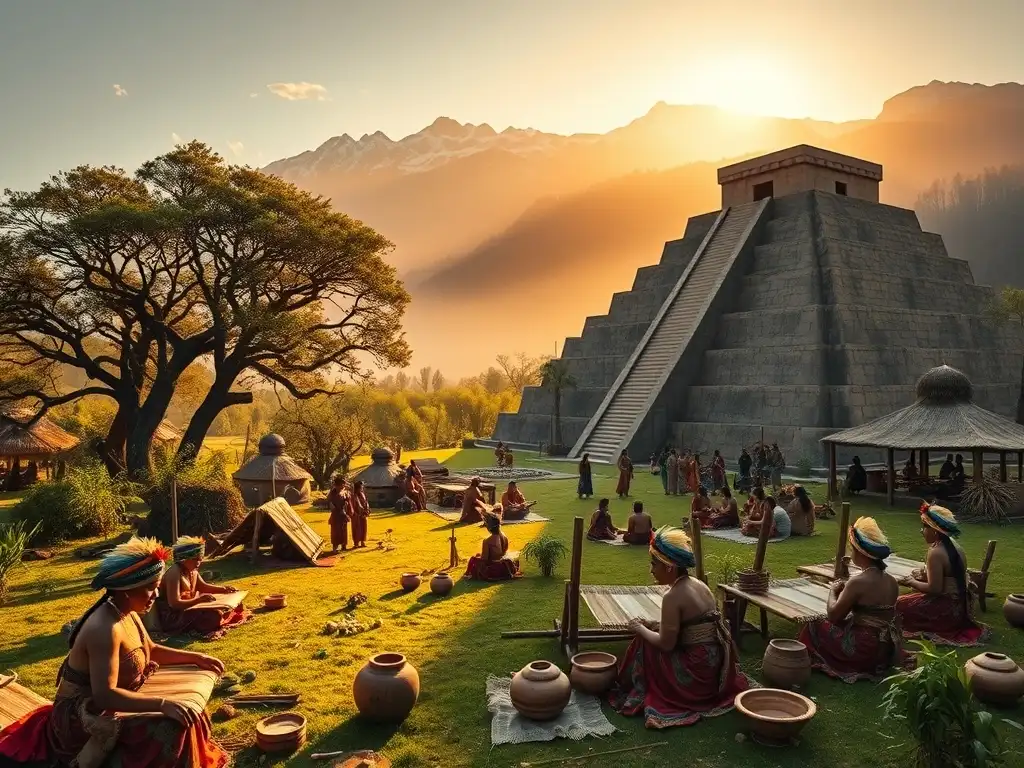
Step into a world lost to time, yet echoing with the power and intrigue of the Andean civilizations. For centuries, their legacy has whispered secrets through the sands—secrets now ready to be unveiled. Prepare to challenge your assumptions about ancient societies as we delve into the fascinating and often overlooked Moche women social roles, revealing a complexity that will redefine your understanding of this remarkable civilization. Discover the surprising influence wielded by Moche women—their power, their artistry, and their lasting impact on a culture that still captivates us today. Are you ready to uncover their story?
The Moche civilization, flourishing along the northern coast of Peru from approximately 100 CE to 800 CE, is renowned for its sophisticated irrigation systems, impressive monumental architecture, and remarkably lifelike pottery. However, a less explored, yet equally fascinating aspect of Moche society is the role of women. Contrary to some simplistic narratives of ancient societies, Moche women held significant positions of power and influence, extending far beyond the domestic sphere.
This article delves into the complex social roles of Moche women, examining evidence from archaeological discoveries to reveal their multifaceted contributions to this vibrant and influential civilization. We will explore their participation in religious rituals, economic activities, and political life, challenging traditional interpretations and highlighting the nuanced realities of gender dynamics within Moche society.
Understanding the role of Moche women is crucial to achieving a complete and accurate understanding of the Moche civilization as a whole, enriching our comprehension of its social fabric and cultural achievements. The keyword "Moche women social roles" will be examined through a lens that emphasizes the diversity and complexity of their experiences.
Evidence from Moche Iconography: Depictions of Powerful Women
Moche iconography, particularly their exquisite pottery, provides invaluable insights into the lives and roles of women. Numerous ceramic vessels depict women participating in various activities, from religious ceremonies to agricultural labor. These depictions often portray women in positions of authority, sometimes even leading rituals or overseeing important events.
For example, many vessels show women adorned in elaborate headdresses and jewelry, suggesting high social status and possibly priestly roles. The detail and artistry of these depictions indicate the importance placed on these women and their activities within the Moche worldview. Furthermore, the recurring nature of these images suggests this wasn't an isolated phenomenon, but a reflection of a broader societal reality.
Careful analysis of these ceramic pieces reveals a range of roles and statuses, demonstrating that Moche women were not a monolithic group, but rather occupied diverse positions within the social hierarchy. Some depictions show women involved in seemingly mundane tasks, while others highlight their involvement in sacred rites and elite activities. This variety in representation further underscores the multifaceted nature of women's roles within the society.
The Role of Women in Moche Religious Practices
The involvement of women in Moche religious practices is evidenced by their presence in numerous ceremonial contexts. Archaeological excavations have uncovered burials containing elaborate grave goods associated with women, suggesting their importance in religious hierarchies. These finds often include artifacts such as ornate jewelry, textiles, and ceremonial objects, indicating a high social standing and perhaps specialized religious functions.
While the precise nature of their religious roles remains a subject of ongoing research, the artifacts themselves powerfully suggest a significant involvement in the spiritual life of the Moche people. Furthermore, the stylistic consistency across various artifacts associated with female burials points towards a structured and possibly formalized system of religious authority involving women.
Further research and analysis of the iconography associated with these burials may shed more light on the specific nature of their religious duties and influence within the community. The possibility of female shamans or priestesses is not ruled out, requiring further investigation.
Women and the Moche Economy: Beyond the Domestic Sphere
While traditional narratives often confine women to domestic roles, archaeological evidence suggests a more active participation of Moche women in the economy. The production of textiles, a crucial element of Moche society, was likely a predominantly female activity. The intricate weaving techniques and the high quality of the textiles discovered in Moche tombs suggest a high level of skill and specialization. Furthermore, the presence of women in scenes depicting agricultural activities on Moche pottery indicates their involvement in food production, a fundamental aspect of the Moche economy.
The detailed depictions showcase women participating in various stages of the agricultural process, from planting and harvesting to processing and storage. This participation extends beyond mere sustenance, implying a significant contribution to the overall economic prosperity of the community. These findings suggest that women’s economic contributions were far from negligible, significantly impacting the Moche society's well-being and stability.
Interpreting the Evidence: Challenges and Future Directions
While the evidence points towards a significant role for women in Moche society, interpreting this evidence requires careful consideration. The biases inherent in archaeological interpretations must be acknowledged. The limited access to written records necessitates a reliance on material culture, which can be open to multiple interpretations. Future research should focus on refining dating techniques, expanding archaeological surveys, and employing interdisciplinary approaches (including gender studies) to better understand the complex social dynamics of Moche society.
A more nuanced understanding of Moche women's roles requires a critical examination of existing interpretations and a commitment to uncovering further evidence. This will involve collaborations between archaeologists, anthropologists, and other specialists to build a more comprehensive and accurate picture of the lives and contributions of Moche women. The ongoing research promises to further illuminate the richness and complexity of Moche culture and challenge previously held assumptions about gender roles in ancient Andean societies.
👩🌾 🧵 🏺 The exploration of Moche women's roles continues to reveal the vibrant complexity of this ancient civilization.
- Evidence from Moche Iconography: Depictions of Powerful Women
- The Role of Women in Moche Religious Practices
- Women and the Moche Economy: Beyond the Domestic Sphere
- Interpreting the Evidence: Challenges and Future Directions
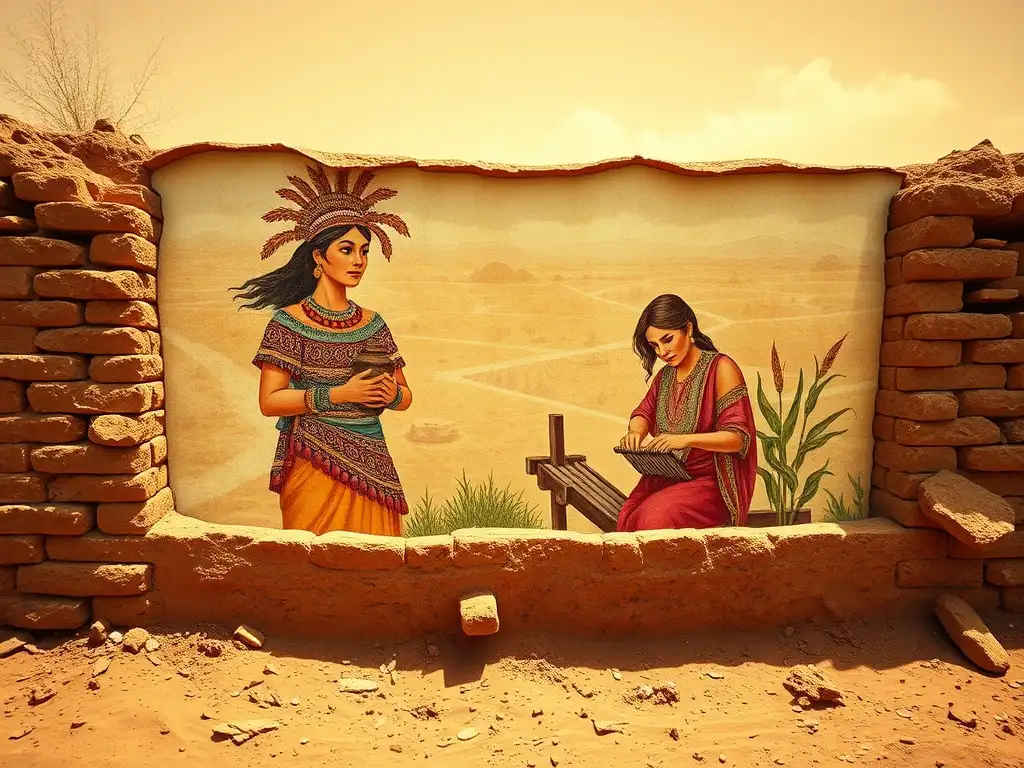
The Moche civilization, flourishing along the northern coast of Peru from approximately 100 to 800 CE, presents a fascinating case study in understanding the complexities of gender roles in ancient societies. While traditional narratives often depict women in ancient cultures primarily as homemakers, a closer examination of Moche art, iconography, and archaeological evidence reveals a far more nuanced and significant role for Moche women.
The keyword phrase "Moche women social roles" only begins to scratch the surface of the multifaceted contributions and influence these women exerted within their society. This section will delve into the diverse aspects of their lives, challenging preconceived notions and revealing the surprising power and influence wielded by Moche women.
We will analyze evidence suggesting that their roles extended far beyond the domestic sphere, encompassing religious practices, political influence, and economic activities. The rich tapestry of Moche culture, meticulously preserved through its stunning ceramics and monumental architecture, offers invaluable clues to unlocking the secrets of Moche women's lives.
Moche Women: Beyond Domestic Roles
Contrary to common assumptions about ancient societies, Moche women were not confined solely to domestic tasks. While undoubtedly involved in household management and childcare, archaeological evidence suggests a much broader spectrum of activities. The intricate textile production, for example, was a highly valued skill, often depicted in Moche pottery showing women weaving and spinning.
These textiles were not merely utilitarian; they served ceremonial and status-related purposes, suggesting a significant economic and social contribution. Furthermore, the discovery of female burials with elaborate grave goods, including gold ornaments and fine ceramics, indicates a level of social standing and economic power that challenges the notion of women being exclusively subservient.
The depiction of women in Moche art also provides crucial insights. Many ceramic vessels showcase women participating in religious ceremonies, sometimes even as central figures. These portrayals often depict them with elaborate headdresses and adorned with prestigious symbols, implying a significant religious role and potentially a position of authority within the religious hierarchy.
The presence of women in ritual contexts suggests their active participation in shaping the spiritual life of the community, a role often overlooked in simplified interpretations of Moche society. The detailed craftsmanship and symbolic representation in these artifacts emphasize the importance of these women and their activities.
Challenging Traditional Views on Gender in Moche Society
The prevailing image of ancient Andean societies as rigidly patriarchal needs significant revision when considering the Moche case. While a complete understanding requires further research, the available evidence suggests a more complex and possibly less hierarchical gender dynamic than previously assumed. The presence of female warriors depicted in Moche pottery, wielding weapons and participating in combat, directly challenges the traditional view of women's roles being confined to the domestic sphere. These images, though sometimes interpreted symbolically, suggest that women played a more active role in the military and defense of their communities than previously thought.
Furthermore, the discovery of female tombs with high-status grave goods, comparable to those of men, underscores the potential for women to achieve positions of power and influence within the Moche social structure. This indicates a degree of social mobility and access to resources not always associated with ancient societies.
This evidence suggests that the Moche social hierarchy was not solely based on gender, but rather a complex interplay of factors including lineage, skills, and possibly even personal achievements. The complexity of the Moche social structure and the multifaceted nature of Moche women's roles present a valuable opportunity to reconsider the assumptions surrounding gender roles in ancient societies and to further our understanding of the diverse ways in which women participated in and shaped the development of the Moche civilization.
Further research and analysis of archaeological findings are crucial to continue refining our understanding of the social dynamics of the Moche civilization and the significant contributions of Moche women.
Evidence of Female Power in Moche Iconography
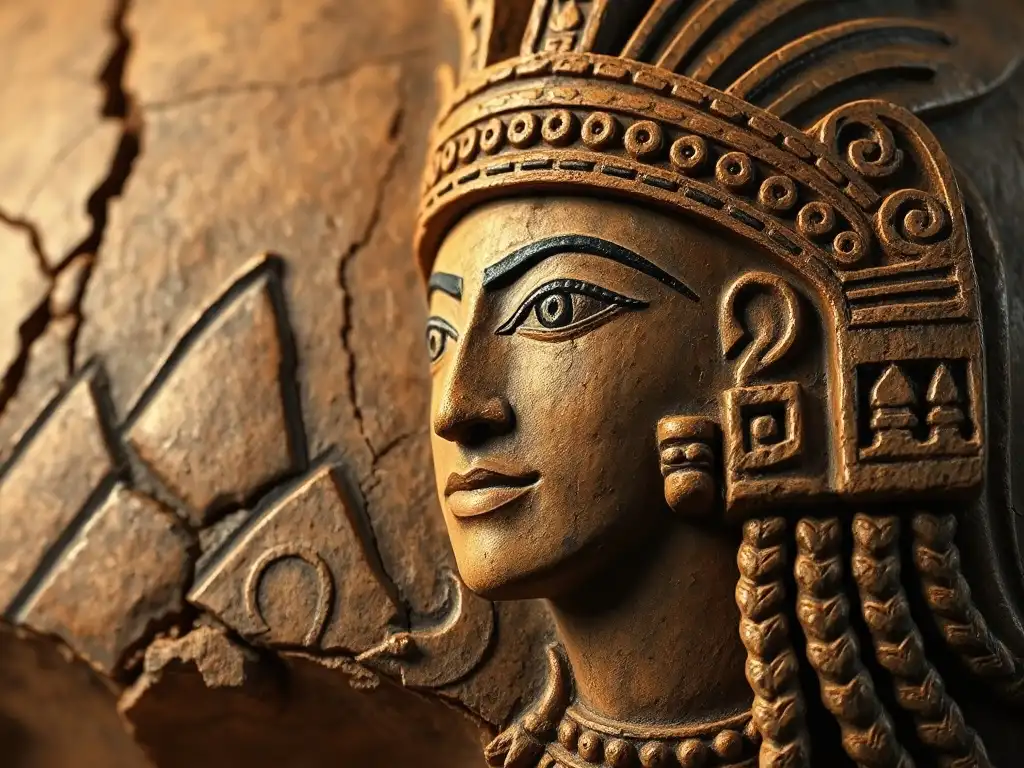
The Moche civilization, flourishing on the northern coast of Peru from approximately 100 CE to 800 CE, left behind a rich artistic legacy that offers compelling insights into the social roles of women. Contrary to some earlier interpretations that minimized female participation in Moche society, careful examination of Moche iconography reveals a complex reality where women held positions of power, influence, and prestige.
This section explores the visual evidence supporting this assertion, focusing on the recurring depictions of women in various contexts and analyzing their symbolic meaning within the broader Moche worldview. The keyword "Moche women social roles" is central to understanding these representations and their implications.
Depictions of Women in Moche Art
Moche pottery, renowned for its intricate detail and vibrant colors, frequently features women in prominent roles. These depictions are not limited to passive or subservient figures. Instead, they portray women actively participating in various aspects of Moche life, from religious ceremonies to agricultural activities.
Many vessels show women performing ritual acts, adorned with elaborate headdresses and jewelry, suggesting their involvement in religious leadership. The frequency and prominence of these depictions strongly suggest that women occupied significant social positions within the Moche social structure. For example, a notable number of vessels depict women participating in elaborate drinking ceremonies, often alongside male figures, indicating a shared social standing and participation in important rituals.
Further analysis of the stylistic choices in these depictions, such as the use of specific colors or body adornments, could provide further clues about the specific roles these women held and their social status within the community. The variety of roles depicted, from ritualistic participation to agricultural labor, underscores the diverse and influential positions occupied by Moche women.
The Significance of Female Deities in Moche Religion
The Moche pantheon included powerful female deities, further reinforcing the evidence of women's prominent roles in society. While research continues to uncover the intricacies of Moche religion, existing evidence points to a complex system of beliefs where female deities held significant power and influence.
These goddesses were often depicted in powerful positions, sometimes controlling natural forces or wielding symbolic objects associated with fertility and abundance. The prominence of these female deities in religious iconography suggests a deeply ingrained societal respect for women's power and influence, extending beyond the earthly realm into the spiritual one.
The presence of these powerful female figures in the Moche religious landscape provides a crucial context for understanding the social roles of women, highlighting their importance in both the secular and sacred spheres of life. This religious representation of female power directly reflects and supports the social standing of women within Moche society, offering valuable insights into their complex roles and cultural significance.
Analyzing the Roles of Priestesses and Ritual Leaders
The presence of female priestesses and ritual leaders within Moche society is strongly implied by the iconographic evidence. While direct textual evidence is lacking, the depiction of women in elaborate ritual attire, performing ceremonies, and interacting with deities suggests a significant role in religious practices. These individuals were likely highly respected members of the community, wielding considerable influence over religious and potentially political matters.
The careful craftsmanship and attention to detail in the depiction of these figures in Moche art elevate them beyond simple participants; they are portrayed as powerful agents, central to the religious life of the civilization. Further study comparing the depiction of female ritual leaders with their male counterparts could reveal subtle differences in their roles and responsibilities, offering a more nuanced understanding of gender dynamics within Moche religious practices.
The detailed analysis of these depictions, using techniques such as stylistic comparison and contextual interpretation, will allow for a deeper understanding of the roles and influence of female priestesses and ritual leaders in the functioning of Moche society. This research is crucial to accurately portray the significant contribution of Moche women to their society and culture.
Moche Women's Influence on Political and Economic Spheres
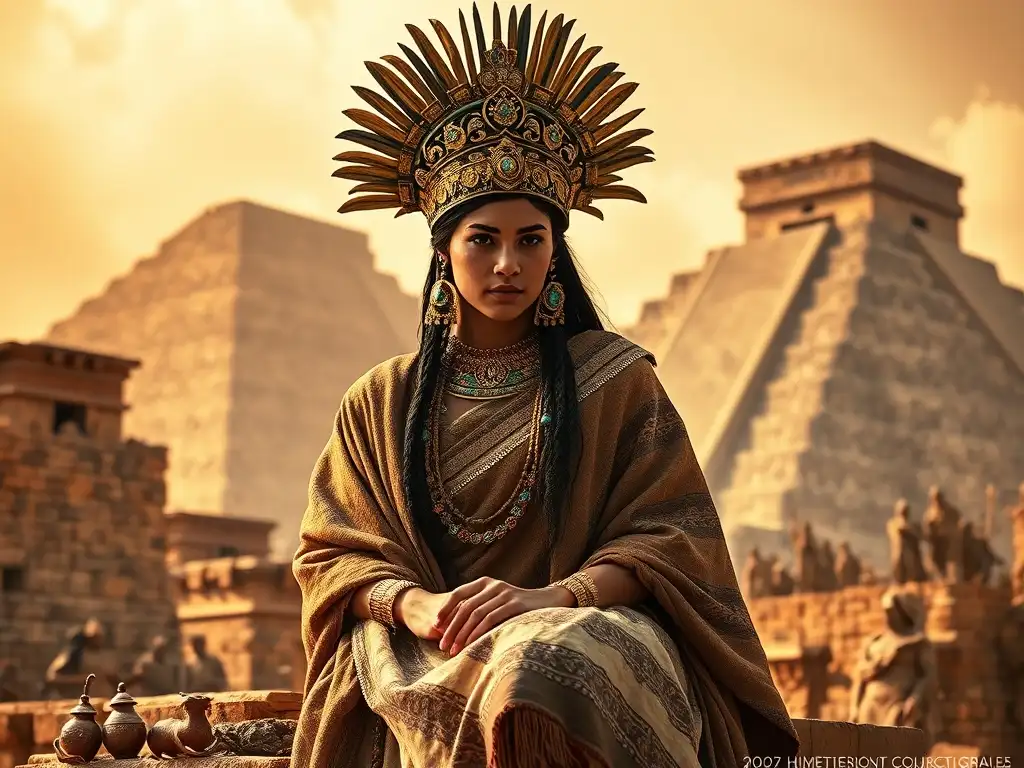
The prevailing narrative surrounding the Moche civilization often focuses on the impressive feats of engineering, the striking artistry of their pottery, and the power of their warrior elite. However, a closer examination reveals a more nuanced picture, one where women played a significant and multifaceted role, extending far beyond the domestic sphere. Understanding the true extent of Moche women's influence requires looking beyond stereotypical assumptions and delving into the archaeological evidence available.
Their impact on both political and economic spheres was substantial, shaping the society's structure and leaving an undeniable mark on its legacy. The keyword "Moche women social roles" aptly describes the complex and dynamic nature of their contribution.
While definitive proof of female political leadership in the Moche civilization remains a subject of ongoing scholarly debate, compelling evidence suggests women held positions of significant power and influence. The depiction of women in elite contexts within Moche iconography is crucial. Many ceramic vessels showcase women adorned in elaborate headdresses and regalia, often depicted alongside, or even dominating, scenes featuring male figures traditionally associated with authority. This visual representation, while not explicitly stating a hierarchical position, strongly suggests a level of social status and power comparable to, or even exceeding, that of many men.
Furthermore, the discovery of female burials with elaborate grave goods—including gold ornaments, fine textiles, and ceremonial objects—provides additional support for the idea of female elites. These finds are not simply indicative of wealth; they suggest a social standing that granted access to resources and privileged treatment typically associated with political authority. The careful arrangement of these goods and the context of the burials themselves point towards a deliberate attempt to signify the deceased woman's high status within Moche society.
While we cannot definitively label these women as "queens" or "rulers," the archaeological data strongly suggests a level of political agency and influence that deserves further investigation and careful consideration. Further research into burial sites and iconography is needed to solidify our understanding of the extent of female political power.
Women's Participation in Moche Economic Activities
Moche women were not confined to domestic roles; their participation in the economy was extensive and vital. Archaeological findings reveal significant female involvement in various economic activities, contributing significantly to the society's wealth and prosperity. The production of textiles, a crucial element of Moche culture, was largely a female domain.
The intricate weaving techniques, the use of high-quality materials such as cotton and camelid fibers, and the elaborate designs found on surviving textiles all point to a high level of skill and expertise within the female population. These textiles served not only practical purposes—clothing, blankets, etc.—but also held significant ritual and ceremonial value.
Beyond textile production, women likely played a key role in agriculture. The cultivation of crops like maize, beans, and squash was essential to the Moche economy, and women likely participated in all stages—from planting and harvesting to processing and storage. This involvement contributed significantly to food security and economic stability.
Moreover, the existence of female-owned or managed marketplaces is a likely scenario, although direct evidence remains elusive, highlighting the need for further investigation using a gendered lens. The economic contributions of Moche women were fundamental to the overall prosperity of the civilization. Their roles were not merely supplementary but integral to the Moche economic system.
The Impact of Women on Moche Craft Production
Moche craft production, particularly pottery, is renowned for its exquisite detail and artistic merit. While male artisans may have dominated certain areas, the involvement of women in pottery production is undeniable, though perhaps less directly visible than in textiles. The creation of certain types of pottery, particularly those with specific decorative motifs or used in certain rituals, may have been predominantly or exclusively the work of women. This specialization could have reflected both gender-based division of labor and the social value placed upon specific female skills.
Furthermore, the iconography itself often portrays women as central figures in many of the scenes depicted on the pottery. These depictions, meticulously crafted and intricately detailed, showcase not just the skill of the artisans but also their ability to convey complex social narratives. The detailed and expressive renderings of women participating in various activities—from religious ceremonies to everyday life—suggest that women played a vital role in shaping the artistic expression of Moche culture.
The artistry of Moche pottery is an excellent reflection of the multifaceted lives and crucial contributions of women within the society. Further research focusing on stylistic analysis of pottery and correlating it with burial context might reveal more specific roles of women in craft production. The continued study of Moche women's influence on their society's artistic output is a crucial aspect of understanding their overall societal impact.
Moche Burials and the Status of Women
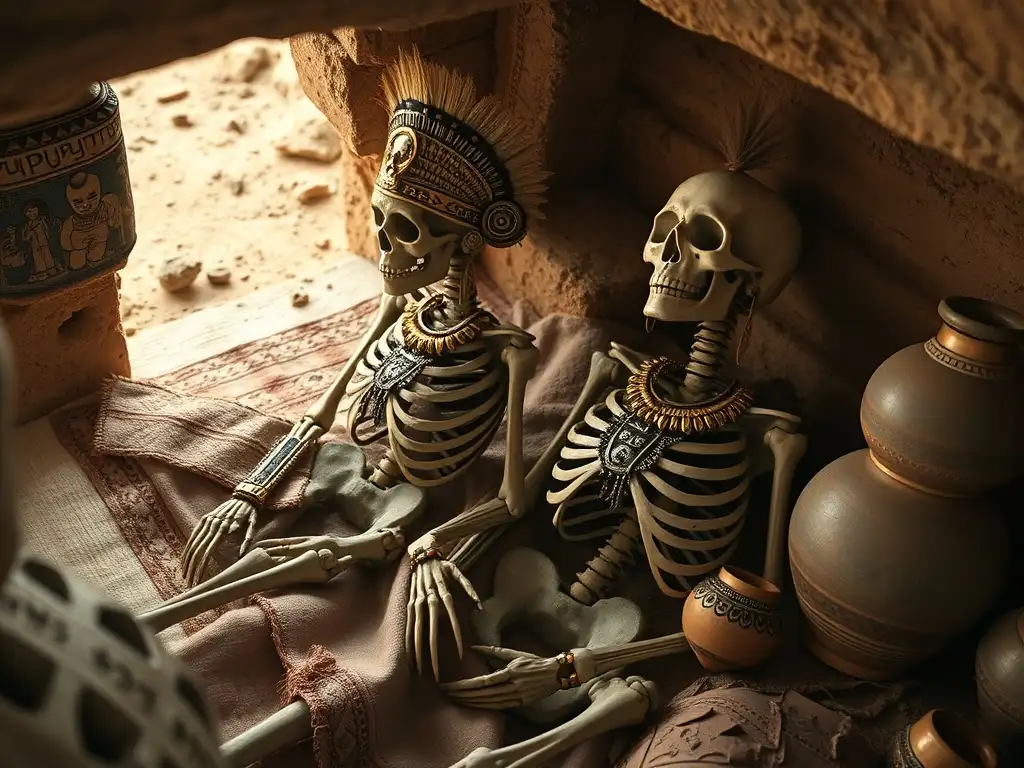
The study of Moche burials offers invaluable insights into the social roles of women within this fascinating civilization. Analyzing grave goods, burial context, and the skeletal remains themselves provides a nuanced understanding of the complexities of Moche gender dynamics, challenging traditional narratives that often minimized women's contributions. Unlike many other ancient societies, Moche archaeological evidence suggests a more multifaceted role for women than simply domesticity.
The distribution of grave goods, particularly in elite contexts, reveals a significant degree of power and influence held by certain women within the Moche social hierarchy. Further research into isotopic analysis of skeletal remains could provide additional data on diet and lifestyle differences between men and women, further illuminating their respective social standing. This detailed analysis of burial practices is crucial to understanding the full spectrum of Moche women's social roles, moving beyond simplistic interpretations of their societal standing.
Analyzing Burial Goods and Grave Offerings
Moche grave goods are incredibly diverse, reflecting the social status and occupation of the deceased. The presence of specific artifacts within a burial provides strong indicators of the individual's role in society. For example, the discovery of elaborate headdresses, finely crafted textiles, and gold ornaments in certain female burials directly challenges the notion of women solely occupying domestic roles.
These high-quality artifacts, often comparable to those found in male elite burials, demonstrate the significant wealth and power wielded by some Moche women. Furthermore, the presence of tools associated with specific crafts, such as pottery or weaving, in female graves suggests specialized skills and economic contributions beyond the domestic sphere. The careful analysis of these grave goods, coupled with contextual evidence from the burial site itself, offers a more accurate portrayal of Moche women's social standing and economic participation.
Detailed cataloging of these objects, including materials, manufacturing techniques, and stylistic elements, is essential for this analysis. For example, the intricate designs on textiles found in female graves often mirror those found in elite male burials, suggesting a shared aesthetic and potentially a shared social status.
High-Status Female Burials
Several high-profile Moche burials have yielded exceptional evidence of powerful women. These burials often contain an array of luxurious grave goods, including gold and silver jewelry, elaborate ceramics, and finely woven textiles. The sheer quantity and quality of these items clearly indicate a high social standing, comparable to, and sometimes exceeding, that of their male counterparts.
For example, the discovery of a female burial containing a gold mask and a significant quantity of jade ornaments clearly points to an individual of immense power and influence within the Moche society. Moreover, the presence of specific iconographic elements in the ceramics and textiles within these burials can provide insights into their roles and status within the community. Further research using advanced imaging techniques on these artifacts could reveal additional details about their production and symbolic meaning.
The careful study of these high-status female burials is critical to understanding the extent of women's power and influence in Moche society, challenging simplistic interpretations of gender roles. The positioning of the bodies, the arrangement of grave goods, and the overall context of the burial site all contribute to a comprehensive understanding of these powerful women's lives and legacies.
The evidence from Moche burials strongly suggests a more complex and nuanced understanding of women's social roles is needed. While some women undoubtedly held domestic roles, the presence of high-status female burials with lavish grave goods indicates a significant number of women occupied positions of power and influence. The diversity of grave goods found in female burials, ranging from domestic items to elite artifacts, reflects the varied roles women played within Moche society.
This evidence challenges the simplistic assumption of a rigidly patriarchal structure and highlights the need for a more inclusive and nuanced understanding of Moche gender dynamics. Further research focusing on the analysis of skeletal remains, isotopic studies, and a more comprehensive survey of Moche burials are crucial to further refine our understanding of the social standing of Moche women.
The ongoing discovery and analysis of new burial sites are continuously refining our understanding of Moche women's diverse and complex social roles, pushing beyond the limitations of previous interpretations and revealing the multifaceted nature of Moche society. The meticulous documentation and analysis of these findings are essential to fully grasp the significance of Moche women's contributions to their civilization.
The Legacy of Moche Women and Modern Interpretations
The enduring legacy of Moche women extends far beyond the confines of their own civilization. Their societal roles, depicted vividly in Moche pottery and other archaeological findings, continue to fascinate and inspire contemporary researchers and the public alike. Understanding their contributions is crucial to a complete appreciation of Moche society and its lasting impact on subsequent Andean cultures.
Their influence reverberates through centuries, shaping the understanding of gender roles in later Andean societies and offering valuable insights into the complexities of pre-Columbian civilizations. The study of Moche women's social roles provides a powerful lens through which to examine the evolution of gender dynamics in the Andes. Their stories, pieced together from fragmented evidence, challenge traditional narratives that often marginalize the contributions of women in historical contexts.
Moche Culture's Influence on Later Andean Societies
The Moche civilization, flourishing from approximately 100 to 800 CE, left an indelible mark on the Andean region. While the specific ways in which Moche societal structures influenced later cultures, particularly concerning the roles of women, require further investigation, several key observations can be made. The strong representation of women in Moche iconography, often depicted as powerful figures participating in religious ceremonies and holding positions of authority, suggests a level of social influence that may have resonated with subsequent Andean societies.
For instance, the later Chimu civilization, which succeeded the Moche, also showed evidence of strong female figures in leadership roles, although the exact nature of their power remains a topic of ongoing research. The continuity of certain artistic motifs and religious practices between the Moche and subsequent cultures suggests a potential transmission of cultural values and social norms, potentially including aspects of gender roles. Further research comparing the archaeological records of different Andean civilizations is needed to determine the extent of this influence, and whether the elevated status of Moche women had a direct impact on the roles of women in later Andean societies.
We can hypothesize that certain aspects of Moche social structures, including those related to gender, may have served as models or inspiration for later Andean civilizations. However, more comprehensive comparative studies are needed to firmly establish these connections. The complexity of cultural transmission and adaptation necessitates a nuanced approach to understanding the legacy of Moche women in the broader context of Andean history.
New Perspectives on Moche Women
Recent scholarship has significantly revised our understanding of Moche women, moving beyond simplistic interpretations of their roles. Initially, many interpretations focused solely on their depiction in a primarily sexualized manner in certain art forms. However, a more nuanced perspective now acknowledges the multifaceted nature of their lives and contributions. Archaeological evidence, including the discovery of female burials with elaborate grave goods comparable to those of male elites, challenges the notion of a strictly patriarchal society.
This suggests that women held positions of power and prestige within Moche society, possibly as religious leaders, political figures, or influential members of the elite class. The careful analysis of Moche pottery, textiles, and other artifacts reveals a rich tapestry of female experiences, far exceeding the limited perspectives offered by earlier interpretations. The emergence of new methodologies and interdisciplinary approaches in archaeology, including the incorporation of feminist perspectives, has dramatically altered our understanding of Moche women's social roles. This shift in perspective allows us to interpret the available evidence more critically, acknowledging the limitations of the surviving sources and the potential biases embedded within them.
The ongoing research continues to uncover new insights, providing a more comprehensive and nuanced understanding of the complex lives and significant contributions of Moche women. The journey towards a complete understanding is ongoing, with new discoveries and interpretations constantly refining our knowledge of this fascinating and important aspect of Moche civilization. The evolving understanding of Moche women's social roles underscores the dynamic nature of historical research and the importance of revisiting past interpretations in light of new evidence and perspectives.
Frequently Asked Questions
Moche women held a diverse range of roles, from textile production and pottery creation to religious leadership and possibly political influence. Their contributions were vital to the society's functioning.
Did Moche women have political power?
While direct evidence is limited, archaeological findings suggest some Moche women held positions of power and authority, possibly as priestesses or even rulers, influencing political and religious spheres.
How did Moche art depict women?
Moche art frequently depicts women in various roles and contexts, often showcasing their skill in crafts and their participation in religious ceremonies. These portrayals reveal their importance within the society.
What was the role of women in Moche religion?
Women played a significant role in Moche religious practices, likely serving as priestesses and participating in rituals. Their connection to fertility and the supernatural is evident in many artistic representations.
Compared to some other Andean societies, Moche women appear to have enjoyed a relatively high status, reflected in their depiction in art and their apparent involvement in various aspects of Moche life, including religious and potentially political spheres.
Final Reflection: Unveiling the Complexity of Moche Women
The vibrant tapestry of Moche society, often depicted through the lens of its powerful warrior-priests, reveals a far more nuanced reality when we examine the significant, yet often overlooked, roles of women. Their influence extended far beyond the domestic sphere, shaping religious practices, economic structures, and even political power dynamics in ways that continue to challenge our understanding of ancient Andean civilizations.
The enduring legacy of Moche women serves as a potent reminder that historical narratives are often incomplete, biased, and require continuous re-evaluation. Their presence, powerfully depicted in Moche iconography, speaks volumes about their societal standing, challenging the simplistic narratives that often dominate discussions of pre-Columbian societies. The past is never dead. It's not even past.
– William Faulkner. This quote resonates deeply, urging us to actively seek out and interpret the evidence that reveals the full story, not just the dominant narrative. Their contributions, though often subtly expressed, were undeniably crucial to the Moche way of life.
Consider the implications of this rediscovery. What does it mean to re-evaluate our understanding of power structures, not just in ancient societies, but in our own? You, the reader, are now equipped with a deeper understanding of the complexities of Moche society and the vital contributions of its women. Take this knowledge with you, and let it inspire you to question established narratives, to seek out the untold stories, and to champion a more inclusive and accurate understanding of the past, present, and future.
**Empower Your Understanding of Moche Women! **
Thank you for exploring the fascinating world of Moche society! Your interest in the significant roles of women is crucial to understanding the complex tapestry of power and influence that shaped Andean civilizations. Now that you've discovered their remarkable contributions, let's delve deeper.
Here's how you can continue your exploration:
- **Join the discussion:** Share your thoughts on the importance of women in ancient societies by commenting below. Your insights will contribute to a valuable conversation!
- **Expand your knowledge:** Explore our related articles on various Andean cultures to broaden your understanding. You might uncover fascinating new perspectives!
- **Share this discovery:** Share this article with friends and on social media to inspire others to appreciate the powerful roles women played in shaping history.
As you reflect on the impact of these women, consider this: **What can modern society learn from the strength and influence of Moche women? ** Let's discuss!