
Art That Speaks: Decoding the Symbolism in Andean Craftsmanship

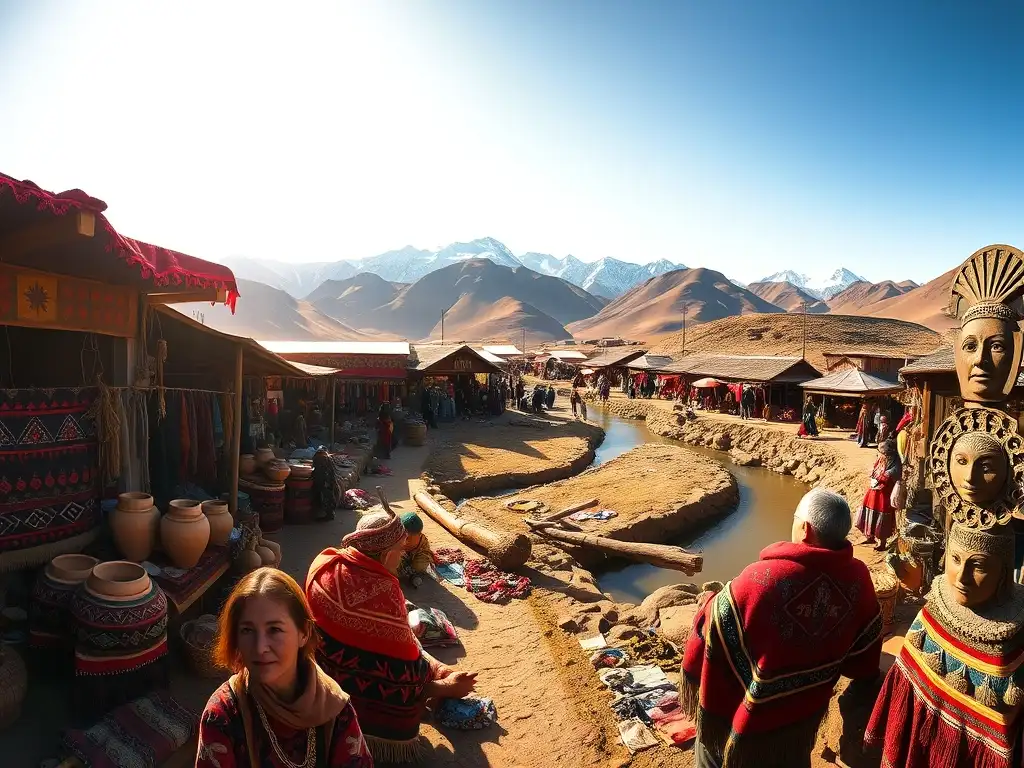
Unravel the mysteries woven into the very fabric of the Andes! Journey through millennia of ingenuity and artistry as we delve into the captivating world of Andean civilizations. From the intricate designs of Inca textiles to the enigmatic symbols etched into Moche pottery, discover the hidden stories behind Andean craft symbolism meaning. Prepare to be amazed by the depth and complexity of a culture that continues to inspire awe. Are you ready to decode their secrets?
The Andes Mountains, a spine of towering peaks running down the western coast of South America, are home to a rich tapestry of ancient civilizations. For millennia, these cultures – including the Incas, Moche, Nazca, and Tiahuanaco – developed sophisticated societies with unique artistic expressions.
Their craftsmanship, far from being mere decoration, served as a powerful means of communication, conveying complex narratives, religious beliefs, and social structures through intricate designs and symbolic imagery. This article delves into the fascinating world of Andean craft symbolism, exploring the meaning behind the intricate patterns, figures, and motifs found in textiles, pottery, and metalwork, providing insights into the minds and beliefs of these remarkable Andean peoples.
Understanding this symbolism offers a deeper appreciation for the ingenuity and cultural richness of these ancient societies and provides a key to unlocking a deeper understanding of their worldview. We will explore how analyzing Andean craft symbolism meaning can illuminate our understanding of their history, beliefs, and daily life.
Understanding Andean Craftsmanship: More Than Just Decoration
Andean craftsmanship wasn't simply about aesthetics; it was deeply intertwined with the spiritual and social fabric of their societies. Textiles, for example, were not just clothing; they were imbued with symbolic meanings reflecting social status, religious affiliations, and even historical events. Pottery, often depicting deities, mythical creatures, and scenes from daily life, served both practical and ritualistic purposes.
Similarly, intricate metalwork, showcasing mastery of techniques like hammering, casting, and gilding, often featured symbolic motifs representing power, fertility, and cosmic forces. The creation of these artifacts was a sacred act, performed with precision and attention to detail, reflecting the deep spiritual significance attached to them. Consider, for instance, the intricate weaving techniques employed by Andean artisans, which often incorporated complex patterns and colors representing specific clans, lineages, or cosmological concepts.
These weren't simply decorative choices; they were carefully chosen visual representations of identity and belief. The level of skill and artistry involved underscores the significant cultural value placed on these objects.
Deciphering the Symbols: A Journey Through Andean Iconography
The Andean world is replete with recurring symbols, each carrying its own weight of meaning. Some common motifs include:
- The condor: Often representing power, strength, and royalty. Its soaring flight symbolized connection to the upper world and spiritual realms.
- The serpent: Frequently associated with fertility, water, and the earth's life-giving forces. Different serpent depictions held nuanced meanings depending on the specific culture and context.
- The feline: Representations of jaguars and pumas often symbolized strength, hunting prowess, and sometimes even shamanic power.
- Geometric patterns: These intricate designs, often incorporating spirals, zigzags, and stepped patterns, frequently encoded complex cosmological beliefs and social structures. Their variations across different Andean cultures offer a fascinating insight into regional differences and cultural exchanges.
Understanding the context in which these symbols appeared is crucial for accurate interpretation. The same symbol might hold different meanings depending on the artifact, the culture that created it, and the historical period. For example, a specific type of knot in a textile might signify a particular clan affiliation in one region but represent a different concept in another.
Therefore, a nuanced approach, considering archaeological evidence, ethnographic studies, and comparative analysis, is necessary for a comprehensive understanding of Andean craft symbolism meaning. Further research is needed to fully decode the intricacies of certain symbols and patterns, especially those with less widely documented interpretations.
The Legacy of Andean Symbolism: Contemporary Interpretations and Applications
The rich symbolism embedded in Andean crafts continues to resonate today. Contemporary Andean artists often draw inspiration from ancient motifs, incorporating traditional designs into their work while adding their own interpretations. This fusion of ancient traditions and modern aesthetics reflects a vibrant cultural heritage that remains alive and relevant.
Moreover, the study of Andean craft symbolism has implications beyond the academic realm. Understanding the meaning behind these ancient designs can inform contemporary art, design, and even tourism initiatives, promoting cultural understanding and appreciation. The enduring legacy of Andean symbolism serves as a powerful reminder of the ingenuity and creativity of these ancient civilizations and their enduring influence on the region's cultural identity.
The ongoing research and interpretations of these symbols contribute to a richer and more nuanced understanding of the Andean world and its lasting impact. The continued study of Andean craft symbolism meaning provides a crucial link between the past and the present, enriching our understanding of both.
- Understanding Andean Craftsmanship: More Than Just Decoration
- Deciphering the Symbols: A Journey Through Andean Iconography
- The Legacy of Andean Symbolism: Contemporary Interpretations and Applications
The Rich Tapestry of Andean Symbols
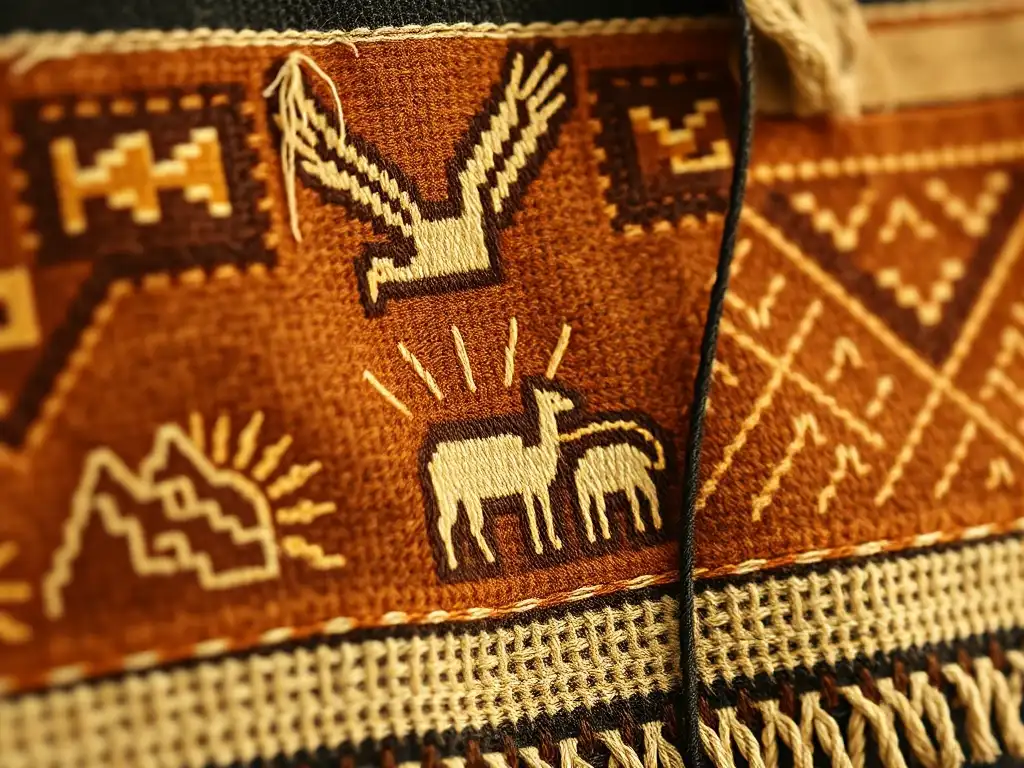
The vibrant tapestry of Andean art is not merely aesthetically pleasing; it's a complex system of communication, a visual language conveying beliefs, narratives, and social structures. Understanding the symbolism woven into Andean crafts is key to unlocking a deeper appreciation of these ancient cultures. This intricate symbolism, passed down through generations, reveals insights into their cosmology, rituals, and daily lives.
From the intricate textiles of the Nazca to the monumental stone carvings of the Tiahuanaco, every piece holds a story waiting to be deciphered. The study of Andean craft symbolism meaning requires a nuanced approach, considering the specific cultural context and the interplay of various symbolic elements within each artifact.
We'll delve into some key aspects of this fascinating field, exploring both recurring motifs and their unique interpretations across different Andean societies. The enduring legacy of these symbols continues to inspire contemporary artists and fascinates researchers today, highlighting the enduring power of Andean cultural heritage.
The Significance of Andean Iconography
Andean iconography is characterized by its rich diversity and complexity. Different cultures within the Andes developed unique visual languages, yet certain motifs and symbols appear across various groups, suggesting shared beliefs or cultural exchange. For instance, the recurring motif of the condor, a powerful bird of prey, symbolizes both royalty and spiritual power.
In Inca iconography, the condor often represents the sun god, Inti, reflecting the Inca's reverence for celestial bodies and their influence on earthly affairs. Meanwhile, in Moche art, the condor is frequently depicted in scenes of warfare and hunting, highlighting its association with strength and dominance. The interpretation of symbols, therefore, necessitates considering the specific cultural context and artistic style.
Analyzing the placement and combination of symbols within a given artifact is also crucial. For example, the presence of a condor alongside a serpent might suggest a narrative concerning the interaction between celestial and terrestrial forces. Similarly, the repetition of specific symbols can amplify their meaning, underscoring their significance within the Andean worldview. The use of color also plays a vital role, with certain hues holding specific connotations.
For instance, red often represents blood, sacrifice, and fertility, while yellow might signify gold, the sun, and royalty. The meticulous study of color palettes contributes significantly to a more complete understanding of the overall symbolic message. Further research is needed to fully understand the nuanced meanings associated with less frequently encountered symbols. [Specific information pending on the symbolism of lesser-known motifs].
Exploring Recurring Motifs in Andean Art
Several motifs recur consistently across different Andean cultures, demonstrating a degree of shared symbolic understanding. These recurring motifs often represent key aspects of Andean cosmology, including the relationship between humans, nature, and the supernatural.
- Serpents: Often associated with water, fertility, and the underworld. Their presence in Andean art often points to beliefs about cyclical regeneration and the interconnectedness of life and death.
- Llamas and Alpacas: These animals are essential to Andean life, representing wealth, fertility, and social status. Their depiction in textiles and ceramics reflects their crucial role in Andean economies and religious practices.
- Geometric Patterns: From intricate textiles to stone carvings, geometric designs are ubiquitous in Andean art. These patterns, often composed of triangles, squares, and zigzags, may represent celestial bodies, agricultural cycles, or abstract concepts. Their complexity and precision showcase the mastery of Andean artisans.
- Anthropomorphic Figures: The depiction of human-like figures, often with exaggerated features or stylized representations, reveals insights into Andean beliefs about deities, ancestors, and shamanistic practices. The styles vary greatly across different cultures, reflecting the unique aesthetic sensibilities of each group.
Understanding these recurring motifs and their variations across different Andean cultures allows for a richer interpretation of the overall symbolic landscape. The meticulous attention to detail, the sophisticated use of color, and the complexity of the designs all speak to the advanced knowledge and artistic skills of the Andean civilizations. The study of "Andean craft symbolism meaning" continues to evolve as new discoveries are made and existing interpretations are refined. 🧐 The legacy of Andean art is a testament to the enduring power of visual communication and the rich cultural heritage of the Andes.
Decoding the Meaning of Andean Craft Symbolism
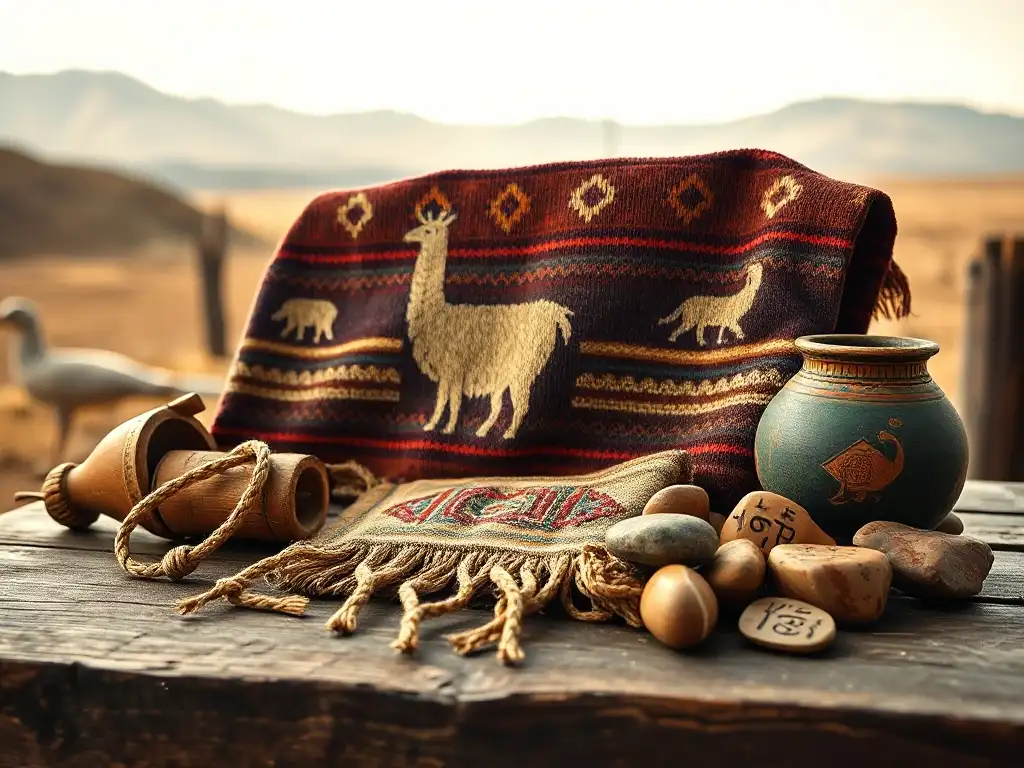
Andean craft symbolism meaning is a rich and complex field, offering a window into the beliefs, values, and worldview of the ancient Andean civilizations. Their artistry wasn't merely decorative; it served as a powerful means of communication, conveying intricate narratives and spiritual beliefs through carefully chosen motifs and patterns. Understanding this symbolism provides crucial insights into the sophisticated cultures that flourished in the Andes. This section will explore some key examples of this rich symbolic language, focusing on animal and plant representations found in weaving and pottery.
Animal Symbolism in Andean Weaving and Pottery
Animals held profound significance in Andean cosmology, often representing powerful forces of nature and embodying specific characteristics valued by these societies. Their depiction in textiles and ceramics was far from arbitrary; each animal carried a specific symbolic weight, reflecting the spiritual and social context in which the artifacts were created. The intricate detail and stylistic choices further reinforce the importance of these representations.
The Condor: A Symbol of Power and the Upper World
The condor, a majestic bird of prey found high in the Andes, frequently appears in Andean art. Its powerful presence and ability to soar to great heights made it a symbol of power, authority, and connection to the hanan pacha, or upper world. In many depictions, the condor is associated with deities and rulers, signifying their divine right to rule and their connection to the celestial realm.
The size and prominence of the condor in a textile or ceramic piece often indicates the status or importance of the individual or community it belonged to. For example, large, intricately woven condor motifs on ceremonial textiles suggest their use in important rituals or events.
The Serpent: Representation of the Underworld and Fertility
In contrast to the condor's association with the upper world, the serpent often represented the ukhu pacha, or underworld, a realm associated with fertility, water sources, and the cyclical nature of life and death. Serpents, particularly those depicted in intertwined forms, symbolized the interconnectedness of these forces and the continuous renewal of life. Their presence in Andean art frequently suggests themes of abundance, regeneration, and the power of the earth. The stylistic variations in serpent depictions, from stylized forms to realistic representations, reflect the diversity of beliefs and regional variations in Andean iconography.
The Puma: Symbol of Strength and the Earthly Realm
The puma, a powerful feline native to the Andes, was a significant symbol of strength, power, and connection to the earthly realm, the kay pacha. It represented both the physical and spiritual power of the land, embodying the vitality and ferocity of the natural world.
Depictions of pumas in Andean art often appear alongside other symbols, such as mountains or agricultural motifs, emphasizing the animal's connection to the earthly realm and its role in maintaining the balance of the cosmos. The puma's symbolism could also be associated with leadership and protection, with some interpretations suggesting the animal represented a powerful guardian or protector.
Plant Symbolism in Andean Art
Plants played a crucial role in the daily lives and spiritual beliefs of the Andean peoples. Their representation in art, therefore, is not simply decorative but reflects their deep understanding of the natural world and its importance in their lives. Many plants held sacred significance, appearing in rituals, ceremonies, and everyday life.
The Coca Leaf: Sacred Plant and its Symbolic Representation
The coca leaf holds a central place in Andean culture and spirituality. Its depiction in art reflects its importance as a sacred plant with medicinal, ritualistic, and social significance. Coca leaves were used in ceremonies, offered to deities, and consumed as a stimulant. In Andean art, the coca leaf is often depicted alongside other sacred symbols, reinforcing its spiritual importance and connection to the supernatural world. The intricate detail and stylistic variations in the depiction of coca leaves in different Andean cultures highlight the leaf’s importance in each region's unique traditions.
Corn: Symbol of Life, Sustenance, and Agricultural Abundance
Corn, a staple crop in the Andean region, was more than just a source of food; it was a symbol of life, sustenance, and agricultural abundance. Its representation in Andean art reflects its central role in the economy and spiritual life of these communities. Corn is often depicted in stylized forms, often alongside other agricultural symbols or deities associated with fertility and harvest.
The vibrant colors and intricate designs used to depict corn in textiles and ceramics highlight the importance of this crop and its connection to the prosperity and well-being of the Andean people. The specific variations in the stylistic representation of corn can sometimes indicate regional differences and unique cultural practices.
Geometric Patterns and Their Symbolic Meaning
Geometric patterns are ubiquitous in Andean art, woven into textiles, carved into pottery, and painted onto walls. These seemingly simple shapes hold profound symbolic meaning, reflecting the Andean worldview and cosmology. The precision and complexity of these designs highlight the sophisticated understanding of mathematics and geometry possessed by Andean cultures. Analyzing these patterns offers a window into their beliefs about the cosmos, social structures, and the relationship between humanity and the natural world.
For example, the intricate use of triangles, squares, and circles often represent the interconnectedness of the celestial and terrestrial realms, mirroring the Andean belief in a harmonious universe. The repetition of certain motifs reinforces the cyclical nature of life, death, and rebirth, a central tenet of Andean spirituality. Understanding the specific context in which these geometric patterns appear—whether on a ceremonial garment, a funerary urn, or a temple wall—is crucial to fully grasp their meaning.
The placement and combination of different geometric elements contribute to the overall narrative conveyed by the artwork. Furthermore, regional variations in geometric patterns provide valuable insights into the diverse artistic traditions and belief systems across the Andean region. The study of Andean craft symbolism meaning often reveals subtle differences, providing clues to distinct cultural practices and identities.
The Chakana (Andean Cross): Symbol of Cosmovision and Order
The Chakana, also known as the Andean Cross, is perhaps the most iconic geometric symbol in Andean art. This stepped cross represents the Andean cosmovision, a complex understanding of the universe and humanity's place within it. The three levels of the Chakana often symbolize the three worlds recognized by Andean cultures: the Hanan Pacha (upper world), the Kay Pacha (middle world, where humans live), and the Ukhu Pacha (underworld).
Each level is connected, illustrating the continuous flow of energy and the interconnectedness of all existence. The Chakana also represents balance, harmony, and the four cardinal directions. The lines of the cross often represent paths, journeys, or the flow of energy between these different realms.
The central point of the Chakana, where the lines intersect, symbolizes the connection between these worlds and the importance of maintaining equilibrium. The Chakana's presence in various Andean crafts, from textiles to metalwork, underscores its significance in Andean culture and its enduring power as a symbol of unity and cosmic order. Scholars continue to uncover new interpretations and layers of meaning within this powerful symbol, emphasizing the ongoing relevance of Andean craft symbolism meaning in understanding the rich tapestry of Andean culture.
Stepped Designs: Symbol of Ascent and the Connection Between Worlds
Stepped designs, frequently found in Andean architecture, textiles, and pottery, represent the concept of ascension and the connection between the different levels of the Andean cosmos. These stepped patterns, whether they are incorporated into pyramids, terraced fields, or intricate woven fabrics, visually depict the journey between the Hanan Pacha, Kay Pacha, and Ukhu Pacha. The steps symbolize the stages of this journey, the challenges overcome, and the eventual attainment of a higher spiritual state.
The upward movement represented by the steps reflects the Andean aspiration for spiritual growth and connection with the divine. Moreover, the stepped designs often incorporate other symbolic elements, such as geometric patterns or zoomorphic figures, adding further layers of meaning to the overall composition. The meticulous construction of these stepped designs, whether in monumental architecture or delicate textiles, showcases the Andean commitment to precision and their deep understanding of the relationship between earthly and spiritual realms.
Analyzing these designs contributes significantly to our understanding of Andean craft symbolism meaning and the intricate worldview that shaped their art and architecture. The repetition of these stepped motifs reinforces the cyclical nature of life and the continuous striving for spiritual elevation.
The Cultural Significance of Andean Art Symbolism
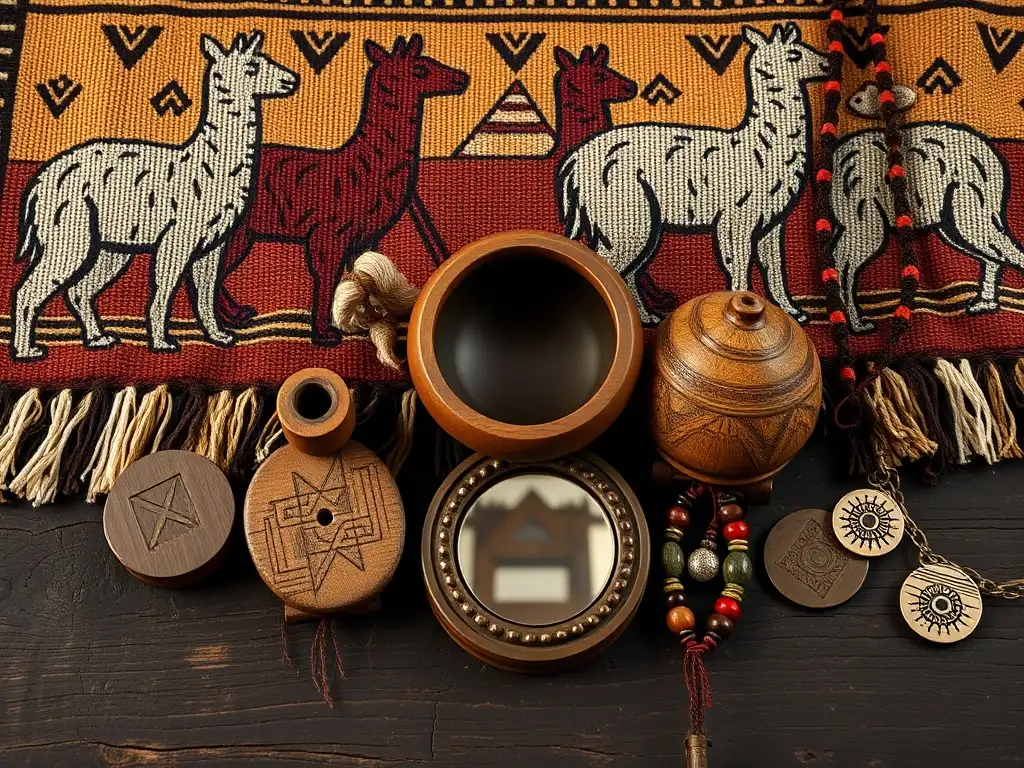
Andean art, far from being mere decoration, served as a powerful means of communication, transmitting complex social, religious, and political messages across generations. Understanding the symbolism embedded within Andean crafts is crucial to deciphering the rich tapestry of Andean civilizations. The intricate designs, vibrant colors, and carefully chosen materials all contribute to a layered narrative that reflects the worldview and beliefs of the artisans and their communities.
This section delves into the cultural significance of Andean art symbolism, exploring its role in daily life, religious practices, and the transmission of cultural heritage. The keyword, "Andean craft symbolism meaning," is central to understanding the deeper layers of meaning embedded within these artifacts.
Analyzing these symbolic elements provides invaluable insights into the social structures, cosmological beliefs, and artistic techniques of ancient Andean cultures. The enduring legacy of Andean art lies not only in its aesthetic beauty but also in its capacity to reveal profound truths about the societies that created it.
Andean Craft as a Form of Communication
Andean crafts acted as a sophisticated form of communication, conveying information beyond simple aesthetics. Consider, for example, the intricate textiles of the Nazca culture. Their complex designs, often featuring stylized animals, plants, and geometric patterns, were not merely decorative. These patterns encoded narratives, social status, and even astronomical knowledge.
The use of specific colors also held symbolic meaning, often related to religious beliefs or seasonal cycles. Similarly, the pottery of the Moche civilization, renowned for its detailed depictions of scenes from daily life and mythology, served as a visual record of their society's values, beliefs, and social hierarchy. The artisans, often highly skilled specialists, were integral to the social fabric, acting as both artists and storytellers. Their work served to reinforce social norms, transmit historical knowledge, and celebrate cultural identity.
The intricate weaving techniques, the precise pottery forms, and the carefully selected pigments all contributed to the communicative power of Andean art. This sophisticated system of visual communication ensured that important cultural information was preserved and passed down through generations. Analyzing these visual narratives allows us to reconstruct aspects of Andean societies that might otherwise remain unknown.
The Role of Symbolism in Andean Rituals and Ceremonies
Symbolism played a pivotal role in Andean rituals and ceremonies. Many objects, from intricately carved wooden staffs to elaborately decorated textiles, were imbued with spiritual significance and used in religious practices. For instance, the use of specific motifs, such as the condor, puma, and serpent, in Inca iconography reflected their cosmological beliefs and their relationship with the natural world. These powerful animal symbols often represented deities or ancestral spirits.
Furthermore, the use of specific colors in ceremonial attire and objects reinforced the symbolic meaning of the ritual. The vibrant hues of Andean textiles and ceramics were not randomly chosen; each color carried its own symbolic weight, often associated with specific deities, events, or natural phenomena. The precise arrangement of symbols on ceremonial objects further enhanced their significance, often creating complex narratives that reflected the ritual's purpose and meaning.
Detailed studies of these ceremonial objects reveal a sophisticated understanding of Andean cosmology and religious practices, highlighting the intricate interplay between art, religion, and social life. The meticulous craftsmanship and symbolic richness of these artifacts bear witness to the profound spiritual beliefs that shaped Andean civilizations. Understanding this intricate symbolism is key to unlocking a deeper understanding of their religious world.
Andean Craftsmanship: A Living Tradition
Andean craftsmanship represents a vibrant tapestry woven from millennia of tradition, innovation, and spiritual connection. The intricate designs and symbolic representations found in textiles, pottery, and metalwork are not mere decorations; they are powerful narratives reflecting cosmology, social structures, and daily life. Understanding this rich symbolism is key to appreciating the depth and complexity of Andean culture. The techniques themselves, passed down through generations, are as significant as the artistry.
From the precise dyeing methods using natural pigments to the intricate weaving patterns, each step embodies a cultural legacy. The continuity of these practices, despite external influences, demonstrates the enduring power of Andean traditions. This section explores the enduring legacy of Andean craftsmanship and its ongoing relevance in contemporary society.
Preserving the Knowledge of Andean Art Symbolism
The preservation of Andean art symbolism is crucial for several reasons. Firstly, it safeguards a unique cultural heritage that is intrinsically linked to the identity and worldview of Andean communities. The loss of this knowledge would represent an irreplaceable loss to humanity's artistic and cultural patrimony. Secondly, understanding this symbolism provides invaluable insights into the social, political, and religious structures of past Andean societies.
By deciphering the meanings embedded in their crafts, we gain a deeper understanding of their beliefs, values, and daily lives. For example, the recurring motifs of jaguars, condors, and snakes in Moche pottery reveal much about their cosmology and their relationship with the natural world. Finally, preserving this knowledge is vital for the economic sustainability of Andean communities. Authentic Andean crafts, imbued with their traditional symbolism, hold significant value in the global market, providing livelihood opportunities for artisans and contributing to cultural tourism.
The challenge lies in balancing the commercialization of these crafts with the ethical preservation of their cultural significance. This requires active collaboration between researchers, artisans, and cultural institutions to establish sustainable practices that ensure both the economic viability and cultural integrity of Andean craftsmanship. Initiatives aimed at documenting traditional techniques and establishing craft schools play a vital role in this process. The use of modern technologies, such as digital archives and virtual museums, can also contribute to broader access to and dissemination of this knowledge, fostering a deeper appreciation for Andean art and culture worldwide.
The Importance of Understanding Andean Craft for Cultural Tourism
Understanding Andean craft symbolism is paramount for enriching the cultural tourism experience. Tourists seeking authentic interactions with Andean culture are increasingly interested in understanding the deeper meaning behind the crafts they encounter. Offering guided tours and workshops that explain the symbolism embedded in textiles, pottery, and other artifacts can significantly enhance the visitor's appreciation and engagement. For example, explaining the significance of the different colours used in weaving, the representations of deities or mythical creatures, or the social status indicated by particular patterns can transform a simple observation into a profound cultural immersion.
This approach fosters a more respectful and meaningful interaction with the local community, moving beyond superficial appreciation to a deeper understanding of the cultural context. The economic benefits are significant as well. Tourists who have a deeper understanding of the crafts are more likely to purchase authentic items, directly supporting Andean artisans and their communities.
Furthermore, the focus on cultural heritage fosters sustainable tourism practices, encouraging responsible travel and minimizing negative impacts on the environment and local communities. By educating tourists about the significance of Andean craft symbolism, we not only enrich their travel experience but also contribute to the economic empowerment of Andean communities and the preservation of their invaluable cultural heritage. This symbiotic relationship underscores the crucial link between understanding Andean craft symbolism and fostering responsible and sustainable cultural tourism.
Frequently Asked Questions
What is the significance of Andean craft symbolism?
Andean craft symbolism is deeply rooted in spiritual beliefs and cosmology. Designs often represent deities, animals, and natural elements, reflecting the close relationship between the people and their environment. Understanding these symbols reveals much about their worldview.
How did Andean artisans create their intricate designs?
Artisans utilized a variety of techniques, including weaving, pottery, and metalworking, to create incredibly detailed designs. They employed natural pigments and materials, demonstrating a mastery of their craft and a profound understanding of their symbolic language. Precision and patience were key elements in their production.
What are some common symbols found in Andean crafts, and what do they represent?
Common symbols include condors (representing power and the Andes), snakes (fertility and the underworld), and feline figures (associated with deities and shamanism). Specific meanings varied across cultures and time periods, reflecting regional differences and evolving beliefs.
How can I learn more about the symbolism in Andean crafts?
Explore museum collections and academic publications focused on Andean art and archaeology. Many books and online resources offer detailed information and interpretations of Andean craft symbolism. Visiting museums with Andean collections is also highly recommended.
Why is studying Andean craft symbolism important?
Studying Andean craft symbolism provides invaluable insights into the belief systems, social structures, and daily lives of these ancient civilizations. It allows us to connect with their rich cultural heritage and appreciate the artistry and ingenuity of their craftspeople. It's a window into a vibrant and complex past.
Final Reflection: Weaving a Legacy: The Enduring Power of Andean Symbolism
The intricate artistry of Andean crafts isn't merely decorative; it's a living testament to a rich cultural heritage that continues to resonate deeply in the modern world. These vibrant textiles, meticulously carved ceramics, and powerfully sculpted figures speak volumes about resilience, spirituality, and the enduring connection between humanity and nature. Understanding their symbolism offers a profound insight into a civilization that has shaped the landscape of South America for millennia.
The impact of Andean symbolism extends far beyond the realm of aesthetics; it's a powerful force shaping identity and cultural pride. These symbols, passed down through generations, serve as a powerful reminder of ancestral wisdom and the importance of preserving cultural heritage in the face of globalization. The past is never dead. It's not even past,
wrote William Faulkner, and this rings profoundly true when considering the enduring legacy of Andean craftsmanship. The continued creation and appreciation of these crafts ensures that the stories, beliefs, and values embedded within them remain vibrant and relevant.
Consider the intricate details, the vibrant colors, the stories whispered through each thread and carving. You, the reader, are now part of this ongoing conversation. Take a moment to reflect on the power of symbolism in your own life—what stories do your possessions tell? What traditions do you carry forward? Let the enduring legacy of Andean artistry inspire you to explore the symbolic language within your own culture and to actively participate in preserving the rich tapestry of human expression for generations to come.
Thank you for exploring the fascinating world of Andean craftsmanship and its rich symbolism! You've begun a journey into the deep narratives embedded within these remarkable works of art. Let's continue this exploration together!
Here are some ways to further engage with the symbolism of Andean art:
- **Visit museums and galleries** showcasing Andean art, noting the symbolism that resonates most with you.
- **Join an online community** dedicated to Andean cultures to share your insights and learn from others.
- **Create your own artwork** inspired by Andean symbolism—share it on social media and tag us!
Which aspect of Andean artistry captivates you most, and how does it influence your life?