
Unearthing the Secrets: Stone Tools of the Ancient Andes

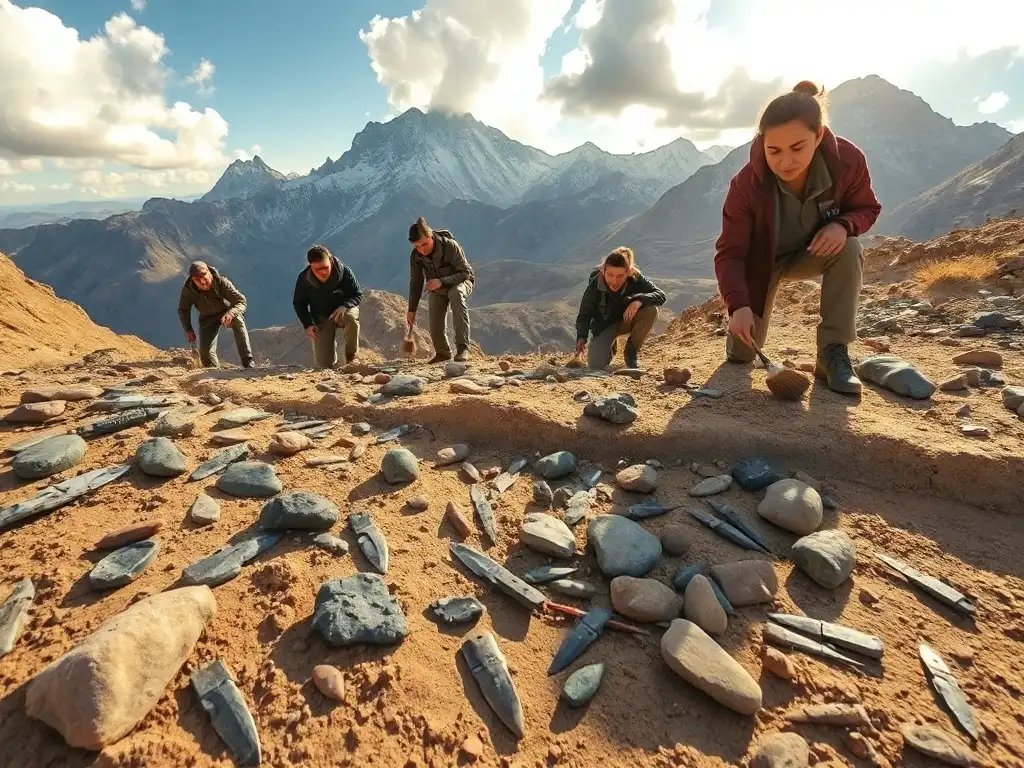
Uncover a world lost to time, where ingenuity thrived amidst towering peaks and breathtaking landscapes. Dive into the enigmatic world of Andean Civilizations, and prepare to be amazed by the sophistication and artistry of their achievements. What secrets do the ancient Andean stone tools hold? Journey with us as we unravel the mysteries behind these remarkable artifacts and explore the innovative technology that shaped a continent. Begin your exploration now!
The Andes Mountains, a spine of towering peaks stretching along the western coast of South America, were home to a remarkable array of ancient civilizations. For millennia, these ingenious cultures developed sophisticated technologies, adapting to the challenging environment and leaving behind a legacy of architectural marvels, intricate textiles, and surprisingly advanced agricultural practices. But before the rise of metallurgy, the foundation of Andean technology rested firmly on the skillful manipulation of stone.
This article delves into the fascinating world of ancient Andean stone tools, exploring their diverse forms, manufacturing techniques, and crucial roles in the daily lives of these remarkable societies. We'll examine how these seemingly simple tools reflect the ingenuity and adaptability of the Andean people, providing crucial insights into their social structures, economic activities, and spiritual beliefs.
Understanding these ancient stone tools offers a unique window into the complex tapestry of Andean civilization, enriching our comprehension of their remarkable achievements. The keyword "ancient Andean stone tools" will be explored throughout the various types and uses of these artifacts.
The Raw Materials: Sourcing and Selection
The creation of effective stone tools began with the careful selection of raw materials. Andean artisans weren't limited to a single type of stone; instead, they expertly utilized a variety of materials, each chosen for its specific properties. Obsidian, prized for its sharp edges and ease of flaking, was often transported considerable distances, indicating established trade networks.
Other common materials included basalt, andesite, and quartzite, each chosen for its durability and suitability for specific tasks. The process of sourcing these materials involved extensive knowledge of local geology and likely involved significant travel, sometimes to high-altitude quarries. Evidence suggests that certain quarries were actively exploited for centuries, indicating a level of resource management and planning that is quite remarkable.
Detailed studies of tool manufacturing sites reveal the careful selection and preparation of raw materials, showcasing a level of expertise passed down through generations. This selection wasn't random; the choice of stone directly impacted the tool's functionality and longevity.
Manufacturing Techniques: From Core to Finished Product
The creation of ancient Andean stone tools wasn't a haphazard process; it involved a series of precise steps reflecting a deep understanding of material properties and tool design. The most common technique was percussion flaking, where a stone hammer or anvil was used to strike off flakes from a larger core. This process required considerable skill and precision to control the size and shape of the flakes, ultimately determining the tool's effectiveness.
Different percussion techniques were employed depending on the desired tool and the material being worked. Pressure flaking, a more refined technique, was also utilized, allowing for finer control and the creation of exceptionally sharp edges. The finished tools were often further refined through grinding and polishing, improving their durability and sometimes enhancing their aesthetic appeal.
The diversity in techniques highlights the adaptability of Andean artisans, who adjusted their methods to suit the available materials and the intended purpose of the tool. Evidence of these techniques can be found at numerous archaeological sites across the Andes.
Types of Stone Tools and Their Functions: A Diverse Toolkit
Ancient Andean societies developed a remarkably diverse range of stone tools, each adapted to a specific purpose. From simple choppers used for woodworking to meticulously crafted projectile points for hunting, the variety reflects the complexity of their daily lives.
- Choppers and Handaxes: These robust tools were used for a variety of tasks, including butchering animals, woodworking, and digging.
- Scrapers: Used for processing hides, preparing plant materials, and shaping wood.
- Knives and Blades: Essential tools for various tasks, including cutting meat, preparing food, and crafting other implements.
- Projectile Points: Highly refined tools designed for hunting, showcasing advanced craftsmanship and an understanding of projectile dynamics.
- Pestles and Mortars: Used for grinding grains, seeds, and other materials, highlighting their advanced agricultural practices.
The presence of specific tool types at different sites can offer clues about the activities and lifestyles of the inhabitants. For example, the abundance of projectile points might indicate a hunting-based economy, while the presence of grinding stones suggests agricultural practices. The meticulous craftsmanship evident in some tools also points to specialized labor and a complex social organization. Further research is needed to fully understand the full range of tools and their specific uses within different Andean cultures.
The Legacy of Andean Stone Tools: Connecting the Past to the Present
The study of ancient Andean stone tools continues to yield valuable insights into the ingenuity and resourcefulness of these past civilizations. These artifacts not only provide concrete evidence of their technological achievements but also offer a glimpse into their social structures, economic practices, and spiritual beliefs. The careful study of tool manufacturing techniques, material selection, and distribution patterns provides valuable data for understanding trade networks, resource management strategies, and the evolution of Andean societies.
The legacy of these tools extends beyond the archaeological record; they continue to inspire contemporary artisans and researchers, reminding us of the enduring human capacity for innovation and adaptation. The meticulous craftsmanship and functional design of these ancient tools serve as a testament to the enduring skill and knowledge of Andean peoples. Further research into these remarkable artifacts promises to reveal even more about the rich and complex history of the Andes.
- The Raw Materials: Sourcing and Selection
- Manufacturing Techniques: From Core to Finished Product
- Types of Stone Tools and Their Functions: A Diverse Toolkit
- The Legacy of Andean Stone Tools: Connecting the Past to the Present
The Significance of Stone Tools in Andean Civilizations
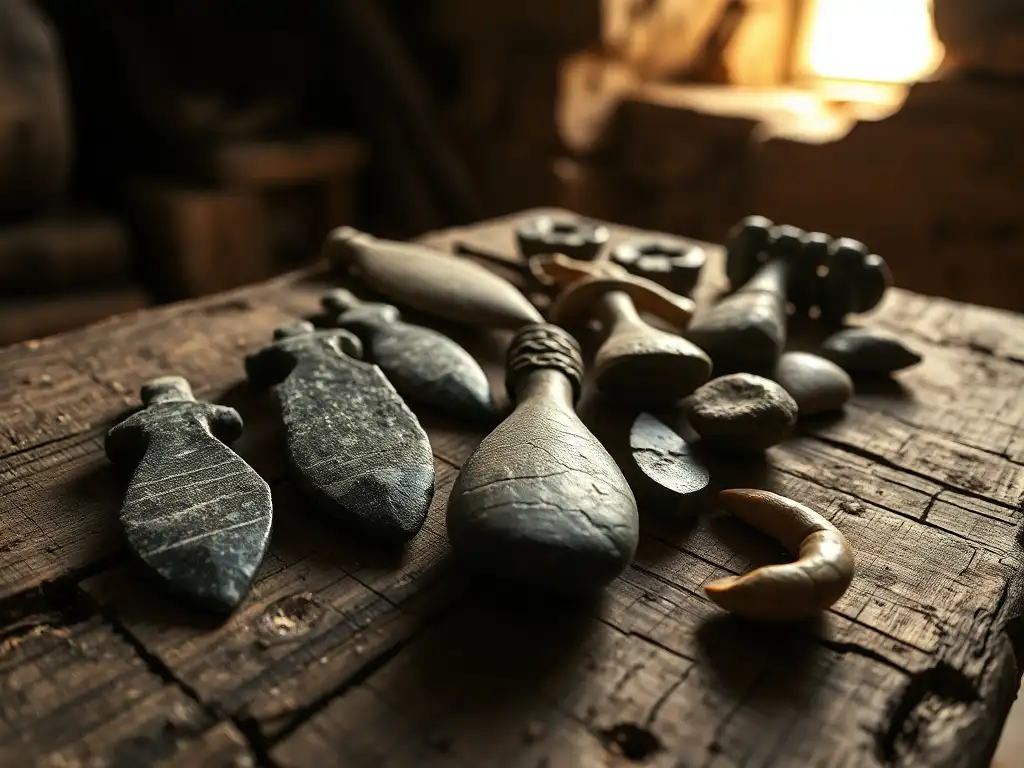
The study of ancient Andean stone tools offers a captivating window into the ingenuity and adaptability of these remarkable civilizations. Far from being mere implements, these artifacts represent a complex interplay of technological prowess, societal organization, and spiritual beliefs. Understanding their significance requires examining not only their practical applications but also their role within the broader cultural context of each Andean society.
The sheer diversity of stone tools discovered across different Andean cultures – from the meticulously crafted obsidian blades of the Nazca to the robust basalt axes of the Incas – underscores the remarkable range of skills and innovations developed over millennia. Analysis of these tools provides invaluable insights into daily life, agricultural practices, warfare, and religious rituals, painting a vivid picture of ancient Andean societies. The meticulous craftsmanship evident in many pieces suggests a deep understanding of material properties and a highly developed sense of aesthetics, blurring the lines between functionality and artistry.
Indeed, some stone tools may have held symbolic or ceremonial significance, further enriching our understanding of Andean worldview. The persistence of stone tool technology across various Andean cultures, despite advancements in other areas, highlights its enduring importance and its integral role in shaping the landscape and culture of the Andes. This section will delve into specific examples, demonstrating the profound impact of these seemingly simple objects on the lives of ancient Andean peoples.
Understanding the Role of Stone Implements in Daily Life
Stone tools formed the bedrock of daily life in the Andes, impacting everything from food production to construction. Agricultural practices relied heavily on stone tools for tasks like tilling the land, harvesting crops, and processing grains. For example, the chakiras, ground stone mortars and pestles, were ubiquitous throughout the Andes, used for grinding grains into flour – a crucial step in preparing staple foods such as maize and quinoa.
The effectiveness of these tools depended on the quality of the stone used, with harder stones like basalt preferred for their durability. Beyond agriculture, stone tools played a vital role in the construction of impressive Andean structures. From the intricate stonework of Machu Picchu to the monumental platforms of Tiahuanaco, skilled artisans used stone hammers, chisels, and other tools to shape and place massive stones with remarkable precision.
The creation of these structures required sophisticated engineering skills, planning, and a highly organized workforce, all facilitated by the availability of appropriate stone tools. Even seemingly simple tasks like cutting meat or preparing hides for clothing involved specialized stone tools, highlighting the pervasive influence of stone technology in shaping daily routines and social structures. The study of wear patterns on these tools provides further insights into their use and the specific tasks they performed, allowing researchers to reconstruct aspects of ancient Andean life with remarkable accuracy.
Early Andean Technology: A Foundation in Stone
The earliest Andean societies relied almost exclusively on stone tools, demonstrating a remarkable capacity for innovation within this technological framework. Initial tools were likely simple, consisting of crudely chipped stones used for basic tasks such as cutting and chopping. However, over time, Andean peoples developed increasingly sophisticated techniques, including pressure flaking and grinding, to create tools with sharper edges, finer points, and more specialized functions. The development of projectile points, for example, significantly enhanced hunting capabilities, while the creation of finely ground stone tools revolutionized food processing and other aspects of daily life.
The selection of raw materials was also crucial. Andean artisans strategically selected stones based on their properties, favoring harder and more durable materials like obsidian, basalt, and andesite for specific purposes. Obsidian, in particular, was highly valued for its sharpness and ability to create exceptionally fine blades, often used in surgical procedures or for intricate craftwork.
The geographic distribution of these materials and the trade networks established to acquire them reveal much about the social and economic organization of early Andean societies. The evolution of stone tool technology in the Andes demonstrates a continuous process of experimentation, adaptation, and refinement, laying a solid foundation for the more complex technologies that would emerge in later periods. The ingenuity and skill displayed in the creation of these early tools underscore the remarkable achievements of ancient Andean civilizations.
Types of Ancient Andean Stone Tools
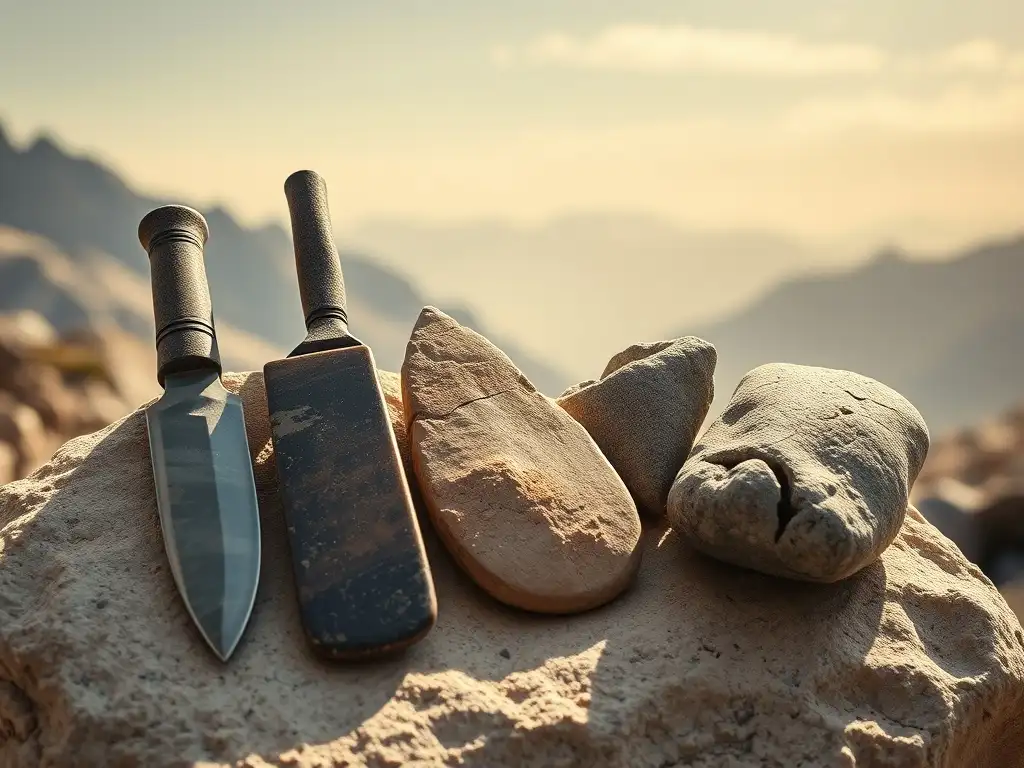
The diverse landscapes of the Andes Mountains, from arid coastal deserts to high-altitude plains, profoundly influenced the development of ancient Andean stone tools. These tools, crafted with remarkable skill and precision, were essential for survival and shaped the daily lives of Andean civilizations. Understanding the types and functions of these tools provides invaluable insight into their technological advancements and societal structures.
The ingenuity displayed in their creation underscores the adaptability and resourcefulness of these ancient cultures, who expertly utilized readily available materials to create sophisticated implements. This section will explore the diverse range of ancient Andean stone tools, focusing on their materials, manufacturing techniques, and their crucial role in Andean society.
Analyzing these artifacts allows us to reconstruct a more complete picture of ancient Andean life, revealing the complexity and sophistication of their technology. Keywords such as Andean stone tools, pre-Columbian technology, and ancient Andean craftsmanship are central to understanding this fascinating aspect of Andean history.
Cutting Tools: Knives and Blades of the Andes
Ancient Andean societies relied heavily on sharp stone tools for a variety of tasks, from butchering game to crafting intricate textiles. The quality and variety of these tools reflect the technological prowess of these cultures, and their ubiquity in archaeological sites underscores their importance in daily life. A sophisticated understanding of stone properties and knapping techniques enabled the creation of durable and effective cutting implements. The choice of material often reflected the availability of resources in a particular region, showcasing the adaptive nature of Andean technology.
Obsidian Blades: Sharpening Andean Life
Obsidian, a volcanic glass known for its exceptional sharpness and fracture properties, was a prized material for crafting blades in the Andes. The ease with which obsidian could be knapped, combined with its remarkable edge retention, made it ideal for creating knives, arrowheads, and other cutting tools. Archaeological finds consistently reveal obsidian blades exhibiting exquisite craftsmanship, indicating a high level of skill in the production of these tools.
Analysis of obsidian sources has provided further insights into trade networks and the movement of people and resources throughout the Andean region. The sharpness of obsidian blades facilitated more precise cuts, improving efficiency in tasks such as skinning animals and preparing food. The prevalence of obsidian artifacts in Andean archaeological sites speaks to the importance of this material in the daily lives of ancient Andean peoples.
Chert Tools: Durability and Functionality
Chert, a sedimentary rock composed of microcrystalline quartz, was another widely used material for creating stone tools in the Andes. While not as sharp as obsidian, chert possessed greater durability and was more readily available in many regions. This made it a practical choice for crafting tools that would withstand repeated use, such as scrapers, adzes, and hand axes.
The varied colors and textures of chert also allowed for aesthetic considerations in tool production, suggesting that functionality was not the only driving force in their creation. The widespread use of chert tools highlights the pragmatic approach of Andean artisans, who skillfully adapted to the available resources to create effective and long-lasting implements. Analysis of wear patterns on chert tools provides valuable data on their use and the activities they were employed for.
Grinding and Milling Tools: Preparing Food in the Andes
The preparation of food was a crucial aspect of Andean life, and the development of sophisticated grinding and milling tools reflects the importance of agriculture and food processing in their societies. These tools, often crafted from hard, durable stones, were essential for processing grains, tubers, and other plant-based foods, as well as for grinding pigments and other materials. The efficiency and effectiveness of these tools underscore the advanced understanding of materials science and engineering possessed by ancient Andean cultures.
Metates and Manos: Essential for Andean Agriculture
Metates and manos are perhaps the most iconic grinding tools of the Andes. Metates, large, flat grinding stones, were typically stationary, while manos, smaller hand-held stones, were used to grind materials against their surface. This simple but highly effective system was used to process a variety of foods, including maize, quinoa, and various tubers.
The consistent presence of metates and manos in Andean archaeological sites confirms their fundamental role in food preparation and underscores their importance in supporting agricultural practices. The size and shape of metates and manos varied across different regions and time periods, reflecting regional variations in agricultural practices and food preferences. Detailed analysis of the wear patterns on these tools offers insights into the types of foods processed and the frequency of their use.
Mortars and Pestles: Processing Andean Grains and Herbs
Mortars and pestles, another common type of grinding tool, were used for crushing and grinding a wide range of materials. Mortars, typically bowl-shaped, provided a stable surface for grinding, while pestles, hand-held stones, were used to crush and pulverize the materials within. These tools were essential for processing grains, herbs, and other ingredients used in Andean cuisine and medicine. The materials used for mortars and pestles varied, depending on the availability of resources and the intended use of the tool.
Some mortars and pestles were crafted from hard volcanic rock, while others were made from softer stones, reflecting a range of material choices and technological adaptations. The size and shape of mortars and pestles varied, suggesting specialized uses for different types of materials and food preparation techniques. The enduring legacy of mortars and pestles is evident in their continued use in many Andean communities today.
Percussion Tools: Shaping the Andean Landscape
Percussion tools, characterized by their use in striking or hammering actions, played a crucial role in shaping the Andean landscape and facilitating various aspects of daily life. These tools, crafted from a variety of stones, demonstrate the ingenuity and adaptability of Andean artisans in utilizing available resources.
The effectiveness of these tools was directly linked to the quality of the stone selected, its hardness, and the skill of the craftsman in shaping and sharpening the working edge. Careful consideration was given to the type of stone used for different tasks, reflecting a deep understanding of material properties.
For example, harder stones like basalt or andesite were preferred for tasks requiring greater impact force, while softer stones might have been used for finer work or shaping softer materials. The development and refinement of these tools represent a significant technological advancement, allowing for more efficient and effective construction, agriculture, and other vital activities.
Hammers and Anvils: Construction and Craftsmanship
Hammers and anvils represent a fundamental toolset in many ancient cultures, and the Andes were no exception. Andean hammers, often made from hard, dense stones like diorite or quartzite, varied significantly in size and shape depending on their intended purpose. Smaller hammers were likely used for detailed work such as stone carving or jewelry making, while larger, heavier hammers were employed in more demanding tasks like quarrying stone or breaking up larger rocks for construction projects.
The anvils, typically large, stable stones or purpose-built stone blocks, provided a solid surface for hammering and shaping other stones or metal. Archaeological evidence suggests that the selection and preparation of both hammers and anvils were carefully considered, reflecting a sophisticated understanding of material science and engineering principles.
The durability and effectiveness of these tools contributed significantly to the construction of impressive structures like terraces, irrigation canals, and monumental buildings throughout the Andes. The precision and skill required to shape these tools speaks to the advanced craftsmanship of Andean artisans.
Axes and Adzes: Andean Woodworking and Agriculture
Axes and adzes, although similar in appearance, served distinct purposes in Andean society. Axes, characterized by their double-bitted or single-bitted blades, were primarily used for felling trees and shaping timber for construction. Adzes, on the other hand, featured a curved blade, ideal for smoothing wood, shaping planks, and creating intricate carvings.
The materials used for these tools often included tough, durable stones like obsidian, which offered a sharp and lasting cutting edge. The design of the axes and adzes, including the haft (handle) attachment, showcases an advanced understanding of ergonomics and tool design. Their importance extended beyond woodworking, playing a vital role in agriculture.
Clearing land for cultivation, shaping wooden implements such as plows or digging sticks, and crafting tools for processing agricultural products all relied heavily on the use of axes and adzes. The efficiency of these tools contributed to the success of Andean agricultural practices, enabling the cultivation of diverse crops and the support of large populations. The discovery of numerous examples of these tools in archaeological sites throughout the Andes underscores their widespread use and significance in Andean life.
Materials Used in Andean Stone Tool Production
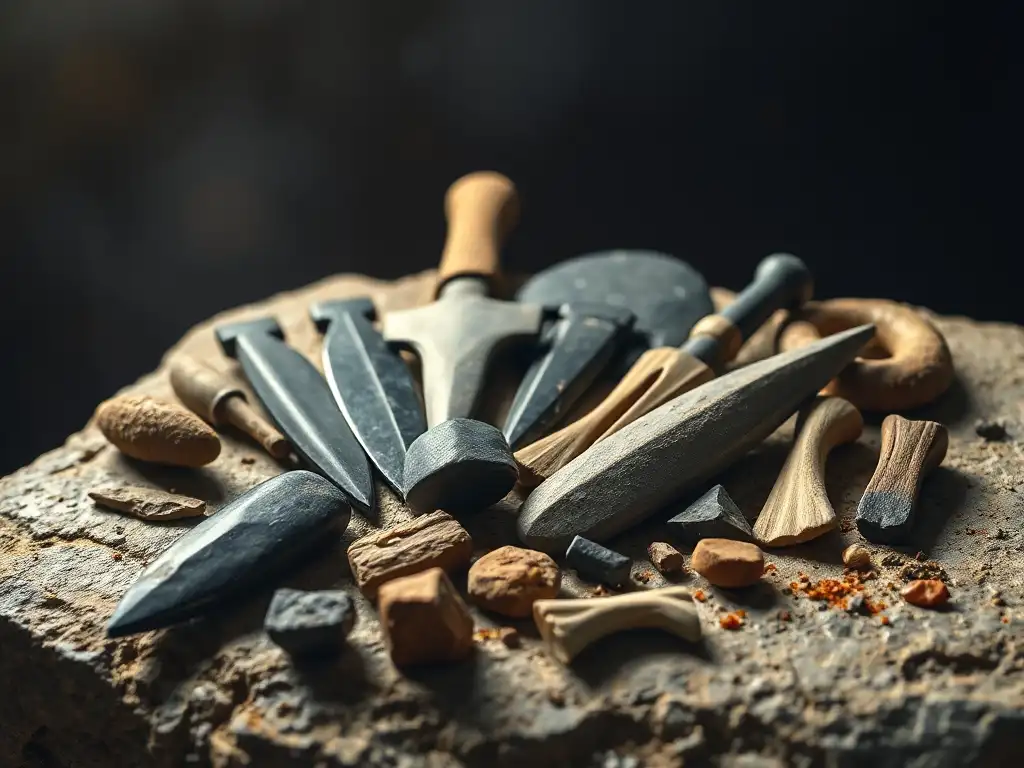
The remarkable craftsmanship evident in ancient Andean stone tools is inextricably linked to the diverse geological landscape of the Andes Mountains and the careful selection of raw materials. Understanding the sources and properties of these materials provides crucial insight into the ingenuity and resourcefulness of Andean artisans. The availability of specific materials often dictated the types of tools produced, influencing both technological advancements and regional variations in toolmaking styles.
Analyzing the materials themselves allows archaeologists to trace trade routes, understand settlement patterns, and reconstruct aspects of ancient Andean lifeways. The study of ancient Andean stone tools, therefore, is not just about the tools themselves; it's a window into the complex interplay between human ingenuity and the natural environment. This section will explore the primary materials used, focusing on sourcing, properties, and regional variations in their use.
Sourcing Raw Materials: Andean Geology and Stone Selection
The Andes Mountains are a treasure trove of diverse lithic resources. The geological formations, spanning millions of years of volcanic activity and tectonic shifts, provided ancient Andean peoples with a rich palette of stone types suitable for tool production. Sourcing these materials wasn't a random process; careful selection was crucial for creating effective and durable tools. Factors such as the stone's hardness, fracture properties, and grain size played a critical role in determining its suitability for different tool types.
The process of obtaining raw materials likely involved a combination of surface collection and quarry exploitation. Surface collection involved gathering readily available stones from riverbeds, outcrops, and alluvial deposits. However, for larger projects or specialized tools requiring specific stone qualities, Andean artisans likely established quarries, as evidenced by archaeological findings of mining and extraction sites.
The distance traveled to obtain these materials provides further information about trade networks and resource management strategies within Andean societies. For instance, the presence of obsidian tools far from known obsidian sources points to extensive trade networks connecting different Andean communities. Further research into specific quarries and their associated settlements is needed to fully understand the logistical complexities of raw material procurement.
Obsidian: Volcanic Glass of the Andes
Obsidian, a naturally occurring volcanic glass, was a highly prized material among Andean artisans. Its sharp edges and conchoidal fracture made it ideal for creating exceptionally sharp blades, projectile points, and cutting tools. The exceptional quality of Andean obsidian, renowned for its homogeneity and ease of working, led to its widespread use across various Andean cultures. Different obsidian sources, identifiable through geochemical analysis, can be traced to specific volcanic regions. This allows researchers to map the movement and exchange of obsidian artifacts, providing valuable insights into ancient trade routes and social interactions.
The use of obsidian varied across different Andean societies and time periods. Some cultures, like the Moche, were particularly skilled in obsidian working, producing intricate and highly refined tools. Others incorporated obsidian into their ceremonial practices, using it to create elaborate ornaments and ritual objects. The variability in the types of obsidian tools found at different archaeological sites reflects both regional variations in material availability and cultural differences in tool preferences. Analysis of wear patterns on obsidian tools further reveals information about their use and the activities they were employed in.
Chert and Flint: Abundant Resources in the Andean Region
Chert and flint, cryptocrystalline forms of silica, were abundant in many parts of the Andes and served as crucial alternatives to obsidian. While not as sharp as obsidian, chert and flint possessed sufficient hardness and fracture properties to be effective for a wide range of tools, particularly those used for grinding, scraping, and chopping. Their widespread availability made them accessible to a broader range of Andean communities, resulting in their extensive use in everyday tool production.
The quality of chert and flint varied considerably across different regions. Some sources yielded high-quality material suitable for fine-grained tools, while others produced coarser-grained stones better suited for rougher tasks. Archaeological evidence suggests that Andean artisans carefully selected chert and flint based on their intended use, adapting their techniques to the specific properties of the material at hand.
The prevalence of chert and flint tools in many Andean sites highlights their importance as a readily available and versatile resource, underpinning the technological achievements of these ancient societies. Further research focusing on the specific geological sources of chert and flint used in different Andean regions is needed to refine our understanding of regional variations in tool production.
Andesite and Basalt: Durable Stones for Heavy Work
Andesite and basalt, two igneous rocks readily available throughout the Andes Mountains, formed the backbone of many heavy-duty stone tools used by ancient Andean cultures. Their volcanic origins endowed them with exceptional hardness, durability, and resistance to fracturing, making them ideal for tasks requiring significant force and repeated impacts. The readily available, naturally occurring, sharp edges on freshly fractured pieces also meant less time was needed for shaping.
This meant that these materials were particularly well-suited for tools such as grinding stones, manos (hand stones used with metates), pestles, and hammerstones used in agricultural processing and construction. The density of these stones also meant they could withstand the considerable wear and tear associated with these activities.
Consider the construction of Inca terraces, for example. The precise fitting of massive stones required tools capable of withstanding immense pressure and repeated blows. Andesite and basalt hammers, meticulously shaped and maintained, were perfectly suited for this demanding work. Archaeological evidence consistently reveals the presence of these durable stones in sites associated with large-scale construction projects across the Andes, showcasing their crucial role in shaping the landscape and constructing impressive structures.
The relative abundance of these materials also meant that their use was widespread across different Andean cultures, varying only slightly in the specific techniques of shaping and finishing. The consistent presence of andesite and basalt tools across diverse geographical areas and time periods highlights their enduring importance in the Andean technological landscape. Their durability ensured their longevity, leading to their discovery in remarkably preserved states by modern archaeologists.
Furthermore, the specific properties of andesite and basalt varied slightly depending on the geological location. This variability likely influenced the selection of specific stones for particular tasks. For instance, a denser, more resistant basalt might have been preferred for hammerstones, while a slightly less dense andesite could have been more suitable for crafting grinding stones that required a finer, more even surface.
While further research is needed to fully understand the nuanced selection process involved, it's clear that the ancient Andean peoples possessed a sophisticated understanding of the properties of these materials and their suitability for different applications. This knowledge, passed down through generations, allowed them to effectively exploit the natural resources of their environment to create tools that facilitated their survival and shaped their civilizations. The legacy of these durable stones is evident in the impressive archaeological record of Andean tools and structures.
Techniques for Crafting Ancient Andean Stone Tools
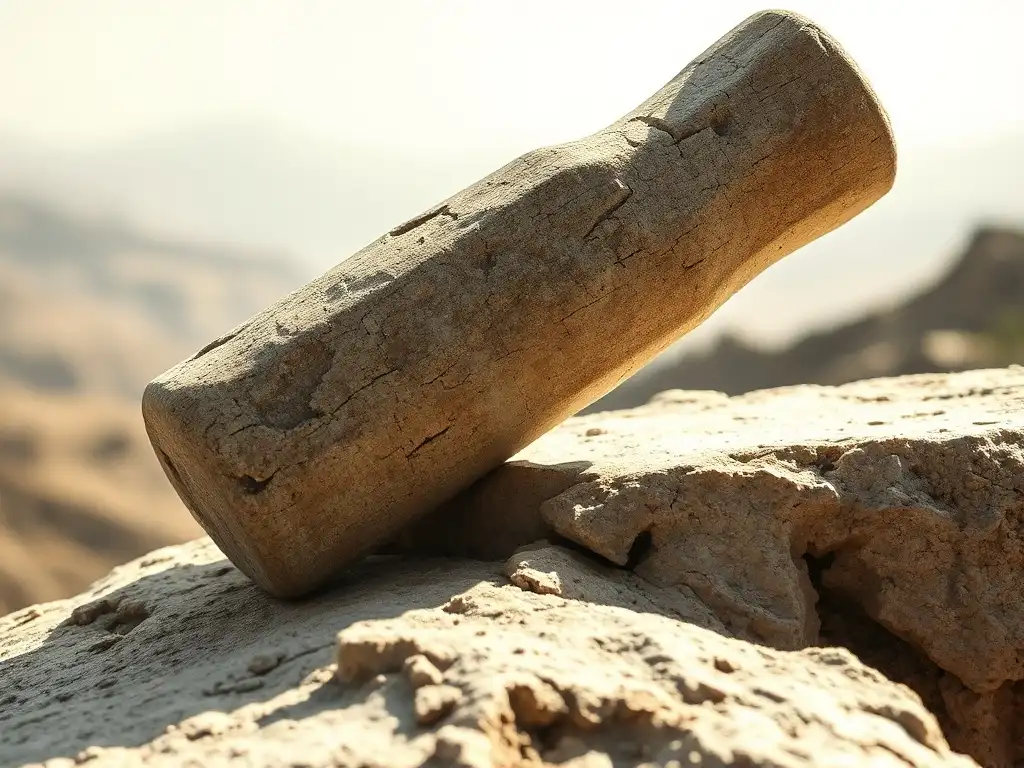
The mastery of stone tool production was crucial for the survival and prosperity of Andean civilizations. Their ingenuity in shaping stone, readily available in the diverse Andean landscape, reflects a deep understanding of material properties and sophisticated techniques passed down through generations. Analyzing these ancient Andean stone tools reveals not only practical skills but also artistic expression and cultural significance. The creation of these tools involved a complex interplay of different techniques, each contributing to the final form and function of the implement.
Percussion Flaking: Creating Sharp Edges
Percussion flaking, the most fundamental technique, involved striking a core stone with a hammerstone to detach flakes. The hammerstone, often another piece of hard rock like quartzite or andesite, was used to precisely direct the force of the blow, removing a controlled piece of the core. The skill lay in understanding the angle and force needed to produce flakes with the desired shape and sharpness. Different types of hammerstones were likely used depending on the desired outcome; heavier hammerstones for larger flakes, lighter ones for finer work.
The resulting flakes were then often further shaped and refined using the same percussion method. Careful observation of ancient Andean stone tools shows variations in flake size and shape, reflecting the intended use of the tool. For instance, larger, thicker flakes might have been used for chopping or digging, while smaller, thinner flakes were ideal for scraping or cutting.
Evidence suggests that different types of stone were selected based on their properties; obsidian, for example, was prized for its sharp edges and ease of flaking. Analysis of ancient quarries and workshops reveals sophisticated understanding of stone resources and their optimal utilization. The efficiency and precision demonstrated in these techniques underscore the advanced knowledge of ancient Andean artisans.
Pressure Flaking: Refining Tool Shapes
While percussion flaking provided the initial shaping, pressure flaking allowed for finer control and precision in creating the final form of the tool. This technique involved applying pressure to a flake or core using a pointed tool, such as an antler tine or a piece of bone, to remove smaller flakes. This method allowed for a more delicate and precise removal of material, resulting in thinner, sharper edges and more complex shapes.
Pressure flaking was crucial for creating specialized tools like projectile points, knives, and scrapers, requiring intricate detail and precise shaping. The pressure exerted on the stone had to be carefully controlled to avoid breaking the tool. The skill required for pressure flaking was likely passed down through apprenticeships, with years of practice needed to achieve mastery.
The refined nature of many ancient Andean stone tools, such as the beautifully crafted obsidian blades, is a testament to the expertise developed through this technique. The precision and control achievable through pressure flaking significantly advanced the functionality and versatility of their stone tool technologies.
Grinding and Polishing: Achieving Smooth Surfaces
After shaping through percussion and pressure flaking, many ancient Andean stone tools underwent grinding and polishing to achieve smooth, functional surfaces. This process involved rubbing the tool against a coarser abrasive material, such as sandstone, to remove irregularities and refine the edge. This was followed by polishing with finer abrasives, potentially using smoother stones or even organic materials, resulting in a highly polished finish.
Grinding and polishing were particularly important for tools like manos and metates (handstones and grinding stones) used for processing food. The smooth surfaces of these tools facilitated efficient grinding of grains and other plant materials. Similarly, axes and adzes, used for woodworking and other tasks, benefited from the durability and sharpness achieved through grinding and polishing.
The process also enhanced the aesthetics of the tools, indicating the importance of both functionality and visual appeal in ancient Andean craftsmanship. The polished surfaces often reflect light beautifully, suggesting an appreciation for aesthetics alongside practicality. The meticulous attention to detail evident in these finished products highlights a deep understanding of material science and a dedication to craft.
Hafting and Mounting: Creating Functional Tools
Hafting, the process of attaching a stone tool to a handle or shaft, was crucial for the functionality of ancient Andean stone tools. This wasn't a simple task; it required skill and knowledge of materials to create effective and durable tools. The effectiveness of a stone axe, for instance, depended heavily on the secure attachment of the blade to its wooden haft. A poorly hafted tool could easily break or become dislodged during use, rendering it useless and potentially dangerous to the user.
Different methods were employed depending on the type of tool and the available materials. For example, archaeologists have discovered evidence of various hafting techniques, including the use of resins, gums, and fibers to secure the stone head to the handle. These natural adhesives, sourced from local plants, acted as strong bonds, holding the components together even under considerable stress. The specific type of resin or gum used likely varied depending on regional availability and the properties desired for the adhesive. Some resins may have been preferred for their water resistance, ensuring the tool remained functional even in wet conditions.
Beyond adhesives, the shape and design of both the stone tool and the haft played a vital role. The stone head often featured carefully crafted notches, grooves, or tangs designed to fit snugly into the handle. This precision ensured a secure fit, minimizing the risk of slippage or breakage. The handle itself would have been carefully selected for its strength, durability, and suitability for the specific task. Woods known for their resilience, such as certain varieties of Andean hardwoods, would have been highly prized for this purpose.
Furthermore, the process often involved wrapping the haft with additional materials like leather or plant fibers to further secure the stone head and provide a more comfortable grip. This layering technique added strength and improved the tool's ergonomics, enhancing the user's control and reducing fatigue during prolonged use. The combination of carefully selected adhesives, precise shaping of both the stone and the handle, and reinforcing wrappings showcases the sophisticated understanding of materials science and engineering possessed by ancient Andean artisans.
The effectiveness of these hafting techniques is a testament to their ingenuity and skill in transforming basic materials into highly effective tools. The intricate details involved in hafting speak volumes about the importance placed on creating durable and efficient tools for various activities, from agriculture to hunting and construction.
The Impact of Stone Tools on Andean Society

The development and mastery of stone tool technology profoundly shaped Andean societies, influencing their agricultural practices, architectural achievements, and artistic expressions. From the simple hand axe to the intricately crafted obsidian blades, these tools were not merely instruments; they were integral to the very fabric of Andean life, reflecting both technological ingenuity and social organization. Understanding the role of ancient Andean stone tools provides crucial insight into the complexities of these remarkable civilizations.
The abundance and variety of tools unearthed across numerous archaeological sites—from the high Andes to the coastal deserts—testify to their widespread use and crucial importance. The sheer diversity in form, size, and material reveals a sophisticated understanding of material properties and manufacturing techniques. This section will delve into specific examples of how these tools impacted various aspects of Andean life.
Stone Tools and Andean Agriculture: Cultivating the Land
Andean agriculture, renowned for its ingenuity in adapting to diverse and challenging terrains, relied heavily on stone tools. The cultivation of crops like potatoes, maize, and quinoa required extensive land preparation, planting, and harvesting. Stone tools played a vital role in each stage. For example, adzes, meticulously crafted with sharpened edges, were used to clear forests and prepare fields for planting.
Their effectiveness in felling trees and shaping timber is evidenced by the widespread discovery of these tools at agricultural sites. Furthermore, hoes and planting sticks, often made from durable materials like volcanic rock or polished stone, facilitated planting and weeding. The precision required to create these tools suggests a high level of skill and knowledge passed down through generations.
Archaeological evidence shows a clear correlation between the sophistication of stone tools and the intensity of agricultural practices. For instance, the development of more refined tools coincides with the expansion of terraced farming in the Andes—a testament to the inextricable link between technology and agricultural productivity. The efficiency of stone tools directly impacted food production, supporting the growth of larger, more complex societies.
Stone Tools and Andean Construction: Building Ancient Cities
The impressive architectural achievements of the Andes, including monumental structures like Machu Picchu and Ollantaytambo, were made possible by the skillful use of stone tools. The precise cutting, shaping, and fitting of massive stone blocks required advanced techniques and specialized tools. Stone hammers, chisels, and mauls, often made from hard, durable stones like andesite or diorite, were used to quarry, shape, and transport these immense blocks.
The remarkable precision evident in the construction of Inca stonework—where stones fit together so seamlessly that a blade cannot be inserted between them—highlights the advanced skills of Andean stonemasons and their mastery of stone tool technology. The process was laborious and required significant coordination and organization, further emphasizing the social and economic importance of stone tool production and distribution. Analysis of wear patterns on excavated tools provides valuable insights into the specific techniques employed in stone construction.
For example, the characteristic chipping patterns on certain chisels suggest the use of specific hammering techniques to achieve the desired level of precision. The construction of these monumental structures not only reflects the technological prowess of Andean societies but also their organizational capabilities and social structures.
Stone Tools and Andean Art and Craft: Shaping Cultural Expression
Beyond their practical applications, ancient Andean stone tools were also crucial in shaping cultural expression. The creation of intricate carvings, sculptures, and decorative objects relied heavily on specialized tools. Obsidian blades, prized for their sharpness and durability, were used for fine detail work, while other tools were employed for larger-scale carving. The artistry evident in many Andean artifacts, from intricately carved ceremonial objects to finely crafted pottery, demonstrates the skill and creativity of Andean artisans.
These tools were not just utilitarian; they served as extensions of the artist's hand, enabling them to translate their visions into tangible forms. The use of different stone types, each with unique properties, allowed for a wide range of artistic effects. For example, the use of polished obsidian could create a mirror-like finish, while other stones could achieve a matte or textured effect.
The widespread discovery of these tools alongside artistic creations provides strong evidence of their integral role in the development and flourishing of Andean art and craft. The sophisticated techniques employed, along with the artistry displayed in the finished products, highlight the deep connection between technology and cultural identity in the Andes. The legacy of these ancient Andean stone tools lives on, not just in the archaeological record, but also in the enduring artistic traditions of the region.
The Legacy of Ancient Andean Stone Tools: Insights into the Past
The legacy of ancient Andean stone tools extends far beyond their immediate practical applications. These artifacts offer invaluable insights into the daily lives, social structures, and technological advancements of past Andean societies. By meticulously studying the materials used, the techniques employed in their creation, and the contexts in which they were found, archaeologists can reconstruct a detailed picture of past human activities.
For instance, the presence of specific types of stone tools in a particular archaeological site can indicate the presence of specialized craftspeople or the exploitation of specific resources in the surrounding environment. The careful analysis of wear patterns on tools can reveal information about their use, shedding light on the various tasks they performed, from food preparation and hunting to construction and agriculture.
This detailed understanding allows researchers to piece together a comprehensive narrative of Andean life, revealing the ingenuity and adaptability of these ancient cultures in the face of challenging environmental conditions. The sophistication of some tools, such as finely crafted obsidian blades or intricately carved bone implements, speaks to the advanced level of technical skill achieved by Andean artisans.
The study of ancient Andean stone tools also provides critical evidence for understanding social organization. The distribution of certain types of tools across different sites, coupled with the analysis of burial contexts, can indicate social hierarchies and specialized labor divisions. For example, the discovery of high-quality obsidian tools exclusively in elite burials suggests that access to these resources and crafting techniques was restricted to certain individuals or groups within society.
Conversely, the widespread distribution of simpler tools implies a more egalitarian distribution of resources and labor. Furthermore, the presence of workshops or evidence of tool manufacturing at specific locations can illuminate the organization of production and the exchange networks that connected different communities.
The careful examination of ancient Andean stone tools, therefore, contributes significantly to our understanding of social complexity and economic systems in the Andes. The sheer diversity in both form and function of these tools underscores the dynamism and adaptability of Andean societies throughout their history.
Beyond their practical and social significance, ancient Andean stone tools also hold immense cultural value. They represent a tangible link to the past, connecting contemporary societies to the rich heritage of their ancestors. Many of these tools are intricately crafted, showcasing the artistic sensibilities and aesthetic values of the cultures that produced them.
The preservation and study of these artifacts are therefore crucial not only for scientific understanding but also for fostering a sense of cultural identity and pride. Museums and archaeological sites play a vital role in making these tools accessible to the public, allowing people to connect with their history and appreciate the ingenuity of their ancestors.
Moreover, the continued study of ancient Andean stone tools inspires new research and fosters interdisciplinary collaborations, enriching our understanding of human history and technological innovation in the Andes and beyond. The ongoing efforts to preserve and interpret these artifacts ensure that the legacy of ancient Andean stone tools continues to enrich our understanding of the past and inspire future generations.
Case Studies: Stone Tools at Specific Andean Sites
This section delves into the specifics of ancient Andean stone tool use and production across several key archaeological sites. We will examine the types of tools discovered, their potential functions, and the insights they offer into the technological capabilities and cultural practices of these fascinating civilizations. Understanding these variations helps us paint a more complete picture of the diverse approaches to stone tool technology across the Andes. The analysis of these ancient Andean stone tools reveals much about the ingenuity and adaptability of Andean societies.
Chavín de Huántar: Stone Tool Analysis and Interpretation
Chavín de Huántar, a pre-Inca site in the central Andes of Peru, is renowned for its monumental architecture and sophisticated religious iconography. Excavations have unearthed a significant collection of stone tools, providing valuable insights into the daily lives and technological prowess of the Chavín culture (c. 1200-200 BCE). These tools, primarily crafted from obsidian, andesite, and basalt, exhibit a remarkable level of craftsmanship.
Analysis reveals a diverse array of tools, including:
- Knives: Many finely crafted obsidian blades, some exhibiting meticulous retouching, suggest their use in a variety of tasks, from butchering animals to processing plant materials. The sharpness and precision of these blades indicate advanced knapping techniques.
- Scrapers: These tools, often made from coarser materials like andesite, show signs of wear consistent with hide scraping or wood working. Their robust construction suggests use in more demanding tasks.
- Pestles and Mortars: Evidence of food processing is abundant, with numerous pestles and mortars used for grinding grains and other plant materials. The size and shape of these tools vary, potentially reflecting different food preparation methods.
- Adzes: While less common than other tool types, the presence of adzes points to woodworking capabilities. These tools, used for shaping wood, demonstrate a sophisticated understanding of material properties and tool design.
The meticulous craftsmanship and functional diversity of the Chavín stone tools suggest a high degree of technological sophistication and specialized labor. The selection of raw materials, often sourced from considerable distances, highlights the importance of trade networks and resource management. Further research into the exact provenance of these materials could shed more light on these aspects of Chavín society.
Tiwanaku: Evidence of Specialized Tool Production
The Tiwanaku civilization (c. 300-1100 CE) thrived in the Altiplano region of the Andes, leaving behind a legacy of impressive monumental architecture and sophisticated agricultural practices. The discovery of large quantities of stone tools at Tiwanaku suggests a level of specialized production not seen in all Andean societies. Unlike some sites showing a range of tool types created by individual artisans, Tiwanaku displays evidence of mass production and standardization.
The most striking evidence of specialized production lies in the numerous lithic workshops identified at the site. These workshops contain large quantities of debitage (waste material from stone tool production), indicating intensive knapping activities. The presence of standardized tool forms, such as projectile points and chisels, further supports the notion of specialized production.
| Tool Type | Material | Characteristics | Potential Function | Evidence of Specialization |
|---|---|---|---|---|
| Projectile Points | Obsidian, Andesite | Uniform size and shape; carefully retouched | Hunting, warfare | High |
| Chisels | Andesite, Basalt | Robust construction; sharp, durable edges | Stoneworking, carpentry | Moderate |
| Scrapers | Andesite | Varied shapes; signs of significant wear | Hide processing, woodworking | Low |
The high degree of standardization and the presence of specialized workshops at Tiwanaku suggest a complex social organization, with specialized artisans dedicated to tool production. This contrasts with smaller sites where tool production seems more integrated into daily life. The standardization also implies a degree of centralized control over resource allocation and production processes.
Machu Picchu: Stone Tools and Their Cultural Context
Machu Picchu, the iconic Inca citadel nestled high in the Andes Mountains, is renowned for its breathtaking architecture and sophisticated urban planning. While less known for its stone tool assemblages compared to other sites, the tools found at Machu Picchu provide crucial insights into the Inca's practical application of technology within their unique cultural setting.
The stone tools unearthed at Machu Picchu are generally less numerous and less varied than those found at other sites like Tiwanaku or Chavín. This is likely due to the site's function as a royal estate and religious center, rather than a major population center or industrial area. However, the tools discovered still offer valuable information about Inca daily life and the maintenance of this remarkable city. The tools found tend to be smaller and more refined, suggesting specialized tasks. Examples include:
- Small, finely crafted obsidian blades: These were likely used for intricate tasks such as carving bone or working with precious metals.
- Hammerstones: These were used to shape and refine stone blocks during construction, a testament to the incredible precision of Inca stonework.
- Chisels: Used for shaping wood and other materials, these tools are indicative of carpentry and other specialized crafts.
The stone tools at Machu Picchu, though less abundant, are crucial for understanding the practical aspects of maintaining and operating this iconic city. They serve as a reminder that even in a site characterized by its monumental architecture and sophisticated design, the practical application of stone tools played a vital role in daily life. The precise craftsmanship reflects the Inca's focus on quality and detail in all aspects of their civilization, from monumental architecture to the everyday tools used by its inhabitants.
Frequently Asked Questions
What types of stone were commonly used to make ancient Andean tools?
Andean civilizations utilized a variety of stones, including obsidian, andesite, basalt, and chert. The choice often depended on the tool's intended purpose and the availability of materials in the region. Stone quality was also a crucial factor.
How were these stone tools crafted?
Ancient Andean artisans employed various techniques, including percussion flaking, pressure flaking, and grinding, to shape their tools. The specific methods varied depending on the desired tool and the properties of the stone. Skill and precision were essential.
What were the primary uses of ancient Andean stone tools?
These tools served a wide range of purposes, including hunting, agriculture, woodworking, and processing of food. They were essential for the survival and development of Andean societies. Specific tools were designed for specific tasks.
How do archaeologists learn about ancient Andean stone tools?
Archaeologists uncover and study these tools through excavations at ancient sites. Analysis of the tools' materials, manufacturing techniques, and associated artifacts provides valuable insights into the lives and technologies of past Andean cultures. Context is crucial for interpretation.
Where can I see examples of ancient Andean stone tools?
Many museums around the world, including those in South America and major international institutions, house collections of ancient Andean stone tools. You can also find information and images online, though always verify the source's reliability.
Final Reflection: Echoes of the Andes: A Legacy in Stone
The meticulous craftsmanship evident in ancient Andean stone tools continues to resonate today, a testament to the ingenuity and resilience of past civilizations. These aren't merely artifacts; they are tangible links to a rich cultural heritage, offering invaluable insights into the lives, beliefs, and technological advancements of Andean societies. Their enduring presence challenges us to reconsider our own relationship with the past and the resources we utilize in the present.
The impact of these tools extends far beyond the archaeological record; they represent a profound connection to the land and a sophisticated understanding of material culture that continues to inspire awe. Their creation speaks to a deep respect for nature and a mastery of its resources, a perspective often lost in our modern, industrialized world. The past is never dead. It's not even past.
– William Faulkner. This quote perfectly encapsulates the enduring relevance of these ancient tools, their stories whispering across millennia, reminding us of the continuous thread of human ingenuity and adaptation.
Consider the implications of this legacy. What can we learn from the sustainable practices, the resourcefulness, and the intricate artistry demonstrated by these ancient artisans? You, the reader, are now part of this ongoing conversation. Take a moment to reflect on the connection between past and present, and how understanding ancient Andean technology can inform our approach to sustainability and resource management today. Let the echoes of the Andes inspire you to forge a more mindful and responsible future.
Unearth Your Curiosity and Explore Ancient Andean Innovations!
Thank you for joining us on this journey into the fascinating world of Stone Tools in the Ancient Andes! We hope you've gained valuable insights into the ingenuity and skill of these early civilizations. Now, let's keep that curiosity alive and take meaningful action!
- Dive deeper into the mysteries of Andean history by exploring our interactive timeline on the evolution of their tools.
- Share your newfound knowledge with friends and family, discussing what most surprised you about these ancient technologies.
- Consider visiting a local museum or exhibit to see replicas or actual artifacts, enriching your understanding of Andean civilization firsthand.
What aspect of Andean stone tool technology resonates most with you, and how do you think these innovations shaped their society?