
The Shifting Patterns: Climate's Impact on Andean Society

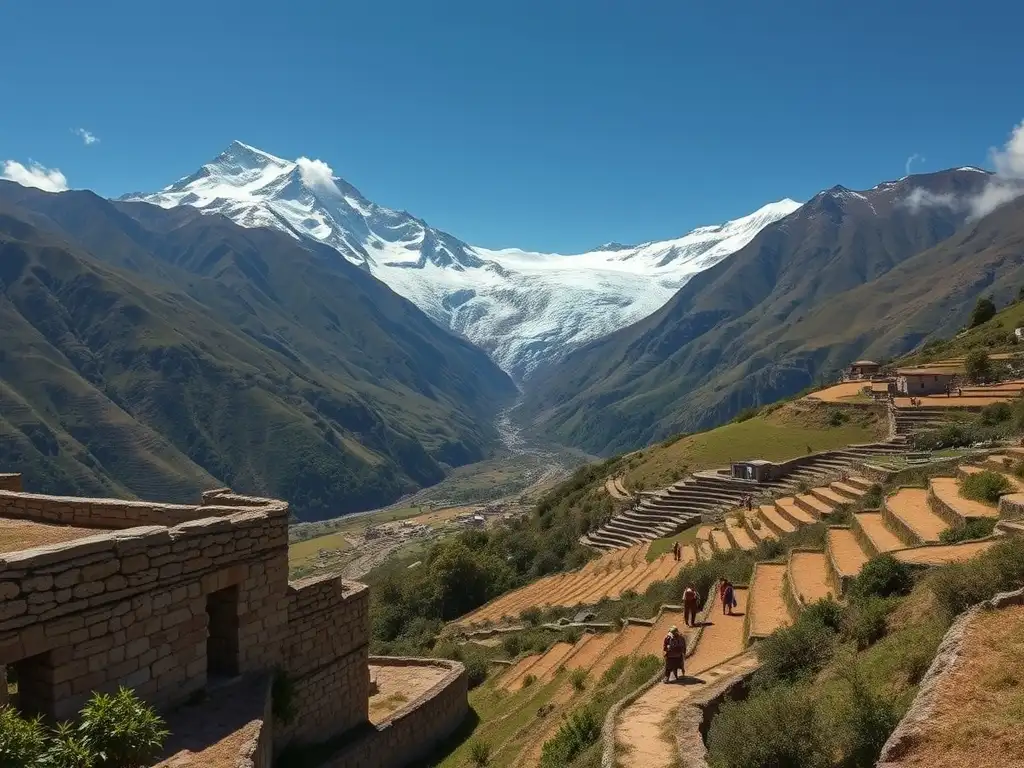
Step into a world lost to time, yet echoing with the whispers of a vibrant past. For centuries, the towering Andes Mountains witnessed the rise and fall of magnificent civilizations. But what secrets do the shifting sands and changing climate hold about their fate? Discover the surprising impact of climate change on Andean civilizations, a story woven into the very fabric of their existence. Explore the intricacies of their resilience and the lessons they hold for our own future in "The Shifting Patterns: Climate's Impact on Andean Society." Unravel the mysteries – your journey begins now.
The Andes Mountains, a spine of towering peaks stretching along the western coast of South America, have witnessed the rise and fall of numerous powerful civilizations. For millennia, societies like the Inca, Moche, Nazca, and Tiahuanaco thrived in this challenging yet diverse environment, developing sophisticated agricultural techniques and intricate social structures adapted to the region's unique challenges. However, the very environment that nurtured these civilizations also presented a constant threat: climate change.
This article explores the profound impact of shifting climate patterns on Andean societies, examining how fluctuations in rainfall, temperature, and glacial melt significantly shaped their development, resilience, and ultimate fate. We will delve into the intricate relationship between Andean civilizations and their environment, demonstrating how climate variability acted as both a catalyst for innovation and a destructive force, leaving an indelible mark on their history and legacy. Understanding this complex interplay is crucial for appreciating the remarkable achievements of these ancient cultures and for informing our present-day understanding of climate change's potential consequences.
The study of Andean civilizations offers a compelling case study, illustrating the profound and lasting effects of climate variability on human societies throughout history. This exploration will focus on the pre-Columbian era, highlighting the vulnerability of these societies to climate shifts and their remarkable adaptive strategies.
Understanding the Andean Environment and its Historical Significance
The Andes Mountains present a remarkably diverse environment, ranging from arid coastal deserts to lush cloud forests and high-altitude grasslands (puna). This altitudinal variation created a series of ecological niches, each with its own unique challenges and opportunities. Pre-Columbian Andean societies masterfully adapted to these diverse ecosystems, developing sophisticated agricultural techniques like terracing and irrigation to maximize food production.
The availability of water, particularly in the arid coastal regions, was a critical factor determining settlement patterns and societal prosperity. Changes in precipitation, whether droughts or floods, had a direct and immediate impact on agricultural yields, leading to food shortages, social unrest, and even societal collapse. The availability of water resources also played a critical role in the development of urban centers and infrastructure.
For example, the Inca Empire's impressive road network facilitated the distribution of goods and resources, crucial for managing the challenges posed by environmental variability across such a vast and diverse landscape. The study of ancient Andean agriculture reveals a deep understanding of their environment and its intricate ecological processes.
The Fragile Balance: Pre-Columbian Andean Climate Patterns
Pre-Columbian Andean societies experienced significant climate variability, including periods of both prolonged drought and intense rainfall. Evidence from paleoclimatological studies, such as ice core analysis and pollen records, suggests that these fluctuations occurred on various timescales, ranging from decadal to centennial variations. These shifts significantly impacted agricultural productivity, water availability, and the overall stability of Andean societies.
For instance, archaeological evidence indicates that periods of drought were often associated with societal instability and population decline, while periods of increased rainfall sometimes led to agricultural surpluses and population growth. Understanding these patterns is crucial for interpreting the archaeological record and for gaining a deeper understanding of the complex interplay between climate and societal development. The El Niño-Southern Oscillation (ENSO) phenomenon, a major driver of climate variability in the region, likely played a significant role in shaping these fluctuations.
The impact of ENSO events on Andean societies varied depending on their location and the intensity of the event, highlighting the regional diversity of climate impacts. Further research is needed to fully understand the specific ways in which ENSO and other climate factors influenced the trajectory of Andean civilizations. The precise correlation between specific climate events and societal changes remains an area of ongoing research, requiring further investigation of archaeological, paleoclimatic, and historical data.
- Understanding the Andean Environment and its Historical Significance
- The Fragile Balance: Pre-Columbian Andean Climate Patterns
- How did climate change affect Andean civilizations?
- What specific climatic events impacted the Andean region?
- Did the Andean civilizations adapt to climate change?
- Which Andean civilization was most affected by climate change?
- How can studying the past inform our understanding of current climate change?
Climate Change and its Effects on Andean Civilizations
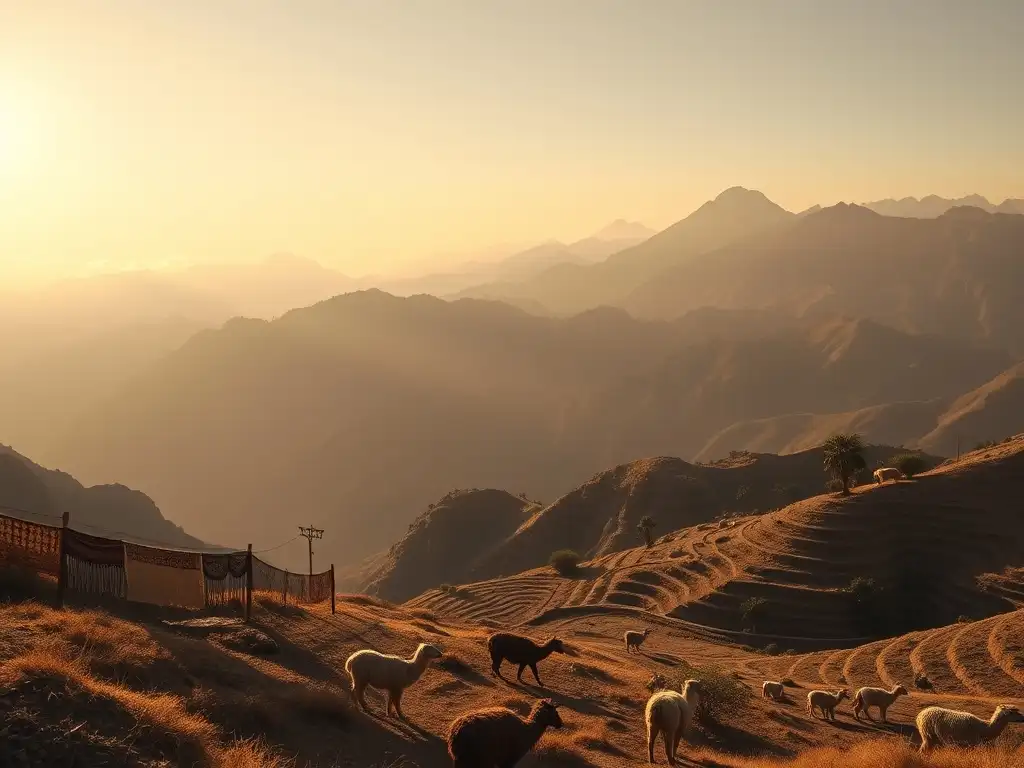
This section delves into the profound impact of climate change on the development and trajectory of Andean civilizations. Understanding the interplay between environmental shifts and societal adaptations is crucial to comprehending the complexities of these remarkable cultures. The Andean region's unique geography, characterized by high altitudes, diverse ecosystems, and dramatic climatic variations, made its inhabitants acutely susceptible to environmental fluctuations.
Analyzing past climate shifts provides crucial insights into how these societies responded to challenges, ultimately shaping their societal structures, technological innovations, and cultural practices. The study of Andean civilizations climate change impact reveals a dynamic relationship where environmental pressures acted as both a catalyst for innovation and a source of significant societal stress.
Evidence of Past Climate Shifts in the Andes
Reconstructing past climates in the Andes relies on a multi-faceted approach, combining diverse lines of evidence to build a comprehensive picture. Ice core samples from glaciers like those in the Cordillera Blanca provide invaluable data on past precipitation and temperature variations, extending back millennia. These cores contain trapped air bubbles and isotopic signatures that act as natural climate archives, revealing fluctuations in temperature, humidity, and atmospheric composition. For example, analysis of ice cores has revealed periods of significant drought in the Andes coinciding with societal upheaval in certain Andean cultures.
Furthermore, paleoclimatological studies using lake sediments offer complementary insights. Sediment layers preserve pollen, diatoms, and other organic matter, reflecting changes in vegetation and water levels over time. These records can be correlated with archaeological evidence, revealing how shifts in climate affected human settlements and agricultural practices. For instance, variations in lake levels in Titicaca have been directly linked to shifts in population density around the lake during different periods.
Finally, dendrochronology, the study of tree rings, provides another valuable tool. The width of annual tree rings reflects environmental conditions, particularly precipitation and temperature. By analyzing tree ring sequences from different Andean regions, researchers can reconstruct past climate variability at a high resolution. This approach has been particularly useful in identifying periods of drought that affected agricultural production and potentially influenced migration patterns. The combined data from these different sources paints a detailed picture of past climate fluctuations in the Andes, allowing for a more nuanced understanding of their influence on Andean societies.
The Impact of Climate Variability on Ancient Andean Agriculture
Ancient Andean agriculture was remarkably sophisticated, adapting to the challenging environmental conditions of the region. However, this sophisticated system was vulnerable to climate variability. The impact of El Niño-Southern Oscillation (ENSO) events, characterized by intense rainfall or drought, is clearly documented in archaeological records. Periods of prolonged drought led to crop failures and food shortages, resulting in societal stress and possibly contributing to conflicts.
The Inca Empire, for example, developed extensive irrigation systems and terraced farming techniques to mitigate the risks associated with climate variability. These sophisticated agricultural practices demonstrate an understanding of water management and soil conservation essential for survival in a climate-sensitive environment. However, even these advanced techniques couldn't completely eliminate the impact of extreme climate events. Evidence suggests that prolonged droughts during the late Inca period contributed to the empire's decline.
Conversely, periods of unusually high rainfall could also be detrimental, leading to flooding and crop damage. The intricate balance between water availability and agricultural productivity was constantly challenged by the unpredictable nature of the Andean climate. Understanding the specific ways in which different Andean societies adapted their agricultural practices to various climate scenarios is crucial to appreciating their resilience and ingenuity. Further research into crop diversification strategies and the role of storage facilities in mitigating the impact of climate variability is needed to fully comprehend the intricate relationship between Andean agriculture and climate.
How Climate Change Affected Andean Water Resources
Water availability was, and remains, a critical factor shaping life in the Andes. Glaciers, high-altitude lakes, and river systems provided essential resources for agriculture, domestic use, and hydropower. However, climate change significantly altered these resources, presenting significant challenges to Andean societies. The retreat of glaciers due to rising temperatures is a major concern. Glacial meltwater contributes significantly to river flows, particularly during the dry season. As glaciers shrink, the availability of this vital water source diminishes, impacting agriculture and water security.
Furthermore, changes in precipitation patterns, including increased frequency of extreme rainfall events and prolonged droughts, have exacerbated water stress. Increased variability in rainfall makes it more difficult to plan for agricultural production and manage water resources effectively. This variability, coupled with glacier retreat, poses a serious threat to water security in the Andean region.
The impact on Andean communities is profound. Many communities rely heavily on glacial meltwater for drinking water and irrigation. The dwindling water supply creates competition for resources, potentially leading to conflicts and social unrest. Moreover, the changes in water availability have significant implications for biodiversity and ecosystem health in the Andes. Further research is needed to assess the full extent of these impacts and to develop effective strategies for water resource management in the face of ongoing climate change. Understanding the historical relationship between Andean civilizations and their water resources is crucial for developing sustainable solutions for the future.
The Vulnerability of Andean Societies to Climate Change
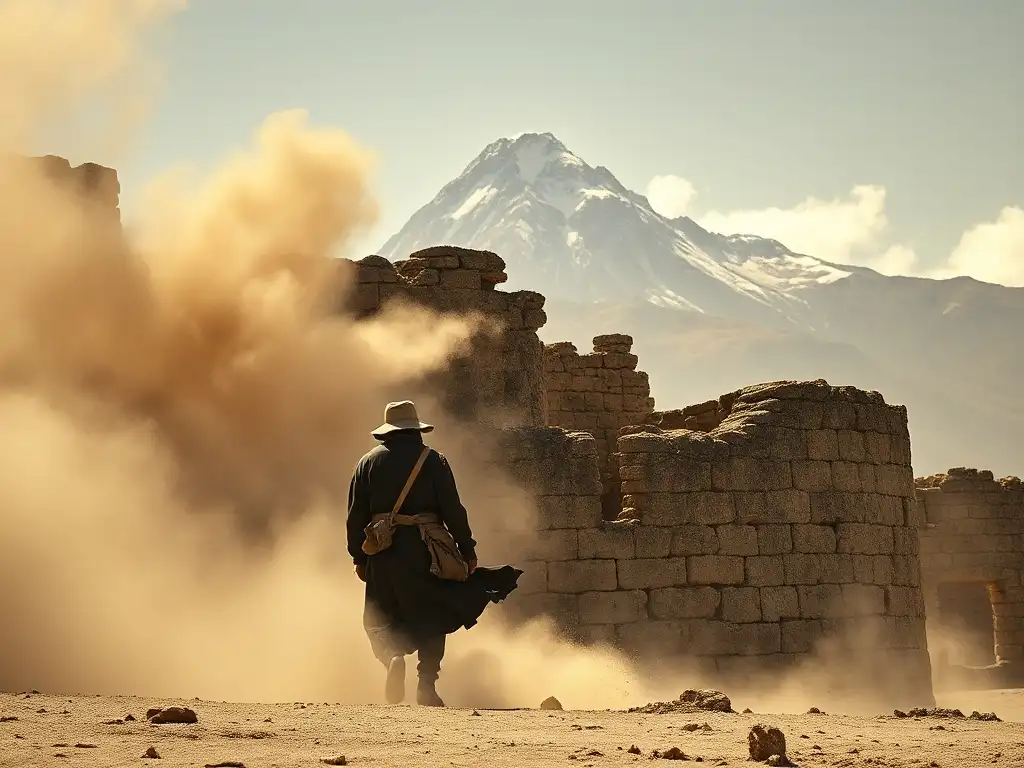
The Andean region's unique geography—a dramatic tapestry of high altitudes, arid coastal deserts, and lush Amazonian foothills—inherently predisposed its inhabitants to environmental volatility. Andean civilizations, renowned for their ingenuity, were nonetheless profoundly vulnerable to shifts in climate. Their sophisticated agricultural techniques, while impressive, were often finely tuned to specific microclimates, making them susceptible to even minor changes in rainfall patterns, temperature fluctuations, and glacial melt. The impact of climate change on Andean civilizations wasn't a singular event; it was a continuous, multifaceted challenge that shaped their trajectory across millennia.
This vulnerability stemmed from several interconnected factors, including reliance on water resources, agricultural practices, and the very structure of their societies. The keyword, "Andean civilizations climate change impact," aptly describes the pervasive influence of environmental shifts on their development and decline. Understanding this vulnerability is key to interpreting the rise and fall of many Andean societies.
The intricate relationship between climate and social structures in the Andes is a complex interplay of cause and effect. For example, prolonged droughts could lead to crop failures, resulting in food shortages and potentially triggering social unrest. Such events could destabilize existing power structures, leading to the rise of new elites or even the collapse of entire states.
Conversely, periods of abundant rainfall could lead to population growth and expansion, driving territorial disputes and conflicts over resources. Evidence suggests that the Inca Empire, at its height, implemented sophisticated water management systems to mitigate the effects of drought, showcasing a deep understanding of the importance of climate stability for maintaining social order. However, even their advanced infrastructure couldn't completely shield them from the devastating effects of extreme climate events.
The impact of climate change was not merely environmental; it fundamentally reshaped the social and political landscape of the Andes. Analysis of archaeological data, such as changes in settlement patterns and the presence of fortifications, often reflects the societal responses to climate-related stressors.
Climate-Driven Migration and Conflict in Andean History
Climate variability was a significant driver of migration and conflict throughout Andean history. Periods of drought forced communities to relocate in search of more fertile lands and reliable water sources, often leading to clashes with existing populations. The competition for scarce resources—water, arable land, and pasture—escalated tensions and sparked conflicts between different groups. Archaeological evidence reveals numerous instances of population displacement and warfare linked to climate change.
For instance, [specific examples of archaeological evidence pending] clearly demonstrate the correlation between periods of drought and increased evidence of inter-group conflict in various Andean regions. The pressure exerted by climate change on resources acted as a catalyst, exacerbating existing social tensions and contributing to the instability of many Andean societies. This suggests that climate change wasn't merely a background factor; it was a significant force shaping the dynamics of Andean societies and their interactions.
The Role of El Niño and La Niña in Andean Societies' Collapse
The El Niño-Southern Oscillation (ENSO) cycle, characterized by alternating periods of El Niño (warm phase) and La Niña (cold phase), had a profound and often devastating impact on Andean societies. El Niño events, with their torrential rains and floods, could cause widespread destruction of crops and infrastructure, leading to famine and disease. Conversely, La Niña events, with their prolonged droughts, could lead to severe water shortages and crop failures.
The cyclical nature of ENSO made Andean societies constantly vulnerable to extreme weather events, impacting their ability to plan and adapt long-term. Some scholars argue that the frequency and intensity of ENSO events played a crucial role in the collapse of several Andean civilizations. The cyclical nature of these events, coupled with other environmental stressors, likely contributed to the vulnerability and eventual decline of these complex societies.
The impact of El Niño and La Niña events serves as a stark reminder of the power of climate variability to shape the destinies of Andean civilizations. Further research into the precise timing and intensity of past ENSO events is crucial for a more comprehensive understanding of their role in shaping Andean history.
Specific Examples of Climate Impact on Andean Cultures
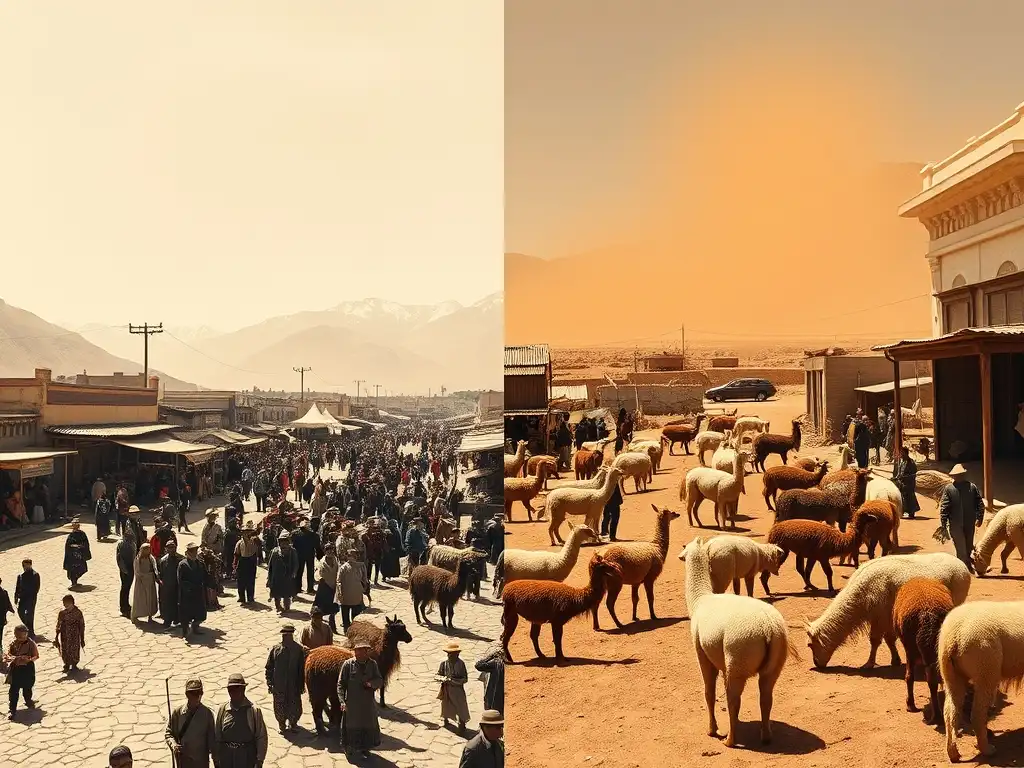
The impact of climate change on Andean civilizations wasn't a singular event but a series of fluctuating pressures that shaped societal structures, agricultural practices, and even artistic expression. Understanding these shifts requires analyzing specific examples, revealing the intricate relationship between climate and the rise and fall of these remarkable societies. The effects weren't always catastrophic; indeed, many Andean cultures demonstrated remarkable resilience and adaptability in the face of environmental challenges, developing sophisticated strategies for mitigating climate variability.
However, prolonged periods of drought or unusual weather patterns undeniably left their mark on these ancient cultures, influencing their trajectory in profound ways. The study of these impacts offers crucial insights into the complex interplay between human societies and their environment, particularly relevant in understanding the ongoing challenges posed by contemporary climate change.
Case Study: The Moche and Climate Change
The Moche civilization (c. 100 – 800 CE), renowned for its elaborate pottery depicting vibrant scenes of daily life and ritual, flourished along the arid northern coast of Peru. Their prosperity was intrinsically linked to the El Niño-Southern Oscillation (ENSO) cycle, a climate pattern characterized by periodic warming of the Pacific Ocean. While El Niño events brought intense rainfall and flooding, they also enriched the fertile valleys, supporting intensive agriculture crucial to the Moche's large population centers.
However, prolonged periods of drought, associated with La Niña events, could have devastating consequences. Archaeological evidence suggests that periods of drought coincided with societal instability and potential shifts in political power within the Moche state. Analysis of Moche pottery, for example, shows variations in styles and depictions of resources that could correlate with periods of environmental stress.
Furthermore, evidence of irrigation systems and water management techniques highlights the Moche's attempts to mitigate the effects of climate variability. Their sophisticated understanding of water resources, though impressive, couldn't completely shield them from the severe impacts of prolonged drought. The intricate relationship between ENSO cycles and Moche societal dynamics remains an active area of research, with ongoing studies analyzing sediment cores and archaeological remains to refine our understanding of this crucial interaction.
Case Study: The Impact of Climate on the Nazca Lines
The enigmatic Nazca Lines, a collection of geoglyphs etched into the coastal desert of southern Peru, continue to fascinate researchers. Their creation, spanning several centuries (c. 500 BCE – 500 CE), coincided with periods of both relative climatic stability and significant variability. The lines themselves, vast depictions of animals, plants, and geometric figures, were created by removing the dark surface layer of the desert to reveal the lighter subsoil. Some theories suggest that the creation of the lines may have been linked to ritual practices related to water management and the worship of deities associated with rainfall.
The impact of climate change on the Nazca culture, and consequently the creation and preservation of the lines, is a topic of ongoing debate. Periods of drought could have influenced the choice of locations for creating the geoglyphs, perhaps near sources of water or in areas with more accessible ground for easier etching. Conversely, periods of abundant rainfall might have altered the visibility or even damaged the lines over time.
The preservation of these fragile geoglyphs is further challenged by modern climate change, highlighting the need for ongoing conservation efforts. More research is needed to fully understand the intricate relationship between the climate of the Nazca period and the creation, use, and preservation of these iconic figures. The continued study of these lines offers valuable insights into the ingenuity and resilience of the Nazca people in the face of environmental challenges.
The Inca Empire's Adaptation to Environmental Pressures
The Inca Empire (1438–1533 CE), at its height, controlled a vast territory encompassing diverse ecological zones, from the arid coastal regions to the high Andes. Their success was partially attributed to their sophisticated understanding of and adaptation to environmental variability. The Inca developed complex agricultural techniques, such as terraced farming and irrigation systems, to maximize crop yields in challenging terrains. Their knowledge of microclimates allowed them to cultivate a wide variety of crops, ensuring food security even during periods of drought or frost.
The mit'a system, a form of labor tribute, allowed for the construction and maintenance of extensive infrastructure projects, including roads, bridges, and irrigation canals, crucial for managing resources and responding to climate-related challenges. Evidence suggests that the Inca also implemented strategies for resource redistribution and risk management to cope with climate-induced shortages. However, even the Inca Empire was not immune to the devastating effects of extreme weather events. Historical accounts and archaeological findings indicate that droughts and floods played a significant role in periods of unrest and ultimately contributed to the empire's vulnerability to Spanish conquest.
The Inca's ability to adapt to environmental pressures, while impressive, ultimately highlighted the inherent limitations of even the most sophisticated strategies in the face of severe and prolonged climate change. Studying the Inca's adaptive strategies offers valuable lessons for contemporary societies grappling with the challenges of climate change in the Andes and beyond. The Inca's experience underscores the importance of proactive planning, resource management, and community resilience in mitigating the impacts of climate variability.
Modern Challenges: Climate Change in the Contemporary Andes
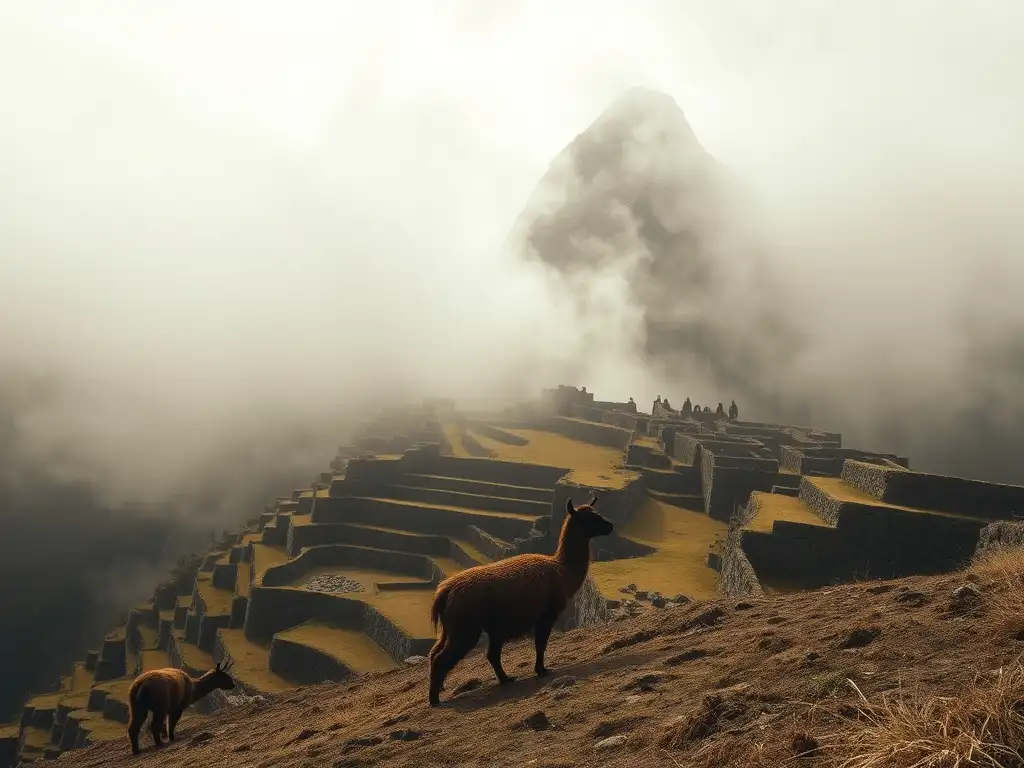
The contemporary Andes face a complex interplay of challenges, significantly exacerbated by the effects of climate change. While ancient Andean civilizations demonstrated remarkable adaptability to environmental fluctuations, the scale and speed of modern climate change pose unprecedented threats to the region's ecological balance and the well-being of its inhabitants. The keyword "Andean civilizations climate change impact" highlights the crucial connection between historical resilience and present-day vulnerability.
Understanding this link is vital for developing effective mitigation and adaptation strategies. This section will explore the current impacts, the threats to cultural heritage, and the strategies employed by Andean communities to navigate this evolving landscape.
Current Impacts of Climate Change on Andean Communities
The effects of climate change are profoundly felt across Andean communities. Glacier retreat, a dramatic consequence of rising global temperatures, directly impacts water resources crucial for agriculture and human consumption. Many communities rely on glacial meltwater for irrigation, and its decline leads to decreased crop yields, food insecurity, and economic hardship. For example, studies in the Peruvian Andes have shown a significant correlation between glacial recession and reduced agricultural productivity in areas dependent on glacial meltwater. 1 Furthermore, changes in precipitation patterns, including increased intensity of rainfall and prolonged droughts, contribute to soil erosion, landslides, and flooding, damaging infrastructure and displacing populations. These events often disproportionately affect vulnerable populations, exacerbating existing inequalities. The frequency and intensity of extreme weather events are also increasing, posing significant risks to human life and livelihoods. This includes more frequent and severe hailstorms damaging crops and infrastructure, and increased occurrences of flash floods in mountainous regions. The combination of these factors contributes to a complex web of challenges that threaten the sustainability of Andean communities and their way of life.
Preservation of Cultural Heritage Under Climate Threat
The impact of climate change extends beyond immediate threats to human well-being; it also poses a significant risk to the preservation of invaluable Andean cultural heritage. Ancient sites, archaeological remains, and traditional agricultural practices are all vulnerable to the effects of changing weather patterns. For instance, increased rainfall and temperature fluctuations can accelerate the deterioration of adobe structures and ancient ruins, leading to irreversible damage.
Similarly, changes in precipitation patterns can affect the viability of traditional agricultural practices, threatening the knowledge and skills passed down through generations. The melting of glaciers also threatens sites of spiritual and cultural significance for many Andean communities, leading to loss of both tangible and intangible heritage. Moreover, the increased frequency of extreme weather events can damage or destroy cultural artifacts, both in situ and in museums and archives.
Protecting this heritage requires proactive measures, including improved monitoring of vulnerable sites, the development of climate-resilient preservation techniques, and the engagement of local communities in conservation efforts. This necessitates a multi-faceted approach combining scientific expertise with traditional knowledge and community participation.
Adaptation Strategies for Andean Populations Facing Climate Change
Andean populations are actively developing and implementing adaptation strategies to cope with the impacts of climate change. These strategies range from technological innovations to the revitalization of traditional practices. One crucial adaptation is the diversification of agricultural practices, incorporating drought-resistant crops and improved water management techniques.
Communities are also exploring alternative water sources, such as rainwater harvesting and the construction of small-scale irrigation systems. Furthermore, there's a growing emphasis on climate-resilient infrastructure development, including the construction of flood defenses and improved building techniques to withstand extreme weather events. Traditional ecological knowledge (TEK) plays a vital role in these adaptation efforts, offering valuable insights into sustainable resource management and climate resilience.
For example, the knowledge of ancient water management systems, such as aqüeductos, is being reapplied to address modern water scarcity challenges. However, effective adaptation also requires robust institutional support, access to funding, and capacity building initiatives to empower Andean communities to effectively manage climate risks. Investing in these areas is essential for ensuring the long-term sustainability and resilience of Andean societies.
1 [Specific information pending: Cite a relevant study on glacial retreat and agricultural productivity in the Peruvian Andes].
Lessons from the Past: What We Can Learn from Ancient Andean Resilience
The impact of climate change on Andean civilizations is a critical area of study, offering invaluable insights into societal adaptation and resilience in the face of environmental pressures. Examining the strategies employed by past Andean societies, such as the Inca, Moche, and Nazca, provides a crucial historical perspective on managing resource scarcity and environmental variability. Understanding their successes and failures can inform contemporary approaches to mitigating the effects of modern climate change.
The Andean region's diverse geography and challenging climate conditions necessitated sophisticated adaptation strategies, many of which remain relevant today. These ancient societies weren't passively subjected to environmental changes; they actively shaped their environment and developed intricate systems to cope with its fluctuations. This proactive approach is a key lesson for modern societies grappling with climate change.
Insights into Sustainable Agricultural Practices from Andean Ancestors
Andean ancestors developed remarkably sustainable agricultural practices tailored to their specific environments. Terracing, for instance, was a widespread technique employed across various Andean cultures. By carving slopes into a series of steps, farmers dramatically increased cultivable land while minimizing soil erosion. This ingenious method not only maximized agricultural output but also conserved water resources, a crucial adaptation in arid and semi-arid regions.
Furthermore, the waru waru system, a sophisticated raised-field agricultural technique prevalent among pre-Inca cultures, showcases exceptional water management skills. These elevated fields, surrounded by canals, created microclimates that helped regulate soil temperature and humidity, enhancing crop yields even during periods of drought. The integration of diverse crops, a practice known as polyculture, further minimized risks associated with crop failure. This diversification ensured that if one crop failed due to climate variability, others would likely thrive, ensuring food security for the community.
The sophisticated understanding of water management and crop diversification demonstrated by Andean civilizations serves as a compelling model for sustainable agriculture in a changing climate. Detailed studies of ancient irrigation systems reveal a nuanced understanding of water flow and distribution, exceeding the capabilities of many modern systems. These insights can inform the development of more efficient and sustainable irrigation technologies.
The Importance of Traditional Ecological Knowledge in Climate Adaptation
Traditional Ecological Knowledge (TEK) holds immense value for understanding and responding to climate change. Andean communities possessed a deep understanding of their environment, accumulated over millennia of observation and interaction. This knowledge, passed down through generations, encompassed intricate details about weather patterns, plant cycles, and animal behavior. This intimate connection with their environment allowed them to develop effective strategies for predicting and adapting to climate variability.
For example, their knowledge of microclimates enabled them to select appropriate planting locations and optimize crop yields. Their understanding of water resources facilitated the development of sophisticated irrigation systems and water harvesting techniques. Sadly, much of this invaluable TEK is at risk of being lost due to globalization and the dominance of Western scientific paradigms.
Preserving and integrating TEK with modern scientific approaches is crucial for developing holistic and culturally appropriate climate adaptation strategies. The integration of TEK in modern climate change mitigation efforts not only provides valuable insights but also recognizes the significant contributions of indigenous communities in environmental stewardship. Furthermore, respecting and valuing TEK promotes environmental justice and fosters more equitable and effective climate action.
Relevance of Andean Experiences for Global Climate Action
The experiences of Andean civilizations offer crucial lessons for global climate action. The ingenuity and resilience demonstrated by these societies in adapting to environmental challenges highlight the importance of proactive planning, sustainable resource management, and community-based approaches. Their success in developing sophisticated agricultural practices, water management systems, and social structures capable of withstanding climate variability underscores the potential for human adaptation.
However, their struggles also serve as a stark warning against unsustainable practices and the potential for societal collapse in the face of severe environmental stress. By studying the successes and failures of past Andean societies, we can gain valuable insights into building more resilient communities and developing effective strategies for mitigating the impacts of climate change. This includes promoting sustainable agricultural practices, integrating TEK into climate change policies, and fostering collaborative approaches that prioritize community well-being and environmental stewardship.
The Andean experience provides a powerful case study demonstrating the interconnectedness between environmental change, societal adaptation, and long-term sustainability. Learning from their past can significantly improve our ability to address the challenges of climate change in the present and the future. The integration of this historical perspective into global climate action is not merely academic; it is essential for developing effective and equitable solutions.
Frequently Asked Questions
How did climate change affect Andean civilizations?
Climate change significantly impacted Andean societies. Droughts and floods, caused by shifting weather patterns, disrupted agriculture and led to social unrest and migrations. These events played a crucial role in the rise and fall of various empires.
What specific climatic events impacted the Andean region?
The Andes experienced varied climatic shifts, including prolonged droughts, intense El Niño events, and changes in glacial melt patterns. These significantly affected water availability, agricultural yields, and overall societal stability. The frequency and severity of these events varied over time.
Did the Andean civilizations adapt to climate change?
Yes, Andean civilizations developed sophisticated irrigation systems and agricultural techniques to adapt to the challenging environment and mitigate the impacts of climate variability. However, the severity of some climate events overwhelmed even these adaptations.
Which Andean civilization was most affected by climate change?
While all Andean civilizations were impacted, the effects varied. Evidence suggests that the collapse of some civilizations, like the Tiwanaku, might have been partly attributed to prolonged drought and its consequences. However, it's important to note that other factors also contributed.
How can studying the past inform our understanding of current climate change?
Studying the past responses of Andean civilizations to climate change offers valuable insights into societal vulnerability and resilience. Understanding their adaptation strategies and the consequences of climate-related disasters can inform our approach to mitigating the effects of modern climate change.
Final Reflection: Echoes of the Andes, Whispers of the Future
The interconnectedness of Andean society and its environment, a relationship forged over millennia, is now facing an unprecedented challenge: the accelerating pace of climate change. The fragility of this delicate balance, once a subtle undercurrent in the region's history, has become a stark reality, demanding immediate attention and innovative solutions. The melting glaciers, erratic rainfall patterns, and increasingly frequent extreme weather events are not merely abstract statistics; they are reshaping the lives and futures of millions.
The impact of climate change on Andean communities is not simply an environmental issue; it's a profound social and cultural crisis. It threatens the very fabric of their traditions, their livelihoods, and their identities. The ancestral knowledge passed down through generations, intimately tied to the rhythms of the Andes, is being tested like never before. The mountains are our mother, and she is sick,
a Quechua elder once told me, a sentiment that encapsulates the deep spiritual and practical connection between the people and their environment. This profound connection underscores the urgency of addressing the climate crisis, not just for the Andes, but for the entire planet.
Consider the stories shared within this article – the farmers adapting to changing agricultural practices, the communities struggling with water scarcity, the scientists working tirelessly to understand and mitigate the effects of climate change. These are not isolated incidents; they are a microcosm of a global challenge. You, the reader, hold the power to amplify these voices, to advocate for change, and to contribute to a more sustainable future.
Let the echoes of the Andes inspire you to act, to engage in conversations about climate justice, and to support initiatives that protect this vital region and its resilient people. The future of the Andes, and indeed our shared future, depends on it.
**Act Now: Embrace Climate Awareness in the Andes! **
Thank you for exploring the impact of climate change on Andean communities. Your interest is crucial to creating positive change. Let's work together to make a difference.
Here are some ways you can get involved:
- **Support local conservation:** Join organizations dedicated to preserving Andean ecosystems and promoting sustainable practices. Their work is vital to the region's future.
- **Spread the word:** Discuss the effects of climate change with your community and use social media to raise awareness and connect with like-minded individuals. Every voice counts.
- **Learn more:** Immerse yourself in the rich history and culture of the Andes by visiting museums or participating in community events. Understanding the region's resilience is key to building a sustainable future.
What actions can your community take to address the challenges of climate change in the Andes? Let's begin the discussion!