
Tiahuanaco's Metal Mastery: How its Metallurgy Influenced Subsequent Andean Craftsmanship

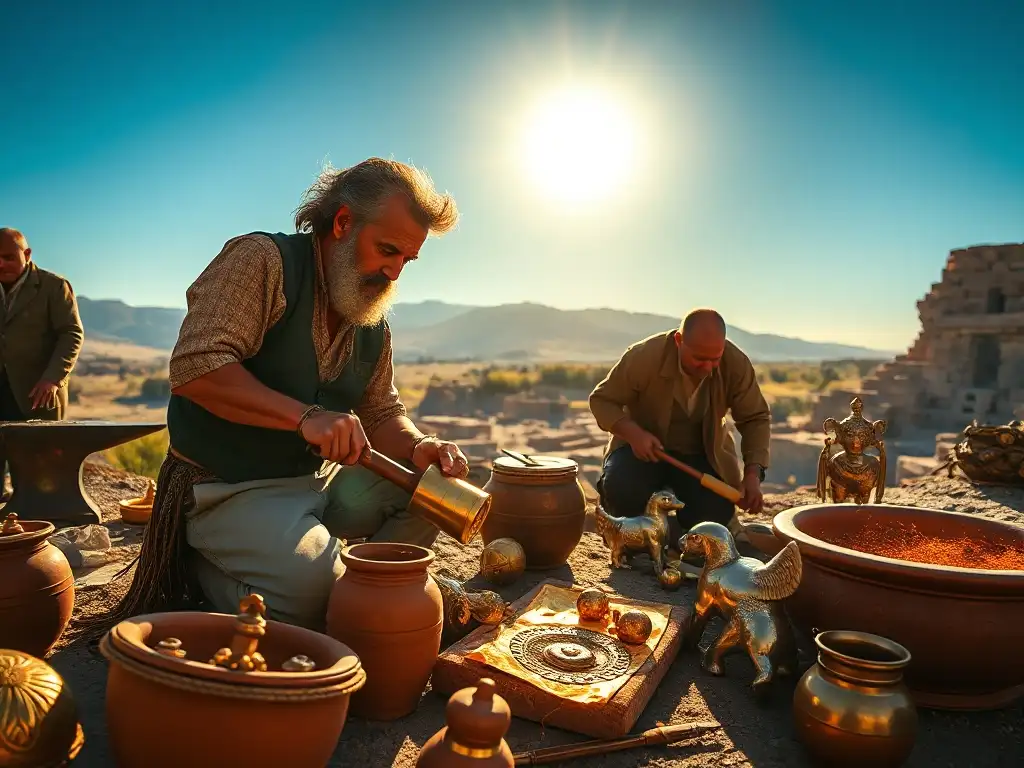
Step into a world lost to time, yet echoing with the skill of master artisans. For centuries, the Andes Mountains held secrets whispered only in gold and silver. Discover the astonishing legacy of the Tiahuanaco civilization, and prepare to be amazed by their unparalleled metalworking techniques. Unravel the mysteries surrounding their innovative processes, and witness how their influence reverberated through subsequent Andean cultures. Prepare to be captivated by the intricate details of Tiahuanaco's metal mastery – a story waiting to unfold.
The rise and fall of the Tiahuanaco civilization (c. 300-1000 CE) left an indelible mark on the Andean region, extending far beyond its impressive architectural feats and sophisticated agricultural practices. This article delves into the fascinating world of Tiahuanaco metalworking, exploring its innovative techniques and examining its profound influence on subsequent Andean cultures. We will uncover how Tiahuanaco's mastery of metallurgy not only shaped the aesthetic styles of later civilizations but also contributed to advancements in metalworking technology across the region.
Understanding Tiahuanaco's metalworking techniques provides crucial insights into the interconnectedness of Andean societies and the enduring legacy of this powerful civilization. The sophisticated techniques employed by Tiahuanaco artisans represent a significant milestone in Andean metallurgical history, laying the groundwork for the remarkable metalwork produced in subsequent eras.
The Technological Prowess of Tiahuanaco Metallurgists
Tiahuanaco's metalworkers demonstrated a remarkable understanding of metallurgical processes. They expertly crafted intricate objects from various metals, including gold, silver, copper, and bronze, using techniques that were advanced for their time. Evidence suggests a sophisticated knowledge of alloying, allowing them to create materials with specific properties.
For example, they produced a distinctive bronze alloy with a higher tin content than those found in other contemporary Andean cultures, resulting in a harder and more durable material. This metallurgical expertise allowed them to create a wide array of objects, from finely detailed jewelry and ceremonial objects to practical tools and weapons. The precision and artistry displayed in their work are testament to their exceptional skills and the level of social organization required to support such specialized craftsmanship.
Further research is needed to fully understand the specific processes involved in some of the more intricate pieces, especially those incorporating multiple metals. [Specific information pending: detailed analysis of alloy composition from various Tiahuanaco artifacts].
Iconic Tiahuanaco Metalwork: Styles and Motifs
The distinctive style of Tiahuanaco metalwork is easily recognizable. Common motifs include stylized animal figures, geometric patterns, and representations of deities. These designs frequently incorporate intricate details and are often executed with remarkable precision. The use of repoussé and chasing techniques, which involve hammering metal from the back to create three-dimensional forms, was particularly prevalent.
This technique, combined with the use of inlays and other decorative elements, resulted in stunningly beautiful and complex objects. Examples include intricately decorated ceremonial knives ( tumi ) and finely crafted pendants and earrings. The consistent stylistic elements found in Tiahuanaco metalwork suggest a degree of centralized control over production, possibly indicating the involvement of state workshops or specialized artisan guilds. The stylistic influence of Tiahuanaco metalwork is readily apparent in the subsequent development of Andean metalworking traditions, even after the decline of the Tiahuanaco civilization.
The Dissemination of Tiahuanaco Metallurgical Techniques
The influence of Tiahuanaco metalworking techniques extended far beyond the immediate geographical area of the civilization. Archaeological evidence suggests that the characteristic styles and techniques spread throughout the Andes, influencing the metalwork of later cultures such as the Wari and Inca. The dissemination of these techniques likely occurred through various means, including trade networks, migration of skilled artisans, and the adoption of Tiahuanaco artistic styles by other Andean groups.
This transmission of knowledge represents a significant aspect of cultural exchange and technological diffusion in the Andean region. The adoption and adaptation of Tiahuanaco techniques by different cultures resulted in a rich diversity of metalwork styles, while still maintaining recognizable connections to the original Tiahuanaco traditions.
More research is needed to fully trace the pathways of this technological diffusion and to pinpoint the specific mechanisms involved in the transmission of knowledge. [Specific information pending: detailed mapping of the geographical distribution of Tiahuanaco-influenced metalwork].
Tiahuanaco's Lasting Legacy: A Foundation for Andean Metal Arts
The legacy of Tiahuanaco's metalworking is undeniable. The innovative techniques and distinctive styles developed during this period laid the foundation for the remarkable achievements in Andean metal arts that followed. The sophisticated metallurgy practiced by Tiahuanaco artisans not only influenced the aesthetic sensibilities of subsequent Andean cultures but also contributed to significant advancements in metallurgical technology across the region.
Their expertise in alloying, casting, and finishing techniques continued to be refined and adapted, resulting in the production of increasingly complex and beautiful metal objects for centuries to come. The continued presence of Tiahuanaco-inspired motifs and techniques in later Andean metalwork serves as a powerful testament to the enduring impact of this civilization's legacy.
The study of Tiahuanaco metalworking offers a valuable window into the complexities of Andean cultural exchange and the remarkable ingenuity of its ancient artisans. The mastery of Tiahuanaco's metalworkers continues to inspire awe and admiration, highlighting the sophistication and creativity of Andean civilizations.
- The Technological Prowess of Tiahuanaco Metallurgists
- Iconic Tiahuanaco Metalwork: Styles and Motifs
- The Dissemination of Tiahuanaco Metallurgical Techniques
- Tiahuanaco's Lasting Legacy: A Foundation for Andean Metal Arts
- Tiahuanaco's Cultural and Economic Influence on Neighboring Regions
- Evidence of Tiahuanaco Metalworking Techniques in Later Cultures
- The Role of Tiahuanaco Metalworking in the Development of Regional Styles
- The Influence of Tiahuanaco Metalworking on the Wari Empire
- Tiahuanaco-Style Metal Figurines and Ritual Objects in Later Andean Cultures
- What unique metalworking techniques did the Tiahuanaco civilization employ?
- How did Tiahuanaco's metalworking influence later Andean cultures?
- What types of metals did Tiahuanaco artisans primarily work with?
- What were some common objects crafted by Tiahuanaco metalworkers?
- Where can I learn more about Tiahuanaco metalworking?
The Dawn of Andean Metalworking: Tiahuanaco's Metallurgical Prowess
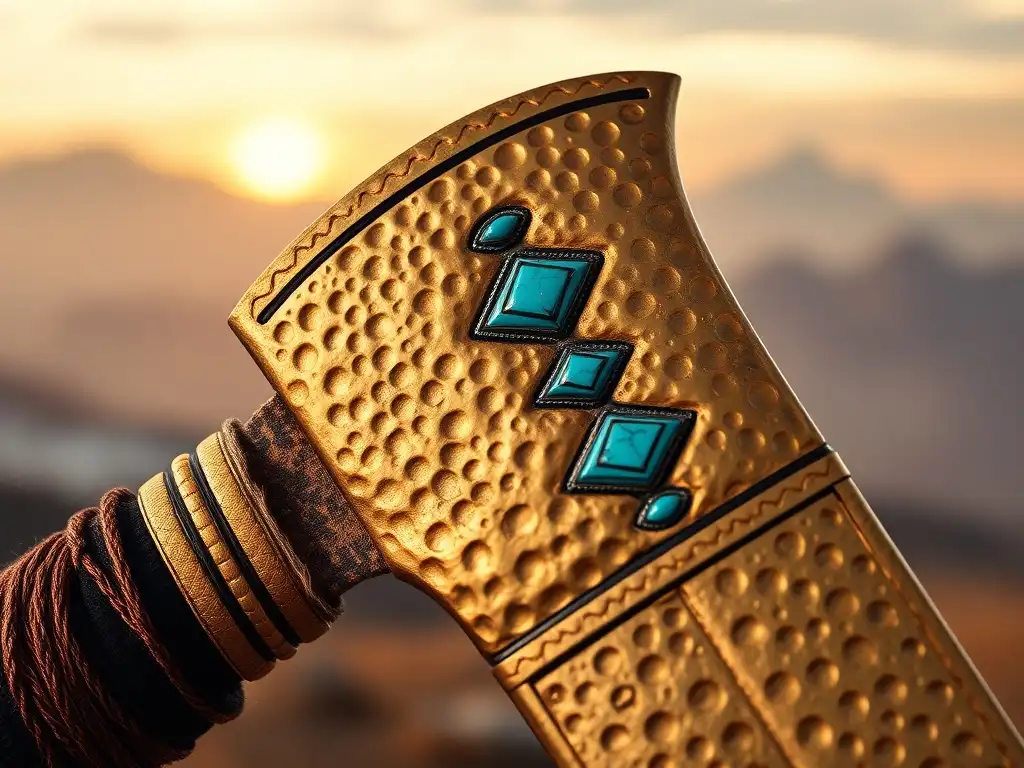
This section delves into the remarkable achievements of Tiahuanaco in the realm of metalworking, examining its innovative techniques and their lasting impact on subsequent Andean cultures. We'll explore how Tiahuanaco's mastery of metallurgy not only shaped its own artistic expression but also served as a cornerstone for advancements in metalworking throughout the Andes. The sophisticated techniques developed in Tiahuanaco, particularly in the manipulation of gold, silver, and copper, represent a significant leap forward in Andean technology and artistry, influencing the styles and methods of later cultures like the Inca.
Understanding Tiahuanaco's metalworking provides crucial insight into the broader trajectory of Andean technological development and its cultural significance. The legacy of Tiahuanaco's metalworking techniques is undeniable, impacting the artistic and technological landscape for centuries to come.
Early Andean Metalworking Traditions Before Tiahuanaco
Before the rise of Tiahuanaco as a major metallurgical center, Andean metalworking existed, albeit in a less developed form. Early examples, dating back to approximately 2000 BCE, primarily involved the use of hammered copper, often formed into simple tools and ornaments. These early techniques lacked the sophistication and complexity seen in later Tiahuanaco artifacts.
The Chavín culture, for instance, showed rudimentary metalworking skills, but their metallurgical capabilities were significantly less advanced than what would later emerge from Tiahuanaco. The focus was predominantly on functional objects, with minimal artistic embellishment. While evidence suggests a gradual evolution of techniques, the scale and artistry of Tiahuanaco's metalwork represented a clear and significant advancement.
The shift from basic hammering to more complex casting and alloying techniques marks a pivotal moment in Andean metallurgy, strongly associated with the Tiahuanaco cultural influence. This period of early Andean metalworking laid the foundation, but it was Tiahuanaco that truly revolutionized the craft.
Tiahuanaco's Emergence as a Center of Metal Production
Tiahuanaco's emergence as a dominant force in Andean metalworking is marked by a significant increase in both the quantity and quality of metal artifacts. The period between 500 and 1000 CE witnessed a flourishing of sophisticated metallurgical techniques. Archaeological findings reveal a wide array of objects—from intricately designed ceremonial items to finely crafted tools—demonstrating a high level of skill and artistry.
The use of lost-wax casting, a complex technique requiring precise control over temperature and material composition, became widespread. This technique allowed for the creation of intricate three-dimensional forms, impossible with earlier hammering techniques. Furthermore, Tiahuanaco artisans mastered the art of alloying, combining different metals to achieve specific properties and colors.
The creation of gold-silver alloys, for instance, resulted in a range of hues, adding to the aesthetic richness of their work. The sheer volume of metal artifacts unearthed at Tiahuanaco sites and surrounding areas speaks to the scale of its metallurgical production, solidifying its role as a major center of Andean metalworking. This unparalleled level of sophistication in "Tiahuanaco metalworking techniques" profoundly impacted subsequent Andean cultures.
The Geographical Advantage of Tiahuanaco for Metal Sourcing
Tiahuanaco's strategic location played a crucial role in its metallurgical success. The region possessed access to vital resources, including copper, silver, and gold deposits, crucial for metal production. The proximity to these sources significantly reduced transportation costs and facilitated a continuous supply of raw materials.
This geographical advantage allowed Tiahuanaco to establish a robust and efficient metallurgical industry, capable of supporting large-scale production. Furthermore, the availability of fuel sources, essential for smelting and casting processes, also contributed to Tiahuanaco's thriving metallurgical capabilities. The combination of readily available raw materials and fuel sources provided a significant competitive advantage, enabling Tiahuanaco to develop its unique and highly advanced metalworking techniques.
This efficient resource management contributed significantly to the scale and quality of its metallurgical output, thus influencing the development of metalworking throughout the Andean region. The convenient access to resources fueled Tiahuanaco's dominance in the field, impacting the availability and development of metalworking in neighboring regions.
Understanding Tiahuanaco's Metallurgical Innovations
Tiahuanaco's mastery of metalworking represents a significant leap forward in Andean metallurgy. Before Tiahuanaco, metalworking in the Andes was largely limited to simpler techniques, primarily focused on hammering and annealing native copper. The Tiahuanaco metallurgists, however, demonstrated a sophisticated understanding of alloying, casting, and hammering techniques, leading to the creation of intricate and durable artifacts. Their innovations weren't simply about producing more objects; they involved a profound shift in the quality and complexity of metalwork.
This advancement is clearly evidenced in the surviving artifacts, which showcase a level of skill and artistry unseen in previous Andean cultures. The precision of their casting, for instance, allowed them to create remarkably detailed figurines and tools, suggesting a high degree of control over the melting and pouring processes. This level of control likely involved specialized furnaces and crucibles, although the exact nature of their technology remains a subject of ongoing research.
The innovation wasn't solely confined to technical skill. The Tiahuanaco artisans also demonstrated a remarkable understanding of material properties. They expertly blended copper with other metals, such as arsenic and tin, to create alloys with enhanced strength and workability. This understanding of alloying is crucial, as it allowed them to overcome the inherent limitations of pure copper, which is relatively soft and prone to deformation.
By carefully controlling the composition of their alloys, they produced bronze and other copper-based alloys that were both stronger and more resistant to corrosion, ensuring the longevity of their creations. This knowledge of material science, coupled with their advanced techniques, truly set Tiahuanaco metalworking apart. The resulting artifacts serve as a testament to their ingenuity and technical prowess, influencing generations of Andean metalworkers. Further research into the specific chemical compositions of Tiahuanaco alloys could reveal even more about their sophisticated metallurgical practices.
The development of sophisticated metalworking techniques at Tiahuanaco wasn't an isolated event. It was likely driven by a confluence of factors, including the availability of raw materials, technological exchange, and societal demands. Access to rich copper deposits in the surrounding region undoubtedly played a crucial role. Furthermore, the evidence suggests a possible exchange of knowledge and techniques with other cultures, potentially contributing to the rapid advancement of Tiahuanaco metallurgy.
Finally, the social and political organization of Tiahuanaco society, with its centralized power structure, may have fostered the development of specialized workshops and a skilled workforce dedicated to metal production. These complex interactions highlight the multifaceted nature of technological innovation and underscore the significance of Tiahuanaco's contribution to Andean metalworking. Understanding these contributing factors provides a richer appreciation for the context of their achievements.
Key Tiahuanaco Metalworking Techniques and Processes
Tiahuanaco's remarkable achievements in metallurgy significantly impacted subsequent Andean cultures. Their sophisticated techniques, refined over centuries, represent a pinnacle of pre-Columbian metalworking. Understanding these methods provides crucial insight into Tiahuanaco's technological prowess and its lasting influence on the Andean world. The mastery of copper smelting, innovative bronze production, and the unique art of alloying are key elements of their legacy, leaving behind a rich tapestry of artifacts that continue to fascinate and inspire. The term "Tiahuanaco metalworking techniques" itself encapsulates the advanced skills and knowledge employed by these master artisans.
Tiahuanaco's Mastery of Copper Smelting Techniques
The foundation of Tiahuanaco's metalworking success lay in their advanced copper smelting techniques. Unlike simpler methods used by other contemporary cultures, evidence suggests they employed sophisticated techniques to achieve high-quality copper, minimizing impurities and maximizing yield. This involved carefully selecting high-grade copper ores, likely sourced from specific Andean mines.
Archaeological findings point to the use of specialized furnaces, possibly incorporating bellows for increased airflow, to reach the necessary temperatures for smelting. The precise construction and design of these furnaces, while still under investigation by archaeologists, are believed to have allowed for efficient control of the smelting process, resulting in cleaner, more malleable copper. The resulting copper ingots were then ready for further processing into various tools, ornaments, and religious objects.
Analysis of surviving artifacts reveals a remarkably high purity of copper, indicating a level of metallurgical expertise rarely seen in other contemporary Andean societies. This mastery of copper smelting laid the groundwork for their subsequent advancements in bronze production and alloying.
Bronze Production in Tiahuanaco: A Technological Leap
Tiahuanaco's transition to bronze production marked a significant technological leap. Bronze, an alloy of copper and tin, possesses superior properties compared to pure copper: greater strength, durability, and castability. The sourcing of tin, which is less abundant in the Andes than copper, presents an interesting aspect of Tiahuanaco's metalworking capabilities.
Evidence suggests they established trade networks extending across significant distances to secure this crucial element. The precise methods of bronze production remain a subject of ongoing research, but it is likely they involved carefully controlled melting and mixing of copper and tin in specific ratios to achieve the desired properties. This process required a sophisticated understanding of metallurgy and precise temperature control to prevent the formation of undesirable compounds.
The resulting bronze was used to create a wide range of objects, including tools, weapons, and ceremonial items, demonstrating the significant impact of this technological advancement on Tiahuanaco society. The production of bronze showcases the sophisticated organization and technological capacity of the Tiahuanaco state.
The Art of Alloying: Tiahuanaco's Unique Metal Compositions
Beyond copper and bronze, Tiahuanaco artisans demonstrated mastery in creating unique metal compositions, experimenting with various alloys to achieve specific aesthetic and functional properties. They weren't limited to simple copper-tin alloys. Evidence indicates the use of other elements, such as arsenic, silver, and gold, in small quantities to modify the color, hardness, and workability of their metals.
This demonstrates a deep understanding of the interaction between different metals and their effect on the final product. For instance, the addition of small amounts of silver could enhance the brilliance of the metal, while arsenic could increase its hardness. The precise recipes and techniques used to create these complex alloys are still being investigated, but the surviving artifacts clearly demonstrate a sophisticated level of metallurgical knowledge.
This innovative approach to alloying contributed significantly to the distinctive style and quality of Tiahuanaco metalwork, setting it apart from the metalwork of other Andean cultures. The unique compositions found in Tiahuanaco artifacts underscore their inventive spirit and advanced understanding of metallurgy. The study of these unique alloys continues to reveal new insights into Tiahuanaco's technological capabilities and its influence on later Andean metalworking traditions.
Advanced Casting Methods Employed by Tiahuanaco Metalworkers
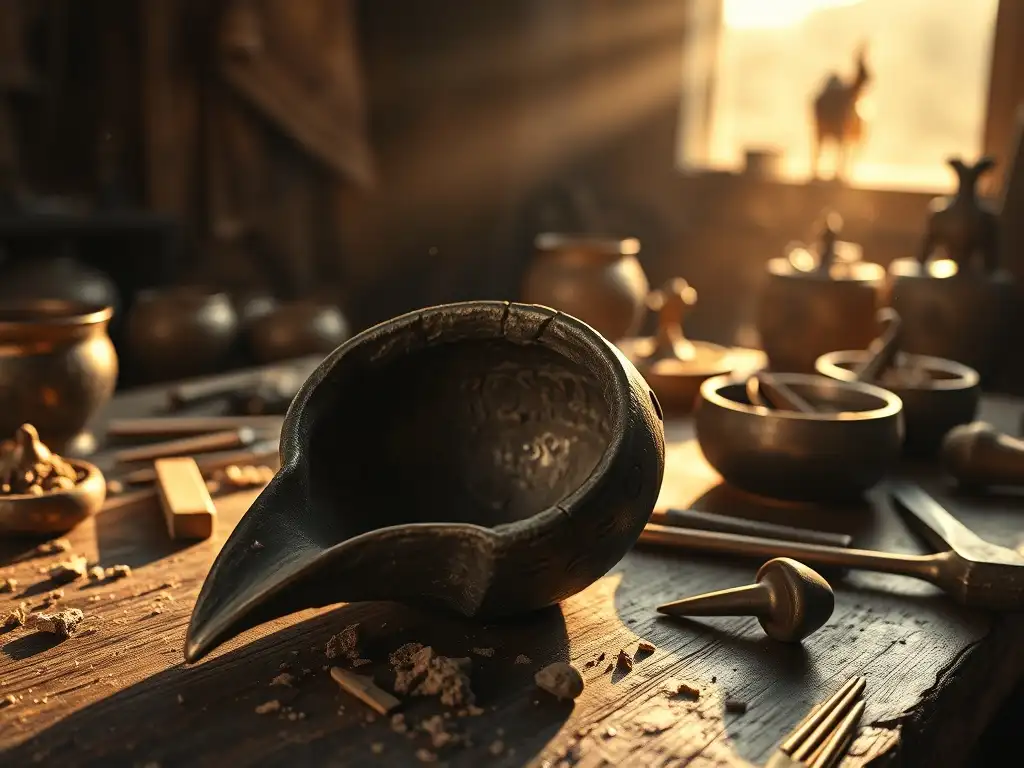
Tiahuanaco metalworkers demonstrated a remarkable mastery of lost-wax casting, a complex technique requiring significant skill and precision. This method allowed them to create intricate and detailed metal objects, far beyond the capabilities of many contemporary cultures. Evidence suggests they employed a sophisticated understanding of mold preparation, including the creation of multiple-piece molds for larger or more complex items.
This is supported by the discovery of numerous fragments of ceramic molds at Tiahuanaco sites, showcasing various stages of construction and use. The intricate detail found in Tiahuanaco's gold and silver artifacts, such as the miniature figurines and ceremonial objects, testifies to their advanced understanding and control over the entire casting process – from wax model creation to the final finishing touches. Furthermore, analysis of surviving artifacts reveals a high degree of consistency in the metal's purity and the uniformity of the casting, indicating a standardized and well-established process across workshops.
This suggests a level of organization and specialization within Tiahuanaco society, with dedicated artisans focusing on specific aspects of metalworking. The skill involved in creating these objects was not merely technical; it also embodied a deep understanding of the properties of various metals and alloys, allowing them to tailor their techniques to achieve specific aesthetic and functional outcomes. The loss of some of these techniques after the decline of Tiahuanaco highlights the advanced nature of their metallurgical knowledge.
Tiahuanaco's Techniques of Metal Decoration and Finishing
Beyond casting, Tiahuanaco metalworkers employed a diverse range of techniques to decorate and finish their metalwork. Repoussé, a technique involving hammering from the reverse side to create raised designs on the surface, was frequently used to embellish sheets of gold and silver. This technique, requiring considerable skill and dexterity, allowed for the creation of intricate patterns and figures. In addition to repoussé, the Tiahuanaco artisans also practiced chasing, a complementary technique where tools are used to refine the details of the raised designs. This combination of repoussé and chasing resulted in remarkably detailed and three-dimensional surface decorations. Furthermore, evidence suggests the use of inlays, where pieces of contrasting metals, such as turquoise or other colored stones, were carefully inserted into grooves or recesses in the main metal object. This process added another layer of complexity and visual richness to their creations. The final finishing processes involved polishing and sometimes gilding to enhance the luster and brilliance of the metal. The remarkable preservation of some Tiahuanaco metal artifacts speaks to the effectiveness of these finishing techniques, which protected the objects from corrosion and wear over centuries. The sophisticated combination of casting, repoussé, chasing, inlaying, and finishing techniques showcases the high level of artistic skill and technical expertise of Tiahuanaco metalworkers, and their influence on subsequent Andean metalworking traditions is undeniable. The legacy of their unique Tiahuanaco metalworking techniques is evident in the styles and techniques employed by later Andean cultures.
Tiahuanaco Metal Artifacts: Evidence of Advanced Craftsmanship
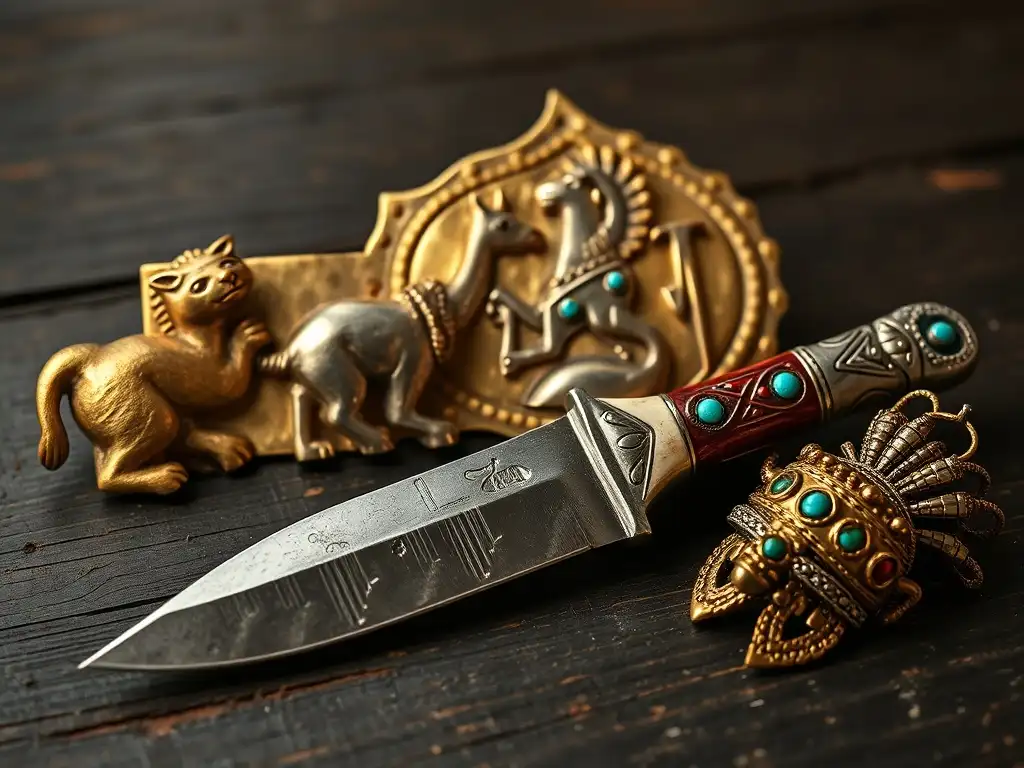
The remarkable metallurgical achievements of the Tiahuanaco culture are evidenced by the surviving artifacts, showcasing a sophisticated understanding of metalworking techniques rarely seen in other contemporary Andean societies. These objects weren't merely functional; they served as powerful symbols of authority, religious belief, and artistic expression, significantly influencing subsequent Andean craftsmanship. The precision and artistry displayed in these pieces highlight the advanced level of skill and technological prowess attained by Tiahuanaco artisans.
The sheer diversity of artifacts recovered—from everyday tools to elaborate ceremonial objects—underscores the pervasive role of metal in Tiahuanaco society. Further research into the specific alloys used and the techniques employed will undoubtedly reveal even more about their mastery of metallurgy.
Analysis of the chemical composition of these artifacts is ongoing, promising to unveil further details about the sources of their raw materials and the sophistication of their smelting and alloying processes. This ongoing research is crucial to understanding the full extent of Tiahuanaco's influence on later Andean metalworking traditions.
Examining Tiahuanaco Metal Tools and Implements
Analysis of Tiahuanaco's metal tools reveals a high degree of specialization and craftsmanship. These weren't crude implements; rather, they demonstrate a clear understanding of metallurgy's potential for creating durable and efficient tools. Archaeological findings include finely crafted knives, chisels, and axes, often made from copper alloys like bronze. The careful shaping and hardening of these tools suggest a sophisticated understanding of heat treatment and metalworking techniques.
For example, some copper knives exhibit remarkably sharp edges, indicating a precise understanding of tempering and sharpening techniques. The presence of these tools in various contexts—domestic sites, workshops, and ceremonial centers—suggests their widespread use across different aspects of Tiahuanaco life. The durability of these tools, combined with their efficiency, likely contributed significantly to the success and productivity of Tiahuanaco society. Further study of these tools could reveal insights into their manufacturing processes and the organization of labor within Tiahuanaco workshops. The study of wear patterns on these tools offers valuable insights into their use and the daily activities of Tiahuanaco people. Detailed microscopic analysis is currently underway to further understand the metallurgical properties of these tools and their manufacturing techniques.
Tiahuanaco Metal Ornaments: Displays of Power and Status
Beyond functional tools, Tiahuanaco metalworkers produced exquisite ornaments, often made from gold, silver, and copper alloys. These ornaments served as powerful symbols of status and authority within Tiahuanaco society, reflecting the social hierarchy and religious beliefs of the time. Examples include intricately crafted pendants, ear spools, and headdresses. The intricate designs and detailed craftsmanship suggest a high level of skill and a deep understanding of metalworking techniques. The use of precious metals like gold and silver highlights the importance of these ornaments as markers of elite status.
The stylistic elements found in these ornaments are remarkably consistent, suggesting a centralized production system or a strong stylistic tradition maintained across different workshops. The techniques employed, such as hammering, casting, and inlay, showcase the diverse skills of Tiahuanaco metalworkers. Analysis of the iconography present in these ornaments—often featuring stylized figures, animals, and geometric patterns—provides valuable insights into Tiahuanaco religious beliefs and cosmology. The precise techniques used in creating these ornaments, such as the intricate filigree work found in some pieces, are still being studied to fully understand the level of skill involved. Further research is needed to fully understand the symbolic meaning and social significance of these ornaments within Tiahuanaco society.
Religious and Ceremonial Metal Objects from Tiahuanaco
Many Tiahuanaco metal artifacts were clearly associated with religious rituals and ceremonies. These objects often featured intricate designs and symbolic imagery, reflecting the complex religious beliefs of the culture. Examples include ceremonial knives, staffs, and decorative elements used in religious contexts. The use of precious metals in these objects further emphasizes their importance in religious practices. The presence of these objects in ceremonial centers and burial sites underscores their role in religious rituals and funerary practices.
The iconography found on these objects often depicts deities, mythical creatures, and cosmological symbols, providing valuable insights into Tiahuanaco religious beliefs and worldview. For instance, some ceremonial knives bear intricate carvings that appear to depict scenes from Tiahuanaco mythology. The careful craftsmanship and the use of precious metals suggest the high status and importance attributed to these ritual objects. The study of these objects helps us understand the interplay between religion, power, and craftsmanship in Tiahuanaco society. Ongoing research is focusing on the interpretation of the symbolic meaning and the ritualistic use of these ceremonial metal objects. The precise techniques used in their creation, and the materials selected, are being meticulously studied to fully understand their significance. The meticulous craftsmanship evident in these objects points to the high level of skill and dedication of Tiahuanaco metalworkers, and their profound influence on subsequent Andean metalworking traditions.
The Significance of Tiahuanaco Metal Art in their Culture
Tiahuanaco metalworking wasn't merely a craft; it was deeply interwoven with their religious beliefs, social structures, and political power. The intricate designs and the precious metals used—gold, silver, copper, and their alloys—clearly indicate that metal artifacts held significant ritualistic and symbolic value. These weren't simply decorative items; they were powerful objects imbued with spiritual meaning, likely used in ceremonies, offerings, and possibly even as regalia for elite members of society. The creation and possession of such objects likely solidified social status and reinforced the authority of the ruling class.
The meticulous craftsmanship involved suggests a high level of specialization and a dedicated workforce, perhaps even indicating a centralized system of metal production managed by the state. Further research into the burial contexts of metal artifacts could provide more insights into their specific roles within Tiahuanaco society. The scarcity of certain metals, like gold, further underscores their importance and the control exerted by those who had access to them and the skills to work with them. We can infer from the surviving artifacts a complex interplay between religious practices, social hierarchy, and the technological prowess of Tiahuanaco's metalworkers – a truly fascinating interplay of factors that shaped their culture.
The lack of extensive written records leaves many questions unanswered, but the objects themselves speak volumes about the importance of metalworking in Tiahuanaco society. Analyzing the iconography present on these artifacts—depictions of deities, animals, and other symbolic elements—offers further clues to understanding their cultural significance. For example, the recurring presence of certain motifs might indicate specific deities or beliefs central to their worldview. This further highlights the need for continued interdisciplinary research combining archaeological findings with anthropological and art historical perspectives.
The Role of Gold and Silver in Tiahuanaco Metalworking
Gold and silver, due to their rarity and lustrous qualities, played a particularly important role in Tiahuanaco metalworking. These precious metals were not only used for creating visually stunning objects but also served as symbols of power, wealth, and divine connection. The skill required to work with these malleable yet challenging metals speaks to the advanced metallurgical knowledge of Tiahuanaco artisans. Unlike some later Andean cultures that favored large, solid gold objects, Tiahuanaco metalworkers often incorporated gold and silver into more complex compositions, combining them with other metals like copper to create alloys with varied colors and properties.
This demonstrates a sophisticated understanding of metallurgy and the ability to manipulate the properties of metals to achieve desired aesthetic and functional effects. The intricate techniques employed, such as hammering, annealing, and soldering, allowed them to create incredibly detailed and delicate pieces, showcasing their mastery over the craft. Furthermore, the use of gold and silver in religious contexts suggests that these metals were considered sacred, perhaps representing the sun or other celestial bodies important in their cosmology.
The incorporation of these metals in ritual objects and regalia likely reinforced the authority and power of the elite, further emphasizing the social and political significance of metalworking within Tiahuanaco society. Detailed analysis of the alloys and techniques used in these artifacts, using modern scientific methods, would help to further our understanding of Tiahuanaco metalworking technology and its impact on later Andean cultures. [Specific examples of gold and silver artifacts and their techniques pending].
The Transmission of Tiahuanaco Metalworking Skills to Later Andean Societies
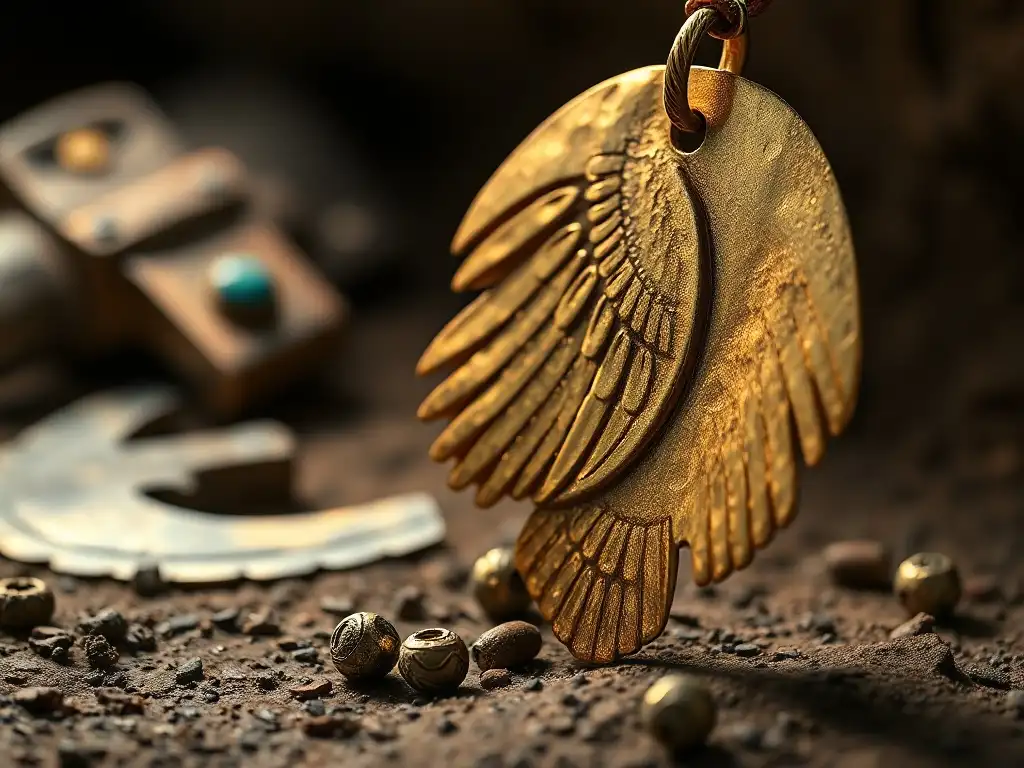
The mastery of metalworking displayed by the Tiahuanaco civilization wasn't confined to the shores of Lake Titicaca. Its sophisticated techniques, characterized by intricate designs and the use of diverse alloys, significantly impacted subsequent Andean societies. This transmission of knowledge wasn't a simple, one-way street; rather, it involved a complex interplay of cultural exchange, migration, and perhaps even conquest.
Understanding how these skills spread is crucial to appreciating the evolution of Andean metallurgy and the lasting legacy of Tiahuanaco's artisans. The influence wasn't uniform across all successor cultures; the adoption and adaptation of Tiahuanaco's techniques varied depending on the specific context and pre-existing traditions of each group. This section will explore these nuances, highlighting the diverse pathways through which Tiahuanaco's metalworking prowess shaped the artistic and technological landscape of the Andes.
Tiahuanaco's Cultural and Economic Influence on Neighboring Regions
Tiahuanaco's economic and political power facilitated the dissemination of its metalworking expertise. Their extensive trade networks, stretching across vast swathes of the Andes, provided a conduit for the movement of both raw materials (like copper and gold) and skilled artisans. The prestige associated with Tiahuanaco artifacts – often adorned with complex, finely worked metals – incentivized other societies to learn and emulate their techniques.
Archaeological evidence suggests that Tiahuanaco's influence was particularly strong in the regions of the Central Andes, with societies like the Wari and later the Inca adopting and adapting their metallurgical innovations. Think of it like a sophisticated technological "brand": the Tiahuanaco name itself held considerable weight, making their craftsmanship highly desirable and influencing the standards of quality in metalwork throughout the region.
Furthermore, the economic benefits of mastering these techniques – creating valuable trade goods and ornaments – likely spurred neighboring groups to actively seek out Tiahuanaco's knowledge. The exchange wasn't limited to material goods; the movement of people, including skilled metalworkers, facilitated direct transmission of knowledge and skills.
Evidence of Tiahuanaco Metalworking Techniques in Later Cultures
The persistence of Tiahuanaco's metalworking influence is demonstrable through various archaeological findings. Specific stylistic elements, such as particular alloy compositions or decorative motifs, can be traced from Tiahuanaco artifacts to those of later cultures. For example, the use of specific hammering and repoussé techniques, identifiable by microscopic analysis, shows a clear lineage.
The presence of similar alloys, reflecting a consistent understanding of metallurgy, further supports this continuity. Moreover, the continuation of certain iconographic elements, such as stylized animal figures or geometric patterns, in later metalwork suggests the adoption of Tiahuanaco's aesthetic sensibilities. While later cultures undoubtedly developed their own unique styles, the foundation laid by Tiahuanaco's metalworkers is evident in the technical proficiency and design choices of their successors.
Detailed comparative studies of artifacts from different periods and regions are essential for a comprehensive understanding of this cultural transmission. Further research, including advanced metallurgical analysis and stylistic comparisons, is needed to fully map the extent of this influence.
The Role of Tiahuanaco Metalworking in the Development of Regional Styles
While Tiahuanaco's influence is undeniable, it's crucial to avoid a simplistic narrative of direct imitation. Later Andean cultures didn't simply copy Tiahuanaco's techniques; they adapted and integrated them into their existing traditions, resulting in the development of regionally distinct styles. The incorporation of local materials, aesthetic preferences, and symbolic meanings led to a fascinating synthesis.
For example, while the Inca inherited many metallurgical techniques from their predecessors, including those influenced by Tiahuanaco, their own stylistic preferences and the availability of resources led them to develop unique forms of gold and silver work. This process of creative adaptation, where Tiahuanaco's legacy served as a foundation upon which new regional styles were built, demonstrates the dynamic nature of cultural exchange in the Andes.
The legacy of Tiahuanaco's metalworking isn't simply a matter of direct inheritance; it's a story of adaptation, innovation, and the creation of new artistic expressions rooted in a rich metallurgical past. The diversity of Andean metalwork, even within the context of shared techniques, underscores the importance of considering the interplay between cultural exchange and local innovation.
The Influence of Tiahuanaco Metalworking on the Wari Empire
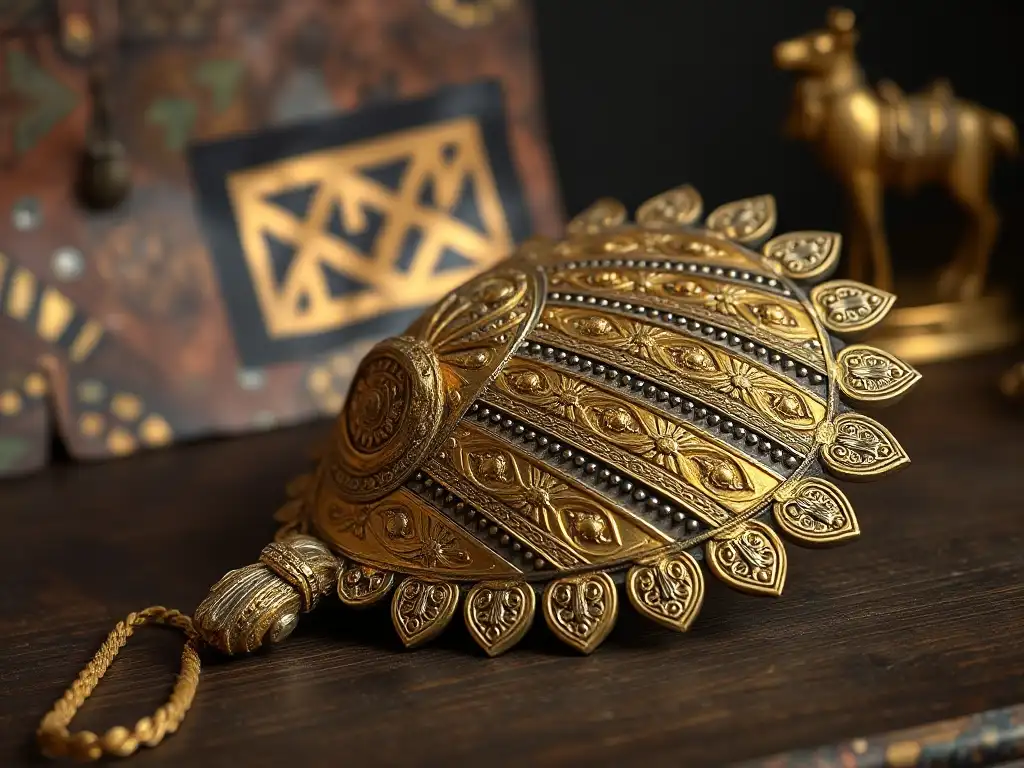
The Wari Empire, flourishing between 600 and 1000 CE, significantly benefited from the sophisticated metalworking techniques pioneered by the Tiahuanaco culture. While the Wari developed their own distinctive artistic styles, clear evidence suggests a strong Tiahuanaco influence in their metallurgy. The precision casting techniques, particularly evident in the creation of intricate figurines and tools, show a direct lineage to Tiahuanaco methods. Archaeological finds in Wari sites reveal numerous artifacts—gold and silver ornaments, ceremonial knives ( tumi ), and decorative elements for textiles—that exhibit a remarkable similarity in style and technique to those from Tiahuanaco.
For instance, the use of hammered and repoussé techniques to create detailed surface decoration on Wari gold sheets is strikingly similar to Tiahuanaco examples, suggesting a direct transfer of knowledge and perhaps even the migration of skilled artisans. The Wari also adopted Tiahuanaco's preference for specific alloys and the use of certain metallurgical processes, further highlighting the enduring impact of Tiahuanaco metalworking expertise on their own production. The continuity in techniques and stylistic elements demonstrates a clear transmission of knowledge, possibly through trade networks, cultural exchange, or even the direct incorporation of Tiahuanaco artisans into the Wari workforce.
This cultural exchange resulted in a unique blend of Wari artistic sensibilities and Tiahuanaco technical prowess, resulting in a rich and diverse metalworking tradition. The study of these artifacts offers invaluable insights into the dynamic cultural interactions and technological transfer between these two powerful Andean societies. Further research into the specific chemical composition of Wari and Tiahuanaco metal artifacts could provide even stronger evidence for this direct influence.
Tiahuanaco-Style Metal Figurines and Ritual Objects in Later Andean Cultures
The distinctive style of Tiahuanaco metalwork, characterized by its intricate detail, use of specific alloys, and representation of iconic figures, continued to inspire Andean artisans long after the decline of the Tiahuanaco state. Small, meticulously crafted figurines, often depicting deities, animals, or human figures in stylized poses, are found throughout various later Andean cultures. These figurines, while exhibiting regional variations, share a clear stylistic kinship with Tiahuanaco examples, demonstrating the enduring legacy of Tiahuanaco metalworking aesthetics. The use of specific alloys, like those containing high percentages of silver or gold, further strengthens this connection.
The stylistic elements, such as the characteristic facial features, clothing, and postures of the figures, frequently mirror those found in Tiahuanaco art, suggesting a direct or indirect influence. For example, the repetition of certain iconographic elements, such as stepped pyramids or stylized feline imagery, seen in both Tiahuanaco and later metal figurines, points towards a shared cultural heritage and the transmission of artistic motifs. Furthermore, the presence of similar casting techniques and tools across different cultural contexts suggests that the fundamental knowledge of Tiahuanaco metalworking practices persisted and adapted across generations and geographical locations.
The continued presence of Tiahuanaco-style motifs in later metalwork, even in regions far removed from the Tiahuanaco heartland, highlights the broad impact of its metalworking traditions and the dissemination of its artistic and technical knowledge across the Andean region. This lasting influence underscores the importance of Tiahuanaco as a major center for metallurgical innovation and artistic expression in the Andes. The study of these objects provides crucial insights into the complex processes of cultural transmission and the enduring legacy of Tiahuanaco's artistic and technological achievements.
Lasting Legacy of Tiahuanaco Metalworking
This section delves into the enduring impact of Tiahuanaco's sophisticated metalworking techniques on subsequent Andean civilizations. We'll explore how their innovations in smelting, alloying, and crafting spread throughout the Andes, influencing the artistic styles and technological advancements of later cultures. Understanding Tiahuanaco's metalworking legacy is crucial to comprehending the broader trajectory of Andean metallurgy.
The unique characteristics of Tiahuanaco's metalwork, including its distinctive alloys and intricate designs, left an indelible mark on the region's artistic and technological landscape. This influence is clearly visible in the metalwork produced by later cultures, demonstrating a clear lineage and continuity of techniques. The study of Tiahuanaco's metalworking provides essential insights into the development and diffusion of metallurgical knowledge across the Andes.
How Tiahuanaco's Metalworking Practices Shaped Andean Metallurgy
Tiahuanaco's mastery of metallurgy wasn't solely about creating beautiful objects; it involved significant technological advancements. Their expertise in extracting and refining ores, particularly copper and its alloys like bronze, set a new standard. Evidence suggests they employed sophisticated smelting techniques, achieving higher purity levels than many of their contemporaries.
This led to stronger, more durable, and visually appealing metal artifacts. The intricate casting techniques employed by Tiahuanaco artisans, including the lost-wax method, allowed for the creation of complex shapes and detailed designs previously unseen in the Andes. This innovation in casting significantly impacted the ability of later Andean cultures to produce elaborate figurines, tools, and ceremonial objects.
For example, the distinctive style of hammered gold sheets and intricately worked copper alloys seen in Tiahuanaco's artifacts directly influenced the aesthetic choices of later cultures like the Inca, who adopted and adapted similar techniques. The legacy of Tiahuanaco's advanced smelting and casting processes is evident in the improved quality and sophistication of Andean metalwork for centuries to come. Analyzing the chemical composition of these artifacts helps trace the diffusion of these techniques across vast distances and diverse cultures.
Tiahuanaco's Contribution to the Andean Metalworking Tradition
Tiahuanaco's contribution to the Andean metalworking tradition extends beyond mere technological innovation. Their unique aesthetic sensibility, characterized by geometric patterns, stylized animal forms, and the use of specific alloys, shaped the artistic vocabulary of subsequent Andean metalworkers. The characteristic use of specific alloys, such as arsenical copper, is a hallmark of Tiahuanaco metalwork and became a recognizable stylistic element in the work of later cultures.
This stylistic influence can be traced through the consistent appearance of similar motifs and decorative techniques in the metalwork of later Andean societies. Furthermore, the prestige associated with Tiahuanaco metalwork likely contributed to the widespread adoption and adaptation of its techniques. The objects themselves, often used in ceremonial contexts, conveyed social status and power, further reinforcing their influence on later cultures.
The spread of Tiahuanaco's artistic conventions, coupled with the dissemination of their metallurgical knowledge, created a vibrant and interconnected Andean metalworking tradition. The legacy of Tiahuanaco is not just about technological advancement but also the establishment of a distinct artistic style that profoundly impacted the entire region.
The Importance of Studying Tiahuanaco's Metalwork for Understanding Andean History
The study of Tiahuanaco metalwork is essential for a comprehensive understanding of Andean history for several reasons. Firstly, it offers valuable insights into the technological capabilities and organizational structures of the Tiahuanaco state. The production of sophisticated metal artifacts required specialized knowledge, skilled labor, and access to resources, suggesting a well-organized and centralized economy.
Secondly, the analysis of Tiahuanaco metal objects sheds light on trade networks and cultural exchange within the Andes. The distribution of similar artifacts across vast geographical areas suggests extensive interaction and the dissemination of both technological and artistic ideas. Finally, the study of Tiahuanaco metalwork helps us understand the social and political dynamics of Andean societies.
The use of metal objects in ritual contexts and their association with elites reflects the importance of metallurgy in shaping social hierarchies and power structures. Therefore, by examining the metallurgical practices, artistic styles, and distribution patterns of Tiahuanaco metalwork, we gain a deeper understanding of this influential civilization and its lasting impact on the Andean world. The continued investigation of Tiahuanaco metalworking techniques offers further opportunities to refine our understanding of Andean history and its complex cultural interactions.
Modern research into Tiahuanaco metalworking techniques has significantly advanced our understanding of this sophisticated craft. Archaeological excavations at sites like the Pumapunku complex, continue to unearth valuable artifacts, providing tangible evidence of the metallurgists' skills. These discoveries include not only finished metal objects—such as intricate ornaments, tools, and possibly even ceremonial items—but also crucial evidence of the manufacturing process itself.
The discovery of discarded metal scraps, crucibles, and even traces of slag in workshops has allowed researchers to reconstruct the likely steps involved in the creation of these impressive objects. Analysis of these materials using advanced techniques like X-ray fluorescence (XRF) spectrometry and scanning electron microscopy (SEM) helps determine the precise composition of the alloys used and reveals insights into the techniques employed.
Furthermore, recent studies have focused on understanding the sourcing of raw materials. Determining where the metals used by Tiahuanaco artisans originated has shed light on the extensive trade networks that existed during this period. Analysis of isotopic signatures in the metal objects can pinpoint the geographical origin of the ores, revealing the extent of Tiahuanaco's reach and their connections with other Andean communities.
This research into the sourcing of materials is crucial in understanding the economic and political context of Tiahuanaco metalworking and its impact on the broader Andean region. The careful study of these materials, combined with sophisticated analytical techniques, continues to paint a more complete picture of the advanced metallurgical practices of Tiahuanaco.
This ongoing research promises to reveal even more about the sophistication and innovation of Tiahuanaco metalworking in the years to come. The dedication of researchers to uncovering and analyzing these artifacts is crucial in preserving and interpreting this vital aspect of Tiahuanaco's cultural heritage.
Frequently Asked Questions
What unique metalworking techniques did the Tiahuanaco civilization employ?
Tiahuanaco artisans were masters of lost-wax casting, a complex method allowing for intricate designs in gold, silver, and copper alloys. They also excelled in hammering and repoussé, shaping thin metal sheets into detailed forms.
How did Tiahuanaco's metalworking influence later Andean cultures?
Tiahuanaco's advanced techniques, particularly lost-wax casting, significantly impacted subsequent Andean civilizations, like the Inca. Their metallurgical innovations spread widely, shaping the styles and techniques of later metalworkers.
What types of metals did Tiahuanaco artisans primarily work with?
The Tiahuanaco primarily worked with gold, silver, and copper, often creating alloys to achieve specific colors and properties. These metals held significant symbolic value in their culture.
What were some common objects crafted by Tiahuanaco metalworkers?
Tiahuanaco metalworkers produced a variety of objects, including ornaments, ceremonial items, and tools. These artifacts often featured intricate designs and sophisticated techniques, reflecting their high level of skill.
Where can I learn more about Tiahuanaco metalworking?
To delve deeper, explore reputable archaeological publications and museum exhibits focusing on Andean civilizations. Many online resources, including academic databases, offer further information on Tiahuanaco's metallurgical achievements.
Final Reflection: The Enduring Legacy of Tiahuanaco's Metalworking
Tiahuanaco's mastery of metallurgy wasn't merely a technological achievement; it was a cultural cornerstone that reverberates through Andean history, shaping artistic expression and societal structures to this day. The sophisticated techniques employed by Tiahuanaco artisans, from intricate repoussé to the precise casting of complex forms, represent a pinnacle of pre-Columbian metalworking, influencing generations of craftspeople across the Andes. The legacy of their innovation continues to inspire awe and wonder, reminding us of the ingenuity and artistry of a civilization long past.
The impact of Tiahuanaco's metalworking extends far beyond the realm of mere craftsmanship; it speaks to the power of cultural exchange and the enduring influence of a sophisticated civilization. The stylistic elements, the technical prowess, and even the very materials used by Tiahuanaco smiths can be traced in later Andean metalwork, demonstrating a clear lineage and a persistent influence on artistic traditions. The past is never dead. It's not even past,
wrote William Faulkner, and this rings profoundly true when considering the enduring legacy of Tiahuanaco's metalworking techniques. Their innovations continue to inform our understanding of Andean history and the evolution of artistic expression across the region.
Consider the implications of this enduring legacy. What can we learn from the dedication and skill of these ancient artisans? How can we apply their innovative spirit to our own creative endeavors? I urge you to reflect on the ingenuity of Tiahuanaco's metalworkers and to consider the lasting impact of their achievements. Let their story inspire you to appreciate the power of human creativity and the enduring influence of cultural heritage, reminding us that even across millennia, the echoes of innovation can still resonate deeply within our world.
Unveil the Secrets of Tiahuanaco's Metallurgy!
Thank you for exploring the fascinating world of Tiahuanaco's metalworking. We hope you've gained valuable insights into how their advanced techniques influenced Andean craftsmanship for generations. Now, let's continue your exploration of this incredible culture!
Here are a few suggestions for your next steps:
- Delve deeper into Andean metallurgy by visiting local museums or workshops that showcase ancient metalworking techniques. You might even find opportunities to participate in hands-on experiences that will enhance your understanding.
- Connect with fellow enthusiasts by joining an online forum dedicated to Andean archaeology or pre-Columbian art. Sharing your thoughts and discoveries with others fosters a deeper appreciation for this remarkable art form.
- Share your passion for Tiahuanaco's metallurgy on social media! Inspire others to learn about this significant culture and its lasting impact on Andean civilization.
What aspect of Tiahuanaco's metalwork do you find most captivating, and why do you think it remains so relevant today? We'd love to hear your thoughts and start a discussion!