
Andean Ceramics: Modern Analyses of Ancient Pottery

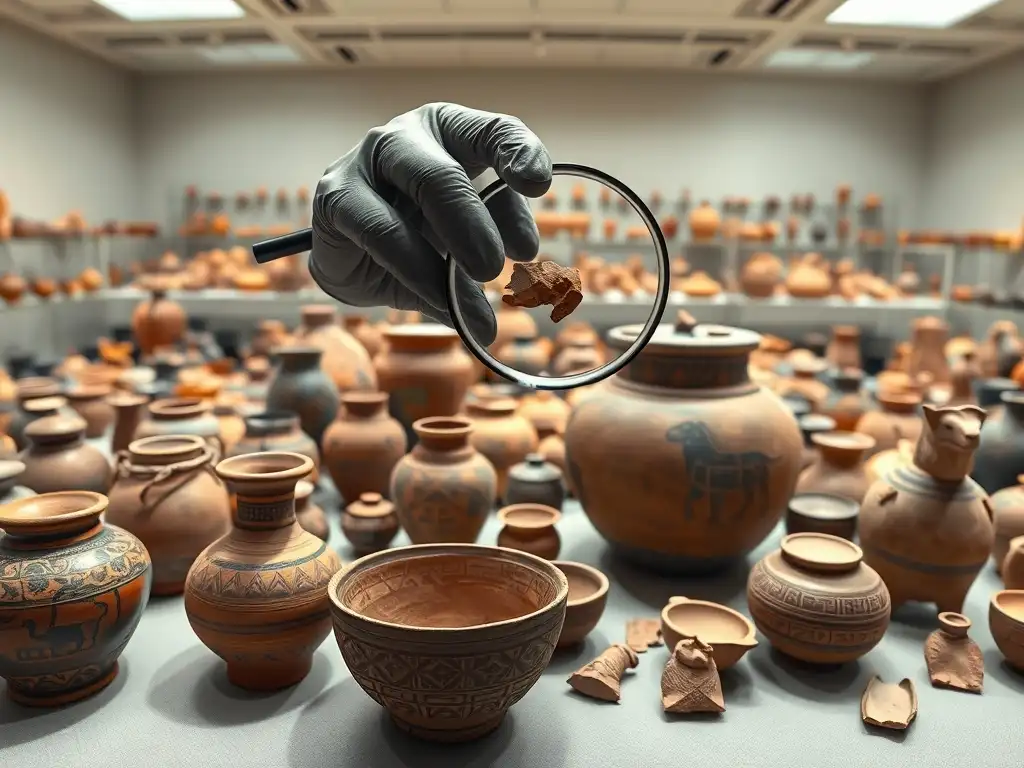
Uncover the secrets whispered by the Andes! For centuries, the breathtaking artistry of Andean civilizations has captivated the world. But what hidden stories do their intricate ceramics hold? Dive into the fascinating world of Andean pottery analysis methods, exploring cutting-edge techniques that unlock the mysteries of these ancient masterpieces and reveal new perspectives on their creators and their vibrant cultures. Prepare to be amazed by what lies within...
The Andes Mountains, a spine of towering peaks running along the western coast of South America, are home to a rich tapestry of ancient cultures. For millennia, these civilizations—including the Incas, Moche, Nazca, and Tiahuanaco—flourished, leaving behind a remarkable legacy of architectural marvels, intricate textiles, and, importantly, a vast array of exquisitely crafted pottery.
This article delves into the fascinating world of Andean ceramics, exploring the modern analytical methods employed by archaeologists and researchers to unlock the secrets held within these ancient vessels. We will examine how these advanced techniques provide invaluable insights into the social structures, beliefs, and daily lives of these remarkable Andean societies, significantly enriching our understanding of their history and culture.
The study of Andean pottery analysis methods is crucial to reconstructing a more complete and nuanced picture of these captivating civilizations. This exploration will highlight how technological advancements have revolutionized our ability to interpret these artifacts, revealing details previously hidden beneath the surface of these ancient treasures.
Introduction to the Study of Andean Pottery
Andean pottery represents a significant source of information for archaeologists and historians. Its study offers a unique window into the past, revealing details about the technological capabilities, artistic expressions, and societal structures of the various Andean cultures. Pottery analysis isn't simply about identifying the clay type or decorative style; it's about understanding the context in which the pottery was created, used, and ultimately discarded. This involves meticulous excavation techniques, careful documentation, and the application of various scientific methods. For example, the analysis of pigments used in decoration can reveal trade routes and access to specific mineral resources. Similarly, the chemical composition of the clay itself can pinpoint the geographic origin of the raw materials, providing clues about production centers and distribution networks. The shapes and sizes of the vessels also tell a story, reflecting their intended function – whether for storage, cooking, ritualistic purposes, or even as funerary offerings. The study of Andean pottery, therefore, is a multi-faceted endeavor, requiring a collaborative approach involving specialists in archaeology, chemistry, anthropology, and other relevant fields. This interdisciplinary approach is essential for extracting the maximum amount of information from these invaluable artifacts. We can even use advanced techniques like 14 C dating to determine the age of the pottery and place it within a specific chronological framework. The detailed study of surface treatments, such as polishing and burnishing, further enhances our understanding of the potters’ skills and the cultural significance of their creations.
The Significance of Andean Pottery in Archaeological Research
Andean pottery plays a crucial role in archaeological research, providing a wealth of information that complements other forms of evidence. Its significance stems from several key factors:
- Chronological Sequencing: Stylistic changes in pottery decoration and manufacturing techniques allow archaeologists to establish chronological sequences, helping date other artifacts found in the same context. This is particularly important in regions where other dating methods are less reliable.
- Social Organization: The distribution and types of pottery found in different sites reveal much about social organization and power structures. Elaborately decorated vessels often suggest elite status or ritual significance, while simpler forms may indicate daily use by the broader population. For example, the presence of specific vessel types in burials can indicate social rank or religious beliefs.
- Economic Activities: Analysis of clay composition and decorative styles can illuminate trade networks and economic interactions between different Andean communities. The identification of exotic materials in pottery suggests long-distance exchange and the movement of goods across vast geographical areas.
- Religious Beliefs: Many Andean pottery vessels depict scenes related to religious beliefs and rituals. These depictions provide valuable insights into the cosmology, mythology, and spiritual practices of these ancient cultures. The iconography present on the pottery often reveals important details about the gods, spirits, and ceremonies that were central to their worldview.
- Technological Innovation: The evolution of pottery-making techniques over time reflects technological advancements. The study of firing methods, surface treatments, and the use of different types of clay showcases the ingenuity and skill of Andean potters. These technological innovations are often linked to broader social and economic changes within the societies that produced them.
The detailed analysis of Andean pottery, employing a range of scientific and interpretive methods, continues to reshape our understanding of these fascinating ancient civilizations. The ongoing research in this field promises to uncover even more compelling insights into the lives, beliefs, and achievements of the Andean people.
- Introduction to the Study of Andean Pottery
- The Significance of Andean Pottery in Archaeological Research
Modern Techniques for Andean Pottery Analysis
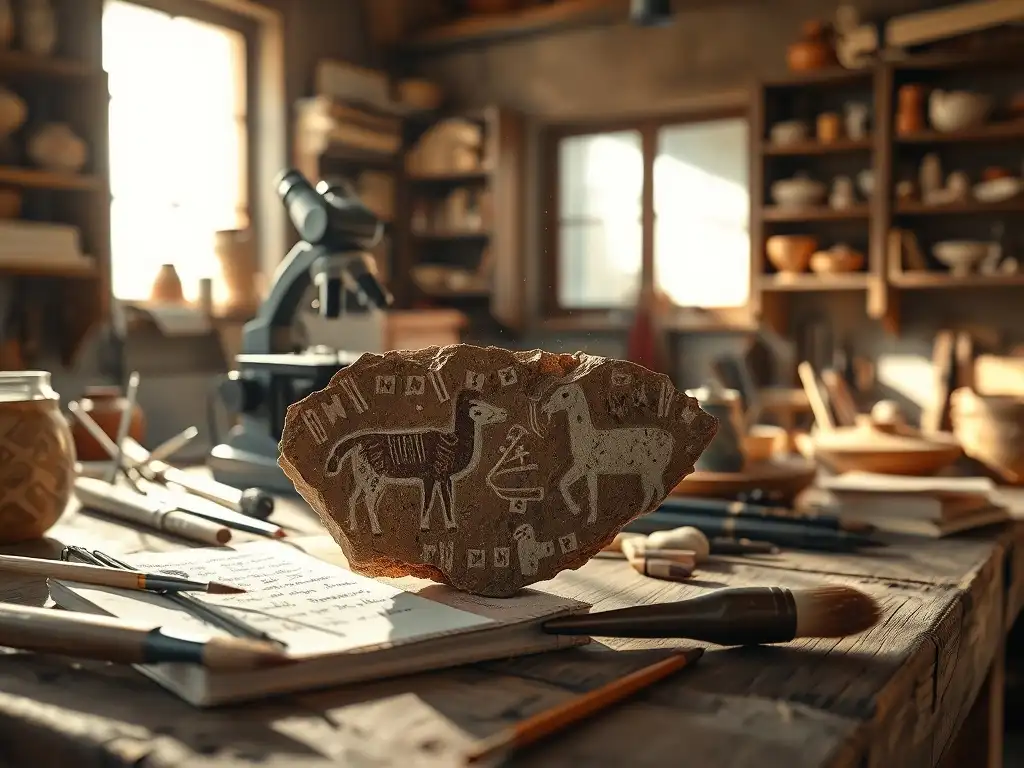
This section delves into the advanced techniques currently employed to analyze Andean pottery, offering a deeper understanding of its creation, use, and cultural significance. These methods move beyond simple visual inspection, providing crucial insights into the past. The analysis of Andean pottery allows researchers to reconstruct ancient trade networks, understand technological advancements, and even gain clues about the daily lives of the people who crafted and used these remarkable artifacts.
The application of scientific methodologies has revolutionized our understanding of Andean civilizations, providing a level of detail previously unimaginable. This detailed analysis of Andean pottery offers a powerful lens through which to view the past.
Scientific Methods for Ceramic Analysis
The study of Andean ceramics has benefitted enormously from the application of scientific methods. These techniques allow for a multi-faceted approach, combining macroscopic observation with microscopic analysis and sophisticated chemical testing. This approach allows researchers to identify the clay sources, the manufacturing techniques, and even the pigments used in decoration. Analyzing the chemical composition of the clay itself can reveal the geographic origin of the raw materials, shedding light on trade routes and the exchange of goods between different Andean communities.
Furthermore, the examination of surface treatments, such as polishing or painting, provides information about the artistic techniques and the cultural preferences of the artisans. The combination of these methods offers a comprehensive understanding of the pottery's production and use. This holistic approach is essential for accurate and nuanced interpretations of Andean pottery and its role within ancient Andean societies.
Chemical Composition Analysis of Andean Ceramics
Understanding the chemical makeup of Andean pottery is fundamental to understanding its origins and the techniques used in its creation. This analysis goes beyond simple visual identification, providing quantitative data that can be compared across different samples and regions. This detailed chemical profiling allows researchers to trace the provenance of the clay used, revealing information about ancient trade networks and the movement of people and goods across the Andes.
The chemical analysis also helps to identify the specific types of clays and minerals used, providing insights into the technological sophistication of Andean potters and their understanding of materials science. Different techniques, such as X-Ray Fluorescence and Neutron Activation Analysis, offer complementary data, enhancing the accuracy and reliability of the results. The careful application of these methods is vital for the accurate interpretation of Andean pottery analysis methods.
X-Ray Fluorescence (XRF) in Pottery Analysis
X-Ray Fluorescence (XRF) is a non-destructive technique widely used in the analysis of Andean pottery. It involves bombarding the ceramic surface with X-rays, causing the atoms within the clay to emit secondary X-rays. The energy of these secondary X-rays is characteristic of the elements present in the sample, allowing for the quantitative determination of the elemental composition.
XRF is particularly useful for identifying major and minor elements in the clay, such as silicon, aluminum, iron, and potassium. These data provide valuable information about the type of clay used and its likely source. The portability of some XRF instruments allows for in situ analysis, directly at archaeological sites, minimizing the risk of damage to fragile artifacts during transportation.
The speed and ease of use of XRF make it an invaluable tool for large-scale studies of Andean pottery. This method provides a relatively quick and efficient way to obtain crucial information about the chemical composition of the ceramics.
Neutron Activation Analysis (NAA) for Clay Sourcing
Neutron Activation Analysis (NAA) is a highly sensitive technique used to determine the trace element composition of Andean ceramics. This method involves bombarding the sample with neutrons in a nuclear reactor, causing some of the atoms to become radioactive. By measuring the gamma radiation emitted by these radioactive isotopes, researchers can identify and quantify a wide range of trace elements, even at very low concentrations.
These trace elements, often present in minute quantities, act as "fingerprints" of the clay source. By comparing the trace element profiles of different pottery samples, researchers can determine whether they originated from the same clay source or from different locations. NAA is particularly useful for distinguishing between clays that appear similar using other analytical techniques.
This precision allows for a more accurate reconstruction of ancient trade routes and the geographic origins of the pottery. The high sensitivity of NAA makes it a powerful tool for unraveling complex patterns of pottery production and distribution in the Andes. This method is crucial for refining our understanding of the sourcing of materials used in Andean pottery production.
Microscopic Analysis of Andean Pottery
Microscopic analysis plays a crucial role in understanding the production techniques and provenance of Andean pottery. This non-destructive method allows researchers to examine the ceramic fabric at a much finer level than the naked eye permits, revealing details about the clay composition, tempering materials, and manufacturing processes. By carefully studying thin sections under a petrographic microscope, for example, we can identify the types of clay minerals present, their grain size distribution, and the presence of inclusions like quartz, mica, or shell fragments.
These observations provide valuable insights into the geological sources of the clay used by ancient potters and can help to pinpoint the geographical origin of specific ceramic assemblages. Furthermore, the microscopic examination of surface textures and the arrangement of clay particles can shed light on the techniques employed in shaping, firing, and finishing the pottery. For instance, the presence of burnishing marks or slip application can be easily observed and documented, providing important clues about the level of craftsmanship and the aesthetic preferences of the artisans.
Variations in these microscopic features across different ceramic styles or regions can be used to establish chronological sequences or identify distinct workshops or ceramic traditions. The meticulous work involved in microscopic analysis contributes significantly to a more nuanced understanding of Andean pottery production and distribution networks.
Petrographic Analysis of Ceramic Materials
Petrographic analysis, a specific type of microscopic analysis, is invaluable for identifying the mineralogical composition of the clay and temper used in Andean pottery. Using a thin section of the ceramic, prepared by carefully grinding a small sample to a thickness of 30 micrometers, researchers can analyze the material under a polarizing light microscope. This technique allows the precise identification of different minerals based on their optical properties, such as birefringence and extinction angles. For instance, petrographic analysis can distinguish between different types of clay minerals like kaolinite, illite, and montmorillonite, each with unique geological origins.
The identification of tempering materials, such as crushed rock, shell, or plant fibers, is equally important. The type and quantity of temper can reveal information about the technological choices made by the potters, as well as the availability of resources in the surrounding environment. Petrographic analysis has proven particularly useful in tracing the provenance of Andean pottery, as the specific mineralogical composition of the clay can be linked to specific geological formations.
This allows researchers to reconstruct ancient trade routes and understand the connections between different regions and communities. The precision and detail provided by petrographic analysis are essential for a comprehensive understanding of the materials and techniques used in Andean pottery production. Detailed petrographic reports often accompany major archaeological studies of Andean ceramics.
Scanning Electron Microscopy (SEM) in Pottery Studies
Scanning Electron Microscopy (SEM) offers a powerful tool for the high-resolution analysis of Andean pottery, providing images with magnifications far exceeding those achievable with optical microscopy. SEM allows for the examination of surface features, such as the texture of the clay, the presence of slip or paint, and the details of surface decoration. The high magnification capabilities reveal subtle variations in surface texture that might be missed by other methods, offering insights into the manufacturing process and the level of craftsmanship.
Moreover, SEM coupled with Energy Dispersive X-ray Spectroscopy (EDS) allows for the elemental analysis of the ceramic material. EDS identifies the chemical composition of the clay and any surface treatments or pigments, providing information about the raw materials used and the techniques employed in creating the pottery’s decorative schemes. This is particularly valuable for investigating the pigments used in Andean pottery, which often contain a variety of metallic oxides and other materials.
By identifying the elemental composition of these pigments, researchers can gain a better understanding of the sources of these materials and the techniques used to create the striking colors found in Andean ceramics. The non-destructive nature of SEM makes it an ideal technique for analyzing valuable or fragile artifacts, ensuring the preservation of the cultural heritage. The combination of high-resolution imaging and elemental analysis makes SEM an essential tool in the modern analysis of Andean pottery, contributing significantly to our understanding of ancient Andean technologies and artistic practices.
Dating Andean Ceramics: Chronological Insights
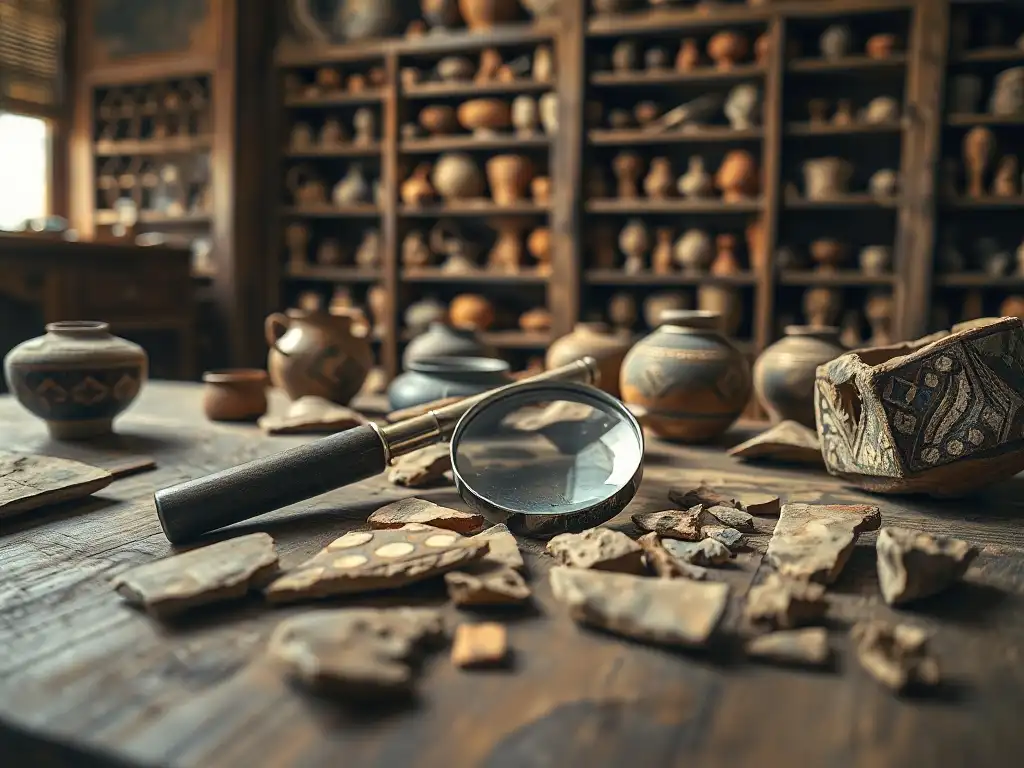
Accurately dating Andean ceramics is crucial for understanding the chronology of cultural developments and technological advancements across different Andean societies. Several methods, each with its strengths and limitations, are employed to achieve this. These methods often complement one another, providing a more robust chronological framework for interpreting the archaeological record. The analysis of Andean pottery, therefore, relies on a multi-faceted approach to dating. This section delves into some of the most commonly used techniques.
Radiocarbon Dating of Organic Residues in Pottery
Radiocarbon dating, a cornerstone of archaeological chronology, can be applied to Andean pottery by analyzing organic residues adhering to the vessel's surface or incorporated within the clay matrix during its creation. These residues can include food remnants, plant fibers, or even traces of human or animal tissue. The process involves extracting the organic material, purifying it to remove contaminants, and then measuring the remaining 14 C isotope. This measurement provides an estimate of the time elapsed since the organism died, offering a direct date for the pottery's creation or, at least, a terminus ante quem.
However, this method is not without its challenges. The amount of organic material preserved within the pottery often varies greatly depending on factors such as the firing temperature, the pottery's storage environment, and the type of residue present. Furthermore, contamination from later organic matter can affect the accuracy of the results.
Careful sample selection and rigorous laboratory techniques are therefore essential for reliable radiocarbon dating of Andean pottery. For example, researchers have successfully dated Inca-period ceramics using residues of coca leaves found adhering to the interior surfaces. The precision of these dates often ranges within a margin of ±50 years, highlighting the limitations of the method.
Thermoluminescence Dating of Andean Pottery
Thermoluminescence (TL) dating provides another powerful tool for dating Andean ceramics. This technique measures the accumulated radiation dose within the clay minerals of the pottery. The process involves heating a sample of the ceramic to a high temperature, causing the trapped electrons to release their stored energy as light. The intensity of this light is directly proportional to the time elapsed since the pottery was last heated to a high temperature—essentially, the firing process.
Unlike radiocarbon dating, TL dating is directly applicable to the ceramic material itself, eliminating the uncertainties associated with the preservation and extraction of organic residues. However, TL dating is sensitive to factors such as the pottery's firing temperature, the type of clay used in its manufacture, and the environmental radiation levels experienced since its creation.
Consequently, careful calibration and consideration of these factors are crucial for accurate dating. The precision of TL dating in Andean contexts can vary, but typically yields dates with a margin of error of ±50 to ±100 years, depending on the specifics of the sample and analysis.
Stratigraphic Context and Pottery Seriation
While absolute dating methods like radiocarbon and thermoluminescence provide chronological anchors, relative dating techniques are also essential for building a comprehensive chronological framework. Stratigraphy, the study of layered deposits, provides a relative chronology based on the principle of superposition—lower layers are generally older than upper layers. By carefully excavating and recording the stratigraphic context of pottery fragments, archaeologists can establish a relative sequence of ceramic styles and types within a site.
Pottery seriation complements stratigraphy by ordering assemblages of pottery based on stylistic changes over time. This involves identifying changes in decoration, form, and manufacturing techniques to create a chronological sequence. By comparing the stylistic characteristics of pottery from different sites and contexts, archaeologists can establish regional chronologies and trace the spread of cultural traits and technological innovations across the Andes.
This method relies heavily on detailed stylistic analysis and a comprehensive understanding of the regional ceramic traditions. The accuracy of seriation depends heavily on the quality and quantity of the pottery assemblages available, and the expertise of the analyst. Careful documentation and comparison of stylistic changes are paramount for building reliable relative chronologies.
Interpreting Function and Meaning in Andean Pottery
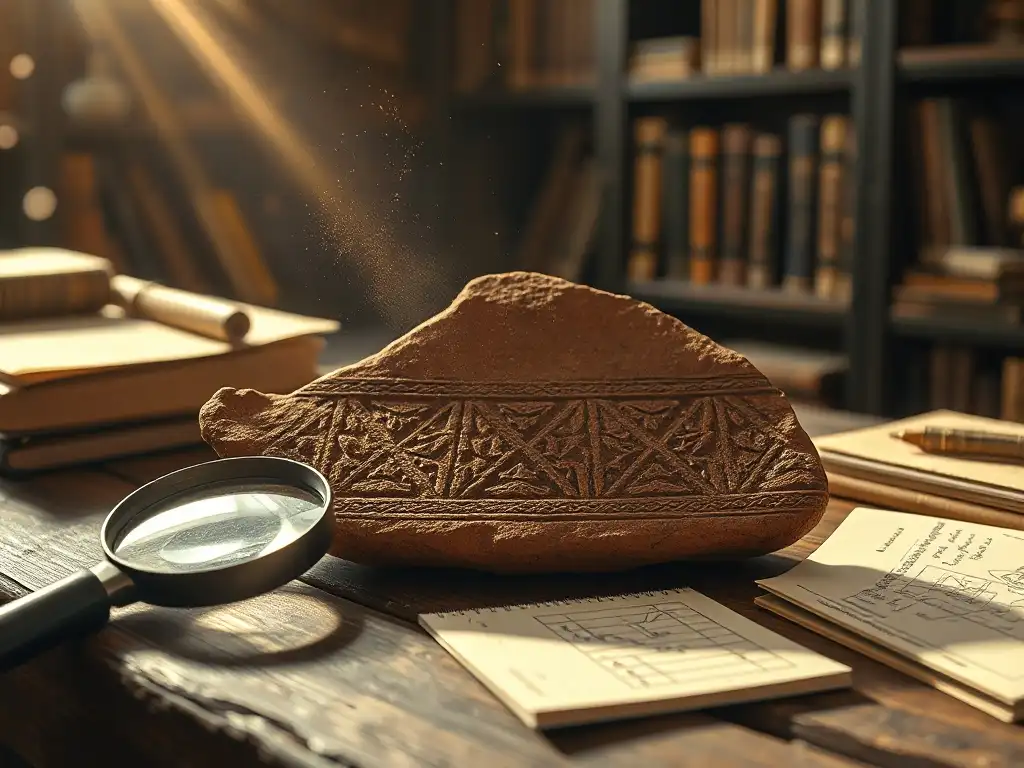
Understanding Andean pottery requires moving beyond simple aesthetic appreciation. Analyzing these artifacts necessitates a multi-faceted approach, combining stylistic and functional analyses to unlock the rich tapestry of cultural meaning woven into their creation. This section delves into the methods used to interpret the function and meaning embedded within these ancient ceramic pieces, providing a glimpse into the lives and beliefs of the Andean peoples.
The techniques employed are crucial for understanding not only the what of Andean pottery but also the why. This nuanced approach allows us to unravel the cultural narratives encoded within these seemingly simple vessels, providing insights into social structures, religious beliefs, and daily life in ancient Andean societies. The development of advanced Andean pottery analysis methods has revolutionized our understanding of these remarkable civilizations.
Stylistic Analysis of Andean Ceramic Decoration
Iconography and Symbolism in Andean Pottery
The vibrant and intricate decoration found on Andean pottery offers a window into the cosmology and worldview of these cultures. Stylistic analysis focuses on identifying recurring motifs, patterns, and iconographic elements. For example, the Moche culture's pottery frequently depicts scenes of warfare, ritual sacrifices, and everyday life with remarkable detail. These depictions are not merely decorative; they are carefully crafted narratives communicating important cultural messages.
Detailed analysis of these scenes, considering their context within the overall design and the specific iconography used (e.g., specific deities, animals, plants), allows researchers to decipher their symbolic meaning. The use of color also plays a crucial role. Certain colors might be associated with specific deities, social status, or events. For instance, the prevalence of red in certain Nazca pottery may symbolize blood, sacrifice, or the sun.
Careful cataloging and comparison of these stylistic elements across different sites and time periods allows for a deeper understanding of cultural evolution and interaction. The development of digital image analysis techniques has further enhanced the precision and efficiency of iconographic studies, enabling researchers to identify subtle variations and patterns that might be missed by the naked eye. This detailed analysis is key to understanding the complex symbolism embedded in Andean pottery.
Functional Analysis of Pottery Forms
Beyond the decorative aspects, the shapes and sizes of Andean pottery vessels offer valuable clues regarding their intended use and the cultural practices surrounding them. Functional analysis examines the physical characteristics of the pottery – its size, shape, material, and manufacturing techniques – to infer its purpose. For example, the presence of spouts or handles suggests specific uses, such as pouring liquids or carrying water.
The size of a vessel might indicate its intended capacity, and the type of clay used could reveal information about its intended use and the availability of resources in the region. Analyzing the wear patterns on the surface of pottery provides further insights into its usage. Evidence of soot, food residue, or other substances can indicate the vessel's function, whether it was used for cooking, storing food, or serving beverages.
The presence of residues can be analyzed using techniques such as gas chromatography-mass spectrometry (GC-MS) to identify the specific substances once contained within the vessel, providing invaluable information about the diet and daily routines of the Andean people. Through meticulous examination of both the form and the function of Andean pottery, we gain a more complete understanding of the daily lives and practices of these ancient cultures.
Vessel Usage and Cultural Practices
The analysis of pottery forms allows for a reconstruction of daily life and rituals. For instance, the presence of large storage jars indicates a society that practiced agriculture and required significant storage capacity for harvested crops. Smaller, more delicate vessels might have been used for serving food or beverages during rituals or feasts.
The discovery of pottery within burial contexts provides valuable insights into funerary practices and beliefs about the afterlife. The types of vessels included in a burial, their decoration, and the presence of any accompanying objects offer clues to the social status and beliefs of the deceased. Furthermore, the distribution of specific pottery styles across different regions can help us understand trade networks, cultural exchange, and the movement of people within the Andean region.
By carefully considering the context of discovery and analyzing the physical characteristics of the vessels, researchers can reconstruct aspects of Andean social structures, religious practices, and economic systems, enriching our understanding of these complex societies. The careful integration of stylistic and functional analysis provides a holistic view of Andean pottery, revealing its profound significance as both a functional object and a powerful symbol of cultural identity.
Ethnographic Parallels and Interpretations
Ethnographic parallels offer invaluable insights into the function and meaning of Andean pottery. By studying contemporary Andean communities and their pottery traditions, archaeologists can draw comparisons to understand the potential uses and symbolic significance of ancient wares. For instance, the continued use of specific vessel forms for ceremonial purposes in some communities can illuminate the ritualistic roles of similar vessels found in archaeological contexts. The meticulous decoration and craftsmanship evident in certain ancient pieces find echoes in contemporary practices where pottery is not merely utilitarian but also serves as a medium for artistic expression and social identity.
Observing how modern Andean artisans imbue their work with symbolic meaning – perhaps through specific motifs or colors associated with particular deities or events – allows researchers to interpret similar patterns in ancient pottery more accurately. This approach is crucial because it bridges the gap between the material remains and the cultural context in which they were created, enriching our understanding of their function and meaning. It's important to note, however, that direct equivalence should be avoided; instead, ethnographic parallels should be used as suggestive analogies, prompting further investigation and nuanced interpretations, rather than providing definitive answers. For example, while a modern community might use a specific type of jar for storing chicha (a fermented corn beverage), a similar jar found archaeologically may have served a different, yet related, ceremonial function.
The careful consideration of both similarities and differences is key to a robust analysis. The study of ethnographic parallels requires a deep understanding of the cultural nuances and avoids generalizations. Ultimately, a multi-faceted approach that combines archaeological data with ethnographic observations provides a richer and more accurate portrayal of Andean pottery's multifaceted roles in ancient society.
Case Studies in Andean Pottery Analysis
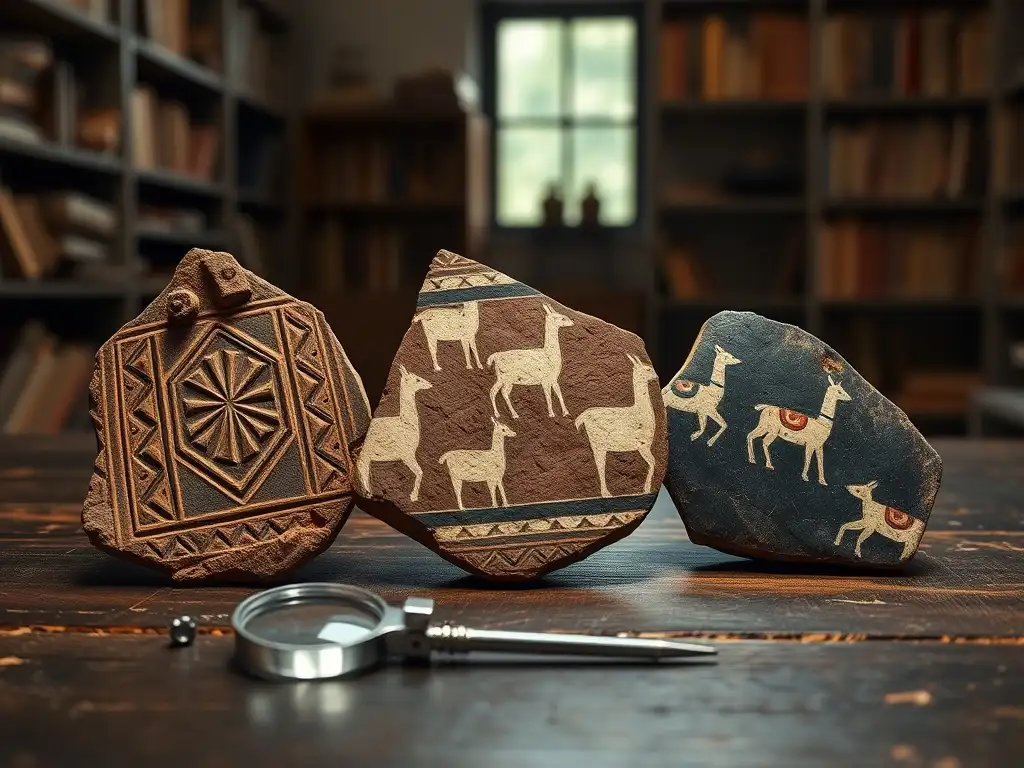
This section delves into specific examples of Andean pottery analysis, showcasing the application of modern techniques to understand ancient Andean cultures. We'll examine case studies focusing on the Moche and Tiwanaku civilizations, highlighting the insights gained through advanced analytical methods. This detailed exploration contributes to our understanding of Andean pottery analysis methods and their crucial role in reconstructing past societies.
Case Study 1: Moche Pottery from the North Coast of Peru
The Moche civilization (c. 100-800 CE) of northern Peru is renowned for its elaborate and highly expressive pottery. Their vessels, often depicting scenes of warfare, ritual, and daily life, provide invaluable insights into their society. Analyzing this pottery allows us to understand not only their artistic achievements but also their social structures, beliefs, and interactions with their environment. Several analytical approaches have been crucial in unlocking the secrets held within these ancient artifacts.
Application of XRF in Identifying Clay Sources
X-ray fluorescence (XRF) spectroscopy is a non-destructive technique frequently employed in Andean pottery analysis. This method allows researchers to determine the elemental composition of the clay used in pottery production. By analyzing the elemental fingerprints of various Moche vessels, researchers can trace the clay sources back to specific geographical locations.
For instance, studies have shown distinct elemental signatures in clays sourced from different river valleys along the northern Peruvian coast. This information sheds light on the Moche's access to resources, their trade networks, and the potential organization of their pottery production. A study conducted in 2018 on a collection of Moche stirrup-spout vessels revealed three distinct clay sources, suggesting either specialized workshops or a complex system of clay procurement and distribution across the region.
This data strongly supports the hypothesis of a centralized, controlled system for pottery production. Further research utilizing XRF, coupled with petrographic analysis, could refine our understanding of Moche pottery production and distribution networks. The potential for uncovering even more nuanced details about their social and economic organization is significant.
Case Study 2: Tiwanaku Pottery from the Lake Titicaca Basin
The Tiwanaku civilization (c. 500-1000 CE) flourished around Lake Titicaca, in what is now Bolivia and Peru. Their pottery, characterized by its distinctive styles and iconography, offers a unique window into their complex religious beliefs and social structures. The analysis of Tiwanaku pottery provides valuable insights into their artistic traditions, technological capabilities, and interaction with their environment. Unlike the Moche, Tiwanaku pottery styles show a greater degree of standardization, suggesting a more centralized production system.
Analysis Results and Interpretations of Iconography
Analyzing the iconography on Tiwanaku pottery involves a multidisciplinary approach, combining art historical analysis with scientific techniques. The recurring motifs, such as stylized figures, geometric patterns, and depictions of deities, are interpreted within the context of their broader religious and cosmological beliefs. For example, the frequent appearance of the "Staff God" figure suggests its importance in Tiwanaku religious ideology.
High-resolution imaging techniques, like digital photogrammetry, allow for detailed examination of even subtle details in the pottery's decoration, revealing previously unseen elements and providing further insight into the iconographic system. Furthermore, the use of pigment analysis helps to understand the materials and techniques employed by Tiwanaku artisans. By identifying the sources and composition of pigments, researchers can reconstruct the production processes and gain a better understanding of the social organization and technological capabilities of the Tiwanaku artisans.
The combination of these analytical approaches provides a more comprehensive and nuanced interpretation of the iconography found on Tiwanaku pottery, enriching our understanding of their complex religious and cosmological beliefs. Further research into the chemical composition of the pigments used, combined with contextual archaeological data, promises to further enhance our understanding of Tiwanaku art and its societal significance.
Comparative Analysis of Pottery Across Cultures
Comparative analysis of Andean pottery offers invaluable insights into cultural exchange, technological diffusion, and stylistic evolution across different Andean societies. By comparing pottery shards, vessels, and decorative motifs from various cultures—such as the Moche, Nazca, Tiwanaku, and Inca—archaeologists can trace the movement of ideas and technologies across vast distances and over considerable spans of time.
For instance, the distinctive use of red-on-white painting, common in Nazca pottery, appears in later periods in other regions, suggesting either direct trade or the adoption of stylistic elements. This spread of artistic conventions isn't always a simple linear progression; sometimes, local adaptations and reinterpretations of borrowed styles lead to the emergence of unique regional ceramic traditions.
One crucial aspect of comparative analysis involves examining the chemical composition of the clay used in pottery production. Variations in the chemical makeup of clays from different regions can reveal the sources of raw materials, providing clues about trade networks and the geographic reach of specific cultural groups. For example, isotopic analysis of pottery from the coastal regions may show a distinct chemical signature compared to pottery from the highlands, indicating different sourcing of clay and thus potentially different production centers.
Furthermore, the presence of unusual or rare minerals in the clay can sometimes be traced back to very specific geological locations, offering precise information about the origin of the pottery. Such data can be combined with stylistic analysis to paint a more complete picture of cultural interactions.
Beyond the chemical makeup, the techniques used in pottery production—such as wheel-throwing versus hand-building—provide further avenues for comparison. The adoption of new techniques often correlates with periods of cultural contact or technological innovation. The presence of specific types of kilns, for example, can suggest the influence of outside cultures or the development of new firing methods within a particular society.
The level of standardization in pottery forms and decoration also provides valuable data. Highly standardized pottery suggests a centralized production system, possibly indicating a powerful state or a well-organized craft guild, whereas greater variation suggests a more decentralized system with diverse local production centers. By carefully comparing these elements across different cultures, researchers can gain a nuanced understanding of the complex interplay between technology, trade, and cultural identity in the Andean world.
The detailed examination of surface treatments, such as polishing, burnishing, or painting, also offers a rich source of information about different artistic styles and cultural practices, adding another layer to the comparative analysis. The combination of these various analytical methods provides a powerful tool for unraveling the intricate history of Andean societies and their interactions.
The Impact of Modern Analysis on Andean Archaeology
The application of modern scientific techniques has revolutionized our understanding of Andean civilizations, particularly in the realm of pottery analysis. For centuries, Andean pottery was studied primarily through visual inspection and stylistic comparisons. However, advancements in analytical chemistry, material science, and digital imaging have opened new avenues for research, providing unprecedented insights into the lives, beliefs, and technological capabilities of ancient Andean peoples.
This section will focus on the impact of these modern methods, specifically highlighting their contributions to understanding Andean trade, technology, and cultural heritage preservation. The term "Andean pottery analysis methods" encompasses a wide range of techniques, each offering unique perspectives on these ancient artifacts.
New Perspectives on Andean Trade and Exchange
The analysis of chemical composition within ceramic vessels has proven invaluable in tracing trade routes and exchange networks across the Andes. Techniques such as X-ray fluorescence (XRF) and inductively coupled plasma mass spectrometry (ICP-MS) allow researchers to determine the elemental composition of clay used in pottery production. By comparing the chemical fingerprints of pottery shards from different sites, archaeologists can identify the origin of the clay and reconstruct the movement of goods and materials across vast distances.
For example, studies using these methods have revealed extensive trade networks connecting coastal regions with highland communities, demonstrating the sophisticated logistics and economic organization of ancient Andean societies. Furthermore, isotopic analysis of pottery residues – including the identification of organic molecules like lipids and proteins – provides additional clues about the contents of vessels and their function within the broader social and economic system.
This allows us to map the movement of not only raw materials but also of finished products and consumables, painting a richer picture of ancient Andean exchange. The results frequently challenge traditional interpretations based solely on stylistic analysis, revealing previously unseen patterns of interaction and exchange.
Understanding Ancient Andean Technology
Modern analysis methods have significantly enhanced our understanding of ancient Andean technology, particularly in pottery production. Microscopic examination of ceramic surfaces reveals details about manufacturing techniques, including the type of tools used, the firing process, and the level of skill involved. This level of detail provides crucial information on the technological sophistication of different Andean cultures, highlighting variations in techniques and skill across time and geographic regions.
For instance, the analysis of surface textures and firing temperatures can help distinguish between hand-built and wheel-thrown pottery, offering insights into the evolution of ceramic technology. Furthermore, the identification of mineral inclusions within the clay body can provide clues about the sourcing of raw materials and the specific geological contexts of pottery production.
This meticulous analysis sheds light on the technological choices made by ancient potters and the level of control they exerted over the production process. The application of these techniques, combined with detailed contextual analysis, allows us to move beyond simple stylistic classifications and delve deeper into the intricate technological achievements of ancient Andean societies.
Contributions to Andean Cultural Heritage Preservation
The application of non-destructive analysis techniques is crucial for the preservation of fragile Andean pottery. Methods such as X-ray computed tomography (CT) and multispectral imaging allow researchers to examine the internal structure and decoration of pottery without causing damage. This is especially important for artifacts that are too fragile for traditional methods of study.
These techniques allow for detailed 3D reconstructions of pottery vessels, providing valuable information for conservation efforts and virtual reconstructions. Furthermore, the use of digital imaging and 3D modeling allows for the creation of digital archives, making valuable information accessible to researchers and the public alike. This not only contributes to the preservation of physical artifacts but also ensures the long-term accessibility and study of Andean ceramic collections.
The development and application of these non-invasive methods are vital for the responsible stewardship of Andean cultural heritage, ensuring that these invaluable artifacts are preserved for future generations. The ongoing development of innovative analytical techniques promises to further enhance our understanding of Andean pottery and its significance within the broader context of Andean civilizations, thus contributing to a more nuanced and complete picture of their rich history and cultural legacy.
Frequently Asked Questions
What methods are used for Andean pottery analysis?
Analysis of Andean pottery employs a variety of techniques. These include stylistic analysis examining decorative motifs and shapes, petrographic analysis identifying clay sources, and scientific dating methods like radiocarbon dating to determine age.
How does stylistic analysis help understand Andean cultures?
Stylistic analysis helps identify different cultural groups and chronological periods. Changes in pottery styles reflect shifts in beliefs, social structures, and trade networks across time and geography.
What can petrographic analysis reveal about ancient Andean pottery?
Petrographic analysis, using microscopy, reveals the mineralogical composition of the clay. This identifies the sources of the clay used, indicating trade routes and the geographic origins of pottery.
How is scientific dating used in Andean pottery studies?
Scientific dating, such as radiocarbon dating of organic material found within or near pottery, helps precisely date the artifacts. This places them within specific historical contexts and helps build chronological sequences.
What are some limitations of analyzing Andean pottery?
Limitations include the potential for contamination affecting dating results, the fragility of some artifacts hindering analysis, and the incomplete nature of archaeological records which can restrict interpretations.
Final Reflection: Unearthing the Stories Within Andean Clay
The meticulous analysis of Andean pottery isn't just a historical pursuit; it's a vital key to understanding the complexities of past societies and their enduring legacy. These ancient vessels, far from being mere artifacts, offer a window into the social structures, beliefs, and artistic expressions of Andean civilizations, providing invaluable insights that continue to shape our understanding of pre-Columbian America. Their intricate designs and diverse forms whisper tales of trade networks, ritual practices, and daily life, enriching our present with the echoes of a vibrant past.
The enduring power of Andean ceramics lies not only in their aesthetic beauty but also in their capacity to bridge the gap between past and present. Their continued study allows us to appreciate the ingenuity and artistry of ancient cultures, challenging preconceived notions and fostering a deeper appreciation for human creativity across time. As the renowned archaeologist, Michael E. Moseley, once stated, The study of ancient pottery provides a unique window into the lives and beliefs of past peoples, allowing us to reconstruct their social structures, economic systems, and religious practices.
This sentiment resonates deeply, highlighting the ongoing importance of analyzing these remarkable objects.
Consider the implications of this research for your own life. What stories do the objects around you tell? How can we, like the archaeologists meticulously analyzing Andean pottery, approach the artifacts of our own lives with a similar level of curiosity and respect? Let the intricate designs and symbolic language of these ancient vessels inspire you to delve deeper into your own history, to appreciate the richness of human experience across time, and to actively participate in preserving and interpreting the cultural heritage that surrounds us. The legacy of the Andes awaits your exploration.
Unveil the Beauty of Andean Ceramics Today!
Thank you for exploring the fascinating world of Andean ceramics! We hope you've gained a deeper appreciation for how ancient pottery reflects the rich cultural heritage of Andean civilizations. Now, let's delve further into this vibrant legacy.
Here are some ways you can continue your journey into the world of Andean ceramics:
- Visit local museums or galleries showcasing Andean artifacts to experience the beauty of these ceramics up close.
- Connect with fellow enthusiasts by joining online forums or social media groups dedicated to Andean history and art; share your discoveries and insights.
- Unleash your creativity! Try making your own piece inspired by Andean pottery traditions. Use clay and don't hesitate to add your own unique style.
Which piece of Andean ceramic art has captivated you the most, and how will you incorporate its inspiration into your life?