
Whispers of the Wind: Andean Weather Divination and its Cultural Impact

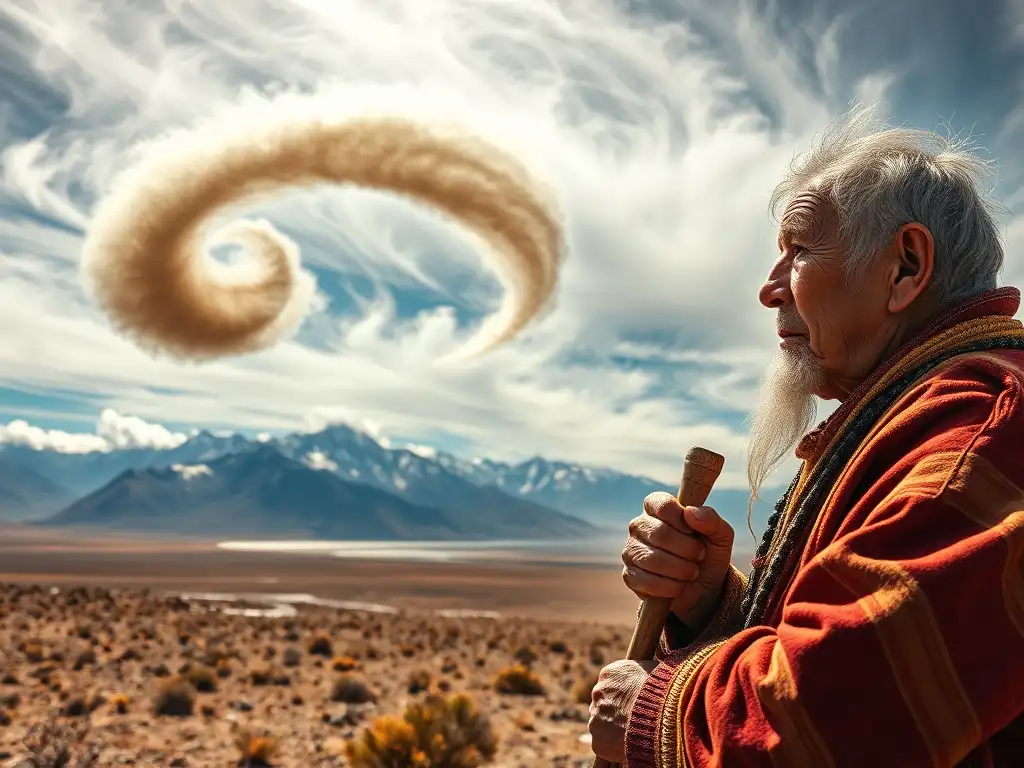
Step into a world lost in time, where the whispers of the wind held the key to survival. Uncover the secrets of Andean weather divination, a fascinating practice deeply interwoven with the rich tapestry of ancient Andean civilizations. From the Incas to the Nazca, discover how these ingenious cultures interpreted the elements and harnessed their knowledge for agriculture and community prosperity. Delve into the intricate methods and profound cultural impact of this ancient wisdom – your journey into the heart of Andean cosmology begins now.
The Andes Mountains, a spine of towering peaks stretching along the western coast of South America, presented ancient civilizations with a formidable challenge: unpredictable and often brutal weather patterns. Life in this harsh environment hinged on understanding and anticipating the capricious whims of nature. This understanding wasn't solely based on observation; rather, it was deeply interwoven with a sophisticated system of weather divination, a practice that significantly impacted Andean cosmology, agriculture, social structures, and even warfare.
This article explores the fascinating world of Andean weather divination methods, examining the techniques employed, their cultural significance, and their lasting legacy. We will delve into the diverse approaches used by different Andean cultures, highlighting their ingenuity and revealing the intricate relationship between these societies and their environment. Understanding these methods provides crucial insight into the complex worldview of the Andean people and their remarkable ability to thrive in a challenging landscape.
Observational Techniques: Reading the Skies and the Land
Andean weather divination wasn't solely reliant on mystical practices. Sharp observation played a crucial role. Farmers meticulously studied the natural world, developing an intimate knowledge of its subtle cues.
Changes in wind patterns, the behavior of animals, the appearance of clouds, and even the growth patterns of specific plants served as vital indicators of upcoming weather events. For example, the appearance of specific cloud formations, like lenticular clouds, might signal approaching storms, while unusual animal behavior, such as birds flying lower to the ground, could indicate impending rain or strong winds. This detailed observation, passed down through generations, formed the basis for many predictive practices.
Detailed records, though not written in the way we understand them today, were undoubtedly kept through oral traditions and possibly through the use of quipus (knotted strings used for record-keeping). The accuracy of these observational methods, honed over centuries, allowed for effective agricultural planning and minimized the risks associated with unpredictable weather.
Ritualistic Practices: Appeasing the Gods and Spirits
Beyond observation, many Andean cultures incorporated ritualistic practices into their weather divination. These rituals often involved appeasing deities associated with weather phenomena. Offerings of food, drink, and other valuable items were presented to mountain spirits ( apus) and other supernatural entities believed to control the weather.
Specific ceremonies, often involving prayers and dances, were performed to request favorable weather conditions for planting, harvesting, or other crucial activities. The rituals varied significantly depending on the specific culture and the nature of the desired weather outcome. Some involved elaborate processions, while others were more intimate family ceremonies.
The effectiveness of these rituals wasn't solely measured in immediate results but also in the maintenance of a harmonious relationship with the spiritual world, believed to be essential for the well-being of the community. Archaeological evidence suggests that these rituals were integral to Andean society, with specialized individuals often playing the role of weather diviners or shamans.
Technological Adaptations: Harnessing Natural Indicators
In addition to observation and ritual, some Andean cultures developed ingenious technological adaptations to predict weather patterns. For example, certain structures, possibly used as astronomical observatories, may have been used to track the movements of celestial bodies and their correlation with seasonal changes and weather events. While the exact function of some of these structures remains debated, their alignment with specific astronomical points suggests a sophisticated understanding of the cosmos and its relationship to terrestrial events.
These technological adaptations, combined with observational and ritualistic practices, demonstrate a holistic approach to weather forecasting, highlighting the ingenuity and resourcefulness of Andean civilizations. Further research into these structures and their potential applications is essential to fully understand the extent of Andean technological advancements in weather divination.
The Impact on Andean Society: From Agriculture to Warfare
The ability to predict weather had profound implications for Andean societies. Accurate weather forecasting was crucial for agricultural planning, allowing farmers to optimize planting and harvesting schedules. This, in turn, ensured food security and contributed to the stability and prosperity of communities. Furthermore, knowledge of impending weather events played a critical role in military strategies.
The timing of battles and campaigns was often influenced by weather predictions, with armies strategically avoiding engagements during periods of extreme weather. The influence of weather divination extended beyond practical matters, shaping religious beliefs, social structures, and artistic expressions. The deep connection between humans and nature, reflected in these practices, is a testament to the ingenuity and resilience of the Andean civilizations. The legacy of their weather divination methods continues to resonate today, reminding us of the importance of understanding and respecting the delicate balance of nature.
- Observational Techniques: Reading the Skies and the Land
- Ritualistic Practices: Appeasing the Gods and Spirits
- Technological Adaptations: Harnessing Natural Indicators
- The Impact on Andean Society: From Agriculture to Warfare
The Significance of Weather Prediction in Andean Civilizations
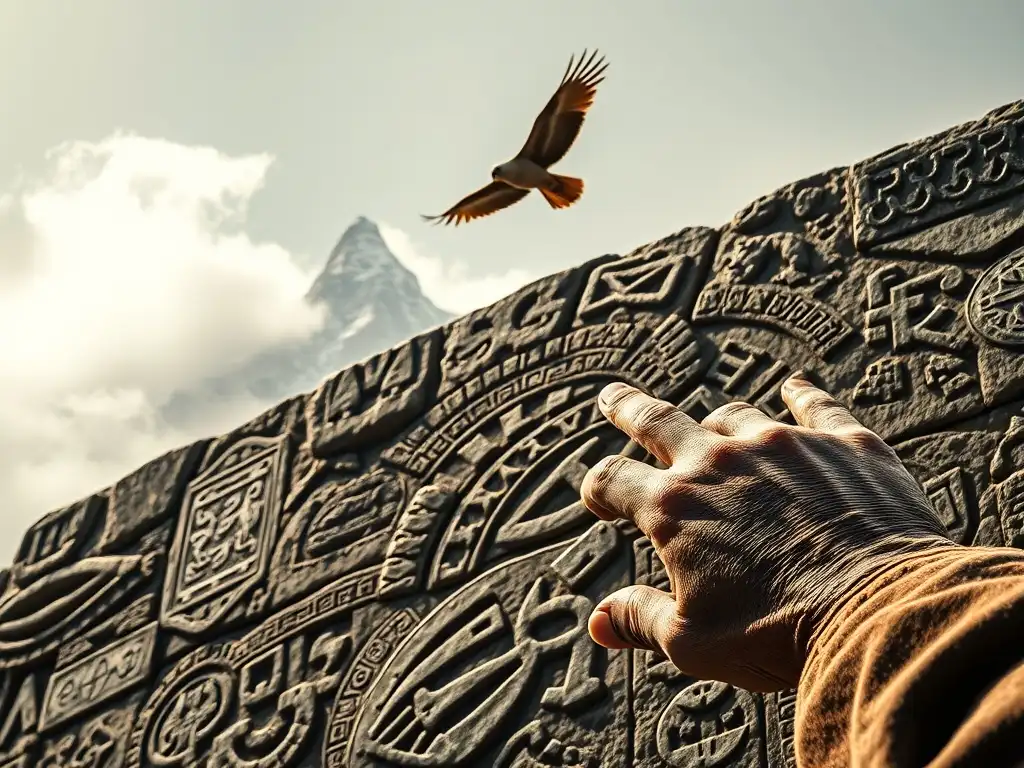
Accurate weather prediction wasn't merely a matter of convenience for Andean civilizations; it was a matter of survival. Their agricultural success, economic stability, and even social structures were intricately interwoven with the capricious nature of the Andean climate. The high altitude, diverse microclimates, and unpredictable weather patterns of the Andes Mountains demanded a sophisticated understanding of atmospheric phenomena.
This wasn't just about predicting rain or sunshine; it was about anticipating frost, hailstorms, droughts, and floods – events capable of devastating crops and disrupting entire communities. The development of sophisticated Andean weather divination methods reflects not only a keen observation of nature but also a deep-seated spiritual connection to the forces that shaped their lives. Understanding the significance of these practices requires appreciating the profound impact weather had on their daily existence and long-term societal well-being.
The accuracy of these methods, while difficult to quantify precisely due to a lack of written records, is evident in the longevity and resilience of these cultures across centuries. The legacy of these practices continues to resonate in modern Andean communities, demonstrating their enduring relevance.
The Crucial Role of Climate in Andean Agriculture
Andean agriculture, the backbone of these societies, was profoundly dependent on precise timing and favorable weather conditions. The agricultural calendar was not simply a record of planting and harvesting seasons; it was a complex system interwoven with observations of celestial events and atmospheric indicators. For instance, the cultivation of potatoes, a staple crop, required specific temperature ranges and rainfall amounts at different growth stages.
A late frost could destroy an entire harvest, leading to widespread famine. Similarly, prolonged droughts or excessive rainfall could severely impact the yield of maize, quinoa, and other essential crops. The success of terrace farming, a remarkable feat of engineering, was entirely dependent on understanding and managing water resources effectively.
Accurate weather prediction was therefore not just desirable, it was essential for ensuring food security and the survival of the population. The intricate relationship between Andean agricultural practices and weather patterns underscores the crucial role of weather divination in maintaining societal stability. Detailed analysis of archaeological remains, such as irrigation systems and agricultural terraces, provides compelling evidence of the sophisticated understanding of climate and its impact on crop yields.
The Need for Weather Forecasting in Ancient Andean Societies
The need for reliable weather forecasting in ancient Andean societies extended beyond agriculture. Successful herding of llamas and alpacas, essential for transportation, wool production, and meat, also depended on predictable weather. Unexpected blizzards or prolonged periods of drought could decimate herds, significantly impacting the economy and social fabric of the communities.
Furthermore, the construction of monumental structures, such as Machu Picchu and other impressive sites, required careful planning and execution, often taking years or even decades to complete. Accurate forecasting of the rainy season was critical for preventing delays and ensuring the safety of workers. Beyond practical considerations, weather divination played a crucial role in religious ceremonies and rituals.
Many Andean cultures believed that weather patterns were influenced by supernatural forces, and accurate predictions were seen as a way to appease or harness these powers. This deep connection between weather, spirituality, and daily life highlights the multifaceted importance of Andean weather divination methods in shaping their worldview and ensuring the continuity of their societies. The complex interplay between practical needs and spiritual beliefs demonstrates the profound significance of accurate weather forecasting within the Andean cultural context.
Andean Weather Divination Methods: A Deep Dive
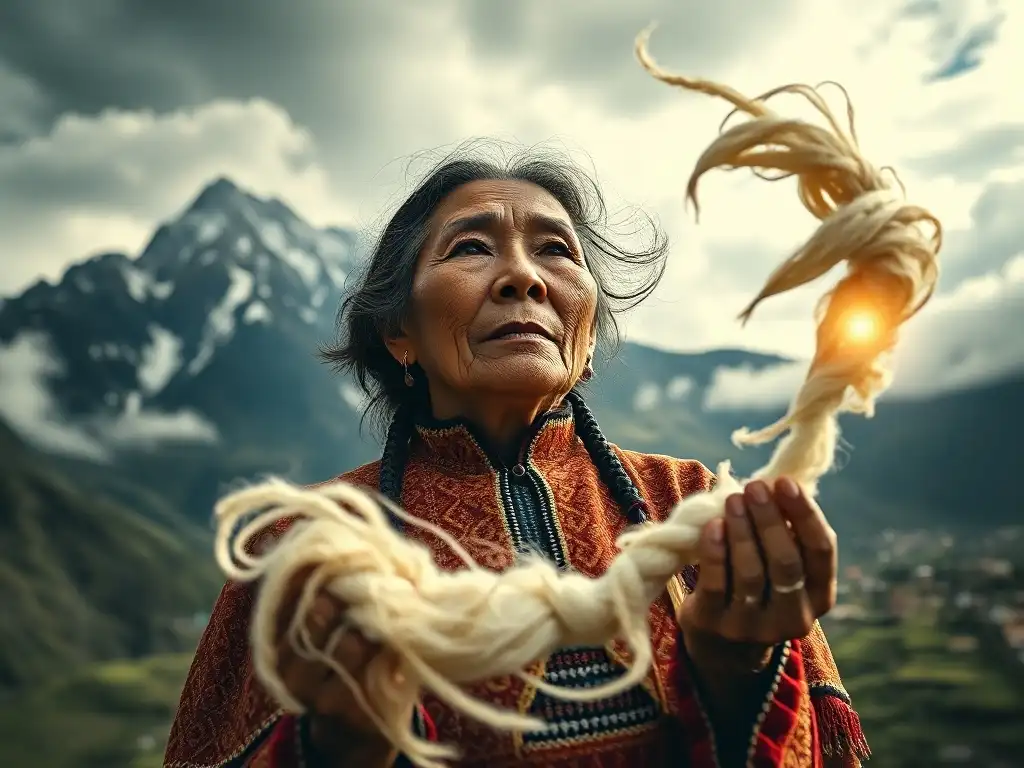
This section delves into the sophisticated methods employed by Andean civilizations to predict weather patterns, a crucial aspect of their survival and cultural practices. Understanding these techniques provides insight into their profound connection with the natural world and their remarkable ability to adapt to diverse and often challenging climates. The practices weren't merely about predicting rain or drought; they were deeply interwoven with their spiritual beliefs and social structures, reflecting a holistic worldview where the human and natural realms were inextricably linked.
This exploration focuses on three key methods: observing natural signs, interpreting animal behavior, and reading celestial events. The accuracy and complexity of these techniques highlight the advanced understanding of meteorology possessed by these ancient societies.
Observing Nature's Signs: Traditional Andean Weather Forecasting
Andean communities developed keen observational skills, using subtle changes in the environment as indicators of impending weather shifts. The ayllu, or community, played a vital role in this process, with elders and designated individuals responsible for monitoring and interpreting these signs. Their knowledge was passed down through generations, creating a rich body of traditional wisdom.
For example, changes in plant behavior were carefully noted. The blossoming of specific plants, the unusual growth patterns of crops, or the wilting of particular herbs served as reliable predictors. The intensity of the scent of certain flowers or the unusual behavior of insects provided further clues. Furthermore, the behavior of water sources, such as the flow of rivers and streams, or the changes in the water level of springs, were meticulously observed.
A decrease in water flow often foreshadowed a period of drought. The appearance of unusual clouds, their color, and formation, were also considered highly significant indicators. The appearance of specific cloud formations, such as lenticular clouds, often associated with strong winds high in the Andes, were ominous signs that needed immediate attention.
Interpreting Animal Behavior for Climate Prediction
Animals, deeply integrated into the Andean worldview, served as crucial weather indicators. Their behavior, often perceived as reflecting the spirit world, provided valuable insights into approaching weather patterns. This wasn't simply a matter of observing animals; it was a complex interplay of understanding their habits, their reactions to subtle environmental shifts, and their symbolic significance within Andean cosmology.
Specific animal behaviors held particular weight. For instance, the unusual restlessness of llamas or alpacas, typically calm and predictable, could signify an approaching storm. Similarly, the unusual migration patterns of birds, the increased activity of certain insects, or the change in the behavior of other animals, including reptiles and amphibians, were all carefully observed and interpreted.
Detailed records, though often undocumented in written form, were passed down orally, reinforcing the importance of this knowledge within the community. The integration of this knowledge with other observational methods allowed for a more comprehensive understanding of impending weather conditions. This holistic approach to weather prediction was crucial for successful agricultural planning and community survival.
Reading the Sky: Celestial Observations for Weather Divination
Celestial observations formed a critical component of Andean weather divination. The intricate knowledge of constellations, the movement of stars, and the phases of the moon provided a framework for long-term weather forecasting, influencing agricultural cycles and important community decisions. The alignment of specific stars or constellations was often associated with particular weather events, such as the rainy season or periods of drought.
Detailed knowledge of the movements of the sun and moon played a critical role in determining the optimal times for planting and harvesting. The Inca, for example, were renowned for their precise agricultural calendars, deeply intertwined with their astronomical observations. The positioning of the sun at solstice and equinox played a significant role in their religious rituals and agricultural practices, reflecting the profound connection between the celestial and terrestrial realms.
Furthermore, the appearance of comets or unusual celestial phenomena were interpreted as significant omens, often associated with changes in weather patterns or other significant events. The deep understanding and careful observation of celestial events allowed for a comprehensive system of long-term weather forecasting. This knowledge was crucial in the development of sophisticated agricultural techniques and ensured the sustainability of Andean communities for centuries.
Mountains and Wind Patterns in Weather Interpretation
Andean weather divination wasn't a haphazard guess; it was a sophisticated system deeply intertwined with the landscape. The towering Andes mountains played a crucial role, acting as natural barriers and influencing wind patterns. Sharp changes in wind direction, velocity, and even sound were carefully observed and interpreted by experienced diviners.
For instance, a sudden shift from a gentle westerly breeze to a strong, cold wind from the east might foretell an impending frost, crucial information for farmers reliant on the delicate balance of the Andean climate. The specific mountain range, its orientation relative to the sun, and the prevailing winds all factored into their predictions. Detailed knowledge, passed down through generations, connected specific wind patterns with specific weather events.
This wasn't simply about observing the wind; it was about understanding the language of the mountains and the air itself. A keen ear could discern subtle shifts in the whistling wind through mountain passes, providing an early warning system far more effective than any modern technology in its time. The whistling wind, for example, might indicate the approach of a storm, its intensity reflected in the pitch and strength of the sound.
Detailed records, though often lost to time or preserved only through oral tradition, likely documented these wind patterns and their associated weather events. Imagine meticulously kept notebooks—perhaps using quipu-like systems—recording observations over decades, providing valuable data for long-term weather forecasting. This intricate observation system allowed Andean communities to prepare for droughts, floods, and frosts, significantly impacting their agricultural practices and survival.
The accuracy of these predictions, honed over centuries, speaks to the sophisticated understanding of meteorology these cultures possessed, demonstrating a deep connection between the people and their environment. Moreover, the integration of this knowledge into their daily lives highlights the centrality of weather in Andean cosmology and worldview.
Specific Techniques of Andean Weather Divination
This section delves into the specific methods employed by Andean cultures to predict weather patterns, showcasing the ingenuity and deep connection with nature that characterized their societies. Understanding these techniques provides invaluable insight into their cosmology and agricultural practices, highlighting the sophisticated level of observation and interpretation inherent in their weather divination. These methods weren't just about predicting rain or drought; they were integral to the very fabric of Andean life, influencing everything from planting cycles to religious ceremonies.
The accuracy and effectiveness of these techniques, honed over centuries of meticulous observation, are testaments to the profound understanding these civilizations possessed of their environment. Analyzing these Andean weather divination methods reveals a fascinating blend of astronomical knowledge, meteorological observation, and spiritual belief.
Using the Pleiades Constellation for Agricultural Timing
The Pleiades, also known as the Seven Sisters, held immense significance in Andean agricultural practices. Their appearance and position in the night sky served as a crucial calendar for determining optimal planting and harvesting times. Different Andean groups developed their own nuanced interpretations, but the general principle remained consistent: the Pleiades' heliacal rising (their first appearance before sunrise after a period of invisibility) signaled the beginning of the agricultural cycle.
For example, the Inca, meticulously tracked the Pleiades' movements, correlating their position with the onset of the rainy season and the most favorable conditions for planting maize, potatoes, and other vital crops. Variations in the timing of the Pleiades' appearance, even slight ones, were carefully noted and interpreted, potentially indicating variations in rainfall or temperature. This meticulous observation allowed for adaptive farming strategies, ensuring food security in a region characterized by diverse and sometimes unpredictable weather patterns.
The precise timing was crucial for maximizing yields and ensuring the survival of the community. The close relationship between the celestial movements and the agricultural cycle underscores the profound integration of astronomy and agriculture in Andean societies.
Cloud Formations and Their Meaning in Andean Weather Lore
Andean weather divination wasn't solely reliant on celestial bodies; keen observation of atmospheric phenomena played a crucial role. Cloud formations, in particular, served as powerful indicators of impending weather changes. Specific cloud types were associated with different weather events. For instance, dark, heavy clouds gathering on the mountain peaks could predict imminent rainfall, while wispy, high-altitude clouds might suggest fair weather.
The direction from which clouds approached was also considered important. This wasn't simply a matter of recognizing familiar weather patterns; it involved a deeper understanding of local microclimates and the interplay of wind currents and topography. Furthermore, the color and shape of clouds also held symbolic meaning, often interwoven with spiritual beliefs.
Certain cloud formations might be interpreted as auspicious signs, while others might be seen as warnings of impending storms or droughts. Oral traditions passed down through generations preserved this intricate system of cloud interpretation, ensuring its continuity across various Andean communities. Detailed records, though scarce in written form, are preserved through archaeological evidence and ongoing ethnographic studies, shedding light on the sophistication of these observational techniques.
Wind Direction in Andean Weather Prognosis
Wind direction served as another significant factor in Andean weather divination. Different winds were associated with different weather conditions and carried symbolic meanings. For instance, a strong wind blowing from a particular mountain range might indicate the approach of a cold front or a period of drought. Conversely, a gentle breeze from a different direction might signal the arrival of rain.
The intensity and duration of the wind were also taken into consideration. Moreover, the sounds produced by the wind, whistling through mountain passes or rustling through vegetation, added another layer of complexity to the divination process. These sounds were often interpreted as messages from the spirits of nature, providing additional clues about impending weather patterns.
This sophisticated understanding of wind patterns reflects not only a keen observation of the natural world but also a deep integration of meteorology and spirituality, illustrating the holistic worldview that characterized Andean cultures. The Andean people's ability to predict weather using wind direction highlights their remarkable understanding of local climatology. This knowledge was essential for their survival and prosperity.
Rituals of the Kallawaya People for Weather Divination
The Kallawaya, an indigenous group inhabiting the Andes Mountains, particularly in Bolivia and Peru, possess a rich tradition of weather divination deeply intertwined with their healing practices. Their methods are not merely predictive but also involve actively engaging with the spirit world to influence weather patterns. This intricate relationship with nature is reflected in their complex rituals, passed down through generations of healers and shamans. These rituals are often performed at sacred sites, high in the mountains, where the Kallawaya believe they are closer to the powerful spirits that control the weather.
One crucial aspect of Kallawaya weather divination involves the meticulous observation of natural phenomena. Changes in wind direction, animal behavior, cloud formations, and even the subtle shifts in plant life are all carefully interpreted. These observations are not merely passive; they are actively sought through specific rituals and practices. For instance, the Kallawaya might climb to high vantage points at dawn to observe the sunrise, interpreting the colors and intensity of the light as indicators of upcoming weather conditions. The careful attention paid to these details reflects a profound understanding of the interconnectedness of the natural world.
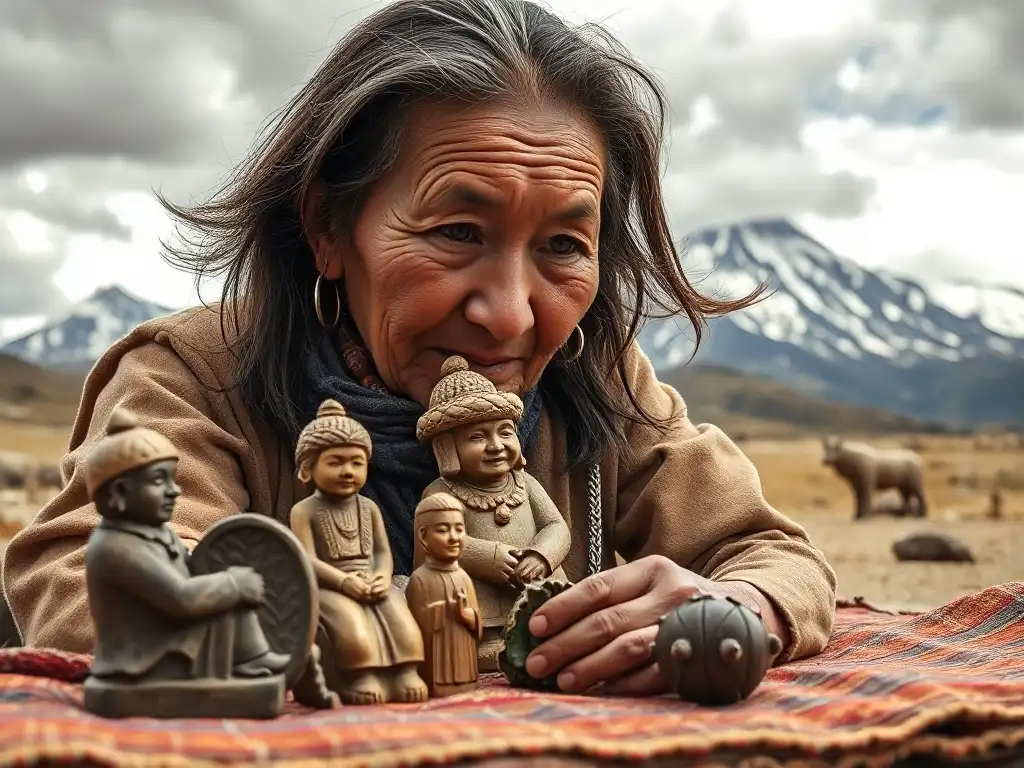
The Kallawaya use a variety of tools and materials in their divination rituals. These may include coca leaves, which are used for divination and communicating with spirits, specific herbs and plants believed to possess weather-influencing properties, and intricately carved figurines representing various deities associated with weather. The use of these objects is often accompanied by chanting, prayers, and offerings to appease or influence the relevant spirits. The specific rituals and the interpretations of the signs vary considerably depending on the circumstances and the particular Kallawaya practitioner.
Beyond the predictive aspect, Kallawaya weather divination also involves actively influencing the weather. Through carefully performed rituals, they believe they can intercede with the spirit world to bring rain, alleviate droughts, or mitigate the effects of storms. This active engagement with the weather highlights the Kallawaya's deep understanding of their place within the natural world and their belief in their ability to influence the forces that shape their lives. This approach underscores the holistic nature of their worldview, where the spiritual and physical realms are inextricably linked.
The efficacy of these rituals is grounded in their deep-seated belief system and the power of collective intention. The success of these rituals isn't necessarily measured in purely scientific terms, but within the context of their spiritual understanding and cultural practices. It’s a testament to the enduring power of traditional knowledge and its vital role in the lives of the Kallawaya people.
Cultural Impact of Weather Divination Practices
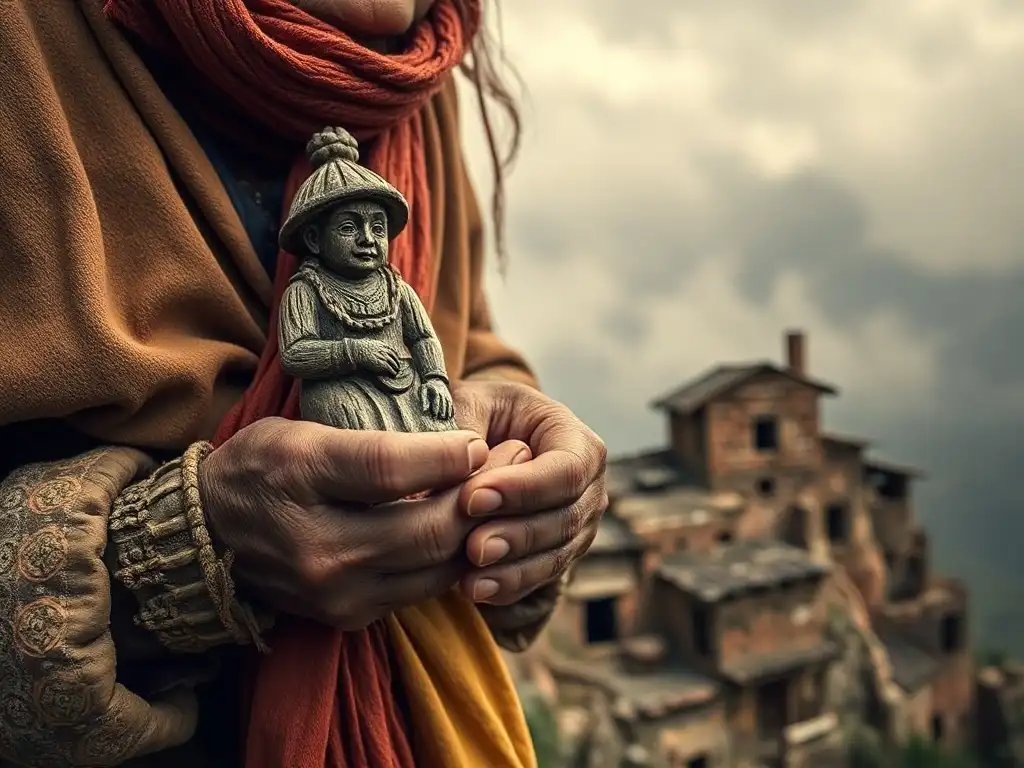
The sophisticated Andean weather divination methods weren't merely a means of predicting rainfall or frost; they were deeply interwoven into the fabric of Andean society, shaping its agricultural practices, religious beliefs, and social structures. Understanding these divination techniques reveals a profound connection between the Andean worldview and the natural environment, a relationship that sustained their civilizations for centuries.
The accuracy and impact of these methods are demonstrably tied to the survival and prosperity of these communities, highlighting the ingenuity and cultural significance of their approach to weather forecasting. The influence extended far beyond simple prediction, impacting everything from planting cycles to conflict resolution.
Weather Divination and the Andean Agricultural Calendar
The Andean agricultural calendar was intimately linked to weather divination. Farmers didn't simply plant based on arbitrary dates; instead, they meticulously observed natural phenomena – the flight patterns of birds, the behavior of animals, the appearance of specific plants – to predict the most opportune time for sowing and harvesting. For example, the appearance of certain cloud formations, interpreted through generations of accumulated knowledge, signaled the imminent arrival of the rainy season.
This wasn't a matter of chance; detailed records, though often passed down orally, demonstrate a sophisticated understanding of seasonal patterns and microclimates across diverse Andean regions. The accuracy of these predictions directly impacted crop yields, ensuring food security for the entire community. This intimate relationship between observation, interpretation, and agricultural practice showcases the deep integration of Andean weather divination into their daily lives.
Failure to heed these signs could result in crop failure and widespread hardship. The success rate of their predictions, though difficult to quantify precisely due to the absence of written records for many communities, is implied by the longevity and resilience of Andean agricultural systems. This highlights the effectiveness and importance of Andean weather divination in sustaining their agrarian societies.
Weather Divination and Its Influence on Andean Rituals
Andean weather divination wasn't confined to practical matters; it played a crucial role in religious and ceremonial life. Many rituals were directly tied to weather patterns and agricultural cycles. For instance, ceremonies were performed to appease the gods and ensure bountiful harvests, often timed according to the predictions made through observing natural signs.
These rituals, involving offerings, prayers, and symbolic actions, weren't just superstitious; they were integral parts of a complex system designed to maintain harmony between humans and the natural world. The success or failure of a harvest was often attributed to the effectiveness of these rituals, further reinforcing the importance of accurate weather divination in maintaining social order and spiritual well-being.
Specific rituals varied across different Andean cultures, reflecting diverse beliefs and practices; however, the central role of weather divination as a guide for these ceremonies remained consistent. The detailed nature of these rituals, often involving intricate choreography and symbolic objects, underscores the profound cultural significance of weather forecasting in Andean religious life.
The knowledge of Andean weather divination wasn't evenly distributed; it was often held by specialized individuals, such as priests or shamans, who held significant social power. These individuals acted as interpreters of natural signs, advising the community on important decisions related to agriculture, resource allocation, and even conflict resolution. Their expertise wasn't solely based on observation; it involved a deep understanding of Andean cosmology and a sophisticated interpretation of complex environmental cues.
This knowledge system, passed down through generations, formed an integral part of the social structure, ensuring the stability and resilience of Andean communities. The social standing of these weather diviners suggests the high value placed on their skills and knowledge, highlighting the crucial role they played in maintaining social cohesion and economic stability.
The accurate prediction of droughts, floods, or other extreme weather events could significantly influence social dynamics, potentially preventing conflicts over scarce resources or guiding community-wide relocation efforts. The importance of these diviners is a testament to the deep intertwining of weather wisdom and social power in Andean societies.
Weather Divination in Andean Mythology and Folklore
Andean mythology is deeply intertwined with weather patterns, reflecting the crucial role climate played in their daily lives and survival. Stories and legends often feature deities and spirits associated with weather phenomena, influencing the development of divination practices. For example, the Inca revered the sun god Inti, whose favor or wrath was believed to directly impact weather conditions.
Prayers, offerings, and elaborate ceremonies were performed to appease Inti and ensure favorable weather for agriculture. Failure to do so was often interpreted as a sign of divine displeasure, potentially leading to drought or other calamities. This direct link between the divine and weather cemented the importance of understanding and predicting climatic shifts.
Furthermore, Andean folklore is rich with tales of mythical beings and natural events linked to weather divination. Certain birds, animals, or even unusual atmospheric occurrences were seen as omens, interpreted through the lens of established traditions passed down through generations. For instance, the flight patterns of condors might be interpreted as predicting the coming of rain, while unusual cloud formations could signify impending storms.
These interpretations, while rooted in observation and experience, were also heavily influenced by the specific cultural context and belief systems of different Andean communities. This rich tapestry of mythology and folklore provided a framework for understanding and interpreting the often-unpredictable Andean weather, shaping the cultural response to environmental challenges.
The oral tradition, passed down through generations of storytellers and shamans, ensured the continued relevance of these narratives, reinforcing the importance of weather divination in Andean societies. These narratives weren't simply stories; they were practical guides for survival in a challenging environment.
The integration of weather divination into Andean mythology and folklore not only provided a system for predicting weather but also served a vital social function. It fostered a sense of community and shared understanding, reinforcing social cohesion and collective responses to climatic events. The shamans and other individuals skilled in interpreting these signs held positions of significant authority, further cementing the cultural importance of weather divination within Andean society.
The legacy of these practices continues to resonate in contemporary Andean communities, influencing their worldview and relationship with the natural world. Many modern Andean communities still maintain some aspects of these traditional weather forecasting methods, highlighting the enduring cultural impact of these ancient practices.
The Legacy of Andean Weather Divination in Modern Times
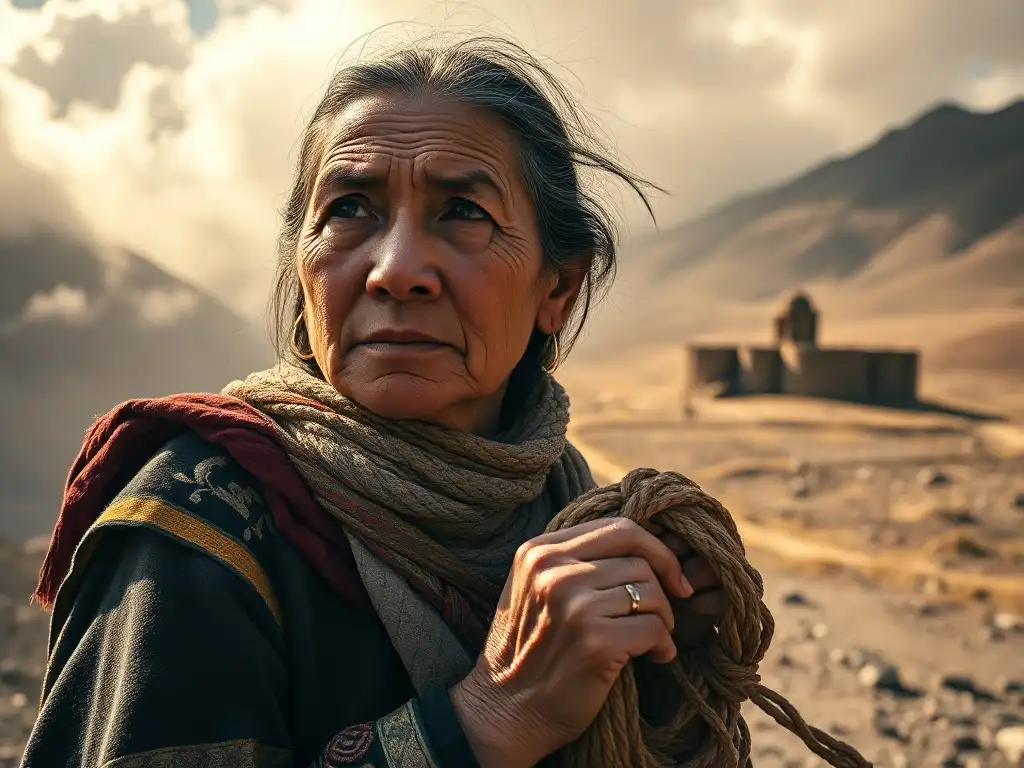
Andean weather divination, a practice deeply rooted in the intricate relationship between ancient Andean communities and their environment, continues to resonate in contemporary Andean life, albeit in subtly transformed ways. While the elaborate ceremonies and ritualistic practices of the past may have diminished, the underlying principles of observation, interpretation, and respect for natural cycles persist. The legacy is not solely a matter of historical curiosity; it's a living tradition adapting to modern challenges.
Understanding this enduring legacy is crucial to appreciating the holistic worldview that shaped Andean civilizations and its continuing influence. The knowledge gleaned from generations of observing atmospheric phenomena, animal behavior, and celestial events remains relevant today, informing sustainable practices and offering a unique perspective on climate change adaptation.
Preserving Traditional Andean Weather Knowledge
Efforts to preserve traditional Andean weather knowledge are gaining momentum. Communities are actively involved in documenting and transmitting their ancestral wisdom to younger generations. This often involves oral histories, storytelling, and practical demonstrations of traditional techniques.
For instance, in some communities, elders still share their knowledge of interpreting cloud formations, the behavior of condors, and the subtle shifts in wind patterns to predict upcoming weather events. These methods, passed down through generations, provide valuable insights not always captured by modern meteorological instruments. Documentation initiatives, supported by researchers and cultural organizations, are crucial in preserving this invaluable cultural heritage before it's lost to time.
The digital archiving of these oral traditions and the creation of accessible educational materials are vital steps in securing the future of Andean weather divination knowledge. Furthermore, the integration of this indigenous knowledge into formal educational curricula ensures that future generations will appreciate and understand the significance of this unique cultural heritage. This preservation effort is not just about archiving; it is about empowering communities to maintain their cultural identity and utilize their ancestral knowledge for their benefit.
Relevance of Ancient Weather Prediction Methods for Modern Agriculture
The relevance of ancient Andean weather prediction methods for modern agriculture is undeniable. While modern technology offers sophisticated forecasting tools, traditional methods often provide valuable supplementary information, especially in remote areas with limited access to technology. Farmers who integrate traditional knowledge with modern techniques often report improved yields and reduced risks associated with unpredictable weather patterns.
For example, the observation of specific plant behavior, such as changes in leaf color or the flowering period of certain plants, can serve as early warning signals of impending droughts or frosts. This early warning system allows farmers to adjust their planting schedules, irrigation strategies, and crop management practices accordingly. Moreover, the ability to interpret subtle changes in the environment, such as animal behavior or changes in wind direction, can provide valuable information that might be missed by solely relying on technological forecasts.
The integration of both traditional and modern methods creates a more resilient and adaptable agricultural system, better equipped to cope with the challenges of climate change. This synergy highlights the value of preserving and incorporating indigenous knowledge into modern agricultural practices.
Connection Between Indigenous Wisdom and Sustainable Practices
The connection between indigenous wisdom and sustainable practices is intrinsically linked. Andean weather divination wasn't just about predicting rain or frost; it was a fundamental aspect of a holistic worldview that emphasized harmonious coexistence with nature. Respect for the environment, resource management, and a deep understanding of ecological cycles were integral to their approach.
Traditional methods often emphasized sustainable land management, water conservation, and the careful use of resources. These practices, developed over centuries of close observation and adaptation, offer valuable lessons for contemporary sustainable development efforts. For example, the Andean understanding of water cycles and their careful management of water resources in arid environments provide valuable insights for addressing water scarcity issues in the modern world.
Similarly, traditional agricultural practices that minimized environmental impact offer valuable lessons for modern sustainable agriculture. By recognizing and integrating these indigenous knowledge systems into modern development strategies, we can move towards more environmentally sound and socially equitable practices. The preservation and application of Andean weather divination methods represent a powerful example of how indigenous wisdom can contribute to building a more sustainable future.
Challenges in Maintaining Andean Weather Divination Knowledge
The transmission of Andean weather divination methods faces significant challenges in the modern era. The rapid pace of globalization and urbanization has led to a decline in traditional knowledge systems, including the intricate practices of interpreting natural signs. Younger generations, often drawn to urban centers and modern lifestyles, are less likely to engage in the lengthy apprenticeship required to master these skills.
This knowledge transfer, traditionally passed down orally through families and communities, is becoming increasingly fragmented. The lack of formal educational programs dedicated to preserving these practices exacerbates the problem. While some efforts exist to document and preserve this knowledge, the sheer volume and nuanced understanding required to accurately interpret the signs presents a formidable hurdle.
Furthermore, the encroachment of Western scientific paradigms often overshadows and diminishes the value of indigenous knowledge systems. The perceived lack of empirical evidence and the preference for quantifiable data lead to a devaluation of the centuries-old observations and interpretations that underpin Andean weather divination. This marginalization not only threatens the continuation of these practices but also erodes the cultural identity tied to them.
The integration of these traditional methods with modern scientific approaches is a crucial step, but requires careful consideration to avoid misrepresentation or appropriation of indigenous knowledge. This necessitates a collaborative effort between indigenous communities and researchers to ensure respectful and accurate preservation and dissemination. The challenge lies in finding a balance between preserving the authenticity of the practice and making it accessible and relevant to contemporary society.
This is crucial for not only maintaining the practice but also fostering a deeper understanding and appreciation of Andean cultural heritage. Effective strategies must go beyond simple documentation; they must involve active participation and community ownership to ensure the long-term viability of Andean weather divination.
Conclusion: The Enduring Power of Andean Weather Wisdom
The intricate relationship between Andean civilizations and their environment extended far beyond mere survival; it was deeply woven into the fabric of their societal structures, religious beliefs, and daily lives. Andean weather divination methods, far from being simple superstition, represented a sophisticated understanding of atmospheric patterns, ecological interconnectedness, and the cyclical nature of time. This knowledge, passed down through generations via oral traditions and embodied in elaborate rituals and artifacts, allowed these societies to thrive in challenging environments for centuries.
The legacy of this profound connection with nature continues to resonate today, offering valuable insights into sustainable living and the importance of respecting the delicate balance of the ecosystem. Understanding these ancient practices provides a powerful lens through which to examine our own relationship with the environment and the potential wisdom inherent in traditional ecological knowledge.
Sophistication of Andean Weather Divination
Andean weather divination wasn't a haphazard guess; it involved meticulous observation and a deep understanding of complex environmental indicators. For example, the Incas meticulously tracked the movements of celestial bodies, correlating their positions with seasonal changes and weather patterns. This astronomical knowledge, combined with detailed observations of animal behavior, plant growth, and cloud formations, allowed them to predict droughts, floods, and frost with remarkable accuracy.
Their sophisticated understanding of microclimates allowed for localized predictions, adapting agricultural practices to specific conditions within a single valley. Evidence of this is found in their intricate irrigation systems and terraced farming techniques, designed to maximize water resources and mitigate the effects of unpredictable weather. Furthermore, the use of knotted strings, or quipus, likely served not only for record-keeping but also to store and transmit valuable meteorological data across vast distances.
The precision and complexity of these systems highlight the advanced level of scientific understanding embedded within Andean weather divination practices. The development of these methods reflects a sophisticated understanding of the interconnectedness of various natural phenomena and a remarkable ability to extract meaningful information from seemingly disparate observations.
Cultural Value of Andean Environmental Knowledge
The cultural value of Andean environmental knowledge transcended mere practicality; it was integral to their worldview and spiritual beliefs. Weather divination wasn't solely about predicting rainfall; it was also about understanding their place within the cosmos and maintaining harmony with the natural world. The Pachamama, or Mother Earth, was revered as a powerful deity, and understanding her moods – manifested through weather patterns – was crucial for maintaining a balanced relationship.
Rituals and ceremonies, often involving offerings and prayers, were performed to appease the Pachamama and ensure favorable weather conditions. This deep-seated reverence for nature fostered a sustainable approach to resource management, ensuring the long-term health of the environment and the well-being of the community. The close connection between spiritual beliefs and practical knowledge underscores the holistic nature of Andean culture and the profound respect they held for the natural world.
Their wisdom provides a compelling counterpoint to modern, often exploitative, approaches to environmental management, offering valuable lessons in sustainability and respect for the interconnectedness of all living things. The loss of these traditional practices represents not only a loss of knowledge but also a loss of a deeply meaningful relationship with the environment.
Frequently Asked Questions
What were some common Andean weather divination methods?
Andean cultures employed various methods, including observing animal behavior, interpreting natural phenomena like cloud formations and the flight of birds, and using specialized tools like knotted strings (quipus) to track weather patterns and make predictions.
How did Andean weather divination impact agriculture?
Accurate weather forecasting was crucial for Andean agriculture. Divination helped determine optimal planting and harvesting times, minimizing crop failure and ensuring food security for communities. This was vital for their survival.
Did all Andean cultures use the same divination techniques?
While there were common threads, specific techniques varied across different Andean cultures (Inca, Moche, Nazca, etc.). Each civilization developed unique methods adapted to their specific environment and beliefs.
What role did religion play in Andean weather divination?
Weather divination was deeply intertwined with Andean religious beliefs. Many practices involved appeasing deities associated with weather phenomena, seeking their favor for favorable conditions and averting natural disasters.
How accurate were these ancient Andean weather prediction methods?
The accuracy varied greatly depending on the method and the specific environmental context. While not scientifically precise, these methods provided valuable empirical knowledge and contributed significantly to the resilience of Andean societies.
Final Reflection: Echoes of the Andes, Whispers of the Future
The intricate systems of Andean weather divination, once vital for survival, continue to resonate today, offering a powerful reminder of humanity's enduring connection with the natural world. These ancient practices, far from being relics of the past, provide valuable insights into sustainable living and the importance of understanding our environment's subtle cues. Their continued relevance in a world grappling with climate change is undeniable.
The enduring legacy of Andean weather divination lies not just in its practical applications, but in its profound cultural impact. It speaks to a deep-seated respect for the interconnectedness of all things, a philosophy often lost in our modern, technologically driven societies. The mountains are not just mountains, they are living beings, and we must listen to their whispers.
This sentiment, though paraphrased, encapsulates the core belief system underpinning these practices, highlighting the holistic worldview that prioritized harmony with nature above all else. The wisdom embedded within these traditions offers a potent counterpoint to the exploitative relationship many modern societies maintain with the environment.
Consider the wisdom passed down through generations, the intricate observations of natural phenomena, and the deep understanding of ecological balance embedded within Andean weather divination. You too can cultivate a deeper connection with your environment, learning to read the subtle signs and signals that surround you.
Embrace a more mindful approach to your relationship with nature; listen to the whispers of the wind, the rustle of leaves, the shifting patterns of the clouds. By doing so, you not only gain a richer understanding of the world around you, but also contribute to a more sustainable and harmonious future for all.
Unveil the Secrets of Andean Weather Divination!
Thank you for exploring the fascinating world of Andean weather divination with us! We hope you've gained valuable insights into how these ancient practices shape cultural identities and strengthen community bonds. Now, let's delve even deeper into this intriguing aspect of Andean civilization.
Here are some ways you can continue your exploration:
- Learn from local traditions: Visit a local museum or cultural center to discover how Andean communities still utilize weather divination and understand its enduring significance.
- Connect with nature: Spend time outdoors observing weather patterns, reflecting on the ancestral wisdom embedded in their interpretation. Consider keeping a journal to record your observations and thoughts.
- Share your knowledge: Discuss your newfound understanding with friends and family. Share your insights on social media using #AndeanWisdom to connect with others interested in cultural heritage and expand the conversation.
As you continue your journey into the world of Andean weather divination, consider this: **How can ancient practices like weather divination enhance our modern understanding of climate and the natural world? ** We encourage you to share your thoughts and join the ongoing discussion!