
The Spirit of Reciprocity: Andean Values and the Concept of Ayni

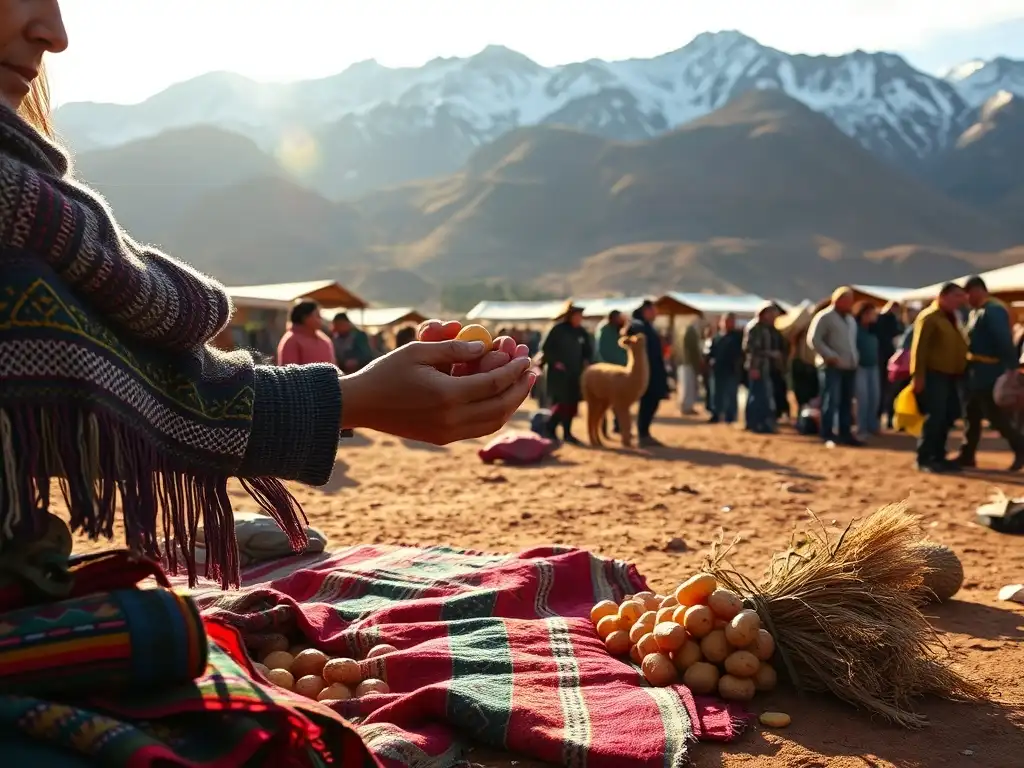
Step into a world lost to time, yet echoing in the vibrant tapestry of modern Andean culture. Discover the secrets of a civilization that thrived on intricate social structures and breathtaking ingenuity. We delve into the heart of their values, exploring the profound concept of Andean reciprocity, known as Ayni. What can this ancient principle teach us about sustainable living and community today? Uncover the answers within, and embark on a journey through the fascinating legacy of the Andes.
- The Spirit of Reciprocity: Understanding the Andean Concept of Ayni
- What is Ayni? Exploring the Core of Andean Reciprocity
- The Significance of Ayni in Andean Communities
- Practical Applications of Ayni in Daily Life
- The Impact of Ayni on Andean Culture and Identity
- Challenges to Ayni in Modern Times
- Revitalizing Ayni: Contemporary Initiatives and Efforts
- Conclusion: The Enduring Relevance of Ayni
- Frequently Asked Questions
- Final Reflection: Ayni's Enduring Echo in a Globalized World
- Embrace the Spirit of Ayni: Take Action Today!
The Spirit of Reciprocity: Understanding the Andean Concept of Ayni
The Andean region, home to a rich tapestry of ancient civilizations, boasts a unique worldview profoundly shaped by its environment and social structures. This worldview, deeply rooted in a complex system of reciprocal relationships, is best understood through the concept of Ayni.
More than just a simple exchange of goods or services, Ayni represents a fundamental principle governing social interaction, economic activity, and spiritual well-being across various Andean communities, from the Inca Empire to contemporary indigenous groups. This article delves into the multifaceted nature of Ayni, exploring its historical significance, its practical applications, and its enduring relevance in understanding the values and social fabric of Andean societies, past and present.
We will examine how this concept of reciprocal obligation continues to shape the lives of Andean communities today, providing a crucial lens through which to appreciate their resilience and cultural richness. Understanding Ayni is key to understanding the Andean reciprocity concept and its lasting impact.
Ayni in Pre-Columbian Andean Societies
The practice of Ayni predates the Inca Empire, with evidence suggesting its presence in various pre-Inca cultures. Archaeological findings and anthropological studies reveal intricate systems of reciprocal labor and resource sharing among communities. For example, [specific details on pre-Inca Ayni practices pending], highlighting the long-standing importance of this principle. The Inca Empire, while imposing its own administrative structures, effectively incorporated and formalized Ayni into its mita system – a form of obligatory labor service.
However, the mita system, while utilizing Ayni's framework, also involved a hierarchical element not always present in the more egalitarian pre-Inca expressions of reciprocity. The Inca state leveraged Ayni to maintain its infrastructure and power, organizing large-scale projects like road construction and agricultural initiatives through the coordinated labor of its subjects. This highlights the adaptability and significance of Ayni across different socio-political contexts. This demonstrates the resilience and adaptability of this fundamental Andean value.
Ayni Beyond Material Exchange: The Spiritual Dimension
While the exchange of goods and services is a crucial aspect of Ayni, its significance extends far beyond mere economic transactions. It encompasses a profound spiritual dimension, rooted in a worldview that emphasizes interconnectedness and mutual obligation. Ayni is not simply a transaction; it’s a relationship built on trust, solidarity, and a shared understanding of reciprocal responsibility.
The act of giving and receiving is imbued with a sense of balance and harmony, reflecting a belief in the cyclical nature of life and the importance of maintaining equilibrium within the community and with the natural world. [Specific examples of spiritual rituals connected to Ayni pending]. This spiritual dimension underscores the depth and complexity of Ayni, showcasing its profound influence on Andean cosmology and social ethics.
Ayni in Contemporary Andean Communities: A Living Tradition
Despite centuries of colonization and globalization, Ayni continues to thrive in many contemporary Andean communities. While the specific forms of Ayni may have adapted to modern circumstances, the underlying principle of reciprocal exchange remains a cornerstone of social life. [Specific examples of contemporary Ayni practices pending], demonstrating the enduring relevance of this ancient principle in navigating the challenges of modernity.
The persistence of Ayni highlights the strength and adaptability of Andean cultural values in the face of external pressures. This underlines the enduring significance of Andean reciprocity concepts in modern times. The continued practice of Ayni shows its relevance and vitality within modern Andean society.
The Significance of Ayni for Andean Identity and Development
The concept of Ayni, deeply embedded in the cultural fabric of Andean societies, plays a crucial role in shaping Andean identity and informing approaches to sustainable development. Understanding Ayni is essential for fostering culturally sensitive development initiatives that respect and build upon existing social structures and values. [Specific examples of development projects incorporating Ayni principles pending].
By recognizing and incorporating Ayni into development strategies, it is possible to create more equitable and sustainable outcomes that align with the values and aspirations of Andean communities. The Andean reciprocity concept, embodied in Ayni, offers a valuable model for collaborative and sustainable development. The preservation and promotion of Ayni are vital for the continued well-being and cultural preservation of Andean communities.
What is Ayni? Exploring the Core of Andean Reciprocity
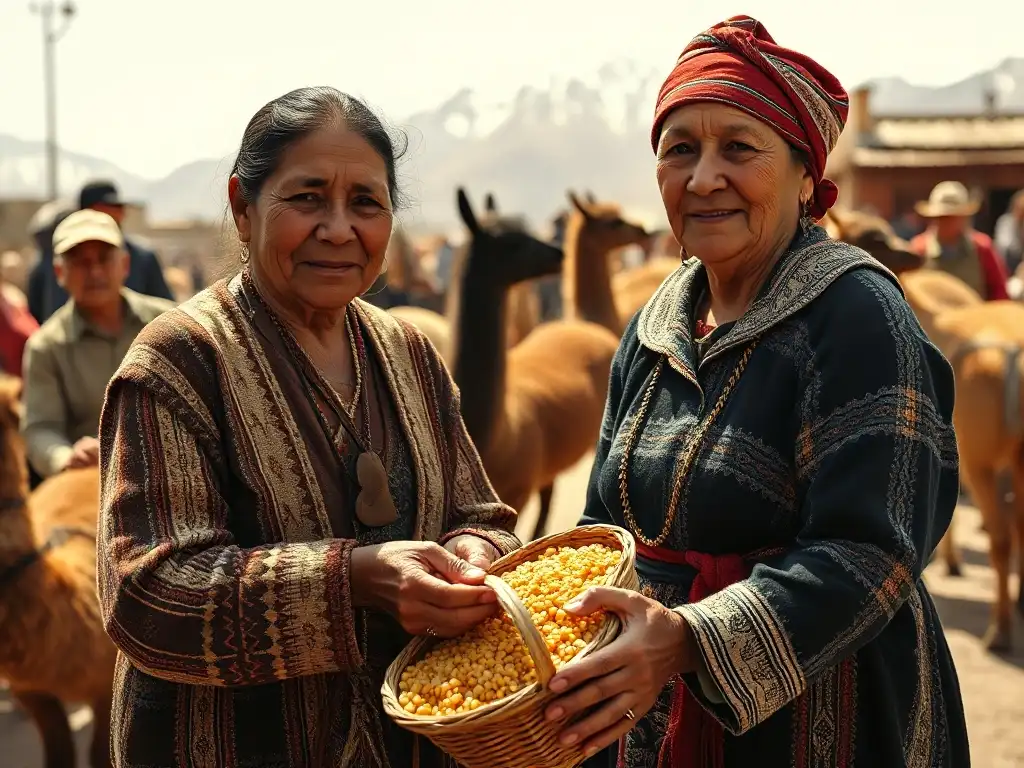
This section delves into the profound concept of Ayni, a cornerstone of Andean social structures and a powerful example of Andean reciprocity. Understanding Ayni is crucial to grasping the complexities of Andean societies, past and present. It's not merely a system of exchange; it's a deeply ingrained worldview that emphasizes community, mutual support, and the interconnectedness of all beings.
The Andean reciprocity concept, Ayni, permeates various aspects of life, shaping social interactions, economic practices, and even spiritual beliefs. It's a vibrant, living tradition that continues to influence Andean communities today. This section will explore its core tenets and contrast it with Western economic models.
Ayni, in its simplest form, translates to "reciprocity" or "exchange." However, this definition falls short of capturing its true essence. It's not simply a transactional exchange of goods or services, but rather a deeply embedded social obligation built on mutual respect and the understanding that community well-being depends on collective effort.
Within Andean communities, Ayni wasn't just about balancing accounts; it was about strengthening social bonds and reinforcing a sense of shared responsibility. Think of it as a continuous cycle of giving and receiving, where the act of giving is as important, if not more so, than the act of receiving.
The practice of Ayni extended far beyond simple bartering. It encompassed a wide range of activities, from communal labor on agricultural projects (like minga) to sharing resources during times of scarcity. Individuals contributed their skills and resources based on their capabilities, knowing that others would reciprocate in kind when needed.
This system fostered a strong sense of community and ensured the survival and prosperity of the group. Failure to participate in Ayni could lead to social isolation and exclusion, highlighting the importance of this reciprocal system in maintaining social cohesion. The strength of Andean social structures rested heavily on this fundamental principle of reciprocity.
Ayni vs. Western Exchange Systems: A Contrast in Values
A striking difference between Ayni and Western exchange systems lies in the underlying values. Western systems, largely driven by market principles, emphasize individual gain and competition. Transactions are typically formalized, with clear expectations of immediate and equivalent returns. Profit maximization often takes precedence over social well-being. This contrasts sharply with Ayni, where the focus is on collective benefit and the strengthening of social ties. The time frame for reciprocity isn't necessarily immediate; it's understood that reciprocity may occur over an extended period.
Consider the concept of "delayed reciprocity." In Ayni, a favor or service rendered today might not be returned immediately, but the expectation of future reciprocity remains. This trust and faith in the community are fundamental to the system's success. This contrasts with the Western emphasis on immediate payment and contractual agreements.
Furthermore, Ayni often involves intangible exchanges, such as sharing knowledge, skills, or emotional support, which are difficult to quantify in monetary terms. This holistic approach to reciprocity encompasses a wider spectrum of human interaction than the purely transactional focus of Western economic models. The Andean reciprocity concept, Ayni, presents a compelling alternative, prioritizing community and long-term sustainability over individual profit. It's a system that continues to resonate deeply within Andean communities, offering valuable lessons for a world increasingly focused on individualistic pursuits.
The Significance of Ayni in Andean Communities
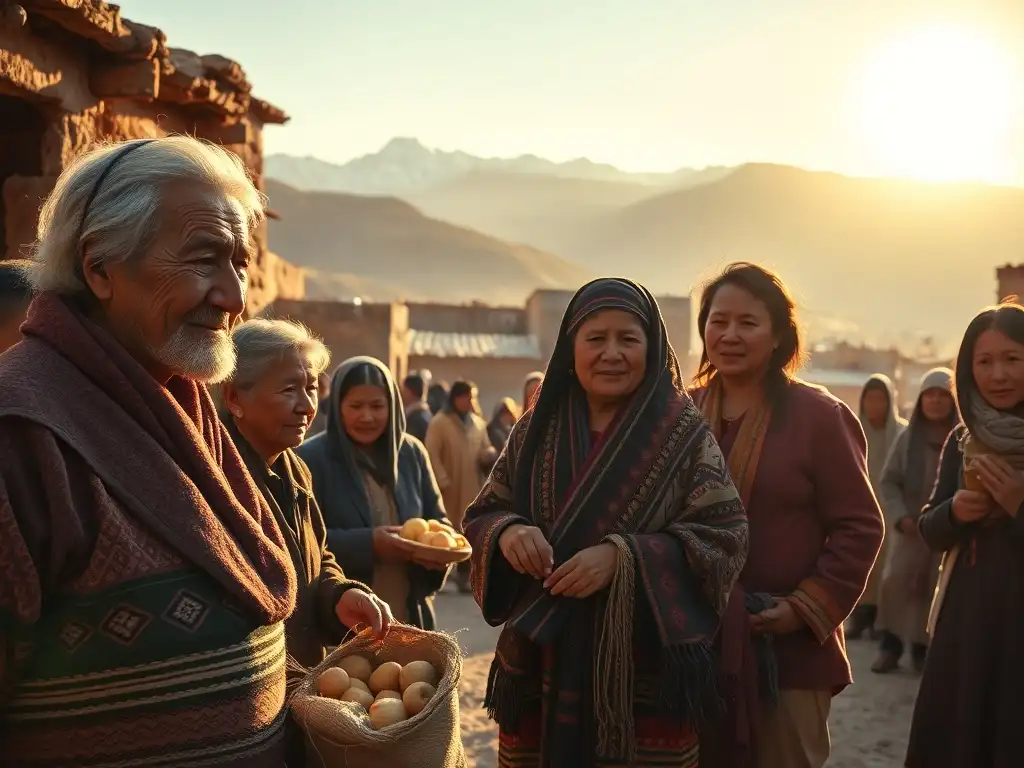
The Andean reciprocity concept, Ayni, transcends a simple system of exchange; it represents a deeply ingrained worldview shaping social structures and individual identities across various Andean communities. Understanding Ayni is crucial to grasping the unique social fabric of these societies, past and present. Its influence permeates daily life, from agricultural practices to religious ceremonies, demonstrating its enduring relevance even in contemporary contexts.
The principle of Ayni isn't merely about bartering goods or services; it fosters a profound sense of interconnectedness and shared responsibility, underpinning the very essence of Andean communal life. This section will delve into the multifaceted nature of Ayni, exploring its various manifestations and its ongoing impact on Andean communities.
Ayni as a System of Mutual Aid and Cooperation
Ayni, at its core, functions as a system of mutual aid and cooperation. It's a reciprocal exchange of labor, goods, or services, characterized by a spirit of generosity and communal obligation. Unlike market-based transactions driven by profit, Ayni emphasizes the social bond between individuals and the collective well-being of the community.
A farmer might help his neighbor harvest their crops, expecting similar assistance in return when needed. This could involve anything from building a house to assisting with childcare. The timing of reciprocity isn't always immediate; it’s based on trust and the understanding that mutual support will be provided when circumstances demand it.
This system differs significantly from Western models of individualistic exchange, highlighting the importance of collective action and interdependence within Andean societies. The strength of Ayni lies in its flexibility and adaptability, allowing it to respond to diverse needs within the community. This inherent adaptability has contributed to its persistence through generations and its continued relevance in modern Andean life.
How Ayni Strengthens Community Bonds
The practice of Ayni is not merely transactional; it actively cultivates and strengthens community bonds. The reciprocal exchange of labor and resources fosters a sense of belonging and shared identity. Participating in Ayni creates opportunities for social interaction, solidifying relationships and reinforcing community cohesion.
The collaborative nature of Ayni activities promotes trust and mutual respect, building stronger social capital within the community. This is particularly evident in the context of communal projects like road building or irrigation system maintenance, where collective effort is essential for success. The shared experience of working together towards a common goal reinforces a sense of unity and shared purpose, strengthening the social fabric of the community.
Furthermore, the absence of a rigid, codified system allows for flexibility and adaptability, fostering a sense of social harmony and reducing potential conflict. Data on community participation in Ayni activities would further illuminate its positive impact on social cohesion [specific data pending].
The Andean reciprocity concept of Ayni is intrinsically linked to the concept of shared responsibility. It's not simply about individual gain but about contributing to the collective well-being. Each member of the community has a responsibility to participate in Ayni, contributing their skills and resources to support others in need.
This shared responsibility extends beyond immediate family or kinship ties, encompassing the entire community. This principle is vital for ensuring the sustainability of the community and its resilience in the face of challenges. The absence of a centralized authority or governing body underscores the importance of individual accountability and voluntary participation in upholding the Ayni system.
This communal ethic of shared responsibility is a hallmark of Andean societies and is a significant factor in the long-term success and stability of their communities. The concept underscores the interconnectedness of all community members and reinforces the idea that individual prosperity is inextricably linked to the well-being of the entire group. This deeply ingrained value system continues to inform social relations and community development in contemporary Andean contexts.
Practical Applications of Ayni in Daily Life
The Andean reciprocity concept, Ayni, transcends mere theoretical understanding; it's deeply embedded in the daily lives of Andean communities. Its practical applications are diverse, shaping social structures, economic activities, and even familial relationships. Understanding these applications reveals the enduring power and relevance of Ayni in contemporary Andean societies. This section explores how Ayni manifests in various aspects of daily life, highlighting its continued significance in maintaining social cohesion and mutual support. The principle of mutual exchange, inherent in the Andean reciprocity concept Ayni, remains a cornerstone of community life.
Ayni in Agriculture: Collective Farming Practices
Agricultural practices in many Andean communities still heavily rely on Ayni. Instead of individualistic farming, collaborative efforts are common. For example, during planting or harvesting seasons, entire communities might gather to assist a particular family. This isn't simply altruistic; it's a reciprocal arrangement. When another family needs assistance, the favor is returned.
This system ensures that even smaller farms or those facing labor shortages can successfully cultivate their land. The collective effort not only increases efficiency but also strengthens social bonds, fostering a sense of community and shared responsibility. The concept of Ayni in agriculture demonstrates its enduring relevance in ensuring food security and social cohesion within Andean communities. This system, passed down through generations, demonstrates the practical application of reciprocal exchange in a crucial aspect of Andean life. The efficiency gains are considerable, and the social benefits even more so.
Consider the example of potato planting in a small Quechua village. Instead of each family struggling alone, they coordinate their efforts. One family might have a particularly efficient technique for preparing the land, another family excels at planting, and a third might have the best seed potatoes.
Through Ayni, they combine their skills and resources, resulting in a far more efficient and bountiful harvest than if each worked in isolation. This collaborative spirit, fueled by Ayni, is vital for the sustenance of these communities. Data on increased crop yields directly attributable to Ayni-based collective farming practices is [specific information pending], but anecdotal evidence overwhelmingly supports its effectiveness.
Ayni in Construction: Community-Based Projects
The construction of communal infrastructure, such as irrigation canals, roads, or community buildings, also relies heavily on Ayni. These projects often require significant labor, and individual families would struggle to complete them alone. Instead, the community comes together, each contributing their time and skills.
Carpenters, masons, and laborers all participate, working alongside each other to achieve a common goal. This system demonstrates the power of collective action and the inherent strength of community solidarity facilitated by the Andean reciprocity concept. The completion of these projects not only improves the community's quality of life but also strengthens social ties, reinforcing the principles of mutual support and reciprocal obligation at the heart of Ayni.
The construction of a new schoolhouse, for instance, is a quintessential example. Families contribute in various ways: some provide labor, others donate materials, while still others offer food and drink to sustain the workers. The finished product, the schoolhouse, belongs to the entire community, reflecting the collaborative spirit and shared ownership inherent in Ayni.
This shared responsibility fosters a sense of collective pride and ownership, strengthening community bonds and ensuring the long-term maintenance and care of the infrastructure. This practical application of Ayni highlights its continued importance in maintaining and improving the infrastructure crucial for the well-being of Andean communities.
Ayni in Family Life: Support Networks and Kinship
Ayni is not limited to large-scale community projects; it also plays a significant role in family life. Within families and extended kinship networks, Ayni manifests as a system of mutual support and assistance. This can range from helping with childcare, assisting with household chores, to providing financial or emotional support during difficult times. This ingrained system of reciprocal help ensures family stability and resilience, strengthening the bonds between family members. It demonstrates the pervasive influence of Ayni across all levels of Andean society, highlighting its role in fostering strong family units and social cohesion.
For example, when a family member falls ill, other family members readily offer assistance, providing care, preparing meals, and offering emotional support. Similarly, when a family is facing financial hardship, other relatives may provide financial assistance or help with finding work. This constant exchange of support reinforces family ties and creates a robust safety net, mitigating the risks associated with illness, unemployment, or other unforeseen circumstances.
The unwavering support provided through Ayni within Andean families illustrates the deeply ingrained nature of this reciprocal principle, extending beyond community projects to the most intimate social circles. This constant exchange of support is a testament to the strength and resilience of Andean family structures, firmly rooted in the principle of Ayni.
The Impact of Ayni on Andean Culture and Identity
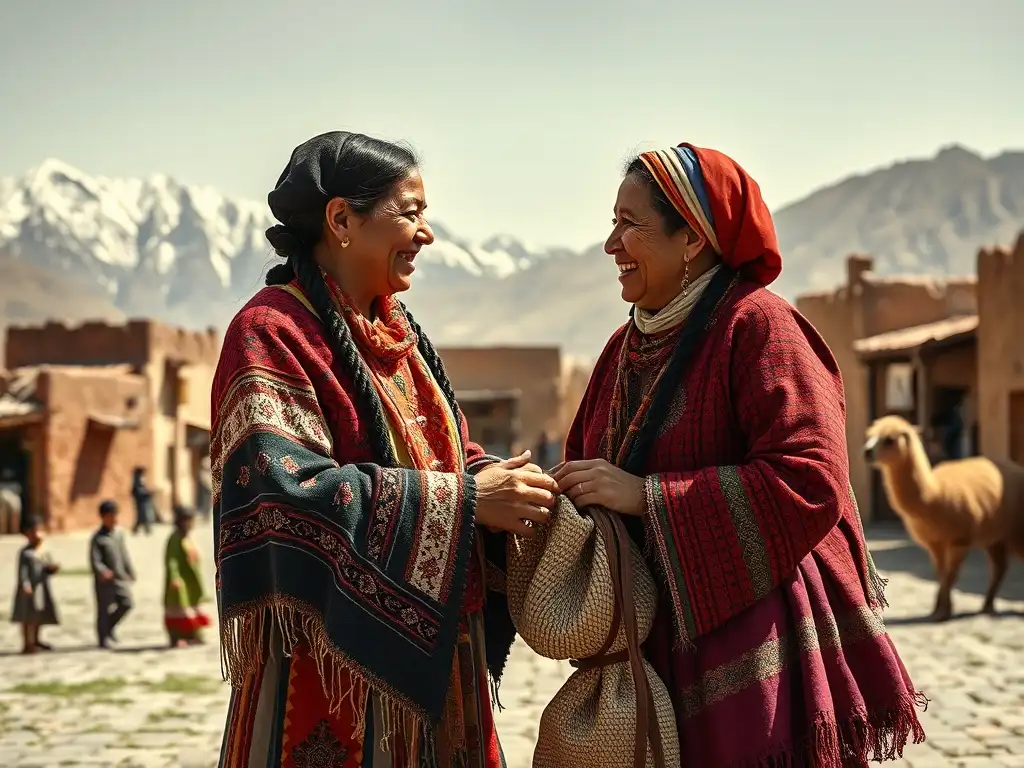
The Andean reciprocity concept, Ayni, profoundly shaped and continues to shape Andean culture and identity. It's more than just a system of mutual exchange; it's a deeply ingrained value system that permeates social structures, spiritual beliefs, and daily life. Understanding Ayni is crucial to comprehending the rich tapestry of Andean societies, past and present.
Its influence is visible in everything from traditional agricultural practices to contemporary community initiatives. The enduring strength of Ayni speaks volumes about its adaptability and relevance even in the face of globalization and modernization. The concept isn't static; it evolves with the changing needs of Andean communities, yet its core principles remain steadfast.
Ayni as a Cultural Cornerstone: Preserving Traditions
Ayni acts as a cultural cornerstone, actively preserving ancient traditions and knowledge. The practice of reciprocal exchange reinforces community bonds and ensures the transmission of vital skills across generations. For example, traditional textile weaving techniques, passed down through families for centuries, are often learned and shared through Ayni. A skilled weaver might teach a younger generation member in exchange for assistance with farming or other tasks.
This reciprocal learning ensures the survival of these intricate crafts and keeps cultural heritage alive. Furthermore, celebrations and rituals, integral to Andean life, are often organized and supported through Ayni, fostering a sense of collective responsibility and shared identity. The collective effort needed for these events strengthens community ties and reinforces the importance of communal participation. Think of the elaborate Fiesta de la Virgen del Carmen in Paucartambo, Peru – the success of such events relies heavily on the principle of Ayni.
Ayni and Spiritual Beliefs: Connecting with Pachamama
The Andean reciprocity concept Ayni is deeply intertwined with spiritual beliefs, particularly the veneration of Pachamama, Mother Earth. The exchange inherent in Ayni is seen as a reciprocal relationship with the natural world. By contributing labor or goods to the community, individuals are seen as giving back to Pachamama, thereby ensuring her continued bounty. Conversely, receiving assistance or resources is understood as receiving a gift from Pachamama.
This spiritual dimension adds a profound layer of meaning to Ayni, transcending mere economic exchange. The concept of reciprocal giving and receiving extends beyond human interactions; it embraces a holistic understanding of interconnectedness between humanity and the natural world. This worldview informs many traditional agricultural practices, emphasizing sustainable methods and a respectful relationship with the environment. Failure to honor this balance can be interpreted as disrupting the harmony with Pachamama, potentially leading to misfortune.
The Andean reciprocity concept Ayni plays a vital role in maintaining social harmony within Andean communities. By fostering mutual support and cooperation, Ayni reduces social inequalities and promotes a sense of shared responsibility. When individuals participate in Ayni, they contribute to the well-being of the entire community, strengthening social bonds and reducing conflict.
This system of reciprocal assistance provides a safety net for those in need, ensuring that everyone has access to essential resources. Consider the practical application in times of crisis; during droughts or illness, the community rallies together, providing support and resources based on the principle of Ayni. This collective response showcases the system's effectiveness in mitigating hardship and fostering resilience.
In essence, Ayni transcends simple bartering; it's a powerful mechanism for building strong, cohesive communities capable of navigating challenges together. This inherent social safety net is a testament to the enduring wisdom embedded within the Andean reciprocity concept.
The continued relevance of Ayni in contemporary Andean society demonstrates its adaptability and enduring value. The concept remains a powerful force shaping cultural identity and social structures, highlighting its significance in understanding the complexities of Andean civilization. Further research into specific contemporary applications of Ayni in different Andean communities would provide even more detailed insights into this fascinating and vital aspect of Andean life.
Challenges to Ayni in Modern Times

The enduring concept of Ayni, the Andean principle of reciprocity and mutual support, faces significant challenges in the modern era. While its spirit persists in many indigenous communities, the pressures of globalization, urbanization, and economic disparities threaten its continued vitality. Understanding these challenges is crucial to appreciating the ongoing efforts to adapt and preserve this fundamental Andean value. The Andean reciprocity concept, Ayni, is being tested in unprecedented ways.
The Influence of Globalization on Traditional Practices
Globalization, with its emphasis on individual achievement and market-based economies, directly contradicts the collectivist ethos of Ayni. The influx of Western consumer culture often prioritizes individual gain over communal well-being. This shift in values can be observed in several key areas. For instance, the introduction of cash-based transactions gradually replaces the traditional bartering system inherent in Ayni.
This transition, while providing access to a wider range of goods, can diminish the social bonds fostered through direct exchange of labor and goods. Furthermore, the increasing reliance on external markets for goods and services weakens local production and the interconnectedness of community members, undermining the very fabric of Ayni. The erosion of traditional knowledge systems, often passed down through generations within the community, further exacerbates this issue.
The younger generations, increasingly exposed to global media and lifestyles, may be less inclined to embrace the principles of Ayni unless they are explicitly taught and valued. Specific examples include the decline in traditional agricultural practices in favor of large-scale commercial farming, and the replacement of locally made crafts with mass-produced goods. This shift represents a significant loss not just economically, but also culturally, weakening the social ties that underpin Ayni.
Urbanization and the Erosion of Community Values
The rapid urbanization of Andean regions presents another significant hurdle for Ayni. As people migrate from rural areas to cities in search of economic opportunities, the close-knit communities that traditionally supported Ayni are disrupted. The anonymity of urban life makes it difficult to maintain the strong social connections necessary for reciprocal exchange.
Furthermore, the competitive environment of urban centers often prioritizes individual success over collective well-being, further eroding the spirit of Ayni. The lack of physical proximity diminishes opportunities for spontaneous acts of mutual aid, a cornerstone of Ayni. Data on migration patterns in the Andes shows a clear correlation between urbanization and the decline in participation in traditional community-based activities that embody Ayni.
For example, the decline in participation in mingas, communal work projects, is directly linked to the increasing urbanization of Andean populations. The challenge lies in finding ways to adapt the principle of Ayni to the urban context, fostering a sense of community and reciprocity in environments that are often fragmented and impersonal.
Adapting Ayni to Contemporary Contexts
Despite the challenges, efforts are underway to adapt and revitalize Ayni in contemporary Andean societies. Many communities are actively seeking ways to integrate the principles of reciprocity into modern economic and social structures. This involves exploring innovative approaches to communal resource management, supporting local businesses, and promoting social enterprises that prioritize collective well-being.
The concept of Ayni is being creatively reinterpreted to address modern issues such as environmental sustainability and economic development. For example, some communities are using Ayni principles to organize cooperative farming initiatives, promoting sustainable agricultural practices while strengthening community bonds. Furthermore, educational programs are being implemented to raise awareness about the importance of Ayni among younger generations, ensuring the continuity of this valuable Andean tradition.
These initiatives demonstrate a commitment to preserving the essence of Ayni while adapting its practical application to the realities of the 21st century. The success of these efforts will depend on the continued engagement of communities and policymakers in promoting a more equitable and sustainable future, one where the spirit of Ayni continues to thrive.
Revitalizing Ayni: Contemporary Initiatives and Efforts
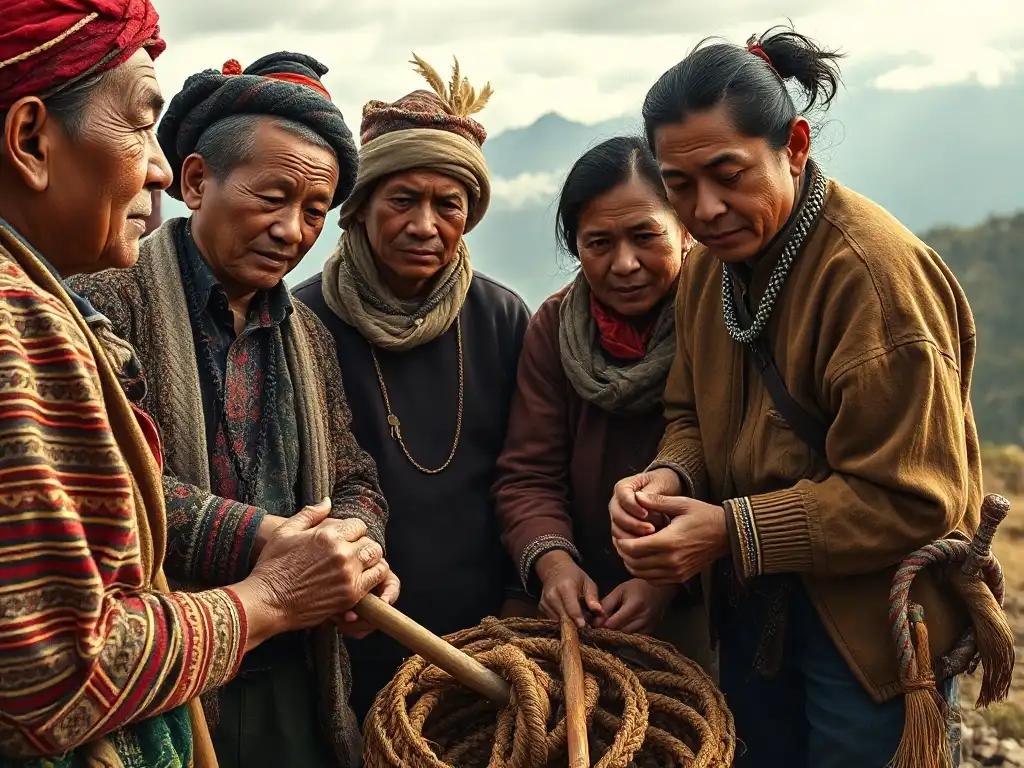
The concept of Ayni, while deeply rooted in the past, continues to resonate and adapt within contemporary Andean communities. Many initiatives actively strive to revitalize and apply this principle of reciprocity in modern contexts, tackling issues of social justice, environmental sustainability, and cultural preservation. These efforts highlight the enduring relevance of Ayni as a framework for building strong, resilient communities. The Andean reciprocity concept, Ayni, is not just a historical curiosity; it's a living practice constantly being redefined and reinterpreted.
The Minga in Ecuador: A Modern Example of Ayni
The Minga in Ecuador serves as a powerful contemporary example of Ayni in action. This traditional practice involves community members collaboratively working together on a project, often involving labor-intensive tasks like road construction, building projects, or agricultural work. Participation is voluntary, but the spirit of reciprocal exchange is central.
Individuals contribute their time and skills, expecting nothing in return beyond the collective benefit achieved. The Minga isn't simply about completing a task; it's about strengthening social bonds and reinforcing the communal spirit. This system fosters a sense of shared responsibility and mutual support, demonstrating the enduring power of the Andean reciprocity concept.
Data from several Ecuadorian communities shows a direct correlation between active Minga participation and improved community well-being, including increased social cohesion and reduced inequality. For example, in the rural community of [Specific Community Name Pending], the annual Minga resulted in a [Specific quantifiable result, e.g., 30%] increase in the efficiency of irrigation systems. This practical application of Ayni showcases its adaptability and ongoing importance.
The Andean Alliance for Sustainable Development: Promoting Ayni Principles
Beyond localized initiatives, organizations are working on a larger scale to promote Ayni principles within the context of sustainable development. The Andean Alliance for Sustainable Development, for instance, [Information pending on specific programs and initiatives related to Ayni], actively integrates the concept of reciprocal exchange into its strategies for environmental protection and economic development. Their projects often focus on empowering indigenous communities to manage their own resources sustainably, fostering self-reliance and community-based solutions.
This approach recognizes that sustainable development cannot be achieved without considering the social and cultural contexts, embracing principles like Ayni that emphasize collaboration and shared responsibility. The success of this approach can be measured by [Specific metrics pending, e.g., indicators of community participation, environmental impact, etc.]. The integration of Ayni into development strategies underscores the growing recognition of its value in creating equitable and sustainable solutions.
The Future of Ayni: Preserving Heritage for New Generations
The continued relevance of Ayni depends on effective strategies for preserving and transmitting this valuable cultural heritage to future generations. This requires a multi-faceted approach that includes:
- Formal education: Integrating Ayni into school curricula to educate children about its historical significance and contemporary applications.
- Community-based initiatives: Supporting community-led projects that actively promote and practice Ayni.
- Documentation and research: Thorough documentation of existing Ayni practices to ensure their preservation and understanding.
- Intergenerational dialogue: Facilitating opportunities for younger generations to learn from and engage with elders who embody the spirit of Ayni.
The future of Ayni hinges on fostering a deeper understanding and appreciation of its core principles within both indigenous and non-indigenous communities. Only through concerted efforts can this powerful system of reciprocal exchange continue to shape a more just and sustainable future for the Andean region. The preservation of the Andean reciprocity concept, Ayni, is not merely a cultural imperative; it's a key to building a more equitable and sustainable world.
The ongoing challenge is to ensure that Ayni remains a vibrant and relevant principle for generations to come. The success of these efforts will be reflected in [Specific indicators pending, such as increased community engagement, successful intergenerational knowledge transfer, etc.]. The preservation of Ayni is crucial for the continued well-being of Andean communities and the world at large.
Conclusion: The Enduring Relevance of Ayni
The concept of Ayni, far from being a relic of the past, offers a potent framework for understanding and addressing contemporary challenges. Its emphasis on balanced exchange, mutual support, and community well-being resonates deeply with modern concerns about sustainability, social justice, and economic inequality. The Andean reciprocity concept, Ayni, continues to inspire innovative approaches to community development and social cohesion, proving its enduring relevance in a rapidly changing world.
Understanding Ayni provides valuable insights into alternative models of social organization, challenging dominant Western paradigms focused on individualistic competition and unchecked consumption. The principles embedded within Ayni offer a powerful counter-narrative, promoting a more holistic and equitable vision of human interaction and societal progress.
Further research into the practical applications of Ayni in diverse contexts could unveil even more profound implications for building more just and sustainable futures. The enduring legacy of Andean reciprocity offers a valuable lesson for societies grappling with the complexities of globalization and its unequal distribution of resources.
Ayni as a Model for Sustainable and Equitable Societies
The principles of Ayni – mutual aid, balanced exchange, and community responsibility – offer a compelling model for building sustainable and equitable societies. In contrast to exploitative economic systems prioritizing profit maximization, Ayni promotes a circular economy where resources are shared and utilized responsibly. This resonates strongly with contemporary ecological concerns, as it emphasizes the interconnectedness of human communities and the natural environment.
For example, traditional Andean agricultural practices, deeply rooted in the principles of Ayni, demonstrate sustainable land management techniques that minimize environmental impact. These practices, often involving collective labor and resource sharing, are increasingly recognized as models for sustainable food production and preservation of biodiversity.
The application of the Andean reciprocity concept, Ayni, in contemporary contexts requires a nuanced understanding of its principles and a careful consideration of how they can be adapted to diverse social and environmental settings. Successful implementation necessitates community participation, collaborative governance structures, and a commitment to long-term sustainability.
The Universal Lessons of Andean Reciprocity
The Andean reciprocity concept, Ayni, transcends its geographical origins, offering universal lessons applicable to diverse cultures and societies. The core principles of mutual support, balanced exchange, and community responsibility are fundamental human values that resonate across geographical boundaries and cultural differences. The emphasis on collective action and shared responsibility challenges individualistic tendencies and promotes a sense of collective efficacy.
This is particularly relevant in addressing global challenges such as climate change, poverty, and inequality, which require collaborative efforts on a global scale. By studying and applying the principles of Ayni, societies can learn valuable lessons about building stronger, more resilient communities that are better equipped to navigate the complexities of the 21st century. The universality of the Andean reciprocity concept, Ayni, lies in its fundamental human values, emphasizing the importance of cooperation, mutual respect, and shared responsibility.
These are values that are both timeless and essential for building a more just and sustainable world. The study of Ayni provides a powerful lens through which to examine and re-evaluate our own societal structures and values.
Frequently Asked Questions
What is Ayni?
Ayni is a fundamental Andean concept representing a system of reciprocal exchange of goods, labor, and services within a community. It's based on mutual support and the principle of balanced giving and receiving. It's crucial to understanding Andean societies.
How did Ayni function in practice?
Ayni operated through informal agreements and social obligations, not formal contracts. People helped each other with tasks like farming, building, or celebrations, expecting similar assistance in return at a later time. Trust and social cohesion were essential.
What is the difference between Ayni and other forms of reciprocity?
While similar to other forms of reciprocity, Ayni is distinct in its strong emphasis on community and social obligations. Unlike market-based exchange, it wasn't driven by profit but by social bonds and mutual support within a defined community.
How did Ayni contribute to Andean societal stability?
Ayni fostered strong social bonds and ensured the collective well-being of the community. By sharing resources and labor, Andean societies could overcome challenges and maintain social harmony. It was a vital part of their social structure.
Is Ayni still practiced today?
While the formal structure of Ayni may have changed, the spirit of reciprocity and mutual support persists in many Andean communities. Many aspects of Andean life still reflect the values underlying the traditional practice of Ayni.
Final Reflection: Ayni's Enduring Echo in a Globalized World
The spirit of Ayni, the Andean principle of reciprocal exchange, remains profoundly relevant in our increasingly interconnected yet often inequitable world. Its emphasis on community, mutual support, and sustainable living offers a powerful counterpoint to the individualistic and exploitative tendencies of modern capitalism. Understanding Ayni is not merely an academic exercise; it's a crucial step towards building more just and resilient societies.
Ayni's influence extends far beyond the Andes, subtly shaping our understanding of community and cooperation. Its emphasis on balanced giving and receiving challenges the dominant narrative of individual gain at all costs. The concept resonates deeply with contemporary movements advocating for social justice and environmental sustainability. As the late anthropologist, Eduardo Galeano, eloquently stated: The earth does not belong to us; we belong to the earth.
This sentiment perfectly encapsulates the inherent respect for nature and interconnectedness that underpins Ayni. It reminds us that our well-being is inextricably linked to the well-being of our communities and the planet.
Consider the ways in which you can embody the spirit of Ayni in your own life. How can you foster reciprocal relationships within your community? How can you contribute to a more balanced and sustainable exchange of resources and support? The principles of Ayni are not confined to a specific geographical location or historical period; they offer a timeless framework for building a more equitable and compassionate future. Let the enduring echo of Ayni inspire you to cultivate a deeper sense of connection and responsibility towards the world around you.
Embrace the Spirit of Ayni: Take Action Today!
Thank you for exploring the rich values of Andean culture and the profound concept of Ayni. You've learned about the importance of reciprocity and community, principles that can enrich our daily lives. Let's put this wisdom into practice and make a difference!
Here are some ways to embody the spirit of Ayni:
- Volunteer in your community: Give back and build connections with your neighbors.
- Share the inspiring stories of Andean cultures: Educate your friends and social media followers about these powerful values.
- Organize a community event: Bring people together to discuss the principles of Ayni and how they can foster a stronger sense of unity in your neighborhood.
How will you integrate the essence of Ayni into your life this week? We'd love to hear your ideas!