
Aymara Calendar System: The Cycles of Time


Unravel the mysteries of the Andes! Journey through time and discover the breathtaking ingenuity of ancient Andean civilizations. From the towering heights of Machu Picchu to the intricate artistry of the Nazca Lines, their legacy continues to captivate. But have you ever considered the sophisticated Aymara calendar system? Its history holds the key to understanding their profound connection to the cosmos – a connection far more complex than you might imagine. Prepare to be amazed as we delve into the fascinating cycles of time encoded within this ancient system.
- Aymara Calendar System History: Understanding the Cycles of Time
- Key Components of the Aymara Calendar
- Aymara Agricultural Calendar and its Importance
- Aymara Rituals and Ceremonies Linked to the Calendar
- The Aymara Calendar Today: Preservation and Modern Uses
- Comparison of Aymara Calendar to Other Andean Calendars
- Deciphering the Aymara Calendar: Challenges and Interpretations
- Frequently Asked Questions
- Final Reflection: Weaving the Threads of Time: The Enduring Legacy of the Aymara Calendar
- Unlock the Secrets of Aymara Time!
Aymara Calendar System History: Understanding the Cycles of Time
The Aymara people, inhabiting the Andes Mountains for millennia, developed a sophisticated calendar system deeply intertwined with their cosmology, agriculture, and social organization. Unlike the linear perception of time prevalent in many Western cultures, the Aymara calendar reflects a cyclical understanding of time, intimately connected to the rhythms of nature and the Andean landscape. This article delves into the history of the Aymara calendar system, exploring its origins, development, and enduring significance in Andean life.
Understanding this system provides invaluable insight into the Aymara worldview and their remarkable adaptation to the challenging Andean environment. We will examine the historical context, the intricate details of their timekeeping methods, and the profound impact this calendar had – and continues to have – on Aymara society and culture.
This exploration will reveal how the Aymara calendar system is not merely a system of dating events, but a fundamental aspect of their cultural identity and spiritual beliefs, reflecting a profound connection to the land and the cosmos. The keyword "Aymara calendar system history" will be explored throughout, offering a comprehensive understanding of this fascinating aspect of Andean civilization.
The Historical Context of the Aymara Calendar
The Aymara calendar's historical context is inseparable from the broader history of the Andean region. The Aymara, along with other Andean cultures, developed sophisticated agricultural practices adapted to the high-altitude environment. Their calendar system directly supported these practices, providing crucial information for planting, harvesting, and other agricultural activities.
Evidence suggests a continuous development of the calendar system over centuries, influenced by astronomical observations and practical needs. The Inca Empire, while having its own calendar, undoubtedly interacted with and possibly influenced aspects of the Aymara system, although the Aymara retained their distinct methods of timekeeping. The Spanish conquest significantly disrupted many aspects of Aymara life, including their traditional calendar, yet its core principles persisted through oral traditions and continued agricultural practices.
Understanding this historical context is crucial to appreciating the resilience and adaptability of the Aymara calendar system. Further research is needed to fully understand the intricate details of its evolution, particularly regarding pre-Inca influences and the extent of Inca interaction. The surviving evidence points to a deeply rooted and adaptable system that has shown remarkable longevity.
Origins and Development of Aymara Timekeeping
The origins of the Aymara calendar remain partially shrouded in mystery, with much of the knowledge transmitted orally through generations. However, archaeological findings and ethnographic studies provide valuable clues. The Aymara calendar is not based on a single, fixed system but incorporates multiple interwoven cycles reflecting astronomical observations.
These cycles include the solar year, lunar months, and a complex system of agricultural markers tied to specific constellations and celestial events. The Aymara utilized sophisticated techniques for observing the sun, moon, and stars, using natural markers in the landscape to track their movements. This intricate system allowed them to accurately predict seasonal changes, crucial for their agricultural practices.
They also incorporated a unique system of reckoning time, often expressed in terms of "pacas" (bundles of time) and other temporal units, reflecting their cyclical perception of time. The specific details of these units and their interrelationships require further investigation, but existing research indicates a sophisticated and nuanced understanding of time. The system's development likely involved a gradual process of refinement over centuries, adapting to changing conditions and incorporating new knowledge.
The Significance of the Aymara Calendar in Andean Life
The Aymara calendar was not merely a practical tool for agriculture; it was deeply embedded in their social, religious, and spiritual life. It structured their agricultural cycle, dictating planting and harvesting times, and influenced their social gatherings and rituals. Specific celestial events were associated with important festivals and ceremonies, reflecting the Aymara's profound connection to the cosmos.
The calendar played a significant role in their social organization, influencing community work and resource management. It provided a framework for understanding their place within the natural world and their relationship with the divine. Even today, despite centuries of cultural disruption, elements of the Aymara calendar persist, demonstrating its enduring relevance to Aymara identity and culture.
The continued use of traditional knowledge about celestial cycles highlights the system's resilience and its continued importance in maintaining their cultural heritage. The Aymara calendar stands as a testament to the ingenuity and deep understanding of the natural world possessed by this remarkable Andean civilization. Further study is needed to fully document and preserve this vital aspect of Aymara culture.
Key Components of the Aymara Calendar
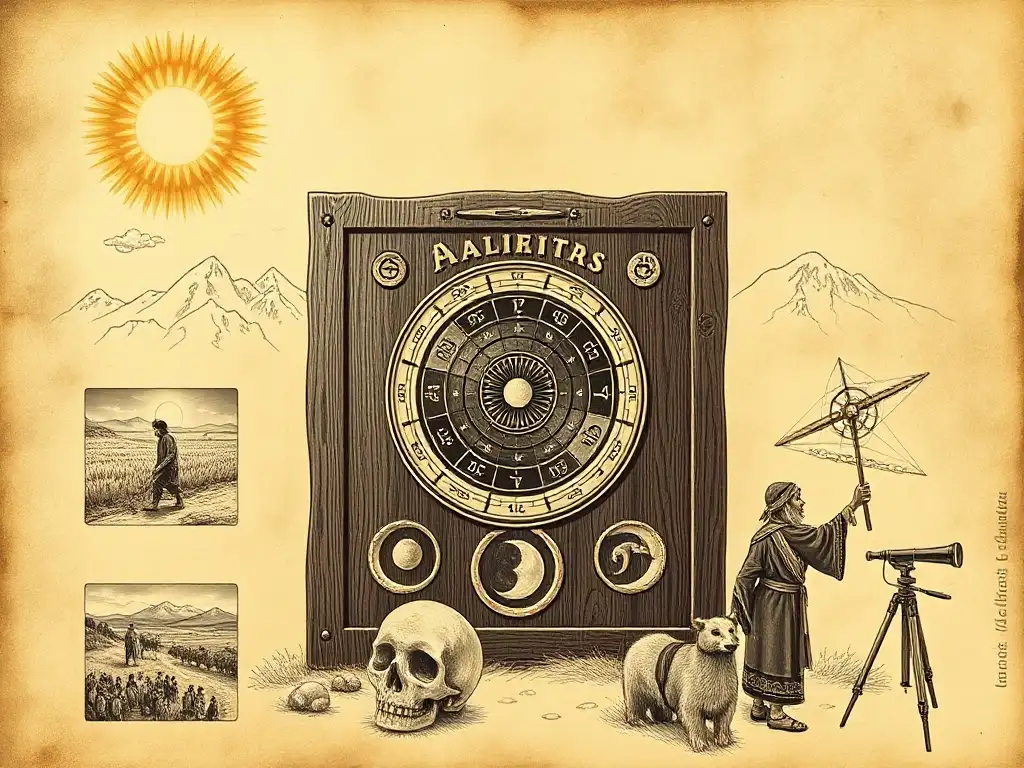
The Aymara calendar system, a testament to the sophisticated astronomical knowledge of the Andean people, is not a monolithic entity but rather a complex interplay of celestial observations and practical agricultural needs. Unlike the Gregorian calendar, which is predominantly solar-based, the Aymara system integrates solar and lunar cycles, creating a unique framework for understanding the passage of time. This intricate system was crucial for regulating agricultural practices, religious ceremonies, and social organization within Aymara communities.
Understanding its key components reveals a deep connection between the Aymara people and their environment, highlighting their remarkable ability to interpret and utilize celestial phenomena. The system's history, deeply rooted in oral traditions and archaeological findings, continues to fascinate researchers and offer valuable insights into the Aymara worldview.
The enduring relevance of the Aymara calendar system in modern times also speaks to its resilience and continued importance within Aymara culture. This section will delve into the main components of this fascinating system, exploring its lunar and solar aspects and the role of constellations in timekeeping.
Aymara Lunar Cycles: Tracking the Moon's Phases
The Aymara calendar system intricately incorporates lunar cycles, tracking the phases of the moon with remarkable precision. The lunar month, approximately 29.5 days long, forms a fundamental building block of the Aymara timekeeping system. Observations of the moon's phases were not merely astronomical exercises; they held significant practical implications.
For example, the cyclical changes in the moon's illumination were closely correlated with agricultural activities, influencing planting and harvesting schedules. Specific lunar phases were associated with auspicious or inauspicious times for various activities, impacting everything from planting crops to conducting ceremonies. Furthermore, the lunar calendar likely played a vital role in regulating social events and community gatherings.
While precise details of the methods used to track the lunar cycle are still being researched, evidence suggests that the Aymara people developed sophisticated techniques for making accurate lunar observations. This included potentially using simple instruments or relying on long-term observational knowledge passed down through generations. The importance of the moon in the Aymara worldview is reflected in their rich mythology and oral traditions, which often feature the moon as a significant celestial body.
The Solar Year in the Aymara Calendar
The solar year, approximately 365 days, plays a crucial role alongside the lunar cycle in the Aymara calendar system. The Aymara people meticulously tracked the sun's movement throughout the year, observing solstices and equinoxes to mark significant seasonal changes. These observations were fundamental for agricultural planning, determining optimal times for planting and harvesting.
The solar year was likely divided into various seasons, each associated with specific agricultural tasks and cultural practices. The precision of their solar observations is evident in the alignment of some archaeological sites with specific solar events, suggesting a sophisticated understanding of solar cycles. Furthermore, the Aymara calendar system likely incorporated mechanisms to account for the discrepancy between the solar and lunar years, ensuring the calendar remained synchronized with the seasons over the long term.
This could have involved the intercalation of extra days or months to reconcile the slightly shorter lunar year with the solar year. The precise methods used remain a subject of ongoing research, but the system's overall effectiveness is undeniable, evidenced by its long-term use within Aymara communities.
Aymara Constellations and their Role in Time Measurement
Beyond the sun and moon, the Aymara calendar system integrated observations of constellations and stars. The Aymara people identified specific constellations and star patterns, associating them with different times of the year and agricultural cycles. These celestial formations served as markers to guide agricultural practices and predict seasonal changes.
Unlike many Western constellations, Aymara constellations often reflected their unique cultural and environmental context, featuring animals and figures significant to their mythology and daily life. The precise identification and interpretation of Aymara constellations is an ongoing area of research, with scholars carefully analyzing oral traditions and archaeological evidence to piece together a complete picture. The role of constellations in the Aymara calendar system highlights the comprehensive nature of their astronomical knowledge, demonstrating a deep understanding of the celestial sphere and its relationship to earthly events.
The use of constellations further emphasizes the integration of astronomy with practical agriculture and spiritual beliefs within Aymara society. The study of Aymara constellations provides a fascinating window into their cosmology and worldview, offering valuable insights into their cultural heritage.
Aymara Agricultural Calendar and its Importance

The Aymara calendar system, deeply intertwined with their agricultural practices, reflects a sophisticated understanding of Andean ecology and celestial cycles. Unlike the Gregorian calendar, the Aymara system isn't solely based on solar cycles; it incorporates lunar phases, star constellations, and precise observations of the environment to dictate optimal planting and harvesting times. This intricate system, passed down through generations, ensured the survival and prosperity of Aymara communities for centuries.
Understanding its intricacies reveals a profound connection between the Aymara people and their land, highlighting their remarkable adaptation to the challenging Andean environment. The Aymara calendar system history is thus inseparable from the history of Aymara agricultural practices and their resilience. This section will delve into the specifics of how the calendar influenced agricultural decisions.
Planting and Harvesting Cycles According to the Aymara Calendar
The Aymara calendar is not a single, monolithic system; variations exist across different communities and microclimates within the Andes. However, a common thread is the close observation of nature's cues. The planting season, for example, is often determined by the appearance of specific constellations, such as the Pleiades (known as Colca in Aymara), and the rainy season's onset. Different crops have different optimal planting times, dictated by the Aymara calendar's intricate system.
Potatoes, a staple crop, are usually planted after the first significant rains, a time carefully observed and predicted through years of accumulated knowledge. The harvest, similarly, is not determined by a fixed date but by the maturity of the crop, assessed through careful observation and experience passed down through generations. This system ensured that crops were planted and harvested at the most opportune times, maximizing yields and minimizing risks associated with unpredictable weather patterns.
The Aymara calendar also incorporates lunar cycles. The phases of the moon are believed to influence plant growth and are often considered when choosing auspicious days for planting and other agricultural activities. Some Aymara communities believe that planting during specific lunar phases promotes better growth and higher yields. This intricate interplay of solar and lunar observations exemplifies the nuanced understanding of agricultural timing within the Aymara calendar system. The precision of these observations is a testament to the Aymara people's deep connection with their environment and their ability to interpret subtle environmental cues.
Aymara Agricultural Practices and Time-Based Decisions
Beyond planting and harvesting, the Aymara calendar informed a wide range of agricultural practices. Irrigation schedules, for instance, were often aligned with the calendar's predictions of rainfall patterns. The system allowed for efficient water management, crucial in the arid Andean highlands. The timing of livestock grazing and animal husbandry practices was also influenced by the calendar, ensuring that animals had access to optimal pasture and minimizing the risks of disease or loss. Furthermore, the preparation of the land, including soil fertilization and weed control, was often synchronized with the calendar's cycles, optimizing the overall productivity of the agricultural system.
The Aymara calendar system wasn't merely a tool for scheduling; it was a crucial component of their worldview. Agricultural activities were not just economic endeavors; they were deeply spiritual practices, connected to the rhythms of nature and the cosmos. The calendar provided a framework for understanding these connections, fostering a harmonious relationship between the Aymara people and their environment. This holistic approach to agriculture ensured the sustainability of their practices and the resilience of their communities over centuries. The deep integration of their calendar into everyday life speaks volumes about its importance to the Aymara people.
The Connection Between the Aymara Calendar and Andean Agriculture
The Aymara calendar system's success is inextricably linked to its adaptation to the unique challenges of Andean agriculture. The high altitude, variable rainfall patterns, and steep terrain demanded a sophisticated understanding of environmental factors. The calendar provided this understanding, offering a framework for predicting weather patterns, optimizing resource allocation, and maximizing agricultural yields. This intricate knowledge allowed the Aymara to cultivate a diverse range of crops, ensuring food security even in the face of climatic variability.
The Aymara calendar system represents a remarkable example of indigenous knowledge systems. Its detailed observation of celestial events, coupled with a keen understanding of local ecology, allowed for the sustainable management of resources and the successful cultivation of crops in a challenging environment. The system's longevity testifies to its effectiveness and the enduring wisdom of the Aymara people.
Further research into specific Aymara communities and their unique calendar variations is needed to fully appreciate the richness and complexity of this invaluable cultural heritage. The study of the Aymara calendar system history offers valuable insights into the ingenuity and resilience of Andean civilizations. It serves as a powerful reminder of the importance of preserving and understanding indigenous knowledge systems.
Aymara Rituals and Ceremonies Linked to the Calendar
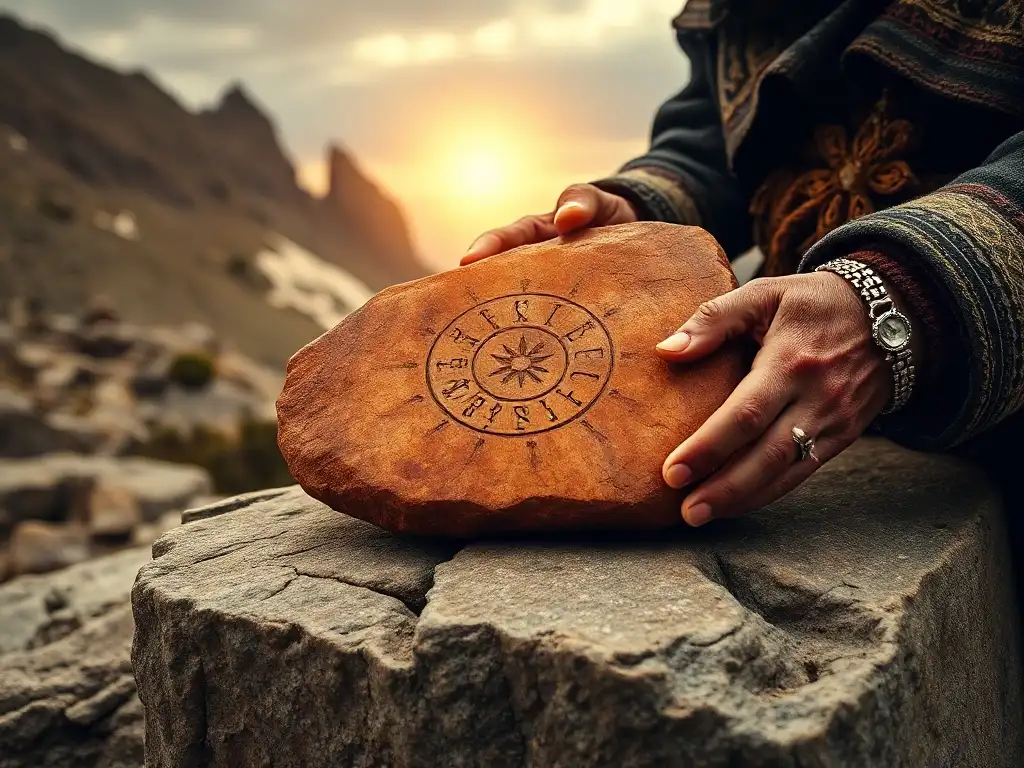
The Aymara calendar system, deeply intertwined with their worldview and spirituality, dictates the timing of numerous rituals and ceremonies. These aren't merely social events; they are integral to maintaining the balance of the cosmos and ensuring the prosperity of the community. The precise dates and practices vary across different Aymara communities, reflecting the rich diversity of their traditions. However, a common thread weaves through them all: the profound connection between the celestial cycles and the earthly life of the Aymara people. Understanding this connection is key to appreciating the significance of the Aymara calendar system history.
Aymara Festivals and Celebrations Based on the Calendar
Many Aymara festivals and celebrations are directly linked to agricultural cycles and astronomical events. For example, the Fiesta de la Virgen de la Candelaria (Feast of the Virgin of Candelaria), though a Catholic celebration, has been deeply integrated into Aymara culture, often coinciding with crucial agricultural moments and marking the beginning of the planting season. The timing reflects the careful observation of the sun's position and the changing seasons, a testament to the enduring influence of the Aymara calendar system on contemporary life.
Other festivals, less influenced by external religions, directly celebrate the solstices and equinoxes, marking the turning points in the agricultural year with elaborate ceremonies and offerings. This intricate interplay between traditional beliefs and religious adaptations demonstrates the calendar's enduring influence. Detailed records of specific dates and associated rituals are, unfortunately, [specific information pending], necessitating further research into local Aymara communities.
The Role of the Aymara Calendar in Religious Observances
The Aymara calendar isn't simply a tool for tracking time; it's a fundamental component of their religious practices. Religious observances are carefully timed to align with specific periods within the calendar, often involving offerings to the apus (mountain spirits) and achas (water spirits). These offerings, typically consisting of coca leaves, alcohol, and food, are believed to maintain harmony between the human and spiritual worlds.
The Aymara calendar system history is thus inseparable from their religious beliefs, with the calendar acting as a guide for navigating the spiritual landscape. The precise nature of these offerings and ceremonies varies greatly depending on the specific Aymara community and the time of year, highlighting the diversity within this rich cultural tradition. Further research is needed to fully document the range of religious practices associated with different periods in the Aymara calendar.
Aymara Traditional Practices and Their Temporal Alignment
Beyond festivals and religious observances, numerous traditional Aymara practices are carefully aligned with the calendar. Agricultural activities, such as planting, harvesting, and animal husbandry, are meticulously timed according to the calendar’s dictates. This precise timing, passed down through generations, reflects an intimate understanding of the environment and its rhythms.
For instance, the planting of specific crops is often linked to specific constellations or phases of the moon, believed to influence the growth and yield. Similarly, certain medicinal practices and healing rituals are performed at specific times considered auspicious according to the Aymara calendar system, emphasizing its holistic role in Aymara life.
The intricate relationship between the Aymara calendar and their daily practices demonstrates a profound connection between time, nature, and spiritual well-being, highlighting the enduring legacy of the Aymara calendar system history. Documentation of these practices often relies on oral histories and requires further investigation to capture the full extent of their temporal alignment.
The Aymara Calendar Today: Preservation and Modern Uses
The Aymara calendar system, a sophisticated method of tracking time deeply rooted in Andean cosmology and agricultural practices, continues to hold significance in contemporary Aymara communities. While the influence of the Gregorian calendar is undeniable, the traditional Aymara system persists, demonstrating its enduring relevance and adaptability. Its survival isn't merely a historical curiosity; it's a testament to the vitality of Aymara culture and its ongoing connection to the land. Understanding its current usage provides crucial insight into the system's resilience and the challenges it faces in the modern world.
Contemporary Use of the Aymara Calendar in Andean Communities
The Aymara calendar isn't simply a relic of the past; it remains a practical tool in many Andean communities. Farmers still rely on its cycles to determine optimal planting and harvesting times, aligning their agricultural activities with the natural rhythms of the Andes. This connection between the calendar and agricultural practices underscores its enduring importance for food security and economic sustainability.
For example, the precise timing of the chaccu, a traditional communal hunt, is often determined using the Aymara calendar, demonstrating its role in community organization and resource management. The calendar's intricate system of predicting weather patterns, based on celestial observations and traditional knowledge, also continues to influence daily life decisions. The knowledge is passed down through generations, often within families and communities, ensuring its continuity.
The use of the Aymara calendar is not limited to purely agricultural contexts. Many Aymara communities also incorporate its cycles into their social and religious practices, using it to mark significant events and festivals. These events, often tied to the agricultural calendar, serve to strengthen community bonds and transmit cultural knowledge. The calendar’s integration into these various facets of Aymara life highlights its central role in shaping their worldview and social structures. This continued, multifaceted usage indicates a vibrant and living tradition, defying simple categorization as a mere historical artifact.
Efforts to Maintain and Revitalize Aymara Timekeeping Traditions
Despite its enduring presence, the Aymara calendar system faces modern challenges. The increasing influence of Western timekeeping systems, coupled with the pressures of globalization and urbanization, threatens to erode traditional knowledge and practices. However, significant efforts are underway to preserve and revitalize this vital aspect of Aymara cultural heritage.
These efforts involve a multifaceted approach: community-based initiatives focus on educating younger generations about the calendar's significance and practical applications. Educational programs, often led by elders and traditional knowledge holders, aim to bridge the gap between the Aymara calendar and modern understandings of time. Furthermore, academic research plays a crucial role in documenting and analyzing the calendar system, ensuring its accurate preservation and accessibility for future generations.
This collaboration between communities and researchers is essential for the long-term survival of the Aymara calendar system. The documentation and dissemination of this knowledge, through various mediums, serves to ensure that the rich history of Aymara timekeeping is not lost.
The Aymara Calendar as a Living Cultural Heritage
The Aymara calendar system is more than just a method of measuring time; it's a powerful symbol of cultural identity and resilience. Its continued use in contemporary Aymara society underscores its profound significance as a living cultural heritage. Its survival, despite the challenges posed by globalization and modernization, showcases the tenacity of Aymara traditions and their enduring relevance in the 21st century.
The calendar serves as a potent reminder of the interconnectedness between humans and the natural world, reflecting a deep understanding of ecological rhythms and cyclical processes. Preserving and promoting this unique system is not only a matter of safeguarding historical knowledge but also of fostering cultural diversity and recognizing the invaluable contributions of indigenous communities to our shared understanding of time and the cosmos.
The Aymara calendar system stands as a vibrant testament to the enduring power of cultural heritage and its ongoing relevance in a rapidly changing world. Its continued existence is a source of pride for the Aymara people and a valuable resource for understanding the rich tapestry of Andean civilizations.
Comparison of Aymara Calendar to Other Andean Calendars
Similarities and Differences with Inca Timekeeping Systems
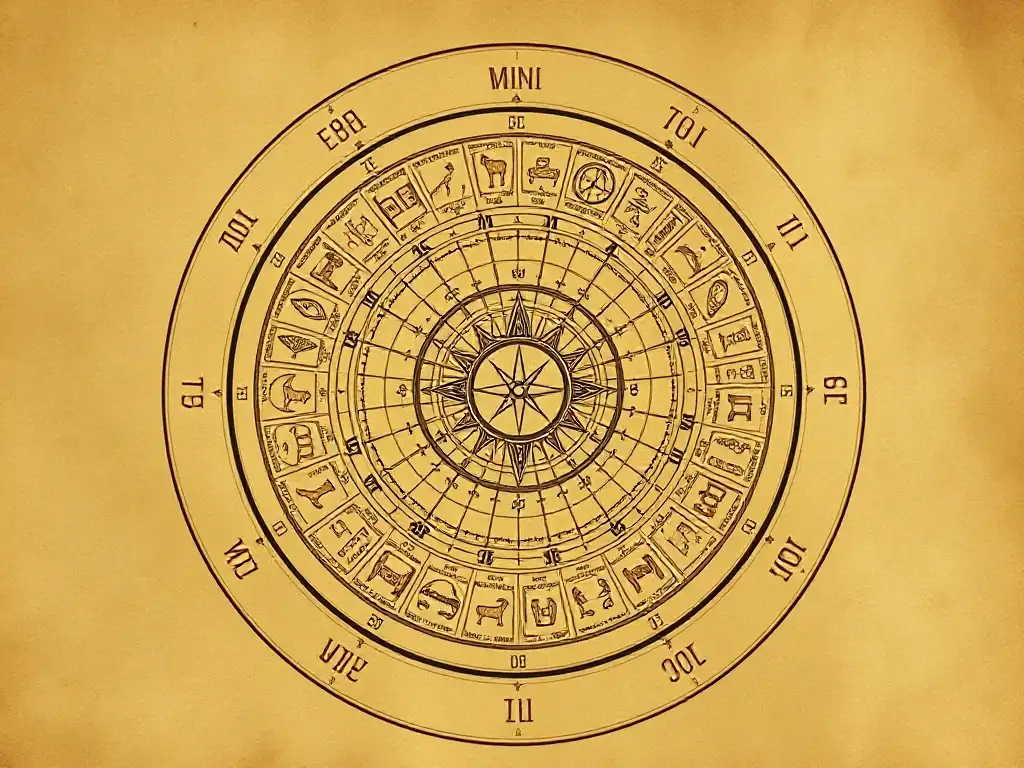
The Aymara calendar system, while unique, shares some intriguing similarities and stark differences with the Inca quipu-based system. Both systems relied heavily on observation of celestial events, particularly the sun and stars, to mark the passage of time. However, the Inca system, as evidenced by the intricate knots and colors of the quipus, appears to have been more centralized and potentially more precise in its record-keeping, possibly tracking agricultural cycles, population data, and even historical events with greater detail than currently understood regarding the Aymara system.
The Aymara system, on the other hand, seems to have been more decentralized, with local variations and interpretations potentially influencing its practical application. While the Inca system focused on a decimal structure, reflected in their base-10 numeral system, the Aymara system incorporated a more complex interplay of cyclical timekeeping, incorporating a combination of solar and lunar cycles, creating a unique temporal framework. Further research is needed to fully understand the precise methods of calculation and the specific astronomical events that informed both systems.
We need more detailed analysis of surviving Aymara artifacts and oral traditions to fully clarify the extent of their similarities and differences. One key difference lies in the surviving documentation; the quipus provide a tangible record of the Inca system, while the Aymara system's knowledge largely relies on oral history and anthropological studies, making direct comparison challenging. The Inca calendar's focus on imperial administration contrasts with the Aymara calendar's seemingly closer ties to agricultural practices and community life.
Contrasting Aymara Time Concepts with Quechua Cultures
While both Aymara and Quechua cultures inhabited the Andes and developed sophisticated calendar systems, significant differences exist in their conceptualization of time. Quechua calendars, particularly those associated with the Inca empire, often emphasized a linear progression of time, reflecting the empire's hierarchical structure and centralized administration. The Aymara calendar, in contrast, shows a stronger emphasis on cyclical time, with a focus on recurring agricultural cycles and natural rhythms. This cyclical view likely reflects the Aymara's strong connection to the land and their decentralized social structure.
The Quechua concept of pacha, encompassing time, space, and the cosmos, while also present in Aymara cosmology, seems to be interpreted and operationalized differently. For Quechua, pacha often reflects a hierarchical order, with the Inca emperor holding a key position in maintaining cosmic balance. Aymara conceptions, however, appear to be more focused on the interconnectedness of all living things within a cyclical, regenerative framework.
More research is needed to understand the nuanced interplay of cosmological beliefs and their influence on the practical application of both calendar systems. The linguistic differences between Aymara and Quechua also likely contributed to the distinct ways in which they conceptualized and measured time, reflecting diverse cultural interpretations. The available data suggests a fundamental difference in the emphasis placed on linear versus cyclical time, profoundly shaping the practical application and societal significance of each calendar system.
Unique Aspects of the Aymara Calendar within the Andean Context
The Aymara calendar distinguishes itself from other Andean calendar systems through several unique aspects. First, its deep integration with agricultural practices is particularly pronounced. The calendar's cycles directly reflect the planting, growing, and harvesting seasons, demonstrating a profound understanding of the local environment and its rhythms. Unlike some other systems that might incorporate broader imperial concerns, the Aymara calendar's focus remains heavily localized, reflecting the community's relationship with its immediate surroundings.
Secondly, the incorporation of both solar and lunar cycles, along with other celestial observations, creates a complex system that requires specialized knowledge for accurate interpretation. This suggests a high level of astronomical sophistication within Aymara communities. Thirdly, the oral tradition plays a crucial role in transmitting knowledge of the Aymara calendar across generations. Unlike the Inca quipus, which offer a physical record, the Aymara system relies heavily on the continued transmission of knowledge through storytelling and community practices.
This oral transmission has made the reconstruction of the system a complex task for modern researchers, requiring careful analysis of contemporary practices and ethnographic accounts. Finally, the Aymara calendar's enduring presence in contemporary Aymara communities highlights its continued relevance and cultural significance. Its ongoing use demonstrates its adaptability and resilience, reflecting its deep integration into the fabric of Aymara society and its continued importance in shaping their worldview and daily lives. The Aymara calendar system, therefore, represents a unique and valuable contribution to our understanding of Andean timekeeping, offering insights into the sophisticated astronomical knowledge and cultural practices of this remarkable civilization.
Deciphering the Aymara Calendar: Challenges and Interpretations
The Aymara calendar system, a fascinating blend of astronomical observation and intricate societal structures, presents significant challenges to modern researchers. Unlike many other ancient calendars with readily decipherable inscriptions or extensive written records, the Aymara system relies heavily on oral traditions, passed down through generations of yatiri (shamans) and community elders. This oral transmission, while rich in cultural significance, makes accurate reconstruction and interpretation difficult.
The lack of standardized written documentation means that variations exist across different Aymara communities, further complicating the process of creating a unified understanding of their timekeeping methods. Furthermore, the integration of the Aymara calendar with their unique cosmology and worldview presents another layer of complexity. Understanding the symbolism embedded within the calendar requires a deep understanding of Aymara spiritual beliefs and practices, a task that requires extensive ethnographic research and collaboration with Aymara communities themselves.
The very act of deciphering the system thus becomes a process of cultural translation, demanding sensitivity and respect for the living traditions it represents. The quest to fully understand the Aymara calendar system is, therefore, not merely a historical exercise but also an ongoing dialogue with a vibrant and enduring culture.
Understanding the Complexity of Aymara Time Measurements
The Aymara perception of time differs significantly from the linear Western concept. Instead of a singular, continuous timeline, the Aymara calendar incorporates multiple interwoven cycles reflecting the natural world. These cycles include the solar year, the lunar month, and agricultural cycles intimately tied to the Andean climate.
The most prominent of these is the Aymara solar year, which is divided into twelve months, each associated with specific agricultural activities and astronomical events. However, the precise lengths of these months and the methods used to track them remain subjects of ongoing investigation. Some scholars suggest the use of knotted cords, known as quipus, for recording temporal data, while others highlight the importance of celestial observations, such as solstices and equinoxes, as key markers within the Aymara calendar system.
The integration of these astronomical observations with agricultural practices underscores the deeply practical nature of the Aymara calendar—a tool not just for tracking time, but for managing and predicting harvests crucial for the survival of the community. The system also incorporates smaller cycles, including weekly and daily rhythms, further highlighting the multifaceted approach to time measurement characteristic of this civilization. Unlike the rigid structure of many other calendars, the Aymara system shows a remarkable flexibility, adapting to the nuances of the Andean environment and the needs of its people.
The Role of Elders in Interpreting the Aymara Calendar
The preservation and interpretation of the Aymara calendar system are inextricably linked to the role of community elders and yatiri. These individuals serve as custodians of ancestral knowledge, transmitting the intricate details of the calendar through oral traditions, rituals, and ceremonies. Their understanding extends beyond mere chronology; it encompasses a deep comprehension of the cosmological significance of the calendar and its relationship to the spiritual world.
Elders play a crucial role in determining auspicious dates for agricultural activities, religious festivals, and other community events. Their expertise is not simply based on rote memorization but on a profound connection to the natural world and a nuanced understanding of the cycles that govern life in the Andes. The process of learning the calendar is not a passive one; it involves years of apprenticeship, during which younger generations are immersed in the traditions and practices associated with Aymara timekeeping.
This transmission of knowledge is not just about dates and cycles; it's about preserving a worldview and a way of life deeply intertwined with the rhythms of the Andean landscape. Their role is therefore vital for the continued understanding and preservation of this unique cultural heritage. Respecting their knowledge and expertise is fundamental to any serious study of the Aymara calendar.
Ongoing Research and Discoveries about Aymara Time Systems
Research into the Aymara calendar system is a vibrant and evolving field. Recent studies have incorporated new methodologies, including ethnographic fieldwork, linguistic analysis, and archaeological investigations, to gain a deeper understanding of Aymara timekeeping practices. Archaeological excavations have uncovered potential evidence of astronomical observatories and other structures that may have been used for calendar-related purposes.
Ethnographic studies focusing on contemporary Aymara communities have provided valuable insights into the living traditions associated with the calendar, revealing variations and adaptations across different regions. Linguistic analysis of Aymara vocabulary related to time and celestial phenomena has helped to shed light on the conceptual framework underlying the calendar. Despite these advances, many questions remain unanswered.
The exact methods used to correlate solar and lunar cycles, the precise astronomical observations employed, and the full extent of the calendar's integration with Aymara cosmology are all areas requiring further investigation. The ongoing research underscores the richness and complexity of this system, highlighting the importance of interdisciplinary approaches and ongoing collaboration with Aymara communities to fully unveil the secrets of their unique approach to time. The future of this research promises to provide further insights into the fascinating relationship between culture, cosmology, and the measurement of time in the Andes.
Frequently Asked Questions
What is the Aymara calendar system?
The Aymara calendar system is a unique system of timekeeping developed by the Aymara people of the Andes. Unlike the Gregorian calendar, it's based on agricultural cycles and astronomical observations, reflecting their close relationship with the environment. It's not a single, unified system, but rather a collection of related practices.
How does the Aymara calendar differ from the Gregorian calendar?
The Aymara calendar is solar-lunar, incorporating both the sun and moon's movements, unlike the purely solar Gregorian calendar. It also emphasizes seasonal changes and agricultural events, marking specific times for planting and harvesting. Religious and ritualistic cycles are deeply interwoven.
What is the significance of the Aymara calendar's cycles?
The cycles within the Aymara calendar are crucial for agricultural planning and community organization. They dictate when to plant and harvest crops, aligning with the natural rhythms of the Andes. These cycles also structure many aspects of their social and religious life.
What astronomical knowledge underlies the Aymara calendar?
The Aymara calendar demonstrates a sophisticated understanding of celestial movements. Observations of the sun, moon, and stars were used to predict seasonal changes with remarkable accuracy. This astronomical knowledge was essential for their survival and prosperity in the challenging Andean environment.
How is the Aymara calendar system still relevant today?
Though largely overshadowed by the Gregorian calendar, the Aymara calendar continues to be practiced and valued by many Aymara communities. It remains a vital part of their cultural identity and spiritual beliefs, connecting them to their ancestral past and the land.
Final Reflection: Weaving the Threads of Time: The Enduring Legacy of the Aymara Calendar
The Aymara calendar system, far from being a relic of the past, offers a powerful lens through which to understand our relationship with time itself and the intricate connection between humanity and the natural world. Its sophisticated understanding of celestial cycles and agricultural rhythms remains strikingly relevant in a world grappling with climate change and the urgent need for sustainable practices. The enduring wisdom embedded within this ancient system holds profound lessons for our modern society.
The Aymara calendar's influence extends far beyond its historical context. Its cyclical view of time, emphasizing harmony with nature's rhythms, stands in stark contrast to the linear progression often imposed by Western calendars. Time is not linear, but cyclical. It is a continuous flow, a river that always returns to its source.
This perspective offers a valuable alternative, reminding us of the interconnectedness of all things and the importance of respecting the natural world's delicate balance. Understanding this system deepens our appreciation for the diverse ways humans have interacted with and interpreted the passage of time throughout history.
Consider the profound implications of this ancient knowledge. How might embracing a more cyclical understanding of time, as exemplified by the Aymara calendar, influence your own life? Perhaps it's time to reconsider our relentless pursuit of linear progress and instead cultivate a deeper appreciation for the cyclical nature of life, death, and renewal. Let the wisdom of the Aymara people inspire you to find harmony within the rhythms of nature and to build a more sustainable and interconnected future. Embrace the cycles, and find your place within the ever-turning wheel of time.
Unlock the Secrets of Aymara Time!
Thank you for exploring the fascinating Aymara calendar system! You've discovered how deeply interwoven time and culture can be, shaping not only beliefs but also daily life. Now, let's delve even deeper.
Here are some ways to continue your journey:
- **Connect with the Aymara community:** Reach out to local groups or online forums to learn firsthand about their traditions and unique perspective on time.
- **Track your own rhythms:** Begin a journal or digital log to record your personal cycles—seasonal changes, recurring habits, or daily routines—considering the insights you've gained.
- **Share your discoveries:** Spread the word! Discuss this unique perspective on time with friends and family, or share this article on social media to spark a wider conversation.
Which aspect of the Aymara calendar resonates most with you, and how might it reshape your own understanding of time's passage?