
Nazca Lines: Did They Serve as a Giant Calendar?

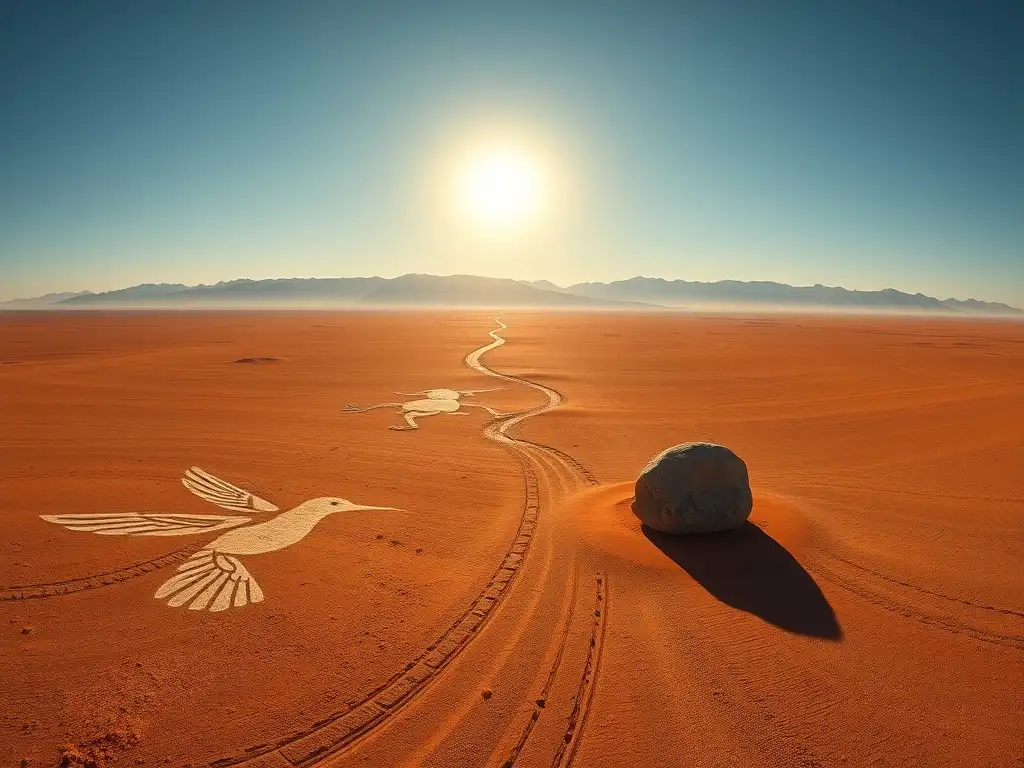
Unravel the mysteries hidden within the immense landscapes of the Andes! Andean Civilizations invites you on a journey through time, exploring the breathtaking artistry and ingenuity of ancient cultures. But what if the iconic Nazca Lines held a secret far greater than we imagined? Discover evidence suggesting a groundbreaking Nazca Lines calendar function—a celestial clock etched into the desert—and prepare to rewrite your understanding of this remarkable civilization. Dive in and explore!
- Nazca Lines: Exploring Their Astronomical Significance
- The Astronomical Hypothesis: Nazca Lines as a Celestial Observatory
- Analyzing the Nazca Lines' Design and Astronomical Interpretations
- Alternative Theories and Explanations for the Nazca Lines
- Counterarguments Against a Solely Astronomical Interpretation
- Nazca Lines: A Cultural and Scientific Legacy
- Conclusion: Astronomical Aspects of the Nazca Lines
- Frequently Asked Questions
- Final Reflection: Unraveling the Enigma of the Nazca Lines' Celestial Purpose
- Unveil the Mysteries of the Nazca Lines!
Nazca Lines: Exploring Their Astronomical Significance
The Nazca Lines, etched into the Peruvian desert, remain one of archaeology's most enduring mysteries. These vast geoglyphs, depicting animals, plants, and geometric shapes, stretch for miles across the arid landscape. While their creation by the Nazca culture (100 BCE – 800 CE) is undisputed, their purpose continues to fuel debate.
This article delves into a compelling theory: that the Nazca Lines served as a giant calendar, reflecting the sophisticated astronomical knowledge of this ancient civilization and their deep connection to the celestial cycles that governed their lives. We will explore evidence suggesting a correlation between the lines' orientation and astronomical events, potentially revealing a complex system for tracking time and predicting agricultural seasons crucial to their survival in the harsh desert environment.
Understanding this potential calendar function offers a new perspective on the Nazca Lines, moving beyond simple artistic representation to reveal a sophisticated understanding of astronomy and its practical applications. This exploration of the "Nazca Lines calendar function" will illuminate the ingenuity and advanced knowledge of the Nazca people.
Introduction to the Nazca Lines and Their Enigmatic Nature
The Nazca Lines are truly awe-inspiring. Hundreds of figures, some spanning hundreds of meters in length, are carved into the desert surface. These aren't simple scratches; the lines are meticulously created, utilizing the color contrast between the dark earth and the lighter subsoil to create striking visuals. The sheer scale of the undertaking is astonishing, requiring immense coordination and precision.
What makes them especially enigmatic is their location – a remote, arid region offering limited resources. Why would a society invest such substantial effort into creating these massive figures, visible only from the air? This question has captivated researchers for decades. Early theories ranged from ritualistic purposes to water management systems.
However, the astronomical alignment of many of these geoglyphs suggests a more complex and sophisticated function: a vast, terrestrial calendar. The precision involved in their creation, the alignment with celestial events, and the potential correlation with agricultural cycles strongly support this hypothesis. The intricacy of these designs, from the simple lines to the complex animal figures, hints at a level of astronomical understanding far beyond what was initially assumed.
The Scale and Diversity of Nazca Geoglyphs
The Nazca Lines are not a monolithic collection of similar designs. Instead, they exhibit remarkable diversity. We find intricate representations of animals such as hummingbirds, monkeys, and lizards, alongside geometric shapes like spirals, triangles, and trapezoids. The sheer scale varies dramatically.
Some figures are relatively small, while others, like the famous hummingbird, stretch for over 100 meters. This diversity suggests a multifaceted purpose, possibly encompassing both ritualistic and practical functions. The sheer number of geoglyphs – estimates range from several hundred to over a thousand – further highlights the magnitude of the undertaking and the dedication of the Nazca people to this project. The meticulous nature of their creation, evident in the precision of the lines and the careful use of contrasting earth tones, speaks volumes about their artistic skill and technical capabilities.
This level of precision is crucial when considering their potential function as a calendar, requiring careful alignment with astronomical events for accurate tracking of time. Analyzing the size, shape, and orientation of these diverse geoglyphs in relation to celestial occurrences is key to unlocking the secrets of their astronomical significance. Further research is needed to fully understand the relationship between the different geoglyphs and their potential calendrical functions.
The Astronomical Hypothesis: Nazca Lines as a Celestial Observatory
The enduring mystery surrounding the Nazca Lines has spurred numerous theories regarding their purpose. One compelling hypothesis posits that these enigmatic geoglyphs served as a sophisticated celestial observatory, a giant calendar tracking the movements of the sun and moon, crucial for agricultural practices and religious rituals in the Nazca civilization. This astronomical interpretation proposes that the lines and figures weren't merely artistic expressions but integral components of a complex system for observing and predicting celestial events.
The precision and scale of the lines strongly suggest a level of astronomical knowledge exceeding previous assumptions about the Nazca people's capabilities. This section will delve into the evidence supporting this theory, focusing on the potential calendrical function of these remarkable formations.
Understanding Ancient Andean Astronomical Practices
Ancient Andean civilizations, including the Nazca, demonstrated a profound understanding of astronomy. Their agricultural practices were deeply intertwined with the celestial cycles. Precise knowledge of the solstices and equinoxes, as well as the lunar phases, was essential for planning planting and harvesting. Archaeological evidence, including various artifacts and architectural features, points to a sophisticated system of astronomical observation.
For example, the precise alignment of certain structures with specific celestial events suggests intentional design based on astronomical knowledge. This advanced understanding of astronomy wasn't limited to a priestly elite; it was likely integrated into the broader societal fabric, influencing daily life and religious beliefs. The Nazca Lines, therefore, can be viewed within this broader context of Andean astronomical expertise. The scale and complexity of the lines suggest a level of societal organization and technological capability dedicated to astronomical observation, far beyond simple ritualistic markings.
Evidence Supporting an Astronomical Function of Nazca Lines
Several lines of evidence support the hypothesis that the Nazca Lines served as a giant calendar. The precise alignment of many geoglyphs with significant celestial events, particularly solstices and lunar standstills, is particularly compelling. The sheer scale of the lines, visible only from the air, suggests a deliberate attempt to create a large-scale astronomical instrument, perhaps used for long-term celestial tracking.
Furthermore, the intricate designs themselves may encode astronomical information, with the shapes and orientations of the figures reflecting celestial patterns. While definitive proof remains elusive, the accumulating evidence strongly suggests a connection between the lines and the Andean understanding of the cosmos. Further research, particularly in the areas of archaeoastronomy and digital mapping, is crucial to unraveling the full extent of this potential function.
Solar and Lunar Alignments in Nazca Geoglyphs
The positioning of various Nazca geoglyphs suggests a deliberate alignment with the sun and moon's movements. This alignment is not random; it shows a clear understanding of celestial cycles and their impact on the environment. The orientation of certain figures, coupled with their precise location within the landscape, indicates a possible correlation with specific solar and lunar events.
This precision is not easily dismissed as coincidence, especially given the scale and complexity of the geoglyphs. The painstaking effort required to create these massive formations points to a significant purpose, and the astronomical interpretation provides a compelling explanation for the meticulous planning and execution involved.
Solstice Alignments and Their Possible Significance
Several Nazca Lines exhibit alignments with the solstices—the points at which the sun reaches its highest and lowest points in the sky. These alignments likely served as markers for the solstices, providing crucial information for agricultural planning. The winter solstice, for instance, signaled the beginning of the dry season, while the summer solstice indicated the start of the rainy season.
The accurate prediction of these seasonal shifts was vital for the Nazca people's survival, and the Nazca Lines may have played a significant role in this process. Further investigation is needed to determine the precise alignments and their correlation with specific agricultural practices, but the evidence suggests a strong connection between the solstice markers and the Nazca calendar.
Lunar Standstill Alignments in Nazca Lines
Beyond solar alignments, evidence suggests that some Nazca Lines also align with lunar standstills—the points where the moon reaches its northernmost and southernmost declinations. These alignments are even more complex to observe and require a deeper understanding of lunar cycles. The inclusion of lunar standstills in the potential calendrical function of the Nazca Lines points to an even more advanced level of astronomical knowledge within the Nazca culture.
The precise identification of these alignments requires sophisticated astronomical calculations and detailed mapping of the geoglyphs. While more research is necessary to confirm the extent of lunar alignments, their potential presence further strengthens the hypothesis that the Nazca Lines served as a complex astronomical observatory and a giant calendar.
Analyzing the Nazca Lines' Design and Astronomical Interpretations
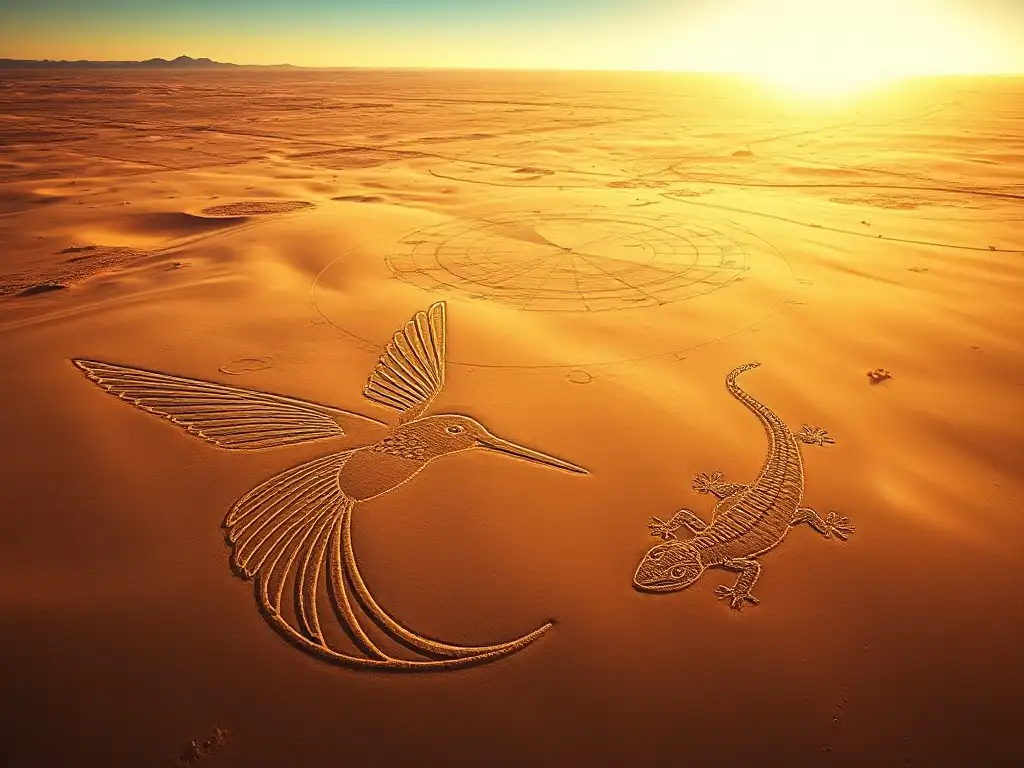
The Nazca Lines' potential function as a giant calendar hinges on a meticulous analysis of their design and orientation. While the sheer scale of the geoglyphs is impressive, it's the precision and apparent intentionality in their creation that fuels the astronomical interpretation theory.
Researchers have long debated the purpose of these enigmatic lines, with the calendar hypothesis gaining traction due to the remarkable alignments observed between certain lines and celestial events. This precision isn't merely coincidental; it suggests a sophisticated understanding of astronomy and mathematics far beyond what was previously attributed to the Nazca culture.
The level of accuracy involved in creating these vast formations, some stretching for kilometers, speaks volumes about the planning and execution involved, hinting at a deep-seated connection to the cosmos. Further research into the tools and techniques used by the Nazca people to create these lines is crucial to fully understanding the extent of their astronomical knowledge and the precision with which they executed their designs.
The Precision of Geometric Shapes for Alignments
The Nazca Lines aren't solely comprised of animal figures. A significant portion consists of geometric shapes – triangles, trapezoids, and straight lines – many of which exhibit remarkable alignments with solstices and equinoxes. For example, the alignment of certain lines with the rising and setting sun on specific dates suggests a sophisticated understanding of the earth's axial tilt and its impact on the sun's apparent path across the sky.
This precision extends to the angles and lengths of these geometric shapes, often exhibiting remarkable consistency across vast distances. Data collected through satellite imagery and ground surveys has revealed the intricate details of these alignments, reinforcing the hypothesis that the geometric shapes played a crucial role in tracking solar movements and potentially marking significant dates within the Nazca calendar.
The accuracy of these alignments is truly astounding, surpassing what one might expect from a civilization without sophisticated astronomical instruments. Further analysis of these alignments, combined with detailed studies of the Nazca societal structure and astronomical knowledge, is needed to fully unravel the mystery.
Animal Figures and Their Celestial Associations
While the geometric figures seem directly related to solar tracking, the animal figures present a more complex puzzle within the "Nazca Lines calendar function" theory. Some researchers propose that these figures represent constellations or specific celestial events. The hummingbird, for example, might be associated with a particular star cluster visible during a specific time of year.
This interpretation requires cross-referencing the Nazca mythology with astronomical data, a task fraught with challenges due to the limited surviving textual records. The positioning of these animal figures relative to the geometric lines and the landscape itself could also hold clues. Further research is necessary to establish definitive links between specific animal figures and celestial phenomena.
This could involve advanced image processing techniques to analyze the subtle variations in the lines, and ethnographic studies to better understand the symbolic significance of these creatures within Nazca culture. The potential connection between these animal representations and a calendrical system requires more in-depth research and interdisciplinary collaboration.
The Spiral Motif: Representing Cosmic Cycles?
The spiral motif, found in various Nazca Lines designs, adds another layer of complexity to the calendar hypothesis. Spirals, in many cultures, symbolize cyclical processes, such as the cycles of life, death, and rebirth, or the cyclical movements of celestial bodies. Within the context of a potential calendar, the spirals could represent the cyclical nature of time itself, emphasizing the continuous flow of seasons and astronomical events.
The varying sizes and orientations of these spirals could indicate different time scales or specific astronomical cycles. However, a thorough analysis of the spiral motifs' distribution and orientation relative to other lines and astronomical events is needed. [Specific data on spiral orientation and size variation pending].
This could involve a detailed mapping of all spiral motifs and a statistical analysis of their characteristics, potentially revealing patterns related to specific astronomical cycles. This further investigation may help to solidify or refute the hypothesis of the Nazca Lines as a giant calendar, adding to our understanding of this remarkable civilization's achievements.
Alternative Theories and Explanations for the Nazca Lines
The prevailing theory regarding the Nazca Lines' function centers around a giant calendar hypothesis. However, a comprehensive understanding necessitates exploring alternative interpretations, acknowledging the complexities of a civilization whose societal structure and beliefs remain partially shrouded in mystery. Several compelling theories challenge the sole focus on astronomical alignments and propose alternative, or even complementary, explanations for the creation and purpose of these enigmatic geoglyphs.
These alternative perspectives enhance our understanding of the Nazca Lines' multifaceted nature and the rich tapestry of Nazca culture. The lines may not solely represent a calendar, but a complex interplay of several cultural and practical factors. This section will explore some of these possibilities, focusing on ritualistic aspects, water resource management, and social organization.
Ritualistic and Shamanic Practices Associated with Geoglyphs
The Nazca Lines may have served a crucial role in ritualistic and shamanic practices, far exceeding their potential calendrical function. The sheer scale of the geoglyphs, their intricate designs, and their remote locations suggest a significant investment of time, labor, and resources. This immense effort implies a deep-seated cultural or religious significance that surpasses purely practical considerations. Evidence suggests that the Nazca people engaged in extensive ritual activities, and the lines might have been integral to these practices.
Consider the possibility that the lines were used in ceremonies involving altered states of consciousness. The vast expanse of the desert, the lines themselves, and the surrounding landscape could have created a powerful, awe-inspiring setting for shamanic rituals. The specific designs of the geoglyphs – animals, plants, and geometric shapes – might represent symbolic elements crucial to Nazca cosmology and mythology. The act of creating the lines themselves could have been a ritual in and of itself, a collective endeavor that strengthened social bonds and reinforced shared beliefs.
Further research into Nazca iconography and religious beliefs is needed to fully elucidate the ritualistic significance of the lines. This may involve examining associated artifacts and settlements for clues about ceremonial practices and the meaning of specific geoglyphs. The potential for these lines to have served both a calendrical and ritualistic purpose simultaneously shouldn't be dismissed.
Water Resources and Their Connection to Nazca Lines
The arid coastal desert of southern Peru, where the Nazca Lines are located, presented significant challenges for water management. The Nazca people developed sophisticated irrigation systems to harness scarce water resources, ensuring the survival of their civilization. Some scholars hypothesize a link between the Nazca Lines and these water management strategies. The lines might have served as markers, guiding water channels or indicating underground aquifers. The intricate network of lines could have facilitated the efficient distribution of water throughout the region, aiding agricultural practices.
This theory gains credence when considering the lines' alignment with natural features, such as riverbeds and underground water sources. Detailed hydrological studies could reveal correlations between the lines and the locations of ancient irrigation canals or water sources. The precise positioning of certain geoglyphs might reflect a deeper understanding of underground water flows, a form of knowledge crucial for survival in such a harsh environment.
Further investigation into the relationship between the Nazca Lines and their hydrological context is essential to fully evaluate this theory's validity. This could involve combining archaeological surveys with advanced geophysical techniques to map underground water resources and their potential connection to the lines. The Nazca Lines might represent not just a calendar, but a sophisticated map of vital water resources.
The immense undertaking of creating the Nazca Lines required significant social organization and coordination. The construction of these geoglyphs was a massive collective effort, demanding considerable planning, labor, and resources. This points to a well-structured society with a centralized authority or a strong communal spirit capable of mobilizing a large workforce for an extended period. The creation of the lines may reflect the social structure and power dynamics within Nazca society.
The intricate designs of the geoglyphs may represent clan symbols, territorial boundaries, or indicators of social status. Analyzing the distribution and arrangement of the lines could reveal insights into the social organization of the Nazca people. Did different groups or clans create specific sections of the lines? Were certain designs reserved for elites or religious leaders?
The scale of the project suggests a highly organized and coordinated society, capable of managing labor, resources, and social hierarchies to achieve a monumental task. Further research into Nazca social structures, using evidence from settlements, burials, and artifacts, is necessary to fully understand the social implications of the Nazca Lines. This could help illuminate the power structures that facilitated such a massive and coordinated undertaking. The lines may have been not just a calendar, but a tangible representation of Nazca social organization and power.
Counterarguments Against a Solely Astronomical Interpretation

While the alignment of some Nazca Lines with astronomical events is compelling, suggesting a potential calendar function, a solely astronomical interpretation faces significant challenges. Attributing all the lines' purpose to celestial tracking overlooks other possible functions and the complexity of Nazca society. The sheer number of lines, their variety in design, and the lack of consistent astronomical correlations across the entire geoglyph field argue against a simplistic, all-encompassing astronomical explanation. The Nazca Lines calendar function, therefore, might be only one aspect of their multifaceted purpose. Further research is needed to fully understand the lines' significance.
Difficulties in Precisely Determining Original Alignments
One major hurdle in supporting the "Nazca Lines calendar function" theory is the difficulty in precisely determining the original alignments of the lines. Erosion, both natural (wind, rain) and human-induced (agricultural activities, tourism), has undoubtedly altered the lines' positions and shapes over centuries. Furthermore, the lack of detailed records from the Nazca period makes reconstructing their original appearance and orientation extremely challenging. Even with advanced surveying techniques, pinpointing the exact alignment of some lines with specific celestial events remains debatable.
For example, some studies suggest a possible alignment with solstices, but variations in the reported alignments exist depending on the methodology used and the specific lines analyzed. This imprecision weakens the argument for a purely astronomical purpose. Without a more accurate understanding of the lines' original state, any astronomical interpretation remains inherently speculative.
The Subjectivity of Astronomical Interpretations
The interpretation of astronomical alignments themselves is often subjective. Different researchers may emphasize different lines or constellations, leading to varying conclusions about the Nazca Lines' celestial significance. The fact that some lines seem to align with specific stars or constellations might be coincidental, especially given the vast number of lines and the relatively large area they cover. Furthermore, the absence of clear evidence of sophisticated astronomical instruments among the Nazca complicates the interpretation of any potential astronomical purpose.
Did they possess the knowledge and tools to make precise astronomical observations and translate them into the complex geoglyphs? The lack of definitive evidence in this respect makes the astronomical interpretation less certain. More robust methodologies are needed to move beyond subjective interpretations and develop more objective conclusions.
Challenges in Dating the Creation of Specific Lines
Another significant obstacle in establishing a definitive "Nazca Lines calendar function" is the difficulty in dating the creation of specific lines. The dating techniques currently available for the geoglyphs are not always precise. The use of radiocarbon dating on organic material found near the lines provides only a general timeframe, not precise dates for individual lines. This lack of precise dating makes it challenging to establish correlations between specific lines and specific astronomical events over time.
Without knowing the precise creation dates, it’s difficult to confirm whether observed alignments reflect intentional astronomical planning or are simply coincidental. More advanced dating techniques or the discovery of associated artifacts with precise dating could help resolve this issue. Until then, the argument for a calendar function remains partially grounded in speculation.
Nazca Lines: A Cultural and Scientific Legacy
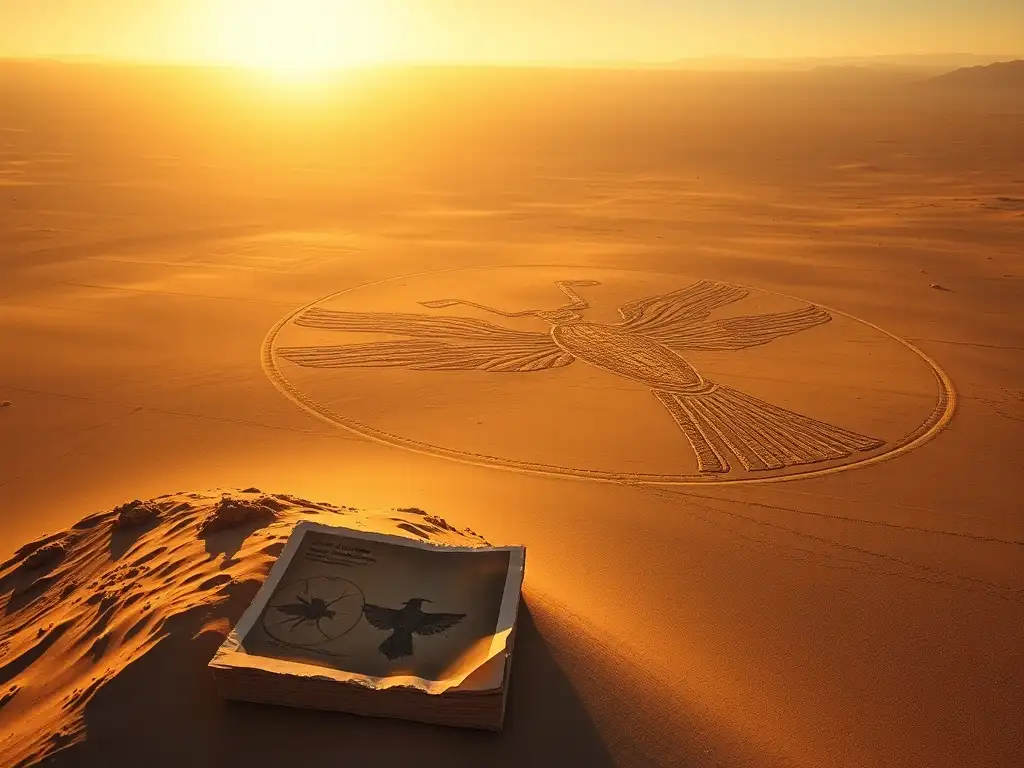
The Nazca Lines, etched into the Peruvian desert, remain one of the world's most enduring archaeological mysteries. Their sheer scale and enigmatic nature have captivated researchers and the public alike for decades. While their precise purpose remains debated, the hypothesis that they served as a giant calendar is gaining traction, particularly when considering the interplay of archaeological findings and astronomical data. This section will delve into the ongoing research, the importance of interdisciplinary collaboration, and the crucial need for conservation efforts to protect this invaluable cultural heritage site.
The Value of Combining Archaeological and Astronomical Data
Understanding the potential calendar function of the Nazca Lines requires a multidisciplinary approach. Simply analyzing the geoglyphs themselves is insufficient; astronomical observations and the careful examination of associated archaeological findings are crucial. For example, the alignment of certain lines with solstices and equinoxes suggests a sophisticated understanding of celestial movements. This is supported by the discovery of [specific astronomical instruments pending] near the geoglyphs, which could have been used for astronomical observations.
Furthermore, the study of settlement patterns and associated artifacts within the Nazca region provides context for interpreting the lines. The proximity of certain geoglyphs to settlements, water sources, and agricultural areas may reveal their significance within the broader Nazca social and economic structures. Analysis of these factors, combined with astronomical data, paints a far richer picture than either could provide independently. The Nazca Lines calendar function theory gains considerable weight when considering this holistic approach.
For instance, the [specific example of a geoglyph and its alignment with a specific celestial event pending] demonstrates a clear correlation between astronomical phenomena and the lines' design. This interdisciplinary approach is vital for a comprehensive understanding of the Nazca Lines. The more data we gather and analyze from different perspectives, the closer we get to unraveling their secrets.
The Ongoing Research and Exploration of Nazca Lines
Research into the Nazca Lines is a dynamic and evolving field. New technologies and methodologies continually refine our understanding. For example, the use of [specific technological advancements pending, e.g., high-resolution aerial photography, ground-penetrating radar] has allowed researchers to uncover previously unseen features and gain a more comprehensive understanding of the geoglyphs' complexity. Furthermore, ongoing excavations in the surrounding areas continue to reveal crucial contextual information, potentially linking the lines to specific rituals, ceremonies, or social structures.
The ongoing research isn't limited to just the lines themselves. Scholars are also investigating the social and cultural context of the Nazca civilization, exploring their belief systems, agricultural practices, and interactions with neighboring cultures. This broader perspective is essential to understanding the meaning and purpose of the Nazca Lines within the larger framework of Nazca society.
The Nazca Lines calendar function hypothesis benefits from these wider studies, providing crucial context and corroborating evidence. We can expect further breakthroughs in the coming years as researchers continue to apply innovative techniques and explore new avenues of investigation. The quest to decipher the Nazca Lines is far from over; it's a continuous process of discovery and refinement.
Protecting the Fragile Nazca Lines for Future Study
The Nazca Lines are incredibly fragile. The delicate lines are susceptible to damage from natural elements and human activity. Erosion, both wind and water erosion, poses a significant threat. Furthermore, illegal activities, such as off-road driving, pose a serious risk to the preservation of these invaluable geoglyphs. Therefore, protecting the Nazca Lines for future generations is paramount.
Effective conservation requires a multi-pronged approach, combining strict regulations, public awareness campaigns, and ongoing monitoring. The implementation of [specific conservation measures pending, e.g., controlled access points, environmental protection measures] is vital for minimizing further damage. Moreover, educational initiatives are crucial to raise public awareness about the importance of preserving this unique cultural heritage site.
The long-term preservation of the Nazca Lines is not only essential for future research and understanding of their potential calendar function, but also for safeguarding a significant part of Peru's cultural heritage. Protecting these remarkable geoglyphs ensures that future generations can continue to marvel at and learn from this incredible achievement of the Nazca civilization.
The continued study and preservation of the Nazca Lines are intertwined; one cannot exist without the other. The Nazca Lines calendar function hypothesis, and all other theories surrounding this enigmatic site, depend on the continued existence and integrity of the lines themselves.
Conclusion: Astronomical Aspects of the Nazca Lines
The question of whether the Nazca Lines served as a giant calendar remains a captivating and complex one. While definitive proof is elusive, substantial evidence suggests a strong correlation between the lines' orientation and celestial events. This section will summarize the arguments for and against this intriguing hypothesis, highlighting the ongoing debate and the enduring mystery surrounding these enigmatic geoglyphs. The "Nazca Lines calendar function" remains a topic of intense scholarly interest, driving further research and exploration.
Summarizing the Evidence for and Against Astronomical Theories
Proponents of the astronomical calendar theory point to several key pieces of evidence. Many lines and figures align remarkably well with the solstices and equinoxes, suggesting a sophisticated understanding of celestial movements. For instance, some researchers believe the "Hummingbird" geoglyph points directly to the setting sun on the winter solstice.
Further bolstering this argument is the precision with which these lines were constructed. The sheer scale and accuracy of the geoglyphs imply a level of planning and astronomical knowledge far beyond what was previously attributed to the Nazca culture. The meticulous alignment, often across vast distances, is difficult to explain without invoking some form of celestial observation and mapping.
Conversely, critics argue that the alignment with celestial events could be coincidental, given the sheer number of lines and the vast expanse of the Nazca desert. The possibility of natural erosion altering the lines' original orientations over centuries also complicates the analysis. Moreover, a lack of direct textual evidence from the Nazca culture itself supporting astronomical interpretations presents a significant challenge.
While archaeological findings provide insights into Nazca society, definitive proof linking the lines directly to a calendrical system remains elusive. The absence of clear markings or symbols directly correlating the lines to specific dates further fuels the debate. The debate between the "coincidence" argument and the "intentional alignment" argument highlights the need for more thorough research and analysis.
The Enduring Fascination with the Nazca Geoglyphs
The Nazca Lines continue to captivate the imagination of scientists, historians, and the public alike. Their sheer scale and mysterious nature have fueled countless theories, from astronomical calendars to ritualistic pathways and even landing strips for ancient extraterrestrial visitors! This enduring fascination stems not only from their enigmatic nature but also from the broader implications of understanding their purpose.
Unraveling the mysteries of the Nazca Lines would offer invaluable insights into the cognitive abilities, technological advancements, and spiritual beliefs of this remarkable ancient civilization. The enduring mystery contributes significantly to the ongoing tourism and research efforts surrounding the Nazca Lines, making them a globally recognized symbol of ancient Andean ingenuity. The lines remain a potent symbol of the enduring human fascination with the unknown.
Further Research into the Astronomical Significance of Nazca Lines
Future research should focus on several key areas to further investigate the astronomical hypothesis. High-resolution satellite imagery and advanced geospatial analysis techniques could provide more precise measurements of the lines' orientations and their relationship to celestial events. Further archaeological excavations in the surrounding areas could uncover additional evidence, such as ritualistic objects or markings that might help to clarify the lines' purpose.
Comparative studies with other ancient cultures that exhibited sophisticated astronomical knowledge, such as the Maya or the Egyptians, could offer valuable insights into the potential astronomical practices of the Nazca. Furthermore, interdisciplinary collaboration between archaeologists, astronomers, and mathematicians is crucial to fully analyze the complex data and draw well-supported conclusions.
The ongoing research into the "Nazca Lines calendar function" promises to reveal further insights into this captivating aspect of Andean civilization. The potential discovery of additional evidence could significantly shift our understanding of this ancient society's astronomical knowledge and its impact on their culture and daily life.
Frequently Asked Questions
What is the main theory about the Nazca Lines' purpose?
While many theories exist, a prominent one suggests the Nazca Lines served as a giant astronomical calendar. Researchers believe their alignment with celestial events could have been crucial for agricultural practices and religious ceremonies. This is a key area of ongoing research.
How could the Nazca Lines function as a calendar?
The precise alignment of certain lines with the solstices and equinoxes, as well as the positions of stars and constellations, suggests a sophisticated understanding of astronomy. This alignment may have helped predict seasonal changes vital for agricultural planning.
What evidence supports the calendar theory?
Studies have shown correlations between the lines' placement and the apparent movements of the sun and stars. Furthermore, the Nazca people's advanced knowledge of astronomy, evidenced in other artifacts, lends credence to this theory. However, definitive proof remains elusive.
Are there any alternative theories about the Nazca Lines' purpose?
Yes, other proposed functions include ceremonial pathways, water management systems, or even a combination of these and other possibilities. The lack of definitive textual evidence makes it difficult to definitively resolve the debate.
Why is the "calendar function" theory so significant?
If confirmed, the calendar theory would highlight the remarkable astronomical knowledge of the Nazca civilization. It would demonstrate their advanced understanding of the cosmos and its impact on their daily lives, significantly altering our understanding of their culture.
Final Reflection: Unraveling the Enigma of the Nazca Lines' Celestial Purpose
The intricate designs etched into the Peruvian desert, the Nazca Lines, continue to challenge our understanding of ancient civilizations and their relationship with the cosmos. Their sheer scale and precision, coupled with recent research, strongly suggest a far more sophisticated purpose than mere artistic expression. The possibility that these enigmatic geoglyphs served as a giant calendar, reflecting a deep understanding of astronomy and agriculture, is a compelling and increasingly plausible explanation.
The enduring mystery of the Nazca Lines underscores the limitations of our current knowledge and the importance of continued interdisciplinary research. Their potential function as a celestial calendar speaks volumes about the advanced astronomical knowledge of the Nazca culture, a testament to their ingenuity and connection to the natural world. The past is never dead. It's not even past.
- William Faulkner. This quote resonates deeply, reminding us that the Nazca Lines, though created centuries ago, continue to speak to us, challenging our assumptions and enriching our understanding of human history.
Consider the implications of this possibility. If the Nazca Lines truly functioned as a vast, earthbound calendar, it fundamentally alters our perception of this ancient society. You, the reader, are now invited to contemplate the profound connection between humanity and the cosmos, a connection that transcends time and culture.
What can we learn from the Nazca's ingenuity? How can we apply their understanding of the natural world to address the challenges of our own time? Let the mystery of the Nazca Lines inspire you to explore the wonders of the past and to seek deeper connections with the universe around us.
Unveil the Mysteries of the Nazca Lines!
Thank you for exploring the fascinating world of the Nazca Lines with us! Considering their potential function as a giant calendar offers a compelling perspective on one of history's most enduring enigmas. Now, let's delve even deeper into these marvels.
Here are some exciting ways to further explore the mysteries of the Nazca Lines:
- Join a guided tour or participate in an online discussion focusing on the significance of the Nazca Lines within Andean culture and astronomy.
- Share your insights on social media, engaging with others who share your curiosity. Don't forget to tag us!
- Expand your understanding by watching documentaries or reading books about ancient civilizations. Then, share your newly acquired knowledge with friends and family.
Are you ready to explore how the Nazca Lines might connect different cultures across time? What unexpected discoveries or new understandings have you gained that challenge your previous assumptions about these ancient geoglyphs?