
The Ancestral Echoes: Connecting the Present to the Distant Past of the Andes

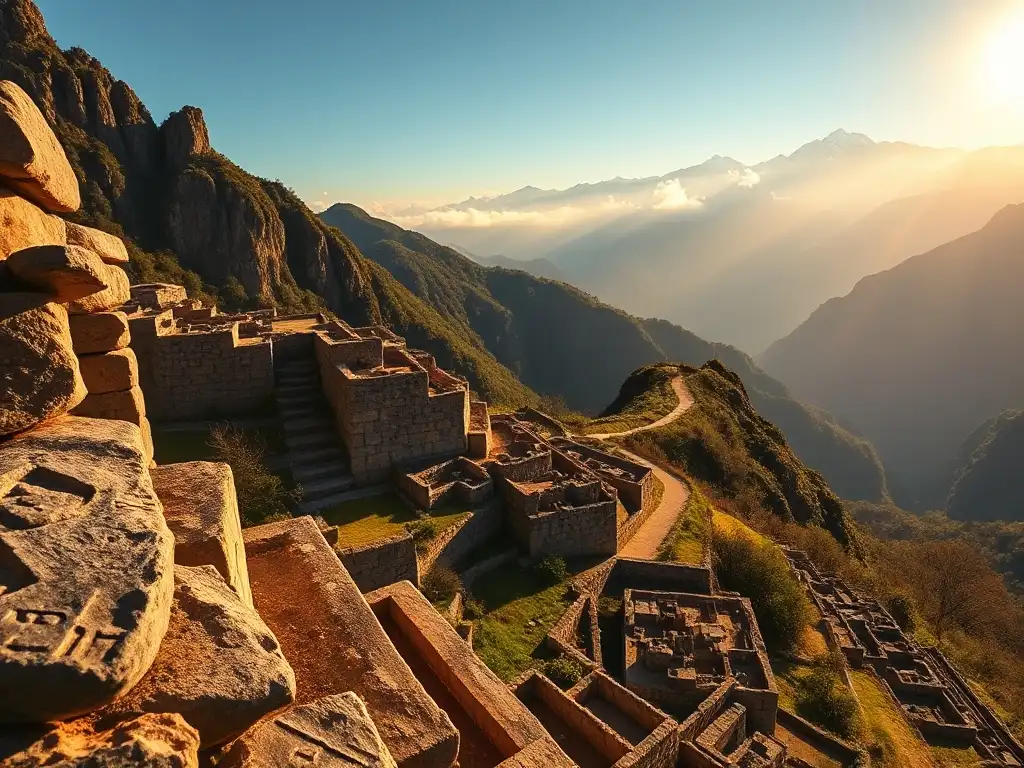
Uncover the mysteries woven into the very fabric of the Andes Mountains. Journey through millennia as we delve into the Ancient Andean civilizations history, revealing the breathtaking ingenuity and profound legacies of the Incas, Moche, Nazca, and Tiahuanaco. Prepare to be captivated by their remarkable achievements – from sophisticated irrigation systems to awe-inspiring artistry – and discover how their echoes resonate in the present day. What secrets do these lost civilizations still hold? Explore further to find out.
The Andes Mountains, a spine of towering peaks stretching along the western coast of South America, have borne witness to millennia of human history. This majestic landscape, a crucible of diverse ecosystems and challenging environments, nurtured the rise and fall of remarkable civilizations whose legacies continue to resonate today.
This article delves into the fascinating history of the Ancient Andean civilizations, exploring their origins, ingenuity, and enduring impact on the region. We'll journey through time, examining the complex tapestry of cultures that shaped the Andes, from the earliest settlements to the sophisticated empires that followed, focusing specifically on how these ancient peoples adapted to their environment and left behind a rich heritage that continues to inspire awe and wonder.
Understanding their history is crucial to appreciating the modern Andean world and the enduring strength of its cultural identity. This exploration of "Ancient Andean civilizations history" will reveal the remarkable achievements and enduring mysteries of these captivating societies.
Early Inhabitants and the Challenges of High-Altitude Living
The earliest inhabitants of the Andes faced formidable challenges. The high altitude, thin air, and unpredictable climate demanded remarkable adaptability. Evidence suggests that humans first settled in the Andean region around 12,000 years ago, initially focusing on hunting and gathering. These early groups developed sophisticated strategies for surviving in this harsh environment, utilizing available resources with ingenuity.
Archaeological findings reveal evidence of early agriculture, with the domestication of plants like potatoes and quinoa playing a crucial role in their survival and the development of settled communities. The mastery of these crops, adapted to high-altitude conditions, allowed for population growth and the emergence of more complex social structures. Understanding these early adaptations is key to appreciating the subsequent development of more complex Andean societies. The challenges faced by these early pioneers laid the foundation for the remarkable achievements of later civilizations.
The Rise of Sedentary Life and the Development of Agriculture
The transition from nomadic hunter-gatherer lifestyles to settled agricultural communities was a pivotal moment in Andean history. This shift, occurring gradually over millennia, led to significant changes in social organization, technology, and cultural practices. The cultivation of crops like potatoes, maize, and beans provided a stable food source, supporting larger and more permanent settlements. This, in turn, facilitated the development of specialized labor, social stratification, and the emergence of early forms of political organization. The construction of irrigation systems, terraces, and storage facilities showcases the advanced engineering skills of these early Andean farmers. These innovations not only ensured food security but also contributed to the development of complex societies, laying the groundwork for the more sophisticated civilizations that would follow. The ingenuity of these early agricultural communities is a testament to human adaptability and the power of collaborative effort. Their innovations continue to inspire modern agricultural practices in the region.
The Impact of Environmental Factors on Early Andean Societies
The Andean environment, with its diverse ecosystems ranging from arid coastal deserts to lush cloud forests and high-altitude grasslands, significantly shaped the development of early societies. The availability of resources, the challenges posed by the climate, and the geographical features of the region all played crucial roles in shaping cultural practices, social structures, and technological innovations. For example, the scarcity of water in certain regions led to the development of sophisticated irrigation systems, while the steep slopes of the mountains encouraged the construction of terraced agriculture.
The varied landscapes also fostered regional diversity, with different groups developing unique cultural traditions and adapting to their specific environments. Understanding the complex interplay between humans and their environment is essential for a comprehensive understanding of Andean history.
The deep connection between the people and their land is a recurring theme throughout Andean history, demonstrating a profound respect for the natural world. This relationship continues to inform contemporary Andean perspectives on environmental stewardship.
Early Technological Innovations in the Andes
Even in the earliest periods, Andean societies demonstrated remarkable technological innovation. The development of sophisticated agricultural techniques, including irrigation systems and terracing, allowed them to cultivate food in challenging environments. The creation of textiles from alpaca and llama wool showcases their mastery of fiber arts, while the construction of monumental architecture, such as the impressive structures found at sites like Caral, demonstrates their advanced engineering skills. These early innovations were not merely practical solutions to environmental challenges; they also played a crucial role in shaping social structures and cultural identities.
The development of specialized tools, such as obsidian blades and grinding stones, facilitated food production and other essential tasks. These technological advancements demonstrate the creativity and ingenuity of early Andean peoples, highlighting their capacity for innovation and adaptation. The legacy of these early technological achievements is clearly visible in the subsequent development of more complex Andean civilizations.
- Early Inhabitants and the Challenges of High-Altitude Living
- The Rise of Sedentary Life and the Development of Agriculture
- The Impact of Environmental Factors on Early Andean Societies
- Early Technological Innovations in the Andes
- What were the major ancient Andean civilizations?
- How did the Inca Empire manage to control such a large territory?
- What are some notable achievements of the ancient Andean civilizations in technology?
- What is the significance of the Nazca Lines?
- How did the ancient Andean civilizations influence modern Andean cultures?
Tracing the Roots: Origins of Andean Civilizations
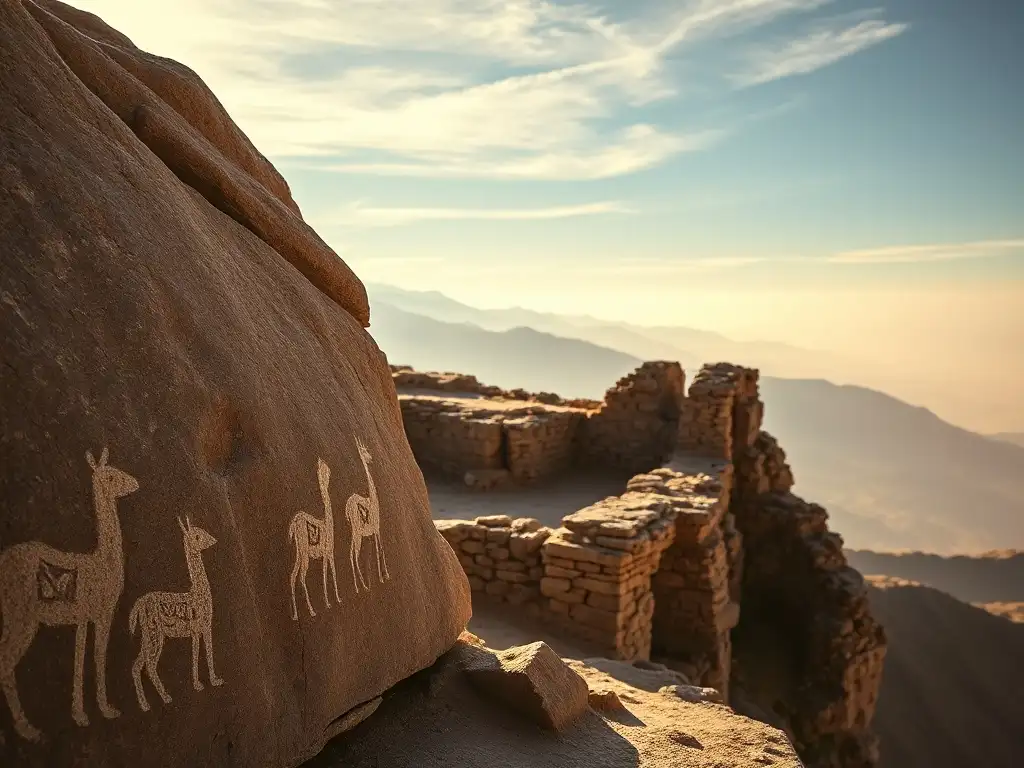
This section delves into the fascinating beginnings of the Ancient Andean civilizations, exploring the earliest human presence and the subsequent development of their foundational societies. Understanding these origins is crucial to appreciating the complexity and ingenuity of later Andean cultures, and provides a deeper understanding of the keyword "Ancient Andean civilizations history".
Early Human Presence in the Andes Mountains
The Andes Mountains, a formidable geographical barrier, were nonetheless home to some of the earliest human settlements in South America. Evidence suggests human presence dating back at least 12,000 years, though the exact timeline and migration routes remain subjects of ongoing research. Archaeological discoveries, such as the findings at [site name pending], have unearthed crucial artifacts providing insights into the early lifestyles of these pioneering Andean inhabitants. These early groups were hunter-gatherers, adapting to the diverse and challenging Andean environments.
They developed sophisticated strategies for exploiting the available resources, including hunting camelids (llamas and alpacas), gathering wild plants, and fishing in high-altitude lakes. Their adaptation to the altitude itself is a remarkable testament to human resilience and adaptability. The discovery of [specific artifact type pending] further illuminates their technological advancements and societal structures.
The environmental challenges posed by the Andes – extreme altitudes, variable climates, and rugged terrain – shaped the development of these early societies. These early inhabitants weren't simply surviving; they were thriving, creating intricate social networks and developing innovative technologies to cope with their surroundings. This early ingenuity laid the groundwork for the more complex civilizations that would emerge centuries later.
Further research into [specific research area pending] will provide a more complete picture of the lives and societal structures of these early Andean peoples. Understanding their adaptations to the environment is key to understanding the overall history of "Ancient Andean civilizations history".
The Initial Settlements: Foundation of Ancient Andean Societies
The transition from nomadic hunter-gatherer lifestyles to settled agricultural communities marks a pivotal moment in Andean history. This transition, occurring around [date pending], involved the domestication of plants like potatoes and quinoa, and the herding of llamas and alpacas. This shift allowed for a more stable food supply and a denser population, leading to the development of larger, more permanent settlements.
The initial settlements were often located near fertile valleys and river systems, providing access to water and arable land. These early agricultural communities developed complex irrigation systems to manage water resources effectively, a crucial element for successful agriculture in the often arid Andean environment. The development of these irrigation systems showcases the early Andean's understanding of engineering and their ability to collaborate on large-scale projects. The [specific example of an early irrigation system pending] is a testament to this early engineering prowess.
The emergence of settled communities also led to the development of more sophisticated social structures. Evidence suggests the existence of hierarchical organizations, with specialized roles and responsibilities. The production and distribution of surplus food likely played a significant role in the development of these social hierarchies.
Analyzing the distribution of [specific artifact type pending] across different sites can help us better understand the power dynamics and social organization of these early Andean societies. The study of "Ancient Andean civilizations history" relies heavily on understanding this crucial transition to settled life and the subsequent development of complex societies. The groundwork laid by these early settlements directly influenced the rise of the more advanced civilizations that would follow.
Pre-Inca Andean Cultures: A Tapestry of Innovation
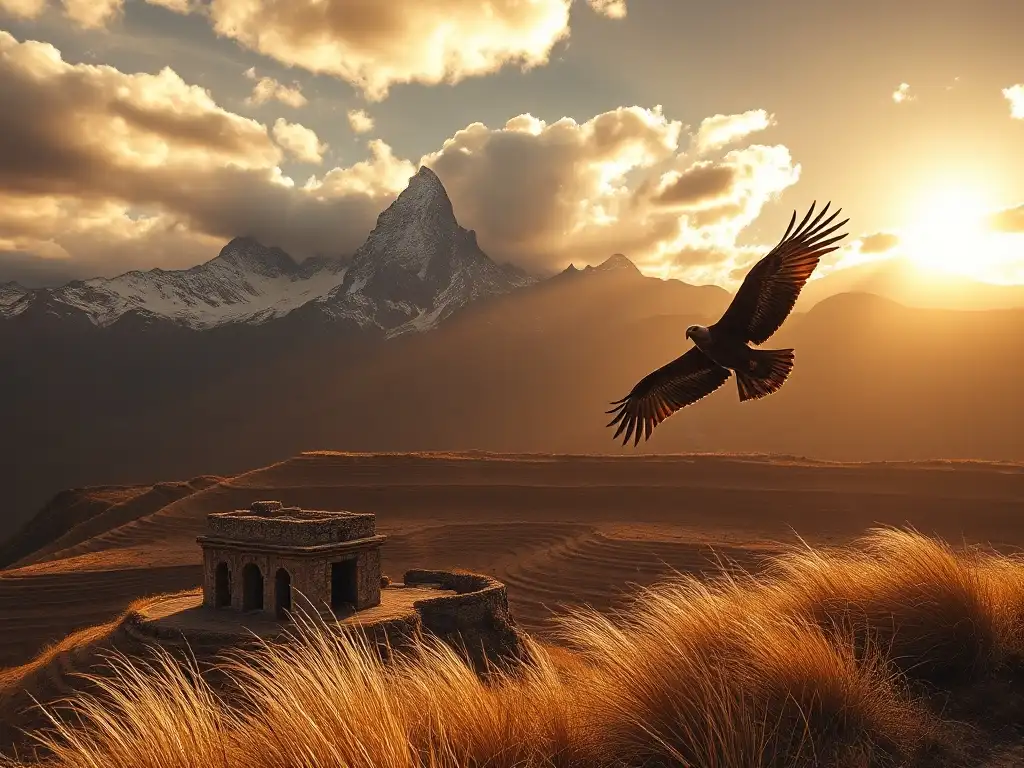
The history of the Andes is far richer and more complex than just the Inca Empire. Long before the Inca rose to prominence, a vibrant tapestry of sophisticated cultures thrived, each leaving behind a unique legacy in architecture, art, agriculture, and social organization. Understanding these pre-Inca Andean civilizations is crucial to grasping the full scope of "Ancient Andean civilizations history."
These societies weren't merely isolated groups; they interacted, influenced each other, and built upon the innovations of their predecessors, creating a dynamic and evolving cultural landscape. The development of advanced irrigation systems, for example, allowed for population growth and the emergence of larger, more complex social structures.
This laid the foundation for the later empires, demonstrating that the Inca achievement wasn't a sudden eruption but the culmination of centuries of cultural and technological advancements. The study of these early cultures provides invaluable insights into the ingenuity and resilience of the Andean peoples.
The Rise of Complex Societies Before the Inca Empire
The period preceding the Inca Empire witnessed the rise of several remarkable cultures, each contributing significantly to the overall Andean legacy. These societies, while geographically distinct, shared certain characteristics, including sophisticated agricultural techniques, impressive architectural feats, and complex social hierarchies. For instance, the development of terracing allowed for the cultivation of steep slopes, dramatically increasing arable land.
This agricultural innovation, coupled with advancements in irrigation, enabled the support of larger populations and the growth of urban centers. The construction of monumental architecture, such as the impressive stone structures at Tiahuanaco, further points to the advanced organizational capabilities and engineering skills of these early Andean societies. Their sophisticated understanding of astronomy and the development of complex calendar systems also reflect their advanced knowledge and intellectual capabilities.
Analyzing the remnants of these societies offers a glimpse into the intricate processes that shaped the later, more well-known Andean empires. Understanding the "Ancient Andean civilizations history" requires appreciating this foundational period.
Moche Civilization: Art, Power, and Engineering
The Moche civilization (circa 100-800 CE), flourishing on the northern coast of Peru, stands out for its remarkable artistic achievements and sophisticated engineering prowess. Their mastery of ceramics is unparalleled, with intricately decorated vessels depicting scenes of daily life, mythology, and ritual practices. These ceramic pieces offer invaluable insights into their social structures, religious beliefs, and daily life, providing a rich visual record of their culture.
Beyond their artistic talents, the Moche were exceptional engineers. They constructed vast irrigation systems that allowed them to thrive in the arid coastal desert, demonstrating their understanding of hydrology and their ability to manage scarce resources. Their impressive adobe pyramids, such as the Huaca del Sol and Huaca de la Luna, stand as testaments to their organizational skills and architectural abilities.
The scale and complexity of these structures are astounding, showcasing the power and sophistication of Moche society. The Moche's legacy significantly contributes to our understanding of "Ancient Andean civilizations history," demonstrating the diverse achievements of pre-Inca Andean cultures.
Nazca Culture: Geoglyphs and Ritual Landscapes
The Nazca culture (circa 100 BCE – 800 CE), known for its enigmatic geoglyphs etched into the desert plains of southern Peru, presents a fascinating study in ritual practices and landscape manipulation. These vast lines and figures, visible only from the air, remain a source of ongoing debate and speculation, with theories ranging from astronomical alignments to ritualistic purposes. Regardless of their precise function, the geoglyphs represent a monumental undertaking, showcasing the Nazca's sophisticated understanding of geometry and their ability to coordinate large-scale projects.
Beyond the geoglyphs, the Nazca are also known for their intricate textiles, finely crafted ceramics, and sophisticated irrigation systems. Their mastery of textile production is particularly noteworthy, with intricate designs and vibrant colors that reflect their artistic skills and cultural values.
The Nazca's unique contribution to "Ancient Andean civilizations history" lies in their ability to transform the landscape into a vast, symbolic canvas, leaving behind a legacy of mystery and wonder. Further research is needed to fully understand the significance of their rituals and their impact on the broader Andean cultural landscape.
Tiahuanaco Empire: Architecture and Andean Cosmology
The Tiahuanaco culture, flourishing in the Altiplano region of the Andes between approximately 500 and 1000 CE, left behind a legacy of monumental architecture deeply intertwined with their sophisticated cosmology. Their capital city, also known as Tiahuanaco, is a testament to their advanced engineering and spiritual beliefs. The precise methods used in construction remain a subject of ongoing research, but the scale and precision of the stonework are undeniably impressive.
Massive blocks of andesite, weighing many tons, were precisely cut and fitted together without the use of mortar, showcasing a mastery of stone-cutting techniques that continues to baffle researchers today. The precision is such that even a thin blade cannot be inserted between many of the stones.
The city's layout is believed to reflect a complex understanding of the cosmos. The Puerta del Sol, or Sun Gate, is a prime example. This intricately carved monolithic gateway features a central figure, often interpreted as a deity or a representation of the creator god Viracocha, surrounded by various symbols and figures that likely represent celestial bodies, agricultural cycles, and other elements crucial to their worldview.
Scholars continue to debate the precise meaning of these carvings, but it's clear that the Sun Gate was a significant religious and ceremonial center. The complex system of canals and terraces surrounding the city also speaks to their sophisticated understanding of water management and their profound connection to the environment.
These features, expertly integrated into the landscape, allowed for efficient irrigation and agricultural production in a challenging high-altitude environment. This demonstrates not just engineering prowess but a deep understanding of Andean ecology and the importance of maintaining a harmonious relationship with nature.
Beyond the Sun Gate, other structures like the Kalasasaya Temple and the Akapana pyramid further illustrate the Tiahuanaco's architectural achievements and cosmological beliefs. The Kalasasaya, a large platform structure, features intricate carvings and alignments that suggest astronomical observations were central to their religious practices. The Akapana, a massive stepped pyramid, exhibits evidence of sophisticated water management systems, possibly linked to ritualistic practices and their worldview.
The intricate interplay between architecture, astronomy, and religious beliefs in Tiahuanaco showcases a civilization that deeply integrated its spiritual and practical life. The grandeur of their achievements continues to resonate today, offering a glimpse into the rich tapestry of Andean cosmology and the ingenuity of its people.
Understanding Tiahuanaco's architecture is key to unlocking a deeper understanding of their beliefs and their place within the broader context of Ancient Andean civilizations history. Their sophisticated understanding of astronomy, engineering, and the natural world shaped their society and continues to inspire awe and wonder.
Understanding the Evolution of Ancient Andean Civilizations
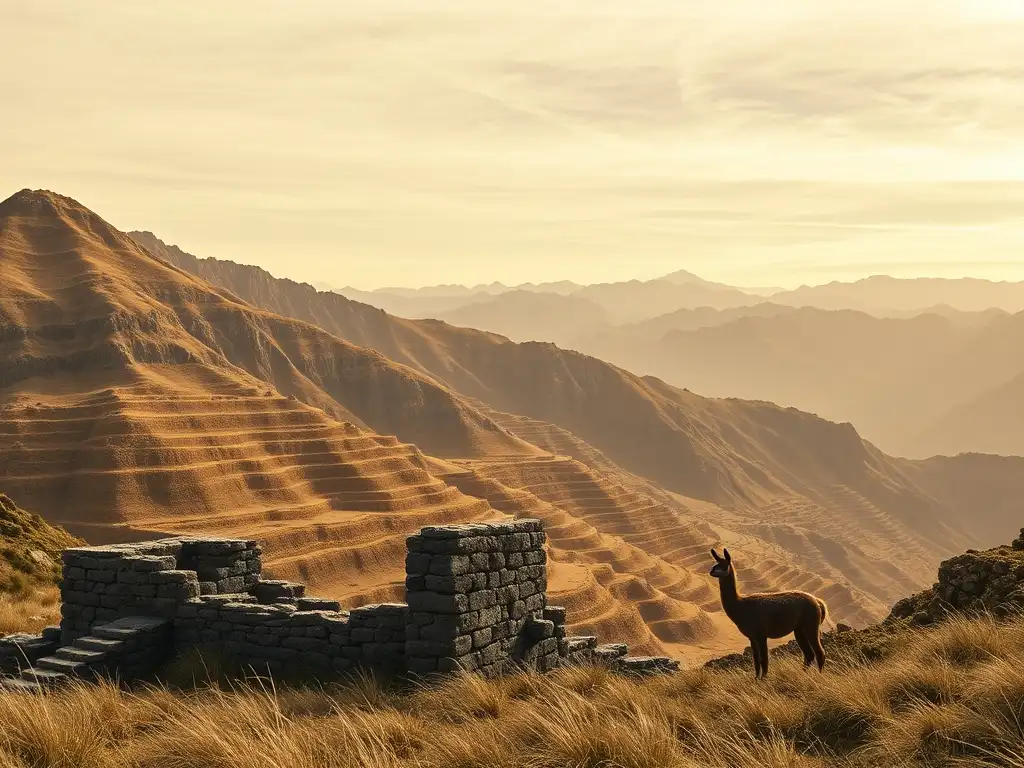
This section delves into the fascinating evolution of Ancient Andean civilizations, focusing on their intricate interplay of cultural development, technological advancements, social structures, and religious beliefs. Understanding this evolution provides crucial context for appreciating the enduring legacy of these societies and their impact on the modern Andean world. The narrative arc moves from early settlements to the sophisticated societies that preceded the Inca Empire, highlighting the continuous innovation and adaptation that characterized Andean life for millennia. This exploration will specifically address the keyword "Ancient Andean civilizations history" and its semantic variations throughout.
Cultural Development and Technological Advancements
The development of Ancient Andean civilizations wasn't a linear progression but rather a complex tapestry woven from diverse cultural threads and technological innovations. Early settlements, characterized by simple agricultural practices and rudimentary tools, gradually evolved into complex societies with sophisticated irrigation systems, advanced metalworking techniques, and impressive architectural feats. Consider the Nazca culture, renowned for their intricate geoglyphs etched into the desert landscape.
The creation of these massive earthworks required advanced surveying techniques and a highly organized workforce, demonstrating a sophisticated understanding of engineering and social organization. This cultural flourishing wasn't isolated; it reflected a broader trend across different Andean societies. The Moche, for instance, are celebrated for their mastery of ceramics and metalwork, producing exquisite artifacts that reveal detailed aspects of their daily lives, religious beliefs, and social hierarchy.
The technological advancements weren't merely functional; they were deeply intertwined with the cultural and religious aspects of Andean life, enriching rituals and ceremonies. The mastery of metallurgy, for instance, allowed for the creation of elaborate gold and silver ornaments used in religious contexts, reinforcing the power and prestige of the elite. The development of sophisticated irrigation systems not only secured food production but also shaped the landscape and social structures, creating fertile oases in otherwise arid regions.
Social structures and religious beliefs were inextricably linked in Ancient Andean civilizations. The intricate social hierarchies, often reflected in burial practices and the distribution of material goods, were underpinned by complex religious ideologies. Many societies revered deities associated with nature, such as the sun, moon, and mountains, reflecting the crucial role of the environment in their lives. For example, the Tiahuanaco culture, known for its monumental architecture at the Tiwanaku site, likely had a complex theocratic system where religious leaders held significant power.
Evidence suggests a highly stratified society with specialized labor and a powerful ruling class. Religious practices played a central role in daily life, from agricultural cycles to warfare. The presence of elaborate temples and ceremonial centers across various Andean societies underscores the importance of religion in maintaining social order and political legitimacy. The study of ancient Andean iconography, including textiles, ceramics, and stone carvings, reveals rich details about their cosmology and religious beliefs, offering glimpses into the spiritual world of these ancient people.
The complex interplay between the social and religious spheres is evident in the construction of monumental structures, which often served both practical and ritualistic purposes. The scale and precision of these structures point to a sophisticated level of social organization and engineering prowess, further emphasizing the integral role of religious beliefs in shaping Andean societies. More research is needed to fully understand the nuances of social interactions and religious practices within specific Ancient Andean societies [specific information pending].
The Legacy of Pre-Inca Societies on Later Andean Cultures
The Inca Empire, while undeniably significant, didn't emerge in a vacuum. It built upon the foundations laid by preceding Andean cultures, inheriting and adapting existing technologies, social structures, and religious beliefs. The Inca's impressive road network, for example, utilized pre-existing routes and construction techniques developed by earlier civilizations. Similarly, aspects of Inca religious practices and iconography show clear connections to pre-Inca traditions.
The Inca’s administrative system, while highly centralized, incorporated elements of existing social structures and forms of governance. The legacy of pre-Inca societies is evident in the architectural styles, agricultural practices, and artistic motifs found throughout the Inca Empire. By understanding the contributions of earlier civilizations, we gain a deeper appreciation for the complexity and continuity of Andean cultural development. The Inca Empire, while powerful, represented the culmination of centuries of innovation and adaptation within the Andean region.
Analyzing the influence of pre-Inca societies helps us avoid a Eurocentric perspective that often overshadows the rich tapestry of indigenous Andean history. The story of the Ancient Andean civilizations is not one of simple succession, but rather a complex and interwoven narrative of cultural exchange, adaptation, and innovation, spanning millennia. Further research into the specific influences of individual pre-Inca cultures on the Inca Empire will provide a more detailed understanding of this historical process. [specific information pending]
The Inca Empire: Culmination of Andean History
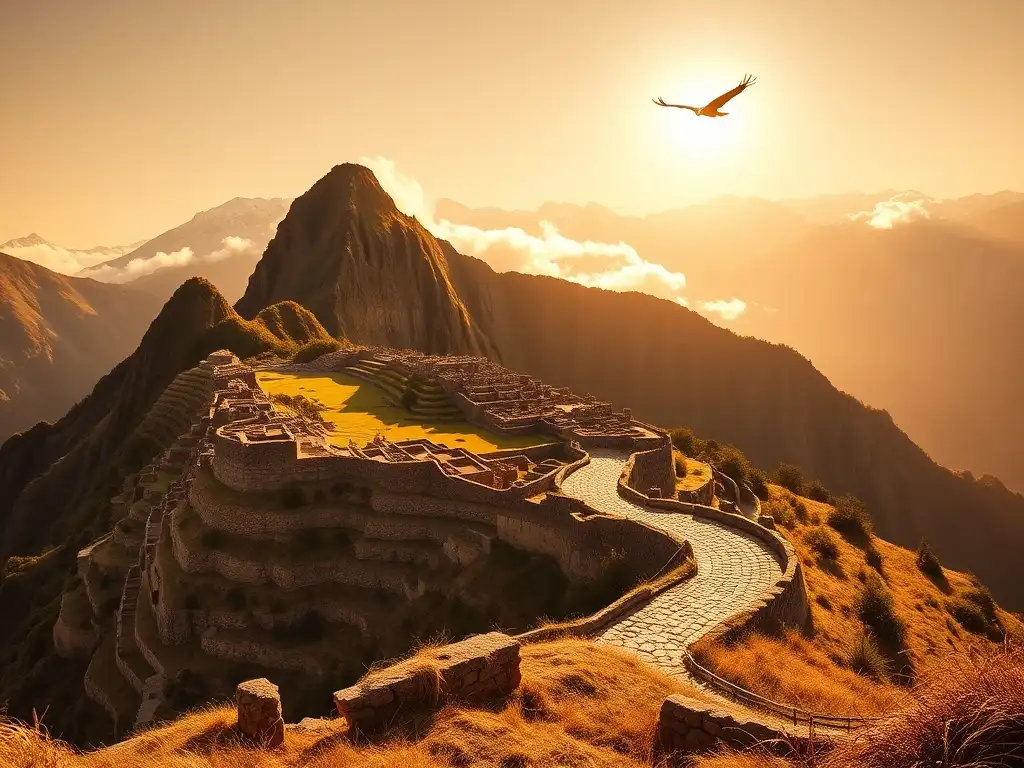
The Inca Empire, arguably the most well-known of the Ancient Andean civilizations, represents a culmination of centuries of cultural and technological development in the Andes. Its rise to power, rapid expansion, and sophisticated administrative systems left an indelible mark on the region, shaping the landscape and influencing subsequent cultures. Understanding the Inca Empire is crucial to understanding the broader tapestry of Ancient Andean civilizations history.
The empire's achievements weren't built in isolation; they were built upon the foundations laid by preceding Andean cultures, incorporating and adapting existing practices and innovations. This intricate layering of cultural influences is a key aspect of studying Ancient Andean civilizations history.
Inca Expansion and Consolidation of Power
The Inca expansion, beginning in the 15th century, was a remarkable feat of military strategy and political acumen. Pachacuti Inca Yupanqui, considered the most important Inca ruler, spearheaded this expansion, transforming a small kingdom into a vast empire stretching along the Andes Mountains. Their military prowess, combined with a shrewd policy of incorporating conquered peoples into the empire, allowed for relatively peaceful integration in many cases.
This wasn't simply conquest; it involved the strategic deployment of Inca administrators, artisans, and religious figures to integrate new territories into the existing imperial structure. The Inca's success lay not only in their strength but also in their ability to manage and govern diverse populations effectively. This involved the careful management of resources and the implementation of a complex system of tribute and labor obligations, known as mita.
Detailed records, though incomplete due to Spanish conquest, suggest a sophisticated understanding of population control and resource allocation, crucial elements in maintaining a large and diverse empire. The speed of their expansion, coupled with their ability to maintain control over such a vast territory, highlights the effectiveness of their political and administrative strategies, a critical component of Ancient Andean civilizations history.
Inca Engineering Marvels: Roads, Cities, and Agriculture
The Inca's engineering prowess is legendary, evidenced by their extensive road network, meticulously planned cities, and innovative agricultural techniques. Their road system, Qhapaq Ñan, spanned thousands of miles, connecting the far reaches of the empire and facilitating communication, trade, and military movements. These roads, often carved into mountain sides, were remarkably well-engineered for their time, featuring sophisticated drainage systems and strategically placed resting stations.
The construction of these roads required a massive coordinated effort, showcasing the Inca's organizational capabilities and their ability to mobilize vast numbers of laborers. Similarly, Inca cities like Machu Picchu, with its intricate stonework and complex water management systems, exemplify the sophistication of Inca urban planning. The precision of the stonework, with blocks fitting together without mortar, remains a testament to their advanced understanding of engineering and architecture.
Furthermore, their agricultural techniques, such as terracing and irrigation systems, allowed for intensive farming in challenging mountainous terrain. These innovations increased agricultural output and supported the empire's large population, a testament to their ingenuity and adaptability in the face of geographical constraints. This impressive infrastructure is a significant aspect of Ancient Andean civilizations history.
The Inca social system was highly stratified, with the Sapa Inca, the emperor, at its apex. The emperor was considered a divine figure, and his authority was absolute. Below him was a complex hierarchy of nobles, priests, and officials who administered the empire. The system relied heavily on kinship ties and loyalty to the ruling dynasty.
The common people were organized into ayllus, communal groups that worked collectively on agricultural projects and other tasks. The mita system, mentioned earlier, required obligatory labor service from the ayllus for public works projects, further solidifying the empire's control and contributing to its impressive infrastructure. Religious beliefs played a central role in Inca society, with the sun god, Inti, being the most important deity. Religious rituals and ceremonies were integral parts of daily life, reinforcing the emperor's authority and maintaining social order.
This intricate interplay between political power, religious beliefs, and social structure is a key element in understanding the complexity of the Inca Empire and its contribution to Ancient Andean civilizations history. The Inca's sophisticated administrative systems, combined with their religious ideology, cemented their power and allowed them to manage a vast and diverse population effectively. Understanding this structure is essential for a complete understanding of Ancient Andean civilizations history.
Connecting the Past to the Present: The Enduring Legacy of Ancient Andean Civilizations

This section explores the tangible and intangible connections between the ancient Andean civilizations and contemporary Andean communities. Understanding this continuity is crucial to appreciating the profound impact these ancient cultures have had – and continue to have – on the region. We will examine how modern Andean life reflects ancestral practices, the ongoing archaeological discoveries that reshape our understanding of the past, and the vital efforts to preserve this invaluable cultural heritage for future generations. The study of Ancient Andean civilizations history reveals a complex and fascinating narrative that continues to unfold.
Modern Andean Communities and their Ancestral Traditions
Many Andean communities today maintain traditions deeply rooted in the practices of their ancient ancestors. This isn't simply a matter of folklore; it's a living legacy reflected in daily life. For example, agricultural techniques like terracing, developed centuries ago by the Incas and other groups to maximize crop yields in challenging terrain, are still widely employed.
These techniques, honed over millennia, demonstrate remarkable ingenuity and adaptation to the Andean environment. The use of native Andean crops, such as potatoes, quinoa, and maize – staples of the ancient Andean diet – remains central to the cuisine and economy of many communities.
Furthermore, religious and spiritual practices often retain elements of ancient Andean beliefs. While syncretism with Catholicism and other religions has occurred, many rituals, festivals, and ceremonies still incorporate ancient Andean cosmology, honoring the apus (mountain spirits) and the pachamama (Mother Earth). The vibrant textiles produced in the Andes today, often featuring intricate designs and patterns passed down through generations, are another testament to the enduring legacy of ancient Andean artistry.
These vibrant textiles, often woven with traditional techniques, tell stories of ancient mythology and beliefs, connecting the past with the present. The continued use of these techniques showcases the resilience and adaptability of Andean culture.
Archaeological Discoveries and New Insights into Andean History
Recent archaeological discoveries continue to enrich our understanding of Ancient Andean civilizations history. New sites are constantly being unearthed, revealing previously unknown settlements, burial grounds, and intricate works of art. Advanced technologies, such as LiDAR (Light Detection and Ranging), are providing unprecedented insights into the scale and complexity of ancient Andean cities and infrastructure. For instance, LiDAR scans have revealed extensive networks of roads, irrigation systems, and agricultural terraces that were previously hidden beneath vegetation. This technology helps archaeologists map and analyze these structures with unparalleled accuracy, revealing the sophistication of ancient Andean engineering.
The analysis of ancient artifacts, using techniques such as radiocarbon dating and DNA analysis, is also providing crucial new data. These analyses help to refine chronologies, trace population movements, and understand the development of Andean societies over time. For example, recent genetic studies have shed light on the origins and migrations of Andean populations, challenging some previously held assumptions about the relationships between different groups. The ongoing research and analysis of these discoveries are constantly reshaping our understanding of the past, unveiling a more nuanced and complete picture of Ancient Andean civilizations history.
Preserving the Cultural Heritage of the Ancient Andes
Preserving the cultural heritage of the ancient Andes is a crucial task, requiring concerted efforts from governments, researchers, and local communities. The challenge lies in balancing the need for preservation with the realities of modern development and the desires of contemporary Andean communities. This delicate balancing act is crucial for ensuring the longevity of this rich heritage.
One important aspect of preservation involves protecting archaeological sites from looting and damage. This requires strict regulations, effective monitoring, and community engagement to foster a sense of shared responsibility for the protection of these invaluable resources. Furthermore, efforts to document and archive archaeological findings, including detailed records, high-resolution images, and digital models, are essential to ensuring the accessibility and preservation of this knowledge for future generations. The digital archiving of this information helps ensure its long-term preservation and accessibility.
Beyond the physical artifacts, preserving intangible cultural heritage is equally important. This includes supporting the continuation of traditional practices, languages, and artistic expressions. This requires collaboration with local communities, ensuring that they are active participants in the preservation process, rather than passive recipients of externally imposed measures.
The support of traditional weaving techniques, musical traditions, and storytelling practices is essential to maintaining the vitality of Andean culture and transmitting its rich history to future generations. The preservation of these aspects of the culture is just as critical as the preservation of physical artifacts. The enduring legacy of Ancient Andean civilizations history depends on these combined efforts.
Exploring the Rich History of Ancient Andean Civilizations
This section delves into the fascinating tapestry of Ancient Andean civilizations history, focusing on specific examples that illuminate the ingenuity and cultural depth of these remarkable societies. We'll move beyond broad strokes to examine concrete evidence of their achievements, revealing the sophisticated systems they developed and the enduring legacy they left behind. Understanding their history is crucial to appreciating the complex cultural landscape of the Andes today.
The keyword, "Ancient Andean civilizations history," is central to this exploration. We'll uncover the intricate connections between past and present, highlighting the ways in which these ancient cultures continue to resonate in modern Andean life.
Machu Picchu: A Testament to Inca Ingenuity
Machu Picchu, the "Lost City of the Incas," stands as a powerful symbol of Inca ingenuity and architectural prowess. Its construction, perched high in the Andes Mountains, showcases a deep understanding of engineering principles and a profound connection to the natural environment. The precision of the stonework, the intricate water management systems, and the overall design demonstrate a sophisticated level of planning and execution rarely seen in ancient civilizations.
The city's layout is not merely functional; it reflects a deep cosmological understanding. The placement of buildings, terraces, and pathways aligns with celestial events, suggesting a sophisticated calendar system and a worldview deeply intertwined with astronomy. This meticulous attention to detail, combined with the breathtaking setting, makes Machu Picchu a truly remarkable testament to Inca civilization.
Further research is needed to fully understand the city's specific purpose, but its existence alone speaks volumes about the capabilities of the Inca people. The sheer scale of the undertaking, considering the tools and technology available at the time, is astounding. Analysis of the stonework reveals a mastery of dry-stone construction, a technique that allowed for incredibly precise fitting of stones without mortar.
This sophisticated technique is a hallmark of Inca architecture and speaks to their expertise in engineering and construction. The intricate agricultural terraces carved into the mountainside are another example of their ingenuity, allowing them to cultivate crops in the challenging Andean terrain. These terraces not only provided food but also helped to prevent soil erosion and manage water resources.
The Inti Raymi Festival: Reconnecting with Ancestral Sun Worship
The Inti Raymi festival, a celebration of the Inca sun god Inti, is a vibrant example of how ancient Andean traditions continue to resonate in the present day. Observed annually on June 24th, the festival is a powerful reminder of the central role that sun worship played in Inca religious life. While the Spanish conquest attempted to suppress indigenous beliefs, Inti Raymi persists, demonstrating the enduring strength of Andean cultural heritage.
The festival's rituals and ceremonies are deeply rooted in Inca cosmology and mythology. Participants reenact ancient ceremonies, offering prayers and sacrifices to the sun god. The vibrant costumes, music, and dances are a spectacle of color and energy, reflecting the richness of Inca cultural expression.
The festival's enduring popularity speaks to the strong connection that many Andean people maintain with their ancestral past. The festival is not merely a historical reenactment; it's a living tradition, a dynamic expression of cultural identity that connects the present to the distant past. Inti Raymi’s continued practice highlights the resilience of Andean cultural traditions and their ability to adapt and evolve while retaining their core values and beliefs.
The festival acts as a powerful reminder of the enduring legacy of ancient Andean civilizations and their continuing influence on the region's cultural landscape. Further research into the specific rituals and their evolution over time would provide a more comprehensive understanding of the festival's significance.
Frequently Asked Questions
What were the major ancient Andean civilizations?
The major ancient Andean civilizations include the Incas, Moche, Nazca, and Tiahuanaco, each with unique cultural and technological achievements. Their societies flourished across a vast region, leaving behind impressive legacies.
How did the Inca Empire manage to control such a large territory?
The Incas implemented a sophisticated system of roads, administrative structures, and military might to effectively govern their expansive empire. They also employed a system of tribute and resettlement to maintain control.
What are some notable achievements of the ancient Andean civilizations in technology?
Ancient Andean civilizations demonstrated impressive technological prowess, particularly in irrigation systems, terracing, metallurgy (especially gold and silver work), and stonework, as evidenced by Machu Picchu.
What is the significance of the Nazca Lines?
The Nazca Lines are geoglyphs etched into the desert surface, their purpose still debated. Leading theories suggest they were for ceremonial or astronomical purposes, or possibly related to water sources.
How did the ancient Andean civilizations influence modern Andean cultures?
Many aspects of modern Andean cultures, including languages, agricultural practices, religious beliefs, and art forms, retain strong connections to their ancestral heritage. The legacy of these civilizations remains deeply embedded in the region's identity.
Final Reflection: The Enduring Legacy of Andean Ingenuity
The echoes of the ancient Andean civilizations resonate powerfully in the present day, shaping our understanding of societal structures, environmental adaptation, and the enduring human spirit. From the intricate agricultural systems that defied the harsh Andean terrain to the sophisticated astronomical observations that guided their lives, the legacy of these cultures continues to inspire awe and wonder. Their achievements serve as a potent reminder of human potential and the remarkable capacity for innovation in the face of adversity.
The impact of Andean civilizations extends far beyond the archaeological sites; their influence permeates the cultural fabric of modern-day Andean communities. Their artistic expressions, spiritual beliefs, and social structures continue to shape the identities and traditions of millions. The resilience and ingenuity displayed by these ancient peoples serve as a powerful example for us today. The past is never dead. It's not even past.
- William Faulkner. This quote perfectly encapsulates the enduring relevance of understanding the Andean past, as their struggles and triumphs continue to inform our present and shape our future.
Consider the ingenuity of their terrace farming, their mastery of astronomy, and their complex social hierarchies. These were not simply historical events; they were solutions to real-world problems, innovations that allowed these societies to thrive for centuries. You, too, possess the capacity for innovation and resilience. Take a moment to reflect on the challenges you face and consider how the lessons learned from the ancient Andean civilizations might inspire you to find creative and sustainable solutions. Let their enduring legacy be a source of strength and inspiration as you navigate your own journey.
Unveil Your Connection to the Andean Legacy!
Thank you for exploring the rich history of the Andes with us. We hope you've discovered the profound connection between our present and the remarkable civilizations of the past. Your exploration doesn't end here!
Here are some ways to further engage with this fascinating subject:
- **Participate in a Hands-on Workshop:** Learn ancestral Andean techniques and crafts, and unleash your creativity.
- **Share Your Discoveries:** Discuss the article with friends, family, or online—your newfound knowledge might inspire others.
- **Visit a Museum Exhibit:** Immerse yourself in Andean history and artifacts; experiencing these treasures firsthand can deepen your understanding.
Which aspect of Andean civilization most captivates you, and how can you incorporate that into your daily life?