
The Andean Feast: Celebrating the Harvest and Abundance of Nature

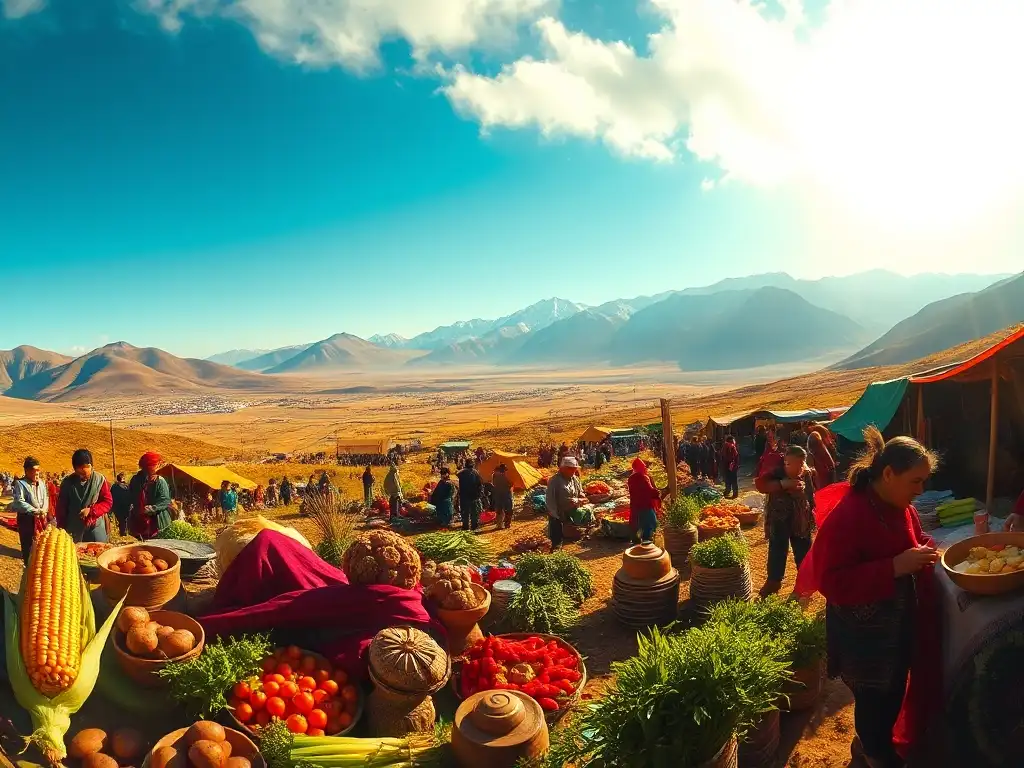
Step into a world lost in time, yet echoing with vibrant life. Imagine the breathtaking landscapes of the Andes, where ancient civilizations thrived, leaving behind a legacy of ingenuity and awe-inspiring traditions. Here, we delve into the heart of Andean harvest festival traditions, uncovering the secrets behind their captivating rituals and the profound connection between these cultures and the bounty of their land. Prepare to be amazed by the stories of abundance and resilience – the Andean Feast awaits.
The Andes Mountains, a spine of towering peaks and fertile valleys, nurtured some of the most sophisticated agricultural societies in the pre-Columbian world. For centuries, Andean civilizations, including the Inca, Moche, Nazca, and Tiahuanaco, developed intricate systems of cultivation and irrigation, resulting in bountiful harvests that fueled their vibrant cultures.
These harvests weren't simply occasions for sustenance; they were celebrated through elaborate rituals and festivals that expressed profound gratitude for the abundance provided by nature, a sacred connection deeply woven into the fabric of Andean life. This article delves into the rich tapestry of Andean harvest festival traditions, exploring the diverse practices, symbolic meanings, and enduring legacy of these celebrations.
We'll uncover how these festivals reflect the deep-rooted relationship between the Andean people and their environment, highlighting the ingenuity and resilience of these remarkable civilizations in the face of challenging terrains and climates. Understanding these traditions offers a profound insight into the heart of Andean culture and its enduring connection to the land.
Introduction to Andean Harvest Celebrations
Andean harvest celebrations weren't monolithic events; they varied significantly across different cultures and regions, reflecting the unique ecological conditions and agricultural practices of each community. However, a common thread uniting these celebrations was the profound reverence for Pachamama, Mother Earth, the life-giving force that sustained Andean societies.
These festivals weren't merely joyous gatherings; they were sacred rituals designed to express gratitude, ensure future prosperity, and maintain a harmonious relationship with the natural world. The celebrations often involved elaborate ceremonies, offerings to Pachamama (which might include coca leaves, chicha (fermented corn beverage), and other agricultural products), music, dance, and feasting, all aimed at honoring the bounty of the harvest and securing its continuation.
The specific rituals and offerings differed based on the specific crop harvested and the local traditions. For example, the potato harvest, a staple crop in the Andes, was often marked with unique ceremonies distinct from those celebrating the maize or quinoa harvest.
The Inca's Capac Raymi: A Grand Celebration of the Sun and Harvest
The Inca Empire, at its zenith, organized a grand harvest festival known as Capac Raymi. This wasn't just a celebration of agricultural abundance; it was a complex state ritual that reinforced the Inca's political and religious authority. Capac Raymi, held during the winter solstice, coincided with the harvest season and involved elaborate processions, sacrifices, and feasts in Cusco, the imperial capital.
The festival's centerpiece was the worship of Inti, the Sun God, who was considered the ultimate source of life and fertility. The Inca emperor, as the supreme religious leader, played a central role in these ceremonies, reinforcing his divine connection to the cosmos and the land. The festivities included elaborate dances, music performed on traditional instruments like the pututu (a shell trumpet) and antara (panpipes), and lavish feasts featuring the best of the harvest.
The distribution of food and goods during Capac Raymi was a crucial aspect, strengthening social bonds and reinforcing the emperor's control over the empire's resources. Archaeological evidence, including the remains of ceremonial centers and agricultural terraces, provides tangible glimpses into the scale and importance of this grand harvest celebration.
Regional Variations: Harvest Festivals Beyond the Inca Empire
While the Inca Empire's Capac Raymi served as a significant pan-Andean event, many other, smaller-scale harvest festivals existed across various pre-Inca and contemporaneous Andean communities. The Moche culture, known for its sophisticated irrigation systems and artistic achievements, likely held their own harvest celebrations, though the specifics remain less documented due to a lack of extensive written records.
However, their intricate pottery and murals often depict scenes of agricultural activities and feasting, suggesting the importance of harvest celebrations in their society. Similarly, the Nazca and Tiahuanaco cultures, each with their unique agricultural practices, undoubtedly held their own distinctive harvest festivals, reflecting their specific beliefs and agricultural cycles.
Further research and archaeological discoveries are necessary to fully understand the diversity of these regional harvest celebrations and their unique characteristics. The surviving traditions of indigenous communities in the Andes today offer valuable insights into the possible forms and meanings of these lost celebrations, revealing a richness and complexity that continues to inspire awe and wonder.
The Enduring Legacy of Andean Harvest Traditions
Even today, many Andean communities continue to celebrate harvest festivals, albeit in adapted forms. These contemporary celebrations reflect the enduring influence of pre-Columbian traditions, while also incorporating elements of Catholicism and other influences. The core elements of gratitude for the harvest, reverence for Pachamama, and communal feasting remain central to these festivities.
These ongoing celebrations serve as a powerful testament to the resilience and adaptability of Andean culture, highlighting the enduring connection between people and the land that has sustained them for millennia. The continued observance of these traditions provides a valuable link to the past, offering insights into the rich cultural heritage of the Andes and the ingenuity of their agricultural practices. Preserving and understanding these traditions is crucial for appreciating the depth and complexity of Andean civilization and its enduring legacy.
- Introduction to Andean Harvest Celebrations
- The Inca's Capac Raymi: A Grand Celebration of the Sun and Harvest
- Regional Variations: Harvest Festivals Beyond the Inca Empire
- The Enduring Legacy of Andean Harvest Traditions
The Significance of the Andean Harvest
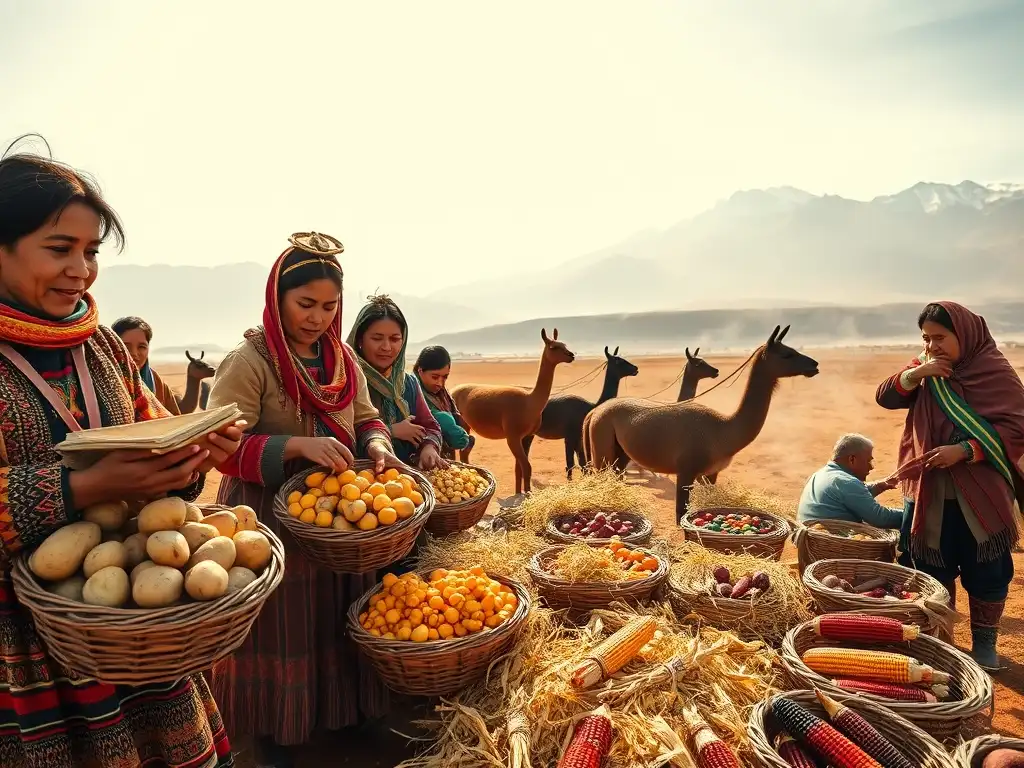
The Andean harvest, far from being a mere agricultural event, held profound spiritual and social significance for ancient Andean civilizations. It represented the culmination of a year's labor, a time of abundance and renewal, but also a moment of deep reverence for the forces of nature that sustained them. Understanding the Andean harvest requires appreciating their intricate relationship with the environment and their deeply spiritual worldview.
The success of the harvest wasn't solely measured in bushels of maize or potatoes; it was a reflection of their harmony with Pachamama, the Earth Mother, and the celestial deities who influenced the agricultural cycle. The meticulous agricultural practices employed, from terracing to irrigation, weren't simply technological achievements; they were expressions of a holistic philosophy that integrated humanity within the larger ecosystem. This intricate connection between humans and nature is central to understanding the vibrant traditions surrounding Andean harvest festivals.
The abundance celebrated during these festivals wasn't just material; it was a symbolic representation of spiritual well-being and the continued prosperity of the community. This section delves into the deeper meaning behind the Andean harvest, exploring the worldview and rituals that shaped this critical period in the Andean calendar.
The Andean Worldview and the Cycle of Agriculture
The Andean worldview was profoundly cyclical, mirroring the rhythms of nature. The agricultural cycle, with its planting, growth, and harvest phases, was deeply intertwined with their cosmology. The sun, moon, and stars were not merely celestial bodies but active participants in the agricultural process, influencing the weather patterns and the fertility of the land.
The Andean people meticulously observed these celestial movements, developing sophisticated astronomical calendars to predict planting and harvesting times. Their understanding of the agricultural cycle wasn't limited to practical knowledge; it was embedded within a rich tapestry of myths, legends, and rituals. For example, the Inca believed that the sun god, Inti, was directly responsible for the growth of crops, and rituals were performed to ensure his continued favor.
This close connection between the celestial and the terrestrial realms shaped their approach to agriculture and infused the harvest with a profound spiritual significance. This wasn't just a time to gather food; it was a moment to reaffirm their relationship with the cosmos and express gratitude for the bounty provided. The success of the harvest was seen as a sign of cosmic harmony and a blessing from the divine.
Honoring Pachamama: The Earth Mother in Andean Rituals
Central to Andean harvest celebrations was the veneration of Pachamama, the Earth Mother. She was not simply the physical earth but a powerful deity, considered the source of all life and fertility. The harvest was a time to express gratitude to Pachamama for her generosity and to ensure her continued benevolence. Rituals varied across different Andean cultures, but common themes included offerings of food, drink, and coca leaves, placed directly on the earth as a gesture of respect and appeasement.
These offerings were not mere symbolic gestures; they were believed to nourish Pachamama and maintain the balance between the human and spiritual worlds. The act of offering was a reciprocal exchange, acknowledging the earth's role in providing sustenance and reaffirming the community's dependence on her bounty. Furthermore, many rituals involved music, dance, and feasting, creating a vibrant atmosphere of communal celebration and spiritual connection. The harvest festivals weren't just about thanking Pachamama; they were about strengthening the bond between the community and the earth, ensuring the continued flow of abundance and prosperity for years to come.
The intensity and diversity of these rituals underscore the central role of Pachamama in the Andean worldview and the deep reverence accorded to her during the harvest season. These traditions, while diverse in their specific practices, shared a common thread of gratitude, reciprocity, and a profound respect for the natural world. The Andean harvest festivals were not merely celebrations of abundance; they were powerful expressions of a spiritual and ecological philosophy that shaped the lives of Andean peoples for centuries.
Key Andean Harvest Festival Traditions
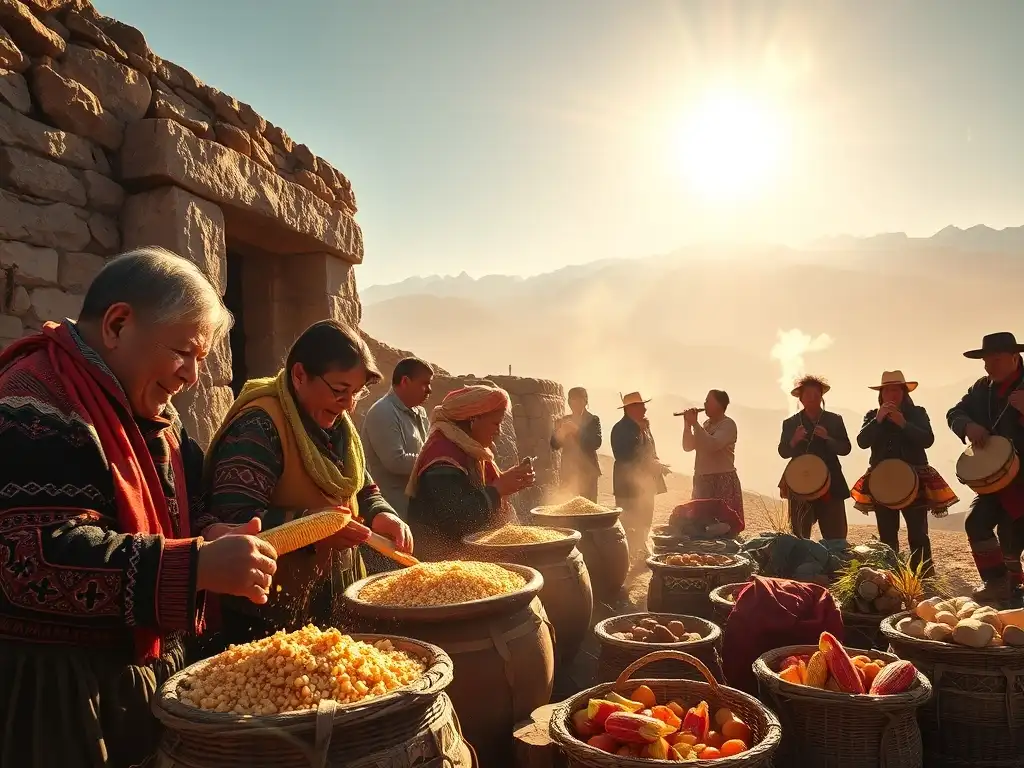
The Andes Mountains, a spine of towering peaks running down the western edge of South America, nurtured a rich tapestry of cultures, each with unique traditions deeply intertwined with the agricultural cycle. Understanding Andean harvest festival traditions offers a glimpse into the profound reverence these societies held for the land and its bounty. The festivals weren't merely celebrations; they were vital rituals ensuring future prosperity and expressing gratitude for a successful harvest.
These celebrations varied across different Andean cultures, reflecting the diversity of crops and ecological niches. However, common threads of music, dance, offerings, and community participation weave through them all. Let's delve into some key examples.
Inti Raymi: The Festival of the Sun and the Harvest
Inti Raymi, meaning "Festival of the Sun" in Quechua, was the most important festival in the Inca Empire. Celebrated on the solstice in June, it marked the beginning of the harvest season and paid homage to Inti, the sun god, the source of all life and abundance. The festival was a grand spectacle, involving elaborate ceremonies, processions, and sacrifices. The Inca emperor, Sapa Inca, played a central role, performing rituals to ensure the sun's continued benevolence and a bountiful harvest for the coming year.
The festivities lasted for several days, featuring feasts with copious amounts of chicha (fermented maize beverage) and various agricultural products, including potatoes, maize, quinoa, and coca leaves. Farmers would present their finest produce as offerings to the sun god. Intense agricultural labor preceded the festival, with communities working together to ensure the harvest was completed before the celebrations began.
The success of the harvest directly influenced the scale and extravagance of the Inti Raymi celebrations, underscoring its profound connection to agricultural prosperity. The significance of Inti Raymi extended beyond mere celebration; it served as a crucial social and political event, reinforcing the Inca emperor's power and the unity of the empire. Evidence of this grand festival can still be found in surviving accounts from Spanish chroniclers and archaeological findings.
Paukar Raymi: The Flowering Festival and its Connection to the Harvest
Paukar Raymi, meaning "Flowering Festival," is another important Andean harvest festival tradition, though its connection to the harvest is less direct than Inti Raymi. Celebrated in August or September, it marks the blossoming of flowers and the promise of a future harvest. While not explicitly a harvest celebration, Paukar Raymi acknowledged the cyclical nature of agriculture and the importance of the upcoming planting season. It celebrated the renewal of life and the promise of abundance to come, symbolizing the hope for a prosperous harvest in the following year.
Unlike the grand scale of Inti Raymi, Paukar Raymi was often celebrated at a more local level, involving smaller communities and focusing on fertility rites and agricultural preparations. The festival involved music, dance, and symbolic offerings related to fertility and the blossoming of plants. The vibrant colors of the flowers and the joyous atmosphere reflected the optimism and hope associated with the upcoming agricultural cycle.
Although less documented than Inti Raymi, Paukar Raymi's significance lies in its highlighting of the continuous cycle of life and the interconnectedness of the planting and harvesting seasons. Its importance underscores the Andean understanding of agriculture as a continuous process, not just an isolated event.
The Importance of Music and Dance in Andean Harvest Festivities
Music and dance were integral components of all Andean harvest celebrations, serving both celebratory and ritualistic purposes. The rhythmic beats of drums, panpipes, and other instruments accompanied elaborate dances, often depicting agricultural activities, animal spirits, or mythological figures related to fertility and abundance. These performances weren't mere entertainment; they were believed to influence the harvest's success, invoking blessings from the gods and spirits.
The dances often involved intricate steps and formations, symbolizing the agricultural cycle, the planting of seeds, and the growth of crops. Specific dances were associated with particular crops or agricultural activities, demonstrating the deep cultural connection between music, dance, and agriculture. The vibrant costumes and masks worn by the dancers added to the spectacle, enhancing the ritualistic and symbolic nature of the performances.
Participation in these events fostered community cohesion and reinforced social bonds, making the harvest celebrations not only a tribute to nature's bounty but also a powerful expression of community identity and shared cultural heritage. The legacy of these musical and dance traditions continues to this day, with many Andean communities still preserving and performing these vibrant cultural expressions. The enduring power of music and dance in Andean harvest festivities speaks volumes about their importance in maintaining cultural identity and agricultural traditions.
Traditional Andean Foods and Drinks in Harvest Celebrations
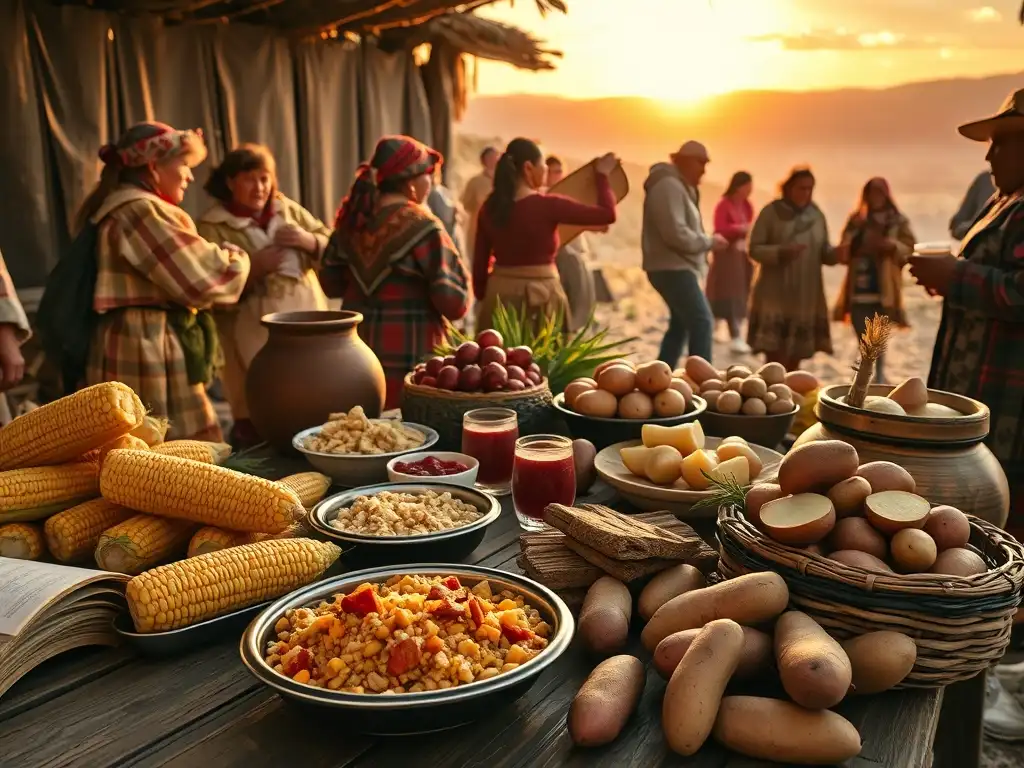
This section delves into the culinary heart of Andean harvest festivals, exploring the significance of specific foods and beverages in these celebrations. The abundance of the harvest isn't just measured in bushels; it's celebrated through a vibrant tapestry of tastes and traditions passed down through generations. Understanding the role of food in these rituals provides crucial insight into the Andean worldview and its deep connection with nature's bounty.
The careful selection and preparation of each dish demonstrate a profound respect for the land and its provision. These festivals are not merely occasions for consumption, but rather sacred acts of thanksgiving and community reinforcement.
The Role of Potatoes and Corn in Andean Feasts
Potatoes and corn, the Andean staples, take center stage in almost every harvest festival. Their significance transcends mere sustenance; they symbolize prosperity, fertility, and the cyclical nature of life itself. The sheer variety of potato species cultivated in the Andes – each adapted to specific altitudes and microclimates – is a testament to the ingenuity of Andean agricultural practices. These aren't just any potatoes; they are carefully selected heirloom varieties, often with unique flavors and textures, contributing to the diverse culinary landscape of the celebrations.
Similarly, corn, in its many forms – from kernels to flour to chicha (a fermented beverage) – plays a vital role. Different colors of corn often hold symbolic meanings, representing different aspects of the harvest or the spiritual realm. For example, [specific color symbolism pending] could represent prosperity, while [specific color symbolism pending] may symbolize fertility.
The meticulous preparation of these staple crops, often involving intricate techniques passed down through generations, underscores their sacred importance within the festival. Dishes featuring these ingredients are not simply eaten; they are offered as gifts to the spirits of the land and shared amongst community members, strengthening social bonds.
Preparation of Chicha: Fermented Corn Beverage
Chicha, a fermented corn beverage, is arguably the most iconic drink of Andean harvest celebrations. Its preparation is a complex process, often involving rituals and specific techniques that vary across different Andean communities. The process begins with the selection of specific corn varieties, often those considered particularly potent or sacred. The corn is then carefully cleaned, steeped, and fermented, sometimes involving the addition of other fruits or plants to enhance the flavor and potency. The fermentation process itself is often seen as a sacred transformation, mirroring the cyclical nature of life and death, renewal and rebirth.
The resulting chicha is not simply an alcoholic beverage; it is a potent symbol of the harvest's abundance and a conduit for spiritual connection. It is often shared communally, fostering a sense of unity and shared experience. The act of drinking chicha is a ritualistic one, often accompanied by prayers, songs, and dances, further highlighting its importance within the celebration. Different types of chicha exist, varying in taste, alcoholic content, and preparation method, reflecting the diverse culinary heritage of the Andes. [Specific examples of chicha varieties and their preparation methods pending].
The Andean harvest festival isn't just about the food itself; it's about the act of sharing and communal feasting. These celebrations are deeply social events, strengthening community bonds and reaffirming social hierarchies. The distribution of food is often carefully orchestrated, with specific portions allocated to different members of the community based on their social standing and their contributions to the harvest. This communal meal is not just a feast; it is a sacred act of reciprocity, reaffirming the interconnectedness of individuals within the community and their relationship with the land.
The atmosphere is vibrant and festive, filled with music, dance, and storytelling. The sharing of food and drink creates a powerful sense of unity and belonging, reinforcing the social fabric of the community. These gatherings often involve reciprocal gift-giving, further strengthening social ties and reinforcing the importance of communal cooperation.
The entire event is a powerful testament to the Andean peoples' deep connection with their environment and their enduring cultural traditions. The abundance of the harvest is not just a material blessing; it is a source of social cohesion, spiritual renewal, and cultural continuity. The Andean harvest festival traditions embody a holistic worldview, where nature, community, and spirituality are inextricably linked.
Agricultural Practices and the Harvest Calendar
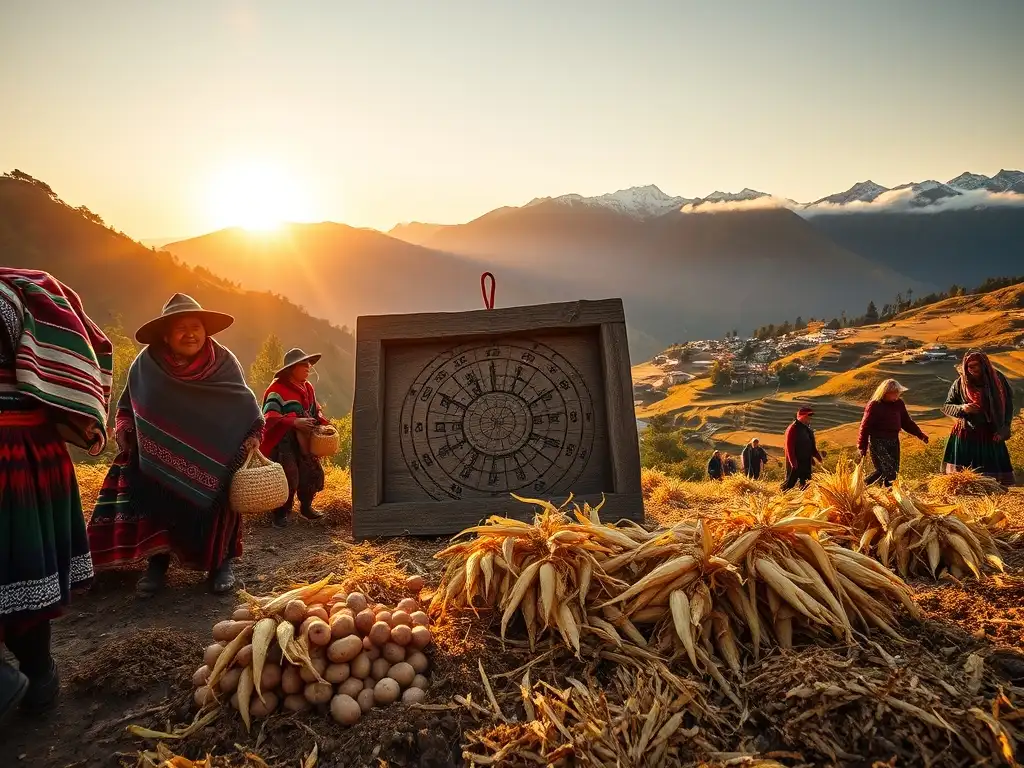
This section delves into the intricate relationship between Andean agricultural practices and the timing of their harvest festivals. Understanding the meticulous planning and sophisticated techniques employed by ancient Andean civilizations is crucial to appreciating the significance of their harvest celebrations. These weren't simply feasts; they were deeply symbolic events reflecting a profound connection to the land and its bounty, a connection forged through generations of carefully honed agricultural expertise.
The vibrant tapestry of Andean harvest festival traditions is inextricably linked to the success of their farming methods, a testament to their ingenuity and resilience in the face of challenging environments. We'll explore how their agricultural calendar dictated the rhythms of life, influencing not only food production but also social structures, religious beliefs, and artistic expression.
Ancient Andean Cultivation Techniques for Abundant Harvests
Ancient Andean farmers developed incredibly sophisticated techniques to maximize crop yields in diverse and often challenging terrains. Their success wasn't merely a matter of luck; it stemmed from a deep understanding of their environment and the development of innovative farming practices. These included:
- Terracing: Creating level platforms on steep slopes to increase arable land and prevent soil erosion. This technique, discussed in more detail below, was vital for maximizing production in mountainous regions.
- Irrigation: Constructing intricate canal systems to divert water from rivers and streams to fields, ensuring consistent water supply even during dry periods. This included sophisticated water management systems like aqeducts and andenes.
- Crop Rotation: Alternating different crops in the same field over time to improve soil fertility and prevent the depletion of nutrients. This practice, while not as extensively documented as terracing or irrigation, is implied by the diverse range of crops cultivated.
- Fertilization: Utilizing organic fertilizers, such as guano (bat and seabird droppings), to enrich the soil and enhance crop growth. The strategic use of guano is a testament to their understanding of soil chemistry.
- Seed Selection: Carefully selecting and saving seeds from the best-performing plants to ensure high-quality crops in subsequent seasons. This practice reflects a focus on genetic improvement, showcasing a sophisticated understanding of plant breeding.
The effectiveness of these techniques is evidenced by the abundance of crops cultivated, including potatoes, maize, quinoa, beans, and squash, which formed the backbone of their diet and supported large, complex societies. The sheer scale of their agricultural achievements is a powerful testament to their ingenuity and agricultural prowess. This mastery of cultivation directly fed into the richness and abundance reflected in their harvest festivals.
The Significance of Terracing in Andean Agriculture
Terracing stands as one of the most remarkable achievements of Andean agricultural engineering. By carving level platforms into steep slopes, farmers dramatically increased the amount of arable land available for cultivation. This wasn't just a matter of expanding farmland; it was a crucial adaptation to the challenging geography of the Andes. The benefits extended beyond simply increasing yield:
- Erosion Control: Terraces effectively prevented soil erosion, a significant threat in mountainous regions prone to heavy rainfall. The carefully constructed walls helped retain topsoil, preserving its fertility for future harvests.
- Water Management: Terraces facilitated efficient water management by slowing down the flow of water, allowing it to soak into the soil and reducing runoff. This was especially important in areas with limited water resources.
- Microclimate Modification: The terraces created microclimates, offering some protection from strong winds and temperature fluctuations, contributing to more favorable growing conditions for crops.
- Increased Productivity: The combined effects of erosion control, water management, and microclimate modification resulted in significantly higher crop yields compared to farming on unsloped land.
The scale and precision of Andean terracing systems are truly breathtaking, with some terraces still visible today, standing as silent witnesses to the remarkable engineering skills of ancient Andean societies. The visual impact of these terraces, stretching across mountain slopes, was undeniably impressive and contributed to the powerful symbolism associated with harvest festivals, signifying human mastery over nature and the abundance resulting from careful planning and hard work.
Understanding the Andean Agricultural Calendar
The Andean agricultural calendar wasn't simply a list of planting and harvesting dates; it was a deeply integrated system that connected agricultural practices with religious beliefs, social structures, and the natural rhythms of the environment. The timing of planting and harvesting was crucial, dictated by the seasonal changes and the specific needs of each crop. This calendar was likely highly localized, varying slightly depending on altitude and specific microclimates. However, certain broad patterns are evident:
| Season | Activities | Associated Festivals (examples) |
|---|---|---|
| Dry Season | Land preparation, planting of drought-resistant crops | [Specific festival names pending] |
| Rainy Season | Planting of other crops, irrigation management | [Specific festival names pending] |
| Harvest Time | Harvesting of various crops | Abundant harvest celebrations, varying regionally |
The cyclical nature of the agricultural calendar mirrored the cyclical nature of life itself, reinforcing the spiritual significance of the harvest. The festivals weren't merely celebrations of abundance; they were rituals that renewed the connection between the people and the land, ensuring the continued fertility and prosperity of the community. The precise details of the calendar and its associated rituals remain a subject of ongoing research, with many regional variations still awaiting detailed study.
However, the overall importance of this calendar to the life and culture of Andean civilizations is undeniable. The success of their agricultural practices, carefully timed according to this calendar, formed the very foundation upon which their rich harvest festival traditions were built.
The Modern Relevance of Andean Harvest Festivals
The vibrant tapestry of Andean harvest festival traditions, deeply rooted in ancient agricultural practices, continues to resonate powerfully in the 21st century. While the methods of cultivation may have evolved, the core values celebrated during these festivals – gratitude for nature's bounty, community solidarity, and the cyclical renewal of life – remain profoundly relevant. Understanding these traditions offers valuable insights into sustainable living, cultural preservation, and the enduring power of community.
The festivals serve as a powerful reminder of the interconnectedness between humans and the environment, a lesson increasingly crucial in our modern era of environmental challenges. Moreover, they provide a framework for understanding the resilience and adaptability of Andean cultures throughout history, offering valuable lessons for navigating contemporary societal complexities.
Preserving Andean Harvest Traditions in Contemporary Society
The preservation of Andean harvest festival traditions faces significant challenges in the modern world. Rapid urbanization, globalization, and the influence of Western cultures threaten to erode the unique aspects of these celebrations. However, concerted efforts are underway to ensure their continuity.
Many communities are actively involved in revitalizing traditional practices, often incorporating them into educational programs and tourism initiatives. This strategic approach not only safeguards cultural heritage but also generates economic opportunities for local communities. For instance, some communities are using harvest festivals as platforms to promote sustainable agricultural practices and ecotourism, fostering economic growth while preserving their cultural identity.
Documenting these traditions through ethnographic studies, oral histories, and video recordings is also crucial for preserving them for future generations. The challenge lies in balancing the need for preservation with the desire for adaptation to modern contexts, ensuring that these traditions remain vibrant and meaningful for contemporary Andean societies. The successful integration of these traditions into modern life hinges on the active participation and commitment of both local communities and external stakeholders.
The Cultural Impact of Andean Harvest Festivals
Andean harvest festivals are not merely agricultural celebrations; they are powerful expressions of Andean culture. They serve as vital platforms for the transmission of knowledge, values, and traditions across generations. Through storytelling, music, dance, and ritual, these festivals reinforce social bonds and transmit cultural heritage.
The vibrant costumes, intricate music, and symbolic rituals are all integral parts of this cultural transmission. For example, the Fiesta de la Vendimia in certain Andean regions involves elaborate processions, traditional music performances, and the sharing of locally produced wine, all contributing to a rich and immersive cultural experience. These events often involve the participation of entire communities, fostering a strong sense of collective identity and shared experience.
The festivals also play a role in maintaining linguistic diversity, with many traditional songs and stories being passed down orally in indigenous languages. The continued practice of these festivals strengthens cultural identity, promotes community cohesion, and contributes to the overall richness and diversity of Andean societies. The impact extends beyond the immediate community, enriching the cultural landscape of the region and beyond.
The Role of Harvest Festivals in Andean Identity
Andean harvest festivals are deeply intertwined with the very fabric of Andean identity. They represent a powerful affirmation of the relationship between the Andean peoples and their environment, demonstrating a profound respect for the land and its resources. The festivals are not just celebrations of abundance; they are also expressions of resilience, reflecting the ability of Andean communities to adapt to challenging environmental conditions and maintain their cultural heritage across centuries.
The cyclical nature of the harvest festivals mirrors the cyclical nature of Andean life, emphasizing the importance of balance, reciprocity, and respect for the natural world. These festivals serve as a reminder of the enduring connection between the past, present, and future, reinforcing a sense of continuity and belonging within the Andean community.
The festivals are more than just celebrations; they are powerful symbols of cultural identity, shaping and reinforcing a sense of shared history and community. They are a tangible expression of the enduring spirit of the Andean people and their deep connection to the land.
Frequently Asked Questions
What is the most important Andean harvest festival?
While many festivals celebrate the harvest, the Inti Raymi, or Festival of the Sun, held during the winter solstice, is arguably the most significant, honoring the sun's life-giving power and the successful harvest.
How did Andean civilizations celebrate their harvests?
Celebrations varied by culture but often involved rituals, feasts, and offerings to deities. They expressed gratitude for the abundance of the land and ensured future prosperity through ceremonies and agricultural practices.
What role did agriculture play in Andean harvest festivals?
Agriculture was central to Andean life, so harvest festivals were deeply intertwined with it. The festivals were a time to celebrate the success of the agricultural cycle, honor the land, and ensure future harvests.
What types of offerings were made during Andean harvest festivals?
Offerings varied, including food and drinks (like chicha), gold and silver, textiles, and even human sacrifices in some cultures. These offerings were intended to appease deities and secure continued prosperity.
Where can I experience Andean harvest festival traditions today?
Many modern celebrations still incorporate elements of ancient traditions. You can find re-enactments and festivals in various Andean communities in countries like Peru, Bolivia, Ecuador, and Colombia; however, some traditions might be adapted.
Final Reflection: A Legacy of Abundance, A Future of Sustainability
The vibrant traditions surrounding the Andean harvest, far from being relics of the past, offer a powerful and timely message for our modern world grappling with food security and environmental responsibility. The interconnectedness of community, nature, and spirituality showcased in these festivals serves as a potent reminder of our dependence on a healthy planet and the importance of sustainable practices. We must learn from these ancient wisdoms to ensure a future where abundance is not a fleeting privilege, but a shared inheritance.
The enduring power of these Andean harvest festivals lies not only in their rich ceremonies and delicious food, but in their ability to foster a deep sense of connection with the land and its bounty. These celebrations are a testament to the enduring human need to express gratitude and acknowledge our reliance on the natural world. We do not inherit the earth from our ancestors, we borrow it from our children.
This quote, often attributed to Native American Chief Seattle, perfectly encapsulates the responsibility inherent in the Andean approach to harvest, a responsibility we must all embrace.
Consider, for a moment, the implications of this ancient wisdom in your own life. How can you cultivate a deeper appreciation for the food you consume and the origins of your sustenance? What steps can you take, however small, to live more sustainably and contribute to a future where the abundance of the Andean harvest is not an exception, but a global reality? Let the spirit of these vibrant festivals inspire you to connect with nature, celebrate community, and build a more sustainable future for generations to come.
**Savor the Abundance: Celebrate the Andean Harvest! **
Thank you for joining us on this exploration of the vibrant Andean Feast! You've discovered the beauty and significance of this rich celebration, and now let's bring that inspiration into our daily lives. Let's honor the harvest and the spirit of community!
Here are some ways to embrace the essence of the Andean Feast:
- **Attend a local harvest festival or farmers' market** – experience the joy of fresh, seasonal produce and connect with your community.
- **Prepare a traditional Andean dish at home** – gather family and friends for a meal that celebrates nature's bounty.
- **Share your appreciation for Andean culture** by posting about your experiences on social media or discussing them with friends and family – let's keep the spirit of the feast alive!
How will you celebrate abundance in your life today? Let's start a conversation in the comments below!