Andean Religion and Cosmovision

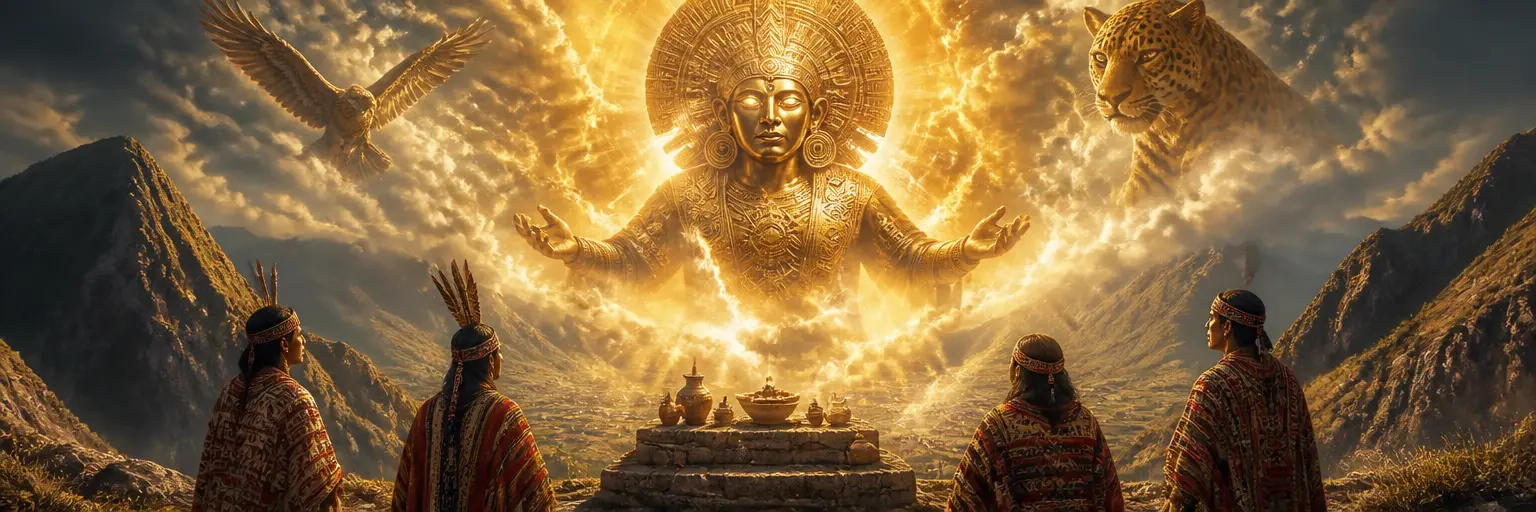
Discover the powerful gods, spirits, and mythical beings of Andean religion and cosmovision 🌄. Explore how deities connected the heavens, mountains, earth, ancestors, and natural forces, shaping the beliefs and daily lives of the Incas, Moche, Nazca, and Tiahuanaco. ✨ Learn about sacred beings such as Viracocha, Inti, Pachamama, and revered mountain spirits while uncovering the symbolism, rituals, and enduring legacy of ancient Andean spirituality. Journey into the supernatural world of the Andes and deepen your understanding of this remarkable cultural heritage.
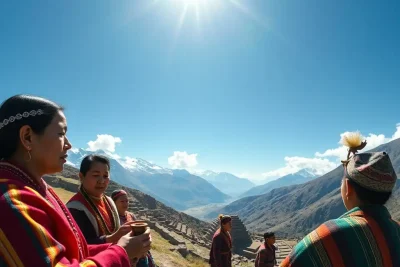
Discover the sacred world of Andean deities, supernatural beings, sacred spirits, and mythological figures that shaped the religious beliefs of the Inca, Moche, Nazca, Tiahuanaco, and other ancient Andean civilizations. This subcategory explores how gods, ancestors, mountain spirits, celestial forces, animals, and nature beings influenced Andean cosmology, rituals, political authority, agriculture, architecture, and everyday life. Learn how the ancient peoples of the Andes understood the relationship between humans, the earth, the heavens, and the spiritual forces that governed the natural world.
Explore the most important Inca gods and divine beings, including Inti, the sun god; Viracocha, the creator deity; Pachamama, the earth mother; Illapa, the god associated with thunder and rain; and Mama Quilla, the moon goddess. These sacred figures played central roles in imperial ceremonies, agricultural festivals, royal legitimacy, and the organization of the Inca religious system.
Discover how Inca mythology connected divine power with the authority of the Sapa Inca, sacred temples, solar worship, and the ceremonial landscape of Cusco. Articles in this section explain the meanings of offerings, prayers, sacred objects, and ritual spaces while showing how Inca religion and cosmology reflected a deeply interconnected vision of the universe.
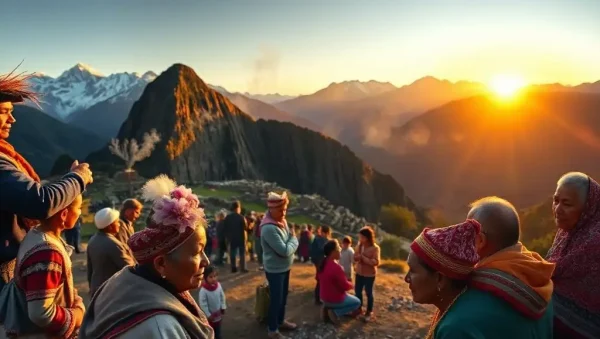
Learn about the apus, or powerful mountain spirits, who remain among the most important supernatural beings in Andean religion. Mountains were understood not simply as geographical features but as living sacred entities capable of protecting communities, controlling weather, influencing fertility, and receiving offerings from human worshippers.
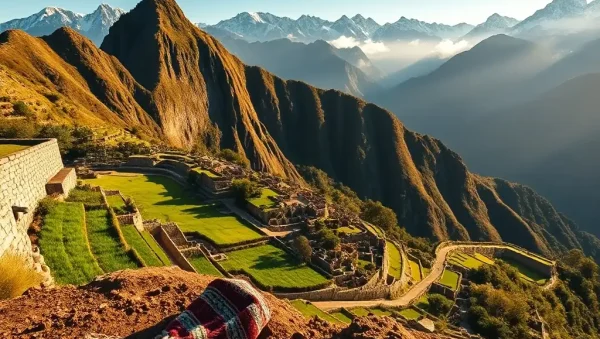
This section examines sacred mountains, high-altitude shrines, pilgrimage routes, and ceremonies such as capacocha. It also explains how Andean communities interpreted glaciers, volcanoes, lakes, caves, and springs as spiritually significant places connected to creation myths, ancestors, and the continuing relationship between people and the landscape.
Discover the enduring importance of Pachamama, the earth mother and nourishing power at the heart of Andean spirituality. Pachamama represented fertility, harvests, soil, nourishment, and the reciprocal exchange between humans and the natural world. Offerings of food, drink, coca leaves, textiles, and precious materials expressed gratitude and encouraged balance.
Readers will learn how beliefs surrounding Pachamama were connected to agriculture, seasonal cycles, communal labor, and the concept of reciprocity known as ayni. This content explores both ancient traditions and their survival in modern Andean communities, revealing the continuity of indigenous Andean beliefs across centuries of cultural change.
Animals held profound symbolic and religious importance in Andean cultures. Explore the sacred meanings of the condor, puma, serpent, llama, jaguar, fox, and frog, as well as their roles in mythology, ritual art, burial practices, and temple decoration. Many animals were viewed as intermediaries between different levels of the cosmos.
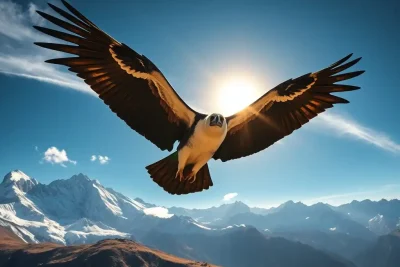
Discover how the condor was associated with the upper world, the puma with the human realm, and the serpent with the underworld or inner earth. These symbolic relationships help explain famous Andean imagery, including the three-part organization of the universe and the powerful animal motifs found in Inca, Moche, Nazca, and Tiahuanaco art.
Go beyond Inca mythology to investigate the distinctive gods and supernatural figures of earlier Andean civilizations. Moche ceramics and murals portray warrior deities, powerful ancestors, ritual specialists, and hybrid beings, while Nazca textiles and pottery reveal complex imagery involving fertility, warfare, agriculture, and transformation.
Tiahuanaco religious art presents imposing creator figures, winged attendants, felines, serpents, and other sacred symbols that influenced later Andean traditions. By comparing these civilizations, readers can understand the development of ancient Andean mythology, the spread of religious iconography, and the long-term cultural connections linking the Andes.
Andean cosmovision often described reality through interconnected levels, including Hanan Pacha, the upper world; Kay Pacha, the world of living beings; and Uku Pacha, the inner or below world. Gods, ancestors, animals, humans, and natural forces interacted across these realms through ceremonies, dreams, sacred places, and symbolic objects.
This section explains how the three worlds appeared in Andean architecture, art, mythology, and ritual practice. Readers will gain insight into the principles of duality, complementarity, cyclical time, transformation, and reciprocity that made Andean religion a dynamic system rather than a simple collection of isolated gods.
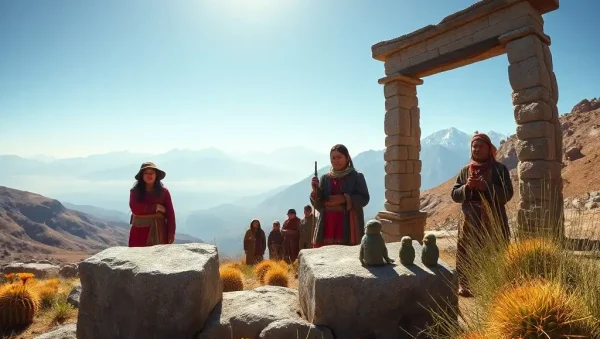
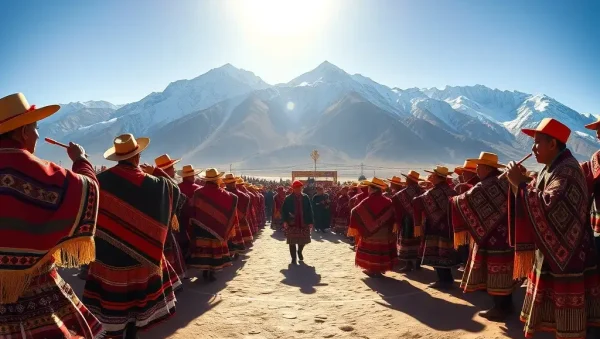
Learn how ancient Andean people communicated with deities and supernatural beings through offerings, sacrifices, festivals, divination, music, dance, prayer, and pilgrimage. Ritual activities were intended to maintain harmony between humans, ancestors, animals, the land, and celestial powers.
Topics include coca-leaf ceremonies, chicha rituals, funerary offerings, blood sacrifice, textile symbolism, sacred architecture, and the role of priests and shamans. These practices demonstrate the importance of reciprocity in Andean religion and reveal how spiritual beliefs influenced government, social identity, agriculture, and community life.
The main gods varied between Andean cultures, but important figures included Inti, the Inca sun god; Viracocha, the creator deity; Pachamama, the earth mother; and Illapa, a deity associated with thunder, lightning, and rain. Earlier cultures such as the Moche, Nazca, and Tiahuanaco had their own divine figures and supernatural beings.
Apus are sacred mountain spirits believed to protect communities and influence weather, fertility, livestock, and human well-being. Mountains were regarded as living spiritual powers, and many highland communities continue to honor them through offerings and ceremonies.
Animals often represented different cosmic realms and spiritual qualities. The condor was linked to the upper world, the puma to the human world, and the serpent to the inner world. Other animals, including llamas, jaguars, frogs, and foxes, were associated with fertility, rain, power, transformation, or protection.
Pachamama is the earth mother and a central figure in Andean spirituality. She represents the soil, fertility, nourishment, agriculture, and the living landscape. Offerings to Pachamama express gratitude and uphold the principle that humans must give back to the earth.
Andean peoples viewed the supernatural world as interconnected with everyday life rather than separate from it. Gods, ancestors, mountains, animals, celestial bodies, and natural forces were active participants in the universe. Rituals and offerings helped maintain balance, reciprocity, and harmony among these forces.