Andean Religion and Cosmovision

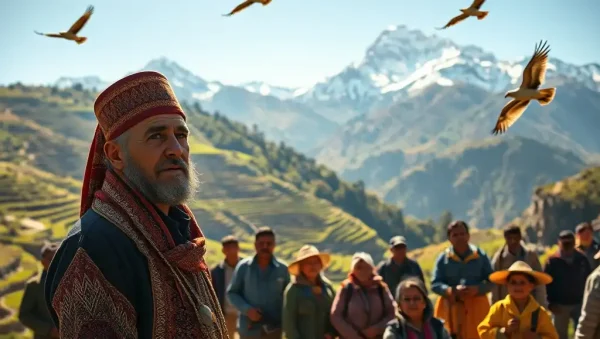
Discover how shamans and priests guided spiritual life in ancient Andean civilizations 🌄. These respected religious leaders connected communities with the sacred forces of nature, ancestors, and the cosmos through rituals, offerings, divination, healing, and ceremonial practices. Explore their influence on Andean religion and cosmovision, from Inca traditions to earlier Moche, Nazca, and Tiahuanaco cultures, and uncover how they shaped beliefs, leadership, agriculture, and everyday life. ✨
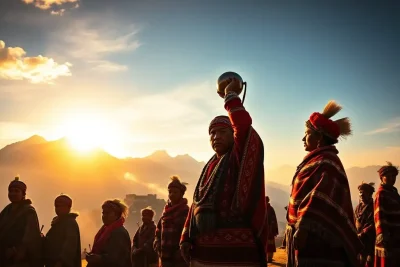
Discover how shamans, priests, ritual specialists, and sacred authorities shaped the spiritual life of the ancient Andes. Within Andean religion and cosmovision, these figures served as intermediaries between human communities, the gods, ancestors, mountains, animals, and the forces of nature. This subcategory explores their responsibilities in Inca religion, Moche ceremonial practices, Nazca rituals, and Tiahuanaco sacred traditions, offering insight into the beliefs, ceremonies, symbols, and institutions that connected the Andean world.
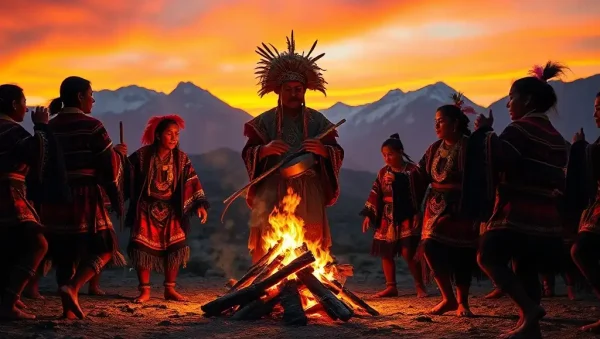
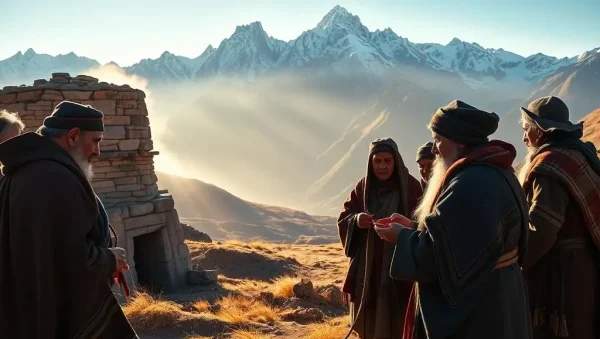
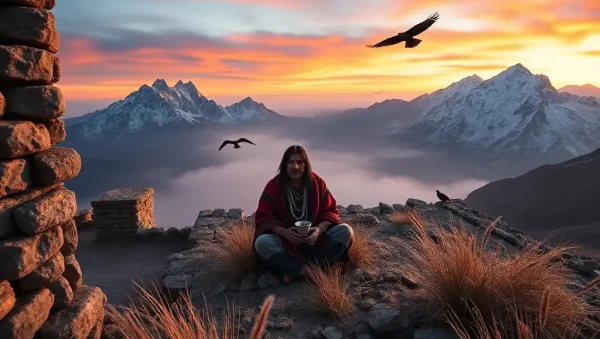
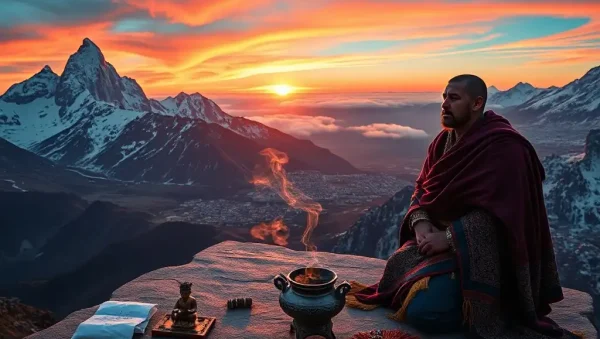
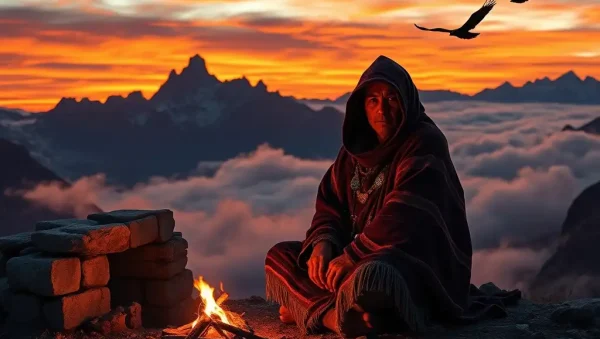
Andean shamans were regarded as specialists capable of communicating with the spiritual realm. Through prayer, chanting, fasting, offerings, visionary experiences, and healing ceremonies, they sought guidance from powerful beings such as mountain spirits, ancestral forces, the sun, the moon, and the earth. Their knowledge was closely connected to the Andean understanding of reciprocity, balance, and harmony between humans and nature.
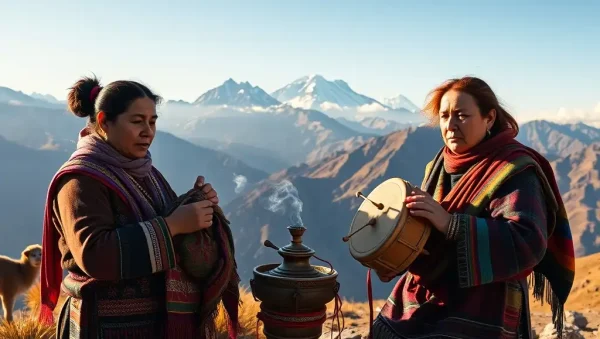
Readers can learn how ritual specialists interpreted dreams, illness, omens, sacred landscapes, and unusual natural events. This section also examines the importance of coca leaves, water, fire, animals, medicinal plants, and ceremonial objects in Andean spiritual practices, while distinguishing historical evidence from later interpretations of shamanism.
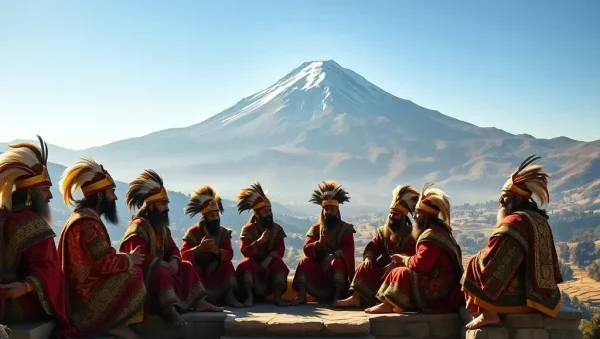
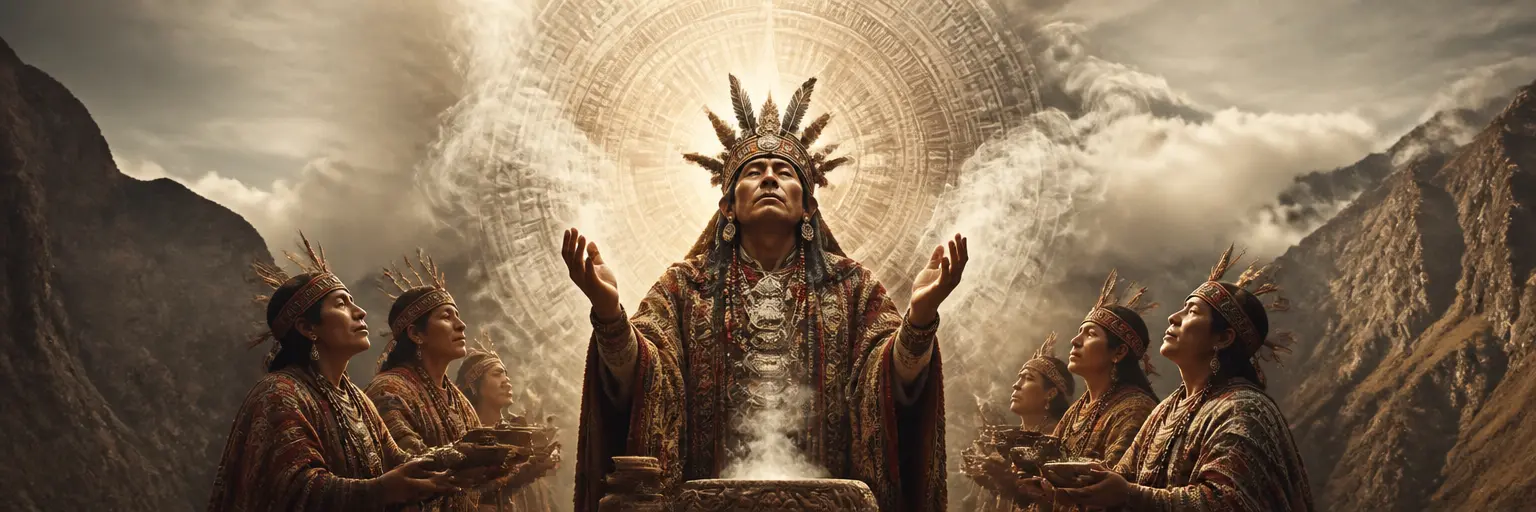
Priests held important positions within organized Andean religions, especially in societies with large ceremonial centers and complex political systems. They supervised temples, maintained sacred images, prepared offerings, observed ritual calendars, and performed ceremonies intended to support fertility, agricultural productivity, royal legitimacy, and social order. In the Inca Empire, religious officials were closely connected to state administration and the worship of major deities such as Inti, Viracocha, and Pachamama.
This subcategory explores the relationship between priests, temples, pilgrimage centers, and political power. It considers how sacred institutions functioned in Cusco, Tiahuanaco, Moche ceremonial sites, and other Andean centers, showing how religious authority helped organize communities and reinforce the connection between rulers, ancestors, and the divine.
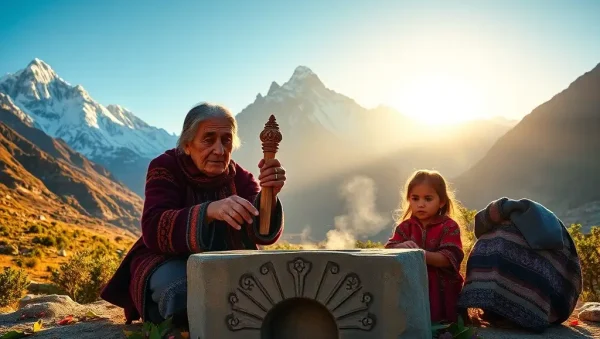
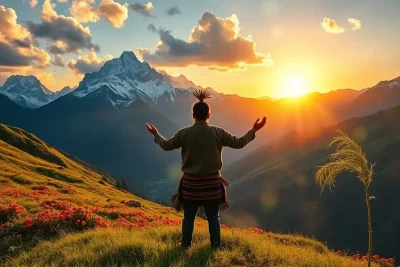
Because Andean societies depended on agriculture in challenging environments, religious ceremonies were often linked to rain, planting, harvesting, fertility, and the health of crops and animals. Shamans and priests performed offerings to the earth, mountains, springs, rivers, and other sacred forces. These rituals expressed ayni, or reciprocal exchange, in which humans gave gifts and respect in the hope of receiving protection, water, fertility, and prosperity.
Readers will discover how offerings could include food, drink, textiles, shells, precious metals, coca, miniature objects, and—in certain historical contexts—animal or human sacrifices. Archaeological discoveries, colonial chronicles, and Indigenous traditions help reconstruct the meaning of these practices and reveal the deep relationship between Andean spirituality, environmental knowledge, and agricultural survival.
In many Andean civilizations, religion and government were closely connected. Priests and ritual experts supported rulers by interpreting divine will, maintaining sacred calendars, and conducting ceremonies that confirmed political authority. In the Inca world, religious officials helped legitimize the Sapa Inca as a sacred ruler, while earlier societies such as the Moche and Tiahuanaco represented elite leaders in ceremonial clothing and ritual roles.
This section examines how religious power influenced leadership, social hierarchy, warfare, diplomacy, and public ceremonies. It also considers the differences between local ritual specialists and state-supported priests, explaining how sacred knowledge could be used to unite communities, control resources, and connect political decisions with the perceived will of the gods and ancestors.
Andean religious art frequently depicts powerful animals and supernatural beings, including condors, pumas, serpents, felines, llamas, and hybrid creatures. These symbols represented different realms of existence and were associated with strength, transformation, fertility, the sky, the earth, and the underworld. Shamans and priests interpreted these images and incorporated them into textiles, ceramics, stone carvings, masks, ritual vessels, and ceremonial architecture.
Explore how Andean iconography and religious symbolism can reveal the responsibilities of spiritual specialists. Moche vessels, Nazca ceramics and geoglyphs, Tiahuanaco stone monuments, and Inca ritual objects provide valuable evidence of visionary beliefs, sacred animals, and communication with supernatural powers.
Much of what is known about Andean shamans and priests comes from a combination of archaeological evidence, Spanish colonial chronicles, Indigenous oral traditions, missionary accounts, and surviving ritual practices. Each source offers valuable information but must be evaluated carefully because colonial observers often misunderstood or reinterpreted Andean beliefs through European religious perspectives.
Readers can expect balanced explanations that compare material culture, historical documents, visual evidence, and living Andean traditions. This approach helps clarify what is known about ancient religious specialists while recognizing the continuity, transformation, and diversity of Andean spiritual life across centuries.
A shaman was a ritual specialist who communicated with spiritual forces, ancestors, sacred landscapes, and supernatural beings. Shamans often performed healing ceremonies, interpreted omens, prepared offerings, and guided communities through religious rituals connected to health, fertility, weather, and protection.
The distinction was not always fixed, but priests were generally associated with organized temples, state institutions, official ceremonies, and religious hierarchies. Shamans were often more closely connected to healing, divination, local traditions, and direct interaction with spiritual forces. In some Andean societies, these roles overlapped.
Andean religious traditions included many gods and sacred powers. Important examples include Inti, the sun deity; Viracocha, a creator figure; Pachamama, the earth and fertility force; Illapa, associated with thunder and rain; and the apus, or sacred mountain spirits. Beliefs varied among the Inca, Moche, Nazca, Tiahuanaco, and other cultures.
Offerings could include food, chicha, coca leaves, textiles, shells, metals, animals, miniature objects, and other valuable materials. These gifts were presented to deities, ancestors, mountains, springs, and the earth as part of a system of reciprocity and religious exchange. The type of offering depended on the ceremony, location, and cultural tradition.
Shamans and priests reveal how ancient Andean peoples understood nature, society, health, power, time, and the universe. Their rituals connected everyday life with sacred forces and helped organize communities. Studying their roles provides essential insight into Inca religion, Moche art, Nazca culture, Tiahuanaco history, Andean archaeology, and Indigenous cosmovision.