Andean Religion and Cosmovision

Discover the sacred world of Andean rituals, ceremonies, and offerings 🌄✨ Explore how the Incas, Moche, Nazca, and Tiahuanaco honored nature, ancestors, mountains, and the cosmos through music, dance, prayer, sacrifice, and symbolic gifts. Learn about Andean religion and cosmovision, from reverence for Pachamama and the apus to ceremonial vessels, textiles, coca leaves, and other offerings that connected communities with the spiritual realm. 🪶🔔 Delve into the beliefs and traditions that shaped ancient Andean civilizations and continue to influence Indigenous culture today.
Discover the sacred practices that shaped the spiritual life of the ancient Andes. This subcategory explores the rituals, ceremonies, and offerings of Andean civilizations, including the Inca, Moche, Nazca, and Tiahuanaco. Learn how communities connected with mountains, rivers, ancestors, animals, celestial bodies, and powerful deities through prayer, music, dance, pilgrimage, sacrifice, and sacred exchange. At Andean Civilizations, readers can explore how religious traditions influenced society, agriculture, architecture, art, political authority, and everyday life across the Andes.
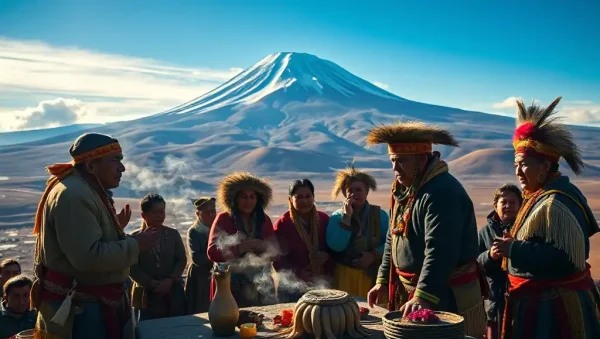
Explore the religious rituals that guided relationships between human communities and the supernatural world. Andean peoples understood nature as alive and spiritually powerful, and ceremonies were performed to maintain harmony between humans, ancestors, deities, and the landscape. Articles in this section examine Andean religious practices such as prayers, libations, purification, fasting, sacred journeys, divination, and seasonal observances.
Readers can also learn how rituals were organized by priests, rulers, healers, family groups, and local specialists. Topics may include the worship of huacas, reverence for sacred mountains known as apus, offerings to Pachamama, and ceremonies connected with rain, fertility, harvests, warfare, birth, marriage, and death. These traditions reveal the deep connection between Andean cosmovision and the natural environment.
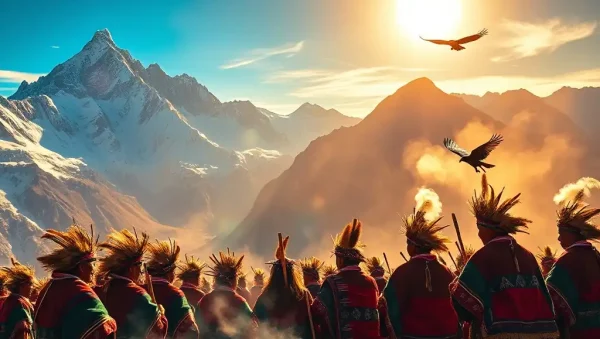
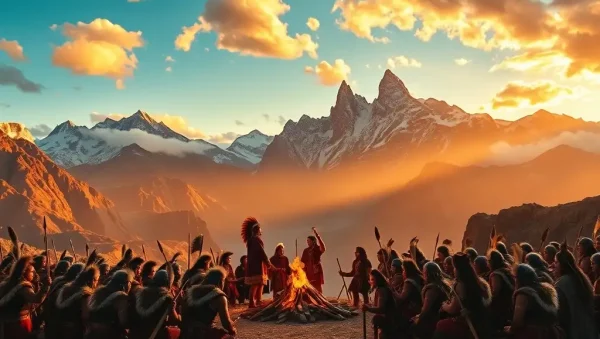
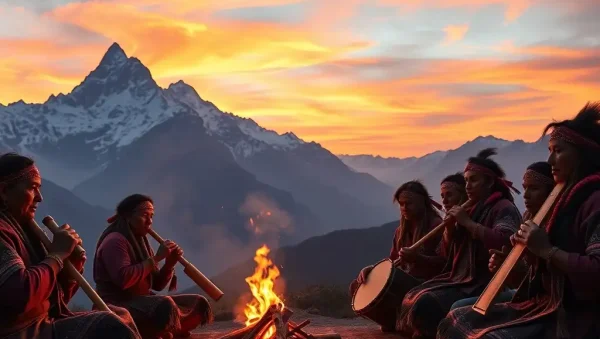
Andean ceremonies were important public events that united communities through music, dance, processions, feasting, costumes, and symbolic performances. This section examines major religious festivals and civic ceremonies associated with the Inca Empire and earlier Andean cultures. Readers can discover how public celebrations expressed communal identity, strengthened political alliances, and honored the forces believed to sustain life.
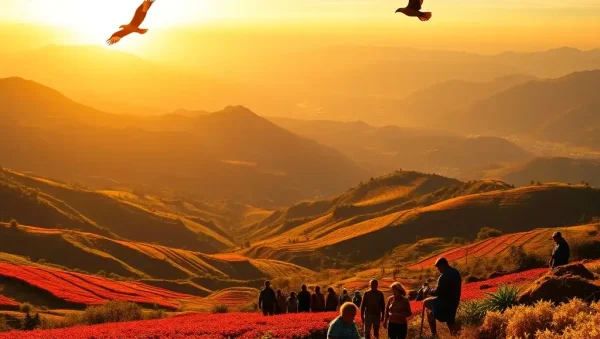
Special attention is given to the relationship between ceremony and the agricultural calendar. Solstices, equinoxes, planting seasons, harvests, and periods of rainfall often shaped the timing of religious gatherings. By studying these events, visitors can understand how Andean festivals combined spiritual devotion, astronomy, agriculture, social organization, and imperial power.
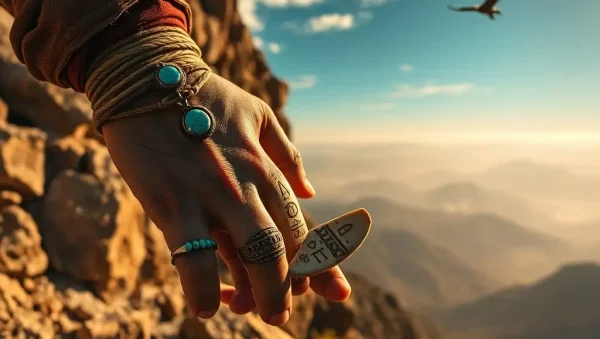
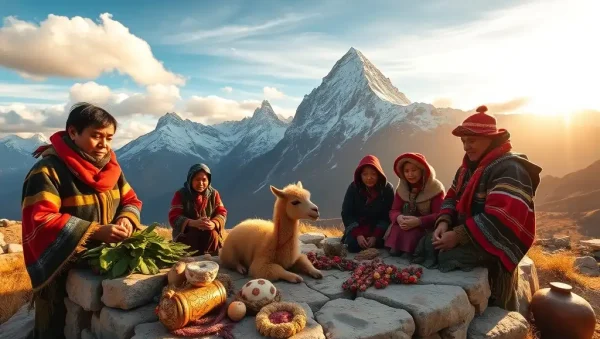
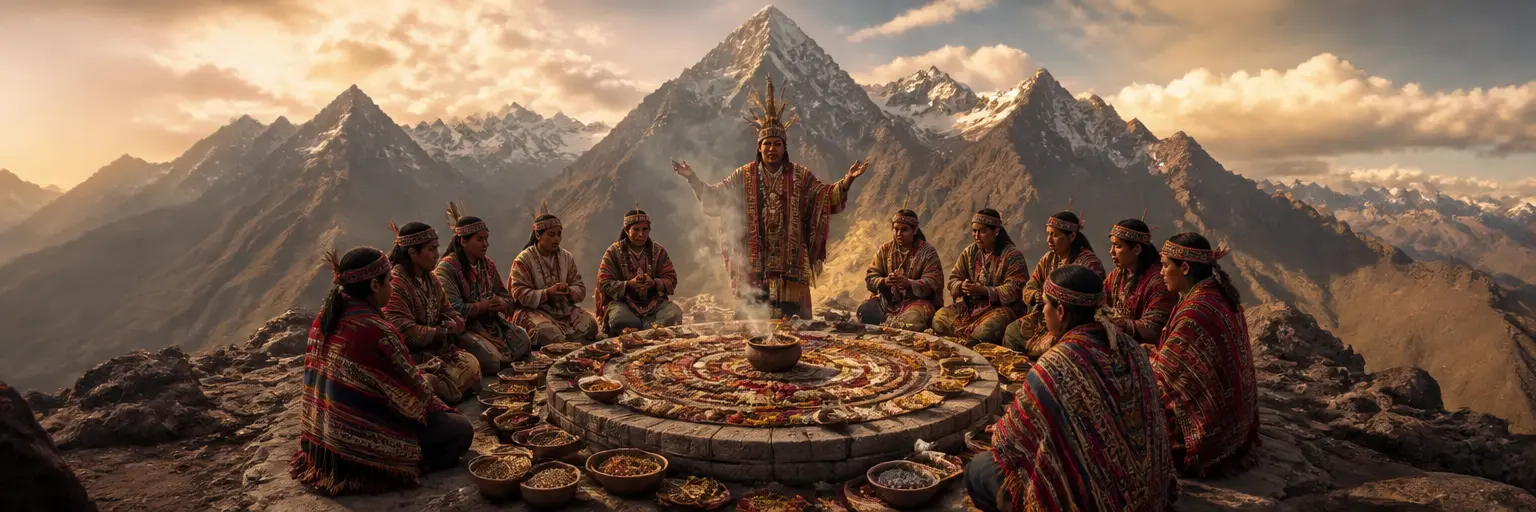
Offerings were central to Andean religion because they expressed reciprocity between people and the sacred world. Communities presented food, drink, textiles, shells, coca leaves, precious metals, animals, and other valued objects to deities, ancestors, sacred places, and natural forces. These acts were not simply gifts; they were part of a larger principle of exchange often described through the concept of ayni, or mutual support and reciprocity.
This subcategory explains the meaning of offerings in different cultural and historical contexts. Readers can learn how ceremonial deposits were placed in temples, caves, springs, mountain passes, tombs, plazas, and agricultural fields. Articles also explore Inca offerings, coca ceremonies, llama sacrifices, miniature objects, and the spiritual importance of maize beer, known as chicha.
For many Andean communities, the landscape itself was a sacred participant in religious life. Mountains, lakes, rivers, caves, islands, and unusual rock formations could be regarded as living beings or powerful spiritual entities. This section investigates how sacred geography shaped pilgrimage routes, temple construction, agricultural planning, and ceremonial organization.
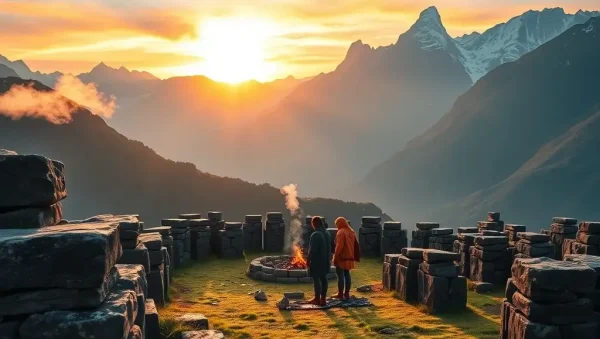
Readers can explore important sites connected with Andean worship, including high-altitude shrines, mountain sanctuaries, ceremonial plazas, and pilgrimage centers. The study of these places reveals how sacred landscapes in the Andes connected local traditions with regional and imperial systems, especially during the expansion of the Inca state.
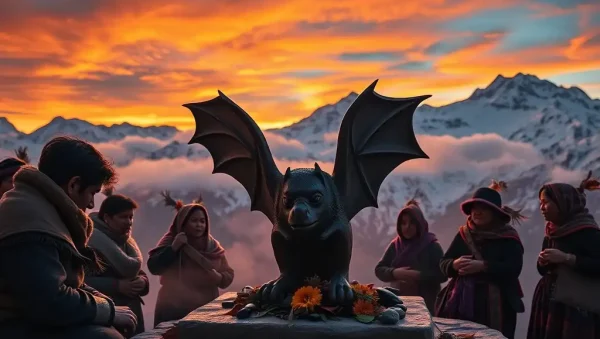
Some Andean ceremonies involved sacrifice or the ritual dedication of animals, objects, and, in exceptional cases, human lives. These practices were connected with crisis management, royal ceremonies, mountain worship, funerary traditions, agricultural fertility, and communication with supernatural powers. Archaeological discoveries provide valuable evidence for understanding the symbolism and social context of these events.
Divination was another important method of seeking guidance from the sacred world. Specialists interpreted coca leaves, animal organs, dreams, celestial signs, weather patterns, and other omens. Articles in this section approach these subjects carefully, explaining how Andean sacrifice and divination functioned within broader systems of belief rather than viewing them through simplified or sensational interpretations.
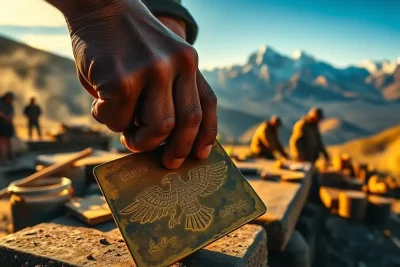
Much of what is known about ancient Andean rituals comes from archaeology, iconography, architecture, burial sites, colonial chronicles, and living Indigenous traditions. This section explains how scholars interpret ceremonial objects, temple remains, textiles, pottery, murals, metalwork, mummies, and ritual deposits from cultures such as the Moche, Nazca, Tiahuanaco, and Inca.
Readers can expect accessible explanations that distinguish between archaeological evidence and later historical accounts. By comparing different sources, the content highlights both shared patterns and regional diversity in Andean ceremonial traditions. This approach offers a richer understanding of how religion changed over time while preserving important connections between ancient practices and contemporary Andean communities.
Rituals helped maintain balance between human beings, deities, ancestors, and the natural world. They were performed for agricultural fertility, rainfall, protection, healing, political legitimacy, successful warfare, seasonal transitions, and funerary observances. Rituals also strengthened community identity and reinforced relationships of reciprocity.
Offerings could include maize, chicha, coca leaves, textiles, shells, ceramics, metal objects, animals, miniature figures, and other valuable materials. The type of offering depended on the ceremony, location, community, and spiritual power being honored. Some offerings were placed in temples, tombs, caves, fields, lakes, or mountain shrines.
Pachamama is commonly understood as an earth and fertility mother associated with land, nourishment, agriculture, and life. In many Andean traditions, people honor Pachamama through offerings and ceremonies that express gratitude and request protection or abundance. Her meaning can vary among regions and Indigenous communities.
Mountains were often viewed as sacred beings or powerful protective entities known as apus. They were associated with water sources, weather, fertility, ancestry, and community well-being. High-altitude shrines and pilgrimage sites demonstrate the importance of mountain worship in Inca and earlier Andean cultures.
No. The Inca, Moche, Nazca, Tiahuanaco, and other Andean societies shared certain ideas, including reciprocity and reverence for sacred landscapes, but their ceremonies varied by region and period. Archaeological evidence shows distinct religious symbols, offerings, temples, burial customs, and artistic traditions across the ancient Andes.