The Spanish Conquest

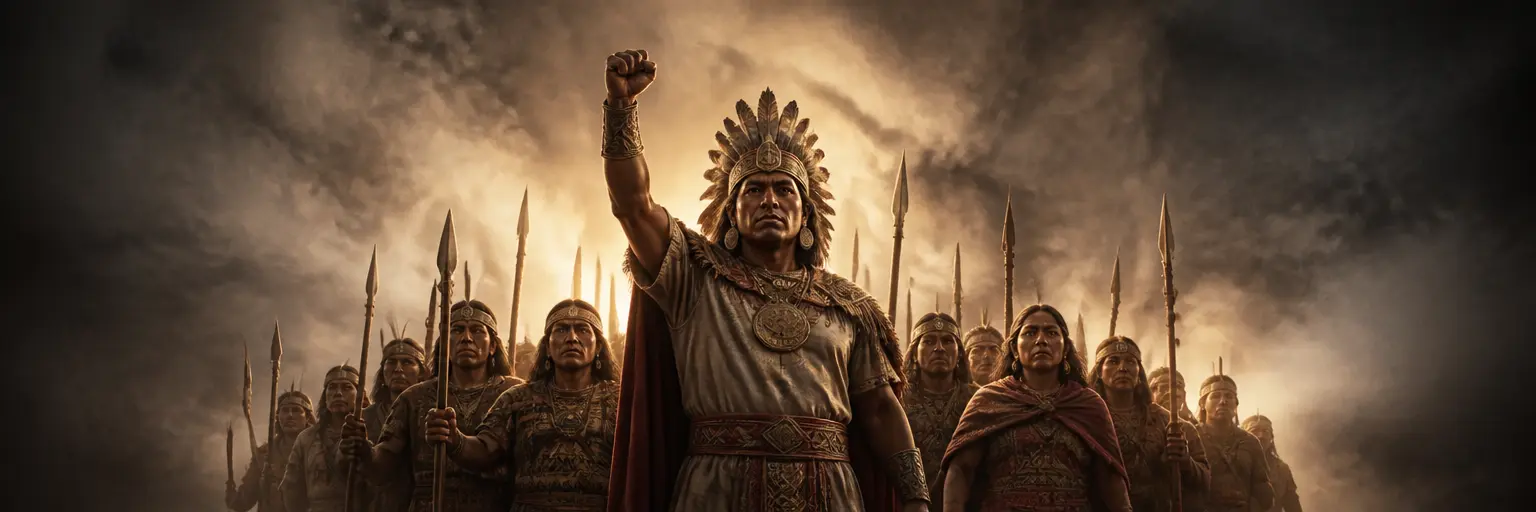
Discover the resistance and rebellions that challenged Spanish rule across the Andes, where Indigenous leaders, communities, and allies defended their lands, traditions, and independence. Explore pivotal uprisings, Inca resistance, and enduring acts of defiance that shaped the history of the Spanish Conquest and reveal the strength, resilience, and cultural legacy of Andean civilizations. ⚔️⛰️
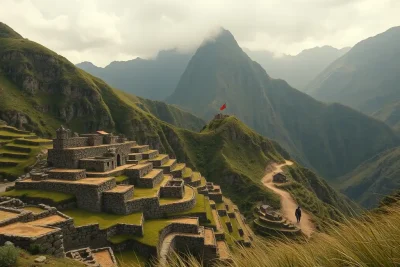
Explore the history of Indigenous resistance and rebellions against Spanish rule in the Andes, a pivotal subcategory within The Spanish Conquest. Discover how the Inca Empire, Andean communities, regional leaders, and Indigenous allies challenged colonial conquest through military campaigns, political negotiation, religious opposition, and cultural survival. From the fall of Cusco to major uprisings such as the rebellion of Manco Inca and the movement led by Túpac Amaru II, these stories reveal that Spanish domination was contested for centuries rather than achieved without resistance.
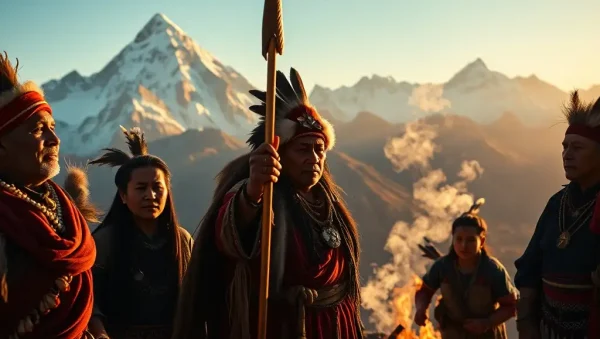
Learn how Andean peoples responded to the conquest of the Inca Empire and the establishment of Spanish colonial rule. This section examines the defense of Indigenous territories, the struggle to preserve political authority, and the continuing opposition to Spanish demands for tribute, labor, land, and religious conversion. Readers can explore the actions of Inca nobles, local curacas, warriors, and communities that refused to accept colonial control.
Detailed historical context explains why resistance continued after the capture of Atahualpa and the Spanish occupation of Cusco. Military resistance, strategic alliances, diplomacy, and community organization all played important roles in shaping the early colonial Andes. These events demonstrate the complexity of the Spanish conquest and the determination of Indigenous societies to defend their autonomy, traditions, and ancestral lands.
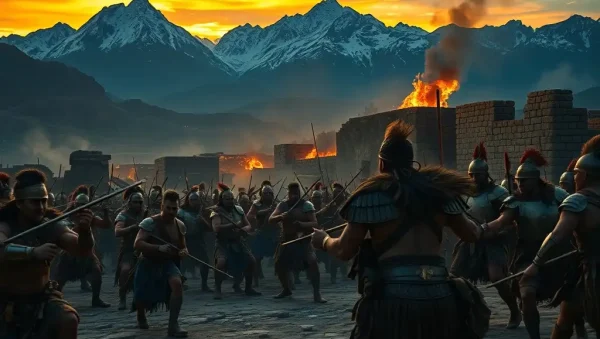
Discover the rebellion of Manco Inca Yupanqui, one of the most important leaders of early Indigenous resistance in Peru. After initially cooperating with the Spanish, Manco Inca recognized the threat posed by colonial expansion and organized a major uprising in 1536. His forces attacked Cusco and besieged the Spanish settlements, creating one of the greatest challenges to Spanish power during the first years of conquest.
Explore how Manco Inca and his successors established the Neo-Inca State in Vilcabamba, a surviving center of Inca political authority in the eastern Andes. This section considers the military strategies, geography, diplomacy, and cultural significance of Vilcabamba, as well as the final confrontation between the Neo-Inca rulers and Spanish authorities. The resistance of Vilcabamba preserved Inca sovereignty for decades and remains central to understanding Andean history.
Examine the causes of Indigenous rebellions throughout the Spanish colonial period, including excessive taxation, forced labor, land seizures, abusive officials, religious persecution, and the disruption of traditional leadership. The Spanish colonial system relied on institutions such as the encomienda, mita, and tribute obligations, which transformed Andean communities and generated widespread resentment.
Readers will learn how rebellions could involve armed conflict, refusal to pay tribute, legal petitions, religious movements, local uprisings, and attacks on colonial institutions. Resistance was not limited to open warfare; it also included the preservation of Indigenous languages, rituals, agricultural practices, oral traditions, and community identities. Together, these forms of opposition reveal the long-term resilience of Andean civilizations under colonial rule.
Study the life and political vision of José Gabriel Condorcanqui, known as Túpac Amaru II, who led the Great Andean Rebellion of 1780–1781. Claiming descent from the Inca royal line, he challenged Spanish colonial authority and called for an end to abusive colonial practices, forced labor, excessive taxation, and the exploitation of Indigenous and mixed-race populations.
This section explores the scale of the rebellion, its supporters, its military campaigns, and its impact across the Andes. It also examines the role of Micaela Bastidas, an influential strategist and revolutionary leader. Although the uprising was defeated, Túpac Amaru II became a lasting symbol of Indigenous liberation, anti-colonial resistance, and Andean identity, influencing later independence movements in South America.
Understand how Andean communities resisted Spanish cultural domination through the survival and adaptation of Indigenous traditions. Despite Christianization campaigns and colonial restrictions, many communities continued to practice ancestral rituals, honor sacred landscapes, preserve Quechua and Aymara languages, and maintain social customs rooted in pre-Columbian civilizations.
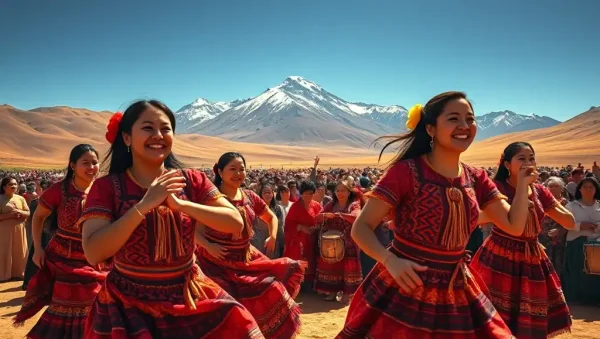
Explore the concept of cultural resistance through art, architecture, textiles, music, oral history, agricultural knowledge, and religious syncretism. Andean identity endured by adapting rather than disappearing, creating cultural expressions that combined Indigenous beliefs with elements introduced by the Spanish. These traditions remain visible today in the heritage of Peru, Bolivia, Ecuador, and other Andean regions.
Indigenous communities resisted Spanish rule because conquest brought forced labor, tribute payments, land confiscation, political subordination, violence, and religious pressure. Many Andean peoples also opposed the destruction of traditional leadership and the loss of control over their territories and resources.
Manco Inca Yupanqui was an Inca ruler who led a major rebellion against the Spanish in 1536. He attacked Cusco and later established the Neo-Inca State in Vilcabamba, where Inca rulers continued to resist Spanish authority until the final conquest of Vilcabamba in 1572.
The Neo-Inca State was an independent Inca political center established in Vilcabamba after the Spanish conquest of Cusco. It served as a refuge for Inca rulers and supporters and remained a symbol of Indigenous sovereignty and resistance for several decades.
Túpac Amaru II was an Indigenous leader and descendant of the Inca royal lineage who organized the Great Andean Rebellion in 1780. His movement opposed Spanish colonial exploitation and became one of the most important anti-colonial uprisings in late eighteenth-century South America.
No. Andean resistance continued through military rebellions, political negotiations, legal challenges, religious movements, community organization, and cultural survival. Indigenous peoples preserved languages, traditions, social structures, and historical memory, ensuring the continuing strength of Andean civilizations under colonial rule.