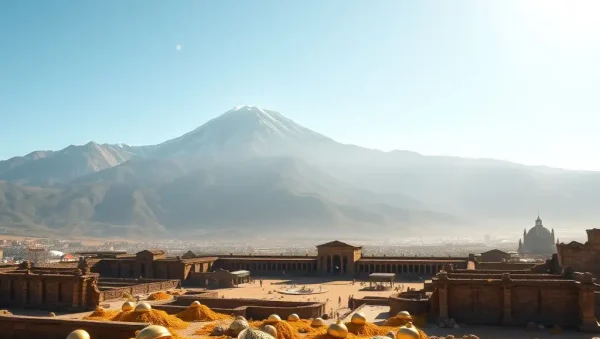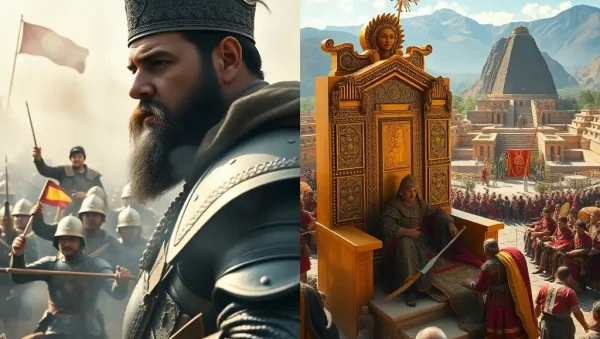
The Spanish Conquest

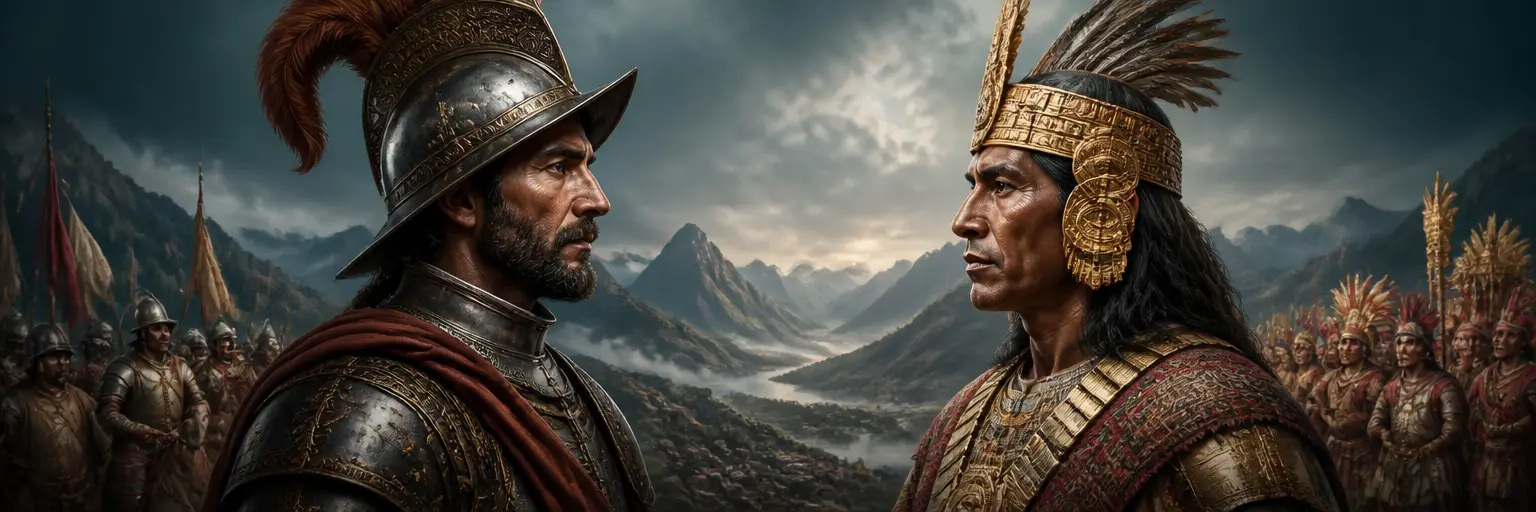
Explore the dramatic encounter between Francisco Pizarro and Atahualpa, two pivotal figures in the Spanish Conquest of the Andes. Discover how ambition, diplomacy, warfare, and cultural misunderstanding shaped the fall of the Inca Empire, and gain deeper insight into the people, politics, and historical forces that transformed Andean civilization. 🏔️📜
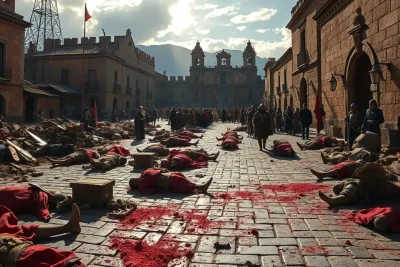
Discover the history of Francisco Pizarro and Atahualpa, two central figures in the Spanish Conquest of the Inca Empire. This subcategory examines their lives, political goals, leadership styles, and decisive encounter at Cajamarca in 1532. Through reliable historical context, readers can better understand the fall of Tahuantinsuyo, the expansion of Spanish power in South America, and the complex relationship between European conquistadors and Andean civilization.
Learn about Francisco Pizarro’s origins, expeditions, and ambitions in the New World. Articles explore his journeys along the Pacific coast, his alliances with other conquistadors, and the military and political strategies that enabled a relatively small Spanish force to challenge the powerful Inca state.
This section also places Pizarro within the broader history of the Spanish Conquest. Readers can examine Spanish imperial expansion, the search for wealth and territory, the role of religion, and the use of diplomacy, deception, weaponry, and internal divisions within the Inca Empire.
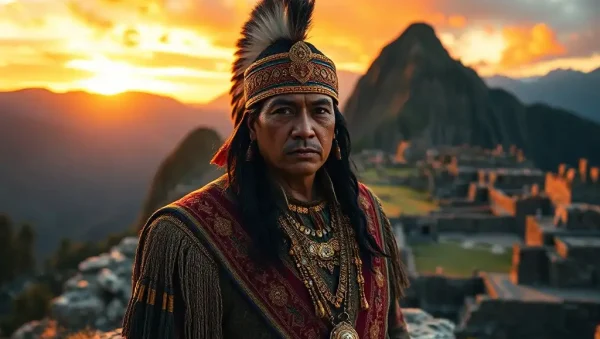
Explore the life and reign of Atahualpa, the Inca ruler whose victory in the civil war against Huáscar left the empire politically divided when the Spanish arrived. Discover his authority over Tahuantinsuyo, his military reputation, and his role in the final years of independent Inca rule.
Readers will also learn how Atahualpa responded to the arrival of Pizarro and his troops. His capture at Cajamarca, negotiations with the Spaniards, ransom of gold and silver, and eventual execution reveal the dramatic political pressures facing the Inca leadership during the conquest.
Understand how the conflict between Atahualpa and Huáscar weakened the Inca Empire before the Spanish invasion. This section explains the causes and consequences of the Inca civil war, including questions of succession, regional loyalties, military competition, and the impact of the deaths of Huayna Capac and Ninan Cuyuchi.
Historical discussions show that the Spanish conquest cannot be explained by European technology alone. Internal divisions, recently conquered peoples, local resistance, and political uncertainty all influenced the events that followed Pizarro’s arrival in the Andes.
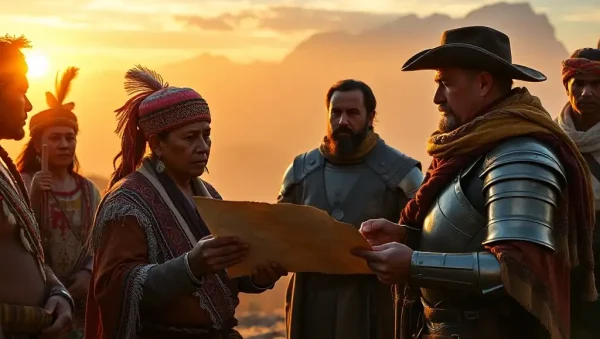
Examine the encounter between Pizarro and Atahualpa at Cajamarca, one of the most significant events in the history of the Spanish Conquest. Articles explore the meeting, the role of the interpreter Felipillo, the Spanish demand for submission, and the religious and political misunderstandings surrounding the encounter.
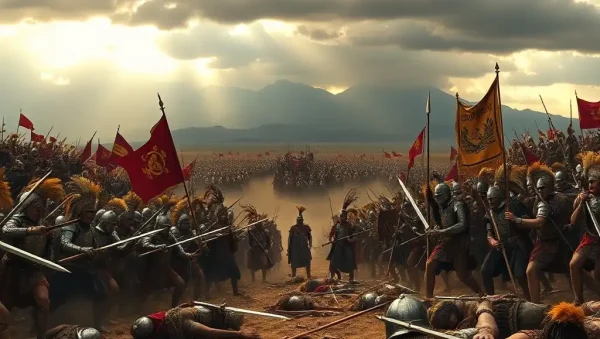
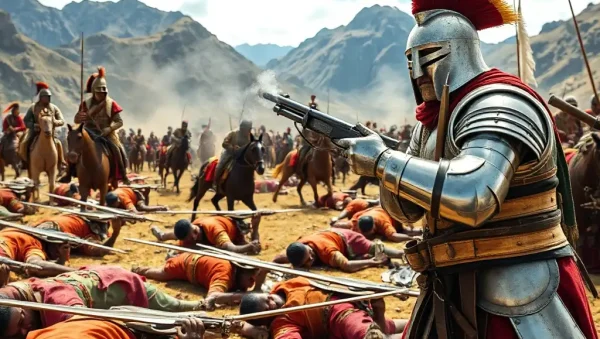
The capture of Atahualpa transformed the balance of power. Readers can investigate the ambush, the use of firearms and cavalry, the size and organization of the Inca forces, and the strategic decisions that allowed Pizarro’s expedition to seize the emperor despite being heavily outnumbered.
Discover the story of Atahualpa’s famous ransom, traditionally described as a chamber filled with gold and additional silver. This topic considers the collection of wealth from across the empire, the economic importance of precious metals, and the Spanish expectations surrounding the payment.
The section also addresses Atahualpa’s execution in 1533 and the debates surrounding the charges brought against him. By examining Spanish chronicles and modern historical interpretations, readers can explore the legal, religious, and political justifications used to legitimize the emperor’s death.
Compare accounts written by Spanish chroniclers with Andean traditions, archaeological evidence, and modern scholarship. Sources about Pizarro and Atahualpa often reflect the political interests and cultural assumptions of their authors, making source criticism essential for understanding what happened.
Readers can expect nuanced discussions of historical bias, indigenous memory, colonial narratives, and cultural encounter. This approach helps separate legend from evidence while recognizing that the conquest affected different Andean communities in different ways.
Explore how Pizarro and Atahualpa remain central symbols in the history and memory of Peru and the Andes. Their story is connected to colonial rule, the transformation of indigenous political institutions, the spread of Christianity, the exploitation of resources, and the survival of Andean languages and traditions.
This subcategory also considers how museums, monuments, schools, literature, and public debates remember the conquest today. Understanding their legacy provides a broader perspective on Inca history, colonialism, cultural resistance, and the enduring identity of Andean civilizations.
Francisco Pizarro was a Spanish conquistador who led the expedition that invaded the Inca Empire. Atahualpa was an Inca ruler who controlled much of Tahuantinsuyo after defeating his brother Huáscar in a civil war. Their meeting became a turning point in the Spanish conquest of Peru.
Pizarro captured Atahualpa at Cajamarca in November 1532. The encounter occurred shortly after the Inca civil war and allowed the Spanish to control the emperor while gaining leverage over the wider Inca state.
Atahualpa was captured because Pizarro used a planned surprise attack during the meeting at Cajamarca. The Spanish sought wealth, territory, and political authority, while controlling the Inca emperor offered a powerful way to pressure the empire’s officials and communities.
Atahualpa offered a large ransom of gold and silver in exchange for his freedom. Although much of the ransom was collected, he was executed in 1533. His death weakened Inca leadership and helped the Spanish advance toward Cusco.
No. Pizarro’s expedition depended on Spanish soldiers, interpreters, Indigenous allies, local rivalries, and support from groups dissatisfied with Inca rule. The conquest resulted from the interaction of military technology, disease, political divisions, strategic decisions, and resistance across the Andes.