The Spanish Conquest

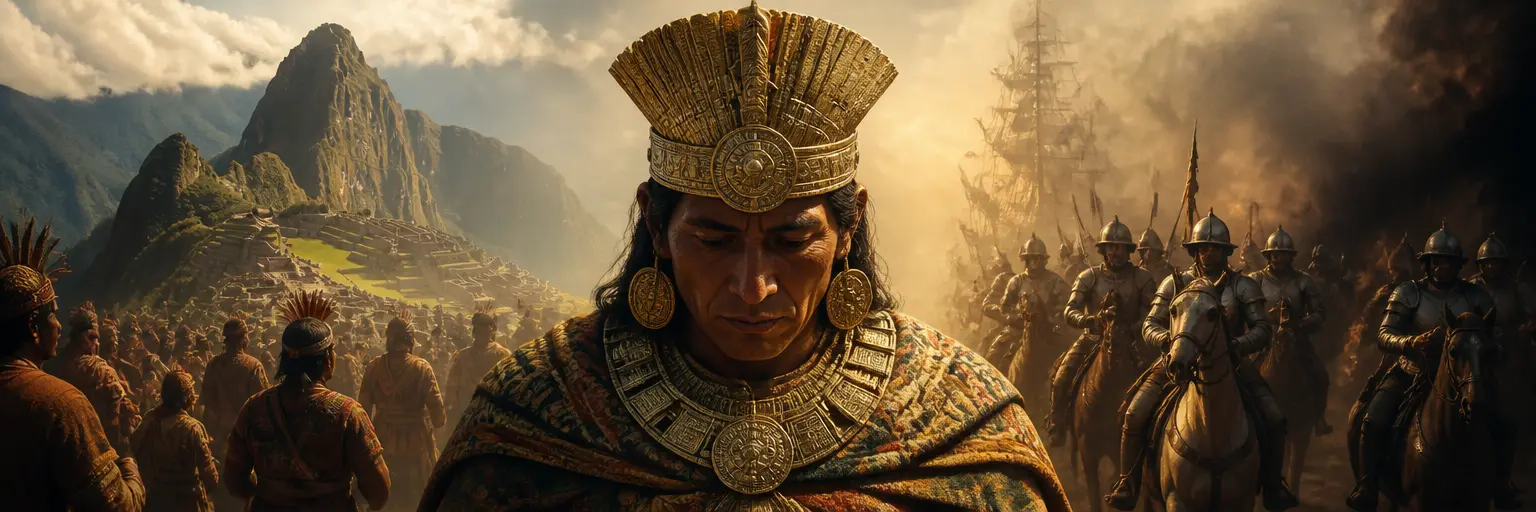
Explore the fall of the Inca Empire and the dramatic events that reshaped Andean history. Discover how Spanish conquistadors, internal rivalries, succession conflicts, disease, and strategic alliances contributed to the collapse of one of the Americas’ most powerful civilizations. ⚔️ Learn about Atahualpa, Francisco Pizarro, the capture of Cusco, and the enduring legacy of Inca resistance, culture, and technology. ⛰️
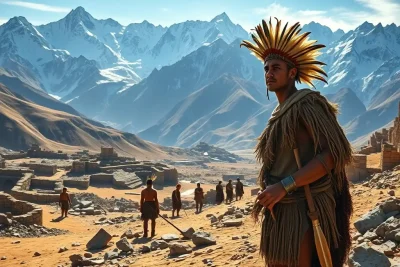
Explore the complex history of the Fall of the Inca Empire, one of the most significant events in the history of the Andes and the wider Spanish conquest of South America. This subcategory examines how the powerful Tawantinsuyu, or Inca Empire, was weakened by internal conflict, political instability, disease, and the arrival of Spanish conquistadors led by Francisco Pizarro. Discover how the capture of Atahualpa, the fall of Cusco, indigenous resistance, and the establishment of Spanish colonial rule transformed Andean society forever.
Learn how a small Spanish expedition entered the Andes and confronted one of the most organized states in pre-Columbian America. Articles in this section explain the arrival of Francisco Pizarro, Diego de Almagro, Hernando de Luque, and their allies, as well as the military strategies, alliances, and technological differences that shaped the conquest of the Inca Empire.
Readers will discover why Spanish firearms, steel weapons, cavalry, armor, and horses had an impact on Inca warfare, while also understanding that the conquest depended on far more than military technology. Indigenous alliances, political divisions, epidemic disease, and local opposition to Inca rule played a crucial role in the collapse of the empire.
Examine the devastating civil war between Atahualpa and his half-brother Huáscar, a conflict that erupted after the death of the Inca ruler Huayna Capac. The struggle for succession divided the empire at a critical moment and weakened its political unity just as Spanish forces arrived on the northern coast of South America.
This section explores the causes and consequences of the Inca succession crisis, including rival claims to the throne, regional loyalties, military campaigns, and the impact of internal divisions. Understanding the Inca Civil War is essential for explaining how Spanish conquistadors were able to exploit tensions within Tawantinsuyu.
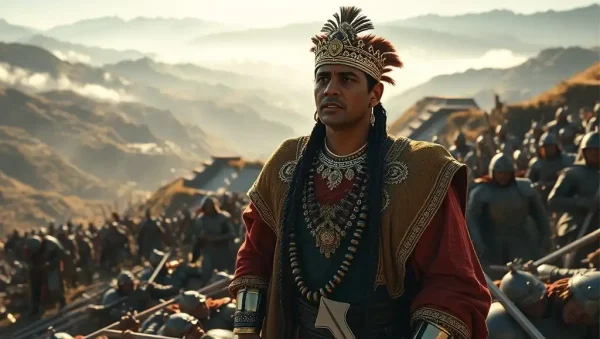
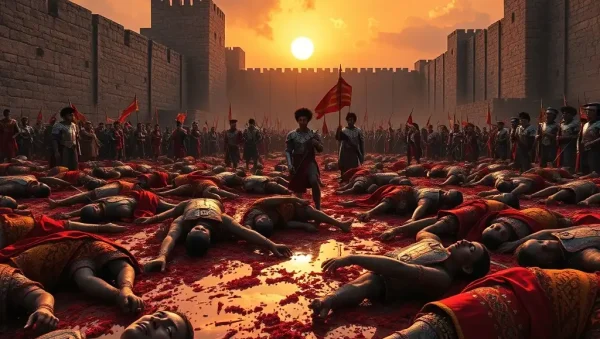
Discover the events of 1532 at Cajamarca, where Francisco Pizarro and his forces captured Atahualpa during a meeting that quickly became a violent confrontation. Although the Inca ruler offered a massive ransom of gold and silver, his release was never granted, revealing the political ambitions of the Spanish expedition.
Explore the historical debate surrounding Atahualpa’s execution in 1533. His death created a leadership crisis and allowed the Spanish to install a puppet ruler while advancing toward Cusco. The capture of Atahualpa remains one of the most dramatic episodes in the history of the Spanish conquest and a key turning point in the fall of the Inca Empire.
Learn how the Spanish and their indigenous allies entered Cusco, the sacred capital and administrative heart of the Inca Empire. The fall of Cusco in 1533 symbolized the collapse of central imperial authority, although it did not immediately end Inca resistance or eliminate the political influence of the Inca royal family.
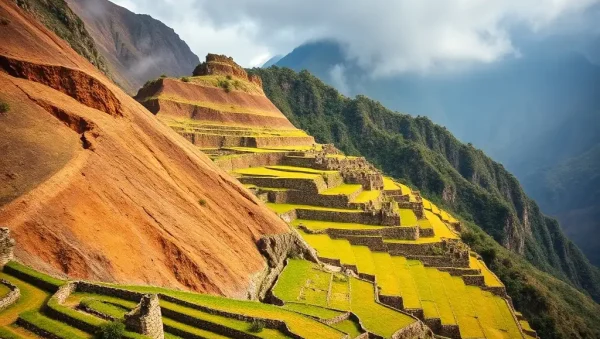
Readers can explore the transformation of Cusco from an Inca capital into a Spanish colonial city. Temples, palaces, roads, and administrative buildings were reused or altered, while Christian churches were constructed over important sacred spaces. These changes demonstrate how conquest affected Inca architecture, religion, urban planning, and cultural identity.
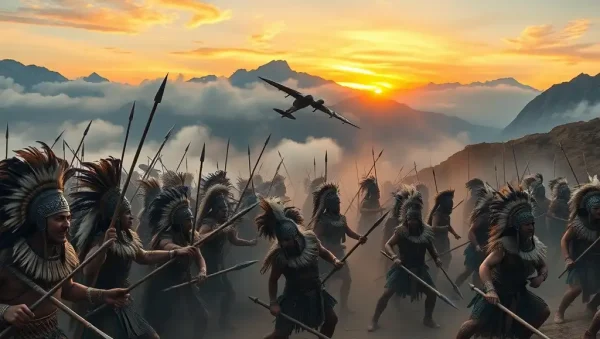
The fall of Cusco did not mean that Andean peoples accepted Spanish rule. This section focuses on Manco Inca Yupanqui, who initially cooperated with the Spanish before launching a major rebellion in 1536. His forces besieged Cusco and attacked Spanish settlements in an effort to restore Inca independence.
Discover the longer history of indigenous resistance, including the establishment of the Neo-Inca State at Vilcabamba. Articles examine guerrilla warfare, regional alliances, Spanish counterattacks, and the final capture and execution of Túpac Amaru I in 1572. These events mark the end of the independent Inca state but not the disappearance of Andean culture.
Explore the role of epidemics in the weakening of the Inca Empire before and during the Spanish conquest. Diseases introduced through European contact, including smallpox, spread rapidly through populations that had no previous exposure, causing severe demographic losses and contributing to the death of important leaders such as Huayna Capac.
This subcategory explains how population decline affected agriculture, labor systems, military organization, succession, and communication across the Andes. Disease was not the only cause of the conquest, but it intensified existing political conflicts and made it more difficult for the Inca state to coordinate an effective response to the Spanish invasion.
Learn why many groups conquered by the Inca chose to support or cooperate with the Spanish. Peoples who had experienced Inca military expansion, taxation, forced labor, or political control sometimes viewed the arrival of the conquistadors as an opportunity to challenge Cusco’s authority and pursue their own regional interests.
Readers will also examine how Spanish rule depended on indigenous labor, interpreters, local administrators, and political alliances. The formation of the Viceroyalty of Peru introduced new systems of tribute, land ownership, Christianity, and forced labor, reshaping Andean communities while preserving many local traditions and identities.
The Inca Empire began to lose central authority after the Spanish capture of Atahualpa in 1532 and the occupation of Cusco in 1533. However, organized Inca resistance continued for decades, ending with the capture and execution of Túpac Amaru I in 1572.
The conquest was led by Francisco Pizarro and a relatively small Spanish expedition. Spanish forces relied heavily on indigenous allies, local rivalries, cavalry, steel weapons, and political strategies to defeat the Inca state.
The fall resulted from several interconnected causes, including the civil war between Atahualpa and Huáscar, epidemic disease, political divisions, indigenous opposition to Inca rule, Spanish military advantages, and the capture of Inca leadership.
Atahualpa was captured by Spanish forces at Cajamarca in 1532. Despite providing a large ransom of precious metals, he was executed in 1533. His death created a major political crisis and helped the Spanish advance toward Cusco.
No. Although Spanish colonial rule transformed Andean political and religious institutions, Inca and Indigenous traditions survived in language, agriculture, textiles, music, architecture, oral history, and religious practices. Modern Andean communities continue to preserve and reinterpret this cultural heritage.