Tiahuanaco Civilization

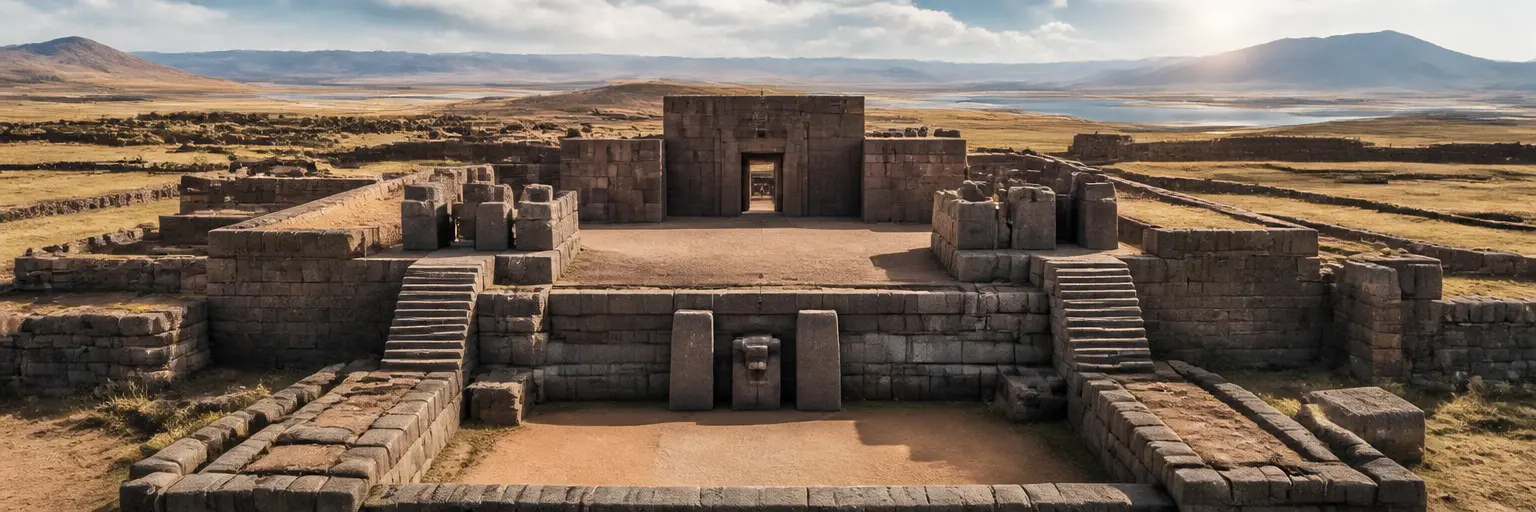
Discover the remarkable architecture and engineering of Tiahuanaco 🏛️, an ancient Andean city renowned for its monumental stonework, precise construction, and innovative urban design. Explore iconic structures, megalithic gateways, ceremonial spaces, and advanced building techniques that reveal the ingenuity of the Tiahuanaco civilization. 🔍 Learn how master builders shaped one of the Andes’ most influential archaeological centers and left a lasting legacy in Andean history, culture, and technology.
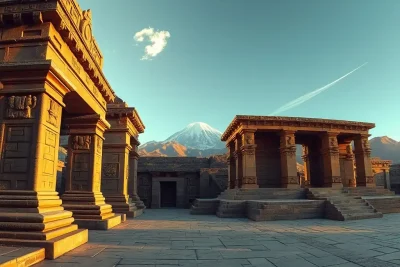
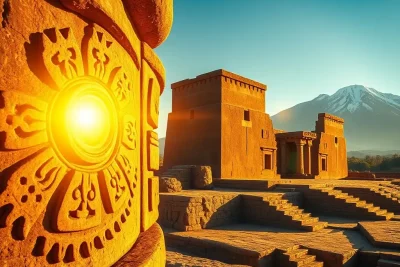
Discover the remarkable architecture and engineering of the ancient city of Tiahuanaco, one of the most influential urban and ceremonial centers of the Andean world. Located near Lake Titicaca in present-day Bolivia, Tiahuanaco—also written Tiwanaku—developed sophisticated construction techniques, monumental stonework, hydraulic systems, and urban planning adapted to the high-altitude environment. This subcategory explores how Tiahuanaco builders transformed the Altiplano into a center of religious, political, and technological achievement.
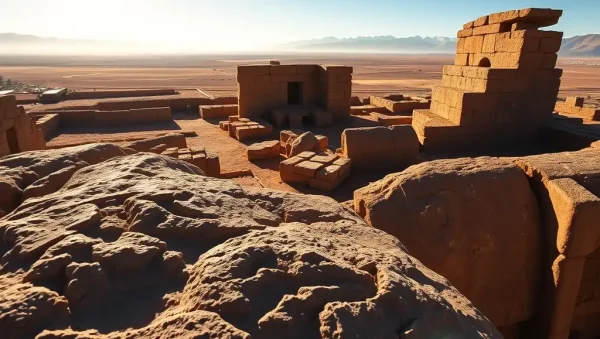
Learn how Tiahuanaco architects worked with enormous blocks of andesite and sandstone to create temples, platforms, gateways, walls, and ceremonial plazas. Readers can explore precision-cut stonework, carefully fitted masonry, carved surfaces, and construction methods that reveal advanced knowledge of weight, balance, geometry, and structural stability.
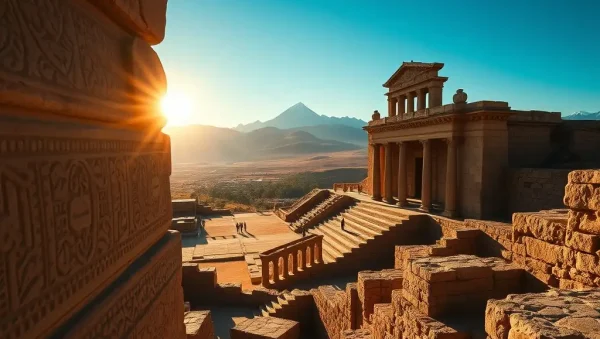
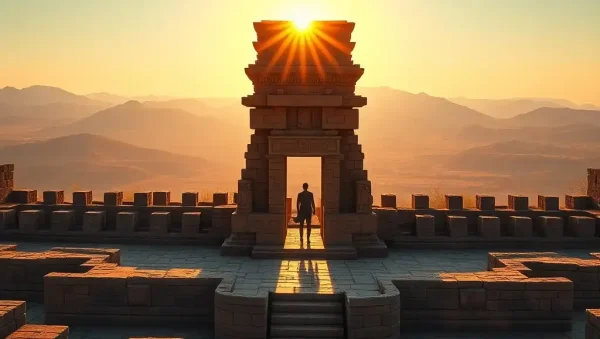
Articles in this section examine iconic monuments such as the Gateway of the Sun, the Kalasasaya temple, the Semi-Subterranean Temple, and the Akapana pyramid. These structures provide valuable evidence of Tiahuanaco urban design, religious architecture, monumental engineering, and the specialized labor required to organize large-scale building projects.
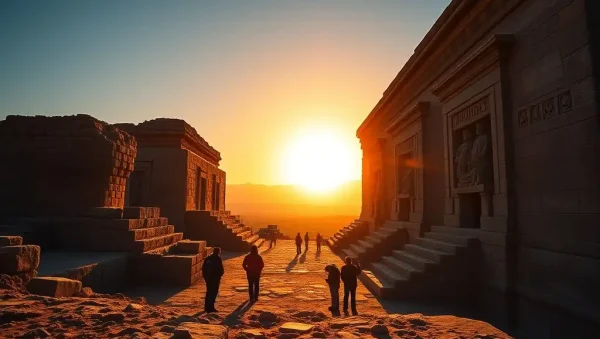
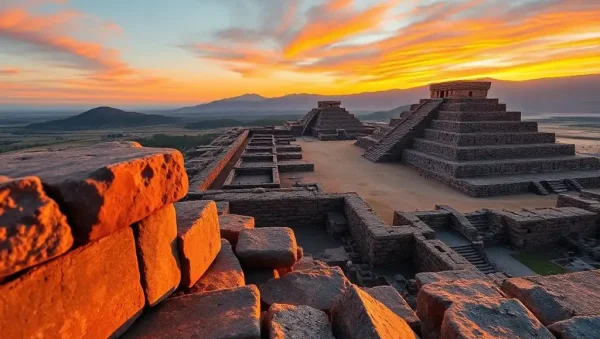
Explore the religious architecture that shaped the ceremonial heart of Tiahuanaco. The city’s sunken courts, raised platforms, stepped pyramids, and enclosed temple spaces were designed to support rituals, processions, astronomical observation, and the expression of political authority. These sacred structures demonstrate the connection between architecture, cosmology, and power in Tiahuanaco society.
Readers will discover how ceremonial complexes were arranged and how architectural details communicated sacred meanings. Topics may include the Akapana pyramid, the Kalasasaya enclosure, the Semi-Subterranean Temple, carved monoliths, and the symbolic relationship between monumental spaces and the surrounding Andean landscape.
Investigate the advanced hydraulic engineering of Tiahuanaco, including channels, drainage systems, reservoirs, fountains, and carefully planned watercourses. In an environment marked by seasonal rainfall, intense sunlight, frost, and challenging highland conditions, managing water was essential for urban life, agriculture, ritual activity, and the preservation of monumental architecture.
This section explains how Tiahuanaco engineers integrated water into the city’s design. Readers can learn about drainage beneath plazas, the movement of water through ceremonial spaces, and the practical and symbolic importance of fountains and channels in one of the most important archaeological sites of the Andes.
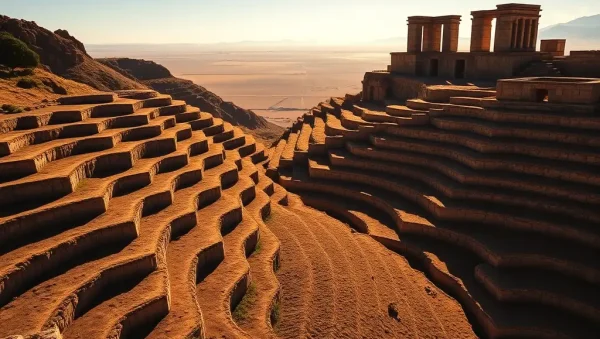
Discover the relationship between Tiahuanaco architecture, engineering, and agricultural technology. Around Lake Titicaca, communities developed raised-field systems known as waru waru, which helped improve soil conditions, regulate moisture, reduce frost damage, and extend the growing season. These landscape modifications reveal the practical intelligence of Andean engineers and farmers.
Readers will explore how raised fields, canals, terraces, and settlement planning supported population growth and regional influence. By studying these systems, it becomes possible to understand Tiahuanaco not only as a ceremonial city, but also as a center of environmental management, food production, and technological adaptation.
Learn how Tiahuanaco’s urban layout responded to the geography and climate of the Bolivian Altiplano. The city was organized around monumental complexes, plazas, temples, residential areas, workshops, and circulation routes. Its architecture reflects an understanding of space, orientation, elevation, visibility, and ceremonial movement.
This subcategory also considers how builders adapted construction to thin air, extreme temperature changes, seasonal rain, and the availability of local stone. Articles explain how the city’s planning reflected social organization, religious beliefs, political authority, and the broader influence of the Tiahuanaco civilization across the southern Andes.
Explore possible astronomical principles within Tiahuanaco architecture. The orientation of plazas, gateways, walls, and temples may have helped structure observations of the sun, seasonal cycles, solstices, and other important natural events. These alignments connected the built environment with Andean cosmology and agricultural calendars.
Readers will find accessible explanations of architectural orientation, horizon markers, solar light effects, and the role of geometry in ceremonial design. While interpretations may differ among researchers, the surviving monuments clearly show that Tiahuanaco builders gave careful attention to proportion, alignment, symmetry, and the movement of light.
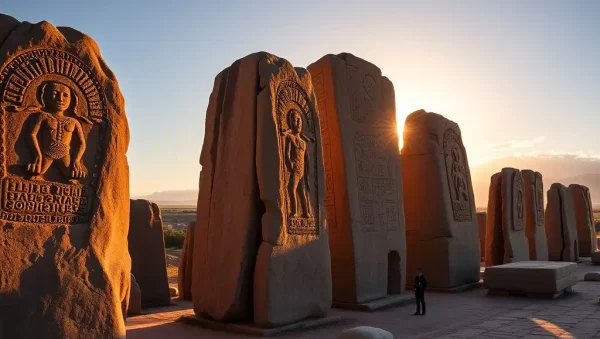
Study the carved monoliths and gateways that made Tiahuanaco architecture internationally recognized. Monumental sculptures, anthropomorphic figures, geometric motifs, and supernatural imagery were integrated into temples and plazas, transforming stone structures into powerful statements of identity and belief. The Gateway of the Sun is especially important for understanding Tiahuanaco religious art and symbolic architecture.
This section examines how carved stone communicated myths, political legitimacy, sacred authority, and connections between humans, ancestors, animals, and celestial forces. Readers can also explore the relationship between architecture and iconography throughout the wider Tiahuanaco sphere of influence.
Find out how Tiahuanaco communities quarried, shaped, transported, and assembled massive stones without modern machinery. Research into stone tools, ramps, rollers, ropes, coordinated labor, and construction sequences helps explain the practical knowledge behind the city’s monumental architecture. These achievements demonstrate collective organization and specialized engineering skills.
Readers will learn why the transport of stone across the Altiplano was such a significant challenge and how labor systems may have supported large public works. The evidence also offers insight into social hierarchy, craft specialization, religious authority, and the economic foundations of Tiahuanaco construction.
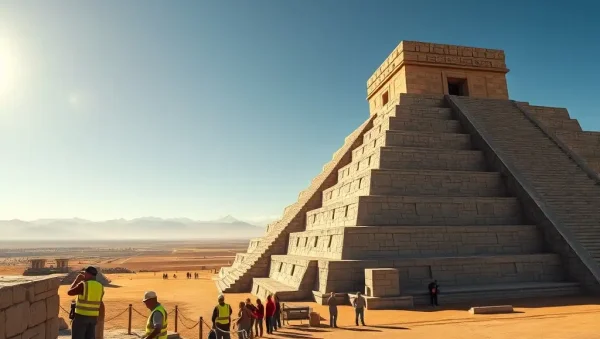
Explore the archaeological discoveries that have revealed the structure and history of Tiahuanaco. Excavations, mapping, photogrammetry, architectural analysis, and materials research continue to provide new information about the city’s development, monument construction, and environmental history. This research is essential for understanding pre-Columbian architecture in South America.
This section also addresses conservation challenges, including erosion, weathering, tourism, seismic risk, and the protection of carved stone monuments. Readers can discover how archaeologists and heritage specialists preserve Tiahuanaco for future generations while debating unresolved questions about its chronology, construction methods, and regional influence.
Tiahuanaco is known for its monumental stone architecture, precise masonry, ceremonial temples, stepped pyramids, sunken courts, carved monoliths, and sophisticated urban planning. The city is particularly famous for structures such as the Gateway of the Sun, Kalasasaya, the Akapana pyramid, and the Semi-Subterranean Temple.
Tiahuanaco was located in the Bolivian Altiplano, near the southern shore of Lake Titicaca. Its high-altitude setting strongly influenced its architecture, agriculture, water management, building materials, and social organization.
Tiahuanaco engineers used channels, drains, reservoirs, fountains, and planned watercourses to control rainfall and direct water through urban and ceremonial areas. Water management supported sanitation, construction, ritual practices, and agriculture in a demanding highland environment.
Waru waru are raised agricultural fields surrounded by canals. This technology helped retain moisture, improve drainage, moderate temperatures, and reduce the effects of frost. Waru waru demonstrate the close connection between Tiahuanaco engineering, environmental adaptation, and food production.
Many Tiahuanaco monuments appear to have been carefully oriented and may have been connected to solar observations, seasonal changes, and agricultural calendars. Although some interpretations remain debated, the city’s alignment, geometry, and ceremonial design show that astronomy and Andean cosmology were important influences.