Tiahuanaco Civilization

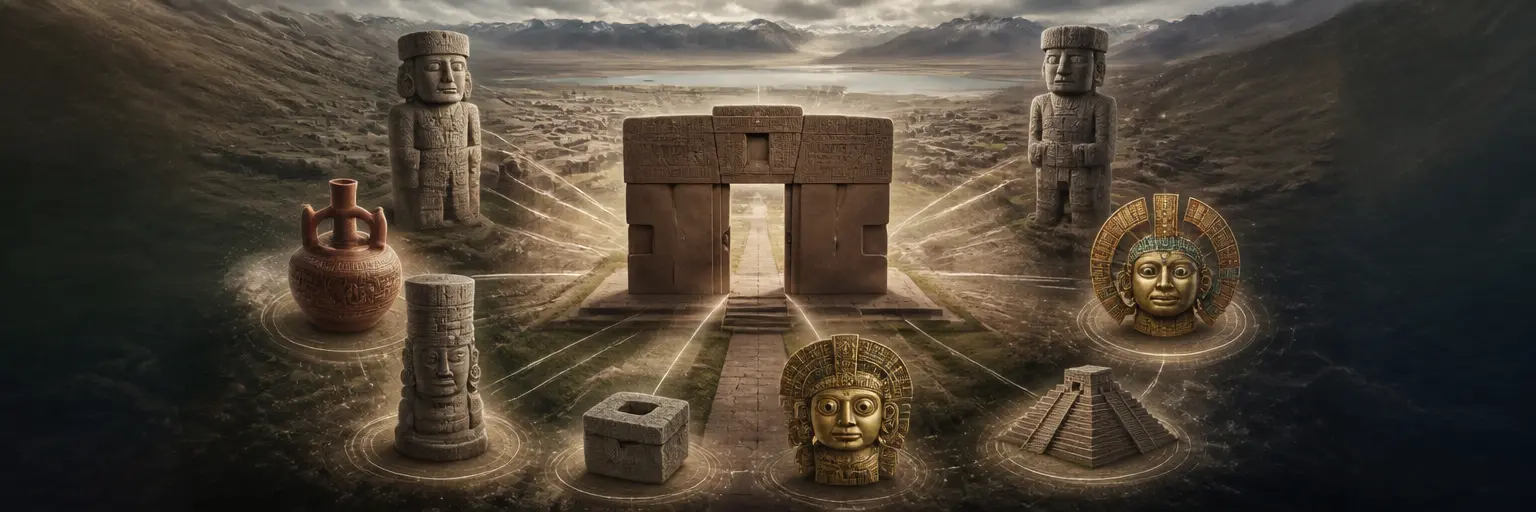
Discover how Tiahuanaco influence shaped later Andean cultures through monumental architecture, advanced agricultural techniques, religious traditions, and distinctive artistic styles. Explore the enduring legacy of this powerful civilization across the Andes, from shared symbols and stonework to cultural connections that influenced societies long after Tiahuanaco’s decline. 🏛️🌄 Gain valuable insights into Andean history, archaeology, and cultural exchange while uncovering the far-reaching impact of one of South America’s most remarkable ancient civilizations.
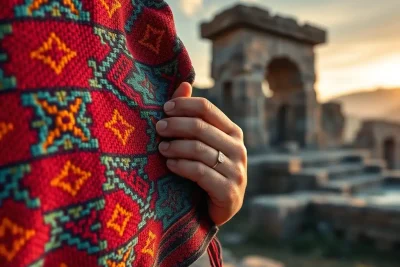
Discover how the Tiahuanaco Civilization shaped the development of later societies across the Andes. This subcategory explores the enduring influence of Tiahuanaco architecture, religion, art, agriculture, engineering, and political traditions on cultures such as the Wari, Pukara, Lupaca, Colla, and Inca. Through detailed historical analysis, readers can understand how ideas from the highland center of Tiwanaku spread across present-day Bolivia, Peru, northern Chile, and northwestern Argentina. Learn how Tiahuanaco innovations and cultural traditions continued to inspire Andean civilizations for centuries.
Explore the connections between Tiahuanaco and the societies that followed its expansion. Articles in this section examine cultural exchange, migration, trade networks, political organization, and religious continuity throughout the Andean region. Readers will discover why historians and archaeologists consider Tiahuanaco one of the most influential civilizations in pre-Columbian South America.
Special attention is given to the transition from the Tiahuanaco period to the Middle Horizon and the rise of regional powers such as the Wari Empire. Compare political structures, settlement patterns, ceremonial practices, and economic systems to see how later cultures adapted or transformed Tiahuanaco ideas rather than simply copying them.
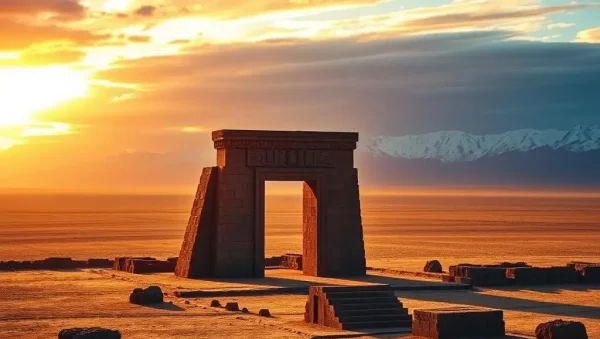
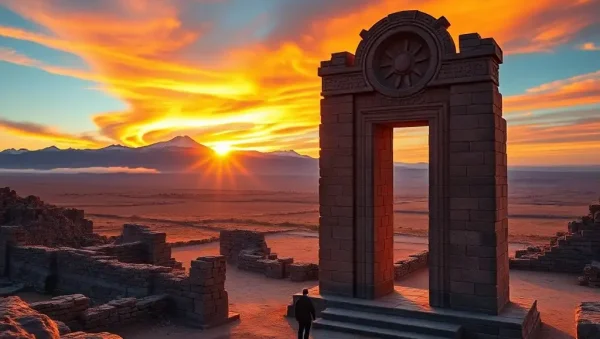
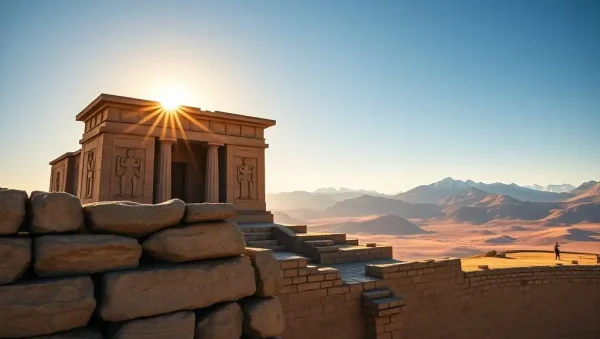
Learn how Tiahuanaco monumental architecture influenced later Andean construction. This section covers famous sites and architectural features including Kalasasaya, the Semi-Subterranean Temple, the Akapana pyramid, gateways, sunken courts, megalithic masonry, and precisely carved stone blocks. These structures reveal advanced planning, engineering skill, and a powerful connection between architecture, astronomy, and religious authority.
Readers can explore how later Andean cultures adopted monumental plazas, ceremonial platforms, sacred gateways, and carefully aligned temples. Tiahuanaco stonework became a lasting model of sacred architecture, influencing regional centers and contributing to the architectural traditions later associated with the Inca Empire.
Investigate the religious ideas that continued after Tiahuanaco’s political decline. The Staff Deity, solar imagery, winged figures, feline beings, camelids, birds, and geometric motifs appear in artistic traditions across the Andes. These symbols provide evidence of shared beliefs, ceremonial communication, and the movement of religious concepts between distant communities.
This section explains how Tiahuanaco religious iconography may have influenced Wari art, highland ceremonial practices, and later Inca beliefs. Readers will learn how visual symbols expressed authority, cosmology, fertility, ancestry, and the relationship between humans and the sacred landscape, while also considering the limits of archaeological interpretation.
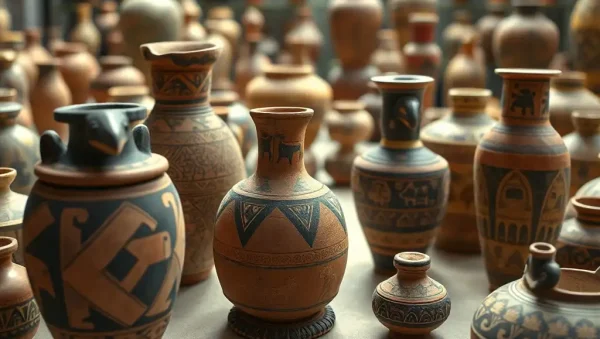
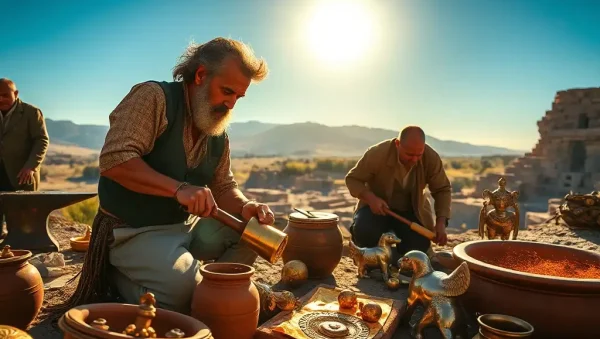
Discover the artistic legacy of Tiahuanaco through stone carving, pottery, textiles, metalwork, and portable objects. Tiahuanaco art is recognized for its complex imagery, repeated geometric designs, supernatural figures, and highly structured compositions. These artistic forms traveled through exchange networks and were reinterpreted by communities far beyond the Lake Titicaca basin.
Comparative studies in this subcategory show how Tiahuanaco motifs appear in later Wari textiles, ceramics, ritual objects, and regional art styles. Examine the relationship between artistic design and cultural identity, and learn how archaeologists use iconography to trace interaction, influence, and the spread of religious traditions in ancient South America.
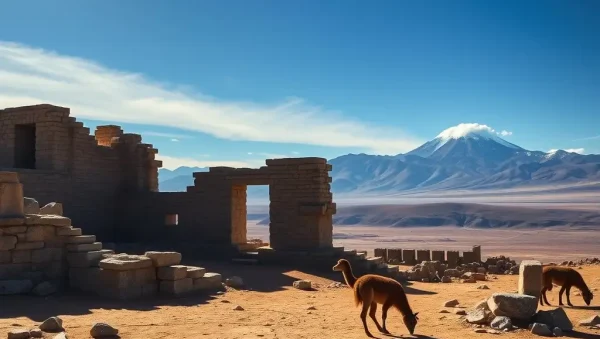
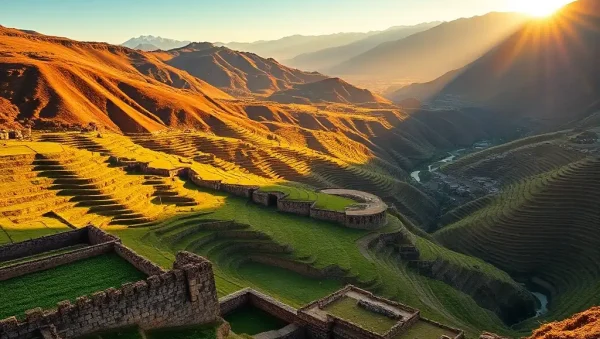
Explore the environmental technologies that helped Tiahuanaco communities prosper in the challenging Andean highlands. Raised fields, canals, water management, frost protection, camelid herding, and agricultural planning allowed people to produce food near Lake Titicaca despite cold temperatures and seasonal risks. These methods formed an important part of Tiahuanaco’s regional influence.
Later Andean societies preserved, modified, and expanded many of these strategies. Articles explain how agricultural landscapes supported population growth, trade, political power, and settlement development. Learn how Tiahuanaco farming technology influenced later highland communities and contributed to the broader Andean tradition of adapting intelligently to diverse environments.
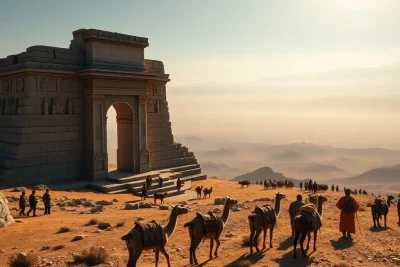
Understand how Tiahuanaco influence spread through long-distance trade and settlement networks. Archaeological evidence suggests connections between the Lake Titicaca region, coastal valleys, highland plateaus, and southern Andean territories. These links allowed food, minerals, textiles, ceramics, religious beliefs, and technological knowledge to circulate among different populations.
This section examines the possibility of Tiahuanaco enclaves, colonies, alliances, and exchange partnerships. Readers will see how economic connections created pathways for cultural diffusion and how later societies incorporated Tiahuanaco traditions into local practices while maintaining their own languages, identities, and political systems.
Study the important relationship between Tiahuanaco and the Wari civilization, including similarities in religious imagery, administrative organization, architecture, and long-distance integration. Scholars continue to debate whether these similarities resulted from direct political contact, shared cultural ancestry, religious networks, or independent development.
Readers can also explore the Tiahuanaco legacy in the Inca world. Inca rulers recognized the sacred importance of Lake Titicaca and incorporated highland origin traditions into imperial history. Discover how Tiahuanaco’s reputation, sacred geography, and monumental achievements influenced later Andean concepts of power, ancestry, and civilization.
Tiahuanaco influenced several Andean societies, including the Wari, Pukara, Lupaca, Colla, and later Inca traditions. Its influence can be seen in architecture, religious imagery, agricultural technology, trade networks, and political symbolism.
Tiahuanaco and Wari shared artistic motifs, ceremonial imagery, architectural concepts, and methods of organizing extensive regions. Although the precise nature of their relationship remains debated, archaeological evidence indicates significant cultural interaction across the Andes.
There is no simple evidence that the Incas were direct political descendants of Tiahuanaco. However, Inca traditions connected the Lake Titicaca region with sacred origins, and the Incas likely inherited or reinterpreted some Tiahuanaco religious and cultural ideas.
Important examples include raised-field agriculture, irrigation and water management, stone masonry, ceremonial urban planning, camelid herding, textile production, and long-distance exchange systems. Later Andean communities adapted these technologies to their own environments.
Tiahuanaco was a major highland civilization whose influence extended across a wide area of South America. Its religious imagery, monumental architecture, agricultural expertise, and cultural networks helped shape the development of later Andean civilizations and remain essential to understanding pre-Columbian history.