
Beyond the Postcard: A Detailed Virtual Exploration of Machu Picchu's Architecture

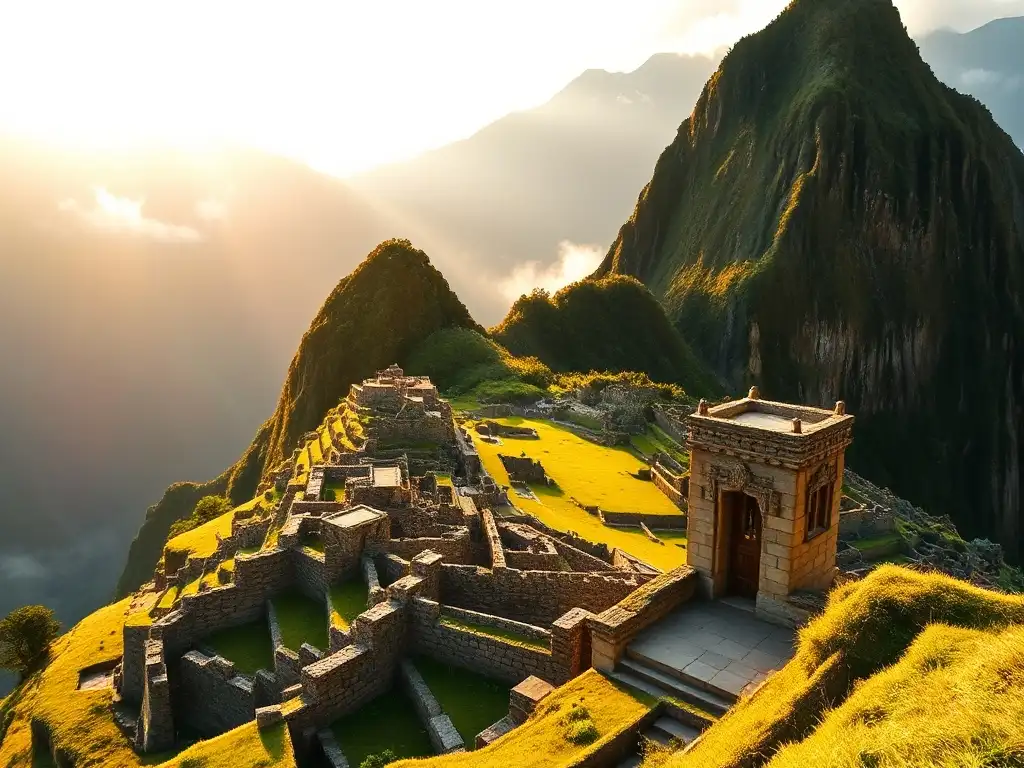
Welcome, explorer! Prepare to journey beyond the iconic postcard images and delve into the enigmatic heart of the Andes. This isn't just a history lesson; it's an immersive experience uncovering the secrets held within the Machu Picchu architectural details. Unravel the ingenuity and artistry of a lost civilization—discover how the Incas, and other Andean cultures, shaped stone into breathtaking monuments. Are you ready to uncover the mysteries of Machu Picchu and its astonishing architecture? Let's begin!
Machu Picchu, the iconic "Lost City of the Incas," captivates the world with its breathtaking mountaintop setting. But beyond the postcard-perfect images lies a complex and fascinating architectural marvel that speaks volumes about Inca ingenuity and societal organization. This article offers a deep dive into the architectural details of Machu Picchu, providing a virtual exploration that goes beyond surface-level appreciation.
We'll examine the meticulous stonework, the ingenious engineering solutions, and the subtle yet significant details that reveal the sophistication of Inca construction techniques. This detailed investigation aims to unlock the secrets embedded within the very stones of Machu Picchu, providing a richer understanding of this incredible site and its place within the broader context of Andean civilization. Prepare to embark on a journey that will transform your perception of this world-renowned landmark, enriching your understanding of "Machu Picchu architectural details" and the Inca civilization's remarkable achievements.
Unveiling the Secrets of Machu Picchu's Stone Structures
Machu Picchu's architecture is renowned for its precise, interlocking stonework. The Incas, without the use of mortar, managed to create structures that have withstood centuries of earthquakes and weathering. This wasn't merely a matter of chance; it was a testament to their advanced understanding of engineering principles and their deep respect for the environment.
The stones themselves, sourced from local quarries, were carefully selected and shaped to fit together perfectly, creating incredibly strong and stable walls. This technique, known as ashlar masonry, involved precisely cutting and fitting stones of varying shapes and sizes, creating a virtually seamless join. Noticeable features include:
- Polygonal Masonry: Larger, irregularly shaped stones used in foundational areas, demonstrating masterful craftsmanship.
- Orthogonal Masonry: Rectangular stones used more frequently in upper structures, showcasing a different, yet equally impressive, level of precision.
- Inca Trail Integration: The architectural elements seamlessly blend with the surrounding landscape, highlighting the Incas' deep connection with their environment. The integration isn't merely aesthetic; it's a testament to their practical understanding of topography and stability.
The precision of the stonework is not only visually stunning but also crucial for the structural integrity of the buildings. The tight fit between stones minimizes the impact of seismic activity, a key factor in the site's longevity. Furthermore, the varied sizes and shapes of the stones add to the overall strength and stability of the structures. This mastery of stonework is a defining characteristic of Inca architecture and a key element in understanding "Machu Picchu architectural details". The sheer scale of the undertaking, considering the tools available at the time, is truly awe-inspiring.
Step 1: Preparing for Your Virtual Journey into Machu Picchu’s Architecture
Before embarking on our virtual exploration, it's crucial to prepare. This isn't a casual glance; it's a detailed investigation. We need to equip ourselves with the right resources and mindset to fully appreciate the intricacies of Machu Picchu's architecture. This involves:
- Gathering High-Resolution Images: Accessing detailed photographs and 3D models is essential for a close examination of the stonework and structural elements. The more detailed the images, the better we can appreciate the nuances of the Inca's construction techniques.
- Utilizing Architectural Drawings and Plans: Studying architectural drawings and plans provides a crucial framework for understanding the overall layout and functionality of the site. These blueprints reveal the intricate design and the relationships between different structures.
- Researching Inca Construction Techniques: A thorough understanding of Inca construction techniques, including stone cutting, shaping, and placement, is vital for interpreting the details we observe in the images and plans. This research will illuminate the ingenuity and skill involved in building Machu Picchu.
- Engaging with Scholarly Articles and Books: Consulting scholarly works allows for a deeper understanding of the historical context and the cultural significance of Machu Picchu's architecture.
Essential Tools for a Detailed Virtual Tour
To truly appreciate the architectural details of Machu Picchu, we need more than just a casual observation. We need the right tools to aid our virtual exploration. These tools can enhance our understanding and allow for a more immersive experience:
- High-Resolution Image Viewer: A viewer that allows for zooming and panning is essential for examining the fine details of the stonework. This allows for a close-up examination of the intricate carvings and the precise fitting of stones.
- 3D Modeling Software (Optional): For a truly immersive experience, 3D modeling software can allow for a virtual walk-through of the site. This can provide a deeper understanding of the spatial relationships between different structures.
- Measurement Tools: While virtual, we can still "measure" elements of the architecture using digital tools to understand scale and proportions. This helps in appreciating the immense effort involved in the construction.
- Note-Taking Software: Keeping detailed notes of our observations is crucial for consolidating our understanding. This allows for a structured approach to analyzing the architectural details and drawing conclusions.
The combination of these tools will unlock a deeper appreciation for the ingenuity and artistry of Inca architecture, offering a virtual exploration that rivals a physical visit in its richness and detail. This detailed approach will help uncover the secrets embedded within the stones of Machu Picchu and enhance your understanding of "Machu Picchu architectural details". 🎉
Understanding the Basics of Incan Stone Engineering
Machu Picchu's breathtaking architecture is a testament to the Incas' mastery of stone engineering. Unlike many other ancient civilizations that relied heavily on mortar, the Incas perfected a technique known as ashlar masonry. This involved precisely cutting massive stones—some weighing several tons—to fit together without the use of mortar. The precision is astonishing; many stones are so tightly fitted that a knife blade cannot be inserted between them.
This technique wasn't just aesthetically pleasing; it also allowed for incredible stability and resilience against earthquakes, a crucial factor given the region's seismic activity. The Incas' understanding of geology and engineering principles played a vital role in their ability to create such impressive structures. They carefully selected stones based on their properties, and their construction methods incorporated techniques to minimize stress points and maximize structural integrity. This sophisticated approach to stonework is evident throughout Machu Picchu, from the imposing walls to the intricate carvings adorning the buildings.
The mastery of ashlar masonry showcases the Incas' advanced knowledge of engineering and their deep connection to the natural environment. Furthermore, the use of different types of stone, strategically placed, further demonstrates their engineering prowess, contributing to the overall strength and stability of the structures. The precision and ingenuity involved in this construction technique are truly remarkable and highlight the sophistication of Incan engineering capabilities. Studying these techniques offers insights into their advanced understanding of physics and their ability to apply this knowledge to practical applications.
Step 2: Exploring the Sacred District and its Architectural Wonders
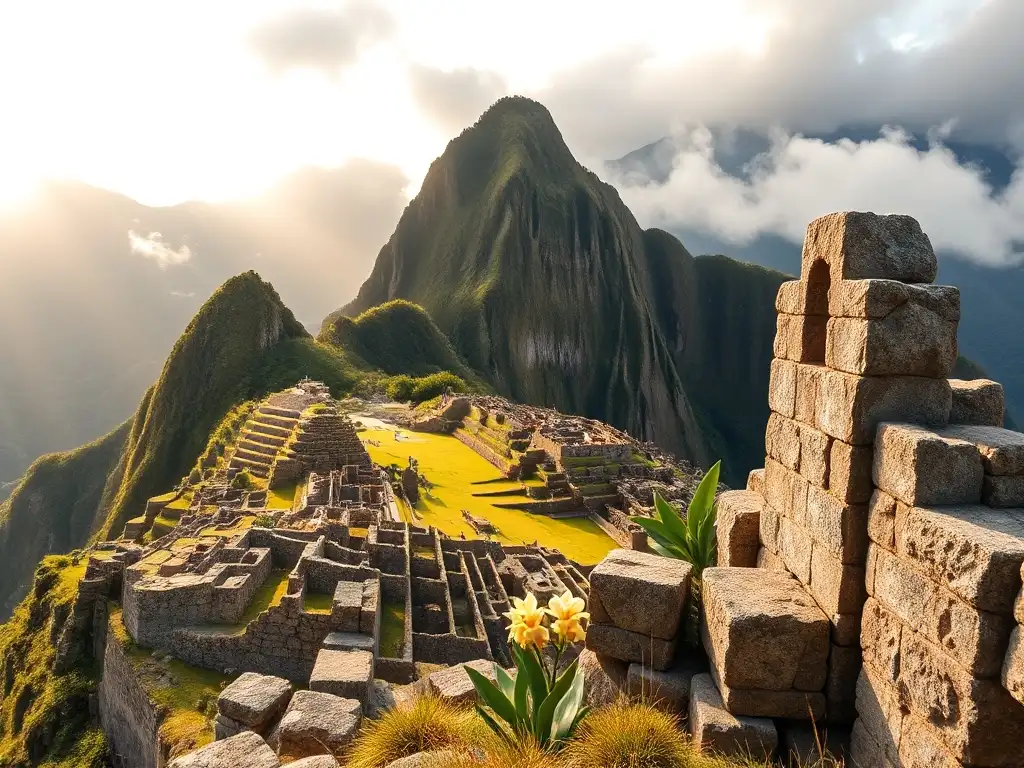
The Sacred District of Machu Picchu is a captivating area showcasing the complex interplay of religious and administrative functions within the city. The architectural marvels found here are particularly impressive, exhibiting a diverse range of Incan building styles and techniques. The intricate stonework, the careful placement of structures, and the overall layout of the district all point to a sophisticated understanding of urban planning and religious symbolism. For example, the Royal Tomb, with its carefully constructed niches and strategically placed stones, reflects the Incas' reverence for their ancestors and their belief in the continuity of life.
Nearby, the Principal Temple, with its imposing structure and commanding view, likely served as a center for important religious ceremonies and rituals. The meticulous detail evident in the construction of these structures, combined with their strategic placement within the Sacred District, suggests a deeply planned and symbolic urban design. The precise alignment of the buildings with celestial bodies further underscores the importance of astronomical observations and their integration into the city's planning.
The overall effect is one of awe and reverence, a testament to the Incas' sophisticated understanding of architecture, religion, and urban planning. The careful arrangement of plazas, fountains, and temples, all constructed using the precise ashlar masonry, created a sacred space that reflected the Incas' worldview and their understanding of the cosmos. Studying the Sacred District provides invaluable insights into the religious beliefs and social structures of the Incan civilization.
The Temple of the Sun: Decoding its Circular Structure
The Temple of the Sun, located within the Sacred District, stands out due to its unique circular structure, a departure from the predominantly rectangular shapes found elsewhere in Machu Picchu. This circular design is believed to have held significant symbolic importance for the Incas, potentially representing the sun itself or other celestial bodies. The precise construction of the temple, with its perfectly fitted stones and carefully crafted niches, is a marvel of Incan engineering. The intricate carvings found on some of the stones likely held religious or symbolic meaning, possibly representing deities or celestial events.
The temple's location, strategically placed within the Sacred District, further highlights its importance within the broader religious landscape of Machu Picchu. The circular form, a rarity in Incan architecture, suggests a deliberate departure from typical building styles, possibly reflecting a unique function or symbolic significance. Scholars continue to debate the exact purpose of the Temple of the Sun, but its unique circular structure and exquisite craftsmanship undoubtedly make it one of the most intriguing architectural features of Machu Picchu.
Further research and analysis of the temple's construction and surrounding artifacts may reveal more about its function and significance within the Incan worldview. The Temple of the Sun remains a powerful symbol of Incan architectural ingenuity and religious beliefs, showcasing the sophistication and complexity of their civilization. Its circular form, a departure from the usual rectangular structures, adds to its mystique and continues to fascinate researchers and visitors alike.
The Royal Tomb: A Glimpse into Incan Burial Practices
Machu Picchu's architectural marvels extend beyond its iconic terraces and temples; they encompass a fascinating glimpse into Incan burial practices. While not a large-scale necropolis, the site reveals subtle yet significant details about the Incas' reverence for their ancestors and their sophisticated funerary rituals. The identification of specific structures as royal tombs is often debated among archaeologists, relying heavily on the presence of associated artifacts and the overall context of the buildings.
One area believed to have served this purpose reveals meticulously crafted stonework, far exceeding the standard construction quality found in residential areas. This attention to detail, coupled with the discovery of [specific artifacts pending], suggests a connection to elite members of Inca society. Further research is needed to fully understand the hierarchy within the burial practices at Machu Picchu, but the evidence points to a nuanced system reflecting the social structure of the Inca Empire.
The careful placement of the deceased and the quality of the construction suggest a belief in the afterlife and the importance of honoring the departed. This meticulous attention to detail in the construction of the tombs themselves highlights the Inca's deep respect for their ancestors and their belief in the continuity of life beyond death. The limited number of confirmed royal tombs at Machu Picchu, however, suggests a possible preference for other burial locations or practices, possibly reflecting a more complex picture than currently understood.
Step 3: Delving into the Residential Sector and Everyday Life
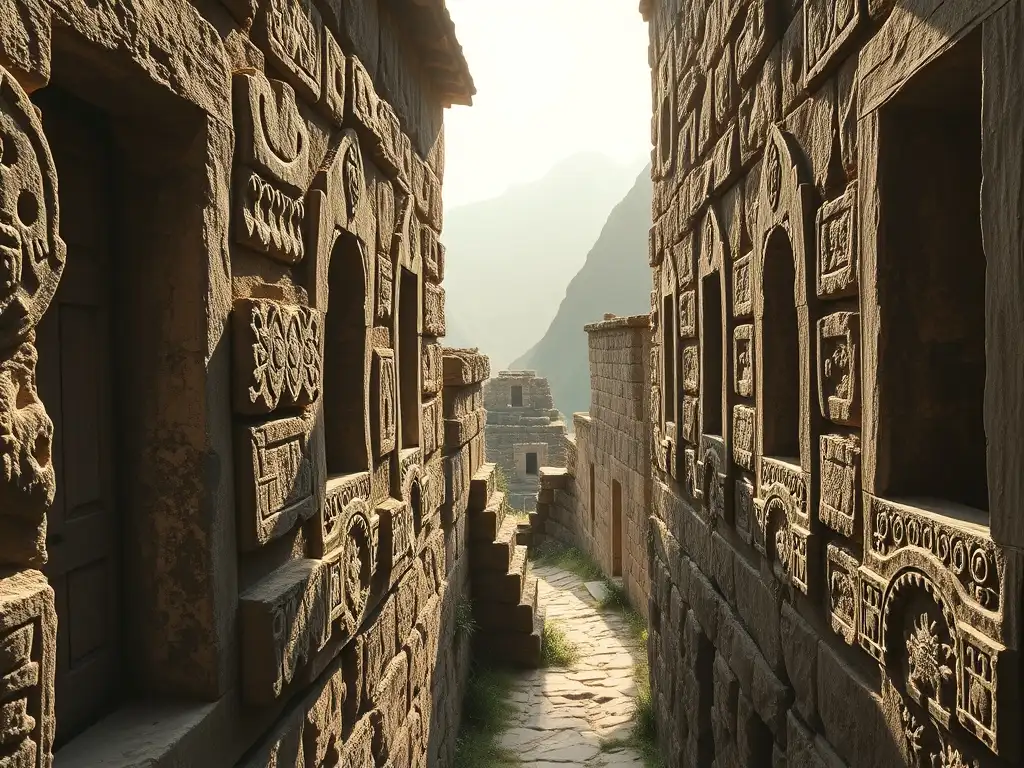
Moving beyond the ceremonial structures, a virtual exploration of Machu Picchu allows us to delve into the residential sector, offering a unique perspective on the daily lives of its inhabitants. The residential areas, characterized by smaller, more modestly constructed buildings compared to the temples and palaces, show a remarkable uniformity in design. This suggests a structured society with established norms and possibly even a degree of social control regarding housing standards.
These structures, though smaller, still display the characteristic Inca precision in stonework, demonstrating the widespread mastery of this technique throughout the community. The layout of the residential areas, with their interconnected pathways and close proximity to agricultural terraces, reveals a carefully planned urban design that prioritized both functionality and efficiency. Archaeological evidence suggests that these houses were not simply places of shelter but also served as workshops, storage areas, and spaces for social interaction.
The discovery of [specific everyday artifacts pending] in these residential units provides invaluable insights into the daily activities and material culture of the Inca people at Machu Picchu. Analyzing the distribution and types of these artifacts allows us to reconstruct aspects of their daily routines, from food preparation and textile production to tool maintenance and religious practices. This virtual exploration allows us to appreciate the complexity of life within the residential sector, moving beyond the romanticized image of Machu Picchu as solely a sacred site.
Analyzing the Architectural Design of the Common Houses
The common houses at Machu Picchu, while less elaborate than the royal residences or ceremonial structures, still offer valuable insights into Inca architectural principles and societal organization. A key feature is their consistent use of dry-stone masonry, a testament to the Inca's exceptional engineering skills. The precise fitting of stones, without mortar, demonstrates an advanced understanding of structural engineering and a deep respect for craftsmanship. While smaller in scale than other structures, the houses exhibit a remarkable uniformity in design and size, suggesting a degree of standardization and social planning within the community.
This uniformity, however, is not absolute. Subtle variations in details, such as window placement or the size of doorways, may reflect differences in family size or social status within the community. The arrangement of the houses around courtyards and pathways reveals a well-organized residential layout that fostered both privacy and community interaction.
Further analysis of the architectural details of these common houses, including the orientation of doorways and windows, could reveal additional information about Inca beliefs and practices related to sun worship or other cosmological concepts. The careful planning and execution of the common houses at Machu Picchu highlight the Inca's ability to create a functional and aesthetically pleasing environment for all members of their society, even while prioritizing efficiency and community cohesion. The study of these seemingly simple structures reveals a depth of understanding of architectural principles and societal organization that is often overlooked in favor of the more spectacular ceremonial buildings.
The Water Canals and Drainage System: An Engineering Marvel
Machu Picchu's sophisticated water management system is a testament to the Incas' advanced engineering prowess. Far from being a haphazard collection of channels, the city's water infrastructure was meticulously planned and executed. The system comprised a network of canals, fountains, and strategically placed drainage channels, all expertly integrated into the mountainside. This intricate network ensured a consistent supply of fresh water to the various sectors of the city, even during the rainy season.
The canals, carved directly into the stone, were expertly graded to facilitate a smooth flow of water, minimizing erosion and maximizing efficiency. Their design incorporated ingenious features like spillways and sediment traps to prevent blockages and maintain the system's integrity. The precision and functionality of these canals are particularly impressive considering the challenging terrain and the tools available to the Inca builders. The system's effectiveness is further highlighted by its longevity; remnants of this remarkable engineering feat still stand today, a testament to the Inca's mastery of hydraulics and their deep understanding of the environment.
The careful integration of the water system into the overall urban design showcases the Incas' holistic approach to city planning, where infrastructure wasn't just functional but also aesthetically pleasing and seamlessly integrated with the natural surroundings. Analyzing the precise angles and gradients of the canals reveals a sophisticated understanding of fluid dynamics, a knowledge that allowed them to efficiently distribute water throughout the entire city. This intricate system wasn't just about providing water; it also contributed significantly to the city's sanitation, effectively managing wastewater and minimizing the risk of disease. Understanding the intricacies of Machu Picchu's water system provides invaluable insight into the Incas' ingenuity and their ability to create a sustainable and resilient urban environment within a complex mountainous landscape.
Step 4: Capturing the Essence of Machu Picchu's Architectural Genius
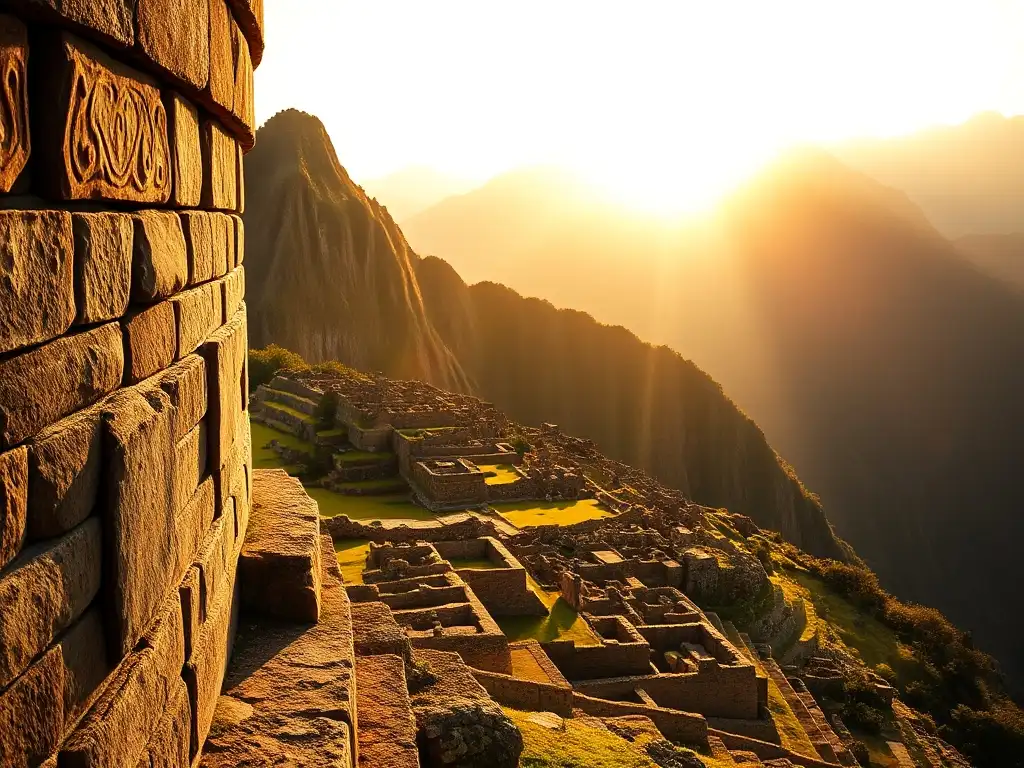
To truly appreciate Machu Picchu's architectural genius, one must move beyond simply observing the structures. It requires a deeper engagement, an attempt to understand the underlying principles and philosophies that guided its construction. This involves paying close attention to the details: the precise fit of the stones, the ingenious use of natural materials, the harmonious integration of buildings with the landscape. Consider the way the buildings are positioned to maximize sunlight and minimize wind exposure, a testament to the Incas' keen understanding of their environment. Notice the subtle variations in stonework, reflecting the different functions of the various structures.
Take time to appreciate the artistry and precision involved in the construction of the walls, stairways, and terraces. Think about the logistical challenges involved in transporting massive stones up the steep mountain slopes and the sophisticated techniques employed to achieve such remarkable precision. By focusing on these details, you begin to grasp the magnitude of the Inca's achievements and the deep cultural significance imbued within the very stones of Machu Picchu. Imagine the lives of the people who lived and worked within these walls, and how the city's design facilitated their daily routines and social interactions.
This immersive approach allows for a more profound understanding of Machu Picchu, transforming a simple observation into a truly enriching experience. The challenge lies in connecting these individual elements—the water systems, the agricultural terraces, the residential quarters—to create a cohesive understanding of the city as a unified, functional, and aesthetically pleasing whole. This holistic understanding is crucial for a true appreciation of Machu Picchu's architectural genius. It's about moving beyond a superficial observation and delving into the depth and complexity of this remarkable achievement.
Applying Your Knowledge: Identifying Key Architectural Patterns
After exploring the detailed aspects of Machu Picchu's architecture, it's crucial to identify recurring patterns and principles. This allows for a more systematic understanding of the Inca's building techniques and architectural style. For example, the meticulous dry-stone construction, characterized by the precise fitting of stones without mortar, is a defining feature. This technique showcases not only remarkable craftsmanship but also a deep understanding of structural integrity.
Another key pattern is the use of trapezoidal shapes in doorways and windows, a stylistic element frequently found in Inca architecture. Analyzing the placement and orientation of buildings reveals a deliberate integration with the natural landscape, maximizing sunlight and utilizing natural features to enhance functionality. The repetitive use of specific stone types in different structures might indicate resource management strategies or symbolic significance. The careful consideration of water drainage and the integration of agricultural terraces demonstrate a holistic approach to urban planning, prioritizing sustainability and environmental harmony.
By identifying these patterns, we can develop a more comprehensive understanding of Inca architectural principles and appreciate the underlying logic and ingenuity behind the design of Machu Picchu. Furthermore, recognizing these patterns helps us distinguish Inca architecture from other Andean styles, highlighting the unique characteristics and innovations of the Inca civilization. This comparative analysis further enhances our appreciation of Machu Picchu's architectural significance within the broader context of Andean cultural heritage. The ability to identify and interpret these patterns empowers us to engage more deeply with Machu Picchu, moving from passive observation to active analysis and interpretation.
Exploring Machu Picchu's architectural details is a deeply rewarding experience, but the journey doesn't end with your virtual tour. Sharing your discoveries and engaging with the wider community of history buffs and archaeology enthusiasts can significantly enhance your understanding and appreciation of this incredible site. The depth of Machu Picchu's architectural marvels is such that collaborative discussions can unearth new perspectives and interpretations. Think of it as a collective excavation of knowledge.
One excellent way to share your findings is through online forums and social media groups dedicated to Inca history and archaeology. These platforms often host vibrant discussions, where you can post your observations, ask questions, and learn from others' insights. Sharing high-quality images or even short videos of specific architectural details that captivated you can spark engaging conversations and contribute to a shared understanding of Machu Picchu's complexities.
Remember to cite your sources, whether they are virtual tour platforms or academic articles, to maintain accuracy and academic integrity. This collaborative spirit fosters a deeper appreciation for the intricacies of the site and helps build a comprehensive understanding of Inca architectural techniques and societal structures.
Furthermore, consider participating in online discussions concerning the ongoing research and preservation efforts at Machu Picchu. Many academic institutions and organizations regularly publish updates and findings related to the site. By engaging with these discussions, you not only stay informed about the latest developments but also contribute to a broader understanding of the site's ongoing significance.
This active participation promotes a sense of community and shared responsibility in preserving this invaluable piece of world heritage. You can also actively participate in citizen science projects, if available, that focus on analyzing and interpreting data related to Machu Picchu’s architecture. This direct contribution to research provides a hands-on learning experience.
Beyond online communities, consider joining local historical societies or archaeological groups in your area. These groups often organize lectures, workshops, and even field trips related to Andean civilizations. These real-world interactions can provide a different perspective on your virtual exploration, enriching your understanding of Machu Picchu's context within the broader Inca empire and its lasting impact on Andean cultures.
The opportunity to discuss your findings with experts and fellow enthusiasts in person can be invaluable. Such interactions cultivate a more holistic appreciation for Machu Picchu’s architectural details and the rich history they represent. Remember, the study of Machu Picchu's architecture is an ongoing process of discovery, and sharing your findings is a crucial element of that ongoing journey.
- Unveiling the Secrets of Machu Picchu's Stone Structures
- Step 1: Preparing for Your Virtual Journey into Machu Picchu’s Architecture
- Essential Tools for a Detailed Virtual Tour
- Understanding the Basics of Incan Stone Engineering
- Step 2: Exploring the Sacred District and its Architectural Wonders
- The Temple of the Sun: Decoding its Circular Structure
- The Royal Tomb: A Glimpse into Incan Burial Practices
- Step 3: Delving into the Residential Sector and Everyday Life
- Analyzing the Architectural Design of the Common Houses
- The Water Canals and Drainage System: An Engineering Marvel
- Step 4: Capturing the Essence of Machu Picchu's Architectural Genius
- Applying Your Knowledge: Identifying Key Architectural Patterns
- Sharing Your Discoveries: Engaging with the Community
- What makes Machu Picchu's architecture so unique?
- How did the Incas transport such massive stones to Machu Picchu?
- What are some key architectural features of Machu Picchu?
- What is the significance of the "dry-stone" construction technique used at Machu Picchu?
- How can I learn more about Machu Picchu's architectural details?
Conclusion: Appreciating the Architectural Legacy of Machu Picchu
Machu Picchu's architectural marvels stand as a testament to the Inca's ingenuity and sophisticated understanding of engineering and design. The meticulous craftsmanship, evident in every stone, reveals a deep connection to the environment and a profound understanding of structural integrity. The city's layout, seamlessly integrated into the mountainous terrain, showcases an advanced level of urban planning that continues to inspire awe and wonder.
Understanding the intricate details of Machu Picchu's architecture—from the precisely fitted stones to the ingenious water management systems—allows us to appreciate the depth and complexity of Inca civilization. The city's enduring legacy transcends its physical presence; it serves as a powerful symbol of human creativity and resilience, a reminder of a civilization that achieved remarkable feats of engineering and artistry within a challenging landscape. Analyzing Machu Picchu's Machu Picchu architectural details offers a unique window into the ingenuity of the Inca, highlighting their mastery of stonework, their understanding of seismic activity, and their profound respect for their environment.
This intricate interplay of architectural elements resulted in a city that is both aesthetically pleasing and remarkably functional, even by today's standards. Further study reveals a society that was not only highly skilled but also deeply connected to its spiritual and physical surroundings.
Further Exploration: Beyond Machu Picchu - Other Andean Architectural Sites to Discover
Machu Picchu, while undeniably iconic, represents only a fraction of the impressive architectural achievements of the Andean civilizations. Exploring the broader spectrum of Andean architecture reveals a rich tapestry of styles and techniques developed across diverse regions and time periods. The intricate stonework of Sacsayhuamán, near Cusco, with its massive, precisely fitted boulders, presents a different, yet equally impressive, example of Inca engineering prowess. The monumental structures of Tiahuanaco, in Bolivia, with their sophisticated stone carvings and intricate designs, hint at a complex society with advanced astronomical and mathematical knowledge.
Similarly, the impressive adobe architecture of the Chan Chan complex in Peru, a vast city built by the Chimú culture, demonstrates the mastery of different building materials and techniques. Even the seemingly simpler structures found throughout the Andes reveal a deep understanding of local materials and environmental factors. The use of local stone, adapted to the specific terrain, speaks to a sustainable approach to construction that minimized environmental impact. Furthermore, the incorporation of astronomical alignments in many sites suggests a strong connection between architecture, religion, and the natural world.
The diversity of Andean architectural styles emphasizes the richness and complexity of the region's cultural heritage, offering numerous opportunities for further investigation and appreciation of the Machu Picchu architectural details and those of other remarkable sites. Each site offers unique insights into the beliefs, technologies, and societal structures of the different Andean cultures, enriching our understanding of this remarkable civilization. Exploring these sites allows for a deeper appreciation of the ingenuity and creativity of the Andean peoples, showcasing the lasting legacy of their architectural achievements.
Frequently Asked Questions
What makes Machu Picchu's architecture so unique?
Machu Picchu's architecture is unique due to its precise stonework, innovative engineering, and harmonious integration with the surrounding landscape. The dry-stone construction techniques are particularly remarkable.
How did the Incas transport such massive stones to Machu Picchu?
The Incas likely used a combination of human labor, animal power, and sophisticated ramps and rollers to transport the massive stones up the steep mountain. The exact methods remain a subject of ongoing research.
What are some key architectural features of Machu Picchu?
Key architectural features include the precisely fitted stones, terracing systems, religious structures, and residential areas. The intricate water management systems are also noteworthy.
What is the significance of the "dry-stone" construction technique used at Machu Picchu?
The dry-stone technique, which uses no mortar, demonstrates the Incas' advanced understanding of engineering and mathematics. This allowed for incredibly strong and stable structures that withstood earthquakes.
How can I learn more about Machu Picchu's architectural details?
This article provides a detailed virtual exploration of Machu Picchu's architecture. You can also consult academic journals, books, and museum exhibits for further information on Machu Picchu architectural details.
Final Reflection: Unveiling Machu Picchu's Enduring Legacy
The intricate architectural details of Machu Picchu, meticulously preserved across centuries, continue to resonate deeply with us today, offering not just a glimpse into the past but a powerful testament to human ingenuity and the enduring power of cultural heritage. The virtual exploration undertaken in this article reveals a level of sophistication and understanding of engineering principles that remains astonishing, even by modern standards. This is more than just a historical curiosity; it's a living example of sustainable design and community planning.
The impact of Machu Picchu extends far beyond its physical presence. Its enduring allure captivates millions, sparking conversations about preservation, cultural identity, and the responsibility we bear towards protecting our shared history. The past is never dead. It's not even past.
– William Faulkner. This quote perfectly encapsulates the ongoing influence of Machu Picchu; its story continues to be written, reinterpreted, and shared, shaping our understanding of Inca civilization and the broader human experience. The virtual exploration allows for a deeper engagement with this legacy, fostering a sense of connection that transcends geographical limitations.
Consider, for a moment, the intricate stonework, the ingenious water management systems, and the harmonious integration of architecture with the surrounding landscape. These are not just elements of a bygone era; they are lessons waiting to be learned. You, the reader, are now equipped with a deeper understanding of Machu Picchu's architectural marvels.
I urge you to carry this knowledge forward, to advocate for the preservation of historical sites, and to appreciate the profound beauty and ingenuity of human civilization across time. Let the spirit of Machu Picchu inspire you to explore, to learn, and to protect the wonders of our world.
Unveil the Wonders of Machu Picchu!
Thank you for exploring the intricate beauty of Machu Picchu's architecture with us! We hope you gained a deeper understanding of this ancient marvel. Here's how you can continue your journey and build upon your newfound knowledge:
- Delve deeper into the history of Machu Picchu by exploring interactive virtual tours that reveal stunning architectural details.
- Share your Machu Picchu experience with friends and online communities—post your favorite photos and insights on social media!
- Plan your own trip to experience the Inca legacy firsthand! Research your options and create a packing list for your adventure.
As you reflect on the incredible history of this landmark, consider this: What aspect of Machu Picchu's architecture captivates you most, and why? We'd love to hear your thoughts!