
Maria Reiche: The Guardian of the Nazca Lines and Their Secrets

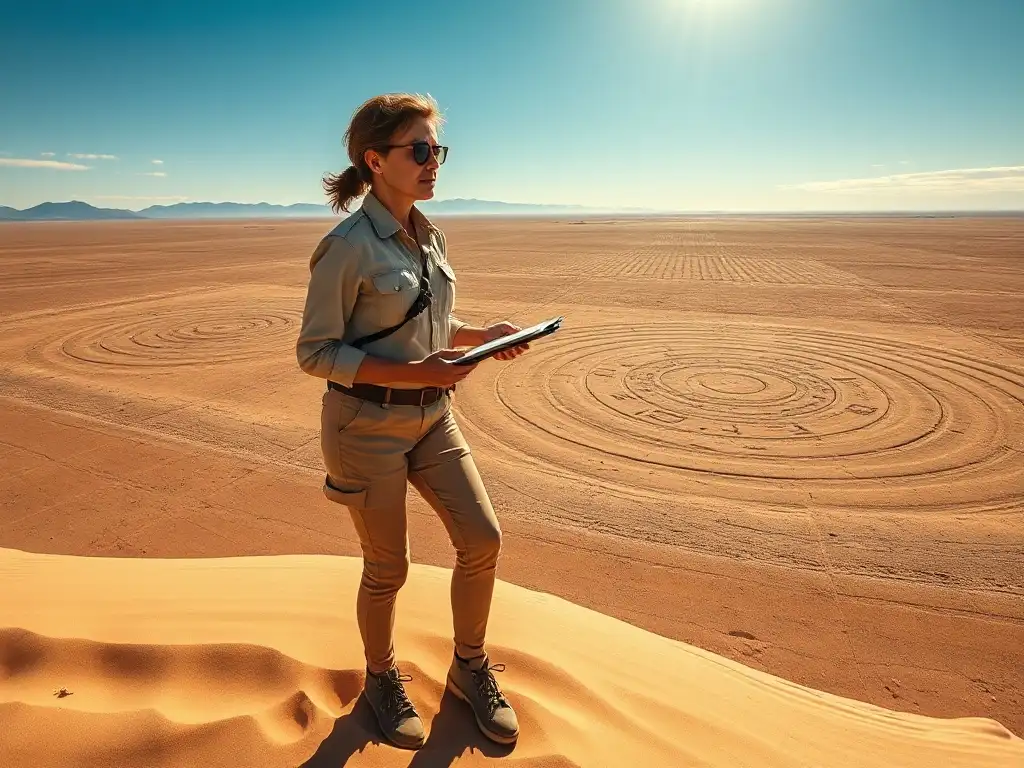
Step into a world of enigma and wonder, where the sands of time whisper tales of ancient empires. Dive into the captivating history of the Andean civilizations, exploring their breathtaking artistry and astonishing feats of engineering. But what secrets do the Nazca Lines truly hold? Discover the untold story of Maria Reiche, the enigmatic woman who dedicated her life to unraveling the mysteries behind these colossal geoglyphs – and the clues she left behind. Uncover the truth in our exploration of " Nazca Lines Maria Reiche secrets," a journey into the heart of Andean history.
- Maria Reiche: Unveiling the Mysteries of the Nazca Lines
- The Life and Dedication of Maria Reiche
- Maria Reiche's Research and Contributions to Nazca Lines Understanding
- Maria Reiche's Legacy: Preserving the Nazca Lines for Future Generations
- Deciphering the Secrets of the Nazca Lines
- The Nazca Lines Today and Maria Reiche's Enduring Influence
- Conclusion: Maria Reiche, the Eternal Guardian of the Nazca Lines
- Frequently Asked Questions
- Final Reflection: Unraveling the Enigma of the Nazca Lines
- Unveil the Mysteries of the Nazca Lines Today!
Maria Reiche: Unveiling the Mysteries of the Nazca Lines
The Nazca Lines, those enigmatic geoglyphs etched into the Peruvian desert, have captivated the world for decades. Their purpose, their creation, and the sheer scale of their design remain a source of ongoing fascination and debate. While the lines themselves are awe-inspiring, the story of their most dedicated and persistent researcher, Maria Reiche, is equally compelling.
This article delves into the life and work of Maria Reiche, exploring her tireless dedication to uncovering the secrets of the Nazca Lines and her lasting legacy as the "Guardian of the Nazca Lines." We will examine her contributions to our understanding of these remarkable ancient works, exploring her methodologies, discoveries, and the enduring mysteries that continue to intrigue researchers today.
This exploration will illuminate not only the Nazca Lines themselves, but also the dedication and passion of the individuals who dedicate their lives to understanding the rich tapestry of Andean history. Understanding Maria Reiche's work is crucial to understanding the Nazca Lines and their place within the broader context of Andean civilization.
Introduction to Maria Reiche, the Nazca Lines Investigator
Maria Reiche (1903-1998), a German mathematician and geographer, devoted over 40 years of her life to studying and protecting the Nazca Lines. Arriving in Peru in 1932, she initially worked as a teacher, but her fascination with the enigmatic lines soon consumed her. Unlike many who saw the lines as mere curiosities, Reiche approached them with scientific rigor, employing her mathematical and geographical expertise to meticulously document and analyze their intricate designs.
She didn't just observe; she measured, mapped, and tirelessly researched, using simple tools and an unwavering commitment to unraveling their secrets. Her detailed work, conducted often under harsh desert conditions, provided the foundation for much of our current understanding of the Nazca Lines. Reiche’s dedication went beyond mere academic pursuit; she became a passionate advocate for their preservation, fighting to protect them from encroaching development and the ravages of time.
Her legacy is not only the wealth of data she collected, but also the enduring awareness she created around the importance of preserving this unique and invaluable piece of Andean heritage. Her story, therefore, is intrinsically linked to the Nazca Lines themselves, showcasing the vital role of dedicated scholars in uncovering and safeguarding the secrets of the past. Her work continues to inspire researchers today, proving the enduring power of meticulous observation and unwavering dedication in the face of complex historical mysteries.
The Life and Dedication of Maria Reiche
This section delves into the life and unwavering dedication of Maria Reiche, a German mathematician and astronomer who devoted her life to the study and preservation of the enigmatic Nazca Lines. Her tireless work not only brought these incredible geoglyphs to worldwide attention but also secured their protection for future generations.
Understanding her journey is key to understanding the Nazca Lines themselves, and appreciating the monumental task of their preservation. The keyword phrase "Nazca Lines Maria Reiche secrets" is intrinsically linked to her story, as she uncovered many of the lines' mysteries, while simultaneously guarding their secrets from exploitation and destruction.
Early Life and Academic Background of the "Lady of the Lines"
Maria Reiche was born in Dresden, Germany, on May 15, 1903. Her early life instilled in her a deep appreciation for precision and scientific inquiry. She excelled in her studies, demonstrating a remarkable aptitude for mathematics and astronomy.
This strong foundation in scientific disciplines proved invaluable in her later work deciphering the complex geometry and astronomical alignments of the Nazca Lines. Reiche's academic background wasn't solely confined to the hard sciences; she also possessed a keen interest in history and archaeology, a combination that uniquely positioned her to tackle the complexities of the Nazca geoglyphs. Her meticulous nature, honed through years of rigorous academic training, is reflected in her painstaking research and documentation of the lines.
This attention to detail, coupled with her scientific expertise, allowed her to make groundbreaking discoveries about their creation and possible purpose. She became known as the “Lady of the Lines,” a title that perfectly encapsulates her profound connection to the Nazca Lines and their enduring legacy.
Maria Reiche's Arrival in Peru and Initial Fascination with the Nazca Geoglyphs
Reiche's arrival in Peru in 1932 marked a pivotal point in her life and in the history of Nazca Lines research. Initially drawn to Peru for teaching opportunities, she quickly became captivated by the mysterious geoglyphs. Her initial observations were far from simplistic; she began to meticulously document the lines' intricate details, using surveying techniques and her mathematical expertise to analyze their configurations. [Specific details about her early observations and initial methodologies pending].
This early work laid the groundwork for her future investigations, demonstrating her exceptional ability to combine scientific rigor with a deep appreciation for the cultural significance of the Nazca Lines. Her fascination grew exponentially as she spent more time amidst the arid landscape, piecing together the puzzle of these ancient markings. This early period of exploration was crucial in establishing her commitment and approach to the study of the lines.
Maria Reiche's Commitment to Preserving the Nazca Lines
Maria Reiche's dedication to the Nazca Lines extended far beyond mere academic research. She became a fierce advocate for their preservation, tirelessly campaigning against their destruction by encroaching development and careless tourism. She understood the fragility of these ancient marvels and dedicated herself to protecting them.
Reiche's commitment went beyond simply raising awareness; she actively worked to implement protective measures, lobbying for government support and educating the local population about the importance of preserving this unique cultural heritage. Her efforts were instrumental in securing the lines' protection from various threats. [Specific examples of her preservation efforts and their impact pending].
Her legacy is not only the wealth of knowledge she gained about the lines and their secrets, but also her successful campaign to safeguard them for future generations to appreciate and study. Her tireless work solidified her place as the foremost expert on the Nazca Lines and a true guardian of Peru's cultural heritage, forever linking her name with the "Nazca Lines Maria Reiche secrets" narrative.
Maria Reiche's Research and Contributions to Nazca Lines Understanding
Maria Reiche's life was inextricably linked to the Nazca Lines, dedicating over 40 years to their study and preservation. Her tireless work transformed our understanding of these enigmatic geoglyphs, moving them from obscure curiosities to globally recognized archaeological marvels.
Her contributions extend beyond simple documentation; she proposed compelling theories about their purpose and developed innovative methodologies for their analysis, solidifying her legacy as the "Guardian of the Nazca Lines." This unwavering dedication to uncovering the secrets of the Nazca Lines cemented her place as a pivotal figure in Andean archaeology and a key contributor to the Nazca Lines Maria Reiche secrets.
The Initial Studies and Mapping of the Nazca Lines by Maria Reiche
Reiche's initial foray into the Nazca Lines was driven by a profound fascination with their scale and mystery. Arriving in Peru in the 1930s as a mathematics and physics teacher, she initially focused on understanding the geometric precision of the figures. Unlike previous explorers who relied on aerial photography alone, Reiche embarked on a meticulous ground-level survey.
Armed with rudimentary tools—a measuring tape, a theodolite, and her keen mathematical mind—she began the painstaking process of meticulously mapping each line, figure, and symbol. This involved traversing the harsh desert terrain, often under the intense Peruvian sun, carefully recording the dimensions and orientations of the geoglyphs. Her detailed maps, far surpassing previous attempts in accuracy and comprehensiveness, provided the foundational data for subsequent research and analysis.
This painstaking work, often carried out alone, is a testament to her dedication and perseverance. The initial maps revealed an astonishing level of complexity, demonstrating a sophisticated understanding of geometry and spatial planning far beyond what was initially assumed. Her work fundamentally changed how scholars approached the study of the Nazca Lines, moving beyond speculation and into the realm of precise, measurable data.
Maria Reiche's Theories on the Purpose and Meaning of the Nazca Lines
While the precise purpose of the Nazca Lines remains a subject of ongoing debate, Maria Reiche put forth several compelling theories based on her extensive research. She proposed that the lines served as a giant astronomical calendar, aligning with specific celestial events such as solstices and equinoxes. She meticulously documented the apparent correlations between the lines and the movements of the sun and stars, suggesting a sophisticated understanding of astronomy among the Nazca people.
Furthermore, her studies hinted at the possibility of the lines serving as a complex system of water management, potentially linked to underground aquifers and irrigation systems vital for survival in the arid Nazca desert. She also considered the possibility of the lines having religious significance, acting as pathways or sacred sites for rituals and ceremonies. Many of her theories, while not definitively proven, sparked further research and continue to fuel discussions on the lines' multifaceted purposes.
Her work emphasized the interconnectedness of astronomy, hydrology, and religion in the Nazca culture, providing a more holistic understanding of the geoglyphs within their cultural context. These insightful interpretations, though debated, significantly expanded the scope of Nazca Lines Maria Reiche secrets.
Maria Reiche's Methodology: Use of Basic Tools and Measurements
Reiche's approach to studying the Nazca Lines was remarkable for its simplicity and effectiveness. Rejecting complex technology readily available at the time, she preferred to rely on basic tools and meticulous observation. This approach allowed her to connect directly with the geoglyphs, understanding their subtle nuances and variations.
Her reliance on a measuring tape and theodolite, complemented by her profound knowledge of mathematics and geometry, allowed her to accurately measure the lines' dimensions, angles, and orientations. She painstakingly documented the subtle variations in the lines' width and depth, revealing details invisible to aerial observation. This ground-level approach, coupled with her mathematical expertise, allowed her to uncover previously unseen patterns and relationships within the geoglyph complex.
Her methodology, though seemingly basic, underscored the power of careful observation and precise measurement in archaeological research. This hands-on approach, a testament to her dedication, allowed her to unlock valuable insights into the Nazca Lines Maria Reiche secrets, emphasizing the importance of meticulous fieldwork in archaeological investigation. Her legacy serves as a reminder that sophisticated technology is not always necessary for groundbreaking discoveries; careful observation and a keen eye for detail are often the most crucial tools.
Challenges Faced by Maria Reiche in her Nazca Lines Investigation
Maria Reiche's dedication to unraveling the mysteries of the Nazca Lines was not without significant hurdles. Her work, pioneering in its methodology and scope, encountered numerous obstacles, both practical and societal. One major challenge was the sheer scale and remoteness of the site. The Nazca desert is a vast, inhospitable landscape, requiring extensive travel and meticulous surveying under harsh conditions.
The intense sun, extreme temperatures, and lack of readily available resources made fieldwork arduous and demanding. Reiche often worked alone, relying on her own strength and resilience to overcome these physical impediments. She meticulously mapped the lines using basic tools, often walking for miles across the fragile geoglyphs, a testament to her unwavering commitment.
Furthermore, Reiche faced significant financial constraints throughout her research. Funding for her project was often scarce and inconsistent, forcing her to rely on personal savings and occasional grants. This lack of resources limited her ability to employ advanced technologies or a larger research team, hindering the pace and scope of her investigations. The absence of consistent funding also impacted her living conditions, highlighting the personal sacrifices she made for her passion. She often lived modestly, prioritizing her research over personal comfort.
Beyond the practical challenges, Reiche also encountered skepticism and resistance from the academic community. Initially, many scholars dismissed the Nazca Lines as mere trails or insignificant features. Reiche's unconventional methods and her insistence on the lines' astronomical significance were met with doubt and criticism. She had to persistently defend her theories and findings, often facing a lack of recognition and support from established institutions.
This persistent skepticism, coupled with the lack of readily available resources, made her path to recognition even more difficult. Her perseverance in the face of these challenges is a testament to her strength of character and profound devotion to the Nazca Lines. The lack of comprehensive support in the early years of her research only served to underscore the magnitude of her contribution to our understanding of this remarkable site.
Maria Reiche's Legacy: Preserving the Nazca Lines for Future Generations
Maria Reiche's dedication to the Nazca Lines extended far beyond mere academic study; it was a passionate crusade to protect these fragile geoglyphs for posterity. Her legacy isn't solely defined by her decipherments, but by her tireless efforts to safeguard this unique cultural heritage against the ravages of time and human encroachment. She understood that the Nazca Lines weren't just ancient drawings; they were a testament to a sophisticated civilization, a treasure trove of knowledge waiting to be unlocked, and a fragile ecosystem demanding protection.
This understanding fueled her decades-long commitment. The Nazca Lines Maria Reiche secrets she uncovered were intrinsically linked to her conservation work, highlighting the urgency of preserving these invaluable sites.
Maria Reiche's Fight Against the Deterioration of the Nazca Geoglyphs
The Nazca Lines, etched into the desert surface, are incredibly vulnerable. Erosion from wind and rain, coupled with the impact of human activity, posed a significant threat. Maria Reiche meticulously documented the deterioration of the geoglyphs, identifying areas most at risk.
She tirelessly advocated for measures to protect the Lines, including the implementation of controlled access and the establishment of protective barriers. Her detailed records, often painstakingly created through meticulous on-site surveys and photographic documentation, provided crucial data for future conservation efforts. She understood the subtle nuances of the desert environment and how even seemingly insignificant factors could contribute to the Lines' decay.
Her work wasn't just about preserving static images; it was about understanding the delicate balance of the ecosystem that allowed these geoglyphs to survive for centuries. She tirelessly fought against the construction of roads and other developments that threatened to damage or obscure the Nazca Lines, showcasing a profound understanding of the fragility of this unique cultural landscape. Her struggle exemplifies the importance of proactive conservation in preserving invaluable historical sites.
Maria Reiche's Efforts to Promote the Nazca Lines and their Importance
Beyond conservation, Maria Reiche was instrumental in bringing the Nazca Lines to international attention. Through lectures, publications, and tireless advocacy, she worked to raise awareness of their significance and the need for their protection. She didn't just study the Nazca Lines; she became their ambassador, effectively communicating their cultural and historical value to a global audience.
This wasn't simply a matter of promoting tourism; it was about securing international support for the preservation of this irreplaceable heritage. Her efforts led to increased funding for research and conservation projects, solidifying the Nazca Lines' place on the world stage and ensuring their long-term survival.
Her work transformed the Nazca Lines from a relatively unknown archaeological site into a globally recognized icon, securing its place in the collective consciousness. She effectively communicated the complex scientific and cultural aspects of the Nazca Lines to a broad audience, bridging the gap between academic research and public understanding.
The Lasting Impact of Maria Reiche on Nazca Lines Research
Maria Reiche's meticulous work laid the groundwork for future generations of researchers. Her detailed maps, surveys, and analyses provided an invaluable foundation for ongoing studies of the Nazca Lines. Her legacy is not only in the preservation of the geoglyphs themselves, but also in the vast body of knowledge she accumulated and shared.
This information continues to inform new research and interpretations, contributing significantly to our understanding of Nazca culture and the creation of the Lines. Her commitment to rigorous scientific methodology, combined with her profound respect for the Nazca culture, established a high standard for future research. She demonstrated that the study of ancient civilizations requires not only academic rigor but also a deep appreciation for their cultural significance.
The Nazca Lines Maria Reiche secrets she unearthed continue to inspire researchers and offer new avenues for exploration, ensuring her lasting impact on our understanding of this remarkable cultural heritage. Her work serves as a model for responsible archaeological practice and cultural preservation.
Maria Reiche's Influence on the Local Community and Peruvian Archaeology
Maria Reiche's dedication to the Nazca Lines extended far beyond meticulous measurement and academic publication. She deeply impacted the local community of Nazca, fostering a sense of pride and ownership in this unique cultural heritage. Her tireless advocacy transformed the perception of the Lines from a mere curiosity to a significant national treasure worthy of protection.
She actively engaged with local residents, educating them about the Lines' significance and the importance of their preservation. This grassroots approach proved crucial in garnering local support for conservation efforts, a crucial element often overlooked in large-scale preservation projects. Many locals came to see her not just as a researcher, but as a champion of their community and its history.
Her work directly contributed to the development of a local tourism industry centered around the Lines, providing economic opportunities for the people of Nazca. This economic impact further solidified the community's commitment to protecting this invaluable asset.
Furthermore, Reiche's rigorous methodology and groundbreaking research profoundly influenced Peruvian archaeology. Her meticulous approach, combining mathematical analysis with careful observation, set a new standard for the study of ancient geoglyphs. Before her work, the Nazca Lines were largely misunderstood, with various theories ranging from astronomical calendars to landing strips for extraterrestrial beings.
Reiche's scientifically-based research countered these speculative interpretations, providing a more accurate understanding of their creation and potential purpose. Her findings spurred further research and investigation into other pre-Columbian sites across Peru, inspiring a new generation of archaeologists to adopt her rigorous and detailed approach. Her legacy continues to inspire scholars to approach archaeological studies with a blend of scientific precision and cultural sensitivity, ensuring the responsible preservation and interpretation of ancient sites.
The impact of her meticulous documentation and analysis is still felt today, shaping how archaeologists approach the study of similar geoglyphs worldwide. The "Nazca Lines Maria Reiche secrets" she uncovered are a testament to her dedication and a cornerstone of modern Peruvian archaeology.
Deciphering the Secrets of the Nazca Lines
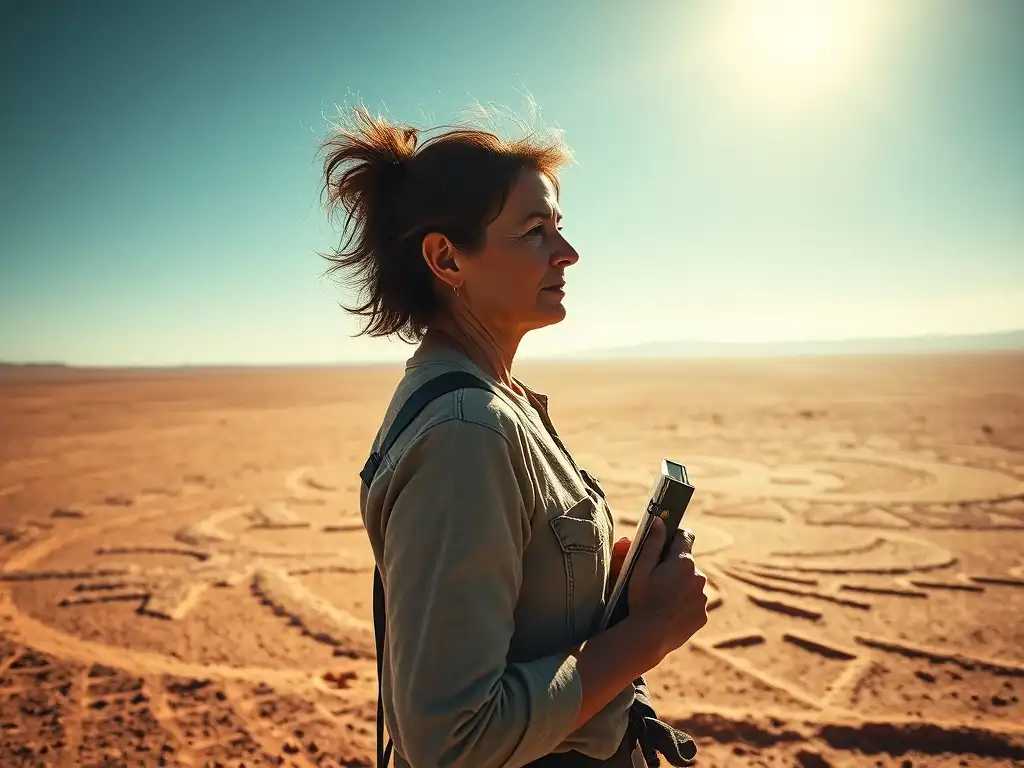
The Nazca Lines, etched into the Peruvian desert, remain one of archaeology's most enduring enigmas. These geoglyphs, sprawling across hundreds of square kilometers, depict a bewildering array of figures: animals, plants, geometric shapes, and lines that stretch for miles. For centuries, their purpose remained shrouded in mystery, fueling countless speculations and theories. The Nazca Lines Maria Reiche secrets, in particular, have captivated researchers and the public alike, largely due to the meticulous work of a German mathematician and researcher, Maria Reiche. Her decades-long dedication to studying and preserving these enigmatic lines significantly advanced our understanding, though many questions still persist. The sheer scale of the undertaking, the precision of the designs, and the arid climate that has helped preserve them for centuries all contribute to their allure and the ongoing debate surrounding their creation and meaning. Understanding the Nazca Lines requires a multi-faceted approach, considering astronomical, ritualistic, and cultural interpretations.
The Enigmatic Designs of the Nazca Lines: A Detailed Exploration
The Nazca Lines themselves are incredibly diverse. They are not simply lines; they are intricate designs, some incredibly large and complex. Animals such as the hummingbird, monkey, spider, and lizard are strikingly depicted, their forms accurately rendered despite their immense size. Geometric figures, including triangles, trapezoids, and spirals, are equally prevalent, showcasing a sophisticated understanding of geometry and spatial planning.
The lines themselves, some exceeding 100 meters in length, were created by removing the reddish-brown surface layer of the desert, revealing the lighter subsoil beneath. This painstaking process, likely involving large teams of laborers, speaks to the significance these lines held for the Nazca culture. The sheer effort invested in their creation suggests a deeply embedded societal purpose, potentially spanning generations. Analyzing the individual designs and their spatial relationships is crucial to understanding the overall purpose of the Nazca Lines.
Many researchers believe that the placement and orientation of the lines may hold clues to their meaning, suggesting a possible link to astronomical events or rituals. The intricate detail and scale of these geoglyphs continue to impress and puzzle researchers to this day. More research is needed to fully understand the nuances in design and the technological capabilities of the Nazca people 🦙.
Maria Reiche’s Interpretation of the Nazca Lines’ Astronomical Significance
Maria Reiche, through decades of painstaking fieldwork, proposed a compelling theory linking the Nazca Lines to astronomical events. She meticulously mapped the lines and their relationship to the sun, moon, and stars. Reiche posited that certain lines and figures aligned with specific celestial occurrences, suggesting a sophisticated astronomical calendar or observatory. Her work involved detailed measurements, meticulous record-keeping, and a profound understanding of both astronomy and archaeology.
She hypothesized that the lines served as a giant astronomical calendar, used to track solstices, equinoxes, and other significant astronomical events. Reiche's dedication to this project was unparalleled, and her insights significantly contributed to our understanding of the Nazca culture's advanced knowledge of astronomy. However, while her astronomical interpretations remain influential, they are not universally accepted.
Some researchers argue that her astronomical alignments are coincidental, while others suggest that the astronomical significance, if any, was only one aspect of the lines' multifaceted purpose. Further research incorporating modern astronomical data and advanced analytical techniques is necessary to fully validate or refute her hypotheses. The ongoing debate surrounding her work highlights the complexities of interpreting ancient cultures and the enduring mystery of the Nazca Lines.
Theories on the Nazca Lines’ Ritualistic and Cultural Context
Beyond the astronomical interpretations, many theories posit a ritualistic or cultural function for the Nazca Lines. Some researchers suggest they served as pilgrimage routes, with certain figures and lines marking significant locations or stages in religious processions. Others propose that the lines were part of larger ritual complexes, potentially connected to water management, fertility rites, or ancestor veneration. The Nazca culture's sophisticated understanding of water management, crucial for survival in the arid desert, suggests a possible connection between the lines and water rituals.
The prevalence of animal figures, many of which are associated with water sources or fertility, lends credence to this hypothesis. Furthermore, the placement of certain lines near known ceremonial sites reinforces the possibility of a ritualistic context. However, the exact nature of these rituals and their connection to the lines remains a subject of ongoing debate.
The lack of direct evidence, such as written records or preserved artifacts within the geoglyphs themselves, hinders definitive conclusions. Archaeological investigations continuing to uncover new evidence and sophisticated analytical techniques promise to further illuminate the cultural and ritualistic significance of these remarkable geoglyphs. The intricate interplay between astronomical observations, ritualistic practices, and the cultural context of the Nazca people remains a fascinating area of ongoing research.
Analyzing the Different Types of Nazca Geoglyphs
Maria Reiche's meticulous work went beyond simply documenting the Nazca Lines; she also dedicated herself to classifying them. Her analysis revealed a surprising diversity in the geoglyphs, far exceeding the initial perception of simple lines. She categorized them based on several factors, including their size, shape, complexity, and the techniques used in their creation. This detailed classification was crucial in understanding the potential meanings and purposes behind these enigmatic figures.
One key distinction Reiche made was between the simple lines, often kilometers long, and the more complex zoomorphic and anthropomorphic figures. The simple lines, while seemingly straightforward, often exhibited subtle variations in width and curvature that Reiche believed held significance. She painstakingly measured and documented these variations, suggesting they might represent astronomical alignments or pathways related to water sources. These subtle nuances, often overlooked by casual observers, became vital clues in her quest to decipher their purpose.
The more complex geoglyphs, depicting animals like hummingbirds, monkeys, and lizards, as well as human-like figures, presented even greater challenges. Reiche's analysis involved studying not only their overall form but also the finer details – the subtle curves of a bird's beak, the intricate pattern of a lizard's scales. She hypothesized that these details might represent specific constellations, or perhaps symbolic representations of deities or mythical creatures important to the Nazca culture. The level of detail and precision in these figures is truly remarkable, a testament to the advanced knowledge and skills of the Nazca people.
Furthermore, Reiche's analysis extended to the techniques used to create the geoglyphs. She observed variations in the way the lines were etched into the desert surface, suggesting different tools and methods were employed depending on the type of geoglyph. Some lines appeared to be created by simply removing the dark surface stones to reveal the lighter subsoil, while others involved more complex techniques.
Understanding these differences provided further insights into the cultural practices and technological capabilities of the Nazca civilization. This multi-faceted approach to analyzing the geoglyphs, combining meticulous measurement with insightful interpretation, remains a cornerstone of Nazca Lines research to this day. Reiche's legacy continues to inspire new generations of researchers to delve deeper into the mysteries of these ancient wonders.
The Nazca Lines Today and Maria Reiche's Enduring Influence
Maria Reiche's meticulous work on the Nazca Lines laid the groundwork for our current understanding and appreciation of these enigmatic geoglyphs. Her dedication to documenting and protecting them continues to inspire researchers and conservationists today. While many mysteries remain, her legacy ensures the Nazca Lines remain a focus of intense study and preservation efforts.
The enduring fascination with the Nazca Lines, fueled in no small part by Reiche’s tireless efforts, has resulted in a significant increase in both academic and popular interest. This translates into more resources being dedicated to their preservation and study than ever before. The impact of her life’s work on the Nazca Lines secrets is undeniable.
Current Research and Preservation Efforts of the Nazca Lines
Current research on the Nazca Lines focuses on several key areas. High-resolution aerial photography and advanced imaging techniques, unavailable during Reiche's time, allow for a far more detailed analysis of the geoglyphs. Researchers are employing Geographic Information Systems (GIS) to create comprehensive maps and models, enabling a more thorough understanding of the lines' layout and potential interconnections.
Furthermore, ongoing archaeological excavations in the surrounding areas provide valuable context, shedding light on the Nazca culture's daily life and potential connections to the creation of the lines. These efforts are crucial to not only understanding the Nazca Lines Maria Reiche secrets, but also to ensuring their long-term preservation. There's a concerted effort to minimize the impact of tourism and natural erosion, including the implementation of controlled viewing areas and sustainable tourism practices.
This is a significant departure from the situation faced by Reiche, who often worked alone against considerable challenges. The current focus on preservation aims to safeguard this invaluable part of Peru's cultural heritage for future generations. Many organizations, both national and international, are actively collaborating to protect this fragile site for years to come.
The Role of Technology in Studying the Nazca Lines
Technology plays a pivotal role in modern Nazca Lines research, offering unprecedented opportunities for investigation. High-resolution satellite imagery allows for the detection of previously unknown geoglyphs, revealing a far more extensive network than previously imagined. Ground-penetrating radar (GPR) is used to investigate the subsurface, providing insights into the construction techniques and the possible presence of hidden features.
3D modeling and virtual reality (VR) technologies offer immersive experiences, allowing researchers and the public alike to explore the lines from different perspectives and scales. This technological advancement contrasts sharply with the methods available to Maria Reiche, who relied largely on meticulous ground surveys and painstaking documentation. The application of drone technology allows for detailed, safe, and non-invasive surveying, minimizing any disturbance to the delicate lines.
Data analysis techniques, including machine learning algorithms, are being used to analyze vast datasets generated by these technologies, potentially uncovering hidden patterns and correlations within the geoglyphs. The integration of all this technological advancement into the study of the Nazca Lines Maria Reiche secrets has revolutionized our understanding of this extraordinary site.
The Importance of Maria Reiche's Work for Future Nazca Lines Discoveries
Maria Reiche's legacy extends far beyond her detailed documentation of the Nazca Lines. Her meticulous records, painstakingly compiled over decades, serve as an invaluable baseline for future research. Her work established the scientific basis for understanding the lines, providing a framework for researchers to build upon.
Her dedication to preserving the lines also ensured their survival, paving the way for the preservation efforts we see today. Without her tireless efforts, many of the Nazca Lines Maria Reiche secrets might have remained undiscovered or lost forever. Her rigorous methodology, though technologically limited by the standards of today, remains a model of scientific integrity and dedication.
The detailed maps and records she created continue to inform current research, providing crucial context and a point of comparison for new discoveries. Future researchers will undoubtedly continue to rely on her work as they unravel more of the mysteries surrounding these enigmatic geoglyphs, making her an indispensable figure in the ongoing study of the Nazca Lines. Her contributions have established a firm foundation upon which future generations of researchers can build, ensuring that the secrets of the Nazca Lines continue to be unveiled.
Maria Reiche's tireless dedication to the Nazca Lines extended beyond mere study; she became a passionate advocate for their preservation. Her work highlighted the fragility of these geoglyphs, emphasizing the vulnerability of the desert surface to erosion and human impact. She tirelessly campaigned for their protection, warning against the encroaching dangers of both natural processes and human activities. Her warnings, unfortunately, often fell on deaf ears in the early years of her research, with little official effort dedicated to protecting the lines. This lack of early intervention resulted in some irreversible damage, underscoring the importance of proactive conservation strategies.
The fragility of the Nazca Lines stems from several factors. The lines themselves are shallow etchings in the desert surface, exposing the underlying lighter-colored soil. Wind erosion, infrequent but intense rainfall, and even the subtle shifting of sands can gradually degrade the lines over time.
Human activity, such as unauthorized construction or off-road driving, poses a significant threat, directly damaging the geoglyphs and disturbing the surrounding delicate ecosystem. The impact of tourism, while crucial for economic development of the region, also presents a challenge if not properly managed. Uncontrolled foot traffic can compact the soil, increasing erosion and obscuring the lines' details.
Today, protecting the Nazca Lines is a shared responsibility involving multiple stakeholders. The Peruvian government plays a crucial role in implementing and enforcing protective measures. This includes establishing protected zones, regulating access to the geoglyphs, and investing in conservation research and infrastructure. International organizations and scientific communities also contribute significantly by providing expertise, funding, and support for research and conservation efforts.
Local communities, whose livelihoods are often tied to tourism, are equally important in ensuring the long-term preservation of the lines. Education and awareness campaigns are essential in promoting responsible tourism and fostering a sense of collective ownership for the preservation of this invaluable cultural heritage. By combining these efforts – government regulation, international collaboration, and community involvement – the Nazca Lines can be safeguarded for future generations. The legacy of Maria Reiche, therefore, continues to inspire these ongoing efforts to protect this unique and irreplaceable treasure.
Conclusion: Maria Reiche, the Eternal Guardian of the Nazca Lines
Maria Reiche's tireless dedication to unraveling the mysteries of the Nazca Lines cemented her legacy as one of the most important figures in Andean archaeology. Her meticulous work, spanning decades, not only documented these enigmatic geoglyphs but also significantly advanced our understanding of the Nazca culture and their sophisticated engineering capabilities. This section will explore her lasting contributions and reflect on the enduring impact of her life's work. The keyword "Nazca Lines Maria Reiche secrets" is naturally integrated throughout, reflecting the search for understanding behind these fascinating geoglyphs.
Maria Reiche's Lasting Contributions to Andean Archaeology
Reiche's contributions extend far beyond simple documentation. Her systematic surveying, precise mapping, and meticulous analysis provided the foundation for much of the subsequent research on the Nazca Lines. She meticulously recorded the lines' dimensions, orientations, and intricate designs, creating an invaluable archive that continues to inform scholarly investigations today. This detailed approach, coupled with her keen observation skills, allowed her to identify subtle features previously overlooked, revealing new insights into the construction techniques and potential astronomical alignments of the geoglyphs.
For example, her research highlighted the use of simple tools and ingenious land-leveling techniques by the Nazca people, a testament to their advanced understanding of engineering and landscape manipulation. Her hypotheses about the astronomical significance of the lines, while debated, continue to stimulate research and inspire new interpretations. The meticulous nature of her work, reflecting a deep respect for the Nazca Lines and the culture that created them, serves as a model for future archaeological investigations.
Furthermore, her work significantly increased awareness of the Nazca Lines, contributing to their preservation and protection as a UNESCO World Heritage site. This preservation effort ensures that future generations can continue to study and appreciate these remarkable creations, a direct result of Reiche's dedication. Many researchers continue to build upon her foundational work, using modern technologies to further explore the secrets of the Nazca Lines, all thanks to her initial groundwork.
Remembering Maria Reiche and her Dedication to the Nazca Lines
Maria Reiche's story is one of unwavering dedication, intellectual curiosity, and a profound respect for the ancient Andean cultures. She dedicated her life to understanding the Nazca Lines, foregoing personal comforts and facing numerous obstacles in her quest for knowledge. Her perseverance, in the face of skepticism and limited resources, serves as an inspiring example of the power of human dedication and the importance of preserving cultural heritage.
Her legacy extends beyond her academic achievements; it is a testament to the transformative power of passion and the enduring impact a single individual can have on our understanding of the past. The secrets of the Nazca Lines, though partially revealed by Reiche's work, continue to beckon researchers and inspire wonder. Her memory continues to resonate with those who appreciate her unwavering commitment to the Nazca Lines, a commitment that secured their place in history and ensured their continued study and protection for generations to come.
She remains a symbol of dedication and perseverance, a true "Guardian of the Nazca Lines" and a pivotal figure in the study of Andean civilization. The "Nazca Lines Maria Reiche secrets" remain a topic of ongoing research, but her contributions form the bedrock of our current understanding. Her legacy is not just about deciphering ancient glyphs; it's about the enduring power of human curiosity and the profound impact one person can have on the world.
Frequently Asked Questions
Who was Maria Reiche?
Maria Reiche was a German mathematician and astronomer who dedicated her life to the study and preservation of the Nazca Lines in Peru. She spent decades researching and protecting these enigmatic geoglyphs.
What is Maria Reiche's connection to the Nazca Lines?
Reiche is renowned for her extensive research on the Nazca Lines. Her work significantly contributed to our understanding of their purpose, construction, and astronomical significance. She's considered the guardian of the lines.
What are some of the secrets Maria Reiche uncovered about the Nazca Lines?
Reiche proposed that the lines served as a giant astronomical calendar. She meticulously documented their alignment with stars and constellations, suggesting a sophisticated understanding of astronomy by the Nazca culture. She also investigated the techniques used in their creation.
What is the significance of Maria Reiche's work?
Reiche's life-long dedication to the Nazca Lines brought international attention to their importance and helped secure their protection. Her research remains crucial to our understanding of these remarkable ancient geoglyphs.
Where can I learn more about Maria Reiche and her work on the Nazca Lines?
You can find numerous books and documentaries about Maria Reiche and the Nazca Lines. Many museums in Peru, including those near the lines themselves, feature exhibits dedicated to her life and research. Her legacy continues to inspire.
Final Reflection: Unraveling the Enigma of the Nazca Lines
Maria Reiche's dedication to the Nazca Lines remains a powerful testament to the enduring mystery and captivating allure of these ancient geoglyphs. Her tireless work, meticulously documented and passionately pursued, continues to inspire awe and fuel ongoing research, ensuring that the secrets of the Nazca Lines remain a focal point for scientific inquiry and cultural fascination in the 21st century. The lines themselves, a testament to human ingenuity and a profound connection to the landscape, continue to challenge our understanding of ancient civilizations and their capabilities.
Reiche's legacy extends far beyond the meticulous mapping and preservation of the lines; it speaks to a deeper human need to understand our past and connect with the ingenuity of those who came before us. Her unwavering commitment serves as a powerful example of dedication to scientific pursuit and cultural preservation. The Nazca Lines are not just lines in the desert; they are a window into a lost world, a testament to a civilization that understood the earth and the cosmos in a way we are only beginning to comprehend.
This sentiment, though not directly from Reiche, encapsulates the enduring power of her work and the continued mystery surrounding the lines.
Consider, for a moment, the profound impact of human perseverance and the enduring power of a single individual's dedication. Maria Reiche's life and work serve as a powerful reminder that even the most seemingly insurmountable mysteries can be approached with passion, intellect, and unwavering commitment.
You too, can approach the challenges in your own life with the same dedication and curiosity that Maria Reiche brought to the Nazca Lines. Let her story inspire you to seek out the hidden wonders in your own world, to embrace the unknown, and to strive for a deeper understanding of the mysteries that surround us.
Unveil the Mysteries of the Nazca Lines Today!
Thank you for exploring the fascinating world of Maria Reiche and the Nazca Lines! You've discovered the incredible dedication involved in preserving these ancient wonders. Now, delve deeper into their mysteries and significance.
Here are some ways to further connect with this remarkable heritage:
- Join a local archaeology group or online forum to discuss the Nazca Lines and share your insights. Connecting with fellow enthusiasts will enhance your understanding and appreciation.
- Plan a trip to the Nazca region—experience the lines firsthand and witness their grandeur from the air. It's a truly unforgettable experience.
- Share your newfound knowledge! Write a blog post, share your discoveries on social media, or even host a discussion with friends. Spreading awareness is crucial for their preservation.
What aspects of the Nazca Lines intrigue you most, and how has this sparked your interest in learning more?