
The Moche World Tree: Connecting the Earth, Sky, and Underworld

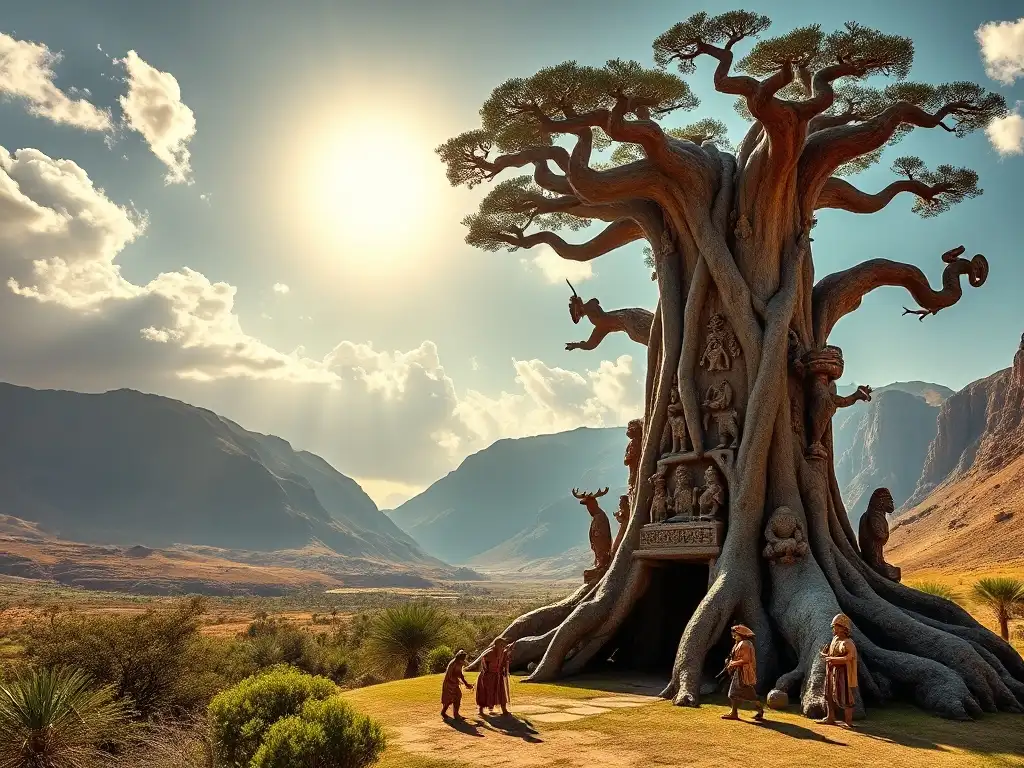
Step into a world lost to time, yet echoing with vibrant life. Discover the secrets hidden within the intricate artistry and profound beliefs of the ancient Andean civilizations. This journey begins with the Moche culture's world tree symbolism, a captivating representation of their cosmology that connected the earthly realm with the heavens and the underworld. Prepare to be amazed by the power and ingenuity of a civilization that continues to fascinate and inspire. Unravel the mysteries – explore the Moche World Tree now!
- The Moche World Tree: Unveiling Cosmic Connections in Moche Culture
- The Moche World Tree: Connecting the Three Realms
- The Moche World Tree: Symbolism and Ritual Practices
- Interpreting the Moche World Tree Symbolism
- Comparative Analysis: The Moche World Tree and Other Andean Cosmologies
- The Legacy of the Moche World Tree in Modern Andean Culture
-
Frequently Asked Questions
- What is the significance of the World Tree in Moche culture?
- How did the Moche depict the World Tree in their art?
- What role did the World Tree play in Moche religion and beliefs?
- Are there specific examples of Moche World Tree representations?
- How does the Moche World Tree compare to similar symbols in other cultures?
- Final Reflection: The Enduring Legacy of the Moche World Tree
- **Unveil the Mysteries of the Moche World Tree**
The Moche World Tree: Unveiling Cosmic Connections in Moche Culture
The Moche civilization, flourishing along the northern coast of Peru from approximately 100 CE to 800 CE, left behind a remarkable legacy of art, architecture, and intricate social structures. Understanding their religious beliefs is key to deciphering their sophisticated worldview. This article delves into the fascinating symbolism of the Moche world tree, a central motif reflecting their complex cosmology and profound connection to the natural world. We will explore how this powerful symbol linked the earthly realm with the celestial and subterranean spheres, revealing insights into the Moche understanding of life, death, and the cosmos. This exploration of "Moche culture world tree symbolism" will uncover the rich tapestry of meaning woven into this iconic representation, offering a deeper appreciation for the spiritual sophistication of this ancient Andean culture. Prepare to journey into the heart of Moche beliefs and uncover the secrets held within their artistic representations of the world tree.
Introduction to Moche Cosmology and the World Tree Concept
Moche cosmology, like many Andean belief systems, was deeply intertwined with the natural environment. The arid coastal landscape, punctuated by fertile river valleys and the dramatic presence of the Andes mountains, profoundly shaped their worldview. Their religious beliefs emphasized a dynamic interplay between the terrestrial and celestial realms, with powerful deities mediating between humans and the supernatural.
The concept of a world tree, a central axis mundi connecting these realms, is a common motif found throughout various Andean cultures, but its specific representation and significance varied among different groups. For the Moche, the world tree served as a potent symbol of this interconnectedness, representing the cyclical nature of life, death, and rebirth, and often featuring prominently in their elaborate religious ceremonies and artistic expressions.
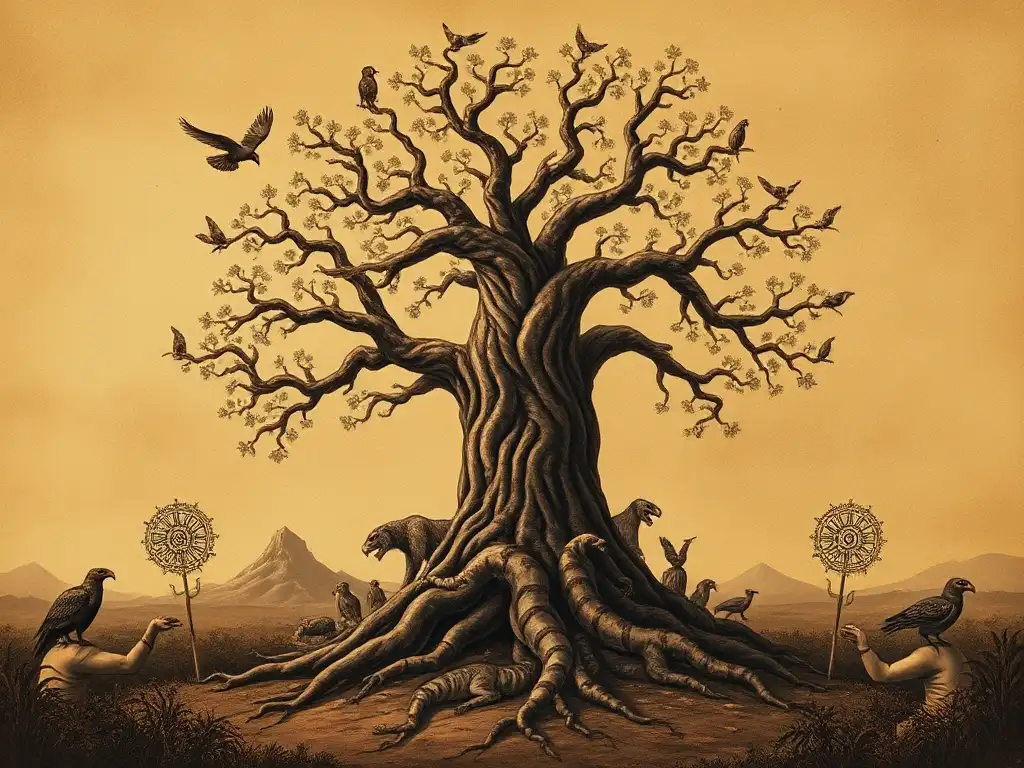
The tree's roots extended into the underworld, its trunk anchored in the earthly plane, and its branches reached towards the celestial heavens. This tripartite structure – underworld, earth, and sky – reflects the Moche’s understanding of a complex and interconnected cosmos.
The Moche World Tree: A Central Symbol in Andean Beliefs
The Moche world tree wasn't merely a decorative element; it served as a powerful symbol representing the fundamental principles of their cosmology. It acted as a conduit between the different levels of reality, facilitating communication and interaction between the gods, humans, and the spirits of the underworld. Archaeological evidence, including ceramic vessels and metalwork, showcases diverse depictions of the world tree, often featuring stylized representations of plants, animals, and supernatural beings.
These depictions reveal a complex interplay of symbolism, with specific elements likely representing particular deities or cosmological concepts. For example, certain birds perched on the branches might symbolize messengers of the gods, while the roots could represent the ancestral spirits dwelling in the underworld.
The precise meaning of each element remains a subject of ongoing research, but the overall message is clear: the Moche world tree stood as a vital symbol of cosmic order and balance. The meticulous detail and artistic skill applied to these depictions underscore the profound importance of this symbol within Moche religious practice.
Depictions of the Moche World Tree in Art and Iconography
The Moche's artistic mastery is evident in their depictions of the world tree, which appear across a range of media, including intricately painted pottery, finely crafted metalwork, and monumental architecture (though evidence of the latter related directly to the world tree is less abundant). These representations showcase a remarkable consistency in the overall structure, despite variations in detail and accompanying elements. Many depict the tree as a central, often stylized, plant with branches reaching upwards and roots descending downwards.
Frequently, these trees are adorned with various creatures, including birds, snakes, and jaguars, each potentially holding specific symbolic meanings related to Moche mythology and beliefs. The use of vibrant colors and dynamic compositions further underscores the importance of this motif within their culture. Analyzing these depictions allows us to piece together a more complete understanding of the Moche worldview and their intricate relationship with the cosmos.
Further research into the stylistic variations across different Moche sites and periods could reveal valuable insights into regional differences in belief systems and artistic traditions. The detailed study of these artistic representations continues to offer invaluable clues to unlock the secrets of Moche culture and its complex understanding of the world.
The Moche World Tree: Connecting the Three Realms
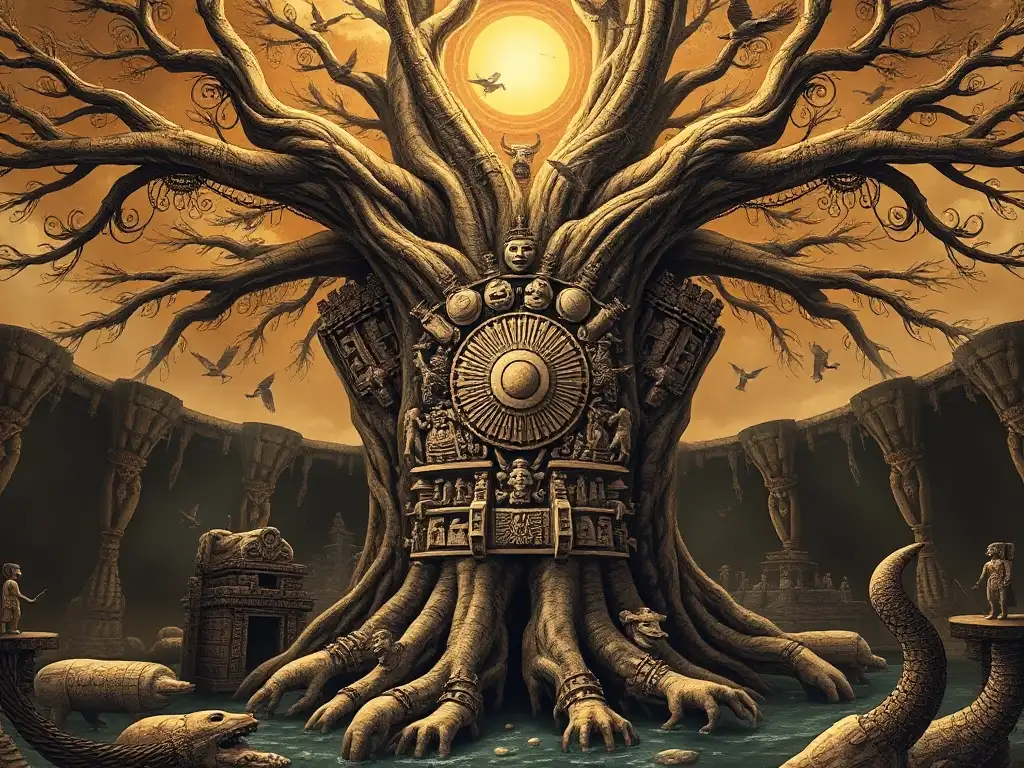
The Moche culture, renowned for its intricate artistry and sophisticated societal structures, held a deeply spiritual worldview reflected prominently in their iconography. Central to this cosmology was the concept of a world tree, a powerful symbol connecting the three realms: the upper world ( hanan pacha), the middle world ( kay pacha), and the underworld ( ukhu pacha). Understanding the Moche world tree's symbolism is key to deciphering their complex religious beliefs and understanding the pervasive influence of this motif in their art and daily life.
This powerful representation, often depicted in ceramics and metalwork, showcases the Moche’s sophisticated understanding of their place within the cosmos and their relationship with the divine. The prevalence of this "Moche culture world tree symbolism" demonstrates its central role in their belief system.
The Upper World: The Realm of the Gods and Celestial Beings
The upper world, in Moche cosmology, was the dwelling place of powerful gods and celestial beings. These deities, often anthropomorphic or zoomorphic in representation, controlled the forces of nature, such as rain, sun, and lightning. The world tree, in this context, served as a conduit between the terrestrial realm and the heavens, facilitating communication and interaction with these divine entities.
Depictions often show birds, representing celestial messengers or deities themselves, perched amongst the branches, emphasizing the connection between the earthly and heavenly spheres. Furthermore, the tree's height and reach towards the sky symbolized the aspiration for connection with the divine, a central theme within Moche spiritual practices.
Analysis of Moche pottery reveals a consistent representation of celestial bodies—the sun, moon, and stars—in close proximity to the world tree, further solidifying its role as a bridge between the two realms. The vibrant colors used in these depictions, often featuring bright blues and yellows, add to the sense of celestial energy and divine power associated with the upper world.
The Middle World: The Terrestrial Plane and Human Existence
The middle world, where the Moche lived and conducted their daily lives, was the focal point of their existence. The world tree, firmly rooted in this realm, represented the stability and fertility of the land. Its trunk and roots symbolized the connection to the earth, providing sustenance and life.
Depictions often include scenes of human activity surrounding the tree, highlighting its importance in their daily lives. Agricultural practices, a cornerstone of Moche society, were likely intertwined with rituals centered around the world tree, ensuring bountiful harvests and prosperity. The tree's presence in the middle world served as a reminder of the interconnectedness of all aspects of life: the human world, the natural world, and the divine world.
This representation underscores the Moche's deep respect for nature and their understanding of their dependence on its resources. Evidence suggests that specific rituals and offerings were made at the base of the world tree, emphasizing its role as a sacred focal point for communal life.
The Underworld: The Realm of the Dead and Ancestral Spirits
The underworld, a realm of mystery and power, held significant importance in Moche beliefs. The roots of the world tree, extending deep into the earth, symbolized the connection to ancestral spirits and the realm of the dead. This subterranean realm was not necessarily perceived as a place of punishment, but rather as a source of power and fertility.
The cyclical nature of life and death was reflected in the world tree's representation, with its roots reaching into the underworld and its branches reaching towards the heavens. Depictions often feature serpents or other subterranean creatures intertwined with the roots, symbolizing the life-giving forces emanating from this realm. Furthermore, the underworld was believed to be a source of water and minerals, essential for agricultural success.
The Moche's understanding of the underworld, as reflected in the world tree's imagery, demonstrates a nuanced and sophisticated perspective on death and the afterlife, far from a simplistic view of the underworld as a solely negative space. The continuity between the three realms, as depicted in the world tree's symbolism, highlights the Moche belief in a cyclical and interconnected cosmos. The enduring presence of “Moche culture world tree symbolism” in their artwork highlights its significance in their religious beliefs and cosmology.
The Moche World Tree: Symbolism and Ritual Practices
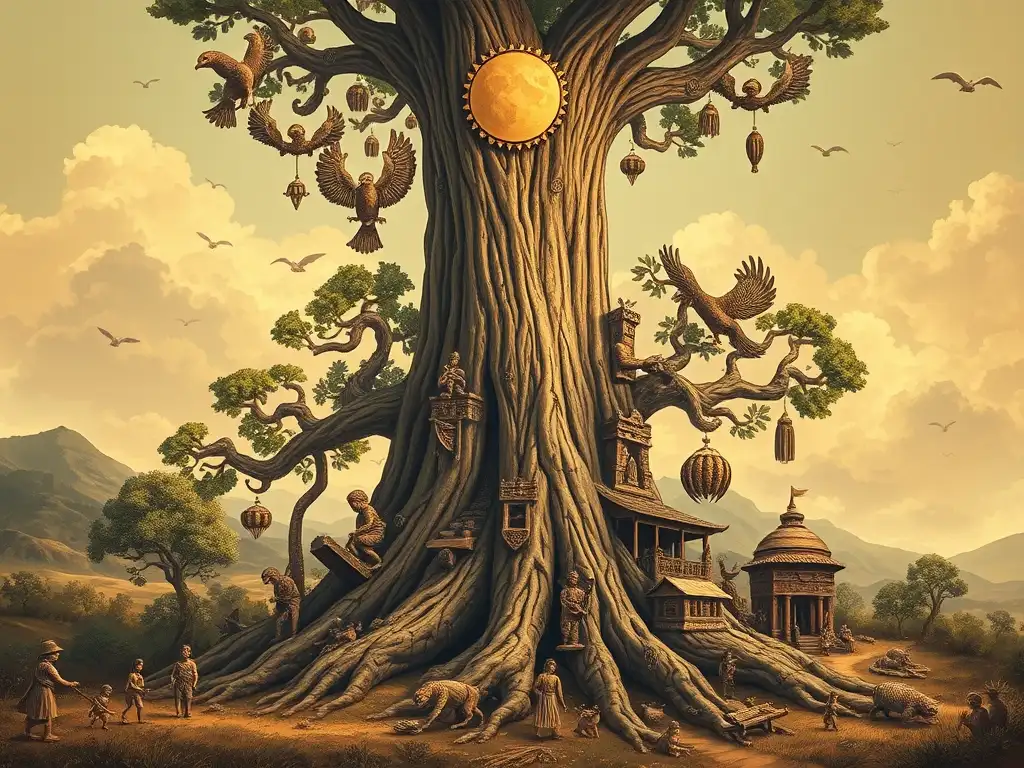
The Moche culture's worldview, deeply intertwined with nature and the supernatural, is powerfully symbolized by their representation of the World Tree. This iconic motif, frequently depicted in their intricate ceramics and monumental architecture, connects the earthly realm with the celestial and subterranean worlds, reflecting a sophisticated cosmological understanding. Unlike simpler representations found in other cultures, the Moche World Tree is far more complex, often incorporating detailed depictions of animals, humans, and deities, all contributing to its rich symbolic meaning.
The pervasive presence of the World Tree in Moche art demonstrates its central role in their religious beliefs and daily life. Understanding its symbolism unlocks crucial insights into the Moche perception of the cosmos and their relationship with the divine.
The recurring theme of the World Tree provides a valuable lens through which to study Moche religious practices and their understanding of life, death, and the afterlife. This section delves into the intricate symbolism and ritual practices associated with this powerful motif, exploring its various components and their significance within the broader context of Moche culture.
The Significance of the Tree's Roots, Trunk, and Branches
The Moche World Tree wasn't merely a decorative element; each part held specific symbolic meaning. The roots, often depicted penetrating the earth, represented the underworld, the realm of the dead and ancestral spirits. These roots, frequently intertwined with serpents or other underworld creatures, symbolized the connection to the fertile, life-giving forces hidden beneath the surface. The trunk, strong and central, embodied the terrestrial world, the realm of human existence and daily life.
It often featured representations of deities or powerful figures, suggesting a link between the earthly realm and the divine. Finally, the branches, reaching towards the sky, represented the celestial world, the abode of the sun, moon, and stars. Birds, celestial beings, and other creatures associated with the heavens frequently adorned the branches, further reinforcing this connection. The vibrant colors and intricate details used in the depiction of these elements highlight the Moche's deep understanding and reverence for the natural world and its interconnectedness.
The careful arrangement of these elements, meticulously crafted in ceramic vessels and murals, underscores the importance placed on the balance between these three realms. This intricate representation of the cosmos showcases the Moche's sophisticated cosmological perspective, reflecting their deep connection to the land and their understanding of the cyclical nature of life and death. Analysis of numerous examples reveals subtle variations in the depiction of the World Tree, suggesting possible regional differences or evolving interpretations over time. Further research is needed to fully understand these variations and their significance within the broader Moche cultural context.
The World Tree and Moche Rituals: Human Sacrifice at Huaca de la Luna
The World Tree's centrality to Moche religion is powerfully demonstrated at sites like Huaca de la Luna. Archaeological excavations have unearthed evidence of elaborate rituals, including human sacrifice, directly linked to the World Tree imagery found within the temple complex. The sacrifices, often involving individuals adorned with elaborate headdresses and jewelry, likely represented offerings to the deities associated with the World Tree, ensuring the continued fertility of the land and the prosperity of the Moche people.
The positioning of the bodies, often in specific orientations in relation to the murals depicting the World Tree, suggests a deliberate connection between the sacrificial act and the cosmological symbolism represented by the tree. The discovery of numerous artifacts, including ceramic vessels and precious metals, further supports the idea that these sacrifices were integral parts of elaborate religious ceremonies. These findings highlight the vital role that human sacrifice played within the Moche worldview, reinforcing the importance of maintaining balance and order within their cosmic understanding.
The scale and sophistication of these rituals underscore the significance of the World Tree within the Moche religious system, positioning it not merely as a symbolic representation but as a central element in their interactions with the supernatural world. Further research into the isotopic analysis of the human remains could potentially reveal more information about the origins and social status of the sacrificed individuals, providing additional context to these ritualistic practices.
Moche Offerings and the World Tree: Ceramic Vessels and Precious Metals
The Moche people frequently presented offerings to the World Tree, reflecting their belief in maintaining a harmonious relationship with the supernatural. These offerings, meticulously crafted and richly decorated, included a wide range of items, from intricately painted ceramic vessels depicting scenes related to the World Tree, to precious metals such as gold and silver, formed into symbolic objects. The ceramic vessels often featured detailed representations of the World Tree itself, along with various deities and animals, reinforcing the tree's cosmological significance.
The use of precious metals further emphasizes the value placed on these offerings, reflecting the Moche’s belief in the power of these materials to connect the earthly realm with the divine. The careful placement of these offerings within specific contexts, such as within tombs or at the base of monumental structures, suggests a deliberate attempt to appease the deities associated with the World Tree and ensure continued prosperity. The variety of offerings—from everyday objects to precious metals—suggests a complex system of beliefs and practices surrounding the World Tree and its role within the Moche cosmology.
Analyzing the iconography and materials used in these offerings offers valuable insights into the Moche's religious beliefs and their understanding of the relationship between the human and spiritual worlds. The sheer number and diversity of these offerings found in archaeological contexts provide compelling evidence of the deep-seated religious significance of the World Tree within Moche culture. The meticulous craftsmanship and symbolic representations found within these artifacts underline the importance of these offerings in maintaining the cosmic balance and ensuring the well-being of the Moche community.
Interpreting the Moche World Tree Symbolism
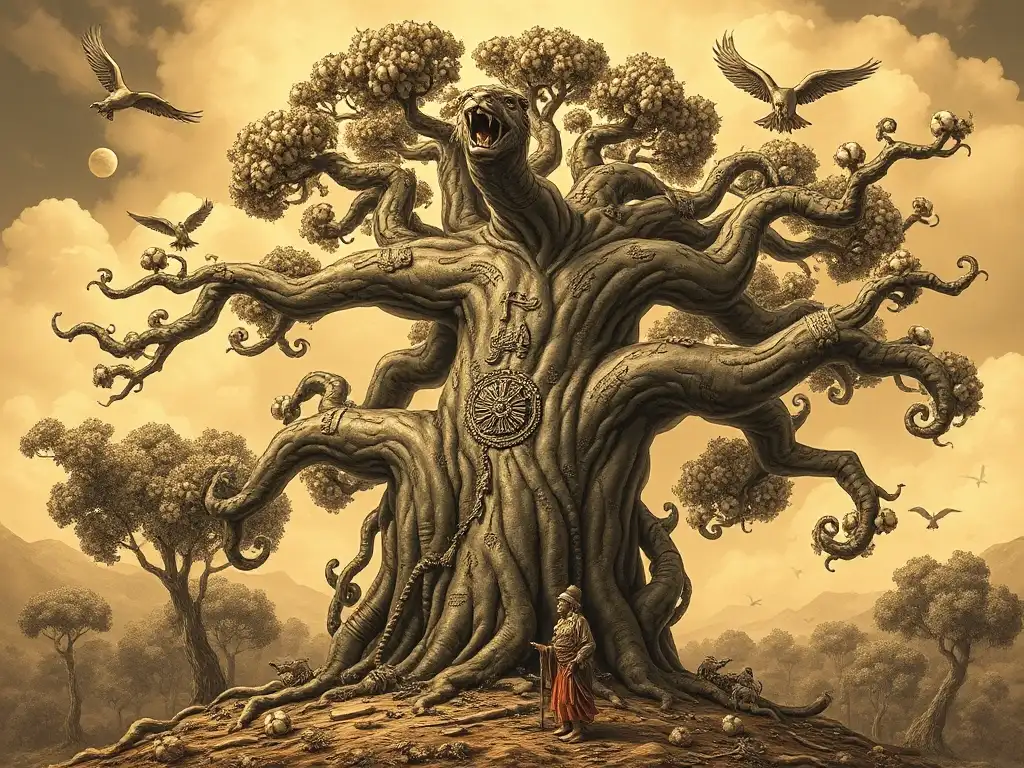
The Moche culture, flourishing along the northern coast of Peru from approximately 100 CE to 800 CE, left behind a rich artistic legacy that offers invaluable insights into their complex religious beliefs. Central to their cosmology was the concept of a World Tree, a powerful symbol connecting the earthly realm with the celestial and subterranean worlds. Understanding the Moche world tree symbolism requires careful examination of their ceramic artifacts, murals, and other surviving works.
Unlike many other ancient cultures where the world tree is a single, monolithic representation, the Moche depictions are multifaceted and often integrated with other significant iconography, demanding a nuanced interpretation. The Moche world tree's symbolism isn't static; rather, it's dynamic, reflecting the interplay of life, death, and renewal within their worldview.
The recurring motifs found in various artistic mediums highlight the tree's significance as a central pillar of their spiritual and social order. This section will delve into specific aspects of this compelling symbolism, examining its role as a conduit for spiritual energy, its connection to Moche rulers, and its representation of agricultural cycles.
The World Tree as a Conduit for Spiritual Energy
The Moche perceived the World Tree as a vital conduit for spiritual energy, a bridge between the different levels of existence. Depictions frequently show the tree extending its branches into the sky, often reaching towards celestial bodies like the sun or moon, while its roots delve deep into the earth, sometimes even into the underworld. This vertical axis symbolizes the interconnectedness of these realms and the flow of power between them. The tree itself is not merely passive; it actively facilitates the movement of energy.
Many Moche ceramics show figures interacting with the tree, performing rituals or receiving blessings, indicating a direct engagement with this spiritual power source. The vibrant colors and detailed imagery used in these depictions further emphasize the sacred nature of the tree and the transformative potential of the energy it channels. The use of specific colors, for example, the frequent use of red and yellow pigments, could represent the life-giving forces flowing through the tree.
Further research into the specific pigments used and their symbolic meanings within the Moche culture could shed more light on this aspect of the world tree's symbolism. [Specific information pending on pigment analysis of Moche artifacts]. The dynamic nature of the depicted energy flow suggests a constant, vital exchange between the realms, essential for maintaining cosmic balance and earthly prosperity.
The World Tree and Moche Rulers: Royal Burials and Iconography
The Moche World Tree is inextricably linked to the power and legitimacy of their rulers. Royal burials often included elaborate grave goods depicting the World Tree, underscoring its importance in Moche cosmology and its connection to royal authority. The presence of the World Tree in these contexts suggests that the rulers were considered intermediaries between the earthly and spiritual realms, capable of harnessing the power of the tree for the benefit of their people.
The imagery found in these burials frequently shows the rulers interacting with the World Tree, reinforcing their role as divine representatives. For example, we can observe in [specific example of a Moche tomb pending] how the deceased ruler is depicted near a World Tree, often adorned with symbols of power and divinity. This connection between the ruler and the World Tree strengthens the idea of a divinely sanctioned rulership, legitimizing their authority and reinforcing social hierarchy.
Analysis of the iconography associated with these royal burials, such as the specific types of adornments or offerings found alongside the World Tree depictions, is crucial for a complete understanding of this relationship. This aspect of Moche culture requires further detailed analysis of existing archaeological data to fully understand the nuanced connections.
The World Tree and Agricultural Cycles: Depictions of Maize and Fertility
The Moche World Tree is also deeply intertwined with agricultural cycles and fertility. Many depictions show the tree laden with fruits, particularly maize, a staple crop in Moche society. This association highlights the tree's role in ensuring agricultural abundance and prosperity. The tree's life-giving properties are directly linked to the well-being of the community, and its flourishing is essential for their survival.
The depictions of maize, often depicted in various stages of growth, suggest the cyclical nature of life, death, and rebirth inherent in the agricultural process. The World Tree embodies this cycle, representing the continuous renewal of life and the promise of future harvests. Further, the presence of other fertility symbols, such as birds or animals associated with reproduction, reinforces this connection. We can hypothesize that certain rituals or ceremonies were performed around the World Tree to ensure a bountiful harvest, though further research is needed to confirm this.
[Specific ritualistic information pending]. The importance of agriculture in Moche society is undeniable, and the World Tree serves as a powerful symbol of this fundamental aspect of their lives, linking their spiritual beliefs to their practical needs. The vibrant, detailed depictions of maize on the World Tree are a testament to the importance of agriculture and the Moche people's deep connection to the land.
Comparative Analysis: The Moche World Tree and Other Andean Cosmologies
The Moche culture's representation of the world tree, a potent symbol deeply embedded within their religious and cosmological beliefs, offers a fascinating lens through which to understand their worldview. Analyzing this symbol in relation to other Andean cosmologies reveals both unique aspects of Moche thought and shared threads connecting disparate cultures across the Andes.
The Moche world tree symbolism, often depicted in ceramics and metalwork, stands as a powerful testament to their sophisticated understanding of the cosmos and their place within it. Understanding its nuances requires examining its connections to other, similar representations across the region, focusing on both shared elements and distinct variations.
Similarities with the Inca World Tree: Axis Mundi and Cosmic Order
The Moche world tree shares striking similarities with the Inca axis mundi, a central pillar connecting the three realms of the Andean cosmos: the hanan pacha (upper world), the kay pacha (middle world), and the ukhu pacha (underworld). Both the Moche and Inca versions function as cosmological axes, representing the interconnectedness of these realms. While the Inca axis mundi is often depicted as a single, towering tree, the Moche representation is more fluid, sometimes appearing as a stylized plant with multiple branches or intertwined elements.
However, the fundamental concept remains the same: a central point of connection linking the celestial, terrestrial, and subterranean worlds. This shared concept highlights a common Andean understanding of the universe's structured organization, with the world tree as a vital component of that structure.
The Moche emphasis on fertility and cyclical renewal, often reflected in their iconography, finds a parallel in the Inca worldview, where the world tree symbolized the continuous cycle of life, death, and rebirth. This shared emphasis on cyclical processes further strengthens the connection between these two distinct, yet related, cosmologies.
The Moche world tree also reveals intriguing links to the earlier Chavín culture. While the Chavín's representation might not be as explicitly "tree-like," their intricate iconography frequently features stylized plants and intertwined elements that suggest a similar cosmological understanding. Both the Chavín and Moche traditions employ a rich tapestry of animal motifs, such as jaguars, serpents, and birds, which are often incorporated into their representations of the world tree or related cosmological symbols.
These animal motifs likely represent intermediary beings or forces connecting the different levels of the cosmos. For instance, the jaguar, a powerful symbol in both cultures, could represent the underworld or a mediating force between the realms. The shared use of these symbolic animals suggests a possible cultural transmission or a shared understanding of the cosmos's underlying structure.
Further research into the specific iconographic details and their contextual placement within Chavín and Moche artifacts could deepen our understanding of these connections. Analyzing stylistic similarities and variations in the depiction of these animal motifs across different sites and time periods is crucial for a complete picture.
Regional Variations in Andean World Tree Representations: Coastal vs. Highland Interpretations
The Moche world tree, primarily found in coastal regions of northern Peru, differs in certain aspects from representations found in the Andean highlands. This regional variation underscores the importance of considering environmental and cultural contexts when interpreting these symbols. While the coastal Moche emphasized the connection between the fertile river valleys and the sea, the highland representations, often associated with cultures like the Tiwanaku, may have focused more on the relationship between the mountains, the sky, and the underworld.
The specific flora and fauna depicted in the world tree representations also reflect these regional differences. Coastal Moche trees might feature marine elements, while highland versions could incorporate alpine plants and animals. This diversity highlights the adaptability and localized interpretations of the overarching Andean cosmological model.
Further research is needed to thoroughly document and compare the various regional variations of the world tree symbolism across the entire Andean region, considering the diverse array of cultures and their unique environmental settings. A detailed comparative study, incorporating both iconographic and contextual analysis, would greatly enrich our understanding of this complex and fascinating symbol.
The Legacy of the Moche World Tree in Modern Andean Culture
The Moche world tree, a powerful symbol connecting the earthly realm with the celestial and underworldly planes, didn't simply vanish with the decline of the Moche civilization. Its influence subtly, yet powerfully, persists in modern Andean culture, demonstrating the enduring impact of Moche beliefs and artistic expression. While not a directly replicated image in the same way as, for example, the huacos retratos, its essence—the interconnectedness of the cosmos—continues to resonate.
This enduring legacy is visible in various ways, from subtle artistic motifs to the underlying philosophical framework informing Andean worldview. Understanding this continuity provides crucial insight into the depth and lasting impact of the Moche culture.
Surviving Symbolism in Contemporary Andean Art and Traditions
Contemporary Andean art frequently incorporates symbolic representations echoing the Moche world tree's core concept, even if not its exact visual form. The use of stylized trees, often laden with fruits or birds, within textiles, pottery, and other crafts frequently symbolizes the abundance and fertility associated with the Moche world tree. These representations are not direct copies but rather reinterpretations, filtered through centuries of cultural evolution.
For example, the use of specific colors, like deep greens and vibrant reds, often associated with Andean cosmologies, may directly relate to the color palettes used in Moche depictions of the world tree. Furthermore, the continued importance of sacred mountains in Andean spirituality can be seen as a continuation of the vertical axis symbolized by the Moche world tree, connecting the earth to the heavens. These mountains are often considered to be the dwelling places of spirits and deities, a direct parallel to the Moche belief system.
The exact manner in which this symbolism manifests varies regionally, reflecting the diverse expressions of Andean cultures, but the underlying connection to a unifying cosmological principle remains. Further research into specific regional crafts and artistic traditions is needed to fully document the extent of this continuity.
The Enduring Influence of Moche Beliefs on Andean Worldview
The Moche world tree's symbolism deeply impacted the Andean worldview, establishing a framework that continues to inform spiritual beliefs and practices. The Moche emphasis on the interconnectedness of the three realms—the upper world ( hanan pacha), the middle world ( kay pacha), and the underworld ( ukhu pacha)—is a fundamental concept in many contemporary Andean cosmologies. This three-tiered understanding of the cosmos shapes perceptions of nature, spirituality, and social organization.
The concept of cyclical time and the importance of maintaining balance between these realms, inherent in Moche beliefs, also persists in modern Andean societies. This cyclical perspective is reflected in agricultural practices, rituals, and even social structures. For instance, the Andean concept of ayni, reciprocal exchange and social balance, can be seen as a manifestation of the interconnectedness emphasized by the Moche world tree.
Understanding the Moche worldview, therefore, offers a crucial key to deciphering many contemporary Andean practices and beliefs. [Specific examples of modern Andean rituals reflecting Moche cosmology pending].
Conclusion: The Moche World Tree as a Key to Understanding Moche Culture
The Moche world tree, far from being a mere artistic motif, represents a core element of Moche culture and beliefs, profoundly influencing their worldview and shaping their artistic expressions. Its legacy continues to resonate in modern Andean culture, albeit in transformed forms. Analyzing the surviving symbolism and its impact on contemporary Andean worldview provides invaluable insights into the enduring influence of Moche culture.
By studying the subtle echoes of the Moche world tree in modern Andean art, traditions, and spiritual practices, we gain a deeper appreciation for the complexities and continuity of Andean civilization. The Moche world tree serves as a powerful lens through which to understand not only Moche religion and beliefs but also the enduring cultural threads connecting the past to the present in the Andean region.
Further research into the specific ways in which the world tree motif manifests in different contemporary Andean communities is essential for a more comprehensive understanding of this complex and fascinating topic. The continuing relevance of the Moche culture world tree symbolism underscores its enduring power and importance.
Frequently Asked Questions
What is the significance of the World Tree in Moche culture?
The Moche World Tree, often depicted in their art, represented a cosmic axis connecting the earthly realm, the sky, and the underworld. It symbolized the interconnectedness of these three worlds and the flow of life and energy between them.
How did the Moche depict the World Tree in their art?
The Moche depicted the World Tree in various ways, often as a large, stylized tree with elaborate branches and roots, sometimes containing animals and figures representing different aspects of the cosmos. Their ceramics and metalwork frequently feature this motif.
What role did the World Tree play in Moche religion and beliefs?
The World Tree likely played a central role in Moche religious ceremonies and rituals, symbolizing the fertility of the land and the power of nature. It may have also been associated with ancestor veneration and shamanic practices.
Are there specific examples of Moche World Tree representations?
Yes, many examples exist in Moche pottery and metalwork. Look for images of trees with symmetrically arranged branches, often reaching towards the sky and down towards the earth, frequently featuring stylized birds and felines.
How does the Moche World Tree compare to similar symbols in other cultures?
The Moche World Tree shares similarities with world tree symbolism found in many other ancient cultures. The concept of a cosmic axis connecting different realms is a recurring theme in various mythologies and belief systems worldwide.
Final Reflection: The Enduring Legacy of the Moche World Tree
The Moche World Tree, far from being a relic of a bygone era, offers a potent symbol for understanding our interconnectedness with the natural world and the cyclical nature of life itself. Its intricate imagery continues to resonate, reminding us of the delicate balance between seemingly opposing forces and the importance of respecting the rhythms of the earth. This ancient symbol holds a mirror to our modern anxieties about environmental degradation and the urgent need for sustainable practices.
The enduring power of the Moche World Tree lies not just in its artistic representation, but in its ability to encapsulate a worldview that prioritizes harmony and balance. It speaks to a deep understanding of the interconnectedness of all things, a concept that feels increasingly vital in our fragmented world. The earth is what we all have in common.
– Wendell Berry. This quote perfectly captures the essence of the Moche worldview, a perspective that transcends time and speaks directly to the challenges we face today. The Moche's reverence for nature, as reflected in their art and cosmology, serves as a powerful reminder of our own responsibility to protect the planet.
Consider the intricate details of the Moche World Tree, the vibrant colors, the symbolic creatures, and the careful arrangement of elements. Let these details inspire you to examine your own relationship with the natural world. What steps can you take to foster a deeper connection with the earth and to live in greater harmony with its rhythms? Embrace the wisdom of the past, learn from the Moche's profound understanding of the interconnectedness of all life, and let it guide you towards a more sustainable and fulfilling future.
**Unveil the Mysteries of the Moche World Tree**
Thank you for exploring the fascinating world of the Moche civilization! We hope you've gained valuable insights into how their World Tree symbolizes the profound connection between the Earth, sky, and underworld. Now, let's delve even deeper.
Here are some ways you can continue your exploration:
- Visit local museums to see exhibitions and artifacts from the Moche culture and learn more about their symbolic representations.
- Share this article with friends and family to spark conversations about how ancient cultures shaped our understanding of nature and spirituality.
- Join our online community to connect with others interested in Andean civilizations, share your perspectives, and participate in enriching discussions.
What aspect of the Moche's relationship with nature resonates most with you, and how will you integrate that connection into your own life?