
The Art of Inca Warfare: Weapons as Symbols of Power

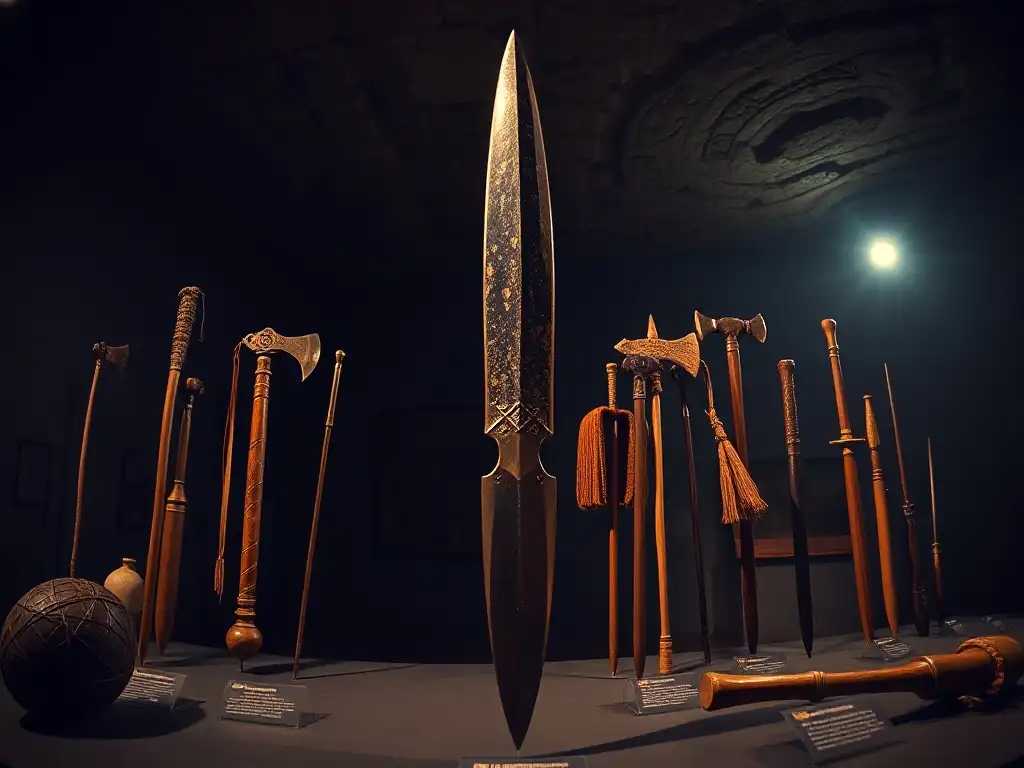
Unravel the mysteries of the Andes! Prepare to journey through a world of breathtaking artistry and brutal power. For centuries, the Inca Empire dominated South America, and their Inca warfare weapons held more than just military significance. Discover the hidden symbolism woven into their deadly implements – a testament to their sophisticated culture and relentless ambition. Dare to delve into the fascinating story of how these weapons shaped the fate of an empire.
The Inca Empire, renowned for its sophisticated engineering, intricate textiles, and vast administrative prowess, also possessed a formidable military machine. This article delves into the fascinating intersection of Inca warfare and artistry, exploring how their weapons transcended mere instruments of combat to become potent symbols of power, authority, and religious significance.
We will examine the intricate craftsmanship, symbolic meaning, and strategic deployment of Inca weaponry, revealing a nuanced understanding of how these objects shaped Inca society and its interactions with neighboring cultures. Understanding the symbolism embedded within Inca warfare weapons provides a crucial lens through which to interpret the complexities of their societal structure, religious beliefs, and imperial ambitions.
This exploration will reveal the deeply intertwined nature of military power and cultural identity within the Inca world, highlighting the art of war as a significant aspect of their rich cultural heritage. The keyword "Inca warfare weapons symbolism" will be explored throughout, providing a comprehensive analysis of this compelling topic.
Introduction to Inca Military Might and Symbolism
The Inca military was not simply a fighting force; it was a carefully organized and highly symbolic institution deeply integrated into the fabric of Inca society. Their conquests were not solely driven by territorial expansion but also by the strategic consolidation of power and the propagation of Inca ideology. Inca armies were comprised of conscripted soldiers, often drawn from conquered populations, who were trained and equipped according to their specific roles within the military structure.
The effectiveness of Inca warfare stemmed not only from their organizational skills and strategic acumen but also from the psychological impact of their weaponry and military displays. The meticulously crafted weapons, often adorned with intricate designs and precious materials, served as powerful symbols of imperial authority, reinforcing the Inca's dominance and projecting their power to both their subjects and their rivals. These weapons were not merely tools of destruction; they were carefully constructed objects imbued with religious significance, representing the divine power of the Sapa Inca and the legitimacy of his rule.
The use of specific materials, such as gold and silver, further enhanced their symbolic weight, linking them directly to the Inca's divine ancestry and cosmological beliefs. The meticulous detail in their creation points to the immense value placed on these objects, both functionally and symbolically. The impact of this symbolic warfare extended beyond the battlefield, influencing the social structure, religious practices, and artistic expressions of the Inca Empire.
The Dual Nature of Inca Weapons: Functionality and Representation
Inca weapons were remarkable for their dual nature: they were simultaneously effective instruments of warfare and powerful symbols of Inca power and ideology. Consider the macanas, large wooden clubs often studded with obsidian blades. While undeniably effective in close-quarters combat, their size and elaborate decoration also served as a visual representation of the Inca's strength and dominance. Similarly, the chumbivilcas, sling stones, were not merely projectiles; the careful selection of stones and their sometimes decorative features suggest a symbolic significance beyond their practical use.
Even the seemingly simple bolas, a weapon consisting of three stones attached by cords, demonstrates this duality. The intricate knotting of the cords and the careful selection of the stones suggest more than just functionality. Evidence suggests that certain weapons were reserved for elite warriors or used in specific ceremonial contexts, further emphasizing their symbolic importance. The meticulous craftsmanship evident in many Inca weapons, often involving intricate carvings, inlaid metals, and the use of precious materials, points to their status as more than just tools of war.
These weapons were crafted works of art, reflecting the Inca's high level of artistic skill and their deep understanding of symbolism. The use of specific materials, such as gold, silver, and turquoise, further linked these weapons to the Inca's religious and cosmological beliefs, reinforcing their power and authority. [Specific examples of weapon designs and their associated symbolic meanings pending further research]. The study of Inca weaponry, therefore, provides valuable insights into the complex interplay between military power, religious beliefs, and artistic expression within the Inca Empire.
Inca Weapons of War: A Detailed Overview
The Inca Empire, despite its sophisticated administrative and infrastructural achievements, maintained a powerful military force crucial to its expansion and control. Inca warfare weapons symbolism wasn't merely functional; it was deeply intertwined with the empire's religious beliefs, social hierarchy, and artistic expression. Understanding Inca weaponry requires appreciating both its practical applications and its profound symbolic significance. The Inca army, a formidable force, relied on a diverse arsenal of weapons, each carefully crafted and imbued with meaning.
These weapons weren't just tools of conquest; they were potent symbols of power, authority, and the divine right to rule. From the simple, yet effective, war club to the meticulously crafted ceremonial axes, each piece played a vital role in Inca military strategy and ideology. The following sections delve into the specifics of several key Inca weapons, exploring their design, use, and symbolic weight.
The Macana: The Inca War Club
The macana, a formidable club typically made from hard wood, was a staple weapon in the Inca army. Its effectiveness stemmed from its weight and the carefully shaped head, designed to inflict devastating blows. While seemingly simple, the macana's construction varied depending on the intended user and the occasion. High-ranking officers might wield macanas adorned with intricate carvings or inlaid with precious metals, showcasing their status.
The size and weight also varied, with larger, heavier clubs reserved for elite warriors. Archaeological finds have revealed macanas with different levels of ornamentation, suggesting a clear link between the weapon's decoration and the social standing of its owner. The macana wasn't merely a weapon; it was a symbol of strength and authority, visually representing the power wielded by those who bore it. Its presence on battlefields and in ceremonial contexts underscores its multifaceted role in Inca society.
The Sling (Waraka): A Projectile Weapon of the Andes
The sling, known as the waraka in Quechua, was another crucial weapon in the Inca arsenal. Its simplicity belied its effectiveness. Skilled slingers could launch projectiles with remarkable accuracy and force over considerable distances. The waraka’s design was relatively straightforward: a length of woven material, often from llama or alpaca wool, with a pouch at one end to hold the projectile. However, the projectiles themselves could vary.
Stones were commonly used, but the Inca also employed hardened clay balls and even lead shot, showcasing a degree of metallurgical proficiency. The sling's versatility made it suitable for both open warfare and siege operations. Moreover, its widespread use among Inca soldiers, regardless of rank, highlights its importance as a practical and readily available weapon. The accuracy and range of the sling made it a feared weapon on the battlefield, effectively supplementing close-combat weaponry.
Inca Spears and Lances: Close Combat Essentials
Spears and lances formed the backbone of Inca close-combat tactics. These weapons varied in length and construction, reflecting their diverse uses. Shorter spears were ideal for close-quarters fighting, while longer lances were better suited for piercing enemy formations from a distance. The spearheads were often crafted from hardened copper or bronze, sometimes featuring elaborate designs.
Like other Inca weapons, the quality and ornamentation of spears and lances likely indicated the social standing of their wielders. Elite warriors likely possessed finely crafted weapons with decorative elements, while those of lower rank might have used simpler, more utilitarian versions. The spear's prevalence in Inca iconography and its consistent presence in archaeological sites underscores its importance in both warfare and ritual. The effective use of spears and lances required significant training and skill, contributing to the Inca army's overall effectiveness.
Inca Axes and Other Bladed Weapons
Beyond clubs and spears, the Inca also utilized axes and other bladed weapons. These tools were not only practical for warfare but also served ceremonial purposes. Axes, often made from bronze or copper, were used for felling trees and clearing obstacles, but their sharp edges also proved deadly in combat. The design of Inca axes varied, with some featuring curved blades and others possessing straight, hatchet-like heads.
Again, the level of craftsmanship and ornamentation often reflected the owner's social status. Elaborately decorated axes might have been used in ceremonies or wielded by high-ranking officials, while simpler versions were likely used for more practical purposes. The presence of smaller knives and daggers also suggests a more nuanced approach to close-quarters combat, offering soldiers versatile options depending on the situation.
The Symbolic Meaning of Inca Military Gear
The symbolic meaning embedded within Inca weaponry extends beyond the battlefield. The weapons weren't just instruments of war; they were powerful symbols reflecting the empire's intricate social structure, religious beliefs, and artistic capabilities. The careful craftsmanship and the use of precious materials in certain weapons highlight the importance of these objects within Inca society. Analyzing the symbolic aspects of Inca military gear provides valuable insights into the worldview and values of this remarkable civilization. The following sections examine these symbolic dimensions in detail.
Weapons as Indicators of Social Status and Rank
Inca weaponry served as a powerful indicator of social status and rank within the empire's hierarchical structure. The materials used, the level of craftsmanship, and the presence of decorative elements all played a role in signaling an individual's position within society. Elite warriors and high-ranking officials wielded weapons crafted from precious metals or adorned with intricate carvings and inlaid stones, clearly distinguishing them from common soldiers.
This visual representation of social hierarchy reinforced the Inca's centralized power structure and served as a constant reminder of the emperor's authority. The differences in weaponry were not merely aesthetic; they reflected a deeply ingrained social order where status was visibly displayed.
Inca Weaponry as Objects of Ritual and Ceremony
Inca weaponry wasn't confined to the battlefield. Many weapons played important roles in religious rituals and ceremonies. Certain weapons, particularly those crafted from precious metals or featuring intricate designs, were likely used in religious ceremonies or displayed as symbols of power and authority.
These ceremonial weapons served as links between the earthly and spiritual realms, reinforcing the emperor's divine right to rule and connecting the military power of the empire to the supernatural world. The use of weaponry in rituals underscores the profound integration of military power and religious belief in Inca society. The careful preservation of these ceremonial weapons suggests their paramount importance in Inca culture.
Inca Weapons in Art and Iconography
The significance of Inca weaponry is further highlighted by its prominent presence in Inca art and iconography. Weapons are frequently depicted in textiles, ceramics, and metalwork, often alongside scenes of warfare or religious ceremonies. These depictions not only provide valuable insights into the design and construction of Inca weapons but also underscore their symbolic importance within Inca culture.
The recurring motifs of weapons in Inca art demonstrate their enduring significance as symbols of power, authority, and the empire's military might. Studying these artistic representations allows us to better understand the multifaceted role of weaponry in Inca society, revealing its importance beyond its purely practical applications.
The Psychological Impact of Inca Weaponry
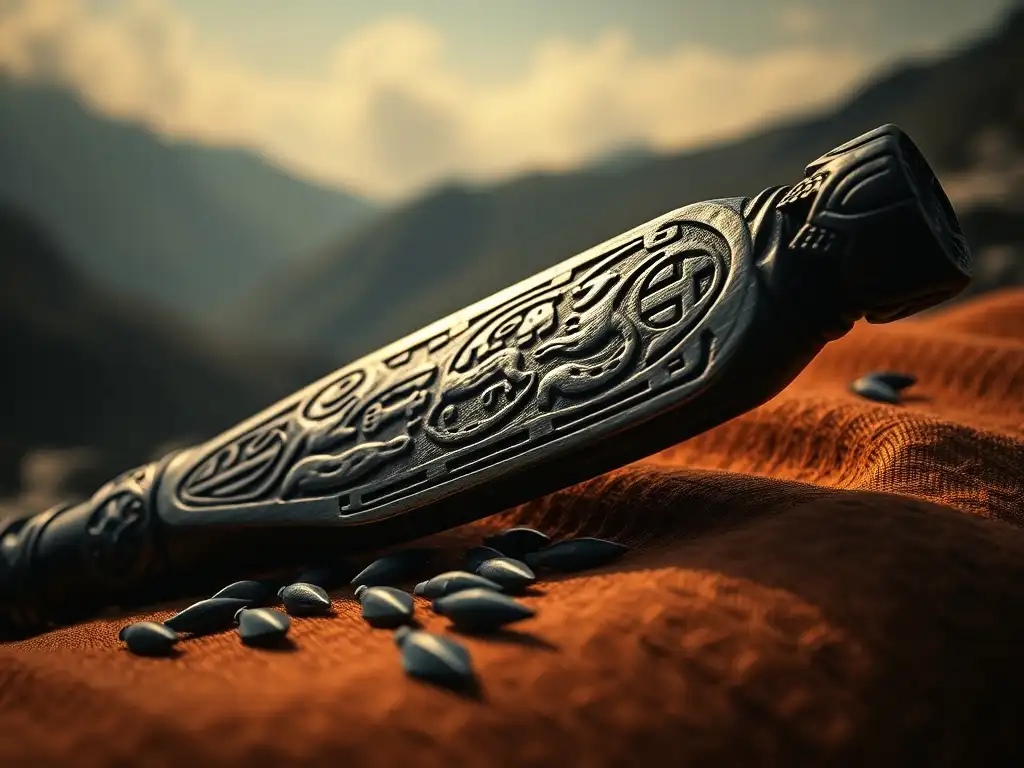
The effectiveness of Inca weaponry extended beyond its purely functional aspects. Inca warfare weapons symbolism played a crucial role in shaping the psychological landscape of both conflict and internal power dynamics. The carefully crafted designs and the materials used in their creation were not merely practical; they served as potent symbols intended to inspire fear and awe in enemies, while simultaneously reinforcing the authority and power of the Inca rulers and their elite warriors.
The very sight of Inca soldiers, adorned with meticulously crafted weaponry and elaborate ceremonial attire, was designed to instill a sense of overwhelming power and inevitability in opposing forces. This psychological warfare was as important, if not more so, than the weapons' physical capabilities in securing victory. The psychological impact was carefully cultivated and strategically deployed, a key component in the Inca's military dominance.
Inspiring Fear and Respect in Inca Enemies
The fearsome reputation of Inca warriors was meticulously cultivated through the symbolism inherent in their weaponry. Macanas, for example – the iconic club-like weapons – were often adorned with intricate carvings and inlaid precious metals, transforming them from mere instruments of combat into objects of terrifying beauty.
The intricate designs, often depicting fearsome animals or powerful Inca deities, served as potent visual reminders of the Inca's divine right to rule and the devastating consequences of rebellion. This visual intimidation was amplified by the sheer number of warriors wielding these symbolic weapons, creating a sense of overwhelming force that could demoralize even the most seasoned opponents.
The use of gold and silver inlays further enhanced this effect, emphasizing the Inca's wealth and power, thus compounding the psychological impact on their adversaries. The visual spectacle of Inca armies advancing with their richly decorated weapons was a powerful tool of psychological warfare, designed to break the enemy's will before the first blow was struck.
Projecting Power and Authority within the Inca Empire
Beyond intimidating enemies, Inca weaponry also served as a potent symbol of power and authority within the empire itself. The possession and skillful use of specific weapons were often markers of social status and military rank. High-ranking officers and elite warriors were often equipped with more elaborately decorated and crafted weapons, reflecting their position within the hierarchical Inca society.
These weapons weren't just tools; they were visible manifestations of their power and authority, signifying their privileged position and reinforcing the social order. The display of these prestigious weapons during ceremonies and public appearances served to consolidate the Inca emperor's authority and maintain social cohesion. The careful control and distribution of these weapons ensured that the Inca leadership maintained its power and suppressed any potential dissent.
Inca Warfare Strategies and the Use of Specialized Weapons
Inca warfare was far from chaotic; it was characterized by sophisticated strategies and the use of specialized weapons tailored to specific combat situations. The Inca military wasn't a monolithic force; it comprised diverse units with distinct roles and weaponry. This specialized approach reflected a deep understanding of military tactics and a commitment to efficiency on the battlefield.
The effectiveness of the Inca army stemmed not only from its size but also from its adaptability and its ability to deploy different weapons and tactics according to the terrain and the enemy's strengths and weaknesses. Their military organization and logistical prowess were equally important in achieving their military victories.
Inca Military Tactics and Formations
Inca military tactics were notable for their flexibility and adaptability. They employed a variety of formations, ranging from tightly packed phalanxes for close-quarters combat to more fluid formations suitable for maneuvering in mountainous terrain. The use of specialized weapons such as slings and spears allowed for both ranged attacks and close-combat engagements.
Their ability to adapt their tactics to different environments and enemy strategies was a significant factor in their success. For example, the use of slings in mountainous regions allowed them to effectively target enemy positions from a distance, while their close-quarters combat skills proved invaluable in sieges and urban warfare. The Inca army's discipline and coordination were essential to the execution of these complex tactical maneuvers.
The Inca Military Logistics and Supply Chains
The Inca military's success was also attributable to its remarkably efficient logistics and supply chains. The vast Inca Empire relied on a well-developed network of roads, storage facilities, and relay runners to ensure the timely delivery of supplies and reinforcements to the front lines. This intricate system allowed the Inca army to sustain prolonged campaigns and maintain a constant supply of food, weapons, and other necessities.
The efficiency of this system was crucial for their ability to conduct large-scale military operations and maintain their control over such a vast and diverse territory. The effective organization and management of resources were as critical to Inca military dominance as their tactical prowess and sophisticated weaponry. The intricate network underpinning their military operations remains a testament to their advanced organizational capabilities.
Conclusion: The Legacy of Inca Weapons and Their Symbolism
The study of Inca warfare weapons reveals far more than simply the technological prowess of the empire. The intricate craftsmanship, the symbolic representations woven into their design, and the ritualistic significance surrounding their use all contribute to a richer understanding of Inca society, power structures, and worldview. These weren't merely tools of destruction; they were powerful symbols of authority, religious beliefs, and the Inca's connection to the Andean landscape.
The macana, for example, wasn't just a club; its carefully carved form and potentially gilded surfaces spoke volumes about the status of its wielder and the power of the Inca state. Similarly, the carefully crafted slings and bolas weren't just simple projectile weapons; their effectiveness was enhanced by ritualistic practices and their symbolic connection to the gods and the cosmos.
The legacy of Inca weaponry extends beyond the battlefield. Even today, these artifacts continue to fascinate and inspire, providing invaluable insights into the complexities of a vanished civilization. Archaeological discoveries regularly unearth new examples, adding to our understanding and challenging existing interpretations.
The enduring appeal of Inca weapons lies not only in their aesthetic beauty but also in the stories they tell about the Inca worldview, their social hierarchy, and their sophisticated military strategies. Further research into the metallurgical techniques employed, the specific iconography present on different weapons, and the contextual evidence from burial sites will undoubtedly continue to shed light on the multifaceted symbolism embedded within these remarkable objects. The enduring power of Inca warfare weapons as symbols lies in their capacity to connect us to the past, reminding us of the rich tapestry of human history and the enduring power of cultural expression.
The weapons themselves are potent testaments to the ingenuity and artistry of the Inca, serving as tangible links to a civilization that continues to captivate and inspire. Their symbolism reflects a deep understanding of the relationship between the spiritual and material worlds, a theme central to the Inca civilization and its enduring legacy.
- Introduction to Inca Military Might and Symbolism
- The Dual Nature of Inca Weapons: Functionality and Representation
- Inca Weapons of War: A Detailed Overview
- The Symbolic Meaning of Inca Military Gear
- The Psychological Impact of Inca Weaponry
- Inca Warfare Strategies and the Use of Specialized Weapons
- Conclusion: The Legacy of Inca Weapons and Their Symbolism
- What role did weapons play beyond warfare in Inca society?
- What were some common Inca warfare weapons?
- How did Inca weapon design reflect their beliefs and worldview?
- What is the significance of the macuahuitl in Inca warfare and symbolism?
- How did the symbolism of Inca weapons contribute to their military success?
Frequently Asked Questions
What role did weapons play beyond warfare in Inca society?
Inca weapons held significant symbolic meaning, representing power, authority, and social status. Their craftsmanship and materials also reflected the prestige of their owners.
What were some common Inca warfare weapons?
The Incas used a variety of weapons, including the macuahuitl (a wooden club with obsidian blades), bolas (throwing stones), spears, and slings. Metal weaponry was also used, particularly by elites.
How did Inca weapon design reflect their beliefs and worldview?
Inca weapon design often incorporated religious and mythological motifs. This connected their military might to the divine realm and reinforced the Inca's legitimacy as rulers.
What is the significance of the macuahuitl in Inca warfare and symbolism?
The macuahuitl, although seemingly simple, was a highly effective weapon. Its obsidian blades caused devastating wounds, signifying the Inca's military prowess and ruthless efficiency.
How did the symbolism of Inca weapons contribute to their military success?
The symbolic power of Inca weapons instilled fear and respect in their enemies, while boosting the morale and loyalty of their own soldiers. This psychological advantage was a significant factor in their military successes.
Final Reflection: Echoes of Power: The Enduring Legacy of Inca Warfare
The intricate artistry and symbolic weight of Inca weaponry remain profoundly relevant today. The sophisticated craftsmanship and deeply embedded symbolism of these weapons weren't merely tools of conquest, but powerful statements of Inca identity, ideology, and social structure. Their legacy continues to resonate, reminding us of the complex interplay between material culture and the construction of power.
The enduring fascination with Inca warfare, and the weapons that defined it, speaks volumes about our own ongoing preoccupation with power dynamics and the enduring human desire to understand the mechanisms of control. The past is never dead. It's not even past.
– William Faulkner. This quote perfectly encapsulates the continued relevance of studying Inca warfare; by understanding their past, we gain valuable insights into the persistent human tendencies that shape our present. The symbolic language woven into their weapons offers a unique window into a sophisticated civilization, forcing us to reconsider our own assumptions about power and its representation.
Consider the intricate detail, the carefully chosen materials, the ritualistic significance – these weren't simply functional objects; they were imbued with meaning. You, the reader, are now equipped with a deeper understanding of this fascinating aspect of Inca culture. Take this knowledge with you, and reflect on how symbols of power manifest in your own world. Challenge yourself to examine the subtle ways in which power is expressed and reinforced in contemporary society, and consider the lasting impact of the choices we make in shaping our own narratives and legacies.
**Unleash the Power: Dive Deeper into Inca Warfare**
Thank you for exploring the fascinating world of Inca warfare! Your interest in the symbolic power of their weaponry highlights the intricate relationship between military strength and cultural identity. To further your understanding, we encourage you to take the following steps:
- **Join an online discussion forum** dedicated to Andean civilizations. Share your thoughts and learn from others who share your passion.
- **Explore related articles** on our website about the rich history of the Inca Empire and the impact of warfare on its society.
- Visit **local museums or historical exhibits** featuring Inca artifacts and weaponry for an immersive historical experience.
What key strategies do you believe contributed most to the Inca's military successes?