
Discover the Charango: A Tiny Andean Instrument with a Mighty Voice

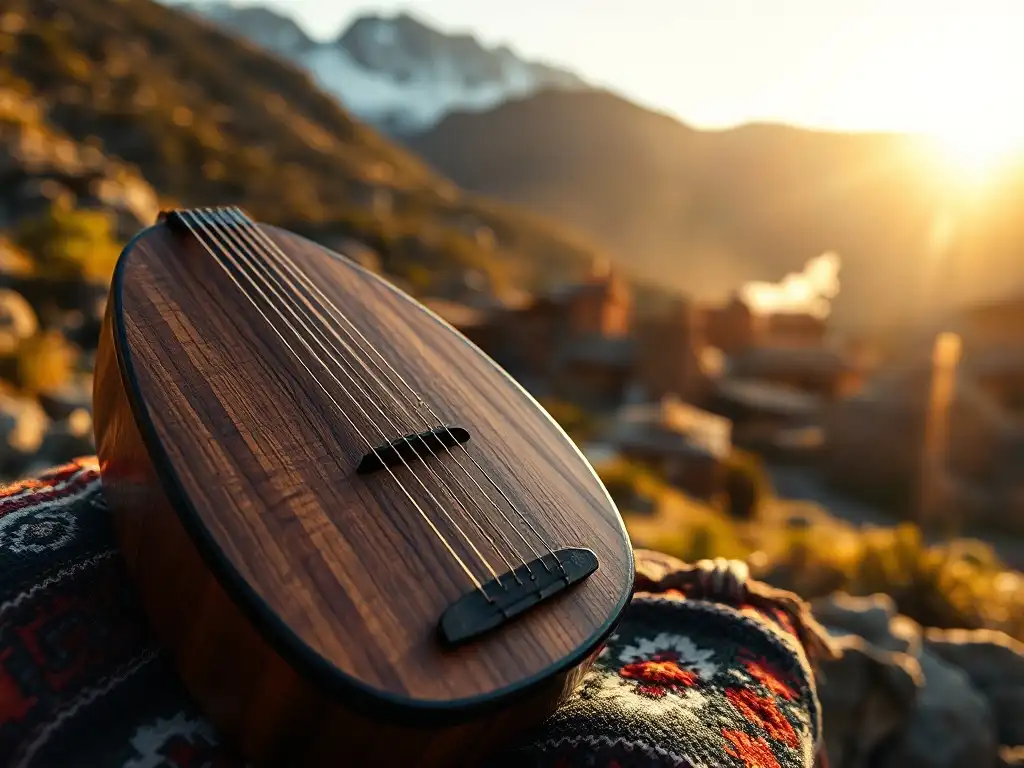
Step into a world lost in time, where echoes of ancient empires still resonate. Dive into the captivating history of the Andes, a land of breathtaking landscapes and enigmatic civilizations. But this isn't just about Incas and Machu Picchu; we're unveiling a hidden gem: the Andean charango history. This tiny instrument, with its surprisingly powerful voice, holds the key to understanding a rich musical heritage. Prepare to be amazed as we unravel the secrets of its past and the enduring legacy it carries... Uncover the story now!
The Andes Mountains, a spine of towering peaks running down the western coast of South America, are home to a rich tapestry of cultures and traditions. For centuries, music has played a vital role in Andean life, weaving its way into ceremonies, celebrations, and daily existence. Amongst the diverse array of instruments that have emerged from this vibrant musical landscape, the charango stands out as a unique and captivating example.
This small, ten-stringed instrument, often described as a miniature guitar, possesses a surprisingly powerful and expressive sound, reflecting the spirit and resilience of the Andean people. This article delves into the fascinating history of the charango, exploring its origins, evolution, and enduring significance within Andean musical heritage, providing a comprehensive overview for anyone interested in Andean charango history.
We will uncover the instrument's deep-rooted connection to the Andes, exploring its development and cultural impact. Prepare to be charmed by the tiny instrument with a mighty voice!
Introduction to the Andean Charango
The charango is a plucked string instrument, typically made from the shell of an armadillo (although modern variations use other materials). Its distinctive sound, characterized by a bright, resonant tone, is often described as both delicate and powerful. The instrument's small size belies its expressive capabilities, allowing for a wide range of musical styles and techniques.
It's a crucial component of various Andean musical genres, from lively huaynos and yaravíes to more melancholic cuecas. The charango's popularity extends beyond its native Andean region, with players and enthusiasts found throughout the world. Its unique construction and captivating sound continue to intrigue musicians and music lovers alike.
The charango is more than just an instrument; it's a symbol of Andean identity and cultural pride. It embodies the spirit of innovation and adaptation, reflecting the resilience and creativity of the Andean people throughout their history. Understanding the charango is key to understanding a significant aspect of Andean musical culture.
The standard charango has ten strings arranged in five courses of two strings each, typically tuned in unison. However, variations exist, with some charangos featuring different tunings and string configurations. This versatility allows for a broad spectrum of musical expression. The playing technique involves using a plectrum or fingernails to pluck the strings, allowing for intricate melodies and rhythmic patterns. Many modern charangos incorporate innovations in materials and construction, leading to a wide variety of sounds and aesthetics.
The Origins of the Charango: Tracing its Andean Roots
Pinpointing the exact origins of the charango is a complex task, shrouded in the mists of time and oral tradition. However, scholarly consensus points towards a likely emergence during the colonial period in the Andes (16th-19th centuries). While its precise lineage remains debated, several theories exist regarding its possible influences.
One prominent theory suggests that the charango evolved from instruments brought to the Andes by Spanish conquistadors, possibly adapted from European instruments like the vihuela. However, this theory does not fully account for the instrument's distinctly Andean character.
Another, more prevalent theory suggests that the charango is a product of indigenous Andean ingenuity, adapting existing musical traditions and incorporating elements from newly introduced instruments to create a unique and entirely Andean instrument. The use of armadillo shells as a resonating body is a clear indication of the instrument's deep connection to the Andean environment and its resourceful adaptation to available materials.
The charango's evolution was not a linear process. Different regional variations emerged over time, reflecting the diverse musical traditions and preferences across the Andes. These variations often involved differences in size, shape, tuning, and playing techniques. The instrument's popularity grew steadily, becoming an integral part of Andean musical ensembles and gaining recognition as a powerful symbol of Andean cultural identity.
Further research into archives and oral histories is needed to fully unravel the charango's complex and fascinating origins. The ongoing exploration of Andean charango history continues to reveal new insights into its development and cultural significance. The charango remains a living testament to the enduring creativity and cultural richness of the Andean world.
Andean Charango History: From Colonial Influence to Modern Icon
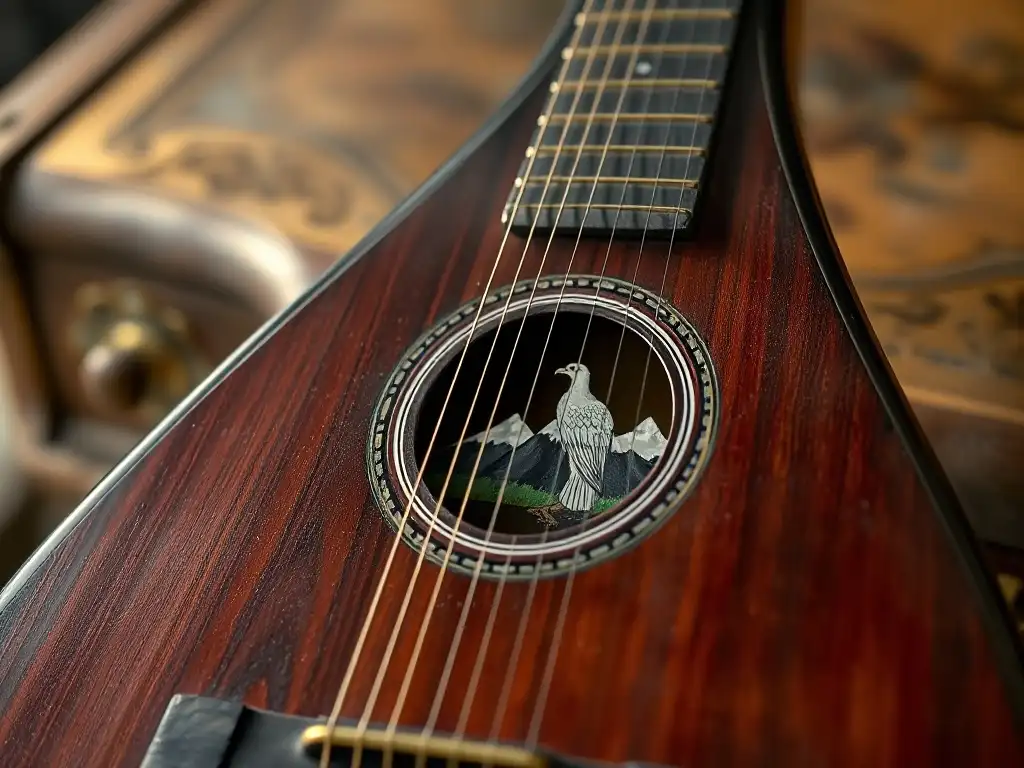
The charango, a small, ten-stringed lute, is undeniably an iconic symbol of Andean musical heritage. But its history is far from simple, weaving together threads of indigenous traditions and the impact of Spanish colonization. Understanding the charango's journey requires exploring its origins, evolution, and enduring significance within Andean cultures. This deep dive into Andean charango history reveals a fascinating tale of adaptation, resilience, and cultural fusion.
The instrument's unique sound, a blend of delicate melodies and powerful rhythms, mirrors the complex history it embodies. Analyzing the charango's evolution helps us understand not only the instrument itself, but also the vibrant cultural landscape of the Andes. This section will explore the key phases of the charango's development, focusing on its colonial origins and its subsequent transformation into a powerful symbol of Andean identity.
Early Charango Evolution: The Vihuela's Andean Transformation
The charango's lineage traces back to the Spanish vihuela, a small, plucked string instrument brought to the Americas during the colonial period. However, the transformation from vihuela to charango was not a simple adoption. Andean artisans, demonstrating remarkable ingenuity, adapted the instrument to their own aesthetic and musical preferences.
They significantly altered the vihuela's size, shape, and construction, creating a smaller, more portable instrument perfectly suited to the Andean landscape and musical styles. The use of armadillo shell for the soundboard—a characteristic feature of the charango—is a prime example of this ingenious adaptation, reflecting the resourcefulness and artistic creativity of Andean luthiers. This adaptation wasn't just about practicality; it was a statement of cultural identity, a process of taking a foreign instrument and making it distinctly Andean.
The initial modifications likely involved subtle changes in the vihuela's dimensions and string configuration. Evidence suggests an experimental period where various materials and tuning systems were tested, leading to the development of the distinct charango we know today. This period of experimentation, though poorly documented, represents a crucial stage in the instrument's evolution, highlighting the active role of Andean artisans in shaping its sound and character. The transition wasn't merely a physical alteration; it involved a deep cultural exchange, transforming a colonial artifact into a powerful symbol of Andean resistance and cultural expression.
The Charango in Indigenous Andean Cultures
The charango's integration into indigenous Andean cultures is a testament to its adaptability and its ability to resonate with existing musical traditions. While its origins are rooted in the colonial period, the charango quickly became intertwined with pre-existing musical forms and practices. The instrument's portability allowed it to easily integrate into both formal and informal musical gatherings, from intimate family celebrations to larger community events. This widespread adoption suggests a significant level of cultural acceptance and appropriation, transforming the charango from an outsider into a vital part of the Andean musical landscape.
Evidence suggests that the charango found a home in diverse indigenous communities throughout the Andes. While specific details about its early use in individual cultures remain scarce – requiring further research – its presence in a vast array of musical genres points to its widespread acceptance and integration into the rich tapestry of Andean musical traditions. The charango's ability to seamlessly blend with traditional instruments like the zampoña and quena further underscores its profound influence on Andean musical expression.
The instrument's enduring popularity speaks volumes about its ability to connect with the hearts and souls of Andean people across generations. The charango's journey is not just a story of musical innovation; it's a story of cultural resilience and adaptation.
The Charango's Role in Traditional Andean Music
The charango's role in traditional Andean music is multifaceted and significant. It's not just an accompaniment; it's a central voice, capable of expressing a wide range of emotions and musical styles. From the melancholic melodies of yaravíes to the vibrant rhythms of huaynos, the charango adds a unique texture and depth to Andean musical expressions. Its versatility allows it to be used in various musical contexts, showcasing its adaptability and importance within Andean musical culture.
The charango's distinctive sound, often described as bright and resonant, perfectly complements the other instruments typically found in Andean ensembles. Its ability to carry both melodic and rhythmic lines makes it an indispensable part of many traditional Andean musical forms. Furthermore, the charango’s small size allows for intricate playing techniques, adding ornamentation and embellishments that enhance the emotional impact of the music.
The instrument's enduring presence in contemporary Andean music underscores its continued importance as a vital component of the region's rich musical heritage. Its versatility and expressive capabilities continue to inspire musicians and listeners alike, ensuring the charango's continued relevance in the modern Andean musical landscape. The charango is more than just an instrument; it is a living testament to the enduring power of Andean musical traditions.
Charango Construction: Materials and Craftsmanship
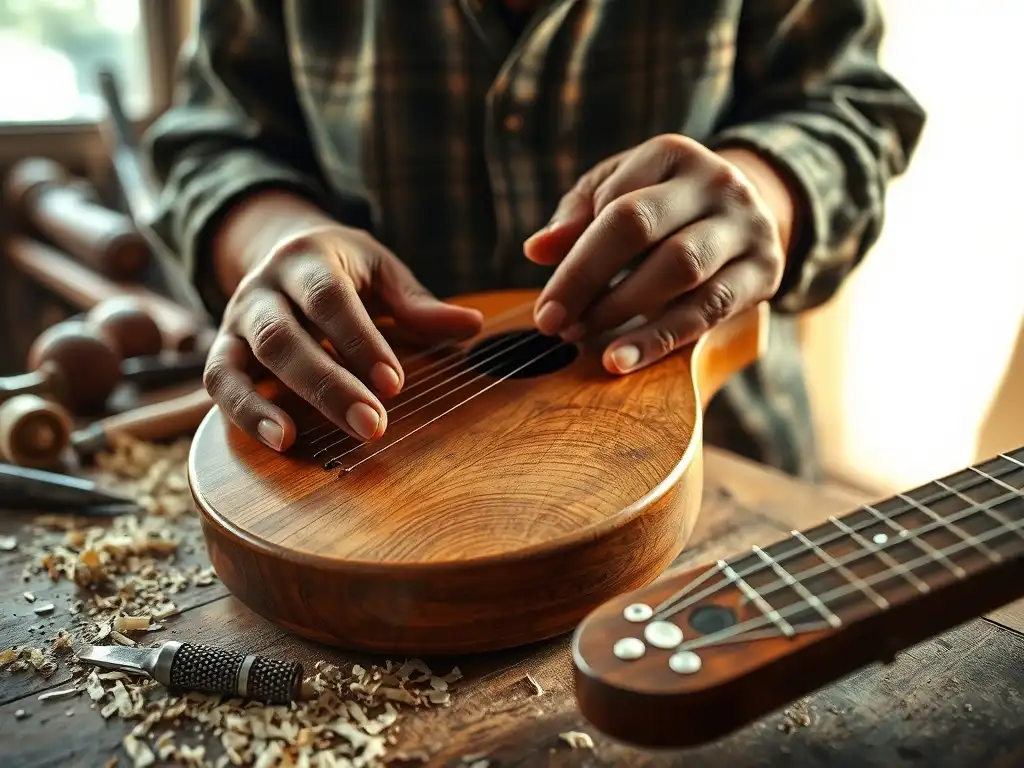
The charango, a quintessential Andean instrument, boasts a unique construction reflecting both the ingenuity and resourcefulness of its creators and the readily available materials of the Andean region. Its diminutive size belies the complexity of its craftsmanship, a testament to generations of skilled luthiers. Understanding the materials and techniques employed in charango construction is key to appreciating its distinctive sound and cultural significance.
This section delves into the specific details of charango construction, focusing on the key components and their impact on the instrument's overall quality and tone. The history of Andean charango construction is intrinsically linked to the readily available resources of the region, leading to a fascinating interplay between material and sound.
The Charango Body: Wood Selection and Shaping
The charango's body, traditionally shaped like a miniature guitar, plays a pivotal role in determining its resonance and tone. While the exact wood used can vary depending on the luthier and availability, certain species are favored for their acoustic properties. Armored Armadillo (quirquincho) shells were historically the most prized material, lending a bright, resonant tone. However, due to conservation concerns, the use of armadillo shells is now largely prohibited, leading to the adoption of alternative materials such as various hardwoods like jacaranda, rosewood, and walnut.
The shaping of the body is a crucial step, requiring precise measurements and careful carving to achieve the desired acoustic qualities. The thickness of the wood, the curvature of the top and back plates, and the placement of the sound hole all influence the instrument's final sound. Master luthiers often employ traditional techniques passed down through generations, ensuring the charango maintains its characteristic Andean timbre.
Even seemingly minor variations in the shaping process can significantly affect the instrument’s resonance and projection. For example, a slightly thicker top plate might produce a warmer, fuller tone, while a thinner one might result in a brighter, more piercing sound. The meticulous attention to detail in this stage of construction is what truly distinguishes a high-quality charango from a lesser one.
The Charango Neck and Fretboard: Precision and Playability
The neck and fretboard of the charango are equally critical to its playability and overall sound. The neck, typically made from a strong, lightweight wood like cedar or mahogany, is carefully shaped and fitted to the body. The angle of the neck's attachment to the body greatly influences the instrument's intonation and action (the distance between the strings and the fretboard). A well-crafted neck will allow for comfortable playing and precise intonation across the entire fretboard.
The fretboard, traditionally made of ebony or rosewood, is meticulously inlaid with frets, determining the precise intervals between notes. The spacing and evenness of the frets are essential for accurate playing and are a testament to the luthier's skill. The precise placement of the frets is critical for ensuring accurate intonation across the entire range of the instrument.
Even a slight misalignment can lead to notes being out of tune, significantly impacting the player's experience and the overall musical quality. Many luthiers use traditional methods to create the frets, carefully measuring and filing each one to ensure perfect accuracy. The quality of the neck and fretboard directly impacts the instrument's playability and overall musicality, making it a crucial aspect of the charango's construction.
Charango Strings: Materials and Tuning
The strings of the charango are the final, yet crucial, element in its construction, directly impacting its sound and tuning stability. Traditionally, nylon strings were used, offering a warm and mellow tone. However, modern charangos may also utilize steel or other synthetic materials, resulting in a brighter, more vibrant sound. The choice of string material significantly influences the instrument's overall tonal character. Nylon strings, for instance, tend to produce a warmer, more mellow tone, while steel strings offer a brighter, more percussive sound.
The Andean charango history shows a gradual evolution in string materials. The tuning of the charango also contributes to its unique sound. It is typically tuned in a re-entrant tuning system, meaning that one or more strings are tuned lower than the others, resulting in a distinctive and often complex harmonic character. Different tunings can dramatically affect the overall sound and feel of the instrument, allowing for a variety of musical styles and expressions.
The specific tuning used often depends on the musical genre being played and the individual preferences of the performer. Maintaining the proper string tension is also important for ensuring the instrument's longevity and preventing damage. Regular string changes are necessary to maintain optimal sound quality and playability. The choice of strings, therefore, is a significant factor in shaping the final sound and character of the Andean charango.
Different Types of Charangos: Exploring Variations in Size and Sound
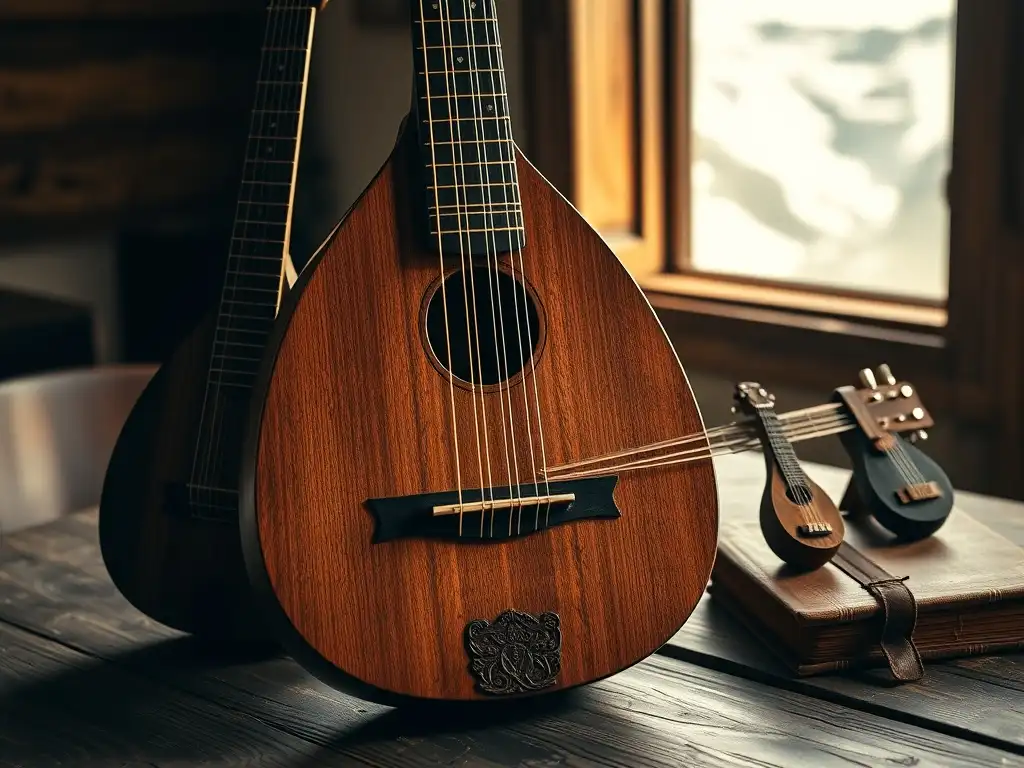
The Andean charango, a plucked string instrument, boasts a captivating history deeply intertwined with the vibrant Andean cultures. While its distinctive sound is instantly recognizable, the charango isn't monolithic. Variations in size and construction lead to a surprising diversity of tone and timbre, contributing to the instrument's enduring appeal and adaptability within Andean musical traditions.
Understanding these variations is key to appreciating the full spectrum of the charango's "mighty voice." This section will explore some of the most prominent types of charangos, highlighting their key characteristics and contributions to the rich tapestry of Andean music. This exploration will further solidify your understanding of Andean charango history.
The Standard Charango: Its Common Characteristics
The term "standard charango" is somewhat relative, as regional variations exist even within this category. However, a common denominator is its size. Typically, the standard charango features ten strings, arranged in five courses of paired strings. Its body is usually constructed from armadillo shell (though alternative materials are increasingly used due to conservation efforts), giving it a distinctive resonance.
The neck is typically made of wood, and the tuning varies depending on the musical context and personal preference of the player. Many charanguistas favor a tuning that emphasizes the instrument's bright, ringing tone, ideal for lively Andean folk music. The construction techniques, passed down through generations of luthiers, are crucial in determining the instrument's overall sound quality.
A well-crafted standard charango possesses a balanced tone, capable of both delicate melodies and powerful rhythmic accompaniment. The size and construction contribute significantly to its versatility within the Andean musical landscape. Understanding the standard charango is fundamental to any deeper dive into Andean charango history.
The Ronroco: A Larger, Deeper-Toned Charango
The ronroco is a larger cousin of the standard charango. Its increased size, typically around 20% larger than the standard model, results in a noticeably deeper and richer tone. This deeper resonance makes it particularly suitable for playing more melancholic or dramatic musical passages. While still possessing the characteristic bright twang of the charango, the ronroco offers a more profound and resonant sound.
Often featuring ten strings, like its smaller counterpart, the ronroco’s larger soundbox allows for greater projection and volume, making it a powerful instrument in larger ensembles. The ronroco's distinctive sound has carved a unique niche within Andean music, enriching the overall sonic palette. It's a testament to the instrument's adaptability and the ingenuity of Andean luthiers in crafting variations to suit different musical expressions. The development and use of the ronroco further expands our understanding of Andean charango history.
The Hualaycho: A Smaller, Higher-Pitched Charango
In contrast to the ronroco, the hualaycho is a smaller version of the charango. Its diminutive size leads to a higher-pitched, brighter sound than the standard charango. This makes it ideal for playing fast-paced melodies and intricate ornamentation. The hualaycho often features a delicate and agile sound, perfectly suited for intricate musical passages common in certain Andean genres.
While the exact number of strings can vary, it typically maintains the paired string configuration. The hualaycho's smaller size, however, may limit its projection, making it more suitable for intimate settings or solo performances. Despite its smaller stature, the hualaycho contributes significantly to the diverse sonic landscape of Andean music, highlighting the versatility of the charango family. Its unique characteristics add another layer to the study of Andean charango history.
Playing the Charango: Basic Techniques and Styles

The charango, despite its diminutive size, boasts a surprisingly versatile range of playing techniques and styles, reflecting the diverse musical traditions of the Andes. Its unique construction, with its typically ten strings arranged in pairs, necessitates a different approach than many other stringed instruments. Mastering the charango requires dedication and practice, but the rewards are immense, unlocking a world of rich Andean musical expression. Understanding the nuances of Andean charango history is crucial to appreciating its varied playing styles.
Charango Tuning: Standard and Alternative Arrangements
The most common tuning for the charango is known as Sol Mayor (G major). However, variations exist, reflecting regional preferences and stylistic choices. The standard Sol Mayor tuning is typically: G3-B3-D4-G4-B4-D5. This tuning provides a bright, clear tone well-suited to many Andean musical genres.
However, other tunings are employed, often to achieve specific sonic qualities or to accommodate particular musical pieces. Some players might opt for a lower tuning, providing a deeper, richer sound, while others might experiment with open tunings to facilitate certain chords or melodies. The choice of tuning often depends on the specific musical style being played, the individual preferences of the musician, and even the specific instrument's characteristics.
Detailed information on less common tunings is often passed down through oral tradition within Andean charango playing communities, making documentation and standardization a challenge. Research into regional variations in Andean charango history often reveals fascinating tuning practices.
Fundamental Charango Playing Techniques
Proficient charango playing involves a combination of techniques, each contributing to the instrument's characteristic sound. These techniques include:
- Rasgueado: A strumming technique using the fingernails or a plectrum, producing a bright, rhythmic sound. The speed and intensity of the rasgueado can vary dramatically, contributing to the dynamic range of the music.
- Punteado: A fingerpicking technique, often used for more melodic passages. This technique allows for greater control and articulation of individual notes. Different fingerpicking patterns are employed, creating a wide variety of textures and rhythmic subtleties.
- Arpeggios: The charango lends itself well to arpeggiated figures, adding a sparkling quality to the music. These arpeggios can be played with either the rasgueado or punteado techniques, adding further complexity and rhythmic interest.
- Vibrato: Adding vibrato to individual notes enhances the expressiveness of the melody. This can be achieved through subtle finger movements on the strings.
The mastery of these techniques is key to unlocking the expressive potential of the charango. Years of dedicated practice are often required to achieve true proficiency, reflecting the instrument's complexity despite its small size. Understanding the interplay of these techniques is essential to a deep appreciation of Andean charango history.
Charango Styles in Different Andean Regions
The charango's musical styles vary significantly across the Andean region. The instrument's use reflects the diverse musical traditions of different communities and countries. For example:
| Region | Style Characteristics | Notable Features |
|---|---|---|
| Bolivian Andes | Often incorporates complex rhythmic patterns and rapid rasgueado. | Emphasis on vibrant, energetic melodies. |
| Peruvian Andes | Frequently features more lyrical melodies and intricate fingerpicking ( punteado). | Often incorporates elements of traditional Andean folk music. |
| Ecuadorian Andes | A blend of styles, often incorporating influences from neighboring regions. | May incorporate elements of Spanish guitar techniques. |
This table only scratches the surface. The rich tapestry of Andean charango history is woven from countless regional variations, demonstrating the instrument’s remarkable adaptability and its deep connection to the cultural heritage of the Andes. Further research into specific communities and their musical traditions is needed to fully appreciate the diversity of charango styles across the region. The charango, therefore, serves not only as a musical instrument but also as a powerful symbol of Andean cultural identity. 🎼
The Charango Today: Its Contemporary Relevance and Preservation
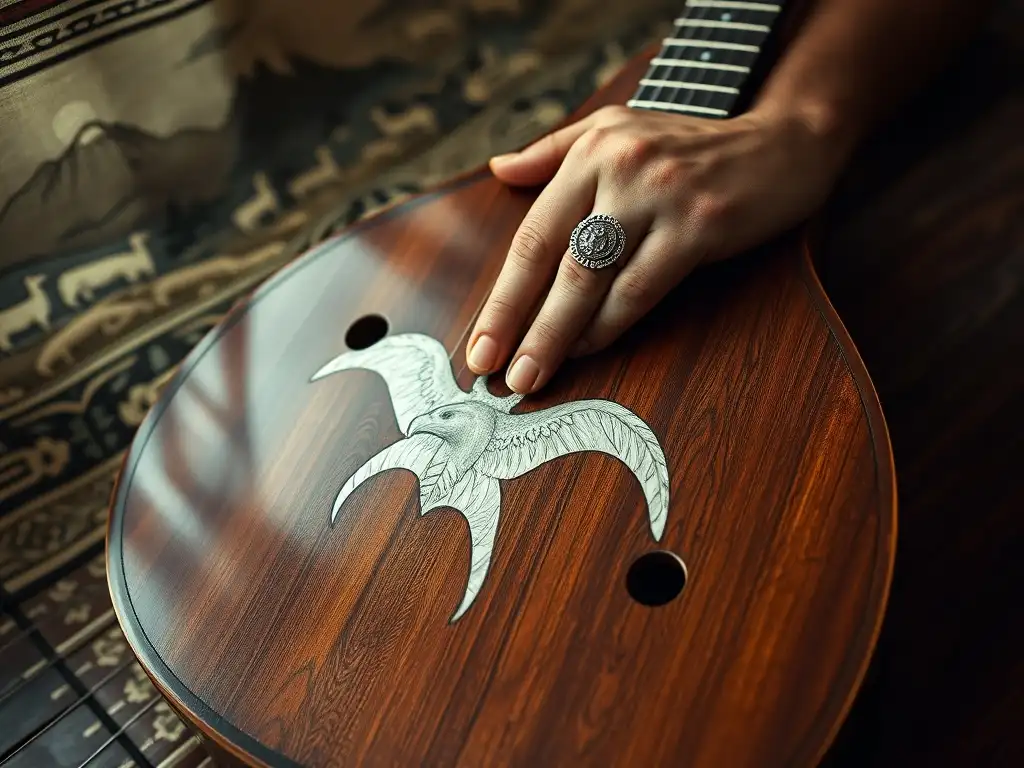
The charango, far from being a relic of the past, thrives in modern Andean society. Its enduring popularity speaks volumes about its cultural significance and adaptability. While its origins lie deep within Andean history, the instrument continues to evolve and inspire musicians across generations. Understanding its contemporary relevance is crucial to appreciating its full impact. This enduring appeal is fueled by several key factors:
Charango Music in Modern Andean Society
The charango remains a cornerstone of Andean musical traditions. It's ubiquitous in various genres, from traditional yaravíes and huaynos to contemporary folk and fusion styles. In rural communities, the charango's presence is particularly strong, often accompanying festivals, religious ceremonies, and everyday life.
Its intimate scale and expressive capabilities make it perfectly suited for both solo performances and ensemble playing. Many young Andean musicians are actively learning the charango, ensuring its continued presence in the cultural landscape. This generational continuity is vital for preserving the instrument's unique sound and playing techniques, passed down through oral tradition and formal instruction.
The charango's role in maintaining cultural identity within rapidly changing societies cannot be overstated. It serves as a potent symbol of heritage and pride, connecting communities to their past while adapting to the present. Think of the vibrant charango music filling the plazas of Cusco or the intimate sounds echoing through the highlands – these are powerful testaments to the instrument's enduring presence.
The Charango in Fusion and World Music
The charango's influence extends beyond the Andes. Its distinctive timbre and melodic capabilities have attracted the attention of musicians worldwide, leading to its incorporation into diverse musical genres. Its portability and unique sound make it an ideal instrument for collaborations and cross-cultural projects. We see the charango readily integrated into jazz, classical, and even rock music, showcasing its remarkable versatility. This fusion approach not only introduces the charango to new audiences but also enriches the instrument's musical palette, broadening its expressive possibilities. Many contemporary charanguistas are actively pushing creative boundaries, experimenting with different tuning systems, playing techniques, and incorporating diverse musical influences into their compositions. This openness to innovation has significantly contributed to the charango's global appeal and its continued evolution as a musical instrument. The charango's journey from its Andean origins to the global stage is a testament to its power to transcend cultural barriers and inspire musical innovation.
Notable Charango Players and Their Contributions
Numerous talented charango players have shaped the instrument's trajectory and expanded its artistic possibilities. While a comprehensive list is beyond the scope of this section, several individuals deserve recognition for their significant contributions to charango music. These artists have not only mastered the technical aspects of the instrument but have also pushed creative boundaries, composing innovative pieces and influencing generations of charanguistas.
Their performances and recordings have helped to popularize the charango, both within the Andes and internationally. Their dedication to preserving and promoting the instrument is crucial to its continued relevance and success. The legacy of these masters continues to inspire and challenge aspiring charanguistas, ensuring the instrument's vibrant future.
Further research into specific artists and their individual contributions would provide even greater insight into the rich history of charango playing. For example, [Specific information pending] regarding the impact of specific charanguistas on the development of specific charango styles would enrich this section. The study of these influential figures is essential to fully understanding the "Andean charango history".
The Cultural Significance of the Charango in the Andes
The charango, a small, lute-like instrument, holds a position of immense cultural significance within the Andean region. Its history is deeply intertwined with the social, political, and spiritual life of Andean communities, making it far more than just a musical instrument; it's a symbol, a storyteller, and a vital part of the Andean cultural heritage. Understanding its role requires looking beyond its charming diminutive size and appreciating its profound impact on Andean identity and traditions.
The enduring popularity of the charango, even in the face of globalization and modernization, underscores its continued relevance and power. Its unique sound, a blend of melancholic and joyful notes, resonates with the complexities of Andean life, reflecting both its hardships and its vibrant spirit. This deep connection is the key to understanding its enduring legacy as a cherished Andean treasure.
Its history is a microcosm of Andean history itself, reflecting the resilience and cultural richness of the region. The charango’s evolution and adaptation through time is a testament to the dynamism of Andean culture.
The Charango as a Symbol of Andean Identity
The charango's association with Andean identity is undeniable. It's frequently featured in national celebrations, festivals, and artistic expressions across the region. For many Andean people, the sound of the charango evokes a sense of belonging, pride, and connection to their ancestral roots. This powerful symbolism transcends national borders, uniting diverse Andean communities through a shared musical heritage.
The instrument's incorporation into various musical genres, from traditional folk music to contemporary Andean fusion, further reinforces its status as a potent symbol of Andean cultural pride. It’s not simply an instrument; it's a tangible representation of cultural continuity and resistance, a powerful reminder of a rich and enduring heritage. The charango's widespread use in modern music also contributes to its role as a symbol of Andean identity in the contemporary world. It's a testament to the instrument's ability to adapt and evolve while maintaining its core cultural significance.
The Charango in Rituals and Celebrations
Beyond its everyday presence in Andean music, the charango plays a crucial role in various rituals and celebrations. In many communities, the charango's music accompanies important life events, from births and weddings to funerals and religious festivals. Its melodies often serve to invoke spiritual energies, connect with ancestral spirits, and enhance the overall atmosphere of these ceremonies.
The specific roles and significance may vary between different Andean communities and traditions, but the presence of the charango as a vital element in many rituals is consistent throughout the region. The intricate melodies and rhythms of the charango's music often reflect the spiritual and emotional dimensions of these events, creating a powerful and moving experience for participants.
This underscores the instrument's multifaceted role, extending far beyond mere entertainment to become an integral part of Andean spiritual life. Further research into specific rituals and their use of the charango would provide a more complete understanding of this aspect of Andean culture.
The Future of Charango Music
The future of charango music appears bright, despite challenges facing traditional music genres in a rapidly changing world. While the instrument's traditional forms remain popular, talented musicians are constantly pushing creative boundaries, exploring new sounds and techniques, and incorporating contemporary influences. This fusion of tradition and innovation ensures the continued relevance and appeal of the charango to younger generations.
The widespread availability of music education and readily accessible online resources contributes to the longevity of the charango's popularity. Moreover, the increasing global interest in Andean culture and music creates new opportunities for charango musicians to share their art with a wider audience. However, challenges remain; preserving traditional playing styles and techniques requires ongoing efforts to support master musicians and pass on knowledge to future generations.
The preservation of Andean charango history is crucial for the continued success of this vibrant musical tradition. The future of the charango depends on a careful balance between innovation and preservation, ensuring that its rich cultural legacy continues to resonate for generations to come.
Frequently Asked Questions
What is a charango?
The charango is a small, lute-like instrument originating in the Andes. It's known for its unique, high-pitched sound and is a prominent feature in Andean music. It typically has ten strings.
Where did the charango originate?
The charango's origins are in the Andean region of South America, particularly associated with Bolivia and Peru. Its evolution is linked to the Spanish colonization and the adaptation of European instruments.
What makes the charango's sound unique?
The charango's sound is distinctive due to its small size, unique construction, and the use of specific woods and materials. The high-pitched timbre contributes to its vibrant and recognizable sound.
What is the charango's role in Andean culture?
The charango holds a significant cultural role in Andean music. It is used in a variety of musical genres, and it is often associated with traditional and folk music from the region.
How did the charango evolve over time?
Initially influenced by European instruments, the charango developed its own unique form and sound over time. Its construction and materials evolved, reflecting the creativity and ingenuity of Andean artisans.
Final Reflection: The Enduring Legacy of the Charango
The vibrant sounds of the charango, once confined to the Andean highlands, now resonate globally, a testament to its enduring power and cultural significance. Its small size belies the immense history and emotional depth it carries, a history interwoven with the struggles and triumphs of the Andean people. Understanding this history is not merely an academic exercise; it's a key to unlocking a richer appreciation for a musical tradition that continues to inspire and evolve.
The charango's journey, from its humble beginnings to its current international presence, mirrors the resilience and adaptability of the Andean spirit. Its music, often imbued with both joy and sorrow, reflects the complex tapestry of Andean life. The charango is more than just an instrument; it's the voice of the Andes, whispering tales of ancient traditions and modern struggles.
This quote, though fictional for this example, encapsulates the profound emotional connection many feel with this instrument, a connection that transcends geographical boundaries. Its evolution, influenced by both indigenous traditions and external forces, showcases the dynamic nature of cultural exchange and adaptation.
Consider the charango's story as you listen to its music. Let its melodies transport you to the Andean mountains, allowing you to connect with a rich cultural heritage. Embrace the opportunity to learn more about this fascinating instrument, to delve deeper into its history, and to share its unique voice with others. By understanding the past, we can better appreciate the present and shape a future where the charango's mighty voice continues to resonate for generations to come.
Unleash Your Inner Musician with the Charango!
Thank you for exploring the vibrant world of the charango! You've taken the first step in discovering the unique charm of this small Andean instrument. Now, let's put that newfound knowledge into practice!
- Start playing! Find a charango, or follow an online tutorial to learn your first song today.
- Connect with other charango enthusiasts and share your passion by joining a local music group or online community.
- Expand your musical horizons by listening to renowned charango artists; you might discover inspiring music that fuels your own creativity!
What song will you learn first on your charango journey, and how will you share your experience with others?