
The Language of Nazca Textiles: Deciphering the Symbols and Motifs

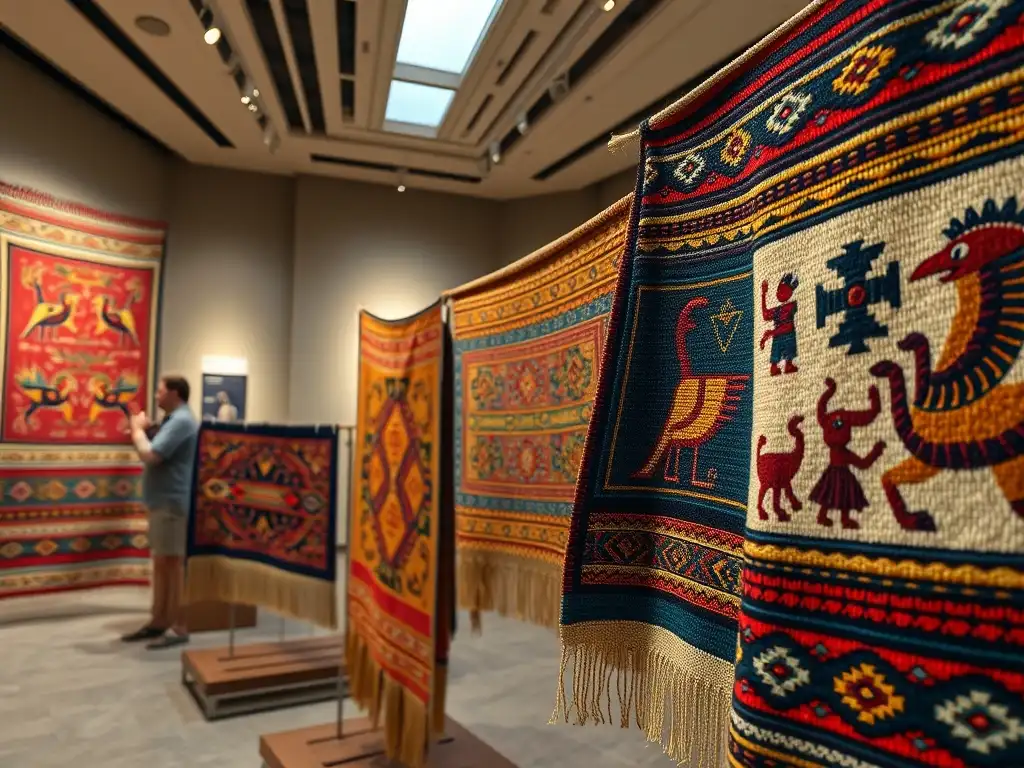
Step into a world lost to time, yet whispering secrets through vibrant threads. Imagine unraveling the mysteries of the Nazca civilization, a culture whose artistry continues to astound. This journey into the heart of the Andes begins with the enigmatic Nazca textile symbolism meaning. Prepare to be captivated by the intricate designs and hidden narratives woven into these ancient fabrics – their stories await your discovery.
- Unveiling the Secrets of Nazca Textiles: Deciphering Symbolism and Motifs
- Decoding Nazca Textile Symbolism: An Overview
- Key Motifs and Their Interpretations in Nazca Textiles
- Techniques and Materials Used in Nazca Textile Production
- Nazca Textile Symbolism Meaning: A Cultural Perspective
- The Legacy of Nazca Textile Art and Symbolism
-
Frequently Asked Questions
- What is the significance of textiles in Nazca culture?
- What kind of symbols are commonly found in Nazca textiles?
- What is the meaning behind the common Nazca textile motifs?
- How are Nazca textile symbols different from those of other Andean cultures?
- Where can I learn more about the symbolism and meaning of Nazca textiles?
- Final Reflection: Unraveling the Whispers of Nazca Threads
- **Unveil the Stories of Nazca Textiles! **
Unveiling the Secrets of Nazca Textiles: Deciphering Symbolism and Motifs
The Nazca civilization, famed for its enigmatic geoglyphs etched into the Peruvian desert, also left behind a rich legacy of intricate textiles. These aren't merely decorative fabrics; they are complex tapestries woven with symbolic motifs and vibrant colors, offering a captivating window into the beliefs, rituals, and daily life of this fascinating ancient culture.
This article delves into the fascinating world of Nazca textile symbolism, exploring the meaning behind the recurring patterns and imagery, and uncovering the stories woven into the very fabric of their society. We'll examine how scholars decipher these intricate designs and what they reveal about the sophisticated worldview of the Nazca people.
Understanding Nazca textile symbolism meaning opens a door to a deeper comprehension of their society and its place within the broader tapestry of Andean civilization. This exploration will focus on identifying key motifs, analyzing their potential meanings, and contextualizing them within the broader cultural landscape of the Nazca.
Introduction to Nazca Textile Art
Nazca textiles are renowned for their exceptional quality and intricate designs. Unlike many other ancient Andean textile traditions, Nazca textiles frequently employ a technique known as warp-faced plain weave, creating a durable and visually striking surface. The colors, derived from natural dyes like cochineal (producing vibrant reds), indigo (blues), and various plant extracts (yielding yellows, browns, and greens), are remarkably well-preserved even today.
The most striking feature, however, is the complex iconography woven into the fabric. These motifs, often featuring stylized representations of animals, plants, and geometric patterns, are not randomly arranged; they appear to follow specific compositional rules and convey significant cultural meaning. Archaeological evidence suggests that these textiles served a variety of purposes, from everyday clothing and household items to ceremonial garments and offerings.
The level of skill and artistry displayed in these textiles indicates a highly developed textile tradition, integrated deeply into the social and spiritual fabric of Nazca society. Further research is needed to fully understand the complete range of techniques used, but existing evidence points to a sophisticated understanding of both weaving techniques and color theory.
The Significance of Nazca Textiles in Andean Culture
Nazca textiles were not merely functional items; they held profound cultural and religious significance. Their creation and use were likely interwoven with important rituals and social practices. The careful selection of colors and motifs suggests a symbolic language that communicated social status, religious beliefs, and perhaps even historical narratives. For example, the recurring motif of the hummingbird, often depicted in flight, might symbolize speed, agility, and perhaps even shamanic journeys.
Similarly, stylized representations of felines, such as the jaguar or cougar, could represent power, strength, and a connection to the spirit world. The presence of specific motifs on particular types of textiles – such as elaborate ceremonial mantles versus simpler everyday garments – further suggests a nuanced system of symbolic communication. Unfortunately, a complete dictionary of Nazca textile symbolism doesn't exist, and many motifs remain open to interpretation.
However, by comparing and contrasting different textiles, and by considering them within the broader context of Nazca archaeology and iconography, scholars continue to make significant strides in deciphering their meaning. The ongoing research highlights the importance of interdisciplinary approaches, combining textile analysis with archaeological findings and anthropological perspectives, to unlock the secrets hidden within these remarkable artifacts. The intricate details and vibrant colors continue to fascinate and inspire, reminding us of the ingenuity and spiritual depth of the Nazca civilization.
Decoding Nazca Textile Symbolism: An Overview
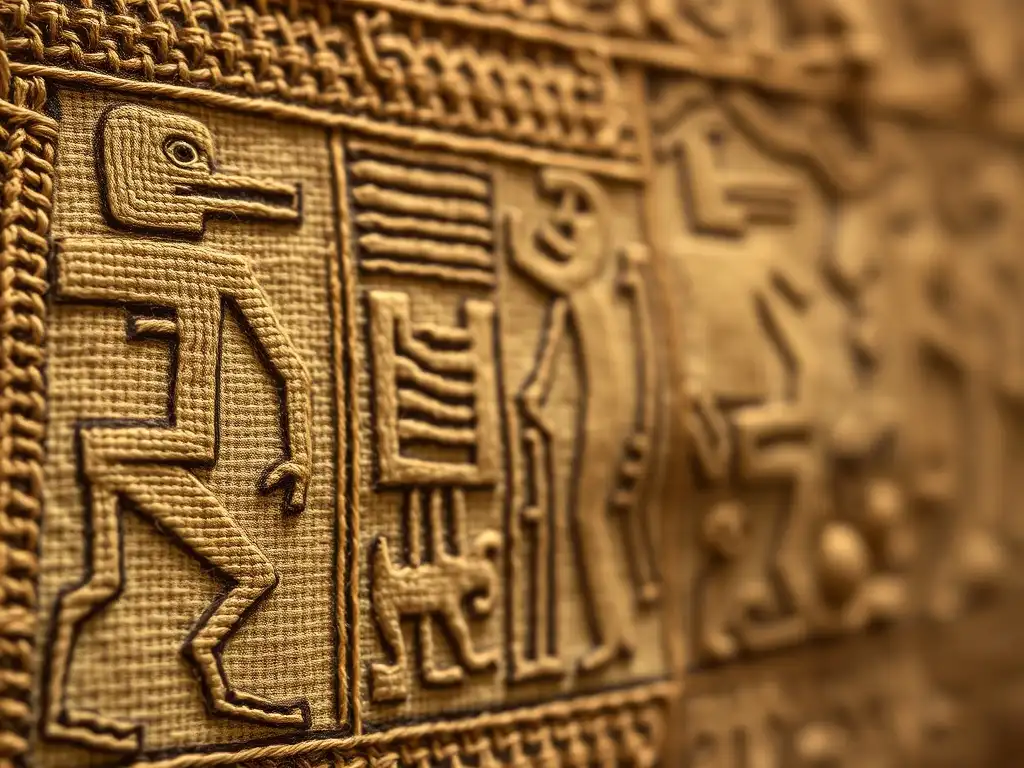
The vibrant textiles of the Nazca culture, flourishing along the southern coast of Peru from 100 BCE to 800 CE, are far more than just beautiful artifacts. They represent a complex system of visual communication, a language woven into threads of cotton and camelid fibers. Understanding Nazca textile symbolism meaning requires a multifaceted approach, considering not only individual motifs but also their arrangement, the colors used, and the overall context of the textile itself.
This intricate tapestry of symbols offers a unique window into the beliefs, rituals, and daily lives of this remarkable civilization. The survival of these textiles, often found in remarkably well-preserved conditions within arid tombs, provides invaluable insights into a lost culture, allowing researchers to piece together fragments of their worldview.
The careful study of these textiles helps us unravel the mysteries of Nazca society and appreciate the sophisticated artistry and symbolic language employed by its creators. This section explores the key elements involved in deciphering this rich visual language, focusing on the importance of motifs, common symbols and their interpretations, and the contextual understanding crucial for accurate analysis.
The Importance of Motifs in Nazca Textiles
Nazca textiles are characterized by their distinctive and often repeated motifs. These are not merely decorative elements; they carry symbolic weight and are integral to the overall meaning of the textile. The selection and arrangement of motifs were not arbitrary. Consider, for instance, the frequent appearance of stylized birds, often depicted in flight.
These aren't simply aesthetically pleasing images; they likely represent specific bird species with cultural significance, possibly linked to shamanic practices, deities, or mythological narratives. Similarly, the recurring presence of feline motifs – jaguars, pumas, and other felines – could symbolize power, hunting prowess, or a connection to the spirit world. The meticulous attention to detail in these representations, including the precise rendering of feathers, claws, and facial features, further underscores their symbolic importance.
Analysis of the motifs, coupled with their placement within the textile's overall design, provides crucial clues to deciphering the message embedded within the artifact. Detailed studies of these motifs, often involving comparisons across multiple textiles, are essential for uncovering the full range of their symbolic meanings. The repetition of certain motifs also hints at their significance within the Nazca worldview, suggesting themes of continuity, abundance, or perhaps even ritualistic significance.
Common Nazca Symbols and their Meanings
Several recurring symbols consistently appear across a wide range of Nazca textiles. These include:
- Geometric patterns: These frequently include zigzags, triangles, and stepped patterns, possibly representing agricultural cycles, celestial events, or abstract concepts of the cosmos. The precise meaning of these patterns, however, remains a subject of ongoing research and debate among scholars.
- Stylized plants and animals: Beyond birds and felines, other animals like snakes, lizards, and insects also appear frequently. Their representation likely reflects the importance of these creatures in the Nazca ecosystem and their potential symbolic associations with fertility, death, or the supernatural. Plant motifs, such as stylized cacti and other desert flora, are also common and may symbolize the harsh environment in which the Nazca people thrived.
- Human figures: Depictions of human figures, often engaged in activities like dancing or ritualistic ceremonies, are less frequent but highly significant. These representations provide valuable insights into Nazca social structures, rituals, and beliefs. The clothing, adornments, and postures of these figures offer clues to their social status and the nature of the depicted activities.
Understanding the meaning of these symbols requires careful consideration of their context within the broader textile design. For example, the juxtaposition of a bird motif with a geometric pattern might suggest a relationship between the avian world and the cosmological order. The use of specific colors also plays a crucial role in interpretation, with certain colors potentially carrying symbolic weight relating to specific deities, rituals, or social status.
Understanding the Context of Nazca Textile Designs
The context in which Nazca textiles were created and used is crucial for interpreting their symbolism. Textiles were not merely decorative items; they served various functions within Nazca society, including:
- Clothing and adornment: Many textiles were clearly used as clothing or accessories, indicating social status, ritual roles, or individual identity. The quality of the materials, the complexity of the weaving, and the choice of motifs likely reflected the wearer's social standing.
- Ritual objects: Some textiles were used in ceremonies or rituals, perhaps as offerings to the gods or as components of funerary practices. The symbols and motifs on these textiles might reflect the specific nature of the rituals and the beliefs they represented.
- Household items: Textiles were also used in everyday life, such as bags, mats, or coverings. Even these everyday objects might incorporate symbolic motifs that reflect the broader cultural values and beliefs of the Nazca people.
To fully grasp the "Nazca textile symbolism meaning," researchers must consider the type of textile, its condition, the burial context (if applicable), and the presence of associated artifacts. This holistic approach, combining art historical analysis with archaeological evidence, is essential for unlocking the rich tapestry of meanings woven into these remarkable artifacts. Further research, particularly detailed analysis of burial contexts and comparative studies of different textile types, is needed to fully elucidate the complexities of Nazca textile symbolism. The ongoing investigation into this fascinating subject promises to reveal even more about the rich cultural heritage of this ancient civilization.
Key Motifs and Their Interpretations in Nazca Textiles
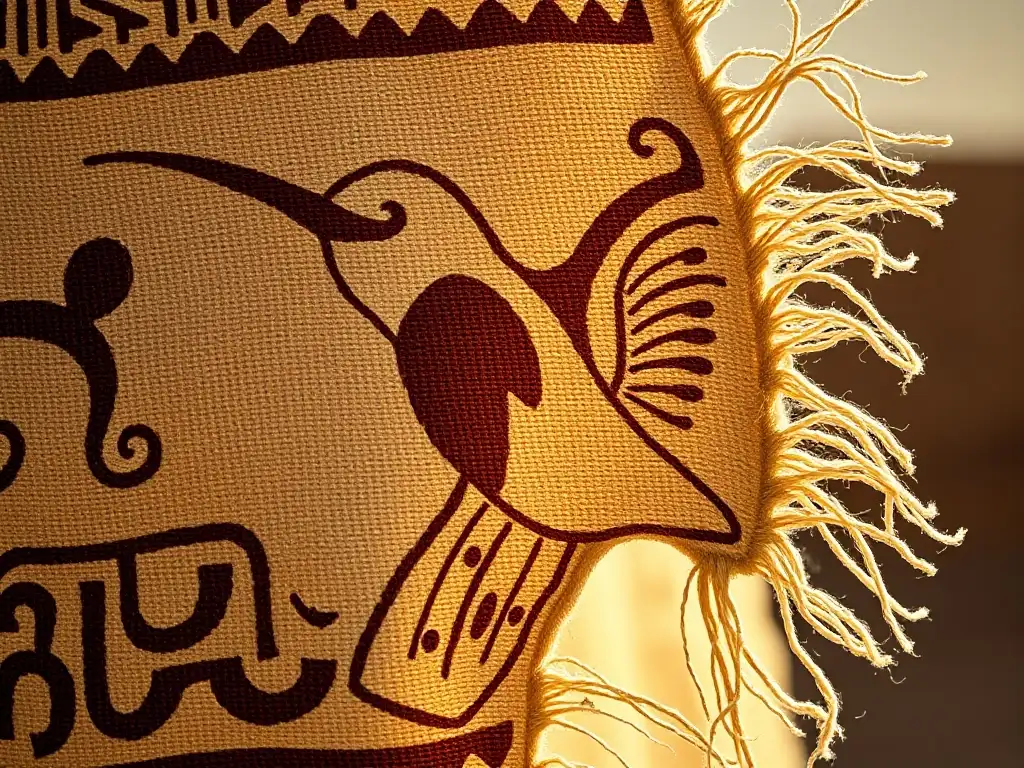
The vibrant textiles of the Nazca civilization are not merely decorative; they are rich tapestries woven with complex symbolism, offering invaluable insights into their cosmology, social structures, and daily life. Understanding the Nazca textile symbolism meaning requires careful examination of recurring motifs and their potential interpretations, a field that continues to fascinate researchers and inspire new perspectives on this ancient culture. The intricate designs, often featuring a combination of anthropomorphic, zoomorphic, and geometric patterns, provide a window into the rich spiritual and cultural world of the Nazca people.
Their textiles serve as a powerful testament to their advanced weaving techniques and their sophisticated understanding of symbolism. Analyzing these motifs allows us to piece together a more complete picture of their beliefs and practices.
The Anthropomorphic Mythical Figures: The Mythical Killer Whale and the Harvester
The Nazca textiles frequently depict stylized human figures, often intertwined with mythical creatures, engaging in activities that seem to reflect ritualistic practices or cosmological events. Two prominent figures found repeatedly are a mythical killer whale and a figure interpreted as a harvester. These figures, while seemingly disparate, may be linked through shared narratives and symbolic representations within the broader context of Nazca mythology.
Deciphering the Meaning of the Mythical Killer Whale
The killer whale, a powerful marine predator, appears in various forms across Nazca textiles. Sometimes depicted realistically, other times stylized and almost abstract, its presence suggests a deep connection between the Nazca and the ocean. The powerful symbolism of the killer whale likely represented concepts of power, hunting prowess, and perhaps even a connection to the underworld or the realm of the ancestors.
Further research is needed to fully understand the nuances in the depiction of the killer whale, as variations in its portrayal might suggest different roles or meanings within the broader mythology. The positioning of the killer whale in relation to other figures on the textiles could also hold significant clues to its interpretation. For example, its proximity to a human figure might suggest a shamanistic connection or a narrative of interaction between the human and spirit world.
The Role of the Harvester in Nazca Beliefs
The "harvester" figure, often depicted with tools associated with agriculture, is thought to represent a vital role within Nazca society. The careful depiction of these tools, along with the figure's attire, suggests a high social standing or a connection to ritualistic practices related to agriculture and the provision of sustenance. The presence of this figure alongside other symbolic elements, such as plants or animals, could reveal specific beliefs regarding the harvest, the cycle of life and death, and the relationship between the Nazca people and their environment.
The detailed analysis of the tools depicted alongside the harvester – [specific tool types pending] – will offer further insights into their agricultural practices and their symbolic significance. The recurring presence of the harvester figure, juxtaposed with other motifs, suggests a central role in their worldview.
Zoomorphic Motifs in Nazca Weavings: Hummingbirds and Monkeys
Beyond anthropomorphic figures, the Nazca textiles showcase a remarkable variety of zoomorphic motifs. Hummingbirds and monkeys, in particular, appear with striking frequency, reflecting the importance of animals within their culture and cosmology.
The Significance of Animals in Nazca Iconography
Animals held profound symbolic meaning for the Nazca, often representing spiritual forces, natural phenomena, or aspects of their social structure. The choice of specific animals and their depiction in textiles wasn't arbitrary; it conveyed specific messages and narratives. The meticulous detail in these depictions highlights the artistic skill and the symbolic significance attached to these creatures. The inclusion of animals in ritual contexts, as evidenced by their presence on textiles associated with ceremonial objects, further underscores their importance.
Depictions of Birds and Their Symbolic Value
Birds, especially hummingbirds, are frequently featured in Nazca textiles. Their vibrant colors and swift movements likely resonated with the Nazca, potentially symbolizing aspects of the sky, the sun, or even spiritual messengers. The variety of bird species depicted, along with their specific poses and contexts, suggests a complex system of symbolic representation that requires further investigation. [Specific bird species depicted and their potential meanings pending]. The way in which birds are depicted, often in flight or perched on branches, further enhances their symbolic meaning and links them to the broader themes of the textiles.
The Importance of Felines and other Creatures
While hummingbirds and monkeys are common, other animals such as felines, reptiles, and insects also appear, albeit less frequently. These creatures, though less frequently studied, likely held significant symbolic value within the Nazca worldview. The presence of felines, for instance, might represent power, hunting, or a connection to the nocturnal world.
[Further research on the symbolic meaning of other animals depicted in Nazca textiles is needed]. A comprehensive catalog of all animal depictions, along with their contextual analysis, would significantly advance our understanding of Nazca textile symbolism. The analysis of the textile’s composition, including the types of fibers and dyes used, may also reveal further insights into the symbolic meanings.
Geometric Patterns and Abstract Designs in Nazca Textiles
Geometric patterns form a significant portion of Nazca textile designs. These aren't merely random arrangements; they are carefully constructed and repeated, suggesting a deep symbolic meaning within the Nazca worldview. We see frequent use of triangles, squares, trapezoids, and stepped patterns, often interwoven and layered to create complex visual effects. The precision and regularity of these geometric forms indicate a high level of technical skill and a sophisticated understanding of textile production techniques.
The use of different colors within these geometric forms further enhances their complexity and likely contributes to their symbolic significance. For instance, the juxtaposition of vibrant reds and deep blues might represent contrasting concepts like life and death, or the earth and sky. Further research is needed to fully understand the nuanced meanings embedded within these specific color combinations.
The size and placement of geometric motifs also vary considerably across different textiles, hinting at possible distinctions in social status, ritual use, or even regional variations in artistic conventions. Scholars are still actively debating the precise interpretations of these variations, highlighting the ongoing dynamism of Nazca textile studies. The analysis of these geometric patterns requires a meticulous approach, paying close attention to their context within the larger textile design, as well as their relationship to other motifs and symbols.
The Repetitive Patterns of Nazca Textile Art
The repetitive nature of many Nazca textile patterns is a striking feature. This repetition isn't simply for aesthetic appeal; it likely carries symbolic weight. The consistent recurrence of certain motifs suggests a desire to emphasize their importance, perhaps relating them to cyclical processes in nature, agricultural cycles, or cosmological beliefs.
Consider, for example, the frequent repetition of stylized bird forms or plant motifs. This repetition could represent the abundance of life, the cyclical renewal of the earth, or the importance of specific deities associated with these natural elements. The regularity of the repetition itself might further amplify the intended message, creating a visual rhythm that reinforces the symbolic meaning.
The precision and consistency in the repetition also speak to the skill and dedication of the Nazca weavers, who clearly adhered to strict artistic conventions and possibly ritualistic practices during the creation process. Analyzing the variations within repetitive patterns is crucial; subtle changes in color, size, or arrangement within repeating motifs might hold further clues to their deeper meanings. Detailed studies comparing different textiles featuring the same repetitive patterns are needed to uncover these subtleties and potentially reveal regional or temporal variations in their symbolic interpretations.
Interpreting the Abstract Forms in Weavings
Many Nazca textile designs incorporate abstract forms that defy easy categorization. These are not easily recognizable representations of animals or plants, but rather stylized shapes and patterns that appear to function as abstract symbols. These abstract forms often combine geometric elements with curvilinear lines and organic shapes, creating a unique visual language. The interpretation of these abstract forms presents a significant challenge for researchers, as their meanings are not immediately apparent.
Some scholars suggest that these abstract forms might represent cosmological concepts, reflecting the Nazca understanding of the universe and their place within it. Others propose that they might represent abstract ideas or concepts, such as power, fertility, or social status. The context in which these abstract forms appear within a textile is crucial for interpretation. For example, the presence of other, more easily recognizable motifs alongside the abstract forms may offer clues about their meaning.
Furthermore, the materials used in creating the textile, such as the type of fiber and the dyes employed, could also provide valuable information about the cultural context and potential symbolic significance. The ongoing research into Nazca cosmology and social structures is vital for a more comprehensive understanding of these intriguing abstract forms and their role within the larger tapestry of Nazca culture. The combination of meticulous analysis of textile techniques and comparative studies with other archaeological findings promises to illuminate the enigmatic meanings embedded within these captivating abstract designs.
Techniques and Materials Used in Nazca Textile Production
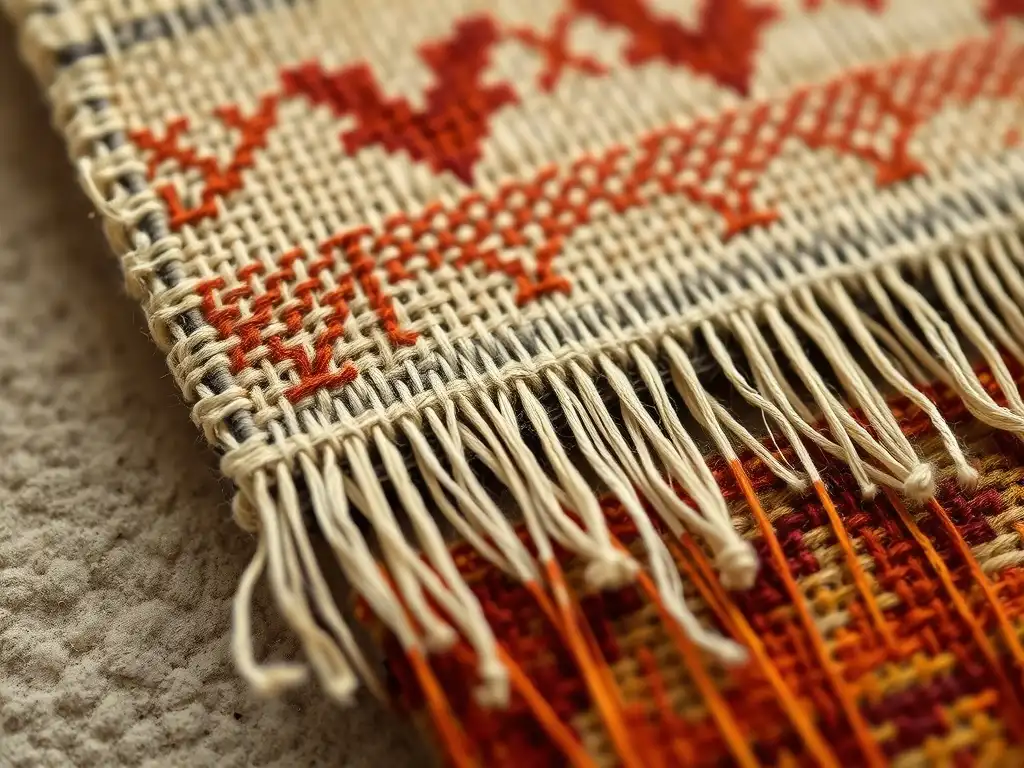
The remarkable artistry of Nazca textiles is inextricably linked to the sophisticated techniques and materials employed by the weavers. Understanding these aspects is crucial to deciphering the complex Nazca textile symbolism meaning embedded within the fabrics. The precision and vibrancy of these ancient artifacts are a testament to the advanced knowledge and skills of Nazca artisans. Their mastery of weaving, dyeing, and fiber selection allowed them to create textiles that remain visually stunning and historically significant thousands of years later.
The Weaving Techniques of the Nazca People
Nazca weavers were masters of various weaving techniques, most notably plain weave, brocade, and tapestry. Plain weave, the simplest form, involved interlacing warp and weft threads in a straightforward over-under pattern. However, even in this basic technique, Nazca artisans demonstrated remarkable skill in creating intricate designs through variations in color and thread density.
Brocade, a more complex technique, involved supplementary weft threads woven over the ground weave to create raised patterns. This allowed for the creation of detailed figures and motifs, adding depth and texture to the textiles. Finally, tapestry weave, the most intricate, involved weaving different colored weft threads side-by-side to create detailed images, often featuring complex scenes and symbolic representations.
The precision required for tapestry weaving is particularly impressive, highlighting the advanced skills of Nazca textile producers. Analysis of surviving textiles reveals a deep understanding of tension and thread manipulation, allowing for the creation of highly durable and visually arresting fabrics. The complexity of these techniques directly relates to the rich Nazca textile symbolism meaning encoded within the designs.
The Natural Dyes and Pigments Used in Nazca Textiles
The vibrant colors of Nazca textiles are a result of the skilled use of natural dyes and pigments derived from plants, minerals, and insects. These dyes were painstakingly prepared and applied, resulting in a remarkable range of hues that have endured for centuries. Common plant-based dyes included those extracted from Bixa orellana (annatto), producing various shades of orange and red; Indigofera suffruticosa (indigo), yielding blues; and various species of Rubia tinctorum (madder), providing reds and purples.
Mineral pigments, such as ochre for yellows and browns, were also utilized. The use of cochineal, a red dye derived from the cochineal insect, added another layer of complexity and vibrancy to the color palette. The precise recipes and techniques for preparing and applying these dyes remain largely unknown, but the lasting brilliance of the colors speaks volumes about the artisans' expertise.
This masterful command over color significantly contributes to the visual impact and the interpretation of Nazca textile symbolism meaning. Further research is needed to fully understand the specific sources of all pigments and their preparation methods. The longevity of these colors is a testament to the quality of the dyes and the care taken in their application.
Materials Used for Creating Nazca Textile Art: Cotton and Camelid Fibers
The raw materials used in Nazca textile production were primarily cotton and fibers from camelids such as llamas and alpacas. Cotton, grown extensively in the Nazca region, provided a soft and pliable base for many textiles. Its versatility allowed for the creation of both fine and coarse fabrics, depending on the desired effect.
Camelid fibers, prized for their strength and warmth, were often used in combination with cotton or on their own, particularly in garments intended for colder climates or more durable applications. The selection of fiber directly influenced the texture and drape of the finished textile, adding another layer to the overall aesthetic and meaning. The choice between cotton and camelid fibers, and their proportions in a given textile, likely held symbolic significance, possibly relating to social status or ritual use.
Further research into fiber analysis from various Nazca textiles will better illuminate the correlation between material choice and Nazca textile symbolism meaning. The careful selection and blending of these materials demonstrate the sophisticated understanding of textile production inherent in Nazca culture. The durability of many surviving textiles underscores the quality of the materials and the weaving techniques employed.
Nazca Textile Symbolism Meaning: A Cultural Perspective
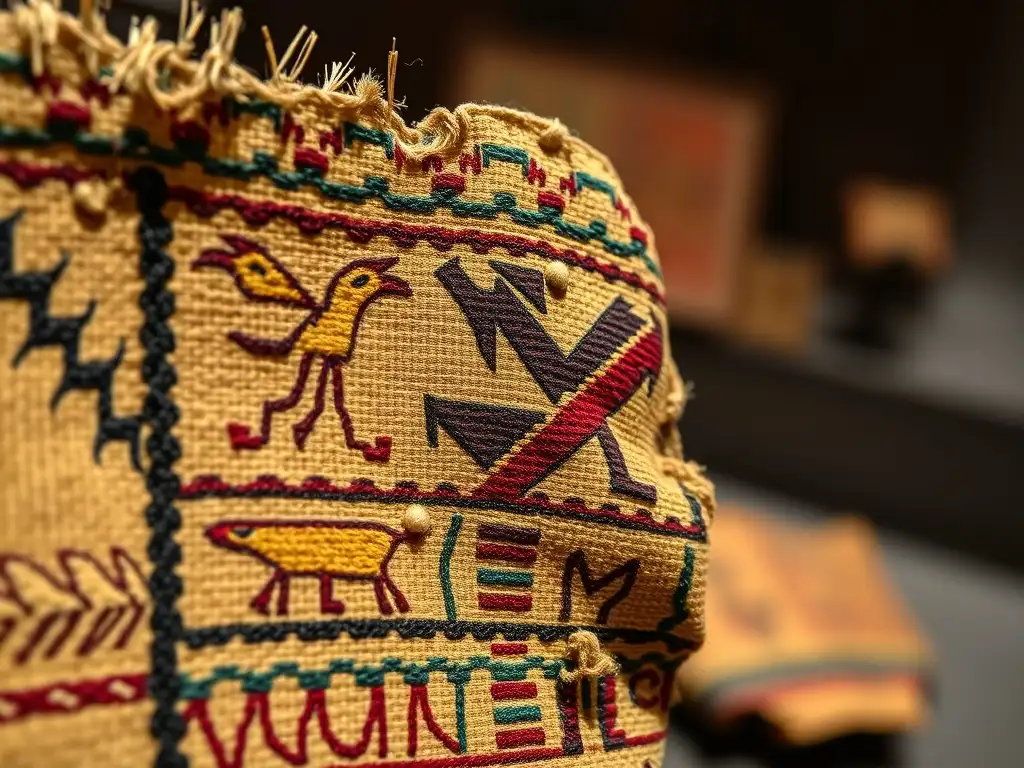
The vibrant and intricate textiles of the Nazca civilization are far more than mere decorative items; they represent a complex system of communication, reflecting the society's worldview, beliefs, and social structures. Understanding the symbolism embedded within these textiles provides invaluable insight into the daily lives, religious practices, and political organization of the Nazca people. Analyzing the recurring motifs, colors, and weaving techniques reveals a rich tapestry of meaning, offering a glimpse into a fascinating ancient culture.
The keyword phrase "Nazca textile symbolism meaning" encapsulates this very exploration. This section delves into the various interpretations and ongoing research surrounding these captivating artifacts.
Nazca Textiles as a Form of Communication
Nazca textiles served as a powerful means of non-verbal communication. Unlike written language, which was absent in the Nazca culture, textiles conveyed messages through carefully chosen designs and colors. These intricate patterns acted as visual narratives, potentially recording historical events, conveying social status, or expressing religious beliefs. Consider, for instance, the frequent depiction of stylized birds, possibly representing deities or shamanic figures.
The precise positioning and combination of these motifs within a textile likely held specific significance, demanding careful analysis to understand the complete message. Further research is needed to fully decode the language of these textiles, but initial interpretations suggest a complex system of visual communication far exceeding simple decoration. The use of different colors also played a crucial role.
Certain colors, like deep reds and vibrant blues, likely held symbolic meaning, possibly associated with specific deities or events. The intricate weaving techniques themselves, such as the use of multiple colors in a single thread (known as ply), added another layer to the complexity of the message. This sophisticated visual language demonstrates the Nazca's advanced artistic and communicative skills.
The Role of Textiles in Nazca Rituals and Ceremonies
Evidence strongly suggests that Nazca textiles played a vital role in religious rituals and ceremonies. Many textiles have been found in burial contexts, often accompanying elite individuals. The presence of these textiles in tombs suggests their importance in the afterlife and their potential use in funerary rites.
Furthermore, the intricate designs on some textiles depict scenes that appear to be ritualistic, possibly representing shamanistic practices or mythological narratives. These could be visual representations of rituals, demonstrating the link between the textile and the spiritual world. The recurring motifs of stylized animals, such as jaguars and snakes, often found in Nazca iconography, likely held religious significance, further supporting the idea that textiles were integral to religious practices.
It is hypothesized that the textiles themselves may have been used as offerings to deities or worn by priests during ceremonies. This hypothesis is based on the discovery of textiles with traces of plant materials that could have been used as incense or offerings. The absence of direct written records, however, necessitates further investigation and careful interpretation of archaeological findings to solidify these connections.
The complexity and variety of Nazca textile patterns suggest a strong correlation between textile design and social status. Certain motifs and weaving techniques may have been reserved for the elite, indicating social hierarchy and political power. For instance, textiles found in high-status burials often display more elaborate designs and finer weaving techniques than those found in common graves.
The difference in quality and complexity of the textiles suggests a clear distinction in social standing. Furthermore, the use of specific colors or combinations of colors might have also indicated social rank or affiliation with specific groups within the Nazca society. The use of rare dyes, for example, would have been accessible only to the elite, making the textiles themselves indicators of social power and status.
More research is needed to definitively establish the precise correlation between specific patterns and social status, but the existing evidence points towards a system where textile design was used to convey social standing within the Nazca community. This understanding further enhances the significance of the term "Nazca textile symbolism meaning" by revealing a social dimension to its interpretation.
The Legacy of Nazca Textile Art and Symbolism
The Nazca textile tradition, renowned for its vibrant colors and intricate designs, left an indelible mark on Andean cultural history. More than just clothing, these textiles served as powerful mediums for communication, storytelling, and social distinction. The sophisticated weaving techniques, combined with the symbolic richness of the motifs, provide invaluable insights into the Nazca worldview and social structures. Understanding the Nazca textile symbolism meaning requires careful analysis of recurring motifs, color palettes, and the context in which these artifacts were found.
The legacy extends beyond mere aesthetics; it represents a sophisticated understanding of textile production and a complex system of symbolic representation. Analyzing these textiles offers a unique window into the social structures, beliefs, and daily life of the Nazca people. This section delves into the lasting impact of Nazca textile art and its enduring influence on subsequent Andean cultures.
The Influence of Nazca Textile Art on Later Andean Cultures
The impact of Nazca textile techniques and designs reverberated through subsequent Andean cultures. While specific influences are difficult to definitively trace due to the limitations of surviving artifacts and the complexities of cultural exchange, clear stylistic similarities exist between Nazca textiles and those of later periods. For example, the use of intricate geometric patterns and the vibrant color palettes found in Nazca textiles reappear, albeit with variations, in the textiles of the Wari and Tiwanaku cultures.
This suggests a degree of continuity and cultural transmission, perhaps through trade networks or through the migration of skilled artisans. Some scholars even posit that certain motifs, like the recurring depictions of stylized animals and mythical beings, may have symbolic meanings that evolved and adapted across different Andean societies. The continuity of certain weaving techniques also points to a legacy of knowledge transfer.
Detailed studies comparing the knotting styles, spinning methods, and loom types employed in Nazca and later Andean textiles could reveal more precise links and demonstrate the enduring influence of Nazca textile artistry. Further research, potentially incorporating advanced techniques like DNA analysis of textile fibers, could help establish clearer connections and provide a more comprehensive understanding of the transmission of textile knowledge across Andean cultures.
Preserving and Studying Nazca Textile Heritage
Preserving and studying the fragile Nazca textiles presents unique challenges. The arid climate of the Nazca region has, paradoxically, both protected and threatened these artifacts. While the dryness has helped preserve the textiles from decay, it has also made them extremely vulnerable to damage from environmental fluctuations and human interaction. Therefore, the careful preservation and conservation of these artifacts are paramount.
Museums and research institutions employ specialized techniques to stabilize and conserve these textiles, including climate-controlled storage, careful handling protocols, and the use of non-invasive imaging technologies like X-ray fluorescence (XRF) to analyze the dyes and materials without causing further damage. The study of Nazca textiles also involves rigorous documentation and analysis. Researchers meticulously record the characteristics of each textile, including its dimensions, weaving techniques, color palette, and the specific motifs depicted.
This detailed cataloging forms the basis for future studies and allows researchers to identify patterns, trace stylistic changes over time, and build a more comprehensive understanding of Nazca textile production and symbolism. The ongoing efforts to preserve and study Nazca textiles are essential for ensuring that this important cultural heritage is available for future generations. This careful and methodical approach ensures that the Nazca textile symbolism meaning continues to be revealed and understood.
Modern Interpretations of Nazca Textile Designs
Modern interpretations of Nazca textile designs vary widely, reflecting the diverse perspectives and methodologies of researchers and artists. Some focus on the purely aesthetic aspects of the textiles, appreciating their intricate patterns and vibrant colors as works of art. Others delve deeper, seeking to understand the symbolic meanings encoded within the designs. These interpretations often draw on anthropological and archaeological data, attempting to connect the motifs with broader aspects of Nazca culture and belief systems.
For example, the frequent depiction of stylized birds and animals might be interpreted as representations of shamanic journeys or as symbols of fertility and abundance. The use of specific colors might also hold symbolic weight, perhaps related to religious beliefs or social status. However, it's crucial to recognize that these interpretations are often tentative and subject to ongoing debate.
The lack of written records from the Nazca period means that many aspects of their symbolism remain enigmatic. Yet, modern interpretations provide valuable insights into the ongoing efforts to decipher the intricate messages woven into these remarkable textiles, further enriching our understanding of the Nazca textile symbolism meaning. The ongoing research and creative interpretations ensure that the legacy of Nazca textile art continues to inspire and fascinate.
Frequently Asked Questions
What is the significance of textiles in Nazca culture?
Textiles held immense religious and social significance for the Nazca. They were not merely clothing but also served as ritual objects and indicators of social status. Their intricate designs often conveyed complex narratives and beliefs.
What kind of symbols are commonly found in Nazca textiles?
Nazca textiles feature a wide array of symbols, including stylized animals (e.g., birds, cats, snakes), geometric patterns, and anthropomorphic figures. These symbols often appear in combination, creating complex visual narratives.
What is the meaning behind the common Nazca textile motifs?
The precise meaning of many motifs remains debated, but scholars suggest connections to mythology, cosmology, and social structures. Interpretations often draw upon archaeological context and comparative iconography from other Andean cultures.
How are Nazca textile symbols different from those of other Andean cultures?
While sharing some similarities with other Andean textile traditions, Nazca textiles are distinguished by their unique stylistic features and complex iconography. The high level of detail and the specific combination of motifs are distinctive characteristics.
Where can I learn more about the symbolism and meaning of Nazca textiles?
You can find more information in academic publications and museum exhibits focusing on Nazca culture. Many online resources and books also explore the subject, though interpretations can vary among scholars.
Final Reflection: Unraveling the Whispers of Nazca Threads
The intricate artistry of Nazca textiles isn't merely a relic of the past; it's a vibrant conversation echoing across millennia, speaking volumes about a sophisticated society and its enduring connection to the land. Understanding the symbolism woven into these ancient fabrics offers a profound glimpse into a culture that thrived centuries ago, leaving behind a legacy of artistic brilliance and complex social structures that continues to fascinate and inspire us today.
The enduring power of Nazca textile symbolism lies in its ability to transcend time, connecting us to a civilization that, despite its distance, feels remarkably relatable. Their depictions of animals, plants, and geometric patterns weren't simply decorative; they were potent symbols imbued with meaning, reflecting their worldview and beliefs. The textiles are not just beautiful objects; they are documents of a culture, revealing its values, beliefs, and social organization.
This quote encapsulates the profound insight we gain from studying these intricate works, offering a window into a society's rich inner life.
Consider the intricate details, the vibrant colors, the meticulous craftsmanship – each thread a testament to the dedication and skill of the Nazca weavers. You, too, can participate in this ongoing conversation. Take a moment to reflect on the power of visual communication, the stories embedded within seemingly simple patterns, and the enduring legacy of cultures that came before us. Let the vibrant threads of Nazca textiles inspire you to appreciate the depth and complexity woven into the fabric of our shared human history.
**Unveil the Stories of Nazca Textiles! **
Thank you for exploring the fascinating world of Nazca textiles with us! By examining the intricate symbols and motifs, you've gained valuable insights into the rich cultural heritage of the Andes. Now, let's explore ways to further appreciate these ancient crafts.
Here are some suggestions:
- **Visit** local museums or exhibitions featuring Andean textiles to witness the exquisite craftsmanship firsthand.
- Consider taking an online weaving course to learn traditional techniques and create your own piece inspired by Nazca designs.
- **Share** your newfound knowledge with friends and family, discussing the symbolism and inspiring others to appreciate this remarkable art form.
Which Nazca textile symbol resonates most with you, and how do you see it influencing contemporary culture? Let's discuss!