
Daily Life in an Andean City: Urban Planning and Social Organization

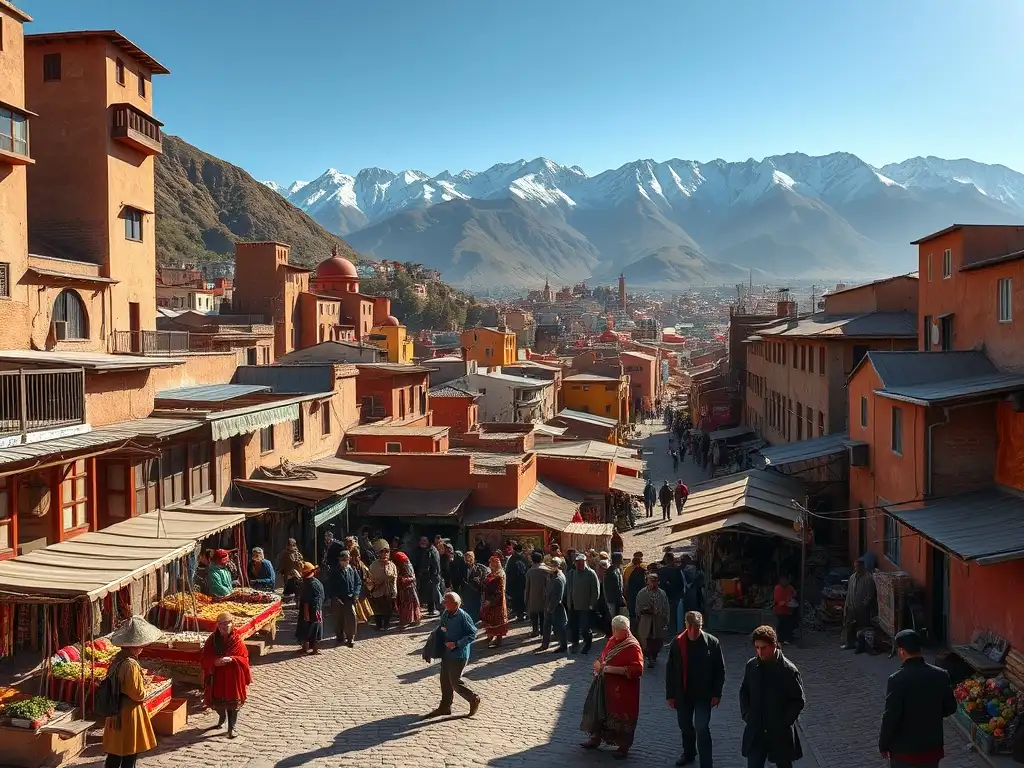
Step into a world lost to time, yet echoing with the ingenuity of ancient masters. Prepare to be captivated by the intricate tapestry of Andean civilizations, where towering cities rose amidst breathtaking landscapes. This journey begins with an exploration of Andean city urban planning, revealing the secrets behind the social structures and daily life that shaped these remarkable societies. Discover how innovation and meticulous design transformed the Andes into a vibrant network of interconnected cultures – a story waiting to unfold before your eyes.
- Andean City Urban Planning: Daily Life and Social Organization
- The Foundation of Andean Cities: Urban Design Principles
- Social Organization and Daily Life in Andean Urban Centers
- Daily Routines and Cultural Practices in Andean Cities
- Infrastructure and Technology in Andean Urban Planning
- The Legacy of Andean Urban Planning
- Frequently Asked Questions
- Final Reflection: Weaving the Threads of Andean Urban Life
- Unleash Your Curiosity: Explore the Andean Experience!
The intricate urban planning of Andean cities reflects a sophisticated understanding of social organization, resource management, and spiritual beliefs. This article delves into the daily life of inhabitants within these remarkable urban centers, exploring the interplay between urban design and social structures in ancient Andean societies like the Inca, Moche, Nazca, and Tiahuanaco.
We will examine how the physical layout of these cities – from their carefully planned streets and plazas to their monumental architecture – shaped the social interactions, economic activities, and religious practices of their inhabitants. Understanding Andean city urban planning provides crucial insights into the complexity and resilience of these remarkable civilizations.
By exploring their urban landscapes, we gain a deeper appreciation for the ingenuity and societal organization that allowed these cultures to flourish for centuries. This exploration will illuminate the fascinating connection between the built environment and the social fabric of Andean life, revealing how urban design was a powerful tool for social control and community building.
Andean cities weren't haphazard collections of buildings; they were meticulously planned, reflecting a hierarchical social structure. The layout often prioritized ceremonial centers and elite residences, strategically positioned to emphasize power and status. For example, in Cusco, the Inca capital, the main streets radiated from the central plaza, Haukaypata, a clear indication of the Inca emperor's central role. This deliberate spatial arrangement reinforced the social hierarchy, with the elite residing closest to the religious and political heart of the city.
The construction of impressive stonework, such as the precisely fitted blocks of Machu Picchu, also signified the power and resources controlled by the ruling class. Furthermore, the sophisticated irrigation systems and agricultural terraces that supported these urban populations demonstrate a remarkable level of engineering skill and resource management, crucial for maintaining the social order. These systems weren't simply functional; they were integral to the city's social and economic fabric.
Residential areas varied significantly depending on social status. Elite residences were typically larger, more elaborately constructed, and often located closer to the city center. These homes sometimes featured intricate carvings, distinctive architectural details, and access to exclusive amenities. In contrast, commoners' housing was often more modest, reflecting their lower social standing.
However, even within these residential areas, there was a degree of organization and planning. Streets were often narrow and winding, yet they followed a logical pattern, facilitating movement and access to essential resources. The arrangement of houses within residential neighborhoods likely reflected kinship ties and community structures. [Specific examples of housing types from different Andean cultures pending] Further research is needed to fully understand the nuances of residential patterns within different Andean cities.
Public Spaces and Community Life: The Role of Plazas and Markets
Public spaces played a vital role in the social and economic life of Andean cities. Plazas served as central gathering points for ceremonies, markets, and community events. These weren't simply open spaces; they were carefully designed to facilitate social interaction and reinforce social bonds. The size and location of plazas varied depending on the city's size and the significance of particular events.
Markets, often integrated within or adjacent to plazas, were crucial for the city's economic activity. These markets facilitated the exchange of goods and services, connecting rural producers with urban consumers. The organization of markets likely reflected social hierarchies and economic specialization. [Data on market organization and economic specialization pending] The bustling activity within plazas and markets reveals a vibrant social life, underlining the importance of community engagement in Andean urban society.
Religious Centers and Ritual Practices: The Sacred in the Urban Landscape
Religious centers held a prominent place within Andean cities, often occupying the most strategically significant locations. These centers were not merely places of worship; they were integral to the social and political order. Temples, pyramids, and other monumental structures served as focal points for religious rituals and ceremonies, reinforcing the power of the ruling class and the importance of shared beliefs.
The elaborate architecture and iconography of these religious centers reflect the sophisticated religious beliefs and practices of Andean cultures. The integration of religious centers into the urban fabric highlights the close relationship between the sacred and the secular in Andean society. [Examples of religious centers and their role in urban planning pending] Further investigation will reveal the extent of religious influence on urban design and the daily lives of city dwellers.
This initial exploration into Andean city urban planning reveals a complex interplay between urban design, social organization, and religious belief. Further research is needed to fully understand the nuances of urban life in these fascinating ancient societies. The meticulous planning and sophisticated infrastructure of Andean cities stand as a testament to the ingenuity and societal sophistication of these remarkable civilizations.
The Foundation of Andean Cities: Urban Design Principles
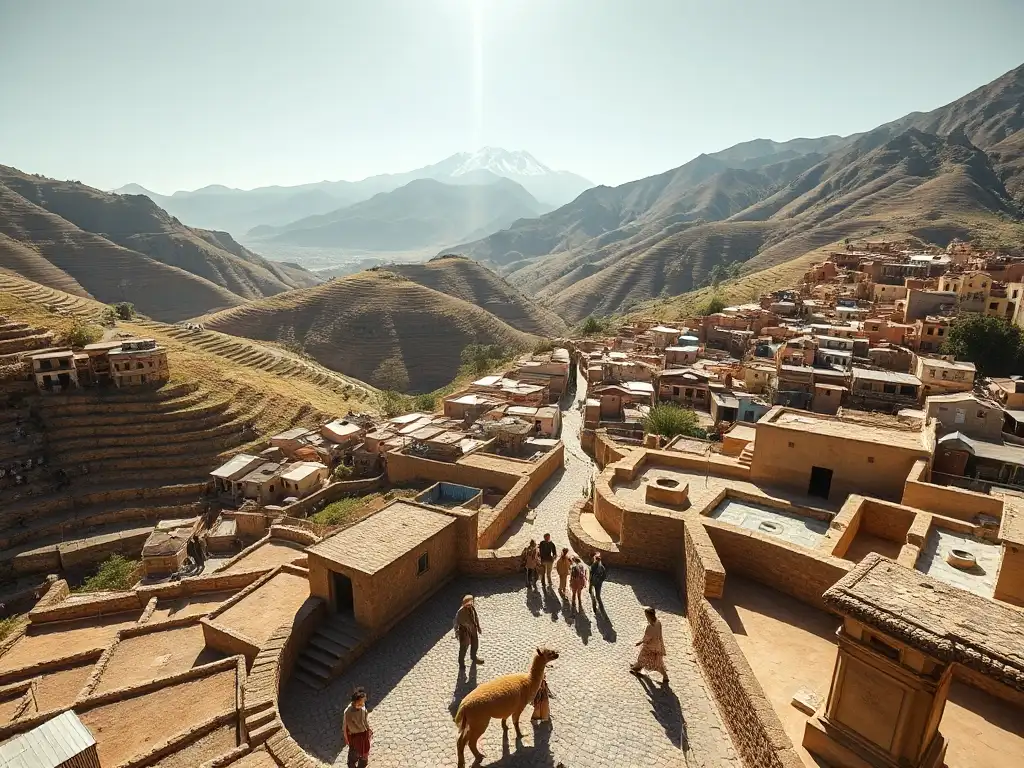
This section delves into the fundamental principles underpinning the urban design of Andean cities, exploring how these principles evolved and influenced the social organization of these remarkable settlements. Understanding the urban planning of Andean civilizations provides crucial insights into their complex societal structures, technological prowess, and worldview. The strategic placement of urban elements, from plazas to residential areas, was not arbitrary; it reflected a deep understanding of cosmology, social hierarchy, and practical needs. The study of Andean city urban planning reveals a sophisticated approach to urban design that continues to fascinate and inspire.
Pre-Inca Urban Planning Traditions: Caral
Long before the Inca Empire, sophisticated urban planning was already evident in the Andean region. Caral, a pre-Inca city located in the Supe Valley of Peru, stands as a testament to this early urban development. Dating back to approximately 2600 BCE, Caral is considered one of the oldest urban centers in the Americas.
Its layout demonstrates a clear understanding of urban design principles, albeit different from later Andean cities. Unlike later Inca cities with their orthogonal grids, Caral’s layout is less structured, featuring a series of interconnected plazas and public buildings arranged around a central ceremonial complex. The absence of defensive structures suggests a relatively peaceful society, focused on religious rituals and economic activities.
Evidence suggests a highly organized society with specialized labor, evidenced by the construction of large-scale public works and the sophisticated management of resources. The city's layout, while less rigidly planned than later examples, showcases a keen awareness of topography and the integration of architecture with the natural environment, a hallmark of Andean urban planning. Further research into Caral's urban organization continues to unveil new insights into the earliest forms of Andean city design.
Inca Urban Planning: Cusco
The Inca Empire, reaching its zenith in the 15th and 16th centuries, is renowned for its impressive urban planning, particularly in the capital city of Cusco. Cusco's urban design stands as a remarkable achievement in Andean city urban planning, demonstrating a sophisticated understanding of engineering, social organization, and symbolic representation. The city's layout is characterized by a complex network of streets arranged in a grid pattern, radiating from the central plaza.
This orthogonal grid system, although not entirely uniform, is a defining feature of Inca urban planning, facilitating efficient movement and control within the city. The Inca's mastery of stonework is evident in the precision and artistry of the city's buildings, many of which were meticulously fitted together without mortar. This meticulous construction reflects not only their impressive technological skills but also their deep respect for the sacred nature of the city.
The integration of sacred sites and administrative centers within the urban fabric underscores the close relationship between religious beliefs and political power. Cusco's urban design exemplifies the Inca's ability to create a functional and symbolically powerful capital that reflected their imperial power and worldview.
Key Elements of Andean City Design: Plazas, Temples, Residential Areas
Andean cities shared several key elements in their design, reflecting common cultural values and practical necessities. Central plazas served as focal points for social, religious, and political life. These plazas were not merely open spaces; they were carefully designed and often incorporated significant structures, such as temples or administrative buildings. The size and location of the plazas varied depending on the city's size and function, but their central role in urban life remained consistent.
Temples, often located prominently within or adjacent to the plazas, served as centers of religious worship and played a crucial role in the social and political organization of Andean societies. Their architectural grandeur and strategic placement reflected the importance of religious beliefs in shaping the urban landscape. Residential areas, often organized around smaller plazas or along the main streets, exhibited a degree of social stratification, with the elite residing in larger, more elaborately constructed houses closer to the central plaza.
The layout of residential areas, while less rigidly planned than the central sections of the city, still exhibited a degree of order and reflected the social hierarchy of Andean society. The careful arrangement of these elements—plazas, temples, and residential areas—created a cohesive and functional urban environment that reflected the complex social and religious life of Andean civilizations. Further research into the specific layout and organization of residential areas is needed to fully understand the nuances of social stratification within Andean cities.
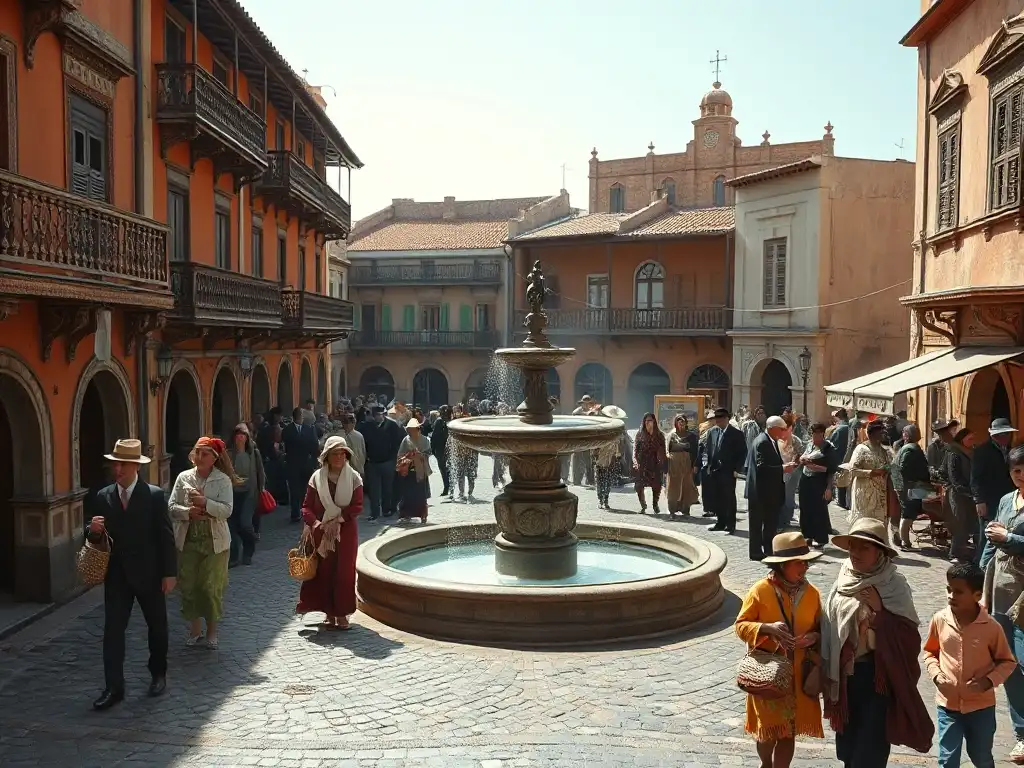
This section delves into the intricate social structures and daily routines that characterized life within the bustling urban centers of the Andes. Understanding the organization of these cities is crucial to appreciating the complexity and sophistication of Andean civilizations. The interplay between social hierarchy, family life, and economic activities shaped the urban landscape and contributed to the unique character of each Andean city. Analyzing these aspects provides valuable insights into the "Andean city urban planning" strategies employed and their impact on daily life.
Andean cities weren't simply haphazard collections of dwellings; they were meticulously planned spaces reflecting a rigid social hierarchy. The elite, often priests, nobles, or high-ranking officials, occupied the most strategically located and architecturally impressive structures. These residences, frequently situated on elevated ground or near ceremonial centers, boasted superior construction quality and access to resources. Think of the impressive palaces found at Chan Chan (Chimor culture) or the intricate residential complexes at Cusco (Inca empire). These locations underscored their privileged status within the urban fabric.
Commoners, the vast majority of the population, lived in smaller, more modestly constructed houses, often clustered together in neighborhoods. The layout of these neighborhoods, sometimes organized around communal spaces or workshops, suggests a degree of social cohesion within these groups. Archaeological evidence reveals variations in housing quality even within commoner neighborhoods, hinting at subtle economic or social distinctions.
Specialized laborers, essential to the functioning of the urban centers, occupied specific areas. Potters, weavers, metalworkers, and stonemasons likely lived near their workshops, contributing to the specialized character of different urban zones. The organization of these craftspeople might have been overseen by guilds or other forms of collective organization, although the specifics of such systems are still under investigation. The presence of specialized workshops and their spatial distribution within the city provide crucial evidence for understanding the complex economic and social dynamics of Andean urban life.
Family Life and Housing in Andean Cities
Family life was central to Andean society, and this is reflected in the design and organization of urban housing. While the exact structure of Andean families varied across different cultures and time periods, archaeological evidence suggests a strong emphasis on kinship networks. Houses were often multi-generational, accommodating extended families under a single roof. The size and layout of dwellings varied according to social status and family size. Larger, more elaborate houses were associated with elites, while commoner dwellings tended to be smaller and more basic.
Evidence from Archaeological Excavations
Archaeological excavations have unearthed numerous examples of family dwellings, providing valuable insights into daily life. The arrangement of rooms, the presence of hearths, storage areas, and tools all contribute to our understanding of family structures and domestic routines. For example, the discovery of multiple hearths in a single dwelling suggests communal cooking and shared living spaces.
The arrangement of domestic spaces suggests a clear division of labor within the household, with distinct areas dedicated to specific activities such as cooking, weaving, and toolmaking. While the roles of men and women varied, evidence indicates a significant contribution of women to household economies through weaving and agricultural activities.
Economic Activities in Andean Urban Environments: Agriculture, Trade, Weaving
Andean cities were not isolated entities; they were deeply integrated into regional and even wider economic networks. Agriculture, while practiced outside the city walls, was crucial to sustaining urban populations. Efficient agricultural systems, including terracing and irrigation, were vital for producing the surplus needed to feed the urban dwellers and support specialized labor. The presence of storage facilities within cities suggests careful management of agricultural products.
Trade played a significant role in the Andean urban economy. Cities served as centers for the exchange of goods, connecting rural producers with urban consumers. The exchange of goods was not limited to local products; long-distance trade networks facilitated the movement of exotic materials and luxury items across the Andean region. Evidence suggests the presence of specialized marketplaces within cities, where goods were exchanged and transactions took place.
Weaving was a prominent economic activity, with textiles playing a crucial role in Andean societies. The production of textiles, from the cultivation of cotton and other fibers to the creation of intricate woven fabrics, was a complex process involving specialized labor and extensive trade networks. The importance of textiles is underscored by their presence in archaeological contexts, as well as their use in ritual and ceremonial practices. The urban centers served as hubs for textile production and distribution, contributing significantly to the Andean economy.
Daily Routines and Cultural Practices in Andean Cities
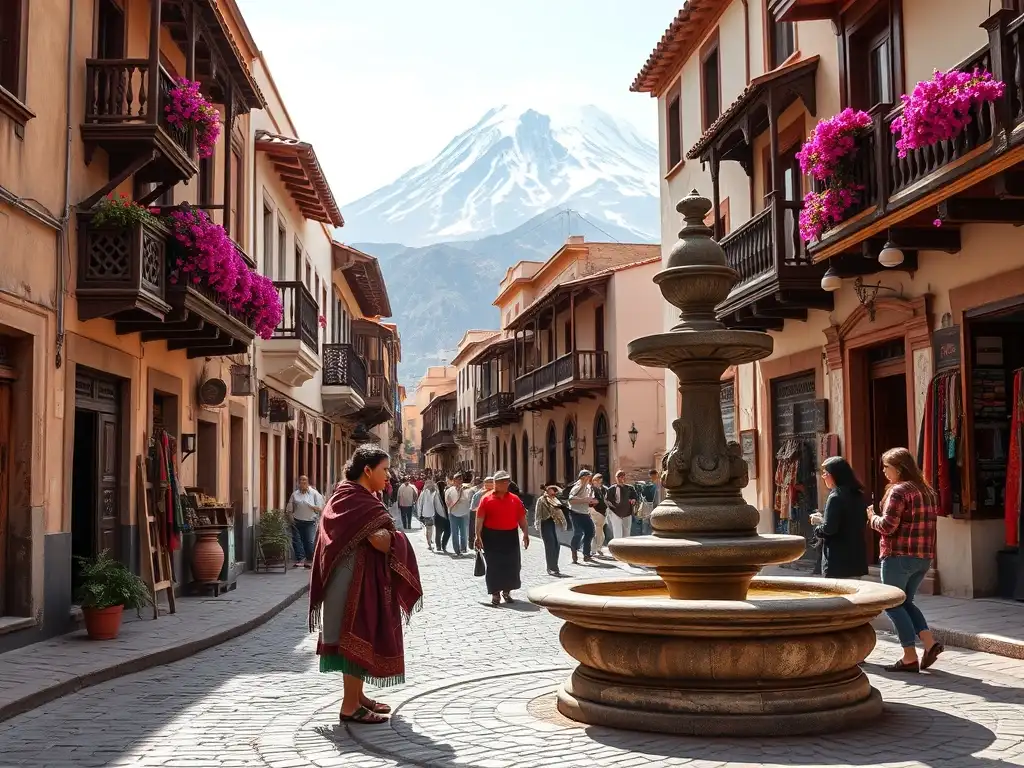
Daily life in an Andean city was intricately woven with religious beliefs, social structures, and practical necessities. Unlike modern urban centers, the rhythm of life was dictated not only by the demands of work but also by the cyclical nature of agricultural activities and the demands of the religious calendar. The concept of time itself was likely more fluid, less rigidly structured by clocks and schedules than in contemporary society.
Instead, the daily routine would have been largely dictated by the sun's position, the phases of the moon, and the agricultural calendar. This organic approach to time management is crucial to understanding the pace and structure of daily life in these remarkable urban environments. Understanding this is key to appreciating the complexities of Andean city urban planning.
Religious Practices and Ceremonies in Urban Settings
Religious practices were deeply embedded in the fabric of daily life in Andean cities. Temples and sacred spaces were not isolated entities but were often integrated into the urban layout. For example, the city of Cusco, the Inca capital, was meticulously planned around religious sites, with major temples and shrines occupying prominent positions within the urban landscape. Daily routines often involved individual acts of devotion, such as offerings of coca leaves or prayers to the sun god Inti.
Larger religious ceremonies, however, transformed the urban landscape. Processions, often involving large numbers of people and elaborate costumes, would have moved through the city's streets, bringing the entire community together in collective worship. These events were not simply religious observances; they were also crucial social occasions, reinforcing social bonds and reaffirming community identity. The frequency and scale of these ceremonies varied based on the agricultural cycle and the specific deities being honored.
Data from archaeological excavations suggests that certain temples were associated with specific agricultural cycles, indicating a strong connection between religious practices and the rhythms of Andean agriculture. The precise nature of many rituals remains a subject of ongoing research, but the evidence clearly demonstrates their central role in daily life. The impact of these practices on Andean city urban planning is undeniable, shaping the layout and the very soul of the city.
Public spaces played a vital role in the social life of Andean cities. Plazas, markets, and other open areas served as focal points for social interaction, commerce, and political activity. The layout of the city often prioritized these public spaces, ensuring their accessibility to all members of the community. Markets were not merely places for exchange; they were vibrant social hubs where people gathered to exchange news, gossip, and goods.
The intricate system of ayllus (kinship groups) meant that social interactions were often structured around family and community ties. Public gatherings would have provided opportunities for reinforcing these social bonds. Archaeological evidence, such as the remains of large plazas and the distribution of residential structures, suggests a strong emphasis on community interaction and collective activities.
The social life of an Andean city was a dynamic interplay between individual routines and collective engagements, with public spaces serving as the stage for this complex social drama. These spaces were not just functional but also symbolic, representing the communal nature of Andean society and its relationship with the surrounding environment. This social aspect is deeply intertwined with Andean city urban planning strategies.
Festive Celebrations and Rituals in Andean Cities
Festive celebrations and rituals were integral aspects of life in Andean cities, marking significant events in the agricultural cycle, religious calendar, and the lives of individuals and communities. These events often involved elaborate preparations, including the creation of special costumes, the brewing of chicha (a fermented corn beverage), and the organization of processions and performances. The festivities were not only joyous occasions but also served important social and political functions. They provided opportunities for reaffirming community bonds, displaying social status, and reinforcing the authority of rulers.
Archaeological evidence suggests that the scale and complexity of these celebrations varied according to the importance of the event and the resources available to the community. For example, the capacocha (child sacrifice) ceremonies, while undeniably tragic, were also elaborate state rituals that involved significant investment of resources and manpower. Smaller-scale festivals, centered around local deities or agricultural cycles, were also common, reflecting the diverse religious and social landscape of Andean cities.
These celebrations were deeply woven into the fabric of daily life, influencing the urban design and the very rhythm of the city. The careful planning and organization of these events highlight the sophistication of Andean city urban planning and its connection to the social and spiritual lives of its inhabitants. 🎉
Infrastructure and Technology in Andean Urban Planning
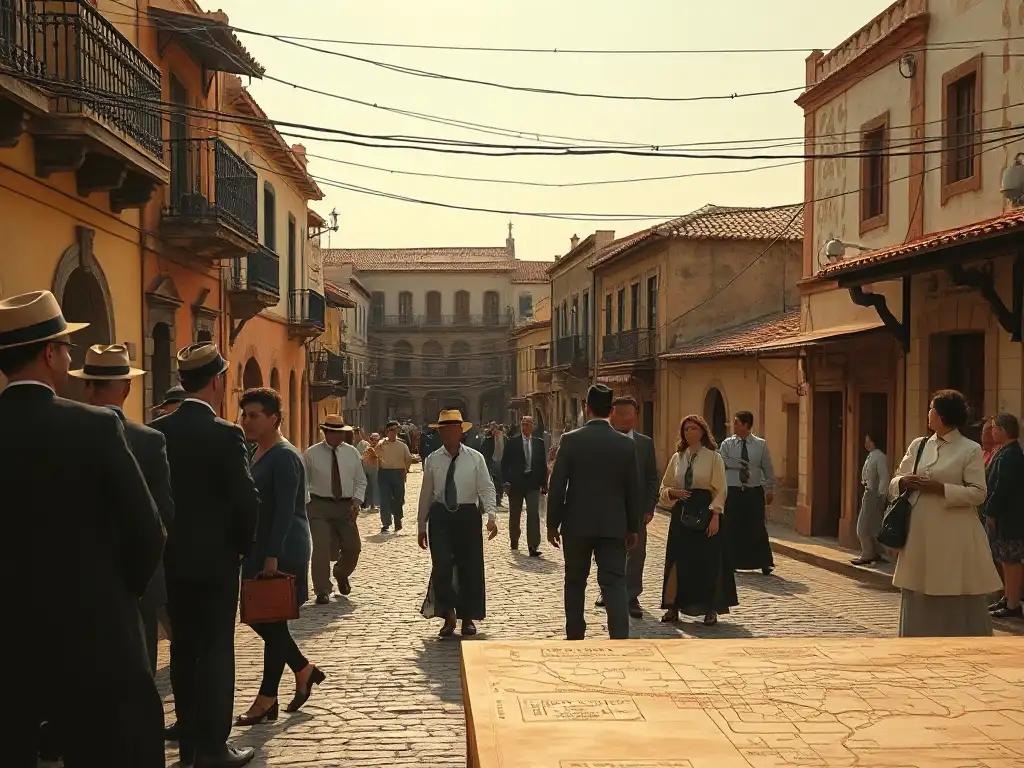
This section delves into the impressive infrastructure and technological advancements that shaped Andean city urban planning, showcasing the ingenuity and sophistication of these ancient societies. Understanding their urban design requires appreciating their mastery of resource management and construction techniques, which allowed them to create thriving and resilient urban centers. The integration of these elements demonstrates a clear understanding of urban planning principles far ahead of their time. The keyword "Andean city urban planning" is intrinsically linked to these achievements.
Water Management Systems in Andean Cities: Aqueducts, Canals
Water management was paramount in Andean city urban planning. The arid and semi-arid climates of the Andes necessitated sophisticated systems to ensure a reliable water supply for drinking, agriculture, and sanitation. Cities like Cusco and Cajamarca are prime examples of this expertise. Their systems weren't simply rudimentary channels; they were complex networks of aqueducts and canals, often carved into rock faces or constructed with carefully fitted stone.
These systems displayed remarkable engineering feats. Aqueducts, sometimes running for kilometers, transported water from distant sources to urban centers, utilizing gravity and ingenious techniques to overcome changes in elevation. Canals, meanwhile, distributed water within the cities, irrigating agricultural plots integrated within the urban fabric and supplying public fountains and baths. Evidence suggests the use of sophisticated filtration techniques, though the specifics remain a topic of ongoing research.
The meticulous planning and execution of these water systems underline the importance of resource management in Andean city urban planning. The efficient distribution of water was crucial for the growth and sustainability of these urban centers. Furthermore, the durability of these systems, some remnants of which survive to this day, testifies to the quality of the materials and construction methods employed.
Road Networks and Transportation in Urban Areas
Beyond water management, efficient transportation networks were essential for Andean city urban planning. The Incas, in particular, are renowned for their extensive road systems, known as the Qhapaq Ñan. These weren't mere trails; they were carefully engineered highways that connected the vast Inca Empire, facilitating trade, communication, and military movements. Within urban areas, these roads were integrated with the overall city layout, often forming a grid pattern, providing access to different neighborhoods and public spaces.
The construction of these roads involved significant engineering challenges, particularly in the mountainous terrain. Stone paving, bridges, and retaining walls were skillfully constructed to create durable and accessible pathways, even in difficult conditions. The roads were strategically placed to facilitate trade, linking urban centers to agricultural regions and resource-rich areas. This efficient transportation network was a key factor in the economic prosperity and social stability of Andean cities, making it a crucial aspect of Andean city urban planning. The scale and sophistication of the Inca road system is a testament to their advanced understanding of logistics and infrastructure.
Construction Techniques and Materials Used in Andean City Buildings
The impressive architecture of Andean cities is a direct result of advanced construction techniques and the skillful use of available materials. The most common building material was stone, meticulously cut and fitted together without mortar, demonstrating a remarkable level of precision and craftsmanship. This "dry-stone masonry" technique, characteristic of Andean architecture, created structures that were both aesthetically pleasing and incredibly durable. The precise fitting of stones minimized the need for binding agents, resulting in structures that have withstood the test of time.
Different regions utilized variations of this technique, reflecting regional adaptations and local expertise. The use of different stone types, colors, and textures also contributed to the unique architectural character of different Andean cities. Beyond stone, other materials like adobe bricks (sun-dried mud bricks) and wood were also used, especially for less demanding structures.
The choice of materials and construction methods was carefully considered, taking into account factors like availability, durability, and aesthetic appeal. The integration of these factors showcases a sophisticated understanding of construction practices within the context of Andean city urban planning. The precision and durability of these structures are a testament to the advanced knowledge and expertise of Andean builders.
The Legacy of Andean Urban Planning
The remarkable urban planning of Andean civilizations, particularly the Inca, continues to fascinate and inspire. Their sophisticated understanding of topography, resource management, and social organization is evident in the remarkably well-preserved ruins scattered throughout the Andes. This wasn't simply haphazard settlement; it was a carefully considered system reflecting a deep connection between the people and their environment.
The legacy of this sophisticated approach to urban planning is still felt today, influencing modern urban design and offering valuable lessons for sustainable development. Understanding the intricacies of Andean cities provides a unique perspective on how ancient societies addressed challenges of urban growth, resource allocation, and social cohesion, issues that remain highly relevant in the 21st century.
The ingenuity of their solutions, developed centuries ago without modern technology, is a testament to human adaptability and problem-solving skills. Analyzing the Andean city urban planning reveals a complex interplay of practical needs and symbolic representation, creating cities that were both functional and imbued with deep cultural meaning.
Influence of Andean Urban Design on Modern Cities
Andean urban design principles, though developed in a vastly different context, resonate with contemporary urban planning challenges. The Inca's use of terraces to adapt to mountainous terrain, for example, finds echoes in modern hillside developments that incorporate similar techniques to maximize space and minimize environmental impact.
Their emphasis on creating interconnected pathways, mirroring the ceques system of sacred lines radiating from Cusco, highlights the importance of efficient and accessible transportation networks in modern city planning. The Inca's focus on creating a centralized, yet decentralized, urban structure, with smaller settlements connected to major cities via a sophisticated road network, influenced modern concepts of regional planning and resource distribution.
Furthermore, the Inca’s understanding of water management, with their intricate systems of canals and aqueducts, provides valuable insights into sustainable water resource management in today's increasingly water-stressed world. Modern cities can learn from their efficient and resilient water infrastructure, which minimized water waste and ensured equitable distribution.
The careful integration of urban spaces with the natural environment, a hallmark of Andean urban design, is also gaining traction in modern sustainable urban planning, emphasizing green spaces, biodiversity, and reduced carbon footprints. The concept of creating cities that are both functional and aesthetically pleasing, reflecting the cultural values and identity of their inhabitants, also mirrors current trends in urban design prioritizing community engagement and place-making.
Preservation of Andean Urban Heritage Sites
Preserving the remaining Andean urban heritage sites is crucial for understanding and appreciating the achievements of these ancient civilizations. Many sites, such as Machu Picchu and Ollantaytambo, face significant challenges from factors like tourism, climate change, and erosion. Effective preservation strategies require a multi-faceted approach involving careful monitoring, sustainable tourism management, and community engagement.
This includes implementing strict regulations to control visitor numbers and minimize environmental impact. Moreover, it necessitates investing in research and conservation efforts to protect these invaluable sites from deterioration. The development of sustainable tourism strategies is paramount, ensuring that economic benefits from tourism are reinvested in the preservation of these sites and the well-being of the local communities.
This also involves educating the public about the significance of these sites and promoting responsible tourism practices. Failure to act decisively could result in the irreversible loss of these irreplaceable pieces of history, erasing a crucial chapter in the understanding of Andean city urban planning.
Lessons from Andean Urban Planning for Sustainable Development
Andean urban planning offers invaluable lessons for achieving sustainable development in modern cities. Their innovative solutions to challenges such as resource management, efficient transportation, and social cohesion can inform contemporary approaches to urban planning. The Inca’s emphasis on using locally sourced materials and minimizing environmental impact, their understanding of water conservation, and their focus on creating resilient and adaptable urban systems are particularly relevant in the face of climate change and resource scarcity.
The concept of a centralized, yet decentralized, urban structure, with smaller settlements integrated into a larger network, provides a model for more equitable and resilient urban development. This approach helps to distribute resources and opportunities more evenly, minimizing overcrowding in major urban centers. The emphasis on creating walkable and bikeable cities, with well-defined pathways and public spaces, reduces reliance on private vehicles and minimizes carbon emissions.
By studying and applying these principles, modern cities can create more sustainable, resilient, and equitable urban environments that are better equipped to address the challenges of the 21st century. The Andean legacy serves as a powerful reminder that sustainable urban development is not a new concept but a long-standing tradition that can guide us towards a more responsible and ecologically conscious future.
Frequently Asked Questions
What role did urban planning play in Andean city life?
Andean cities weren't haphazard; they featured meticulous urban planning. Sophisticated irrigation systems, precisely aligned streets, and carefully placed buildings reflected advanced societal organization and engineering skills. This planning supported the complex social structures of these civilizations.
How did the Incas influence Andean city design?
The Inca Empire standardized many aspects of urban planning across its vast territory. Their cities showed a strong emphasis on centralized planning, with clearly defined administrative zones and extensive infrastructure, such as roads and storage facilities. This facilitated control and resource management.
What were some common features of Andean city layouts?
Many Andean cities shared common characteristics, including a central plaza serving as a social and religious hub. They also often featured distinct residential areas, temples or religious structures, and agricultural zones integrated into the urban fabric. These features reflected a close relationship between urban and rural life.
The layout of Andean cities often reflected the social stratification within the society. Elite residences typically occupied prime locations near the central plaza, while those of lower social standing were located further out. This spatial arrangement visually represented the power structure.
What materials were commonly used in Andean city construction?
Andean cities utilized readily available materials. Stone was a dominant building material, demonstrating advanced masonry techniques. Adobe bricks and wood were also employed, depending on the region and available resources. The choice of materials reflects both technological skill and environmental adaptation.
Final Reflection: Weaving the Threads of Andean Urban Life
The intricate tapestry of Andean city life, as explored in this article, remains profoundly relevant today. Understanding the historical interplay between urban planning and social organization in Andean cities offers crucial insights into the challenges and successes of sustainable urban development in the 21st century. The lessons learned from centuries of adaptation and innovation in these unique environments provide valuable models for addressing contemporary issues of inequality, resource management, and community resilience.
The enduring legacy of Andean urban planning continues to shape the cultural and social landscape, influencing everything from architectural styles to community governance. The ingenious integration of nature and built environments, often overlooked in modern urban design, offers a powerful counterpoint to the unsustainable practices of many contemporary cities. The city is not merely a collection of buildings, but a living organism, constantly evolving and adapting to its environment.
This sentiment, though not explicitly Andean, perfectly captures the dynamic relationship between urban planning and social life that has characterized Andean cities for centuries. The resilience and adaptability of these communities, despite facing immense challenges, serves as a powerful testament to the human spirit and the importance of community-driven development.
Consider the intricate balance between tradition and modernity that defines these cities. How can we, as individuals and as a global community, learn from the wisdom embedded in centuries of Andean urban planning? Embrace the opportunity to explore the principles of sustainable urban development, recognizing the importance of community engagement and the harmonious integration of nature and built environments. Let the enduring legacy of Andean cities inspire you to build a more just, equitable, and sustainable future for all.
Unleash Your Curiosity: Explore the Andean Experience!
Thank you for exploring the fascinating world of daily life in an Andean city! You've discovered how urban planning and social organization shape vibrant communities. Now, let's delve deeper into this rich culture.
Here are some ways to continue your exploration:
- Connect with others: Join a local group focused on Andean studies to share insights and learn from like-minded individuals.
- Experience the culture firsthand: Visit a museum showcasing Andean art and traditions, or attend a cultural event in your area.
- Share your passion: Discuss Andean urban planning on social media – share your thoughts and tag us!
What aspect of Andean life captivates you most, and how will you inspire others to learn more?