
The Inca Calendar and Its Connection to Religious Festivals

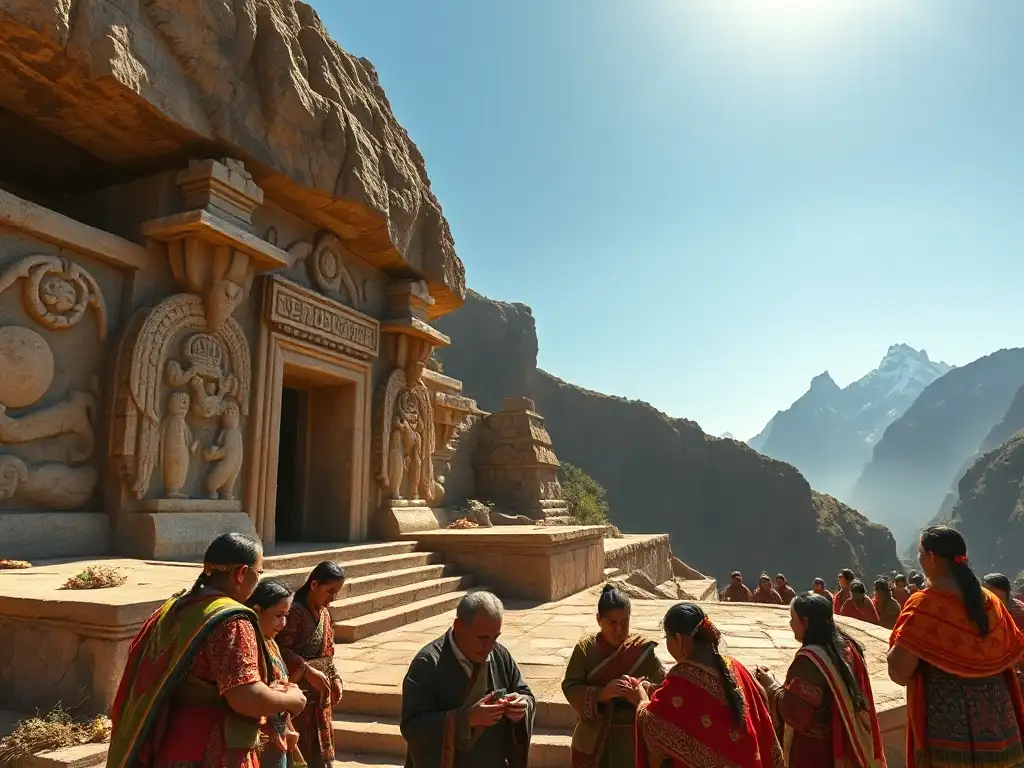
Dive into the enigmatic world of the Andes! Prepare to unravel the mysteries surrounding the remarkable achievements of ancient Andean civilizations, from the towering Incas to the enigmatic Nazca. But first, consider this: what secrets did the Inca calendar hold, and how did its intricate system shape their vibrant religious festivals? Journey with us to discover the fascinating connection between time, ritual, and the enduring legacy of the Inca Empire.
- The Inca Calendar: A Deep Dive into Timekeeping and Religious Observances
- The Inca Calendar System: A Lunisolar Approach
- Key Components of the Inca Calendar
- Inca Religious Festivals: Marking the Sacred Cycle of Time
- The Interplay Between the Inca Calendar and Agricultural Practices
- The Inca Calendar's Impact on Social and Religious Life
- The Inca Calendar in Modern Understanding
- Frequently Asked Questions
- Final Reflection: Echoes of the Sun: The Inca Calendar's Enduring Legacy
- Embrace the Rhythms of Time: Connect with the Inca Spirit!
The Inca Calendar: A Deep Dive into Timekeeping and Religious Observances
The Inca Empire, renowned for its sophisticated engineering and intricate social structures, also possessed a remarkably complex and nuanced system of timekeeping deeply intertwined with its religious beliefs and practices. Unlike the linear calendars of many other cultures, the Inca calendar was intricately linked to the agricultural cycle, the movements of celestial bodies, and the cyclical nature of life, death, and rebirth. This article delves into the intricacies of the Inca calendar, exploring its structure, its connection to religious festivals, and the profound impact it had on the daily lives and spiritual understanding of the Inca people.
We will uncover how the precise observation of the sun, moon, and stars shaped their agricultural practices, dictated their religious ceremonies, and ultimately, defined their worldview. Understanding the Inca calendar provides invaluable insight into the heart of Inca civilization and its enduring legacy.
This exploration of the Inca calendar and its religious festivals will reveal a sophisticated system reflecting a deep connection between the cosmos and human life. The keyword "Inca calendar religious festivals" is central to understanding this fascinating aspect of Andean culture.
Understanding the Andean Worldview and Time Perception
The Inca worldview was profoundly shaped by their understanding of the cyclical nature of time. Unlike Western linear conceptions of time, the Inca perceived time as a continuous flow, a cycle of birth, death, and rebirth, mirroring the natural rhythms of the Andes. This cyclical perception is reflected in their agricultural practices, deeply connected to the seasonal changes and the celestial movements observed by their priests, the amautas.
The amautas were not only astronomers but also deeply versed in religious lore, holding a position of immense social and spiritual authority. They meticulously tracked the movements of the sun, moon, and stars, using their observations to predict agricultural seasons and to determine the auspicious dates for religious festivals. Their understanding of the cosmos permeated every aspect of Inca life, influencing not only religious practices but also agricultural planning, social organization, and even political decisions.
This intricate relationship between the celestial and the terrestrial is key to understanding the significance of the Inca calendar and its profound influence on Inca society. The calendar wasn't simply a tool for tracking time; it was a sacred instrument that connected the Inca people to the spiritual realm and the cyclical forces of nature. Their deep understanding of these cycles allowed for a harmonious coexistence with the environment, a crucial element for their survival in the challenging Andean landscape.
The Inca Calendar System: A Lunisolar Approach
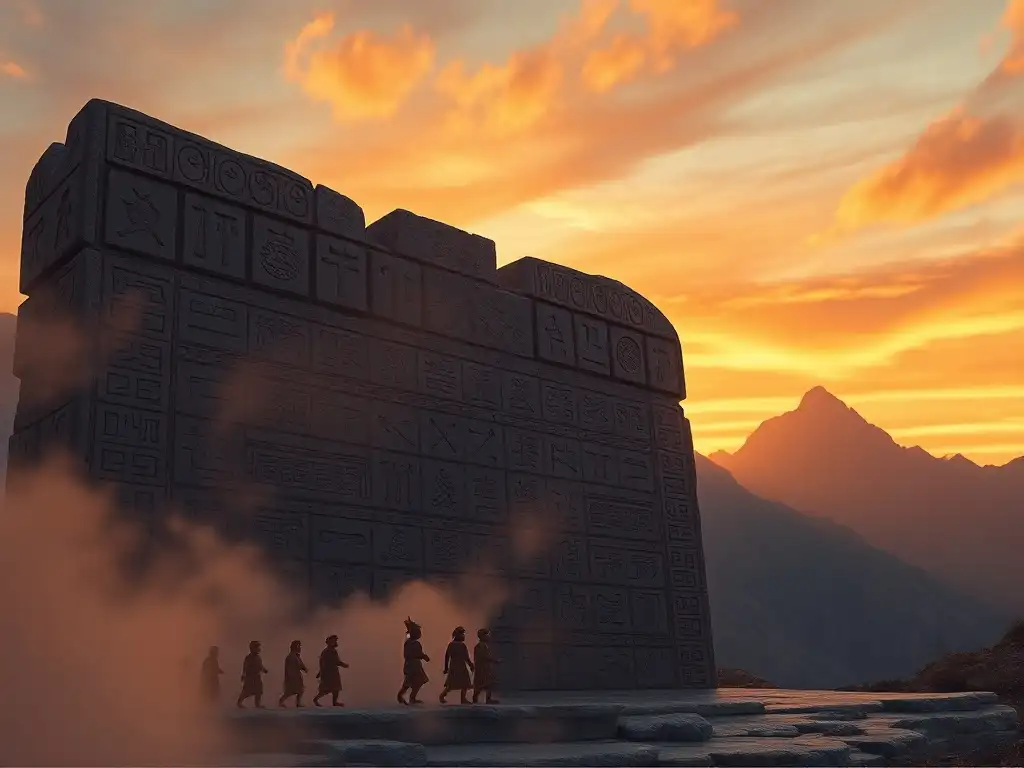
The Inca calendar, unlike many solely solar calendars, was a sophisticated lunisolar system. This means it incorporated both the cycles of the sun and the moon to track time, deeply intertwining their observations with their agricultural practices and religious festivals. Unlike written records left by other ancient civilizations, the Inca didn't utilize a written language to document their calendar.
Instead, their knowledge was passed down through generations orally, via quipus (complex knotted strings used for record-keeping), and through meticulous observation of celestial events. This oral tradition, coupled with the practical application of their calendar, ensured its accuracy and longevity. The Inca calendar wasn't simply a method of timekeeping; it served as a vital tool for predicting seasons, organizing labor, and planning their extensive religious ceremonies, showcasing a profound understanding of astronomy and its influence on their lives.
The intricate relationship between the Inca calendar and their religious festivals underscores the central role of religious beliefs in their societal structure and daily existence. Understanding this connection provides crucial insights into the Inca worldview and their sophisticated societal organization.
The Inca Lunar Calendar: Tracking the Moon's Cycles
The Inca lunar calendar was crucial for tracking the lunar phases, a cycle of approximately 29.5 days. While the precise methods of lunar observation remain debated among scholars, evidence suggests they used sophisticated techniques to accurately monitor the moon's movements. These observations were not merely astronomical exercises; they were directly tied to agricultural cycles and religious rituals.
The phases of the moon were believed to influence the growth of crops, and specific ceremonies were performed during particular lunar phases to ensure successful harvests. For example, planting and harvesting were often timed to coincide with specific lunar phases believed to be auspicious for agricultural success. Furthermore, certain religious festivals were directly linked to the full moon, a time of heightened spiritual significance within their cosmology.
The importance of the moon in their calendar highlights the close relationship between the Inca’s practical needs and their deeply held spiritual beliefs, demonstrating a holistic worldview where the celestial and terrestrial realms were inextricably linked. Further research into specific Inca sites and archaeological findings could potentially reveal more precise details about their lunar observation techniques and their integration into their religious calendar.
The Solar Calendar and its Significance in Inca Agriculture
The Inca solar calendar, based on the solar year (approximately 365 days), was fundamental for regulating agricultural practices. This calendar tracked the solstices and equinoxes, marking the changing seasons and providing crucial information for planting and harvesting. The precise alignment of agricultural activities with the solar year was essential for the Inca's survival, given their reliance on agriculture.
Evidence suggests they employed a sophisticated understanding of solar cycles, possibly using gnomons or other instruments to accurately track the sun's movements. The * Inti Raymi* festival, celebrating the winter solstice, is a prime example of how the solar calendar dictated major religious celebrations. This festival, dedicated to the sun god Inti, involved elaborate ceremonies and sacrifices, underscoring the sun's pivotal role in Inca religion and agriculture.
The meticulous integration of the solar calendar into agricultural practices demonstrates the Inca's deep understanding of environmental factors and their remarkable capacity to adapt their agricultural strategies to the annual solar cycles. Detailed records of crop yields and planting schedules, if recovered, would further illuminate the precise methods used to integrate the solar calendar into their agricultural practices.
Combining Lunar and Solar Cycles for a Comprehensive Time System
The Inca cleverly combined their lunar and solar calendars to create a comprehensive time-keeping system. This integrated approach allowed them to predict both short-term (lunar) and long-term (solar) cycles, contributing to the accurate planning of agricultural activities and religious festivals. The precise method of synchronizing these two cycles remains a subject of ongoing research, but it's evident that the Inca possessed a remarkable understanding of celestial mechanics.
The interweaving of lunar and solar cycles showcases their advanced astronomical knowledge and their ability to integrate practical and religious aspects of their lives. The integration of these cycles wasn't merely a matter of convenience; it reflected their holistic worldview, where the celestial and earthly realms were interconnected and influenced one another. Further research into the Inca's astronomical observations and their integration into their calendar could provide more details on the precise synchronization methods they employed and the potential impact of any discrepancies between the observed and calculated cycles.
The complexity of this system underscores the sophistication of the Inca civilization and its profound understanding of the cosmos. The Inca calendar, therefore, stands as a testament to their advanced astronomical knowledge and its deep integration with their religious beliefs and agricultural practices, strengthening the connection between "Inca calendar religious festivals."
Key Components of the Inca Calendar
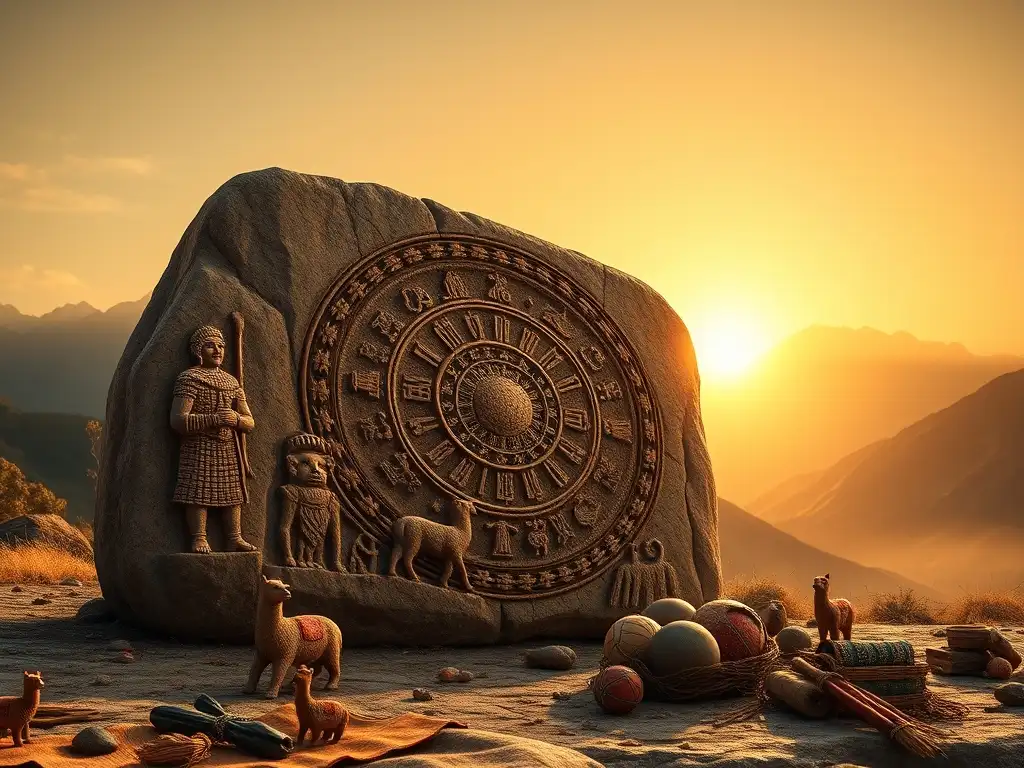
The Inca calendar, a sophisticated system deeply intertwined with their religious beliefs and agricultural practices, wasn't based on a single, fixed structure like the Gregorian calendar we use today. Instead, it was a complex interplay of astronomical observations, agricultural cycles, and ritualistic practices. Understanding the Inca calendar requires appreciating its multifaceted nature, recognizing its reliance on both solar and lunar cycles, and its close connection to the Inca worldview.
This intricate system allowed the Inca to accurately predict seasonal changes, plan agricultural activities, and time their numerous religious festivals with remarkable precision. The Inca calendar's influence permeated all aspects of Inca life, from the planting and harvesting of crops to the elaborate ceremonies honoring their deities.
Its study offers a fascinating glimpse into the advanced knowledge and sophisticated societal organization of this remarkable civilization. The keyword "Inca calendar religious festivals" is intrinsically linked to the calendar's function as a guide for religious observances.
The Intihuatana: A Solar Clock and Ritual Stone
The Intihuatana, meaning "place where the sun is tied," is a quintessential symbol of Inca astronomy and religious practices. These monumental stones, found at various Inca sites like Machu Picchu and Sacsayhuamán, were not merely sophisticated solar clocks. They served as crucial focal points for religious ceremonies, particularly those linked to the solstices and equinoxes.
Their precise alignment with the sun's path allowed the Inca priests to accurately determine the solstices and equinoxes, crucial dates for agricultural planning and religious festivals. The Intihuatana's design, often incorporating intricate carvings and alignments, suggests a deep understanding of astronomy and a profound connection between the celestial bodies and the earthly realm. The precise methods employed by the Inca in constructing and using these stones are still being researched, highlighting the complexity and sophistication of their astronomical knowledge.
The Intihuatana's role as both an astronomical instrument and a sacred ritual object underscores the inseparable link between Inca science and religion. The intricate carvings and alignments found on these stones are evidence of the Inca's advanced astronomical knowledge and its importance in their religious practices. The precise positioning of these stones allowed the Inca priests to accurately track the sun's movements and predict seasonal changes, crucial information for both agricultural planning and the timing of religious festivals.
The Importance of Observing Solstices and Equinoxes
The solstices (winter and summer) and equinoxes (spring and autumn) held paramount importance within the Inca calendar and religious framework. These celestial events marked significant turning points in the agricultural cycle and were celebrated with elaborate ceremonies and festivals. The winter solstice, for example, was associated with the rebirth of the sun and was a time of renewal and hope. The summer solstice, conversely, represented the height of the sun's power and was celebrated with feasts and offerings.
Equinoxes, marking the balance between day and night, were also significant occasions for religious rituals and agricultural preparations. Detailed records, while scarce due to the destruction of Inca texts after the Spanish conquest, suggest that these events were meticulously observed and celebrated. The Inca priests, skilled astronomers, meticulously tracked the sun's movements to determine the exact dates of these celestial events.
This precise knowledge was vital for predicting agricultural cycles and planning the timing of religious festivals to ensure the prosperity and well-being of the Inca empire. The meticulous observation of solstices and equinoxes illustrates the depth of the Inca's astronomical understanding and its crucial role in their religious and agricultural practices. The timing of these festivals, directly correlated to the solstices and equinoxes, underscores the profound link between the Inca calendar and their religious beliefs.
Months and Seasons in the Inca Calendar
While a precise, universally accepted structure for Inca months remains debated among scholars, evidence suggests a lunar-solar calendar comprised of approximately 12 lunar months. Each month was likely associated with specific agricultural activities and religious festivals. The Inca calendar wasn't a rigid structure; its flexibility allowed for adjustments based on local variations in climate and agricultural cycles. This adaptability ensured its practicality across the vast and diverse Inca empire.
The Inca year was divided into seasons, each with its own importance in terms of agricultural activities and religious observances. The rainy season, crucial for agriculture, was a time of intense activity, while the dry season allowed for harvesting and other important tasks. These seasonal variations influenced the timing and nature of the religious festivals, demonstrating the close relationship between the calendar and the Inca's way of life. The lack of extensive written records means some aspects of the Inca calendar remain uncertain, but ongoing research continues to shed light on this fascinating system.
The intricate relationship between the months, seasons, and religious festivals within the Inca calendar reveals the sophistication and practicality of their timekeeping system. The integration of agricultural practices and religious observances highlights the deeply interconnected nature of Inca society. Further research is needed to fully understand the nuances of the Inca's monthly and seasonal divisions and their connections to religious observances. The ongoing archaeological discoveries and scholarly research continuously refine our understanding of this complex and fascinating aspect of Inca culture.
Inca Religious Festivals: Marking the Sacred Cycle of Time
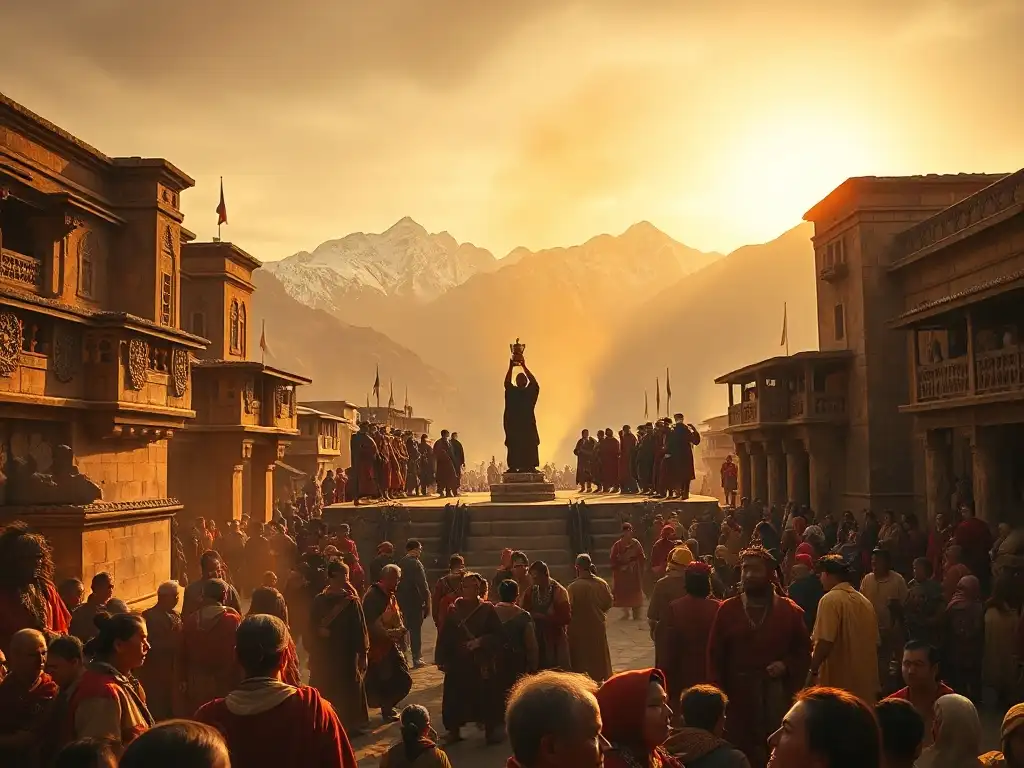
The Inca calendar, a sophisticated system deeply intertwined with agriculture and astronomy, dictated not only the agricultural cycle but also the timing of numerous religious festivals. These festivals, vibrant expressions of Inca faith, served as crucial links between the earthly realm and the divine, reinforcing the Inca worldview and strengthening community bonds. Understanding the Inca calendar is impossible without exploring the significance of these meticulously planned celebrations.
The precise dates of these festivals varied slightly depending on location and specific astronomical observations, but their overall timing remained consistent within the agricultural year. The Inca calendar religious festivals were integral to the empire's social and spiritual fabric.
Inti Raymi: The Festival of the Sun
Inti Raymi, meaning "Festival of the Sun," was arguably the most important festival in the Inca calendar. Celebrated at the solstice in June, it marked the beginning of the new year and paid homage to Inti, the sun god, the supreme deity in the Inca pantheon. The festival was a grand spectacle lasting for several days, involving elaborate processions, sacrifices (often of llamas), and feasts. The Sapa Inca, the emperor, played a central role, performing sacred rituals and making offerings to ensure a bountiful harvest and the continued favor of the sun god.
The festivities began with sunrise ceremonies at the Coricancha (Temple of the Sun) in Cusco, the capital. Priests, adorned in elaborate headdresses and robes, performed intricate rituals involving chanting, music, and the burning of incense. The Sapa Inca, accompanied by nobles and commoners, would then participate in a grand procession, carrying offerings to the sacred sites surrounding Cusco.
These processions were accompanied by music, dancing, and theatrical performances, demonstrating the power and glory of the Inca empire and its connection to the divine. The magnitude of the event underscores the importance of the sun god and the Inca's reliance on the sun for their agricultural success. ☀️
The rituals involved complex astronomical observations, ensuring the precise timing of the festival. This precision highlights the sophisticated understanding of astronomy possessed by the Inca priests, who acted as intermediaries between the gods and the people. The festival served as a powerful reminder of the Inca's dependence on the natural world and the importance of maintaining a harmonious relationship with the divine. The sheer scale of Inti Raymi, attracting participants from across the empire, solidified social cohesion and reinforced the authority of the Sapa Inca.
Cápac Raymi: The Festival of the Noble Sun
While Inti Raymi celebrated the sun's power, Cápac Raymi, the "Festival of the Noble Sun," held a different significance. This festival, occurring in December, celebrated the harvest and marked the end of the agricultural cycle. It was a time of thanksgiving, recognizing the abundance provided by Inti and the successful completion of the agricultural year. Unlike the more formal and structured Inti Raymi, Cápac Raymi often involved more community-based celebrations, with local festivities and smaller-scale rituals taking place across the empire.
Although less grand than Inti Raymi in its overall scale, Cápac Raymi was no less important to the Inca people. It was a time for community bonding, feasting, and expressing gratitude for the blessings received. The focus shifted from the formal rituals of the court to more informal celebrations at the local level.
Families would gather, sharing food and stories, reinforcing social connections and celebrating the abundance of the harvest. The festivities often included traditional music, dancing, and games, creating a celebratory atmosphere that permeated the entire community. The emphasis on community participation underscores the social and communal aspects of the Inca religion, highlighting the interconnectedness of individuals within the broader Inca society.
Qhapaq Hucha: Rituals and Sacrifices in the Inca Calendar
Qhapaq Hucha, often translated as "Great Sacrifice," represents a more somber aspect of Inca religious festivals. While Inti Raymi and Cápac Raymi focused on celebration and thanksgiving, Qhapaq Hucha involved rituals and sacrifices aimed at appeasing the gods and ensuring the continued prosperity of the empire. These sacrifices, while seemingly brutal by modern standards, were viewed as essential to maintain cosmic balance and the favor of the divine.
The sacrifices varied, including llamas, alpacas, and in rare cases, human sacrifices. These human sacrifices were typically reserved for times of crisis, such as natural disasters or significant threats to the empire.
The rituals surrounding Qhapaq Hucha were highly secretive and performed by specialized priests. The locations of these sacrifices were often remote and sacred, emphasizing their importance and the gravity of the events. The details of these rituals remain shrouded in mystery, although archaeological evidence and historical accounts provide some glimpses into their nature.
The significance of Qhapaq Hucha lay in its role in maintaining the delicate balance between the human and spiritual worlds. The Inca believed that these sacrifices were necessary to appease the gods and ensure the empire's continued well-being. Understanding Qhapaq Hucha provides insight into the complexities of Inca religious beliefs and their perception of the relationship between humanity and the divine.
It's crucial to remember that these practices should be viewed within their historical context and not judged solely by modern ethical standards. Further research is needed to fully understand the nuanced nature of Qhapaq Hucha and its place within the broader Inca religious system.
Other Significant Inca Celebrations and Observances
Beyond the Inti Raymi and Capac Raymi, the Inca calendar was punctuated by numerous other significant celebrations and observances, many tied to agricultural cycles and the veneration of specific deities. These events, while perhaps less grand in scale than the major solstices, played a crucial role in the Inca worldview, reinforcing their connection to the cosmos and ensuring the continued prosperity of their empire.
The precise dates and details of many of these smaller festivals are unfortunately lost to time, obscured by the destruction of Inca records and the subsequent Spanish conquest. However, archaeological evidence, combined with surviving accounts from Spanish chroniclers, allows us to piece together a partial picture of this rich tapestry of religious observance.
One recurring theme in these lesser-known celebrations was the huacas, or sacred places. These could be natural features like mountains, caves, or springs, or man-made structures such as temples or ceremonial centers. Many festivals involved pilgrimages to these huacas, where offerings were made and rituals performed to appease the spirits believed to inhabit them.
These rituals often involved the sacrifice of llamas or other animals, the presentation of agricultural produce, or the performance of complex dances and chants. The specific offerings and rituals would vary depending on the particular huaca and the time of year, reflecting the diverse and nuanced nature of Inca religious beliefs.
Another significant aspect of these smaller celebrations was their localized nature. While the major festivals like Inti Raymi were empire-wide events, many smaller observances were specific to particular regions or communities. This reflects the decentralized nature of Inca religious practice, where local traditions and beliefs were often integrated into the broader imperial framework. This localized focus highlights the importance of community cohesion and the shared responsibility for maintaining the cosmic balance. The precise details of these regional variations remain largely unknown, representing a fertile area for future research and investigation into the intricacies of Inca religious practices.
For example, evidence suggests that certain festivals were dedicated to specific deities associated with particular agricultural products or aspects of the natural world. Imagine a festival celebrating the successful harvest of potatoes, with offerings of the newly harvested crop presented to the deity responsible for their growth. Or perhaps a celebration honoring the mountain spirits, vital for the provision of water and fertile land. These celebrations would likely involve community participation, reinforcing social bonds and reinforcing the interconnectedness of the Inca worldview.
The rich diversity of these events underscores the complexity and depth of Inca religious life, extending beyond the grand spectacles to encompass a multitude of smaller, yet equally significant, observances. Further investigation into these localized traditions is vital to gaining a more complete understanding of Inca religious practices. The surviving fragments of information offer tantalizing glimpses into this vibrant and multifaceted world.
The Interplay Between the Inca Calendar and Agricultural Practices
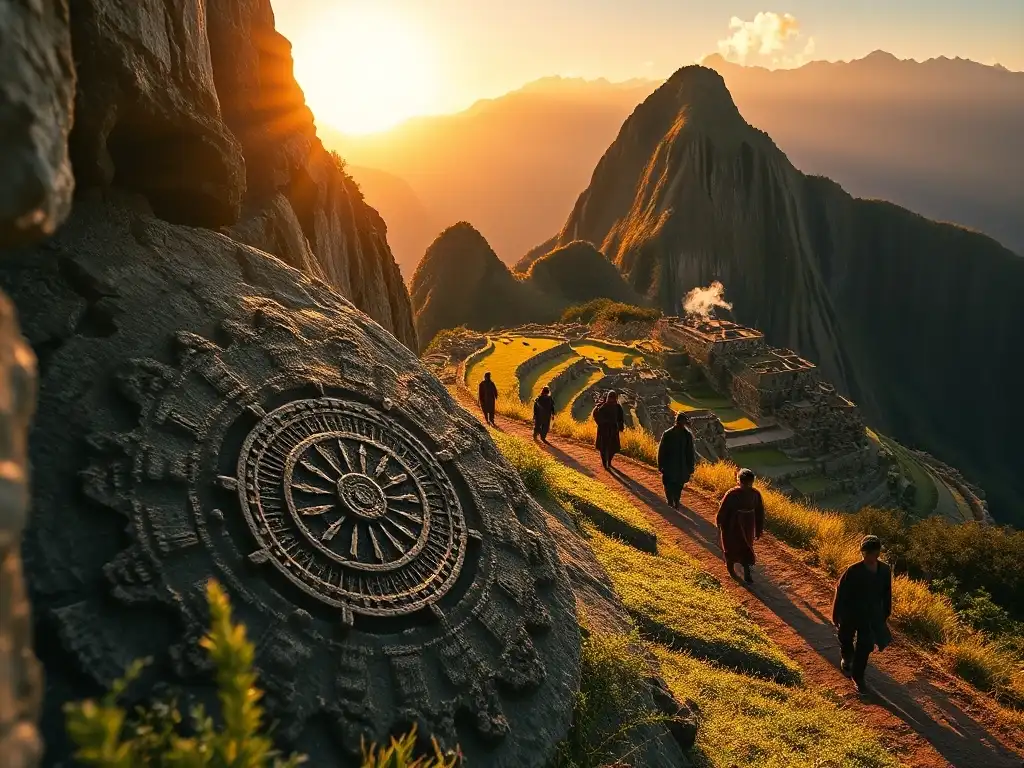
The Inca calendar wasn't merely a system for tracking time; it was intricately woven into the fabric of their agricultural practices, ensuring the success of their crops and the sustenance of their communities. This deep connection highlights the Inca's profound understanding of their environment and their ability to harness celestial events for practical purposes. Their agricultural success was directly tied to their accurate predictions of planting and harvesting seasons, a feat achieved through meticulous observation of the sun, moon, and stars.
This sophisticated system allowed them to optimize their agricultural yields and maintain a stable food supply, even in the challenging Andean terrain. The Inca calendar wasn't simply a tool; it was a vital component of their social and economic structure.
Aligning Agricultural Cycles with the Inca Calendar
The Inca calendar, a complex system combining solar and lunar cycles, guided the agricultural year. Specific constellations and the position of the sun indicated the optimal times for planting, weeding, and harvesting various crops. For instance, the appearance of certain stars signaled the planting season for potatoes, a staple crop, ensuring the tubers were sown when conditions were most favorable for growth.
Similarly, the solstices and equinoxes marked crucial points in the agricultural cycle, triggering specific rituals and community work efforts. This precise alignment of celestial events with agricultural practices minimized risks and maximized yields, contributing significantly to the Inca Empire's stability and prosperity. Evidence suggests that regional variations in the calendar existed, adapting to the unique microclimates and agricultural practices of different Andean valleys.
Further research is needed to fully understand the nuances of these regional adaptations and their impact on Inca agricultural practices. The meticulous record-keeping, likely through a combination of quipus (knotted cords) and oral traditions, allowed for the transmission of this vital knowledge across generations.
Religious Rituals and Harvest Festivals
The Inca calendar dictated not only agricultural practices but also a rich tapestry of religious festivals. These festivals, often coinciding with harvest times, were elaborate affairs involving communal participation, offerings to the gods, and elaborate ceremonies. The Capac Raymi, the most significant Inca festival, celebrated the winter solstice and was closely linked to the agricultural cycle.
It marked a time of renewal and ensured a bountiful harvest for the coming year. Other festivals were dedicated to specific deities associated with agriculture, such as the earth goddess Pachamama, ensuring fertility and abundance. These festivals were not merely celebrations; they were vital rituals reinforcing social cohesion and reaffirming the Inca's relationship with the supernatural world.
These events solidified the connection between the celestial rhythms and the spiritual well-being of the Inca people, underscoring the pervasive influence of the calendar on all aspects of their lives. The scale and complexity of these festivals showcase the significance the Inca placed on honoring their deities and ensuring the continuity of their agricultural prosperity. Detailed accounts of these festivals, though often fragmented, provide invaluable insights into Inca religious beliefs and social structures.
The Role of Priests in Calendar-Based Observances
Inca priests, the amautas, played a crucial role in interpreting the Inca calendar and conducting calendar-based religious observances. They were highly trained astronomers and astrologers, possessing detailed knowledge of the celestial cycles and their implications for agriculture and religious rituals. The amautas were responsible for predicting the timing of festivals, advising on agricultural practices, and conducting ceremonies to ensure the favor of the gods.
Their expertise was essential for maintaining social order and ensuring the prosperity of the empire. Their status within Inca society was elevated, reflecting the importance of their role in interpreting the divine will as manifested in the celestial movements. These priestly experts were not merely religious figures; they were also crucial advisors to the Inca rulers, providing guidance on matters of state based on their interpretation of celestial signs.
The influence of the amautas underscores the deeply intertwined nature of religion, agriculture, and governance within the Inca Empire, a testament to the central role played by the Inca calendar in shaping their civilization. Further research into the training and social organization of the amautas is vital to a fuller understanding of their role within Inca society.
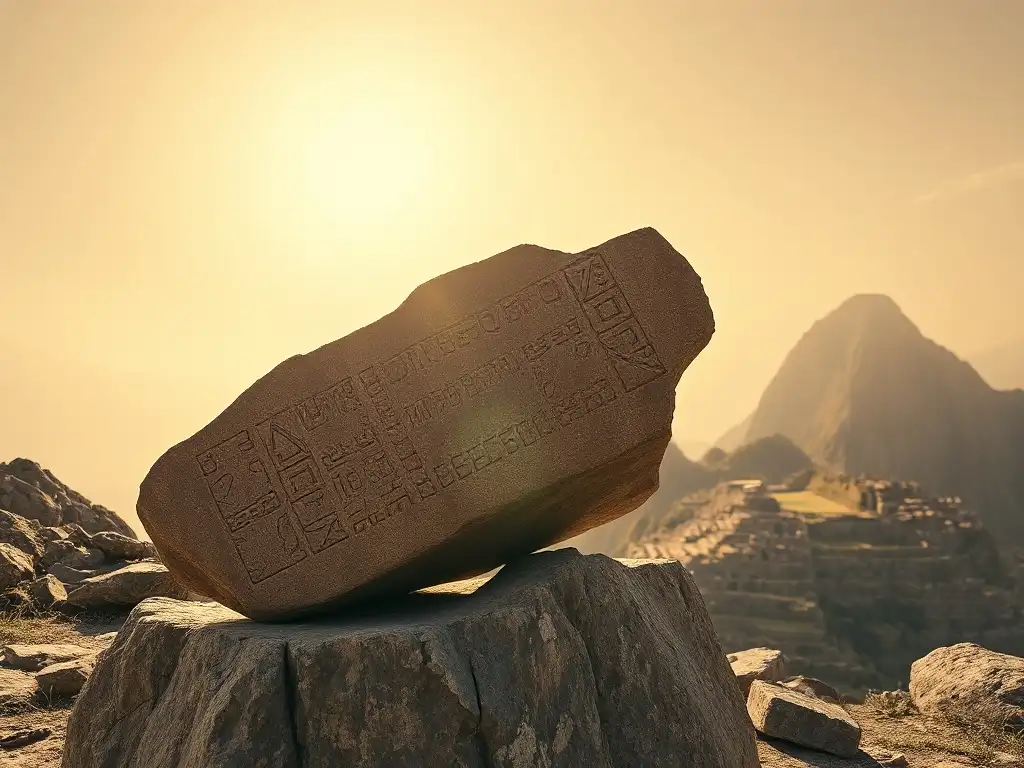
The Inca calendar, a sophisticated system of timekeeping, profoundly impacted all facets of Inca society, weaving itself inextricably into the fabric of their social structure and religious practices. Its influence extended far beyond mere scheduling; it dictated agricultural cycles, determined the timing of crucial ceremonies, and even structured the very hierarchy of the empire. Understanding the Inca calendar is key to understanding the Inca civilization itself.
The intricate interplay between the calendar and the social and religious life of the Inca people is a testament to their advanced understanding of astronomy and its integration into their daily lives. This sophisticated system allowed for precise agricultural planning, efficient resource management, and the synchronization of religious observances across the vast Inca empire. The accuracy and influence of the Inca calendar highlight the remarkable achievements of this ancient civilization.
The Inca calendar wasn't simply a means of tracking days and months; it served as a fundamental tool for social organization. Agricultural activities, the backbone of the Inca economy, were meticulously planned around the calendar's cycles. Planting, harvesting, and irrigation projects were all timed to coincide with the seasonal changes accurately predicted by the Inca astronomers.
This precision ensured optimal yields and minimized risks associated with unpredictable weather patterns. Furthermore, the calendar facilitated the mobilization of labor for large-scale public works projects, such as the construction of roads, terraces, and temples. By coordinating work schedules according to the calendar, the Inca efficiently managed their workforce and ensured the timely completion of vital infrastructure projects.
The calendar, therefore, wasn't just a tool for farmers; it was a crucial instrument for the state's control and organization of its vast human resources. This intricate system of organization demonstrates the sophisticated understanding the Inca possessed of both agriculture and social engineering.
How the Inca Calendar Shaped Religious Beliefs
The Inca calendar was deeply intertwined with their religious beliefs and practices. Many of their religious festivals and ceremonies were directly linked to specific dates and celestial events marked on the calendar. The Inti Raymi, the most important Inca festival honoring the sun god Inti, was held during the winter solstice, a pivotal moment in the Inca agricultural cycle and a time of renewed hope for the coming harvest.
Other significant festivals, such as the Capac Raymi (celebrating the Inca emperor) and the Coya Raymi (honoring the Inca queen), were also timed according to the calendar's precise calculations. The calendar's influence extended beyond the scheduling of these large-scale celebrations; it also informed daily rituals and offerings, ensuring a continuous connection between the Inca people and their deities.
This close relationship between the calendar and religious practices underscores the profound spiritual significance that the Inca placed on time and its cyclical nature. The Inca worldview clearly saw the cosmos and the human world as intimately linked, with the calendar acting as the bridge between the two.
The Enduring Legacy of the Inca Timekeeping System
The Inca calendar, despite the Spanish conquest and the subsequent suppression of Inca culture, left a lasting legacy. While much of the detailed knowledge of the Inca calendar was lost, its influence can still be seen in the traditions and practices of Andean communities today. Many contemporary Andean festivals still maintain links to the ancient Inca calendar, demonstrating the enduring power of this sophisticated system of timekeeping.
Furthermore, the Inca calendar's principles of agricultural planning and resource management continue to inform sustainable practices in the Andes. The Inca's understanding of astronomy and their ability to integrate it into their social and religious life serve as a powerful example of a civilization's ability to create a harmonious relationship between humanity and the natural world. The study of the Inca calendar continues to provide valuable insights into the Inca civilization and its enduring impact on the Andean region.
The legacy of the Inca calendar serves as a powerful reminder of the sophistication and resilience of Andean culture. The careful observation of celestial events and their integration into daily life remains a testament to the enduring wisdom of this ancient civilization.
The Inca Calendar in Modern Understanding
The Inca calendar, unlike the rigidly structured calendars of many other ancient civilizations, remains somewhat enigmatic to modern scholars. While we don't possess a single, unified Inca calendar text like we do for the Maya, for example, archaeological evidence, ethnographic accounts from the post-conquest period, and careful analysis of Inca societal structures have allowed for a partial reconstruction of their time-reckoning system.
This system wasn't simply a method of tracking days and years; it was deeply intertwined with their agricultural practices, religious beliefs, and social organization, creating a complex interplay of celestial observation and ritualistic significance. Understanding the Inca calendar requires appreciating its multifaceted nature, recognizing that it served multiple functions simultaneously.
This section will explore the archaeological evidence that illuminates our understanding of the Inca calendar and its connection to religious festivals, focusing on the ways in which these calendars shaped Inca life and worldview. The Inca calendar religious festivals were deeply intertwined, creating a vibrant and cyclical society.
Archaeological Discoveries and Interpretations
Archaeological discoveries have been crucial in piecing together our understanding of the Inca calendar. While no single "Inca calendar stone" exists, like some other cultures possessed, numerous sites reveal evidence of astronomical observation and calendrical reckoning. For instance, the precise orientation of many Inca structures, like Machu Picchu, suggests a sophisticated understanding of solstices and equinoxes.
These alignments weren't accidental; they were meticulously planned to mark key moments in the agricultural cycle and religious calendar. Furthermore, the discovery of knotted strings, known as quipus, has yielded valuable insights. Although the precise meaning of many quipus remains debated, some scholars believe they recorded historical events, census data, and potentially even calendrical information.
This interpretation suggests a complex system of record-keeping that went beyond simple numerical notation, potentially representing the passage of time and the scheduling of religious festivals. The analysis of these quipus continues to be a crucial avenue for understanding the intricacies of the Inca calendar. The Inca's keen observation of celestial events, coupled with their advanced knowledge of agriculture, allowed them to develop a sophisticated system for predicting seasonal changes and coordinating agricultural activities with religious rituals.
The Inca Calendar and its Relevance Today
The Inca calendar's relevance extends far beyond its historical significance. Understanding the Inca's approach to time-keeping offers valuable insights into their worldview and societal structures. Their calendar wasn't merely a practical tool; it was integral to their cosmology, shaping their religious beliefs and social practices.
The cyclical nature of the Inca calendar, reflecting the cyclical patterns of nature, offers a compelling contrast to our modern, linear perception of time. Studying their system can help us appreciate alternative ways of understanding time and its relationship to human life and the cosmos. Moreover, the Inca's close integration of astronomy and religion highlights the importance of observing and understanding the natural world, a lesson that remains highly pertinent in our contemporary context.
The Inca calendar religious festivals serve as a powerful example of how a society can integrate its spiritual beliefs with its practical needs. This holistic approach is a valuable lesson for modern societies, particularly in the face of environmental challenges. Further research into Inca astronomical practices could also contribute to our understanding of ancient Andean astronomy and its potential relationship to modern astronomical observations.
Preserving the Knowledge of the Inca Calendar
Preserving the knowledge of the Inca calendar involves a multi-pronged approach encompassing archaeological research, careful analysis of existing records, and the promotion of cultural heritage. Continued archaeological excavations and careful documentation of existing sites are crucial for uncovering further evidence of Inca astronomical practices and calendrical systems. The ongoing study of quipus, employing advanced techniques and interdisciplinary collaboration, promises to unlock further secrets of Inca record-keeping and potentially reveal more detailed calendrical information.
Furthermore, engaging with Indigenous communities and incorporating their knowledge and perspectives is paramount. Their oral traditions and continued practices often hold valuable insights into the legacy of the Inca calendar, providing a crucial link to the past. By fostering collaboration between archaeologists, historians, and Indigenous communities, we can ensure a more complete and nuanced understanding of this fascinating aspect of Inca culture.
The preservation of this knowledge is not simply an academic pursuit; it is a vital step in honoring the rich cultural heritage of the Andean region and understanding a complex system that profoundly shaped Inca society. The Inca calendar religious festivals, as a central part of this system, deserve particular attention in these preservation efforts.
Frequently Asked Questions
What was the Inca calendar primarily used for?
The Inca calendar wasn't just a way to track time; it was intricately tied to their religious beliefs and agricultural practices. It dictated when to plant crops, perform rituals, and celebrate festivals. Agricultural cycles were paramount.
How did the Inca calendar influence their religious festivals?
The Inca calendar determined the timing of all important religious festivals. Each festival corresponded to a specific time of year and was connected to the agricultural cycle and deities associated with that season.
Yes, many festivals celebrated harvest times, planting seasons, and the solstices. These festivals involved elaborate ceremonies, sacrifices, and feasts to honor the gods and ensure a plentiful harvest. Inti Raymi, celebrating the winter solstice, is a prime example.
What role did astronomy play in the Inca calendar?
Astronomy was fundamental to the Inca calendar. Precise observations of the sun, moon, and stars were crucial for determining the timing of agricultural cycles and religious festivals. This knowledge was carefully guarded by priests.
How accurate was the Inca calendar system?
The Inca calendar system, while not based on a written system, was remarkably accurate. Their understanding of celestial movements allowed them to predict the seasons and plan their agricultural and religious activities with considerable precision. Observational astronomy was key.
Final Reflection: Echoes of the Sun: The Inca Calendar's Enduring Legacy
The intricate system of the Inca calendar, far from being a relic of a bygone era, continues to resonate in the vibrant tapestry of Andean culture today. Its sophisticated understanding of celestial cycles and its profound connection to agricultural practices and religious observances offer a powerful reminder of humanity's enduring need to connect with the natural world and find meaning in the rhythms of life.
The influence of the Inca calendar extends far beyond the historical record; its echoes reverberate in contemporary Andean communities, shaping their worldview and informing their celebrations. The deep-seated reverence for the sun, the moon, and the stars, so central to the Inca worldview, remains a powerful force, shaping agricultural cycles and religious festivals. The past is never dead. It's not even past.
– William Faulkner. This quote perfectly encapsulates the enduring power of the Inca calendar and its continued relevance in shaping the cultural landscape of the Andes. The traditions and beliefs linked to the calendar are not merely historical artifacts; they are living, breathing aspects of a vibrant culture.
Consider, for a moment, the profound wisdom embedded within the Inca calendar's meticulous observations of the cosmos. Its intricate system of tracking the sun, moon, and stars speaks to a deep understanding of the natural world and a profound respect for its rhythms.
Let this inspire you to look more closely at the world around you, to appreciate the intricate cycles of nature, and to find your own connection to the larger cosmos. Embrace the opportunity to learn from the past, to understand the enduring power of tradition, and to find meaning in the rhythms of your own life, just as the Inca did centuries ago.
Embrace the Rhythms of Time: Connect with the Inca Spirit!
Thank you for exploring the fascinating world of the Inca calendar and its deep connection to religious festivals. Your interest has unlocked insights into the rich interplay between history and cultural celebrations. Let's delve deeper into these ancient rhythms together.
Here are some ways to connect more meaningfully with the Inca heritage:
- Experience local Andean festivals: Immerse yourself in the vibrant culture by attending a local celebration inspired by Andean traditions.
- Create your own seasonal celebration: Draw inspiration from the Inca calendar and gather loved ones to honor the natural cycles in a unique and personal way.
- Share your knowledge: Inspire others to appreciate Andean culture by sharing what you've learned about the Inca calendar and its associated festivals on social media. Use #IncaWisdom to connect with a community of enthusiasts!
Reflecting on the rich tapestry of Inca traditions, which aspects of their calendar resonate most with you, and how can you integrate these practices into your contemporary life?