
The Use of Ritualistic Warfare in Inca Religious Practices

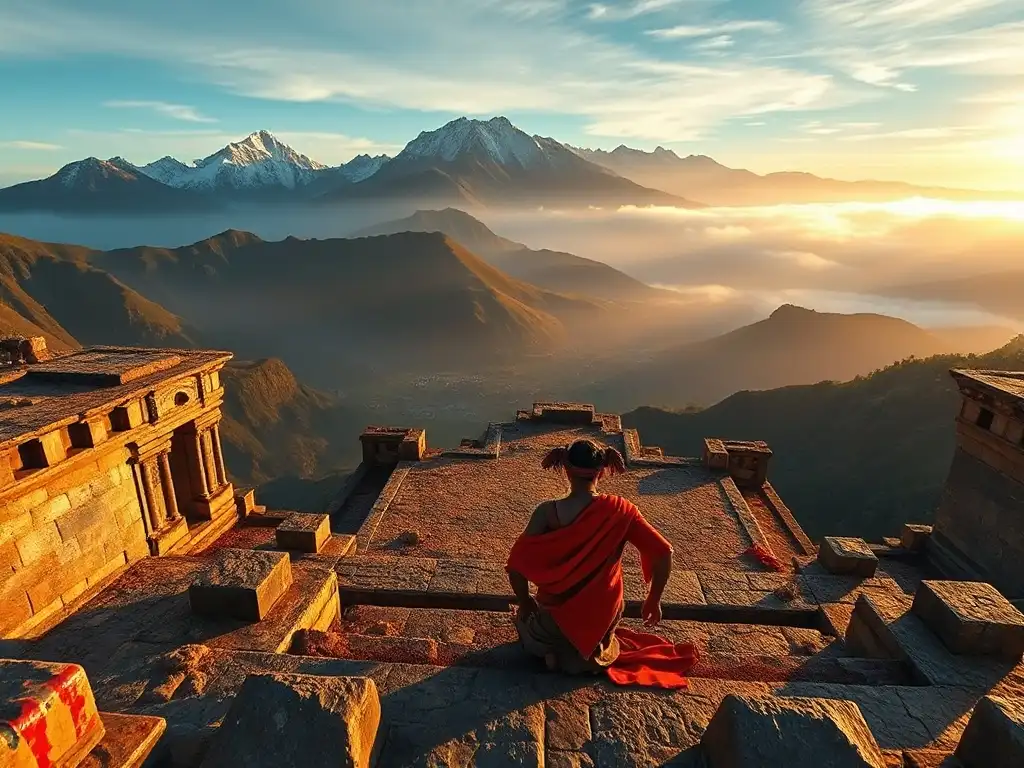
Uncover the mysteries shrouding the Andes! Journey with us into a world of breathtaking landscapes and even more breathtaking cultures. For centuries, the echoes of powerful Andean civilizations have resonated through time, leaving behind a legacy of intricate artistry and advanced technology. But what dark secrets lie beneath the surface of their gleaming gold and monumental architecture? Prepare to be captivated as we delve into the fascinating, and often brutal, world of Inca ritual warfare practices, revealing a side of the Inca Empire rarely explored. Discover the truth behind their sacred battles and unlock the enigmatic power they wielded.
- Inca Ritual Warfare Practices: Exploring Conflict and Ceremony
- Understanding the Context of Inca Ritual Battles
- Key Elements of Inca Ritual Warfare
- Types of Inca Ritual Warfare
- The Purpose and Outcomes of Inca Ritual Warfare
- Case Studies of Inca Ritual Warfare
- The Legacy of Inca Ritualistic Warfare
-
Frequently Asked Questions
- What role did warfare play in Inca society beyond simple conquest?
- How did Inca ritualistic warfare differ from warfare in other Andean cultures?
- What were some common features of Inca ritual warfare practices?
- Were all Inca battles considered ritualistic warfare?
- What evidence supports the existence of Inca ritualistic warfare practices?
- Final Reflection: Echoes of Sacrifice: Understanding Inca Warfare's Ritualistic Heart
- Ignite Your Curiosity about Inca Rituals!
Inca Ritual Warfare Practices: Exploring Conflict and Ceremony
The Inca Empire, renowned for its sophisticated engineering, intricate social structures, and vast territorial expanse, also possessed a complex religious system deeply intertwined with warfare. While often perceived solely through the lens of conquest and expansion, Inca warfare extended beyond mere territorial control; it served a crucial role in reinforcing religious beliefs, maintaining cosmic order, and solidifying political power. This article delves into the fascinating world of Inca ritual warfare, exploring the ways in which conflict and ceremony were inextricably linked in their religious practices.
We will examine the significance of warfare in Inca religion, analyze the religious dimensions of ritual combat, and ultimately define what constituted Inca ritualistic warfare, differentiating it from purely strategic military campaigns. Understanding this nuanced perspective offers a richer appreciation of Inca culture and its unique relationship between the sacred and the secular.
The exploration of "Inca ritual warfare practices" reveals a sophisticated system where violence and spirituality were not mutually exclusive but rather integral components of a unified worldview. The following sections will unpack the multifaceted nature of this practice, shedding light on its religious significance and societal impact.
The Significance of Warfare in Inca Religion
Inca religion was deeply rooted in a cosmology that emphasized the maintenance of balance and harmony within the world. The Inca believed their emperor, the Sapa Inca, was a direct descendant of the sun god, Inti, and held a sacred responsibility to uphold this cosmic order. Warfare, in this context, was not simply a means of territorial expansion but a way to demonstrate the Sapa Inca's divine authority and to reaffirm the empire's connection to the supernatural realm.
Victories in battle were seen as divine blessings, reinforcing the legitimacy of the Inca rule and strengthening the belief in Inti's favor. Conversely, defeats were interpreted as signs of divine displeasure, potentially requiring ritualistic appeasement or a reassessment of imperial policies. The spoils of war, including captives and valuable resources, were often incorporated into religious ceremonies, further solidifying the link between military success and spiritual well-being.
Specific rituals, such as human sacrifices performed after significant battles, highlight the profound religious significance attached to military achievements. These sacrifices, while brutal, were not simply acts of violence but deeply symbolic actions intended to appease the gods and ensure continued prosperity for the empire. The intricate relationship between warfare and religion is further evidenced by the construction of sacred sites near important battlefields, suggesting a deliberate attempt to sanctify these locations and reinforce their religious meaning.
Ritual Combat and its Religious Dimensions
Beyond large-scale military campaigns, the Inca practiced ritual combat, a formalized form of fighting with specific religious connotations. These combats weren't necessarily intended to cause death; rather, they served as symbolic representations of cosmic struggles, often between opposing forces of nature or competing deities. Participants, often chosen based on their social standing or specific skills, engaged in stylized battles governed by strict rules and regulations. The outcome of these combats, while potentially resulting in injury, was often interpreted symbolically, with the victor representing the triumph of a particular deity or principle. The use of specific weapons, attire, and chants further emphasized the ritualistic nature of these events.
Detailed records of these ritual combats are scarce, [specific information pending], but ethnographic accounts from related Andean cultures suggest the prevalence of such practices. The symbolic significance of ritual combat likely extended beyond the immediate participants, serving as a public spectacle that reinforced religious beliefs and social hierarchies. The carefully choreographed movements and symbolic gestures of the combatants conveyed complex religious messages to the audience, reinforcing the Inca worldview and strengthening communal bonds. The ritualistic aspects of these combats, therefore, served as a powerful tool for maintaining social cohesion and reinforcing the legitimacy of the Inca religious system.
Defining Inca Ritualistic Warfare
Differentiating Inca ritualistic warfare from purely strategic military campaigns requires careful consideration. While both involved armed conflict, their objectives and underlying motivations differed significantly. Strategic warfare aimed primarily at territorial expansion, resource acquisition, and the subjugation of enemy populations. Ritualistic warfare, on the other hand, served primarily religious purposes, even if it involved military engagement.
The key differentiators lie in the context, objectives, and symbolic significance of the conflict. Ritualistic warfare was often characterized by specific rituals before, during, and after the conflict, symbolic displays, and the incorporation of captured individuals or resources into religious ceremonies. Furthermore, the scale and intensity of the conflict often differed, with ritualistic warfare potentially involving smaller-scale engagements or symbolic acts rather than large-scale battles.
While the line between the two might sometimes blur, understanding the underlying intentions and the presence of religious ritual provides the crucial distinction. The presence of dedicated religious personnel, the use of symbolic weaponry, and the integration of the conflict into the broader religious calendar all contribute to the identification of Inca ritualistic warfare. The integration of these factors allows for a more nuanced understanding of the complex interplay between religious belief and military practice within the Inca Empire.
Contrasting Real Warfare with Ritualistic Battles
The Inca Empire, renowned for its sophisticated organization and expansive reach, engaged in both conventional warfare and ritualistic combat. Understanding the nuances between these two forms of conflict is crucial to interpreting Inca society and its religious beliefs. Real warfare, often driven by territorial expansion, resource control, or political dominance, involved large-scale mobilization of troops, sophisticated military strategies, and the brutal realities of conquest. These campaigns aimed at subjugating enemy populations, acquiring land and wealth, and consolidating Inca power.
Archaeological evidence, such as the remains of fortifications and weaponry found at sites like Sacsayhuamán, testifies to the scale and intensity of these military endeavors. The Inca army employed a hierarchical structure, with specialized units and commanders, demonstrating a well-developed military organization geared towards effective conquest and control. Casualties were undoubtedly high, and the consequences of defeat could be devastating for conquered populations.
In stark contrast, ritualistic warfare served a completely different purpose, deeply interwoven with Inca religious beliefs and practices. These battles, often smaller in scale than real warfare, were symbolic enactments of cosmic struggles, reflecting the Inca worldview and their understanding of the relationship between the human and supernatural realms. Instead of aiming for total domination, these ritualistic combats were designed to appease deities, maintain cosmic balance, and ensure the fertility of the land.
Participants might represent different forces in the Inca mythology, perhaps embodying opposing deities or natural elements. The outcome of these ritual battles wasn't necessarily a decisive victory for one side, but rather a symbolic representation of the ongoing cosmic interplay. The emphasis was on the performance itself, the ritualistic actions, and the symbolic meaning conveyed, rather than the physical conquest of an enemy.
The weapons used might be less lethal than those employed in real warfare, or the combat might be carefully choreographed to avoid serious injury. The goal was not annihilation, but a ceremonial reenactment with profound religious significance. Differentiation between the two types of conflict requires careful analysis of archaeological remains, iconography, and ethnographic accounts—where available—to ascertain the intended purpose and context of each engagement.
Understanding the Context of Inca Ritual Battles
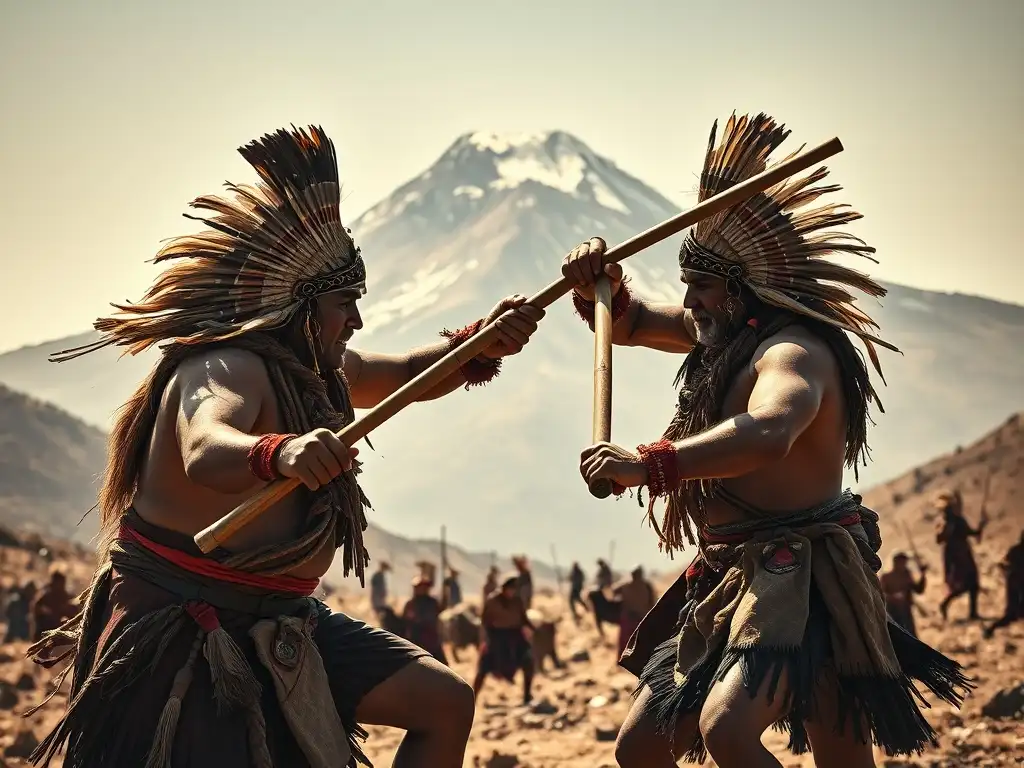
This section delves into the nuanced understanding of ritualistic warfare within the Inca empire, clarifying its significance beyond simple conquest. The Inca worldview, deeply intertwined with religious beliefs and practices, shaped the nature and purpose of these seemingly paradoxical "battles." Understanding this context is crucial to interpreting the archaeological evidence and surviving accounts, shedding light on the complex relationship between warfare, religion, and power in the Inca state. The term "Inca ritual warfare practices" itself requires careful unpacking, as the rituals were far from mere symbolic displays; they were deeply integrated into the socio-political fabric of the empire.
The Inca Worldview and the Role of Conflict
The Inca worldview was profoundly shaped by a cosmology that emphasized the cyclical nature of life, death, and rebirth. The Inca believed in a powerful, interconnected world where the gods, ancestors, and the natural world were intimately linked. Conflict, far from being solely destructive, was viewed as a necessary element in maintaining cosmic balance.
This perspective is crucial for comprehending Inca ritual battles, which were not simply random acts of aggression, but carefully orchestrated ceremonies designed to appease deities, honor ancestors, or reinforce social hierarchies. The Inca saw warfare, in its ritualized form, as a means to reaffirm their connection to the spiritual realm and ensure the continued prosperity of their empire.
This belief system permeated all aspects of Inca society, influencing their agricultural practices, political structures, and artistic expressions. The concept of Ayni, reciprocal exchange, extended even to the realm of ritual warfare, with the expectation of mutual benefits—spiritual and material—for all participants.
The Connection Between War and the Gods
The Inca pantheon included numerous deities associated with war and conflict. These deities, often personified as powerful warriors or spirits, were believed to intervene directly in human affairs, influencing the outcome of battles and bestowing favor upon their devotees. Ritualistic warfare served as a direct means of communicating with and honoring these powerful entities.
For example, [Specific deity associated with war and their role in ritual battles pending], highlighting the importance of appeasing these powerful figures through carefully executed ceremonies involving symbolic combat. The successful completion of these rituals was believed to guarantee bountiful harvests, successful military campaigns, and the continued flourishing of the Inca empire. Failure, on the other hand, could be interpreted as a sign of divine displeasure, potentially leading to famine, disease, or political instability.
This direct link between ritual warfare and divine favor underscores the profound religious significance of these events. Further research is needed to fully understand the specific rituals performed and their intended effects. For instance, [Specific ritual details and their symbolic meaning pending].
Sacred Sites for Ritual Battles
Ritual battles weren't fought just anywhere; they were often confined to specific sacred sites, locations imbued with spiritual power and significance. These sites, often situated in strategically important locations or possessing unique geographical features, served as focal points for religious ceremonies and were carefully chosen to maximize their symbolic impact. [Specific examples of sacred sites used for ritual battles and their significance pending].
The selection of these locations wasn't arbitrary; they were often associated with particular deities, ancestral spirits, or significant events in Inca history. The very act of conducting ritual battles at these locations was believed to enhance the potency of the ceremony, strengthening the connection between the human and spiritual realms. The careful selection of these sites, combined with the elaborate rituals performed there, demonstrates the meticulous planning and deep religious conviction behind Inca ritual warfare practices.
These sites often feature [Specific architectural or archaeological features found at these sites pending], providing further evidence of their importance. Detailed archaeological study of these locations is crucial to further understanding the nature and purpose of Inca ritual warfare.
Huanuco Pampa and the Ushnu
Huanuco Pampa, a significant Inca administrative and religious center located in the central Andes of Peru, offers compelling evidence of the integration of ritual warfare into Inca religious practices. The site's layout reveals a deliberate arrangement of structures reflecting both administrative functions and sacred spaces. The presence of a large ushnu, a platform used for ritual ceremonies and possibly for displaying captured trophies, stands as a central element in understanding this connection.
The ushnu's prominent position within the complex suggests its importance in legitimizing Inca rule and reinforcing religious authority. Archaeological findings at Huanuco Pampa, including human remains exhibiting signs of trauma consistent with warfare, further strengthen the link between ritual combat and the religious life of the Inca. These remains, often found interred in association with elite burials, suggest that participation in ritual warfare was not only a means of asserting power but also a path to spiritual elevation within Inca society.
The careful placement of these individuals within the sacred landscape reinforces the perception of them as revered figures, their deaths sanctified through their contribution to Inca religious ideology. Further research into the specific ritual practices performed at the ushnu of Huanuco Pampa, and the analysis of the associated artifacts, holds the key to deciphering the specific nature of the ritual warfare conducted there. The meticulous organization of the site itself speaks volumes about the planned and deliberate integration of military prowess into the Inca religious system.
The size and grandeur of the ushnu at Huanuco Pampa, compared to those found in other Inca sites, underscore its particular significance. The scale of the structure, indicative of the resources invested in its construction, points to the high priority placed on the ritual activities conducted there, likely including displays of military might and the symbolic subjugation of enemies. The ushnu's position, usually located at the heart of an Inca administrative and religious center, acted as a powerful visual reminder of the Inca's control and authority, both secular and religious.
The architectural features of the ushnu, including its elevated platform and potential decorative elements (though precise details require further investigation), likely played a crucial role in enhancing the visual impact of these ritual displays. The use of the ushnu as a focal point for ritual warfare highlights the complex interplay between military conquest and religious ideology in shaping Inca society.
The visual spectacle offered by such events served to reinforce the Inca's divine right to rule, further strengthening their control over the conquered territories and populations. Therefore, Huanuco Pampa provides a rich case study for analyzing the intricate relationship between Inca religious beliefs and their practice of ritual warfare.
Key Elements of Inca Ritual Warfare
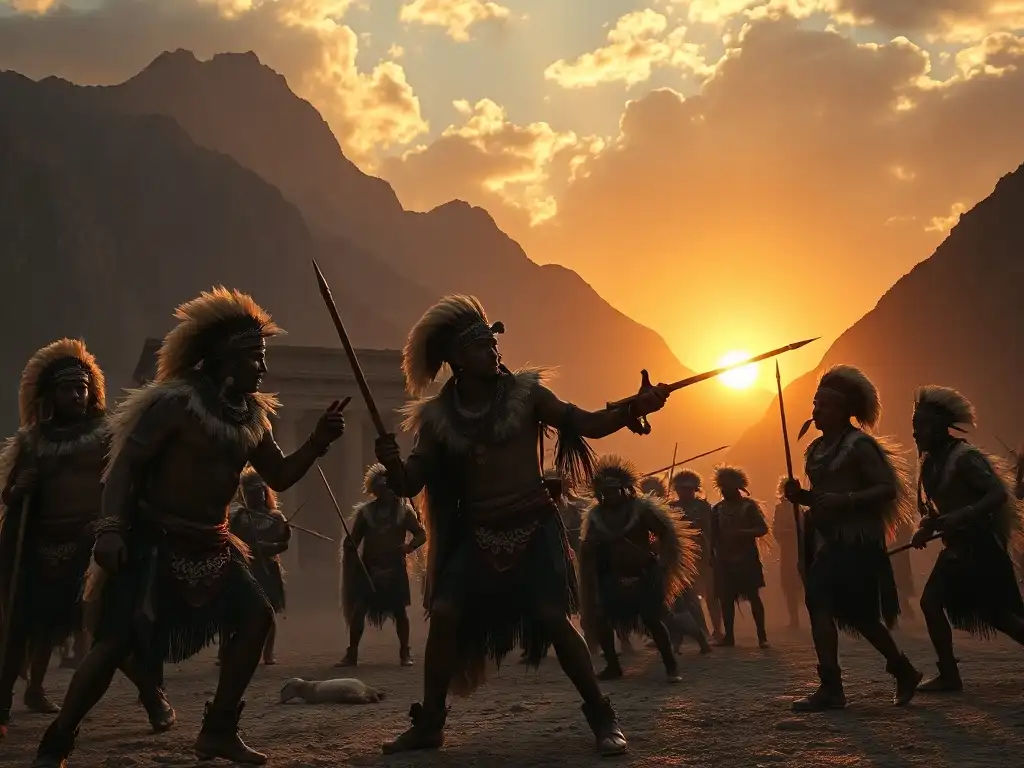
This section delves into the fascinating and often misunderstood aspects of Inca ritual warfare, exploring the intricate preparations, diverse roles of participants, and the symbolic significance of weaponry employed in these unique ceremonies. Understanding these elements provides crucial insight into the deeply ingrained religious beliefs and practices of the Inca Empire, shedding light on the complex interplay between the spiritual and the physical realms within their society. The term "Inca ritual warfare practices" itself encapsulates the blend of religious devotion and martial displays that characterized these events.
The Preparation for Ritual Battles
Preparation for Inca ritual warfare was a meticulous and lengthy process, far removed from the chaotic preparation for actual conflict. Months, sometimes even years, were dedicated to ensuring the ritual's success. This involved a series of carefully orchestrated steps, from selecting the participants to consecrating the sacred objects used in the ceremony.
The chosen warriors weren't simply the strongest or most skilled fighters; they were carefully selected based on their lineage, spiritual purity, and demonstrated devotion to the Inca gods. Their training involved rigorous physical exercises combined with intense spiritual preparation, including fasting, purification rituals, and participation in religious ceremonies.
Furthermore, the selection of the battleground itself held immense symbolic importance. Sites were often chosen for their geographical significance, aligning with specific cosmological beliefs and astrological events. These locations were meticulously cleansed and prepared, often involving offerings and prayers to appease the deities and ensure a successful and auspicious outcome for the ritual.
Detailed records, though scarce, suggest that the preparation also involved the creation of specific ceremonial attire and weaponry, further highlighting the ritualistic nature of these events. The meticulous preparation underscored the gravity of the ritual and its profound significance within the Inca worldview. These weren't mere displays of strength; they were sacred acts of communion with the divine.
The Roles of Participants in Ritual Conflicts
Inca ritual warfare was not a free-for-all brawl; it involved a complex hierarchy of participants, each with specific roles and responsibilities. The Sapa Inca, the emperor, held the ultimate authority, often initiating the ritual and offering sacrifices. High-ranking priests played a crucial role in guiding the proceedings, ensuring adherence to established religious protocols, and interpreting divine signs.
Warriors, meticulously selected and trained, were not simply combatants, but actors in a sacred drama, embodying the power and strength of the Inca gods. Their movements, chants, and even their battle cries were carefully choreographed, reflecting the intricate religious symbolism embedded within the ritual.
Beyond the warriors and priests, the population at large played a vital role as observers and participants. The rituals were often large-scale public events, reinforcing social cohesion and reaffirming the Inca's divine mandate. The common people's participation, through offerings, prayers, and attendance, solidified the ritual's significance as a communal experience, uniting the empire under a shared religious identity. The participation of different social strata underscores the ritual's societal importance, transcending the purely military aspect often associated with warfare. Even seemingly minor roles were imbued with symbolic meaning, contributing to the overall ritualistic tapestry.
The Use of Symbolic Weapons
The weapons used in Inca ritual warfare were not intended for inflicting real harm; their primary purpose was symbolic. While they might resemble actual weaponry in appearance, they were often crafted from less lethal materials, such as wood or bone, rather than metal. These symbolic weapons, often adorned with intricate carvings and feathers, represented the power and authority of the Inca gods and their earthly representatives. Their use was deeply connected to specific deities and myths, embodying their attributes and power.
For example, a ceremonial mace might represent the strength of the thunder god, Illapa, while a ceremonial spear could symbolize the power of the sun god, Inti. The handling of these weapons was a carefully choreographed performance, mirroring the battles of the gods and reaffirming the Inca's connection to the divine realm. The symbolic use of weapons was a powerful tool for reinforcing religious beliefs and reinforcing the Inca's claim to power, legitimizing their rule through a direct link to the supernatural.
The careful creation and use of these symbolic weapons highlights the sophisticated religious understanding and artistic skill of Inca civilization. Their creation wasn't merely functional; it was a deeply spiritual act. The detailed artistry further reinforces the ritualistic nature of the objects.
The Significance of Clothing and Adornment
Inca ritual warfare wasn't simply a matter of brute force; it was deeply intertwined with religious beliefs and practices. Clothing and adornment played a crucial role in signifying status, power, and connection to the divine during these events. Warriors didn't simply wear functional attire; their garments were meticulously crafted and richly decorated, serving as powerful symbols.
The vibrant colors, intricate weaving techniques, and use of precious materials like gold and silver weren't merely aesthetic choices; they held profound religious meaning. For example, the use of specific colors like red, associated with blood and sacrifice, or yellow, linked to the sun god Inti, would have directly impacted the ritual's significance.
The type of clothing also indicated a warrior's rank and role within the Inca military structure. Elite warriors, often members of the Inca aristocracy, would have worn elaborate garments signifying their high status and connection to the Sapa Inca, the emperor. These garments might have incorporated feathers from rare birds, intricate gold jewelry, or finely woven textiles depicting sacred symbols and mythical beings.
This visual display of power and divinity served to reinforce the sacred nature of the ritual warfare itself. The clothing, therefore, acted as a visual language, instantly communicating the warrior's importance and the significance of the ritual.
Furthermore, the adornment of warriors extended beyond clothing. Headdresses, often made from feathers, gold, and other precious materials, were highly significant. These elaborate headdresses could represent specific deities or mythical creatures, further reinforcing the religious nature of the combat.
Similarly, the use of specific jewelry, such as intricately carved pendants or earrings, would have had specific religious connotations, adding another layer of symbolic meaning to the ritualistic warfare. The careful selection and placement of these adornments weren't arbitrary; they were deliberate choices designed to enhance the power and efficacy of the ritual. Archaeological evidence, while limited, supports the idea that the clothing and adornments were carefully chosen and prepared for these specific events, highlighting their importance.
The meticulous craftsmanship evident in surviving artifacts underscores the profound significance placed upon these ritualistic elements. Further research into surviving textiles and artifacts could reveal even more nuanced understandings of the symbolic language embedded within these garments and adornments.
Types of Inca Ritual Warfare
The Inca Empire, renowned for its sophisticated societal structure and impressive engineering feats, also practiced ritual warfare, a complex system interwoven with religious beliefs and political power. Unlike purely conquest-oriented warfare, Inca ritual warfare served primarily religious purposes, reinforcing the legitimacy of the Sapa Inca and maintaining cosmic balance. Understanding the nuances of these practices requires examining their diverse forms and underlying motivations.
The Inca’s understanding of warfare wasn't solely about territorial expansion; it was deeply embedded in their cosmology and served to solidify their religious and political authority. This intricate relationship between warfare and religion is crucial to understanding the Inca worldview and their unique societal structure. The "Inca ritual warfare practices" were not random acts of violence but meticulously orchestrated ceremonies with profound symbolic meaning.
Mock Battles and Ceremonial Reenactments
Mock battles and ceremonial reenactments were a common feature of Inca ritual warfare. These events, often staged during significant religious festivals, involved carefully choreographed displays of military prowess. Participants, likely selected from the elite warrior classes or even from different ethnic groups within the empire, engaged in simulated combat using blunted weapons.
These weren't chaotic free-for-alls; rather, they followed pre-determined scripts, mirroring historical battles or mythological conflicts. The choreography reflected the Inca's deep understanding of military strategy and tactics, even within a ritualistic context. The outcomes of these mock battles, while predetermined, served to reinforce the power of the Sapa Inca and the legitimacy of his rule.
These spectacles weren't just military displays; they were powerful religious statements, demonstrating the Inca's control over both the physical and spiritual realms. The precise details of the rituals, including the specific weapons used and the nature of the choreography, remain partially shrouded in mystery, requiring further research to fully illuminate their complexity. Archaeological evidence, such as depictions on pottery and textiles, provides glimpses into these events, but more detailed accounts are needed to fully understand their significance.
The Significance of Captives in Rituals
Captives of war played a surprisingly significant role in Inca ritualistic practices. Contrary to popular misconceptions, the Inca did not routinely engage in large-scale massacres. While warfare did result in casualties, the capture of prisoners was often prioritized. These captives were not simply treated as slaves; they held a crucial symbolic value within the Inca religious system.
Many were incorporated into elaborate ceremonies, often representing conquered forces or opposing cosmic powers. Their participation in rituals, sometimes involving human sacrifice, served as a symbolic affirmation of the Inca’s dominance and the maintenance of cosmic order. The treatment of captives varied considerably, depending on factors such as the prestige of the captured group and the specific ritual being performed.
Some captives might have been integrated into Inca society, while others faced a different, more somber fate. Detailed records of these practices are scarce, leaving much to scholarly interpretation and ongoing research. The exact rituals involving captives remain a subject of ongoing debate among scholars, with new evidence regularly surfacing.
Ritual Sacrifice and its Connection to Warfare
Ritual sacrifice, a deeply ingrained aspect of Inca religion, was intimately connected to warfare. While not every battle resulted in human sacrifice, the practice was undeniably linked to military victories and the strengthening of the empire's spiritual power. The victims, often captives of war, were believed to be offerings to the gods, ensuring continued prosperity and military success.
The selection of victims was likely based on a complex set of criteria, potentially involving astrological considerations or specific ritual requirements. The sacrifices themselves were often elaborate ceremonies, involving processions, prayers, and specific ritual actions. The locations of sacrifices varied, ranging from mountaintops to temple complexes, reflecting the diverse nature of Inca religious practices.
While the specifics of the sacrificial rituals remain partially unknown, [specific details pending further research], the connection between warfare and sacrifice is undeniable, representing a significant aspect of Inca ritual warfare practices. The sheer scale and ritualistic nature of these sacrifices emphasize their importance within the Inca worldview and the close relationship between military power and religious authority. The surviving evidence suggests a systematic and highly organized approach to these practices, further highlighting the significance of ritualistic warfare in Inca society.
The Warachikuy Initiation Ceremony
The Warachikuy was far more than a simple military training exercise; it was a deeply significant ritualistic event central to Inca religious practices and the legitimization of imperial power. This coming-of-age ceremony, held annually, involved the selection and ritualistic combat of young men, transforming them from boys into warriors and symbolically reaffirming the Inca emperor's divine right to rule. The chosen youths, often from the elite, weren't merely fighting for victory; they were enacting a sacred drama, a symbolic representation of the emperor's conquest of chaos and his establishment of order.
The selection process itself was steeped in ritual. Shamans and priests played a crucial role, using divination techniques to identify those deemed most suitable for the honor – and the inherent risk – of participating. These individuals weren't just physically strong; they were believed to possess a special spiritual potency, a connection to the divine that would be further strengthened through the trials of the Warachikuy. The chosen youths underwent rigorous physical and spiritual preparation, involving fasting, purification rites, and intense training in martial arts and weaponry.
The actual combat was far from a free-for-all. It was highly structured and choreographed, with specific rules and limitations designed to avoid serious injury or death. The emphasis was on symbolic victory, representing the triumph of order over disorder, the emperor's control over the forces of nature, and the perpetuation of Inca power. Winning wasn't simply about brute strength; it was about demonstrating skill, courage, and spiritual resilience. The ritual battle was a public spectacle, witnessed by the emperor, the nobility, and the common people, reinforcing the emperor's authority and the sanctity of the Inca state.
The Warachikuy wasn't just about military prowess; it served as a crucial rite of passage, shaping the identities of young Inca men and integrating them into the broader social and religious structure of the empire. Successful participants gained prestige, social standing, and access to higher positions within the military and the government. Even those who didn't "win" still gained a level of respect, as their participation in the ritual demonstrated their commitment to the Inca state and their willingness to serve the emperor and their community.
The Warachikuy therefore served multiple purposes: military training, religious affirmation, social integration, and political reinforcement, solidifying the Inca emperor's power and the divine legitimacy of his rule. The echoes of this vibrant and significant ritual continue to resonate in our understanding of Inca religious beliefs and social structures.
The Purpose and Outcomes of Inca Ritual Warfare
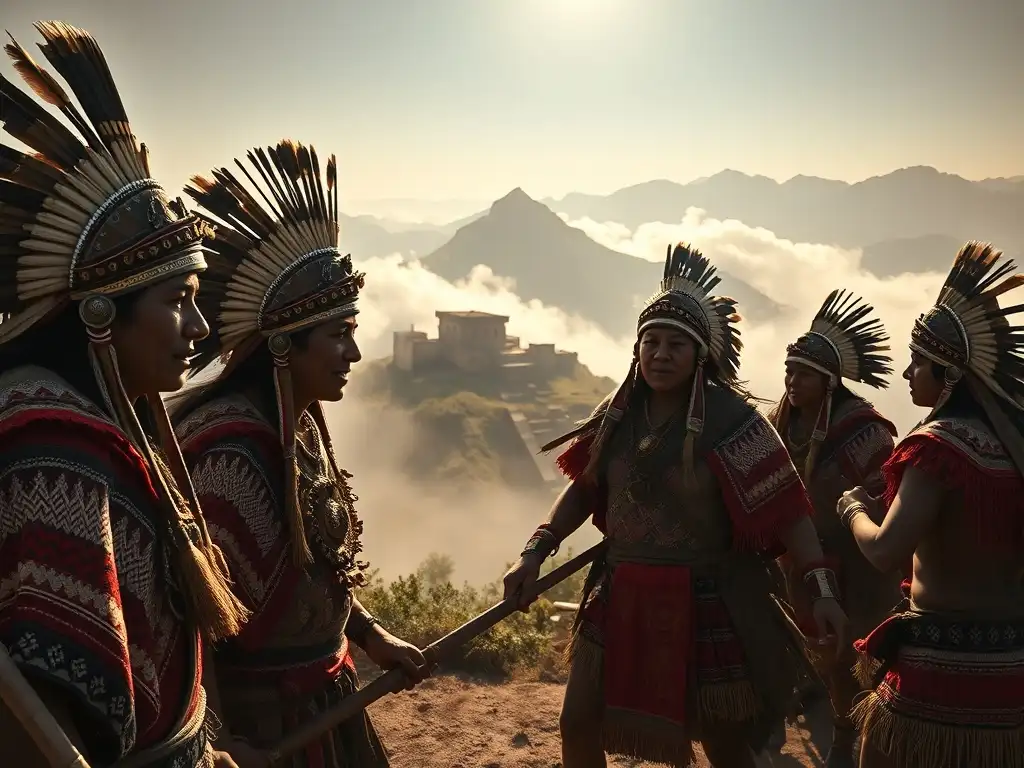
The Inca Empire, renowned for its sophisticated social structures and impressive infrastructure, also maintained a complex system of ritual warfare intricately woven into its religious practices. Understanding Inca ritual warfare practices requires moving beyond the simplistic notion of conquest and recognizing its multifaceted role in maintaining cosmic order, appeasing deities, and reinforcing social hierarchies. This wasn't simply warfare as we understand it; it was a highly ritualized performance with specific aims and symbolic meanings deeply embedded in Inca cosmology.
The very act of warfare, when conducted ritually, served as a powerful tool for maintaining the delicate balance of the Inca world. The frequency and scale of these ritualistic conflicts varied, adapting to specific circumstances and the needs of the empire.
Analyzing surviving accounts, archaeological evidence, and interpretations of Inca mythology allows us to glimpse the profound significance of these practices. Further research into specific Inca chronicles and archaeological sites is needed to fully elucidate the nuances of these rituals.
Ensuring Cosmic Balance Through Ritual Conflict
Inca cosmology viewed the universe as a dynamic interplay of opposing forces – order and chaos, light and darkness, life and death. Ritual warfare played a crucial role in maintaining this delicate equilibrium. Battles, often staged and symbolic, were believed to actively engage with and redirect these cosmic forces.
The outcome of these conflicts, even if pre-determined, symbolically reaffirmed the Inca's ability to control and manage the potentially destructive forces of chaos. This wasn't a simple matter of winning or losing; the ritual itself was the primary objective. For example, [specific example of a ritual battle and its symbolic meaning pending].
The careful choreography of these events, incorporating specific weaponry, attire, and locations, further emphasized their symbolic significance. The use of specific colors, offerings, and prayers during these events likely further cemented the ritual’s purpose in maintaining balance. Detailed analysis of surviving textile patterns and iconography might reveal further insights into these symbolic associations.
Appeasing the Gods Through Warfare
Many Inca rituals involved appeasing the gods, and warfare served as a potent offering. Captives taken during ritual warfare were not always killed; some were sacrificed to appease the gods, strengthening the bond between the Inca and the divine. These sacrifices were not viewed as mere killings but as a sacred act, a necessary offering to maintain the favor of the gods and ensure the prosperity of the empire. The choice of captives for sacrifice likely followed specific criteria, perhaps linked to astrological events or the needs of particular deities.
[Specific details regarding the selection process and types of sacrifices pending]. The ritualistic nature of these sacrifices is underscored by the meticulous preparation involved, including elaborate ceremonies and offerings. The location of these sacrifices also held immense symbolic weight, often chosen for their connection to specific deities or sacred sites.
Inca ritual warfare also served the practical purpose of reinforcing social hierarchies within the empire. Successful participation in these rituals, even if symbolic, enhanced the status of warriors and their communities, solidifying the Inca's control and power. The spoils of war, even from ritualistic conflicts, were distributed according to the social hierarchy, further reinforcing the existing power structure. [Specific examples of how the distribution of spoils reinforced social hierarchy pending]. The elite's involvement in these ceremonies reinforced their divine right to rule, presenting a powerful display of authority and control. This visual demonstration of power served as a potent reminder of the Inca’s dominance and the social order they maintained. This interplay between religious and political power is crucial to understanding the pervasiveness of ritual warfare within Inca society. Further investigation into Inca administrative records could shed light on the specific ways in which ritual warfare impacted the social structure.
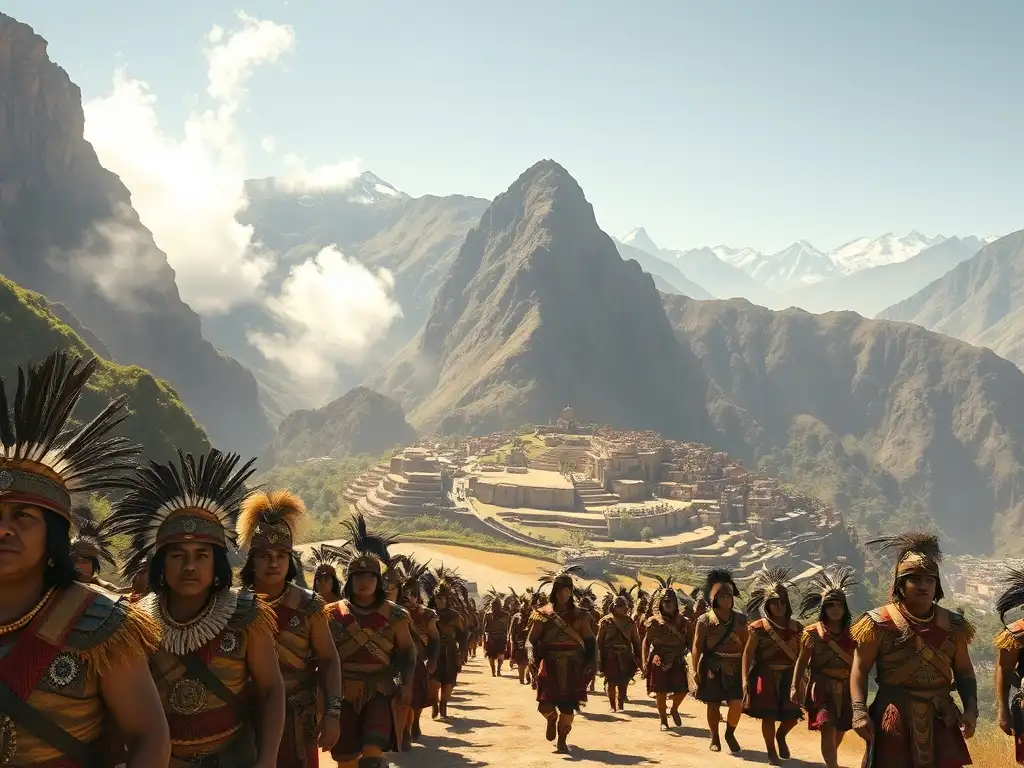
Inca ritual warfare, while seemingly violent, served a crucial purpose in consolidating and maintaining the vast empire's political and social fabric. The carefully orchestrated campaigns weren't merely about conquest; they were about demonstrating imperial power and reinforcing the Inca's legitimacy as rulers. Victories, even symbolic ones, were meticulously publicized throughout the empire, reinforcing the Inca's divine right to rule and strengthening their authority among diverse subject populations. These displays of power were not solely military; they involved elaborate ceremonies and festivals that incorporated conquered peoples into the Inca worldview.
The integration wasn't forced assimilation, but rather a strategic process of incorporating conquered elites into the imperial administration and integrating aspects of local cultures into the broader Inca system. This allowed for a degree of cultural exchange while maintaining a strong centralized authority. The carefully managed distribution of resources and privileges after a campaign further cemented loyalty and fostered a sense of shared imperial identity, mitigating potential resistance and rebellion. The Inca understood that a stable empire required not only military dominance but also social cohesion, and ritual warfare was a key tool in achieving this complex objective.
The integration extended beyond the elite; commoners from conquered territories were often incorporated into the Inca military or labor force, further solidifying their connection to the empire. This strategic incorporation of diverse populations created a more unified and stable society, vital for the longevity of the Inca Empire. The success of this strategy is evident in the longevity and relative stability of the Inca Empire before the Spanish conquest.
Maintaining Order and Control
Ritual warfare also played a significant role in maintaining order and control throughout the vast Inca empire. The threat of military intervention, even if not always manifested in full-scale campaigns, served as a powerful deterrent against rebellion or dissent. The highly disciplined Inca army, renowned for its organization and effectiveness, was a constant reminder of the empire's strength and the consequences of defiance.
This constant display of power was amplified by the ritualistic nature of many military actions, which served not only to suppress rebellion but also to reinforce the Inca's divine authority and the legitimacy of their rule. The ceremonies accompanying these actions instilled fear and respect, deterring potential uprisings before they could even be organized. Furthermore, the Inca employed a sophisticated system of spies and informants, allowing them to swiftly address any signs of unrest.
The combination of military might and intelligence gathering created a climate of controlled fear that contributed to the empire's stability. The use of ritualistic elements in these actions served to enhance their impact, making them more memorable and impactful than purely military engagements. The symbolic value of Inca ritual warfare was instrumental in maintaining order and control, far exceeding the impact of purely punitive military actions.
Economic Benefits and Resource Control
Beyond political and social control, Inca ritual warfare also served crucial economic functions. Victorious campaigns often resulted in the acquisition of valuable resources, including land, labor, and precious metals. These resources were then redistributed throughout the empire, strengthening the Inca economy and consolidating their control over vital trade routes.
The Inca's sophisticated system of mit'a, a form of labor tax, ensured that conquered populations contributed to the empire's economic prosperity through construction projects, agriculture, and mining. Furthermore, the control over strategic resources, such as agricultural lands and mineral deposits, allowed the Inca to maintain economic stability and ensure the distribution of essential goods throughout their vast domain. The ritualistic aspect of these conquests served to legitimize the Inca's claim to these resources, enhancing their control and preventing challenges to their authority.
The economic benefits derived from ritual warfare were integral to the empire's overall prosperity and stability, illustrating the multifaceted nature of Inca warfare. The strategic management of these resources, coupled with the efficient system of labor, contributed significantly to the Inca Empire's economic strength and its ability to maintain a large and complex society.
Case Studies of Inca Ritual Warfare
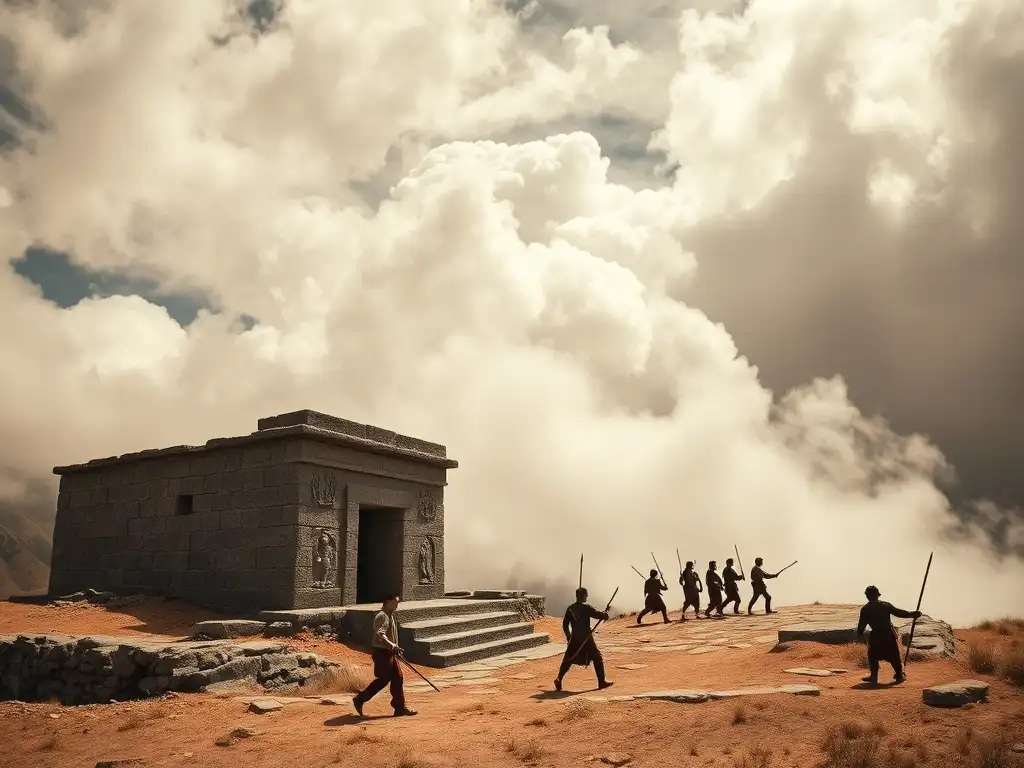
This section delves into specific examples of Inca ritual warfare, demonstrating the intricate interplay between military conflict and religious practice within the Inca Empire. The Inca worldview deeply intertwined the physical and spiritual realms, making warfare not merely a political tool, but a sacred act with profound religious significance. Analyzing specific historical events and archaeological findings allows us to better understand the complexities of Inca ritual warfare practices.
The Chanka Conflict and its Ritual Aspects
The conflict with the Chanka, a powerful pre-Inca group, provides a compelling case study. While primarily a military campaign, the Inca victory over the Chanka was imbued with strong ritualistic elements. The war itself was likely preceded by divination and sacrifices to ensure divine favor. The Inca army's organization, with its highly structured hierarchy and symbolic regalia, reflected a religious order as much as a military one. The use of specific weapons, such as the macanas (clubs) and bolas, may have held symbolic meaning beyond their practical function.
The aftermath of the victory was also steeped in ritual. The subjugation of the Chanka involved not only political control but also the incorporation of their religious beliefs and practices into the Inca pantheon, a process that involved ritualistic ceremonies and potentially the destruction of Chanka sacred sites as a symbolic assertion of Inca dominance.
Furthermore, the spoils of war – captives, livestock, and artifacts – were likely incorporated into state rituals, reinforcing the Inca's control and divine mandate. This suggests that the war wasn't just about conquest; it was a ritualized affirmation of Inca power and cosmic order, a crucial element of Inca ritual warfare practices.
Further research into the iconography found on Chanka and Inca artifacts from this period could yield more insights into the specific rituals involved. Unfortunately, precise details regarding the specific rituals performed during this conflict remain scarce, requiring further investigation of archaeological and ethnohistorical sources.
The Capac Hucha Ceremony and Ritualized Death
The Capac Hucha ceremony, a ritualistic sacrifice of selected individuals, offers another perspective on Inca ritual warfare practices. While not directly a battle, it highlights the Inca's willingness to employ ritualized death as a means of maintaining cosmic balance and ensuring the prosperity of the empire. Those chosen for Capac Hucha were often war captives or individuals deemed symbolically significant. Their sacrifice was a solemn act, performed with elaborate rituals and intended to appease the gods and secure favorable outcomes, including military success.
The selection process itself was likely imbued with ritual significance, involving divination and perhaps even combat trials to determine who would be chosen as a sacred offering. The ceremony itself involved elaborate preparations, including adornment of the victims and the offering of various goods. The execution itself may have been performed in a manner that mirrored aspects of warfare, emphasizing the connection between ritualized death and military prowess.
The Capac Hucha ceremony demonstrates how the Inca integrated concepts of sacrifice and warfare into a single, complex ritual system, highlighting the vital role of ritualized death in their worldview and military strategy. The precise details of the Capac Hucha ritual remain shrouded in mystery, with much of our knowledge based on limited archaeological and textual evidence. This necessitates further research to unravel the full complexity of this practice.
Analysis of Archaeological Evidence
Archaeological evidence plays a crucial role in understanding Inca ritual warfare practices. The discovery of human remains in battle contexts, often with weaponry or ritualistic adornments, provides direct evidence of warfare's sacred nature. For instance, the presence of specific grave goods associated with both warfare and religious practices within a burial site could indicate the deceased's role in a ritualistic conflict.
Furthermore, the analysis of skeletal remains can reveal details about the type of weapons used, the nature of injuries sustained, and even potential ritualistic mutilations. This evidence helps to reconstruct the violent encounters and the religious significance attached to them.
Analysis of Inca iconography, found on textiles, ceramics, and stone carvings, provides further insights. Images depicting warfare often incorporate religious symbols, reinforcing the connection between military conflict and the spiritual realm. The study of these images helps us understand the symbolic representations of warfare and its religious significance within Inca society.
Moreover, the location of battle sites and the presence of associated religious structures, such as huacas (sacred places), offer crucial information about the strategic and ritualistic aspects of Inca warfare. While much archaeological evidence points towards the deeply intertwined nature of warfare and religion in Inca culture, further investigation and analysis are crucial to fully understand the complexities of their ritual warfare practices. The ongoing excavation and analysis of Inca sites continue to unveil new information, enriching our understanding of this fascinating aspect of Andean history.
The Legacy of Inca Ritualistic Warfare
This section delves into the enduring impact of Inca ritualistic warfare on modern Andean traditions. While the Inca Empire itself fell centuries ago, the echoes of their unique blend of religious fervor and military might resonate in various cultural practices across the Andes today. Understanding this legacy offers crucial insight into the complexities of Inca society and its lasting influence. The term "Inca ritual warfare practices" itself encapsulates the interwoven nature of these two seemingly disparate aspects of their civilization.
Influence on Modern Andean Traditions
The influence of Inca ritual warfare practices is not overtly militaristic in modern Andean communities. Instead, it manifests in subtle yet significant ways. Many traditional festivals and ceremonies still incorporate elements that reflect the symbolic power struggles and displays of dominance inherent in Inca warfare rituals.
For example, certain dances and processions mimic the movements and formations of Inca armies, while the use of specific colors and costumes might allude to the symbolic significance of war regalia. Furthermore, the concept of ayni, reciprocal exchange and mutual obligation, which played a crucial role in Inca social structure and mobilization for war, continues to be a cornerstone of community life in many Andean regions. The enduring strength of ayni demonstrates the deeply ingrained social structures that supported Inca ritual warfare.
The continued practice of these traditions, albeit transformed, speaks volumes about the deeply rooted cultural memory of the Inca past. We can see clear examples in the annual celebrations of [specific festival names pending] where elements of ritualized combat are symbolically reenacted. Further research into specific community practices is needed to fully document the extent of this legacy.
Understanding Inca Culture Through Rituals
Inca ritual warfare practices offer a unique lens through which to understand the broader Inca worldview. These rituals were not merely violent acts; they were meticulously planned and executed ceremonies imbued with deep religious significance. They served to reinforce the Inca's divine authority, solidify social hierarchies, and maintain control over their vast empire.
The capacocha sacrifices, for instance, while undeniably brutal, were believed to appease the gods and ensure the prosperity of the empire. These practices highlight the Inca's complex relationship with their deities and the profound importance they placed on maintaining cosmic balance. By studying these rituals, we gain invaluable insights into Inca cosmology, social organization, and political ideology.
The intricacy of their religious beliefs is reflected in the meticulous planning and execution of these ceremonies, indicating a high level of societal organization and a sophisticated understanding of their own religious system. Analyzing the artifacts found at sacrificial sites, like [specific site names pending], provides further evidence of the elaborate preparations involved in these rituals.
The Importance of Preserving Inca Religious Practices
The preservation of Inca religious practices, including the understanding of their ritual warfare, is crucial for several reasons. Firstly, it allows us to gain a more complete and nuanced understanding of a fascinating and complex civilization. Secondly, it helps to safeguard the cultural heritage of the Andean region, fostering a sense of identity and pride among its inhabitants.
Finally, preserving these traditions contributes to the broader understanding of human history and the diverse ways in which societies have interacted with the divine. The ongoing study and documentation of these practices are essential for ensuring their survival for future generations. This work requires not only academic research but also active collaboration with Andean communities to respectfully preserve and interpret their cultural heritage.
Ignoring or dismissing these practices would be a significant loss, both academically and culturally. The challenge lies in striking a balance between scholarly investigation and respectful engagement with living traditions, ensuring that the study of Inca ritual warfare practices does not inadvertently contribute to their erosion. Further initiatives focused on community-based research and cultural preservation are urgently needed.
The Enduring Relevance of Ritual in Inca Society
Ritual permeated every facet of Inca life, shaping their social structures, political power, and understanding of the cosmos. It wasn't simply a matter of occasional ceremonies; rather, ritual was an interwoven thread in the fabric of their daily existence. From the mundane tasks of agriculture to the monumental ceremonies honoring the gods, ritual served to reinforce social order, maintain cosmic balance, and solidify the authority of the Sapa Inca, the emperor. The importance of ritualistic warfare within this broader context cannot be overstated; it wasn't merely a display of military might, but a deeply symbolic act with profound religious significance.
The Inca believed their actions in the earthly realm directly impacted the spiritual plane, making ritual warfare a vital component in their efforts to appease the gods and ensure the prosperity of their empire. This perspective highlights the intricate connection between the practical and the spiritual in Inca society, where even acts of violence held a sacred purpose. The meticulously planned and executed nature of these wars, often involving specific rituals and symbolic actions before, during, and after combat, further underscores this profound integration of the sacred and the secular. The very act of war, therefore, was transformed into a religious rite, a powerful offering to the gods.
This intricate relationship between ritual and warfare is a key to understanding the complex religious beliefs and practices of the Inca. The consequences of neglecting these rituals were believed to be dire, leading to famine, disease, or even the collapse of the empire itself. Therefore, the maintenance of these traditions was paramount to the Inca worldview.
Frequently Asked Questions
What role did warfare play in Inca society beyond simple conquest?
Inca warfare wasn't solely about territorial expansion. It also served crucial religious purposes, including appeasing deities and reinforcing Inca dominance through ritualistic displays of power. Human sacrifice was sometimes involved in these rituals.
How did Inca ritualistic warfare differ from warfare in other Andean cultures?
While other Andean cultures engaged in warfare, Inca ritualistic warfare was unique in its integration with religious beliefs and practices. It was often highly symbolic, less focused on outright conquest, and more on demonstrating power and control through ritualistic acts.
What were some common features of Inca ritual warfare practices?
Inca ritual warfare often involved elaborate ceremonies, symbolic battles, and the capture of prisoners for sacrifice or incorporation into the Inca empire. These events were carefully choreographed to reinforce the divine authority of the Sapa Inca.
Were all Inca battles considered ritualistic warfare?
No, not all Inca warfare was ritualistic. While ritualistic components were often present, some conflicts were driven by purely political or territorial motives. The distinction lies in the primary purpose of the conflict: conquest versus ritualistic display.
What evidence supports the existence of Inca ritualistic warfare practices?
Archaeological evidence, including human remains, sacrificial sites, and depictions in art, supports the existence and significance of Inca ritualistic warfare practices. Chronicles written by Spanish conquistadors also provide valuable, albeit sometimes biased, accounts.
Final Reflection: Echoes of Sacrifice: Understanding Inca Warfare's Ritualistic Heart
The intricate tapestry of Inca civilization, often viewed through a lens of conquest, reveals a far more complex reality when we examine the deeply ingrained ritualistic nature of their warfare. The seemingly brutal acts of conflict were not merely expressions of aggression, but rather carefully orchestrated ceremonies designed to maintain cosmic balance and appease powerful deities. This understanding remains profoundly relevant today, challenging our simplistic interpretations of ancient societies and urging us to consider the multifaceted motivations behind even the most violent historical events.
The enduring legacy of Inca ritual warfare continues to shape our understanding of religious practices and the relationship between power, spirituality, and violence. The echoes of their sacrifices resonate in contemporary discussions of religious extremism and the complex interplay between faith and conflict. The past is never dead. It's not even past.
– William Faulkner. This quote perfectly encapsulates the enduring relevance of studying Inca ritual warfare; its impact extends far beyond the Andes, forcing us to confront uncomfortable truths about the human condition and the enduring power of belief.
Consider the implications of this knowledge. How does understanding the ritualistic context of Inca warfare challenge your preconceived notions about ancient societies and the nature of conflict itself? You are now equipped with a deeper understanding of the Inca worldview, a perspective that transcends simple narratives of conquest and invites a more nuanced appreciation of their complex and fascinating culture. Let this knowledge inspire you to question assumptions, delve deeper into history, and seek out the hidden meanings behind seemingly brutal acts. Embrace the challenge of understanding the past to better navigate the complexities of the present.
Ignite Your Curiosity about Inca Rituals!
Thank you for exploring the fascinating world of Inca warfare and its religious significance! We hope you've gained a deeper understanding of how these sacred practices shaped their beliefs and society. Now, let's delve further into the wonders of Andean civilizations!
Here are a few suggestions to continue your exploration:
- Uncover more: Read our in-depth articles on other indigenous Andean practices and rituals.
- Join the conversation: Share this article with friends interested in ancient civilizations and discuss the impact of rituals on society.
- Experience it firsthand: Attend local events or exhibitions celebrating Inca heritage for a more immersive cultural experience.
What aspect of Inca warfare and its religious context most intrigues you, and how do you think it might influence modern perspectives on spirituality and community?