
The Silent Witnesses: How Andean Art and Architecture Reflect the Early Conquest

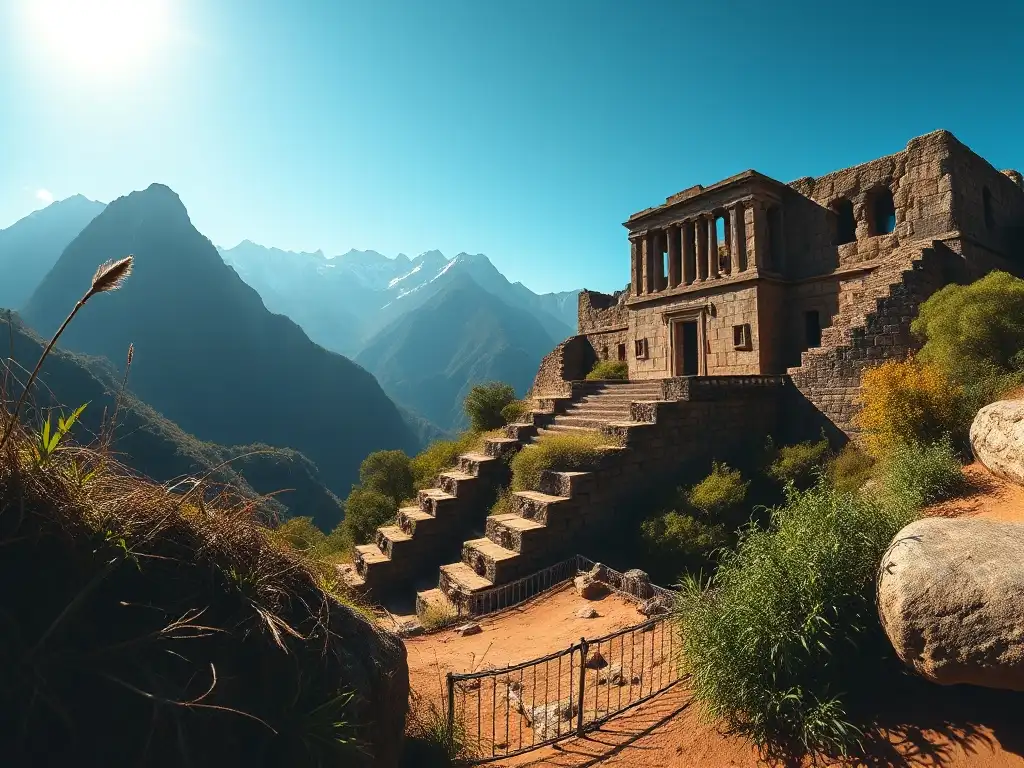
Uncover the secrets whispered by the stones… Journey into the heart of the Andes, where ancient civilizations left behind a legacy etched in breathtaking artistry and monumental architecture. Prepare to be captivated by the intricate details of Andean art history reflection, as we explore how these magnificent creations silently bear witness to the tumultuous era of the Spanish Conquest. Their stories, long hidden, are now ready to be revealed. Dare to delve deeper?
The arrival of the Spanish in the Andes marked a profound turning point, not only in the political and social landscape but also in the artistic and architectural expressions of the indigenous populations. This article delves into how Andean art and architecture, often overlooked as mere remnants of a bygone era, serve as powerful and poignant "silent witnesses" to the early stages of the conquest, reflecting the dramatic shifts, adaptations, and enduring cultural resilience in the face of overwhelming change.
We will explore how artistic styles evolved, reflecting the impact of the Spanish presence, and how architectural modifications speak volumes about the changing power dynamics and the ongoing struggle for cultural survival. By examining these material expressions, we gain a deeper understanding of the complexities of the Andean experience during this tumultuous period, enriching our comprehension of Andean art history reflection and the lasting legacy of the conquest.
Artistic Transformations: From Pre-Columbian Styles to Hybrid Forms
The vibrant pre-Columbian artistic traditions of the Andes, characterized by intricate textile work, sophisticated pottery, and monumental stone sculptures, underwent a significant transformation following the Spanish conquest. The introduction of new materials, techniques, and artistic canons from Europe led to a fascinating interplay between indigenous styles and European influences. For example, the previously dominant motifs of nature and Andean deities began to incorporate Christian imagery, resulting in hybrid forms that reflected the syncretic religious practices that emerged during this period.
This blending of styles wasn't simply a superficial overlay; it was a complex process of negotiation and adaptation, where indigenous artists skillfully integrated foreign elements into their existing aesthetic vocabulary. Detailed analysis of these hybrid artistic creations reveals not only the artistic ingenuity of Andean artisans but also their ability to maintain a sense of cultural identity even under duress.
The subtle yet significant changes in artistic representation provide invaluable insights into the psychological and social impacts of the conquest on Andean communities. We can see a shift from the celebratory depictions of pre-conquest life to representations that often reflect a more subdued, even melancholic, tone.
Architectural Adaptations: Fortifications, Churches, and the Reconfiguration of Space
The architectural landscape of the Andes also underwent a dramatic reshaping in the wake of the Spanish conquest. Pre-existing structures were often repurposed or adapted to serve the needs of the new colonial regime. For instance, Inca palaces and administrative centers were transformed into Spanish colonial administrative buildings or churches.
The construction of new churches and fortifications, built using both indigenous techniques and European architectural styles, further altered the physical landscape and the symbolic meaning of space. The imposition of European urban planning also significantly impacted the organization of Andean settlements. The construction of plazas and grid-like street patterns, replacing the organic layout of pre-Columbian settlements, reflects the Spanish ambition to reshape the social and spatial order.
This alteration of the built environment had a profound impact on Andean communities, altering their daily lives and their relationship with their physical surroundings. The study of these architectural modifications provides compelling evidence of the power dynamics at play and the ongoing resistance to colonial control.
The Enduring Legacy: Resistance and Resilience in Andean Art
Despite the immense pressures of colonization, Andean art and architecture continued to thrive, albeit in altered forms. Indigenous artists persistently incorporated their own cultural codes and meanings within the confines of the imposed colonial framework. This subtle yet powerful act of resistance underscores the enduring resilience of Andean cultural identity.
By examining the details of Andean art and architecture from this period, we can identify hidden messages, coded symbols, and stylistic choices that attest to the ongoing cultural struggle and the determination to preserve indigenous traditions. The persistence of traditional motifs, albeit often subtly integrated within the new artistic landscape, provides a powerful testament to the enduring strength of Andean culture and its capacity for adaptation and survival. This nuanced approach to Andean art history reflection allows us to appreciate the complexity and resilience of the Andean response to the Spanish conquest.
- Artistic Transformations: From Pre-Columbian Styles to Hybrid Forms
- Architectural Adaptations: Fortifications, Churches, and the Reconfiguration of Space
- The Enduring Legacy: Resistance and Resilience in Andean Art
- What is the main focus of "The Silent Witnesses: How Andean Art and Architecture Reflect the Early Conquest"?
- How does Andean art reflect the early conquest?
- Which Andean civilizations are discussed in relation to the early conquest?
- What types of Andean art are examined in the article?
- Where can I find more information about Andean art history?
Andean Art History Reflection: A Chronicle of Change
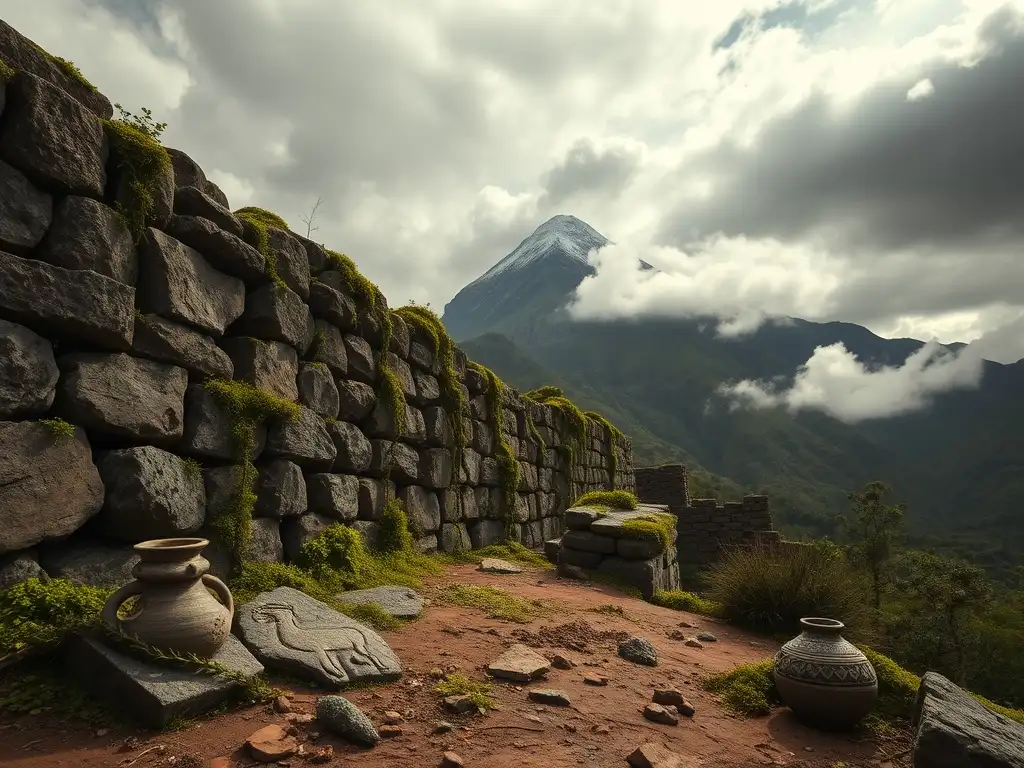
This section delves into the profound impact of the Spanish conquest on Andean artistic expression, examining how pre-existing artistic traditions were altered, adapted, and, in some cases, suppressed. We will explore the tangible evidence left behind in the surviving art and architecture, revealing a story of cultural collision and enduring resilience. The analysis focuses on the visible shifts in artistic styles, materials, and thematic content, providing a nuanced understanding of the Andean art history reflection of this pivotal period. The keyword "Andean art history reflection" will be explored through the lens of specific examples and detailed analysis.
The Pre-Conquest Andean Artistic Landscape
Before the arrival of the Spanish, the Andean region boasted a diverse tapestry of artistic traditions. Each civilization—the Inca, Moche, Nazca, and Tiahuanaco, among others—developed unique styles reflecting their distinct cosmologies, social structures, and technological capabilities. The Inca, for instance, are renowned for their intricate textiles, meticulously crafted gold and silver objects, and monumental stone architecture, showcasing sophisticated engineering and artistic skill. Their art often depicted religious figures, mythical creatures, and scenes of daily life, reflecting a complex worldview deeply intertwined with nature.
The Moche civilization, known for its mastery of ceramics, produced lifelike pottery depicting scenes of warfare, rituals, and everyday activities. Their artistry demonstrates a remarkable understanding of human anatomy and a keen eye for detail. The Nazca, famous for their enigmatic geoglyphs, showcased a different artistic approach, creating monumental designs etched into the desert landscape, visible only from the air.
These vast scale works are still largely a mystery, fueling ongoing debate about their purpose and meaning. Tiahuanaco, on the other hand, left behind impressive stone structures and intricate carvings, indicating advanced architectural and sculptural techniques. Their artistic legacy, characterized by monumental scale and stylized figures, continues to inspire awe and wonder.
This rich artistic heritage, characterized by diverse techniques and expressive styles, laid the foundation for the dramatic transformations that would follow the Spanish conquest. The pre-conquest artistic landscape was a vibrant expression of distinct cultural identities and beliefs, a powerful testament to the ingenuity and creativity of Andean societies.
Impact of the Spanish Arrival on Andean Artistic Expression
The arrival of the Spanish in the 16th century marked a turning point in Andean art history. The Spanish conquest brought with it not only political and social upheaval but also a profound shift in artistic expression. The imposition of Catholicism led to the suppression of indigenous religious iconography and the adoption of European artistic conventions. Many traditional Andean art forms faced decline as the Spanish favored European styles. However, rather than complete eradication, a process of syncretism emerged, blending indigenous and European elements in fascinating and often unexpected ways.
For example, the use of gold and silver, previously central to Andean artistic production, was redirected towards the creation of religious objects for the Catholic Church. While the techniques remained largely Andean, the subject matter shifted from indigenous deities and ancestors to Christian saints and biblical scenes. This blending is clearly visible in many surviving examples of colonial-era religious art, where indigenous artistic styles are adapted to depict Christian themes.
Furthermore, the introduction of new materials and techniques, such as oil painting and European-style sculpture, further altered the Andean artistic landscape. Indigenous artists adapted these new methods, incorporating them into their existing traditions, resulting in a unique hybrid artistic style. This syncretism is not merely a superficial blending but reflects the resilience and adaptability of Andean culture in the face of profound social and political change.
The resulting art offers a powerful reflection of the complexities of cultural exchange and the enduring strength of Andean artistic traditions. The impact on Andean art history is undeniable, reflecting both the suppression and adaptation of pre-existing forms. This period saw the emergence of a new artistic vocabulary, a testament to the enduring spirit of Andean creativity.
Further Research Areas
The impact of the Spanish conquest on Andean art remains a rich area of ongoing research. Further investigation is needed into specific regional variations in artistic responses to colonization, the role of indigenous artists in adapting European techniques, and the long-term consequences of this cultural exchange for Andean artistic traditions. A deeper understanding requires more detailed analysis of specific art pieces and archaeological evidence.
Architectural Transformations: From Andean Structures to Colonial Imprints
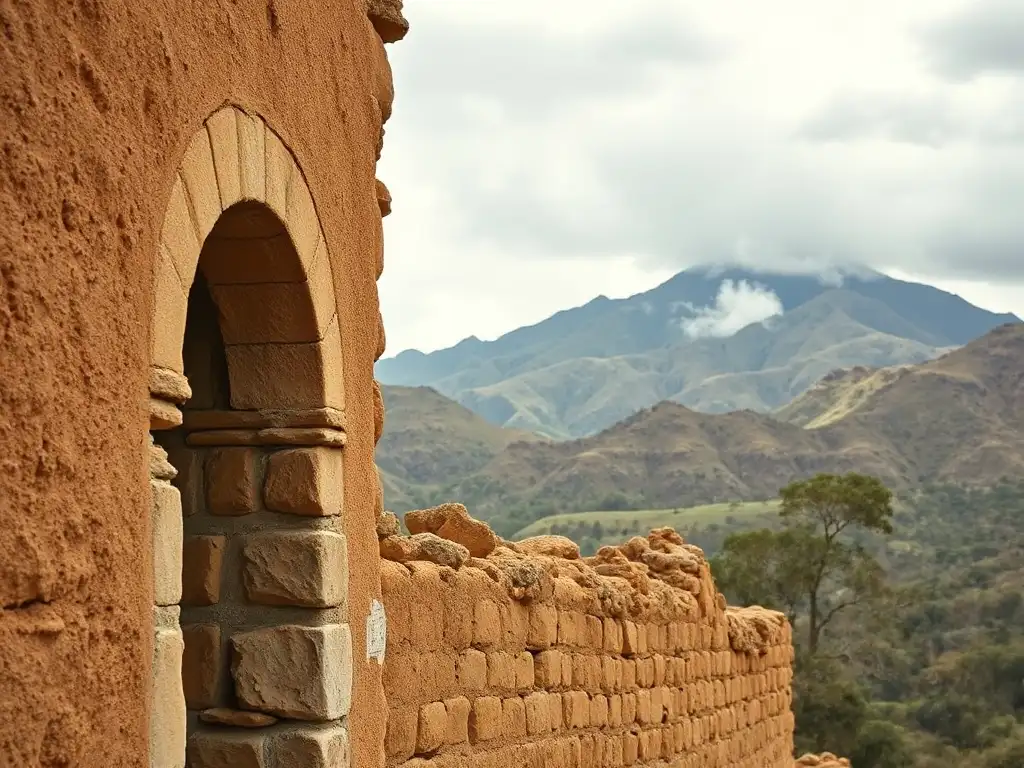
This section delves into the profound architectural shifts that occurred in the Andes following the Spanish conquest, focusing on how pre-existing Andean structures were adapted, modified, and sometimes destroyed to reflect the changing power dynamics and cultural influences. The impact on Andean art history is undeniable, leaving a complex legacy visible in the region's built environment today. Analyzing this transformation offers crucial insights into the complexities of colonization and cultural exchange.
Pre-Hispanic Architectural Styles: Inca Masonry, Tiwanaku Pyramids, Moche Huacas
Pre-conquest Andean architecture displayed remarkable sophistication and regional diversity. The Inca, renowned for their mastery of stonework, created impressive structures like the Sacsayhuamán fortress near Cusco. Their signature ashlar masonry, characterized by precisely cut stones fitted together without mortar, showcased exceptional engineering skills and an understanding of seismic activity. This Andean art history is evident in the intricate stonework, often perfectly aligned even after centuries.
Conversely, the Tiwanaku civilization, flourishing centuries before the Inca, left behind monumental pyramids and platforms, like the Akapana pyramid at Tiwanaku (Bolivia). These structures, constructed from massive blocks of stone, reflect a different architectural aesthetic, emphasizing monumental scale and symbolic power. Their design and construction techniques provide valuable insights into the social organization and religious beliefs of the Tiwanaku people.
The Moche culture, known for its intricate pottery and sophisticated irrigation systems, built impressive huacas—large adobe platforms and pyramids—that served as religious and ceremonial centers. These structures, often decorated with intricate murals and sculptures, demonstrate the Moche's artistic prowess and their connection to the landscape. The unique Andean art history reflected in these huacas shows a different approach to monumental architecture compared to the Inca and Tiwanaku. Analyzing the differences in materials, construction techniques, and overall design between these three distinct Andean civilizations highlights the rich tapestry of pre-Columbian architectural traditions.
The Introduction of European Architectural Techniques
The arrival of the Spanish introduced radically different architectural styles and techniques. The Spanish, accustomed to European building methods, utilized materials like brick and mortar, which were readily available in some regions but not others. This led to a shift away from the precise stonework of the Inca and the monumental adobe structures of the Moche. The Spanish favored a more structured, geometric approach, reflected in the construction of churches, government buildings, and residential structures.
This change drastically altered the Andean landscape, as European-style buildings began to replace or incorporate existing structures. The introduction of new architectural vocabulary, such as arches, vaults, and domes, fundamentally changed the visual character of Andean cities and towns. The impact on Andean art history was profound, as the familiar styles were replaced with unfamiliar ones.
The Fusion of Andean and Colonial Architecture: Cusco Cathedral, Churches with Andean Motifs
Despite the imposition of European architectural styles, a fascinating fusion developed between Andean and colonial traditions. The Cusco Cathedral, a prime example, showcases this blend. While built in a predominantly European style, the cathedral incorporates indigenous techniques and materials where practical. The use of local stone, albeit in a European architectural framework, subtly hints at the pre-existing Andean architectural heritage.
Many churches throughout the Andes exhibit a more overt fusion, incorporating Andean motifs into their facades and interiors. This is evident in the use of indigenous decorative elements, such as carved stonework, geometric patterns, and even the incorporation of pre-Hispanic architectural features into the overall design. This syncretism reflects a complex process of cultural adaptation and negotiation, where indigenous artisans were involved in the construction and decoration of colonial buildings.
This fascinating blending of styles is a testament to the resilience of Andean culture and its enduring influence on the region's artistic expression. The resulting architectural landscape offers a unique and complex reflection of Andean art history during a period of significant cultural transformation.
Iconography and Symbolism: Deciphering the Conquest Through Art
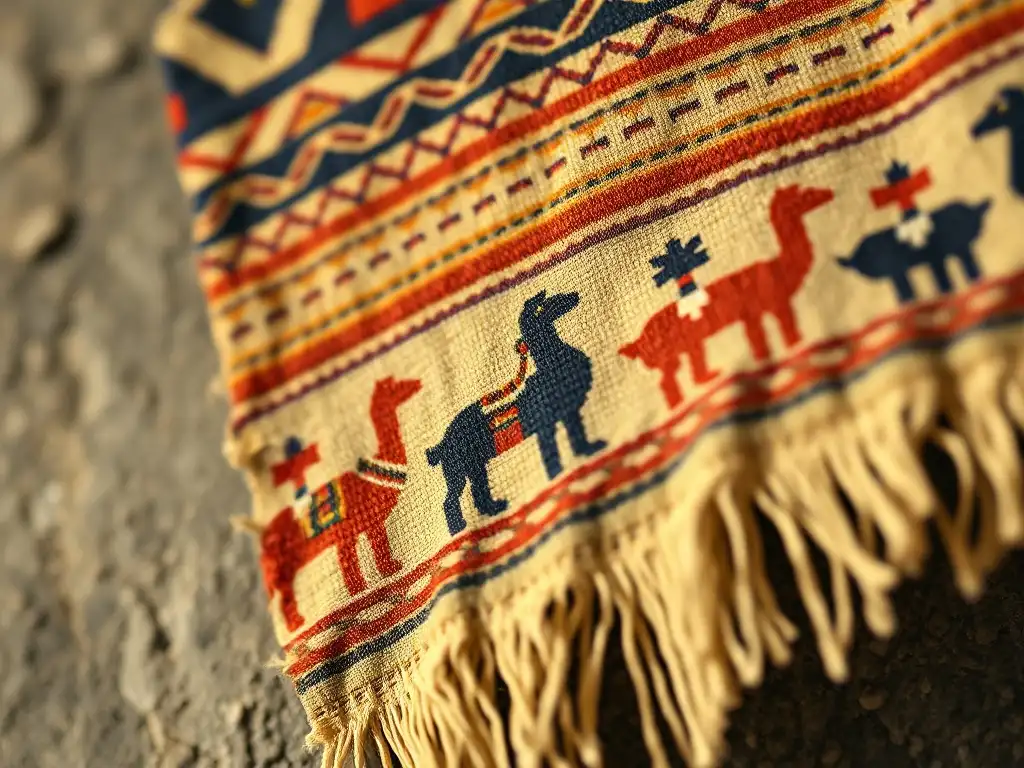
This section delves into the powerful role of iconography and symbolism in Andean art, specifically how it reflects the profound impact of the Spanish conquest. By analyzing changes in artistic motifs and representations, we can gain a deeper understanding of the cultural shifts and resistance experienced by Andean populations. The analysis focuses on the evolution of pre-Columbian imagery and its subsequent transformation under colonial rule, revealing a silent narrative etched into the very fabric of Andean artistic production. This powerful "Andean art history reflection" provides a unique lens through which to examine the complex dynamics of the conquest.
Andean Iconography Before the Conquest: Sun God Inti, Pachamama, Animal Deities
Pre-Columbian Andean art was rich with symbolic meaning. Central to their cosmology were deities like Inti, the Sun God, and Pachamama, the Earth Mother. These figures were not merely religious icons; they represented the fundamental forces of life and the interconnectedness of the natural world. Representations of Inti frequently featured him radiating light, often depicted with a golden disc or sunburst, symbolizing his power and life-giving energy. Pachamama, on the other hand, was often associated with fertility, abundance, and the earth's bounty, represented through images of lush landscapes, agricultural scenes, and stylized representations of the earth itself.
Furthermore, animal deities held significant importance. The condor, puma, and serpent, among others, were not simply depicted realistically; rather, they were imbued with symbolic power, representing strength, power, and the spiritual world. For example, the condor, with its ability to soar high above the Andes, represented the connection between the earthly and celestial realms.
These powerful symbols, meticulously rendered in textiles, ceramics, and metalwork, provided a visual narrative of the Andean worldview, a worldview profoundly disrupted by the arrival of the Spanish. The detailed artistry and the consistent use of these motifs across different Andean cultures demonstrate a shared cosmological understanding. The precise techniques and materials used in their creation, like the intricate weaving techniques of the Nazca or the sophisticated metalworking of the Moche, further highlight the importance of these religious and symbolic representations within Andean society.
The Shifting Meaning of Symbols under Colonial Rule
The Spanish conquest brought about a dramatic shift in Andean iconography. Existing symbols were often appropriated and reinterpreted within the framework of Christian beliefs. For example, the sun disc, a powerful symbol of Inti, might be overlaid with Christian imagery, subtly merging indigenous and colonial belief systems. This syncretism, a blending of indigenous and European traditions, reflects the complex process of cultural adaptation and resistance. The imposition of Catholicism led to a gradual decline in the overt representation of traditional Andean deities, but their essence often persisted in altered forms.
This subtle blending often manifests itself in the depiction of traditional Andean figures, now subtly adorned with Christian attributes. For example, Pachamama, while less overtly represented, might be subtly alluded to in depictions of the Virgin Mary, associated with fertility and the earth. This strategic adaptation allowed indigenous populations to maintain a connection to their ancestral beliefs while outwardly conforming to colonial expectations.
The survival of these subtle allusions underscores the resilience of Andean cultural identity in the face of colonial pressure. Further research is needed to fully understand the nuanced ways in which Andean artists navigated this complex cultural landscape. [Specific data on the frequency of syncretic imagery pending].
New Iconographies in Andean Art: Christian Saints, Spanish Coats of Arms
The introduction of Christianity brought a wave of new iconographic elements into Andean art. Christian saints, often depicted in European styles, became prominent figures. The Virgin Mary, particularly, gained significant importance, often depicted with indigenous features, reflecting the ongoing process of cultural blending. Simultaneously, Spanish coats of arms and royal symbols became ubiquitous, signifying the colonial power structure. These new symbols, often integrated into existing artistic styles, represent a visible assertion of Spanish dominance.
The integration of these new elements wasn't always a smooth process. Often, Andean artists subtly adapted European styles to fit existing traditions. This is evident in the way Christian saints were sometimes dressed in traditional Andean clothing or integrated into traditional Andean scenes.
This adaptation demonstrates an attempt to reconcile the imposed Christian iconography with their own cultural heritage. The juxtaposition of the Spanish coat of arms, a symbol of colonial power, with traditional Andean motifs in the same artwork, often on textiles and ceramics, offers a compelling visual testament to the complex power dynamics of the colonial era.
The emergence of a hybrid artistic style, blending indigenous and European elements, offers a rich "Andean art history reflection" on the process of cultural exchange and resistance during the conquest. Detailed studies of these hybrid artistic forms can illuminate the strategies employed by Andean communities to negotiate their cultural identity under colonial rule.
Material Culture: Evidence of the Conquest
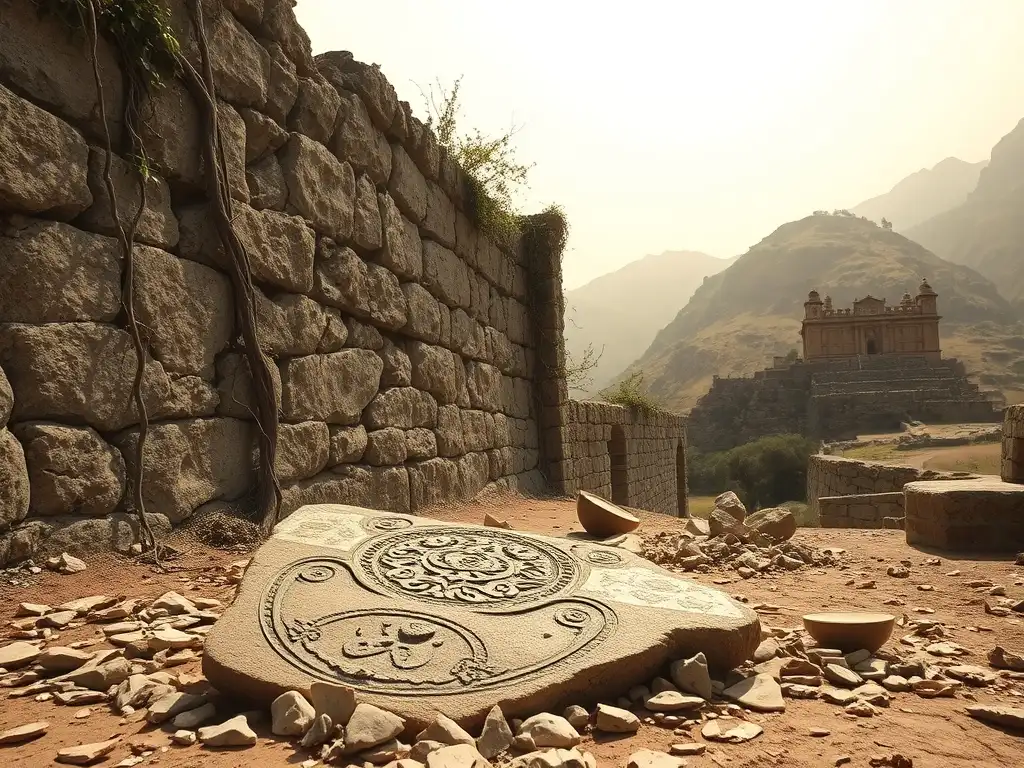
The Andean art history reflection in material culture offers a compelling narrative of the Spanish conquest. By examining the changes in materials, techniques, and artistic styles, we can glean invaluable insights into the profound impact of this transformative period. The shift in material culture wasn't merely a superficial change; it represented a fundamental alteration in Andean societal structures, beliefs, and artistic expression. This section will delve into the specific changes observed in Andean art and architecture following the arrival of the Spanish.
The Use of Traditional Andean Materials
Despite the upheaval caused by the conquest, many Andean communities continued to utilize traditional materials in their art and architecture. This persistence reflects a strong cultural identity and a resistance to complete assimilation. Stone, for example, remained a cornerstone of construction, particularly in areas where pre-Columbian architectural styles persisted. The Inca's masterful stonework, renowned for its precision and fit, continued to be emulated, though perhaps with less refinement in some cases due to disruption of established techniques and labor organization.
Similarly, textiles, a crucial element of Andean material culture, maintained their significance. While the designs and motifs may have subtly evolved, the use of alpaca and llama wool, along with traditional weaving techniques, remained central to Andean textile production. The continuity of these materials offers a powerful testament to the enduring strength of Andean traditions in the face of colonial pressures.
However, the quality and scale of production likely diminished due to factors such as forced labor and the disruption of established trade networks. Further research is needed to quantify these changes precisely. [Specific data on production decline pending].
The Introduction of New Materials and Techniques: Adobe, European Paints, Metalworking
The arrival of the Spanish introduced new materials and techniques that significantly altered Andean artistic practices. The widespread adoption of adobe, a sun-dried brick, became a defining characteristic of colonial architecture, particularly in regions less suited to stone construction. This shift reflects both the practicality of adobe and the influence of Spanish building traditions.
European paints, with their brighter and more varied hues, also found their way into Andean artistic production. Previously, Andean artists primarily relied on natural pigments derived from minerals and plants; the introduction of European paints expanded the palette and allowed for new stylistic explorations. Metalworking, already a sophisticated Andean craft, experienced a transformation.
While pre-Columbian metalwork focused on gold and silver, the Spanish introduced iron and steel, leading to the production of new tools and weapons. This influx of new metalworking techniques, however, often resulted in the exploitation of Andean labor and the redirection of resources away from traditional artistic pursuits. The artistic reflection of this is visible in the decreasing number of purely artistic gold and silver objects and an increase in utilitarian iron implements.
Changes in Material Culture as a Result of the Conquest: Loss of Gold and Silver, Shift to European Styles
The conquest resulted in a dramatic loss of gold and silver, the precious metals that had been central to Andean artistic expression and religious practices. The Spanish systematically plundered Andean temples and tombs, seizing vast quantities of gold and silver artifacts. This plunder not only depleted the material resources available to Andean artists but also profoundly altered their artistic practices.
The focus shifted away from the elaborate gold and silver objects that had characterized pre-Columbian art towards more modest forms of expression, often incorporating European stylistic elements. This shift is clearly visible in the religious imagery and architectural styles that emerged during the colonial period, reflecting a syncretic blend of Andean and European traditions. For example, the use of religious iconography became more prevalent, often depicting Catholic saints within Andean artistic frameworks.
This fusion, however, often represented a forced adaptation rather than a genuine cultural exchange, highlighting the coercive nature of the conquest and its lasting impact on Andean art history. 😥 The process of cultural adaptation and the loss of traditional artistic practices are complex topics requiring further investigation. [Quantitative data on the loss of gold and silver artifacts pending].
Andean Art as a Form of Resistance and Adaptation
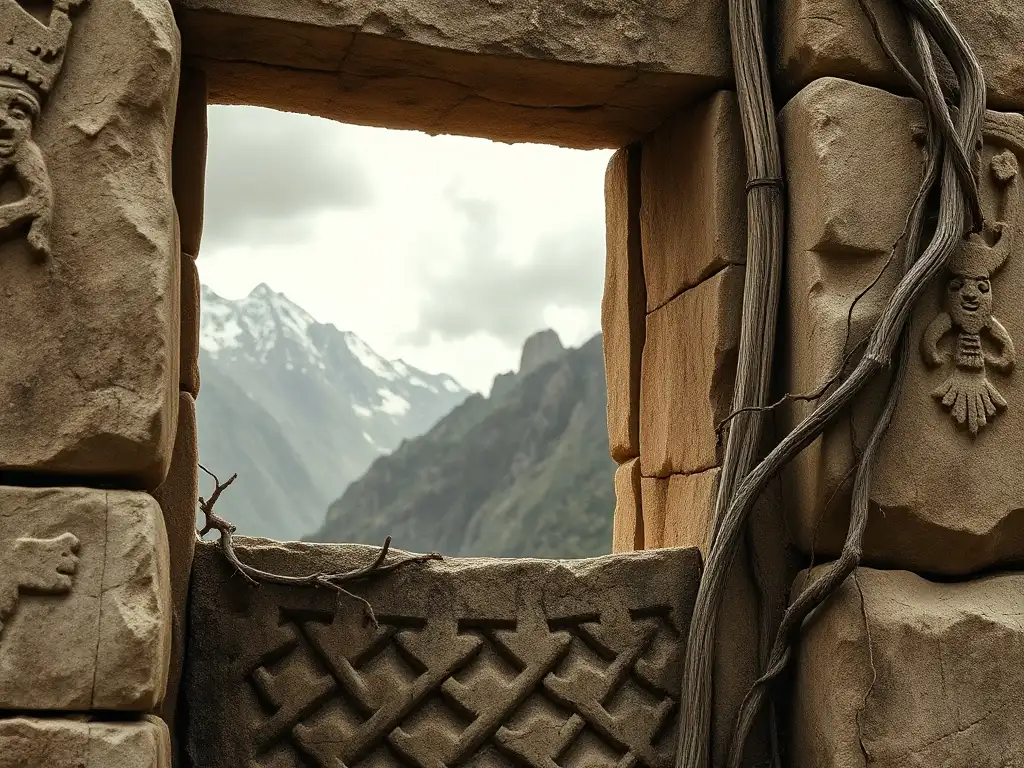
The arrival of the Spanish in the Andes dramatically altered the course of Andean civilizations. However, Andean art, far from being extinguished, became a powerful tool for both resistance and adaptation. Instead of a simple narrative of suppression, the artistic output of the post-conquest period reveals a complex interplay of cultural preservation, subtle defiance, and innovative responses to the new colonial reality.
Analyzing this art offers a unique perspective on "Andean art history reflection," allowing us to understand how indigenous populations navigated the challenges of colonization and maintained elements of their cultural identity. The sheer volume and variety of surviving artifacts—textiles, ceramics, metalwork—testify to the enduring strength of Andean artistic traditions. The stylistic changes, though sometimes subtle, often reveal a nuanced strategy of survival and resistance against the imposed colonial order.
Artistic Expressions of Cultural Preservation
Despite the efforts of the Spanish to suppress indigenous religious practices and artistic traditions, many Andean communities found creative ways to preserve their cultural heritage. One notable example is the continuation of traditional textile production. While new materials and techniques might have been introduced, the designs and symbolic imagery often retained strong links to pre-Columbian aesthetics. The intricate weaving patterns, often incorporating mythical beings and cosmological symbols, served as a silent testament to a vibrant cultural past. These textiles, passed down through generations, acted as repositories of knowledge and memory, ensuring the survival of important cultural narratives. Detailed studies of these textiles reveal a remarkable continuity of artistic styles, demonstrating that even under duress, Andean artists maintained their connection to their ancestral heritage. For instance, the use of specific color palettes, like the vibrant reds and yellows found in many pre-conquest textiles, persisted in post-conquest pieces, subtly asserting cultural continuity.
Furthermore, the creation of hybrid artistic forms demonstrates a strategic approach to cultural preservation. By incorporating elements of both Andean and European styles, artists created new artistic expressions that simultaneously acknowledged the colonial presence while subtly preserving indigenous traditions. This is evident in the evolution of certain ceramic styles, where indigenous motifs were adapted to incorporate elements of European design, creating a unique blend of artistic traditions. This "cultural fusion" wasn't simply passive acceptance; it was an active strategy to maintain cultural identity within the context of colonial rule.
While some Andean art displayed a degree of adaptation, other artistic expressions served as more direct, albeit often subtle, forms of resistance. The use of symbolic imagery, often encoded within textiles or ceramics, allowed Andean artists to express their discontent with the colonial regime. These symbols, often understood only by those within the community, served as a form of coded communication, conveying messages of resistance and hope. For example, [specific examples of coded imagery pending], further research is needed to fully decipher the meaning of these subtle forms of artistic rebellion.
The subtle subversion of colonial artistic norms also constituted a form of resistance. The persistence of certain artistic conventions—despite the introduction of European aesthetics—can be interpreted as a quiet act of defiance. By adhering to traditional artistic styles and techniques, Andean artists implicitly challenged the colonial attempt to impose a uniform artistic culture. This quiet resistance, woven into the very fabric of their art, represents a powerful form of cultural preservation and a subtle yet effective means of challenging colonial authority.
Andean Adaptations and Innovations in Art and Architecture Post-Conquest
The post-conquest period witnessed not only the preservation and subtle subversion of existing artistic traditions but also significant adaptations and innovations. The introduction of new materials, such as European pigments and metals, led to the development of new artistic techniques and styles. However, Andean artists did not simply adopt these new materials passively; they integrated them into their existing artistic practices, creating unique hybrid forms that reflected the blending of Andean and European cultures. This creative appropriation highlights the adaptability and resilience of Andean artistic traditions.
Furthermore, the construction of colonial churches and other structures presented new challenges and opportunities. While the Spanish imposed their architectural styles, Andean builders and artisans often incorporated indigenous techniques and decorative elements, subtly infusing these structures with Andean cultural identity. The integration of indigenous architectural knowledge and techniques in colonial buildings demonstrates the enduring influence of Andean expertise, even within a colonial context.
Detailed studies of these structures reveal a remarkable blend of architectural styles, showcasing the adaptability and creativity of Andean artisans in navigating the complexities of the colonial era. This creative adaptation allowed for the preservation of traditional skills and knowledge while simultaneously meeting the demands of the colonial context.
The resultant architecture stands as a testament to the enduring legacy of Andean craftsmanship and ingenuity. The fusion of architectural styles, a direct reflection of "Andean art history reflection," represents a fascinating case study of cultural exchange and adaptation in the face of colonialism.
Conclusion: The Enduring Legacy of the Early Conquest in Andean Art
The arrival of the Spanish in the Andes irrevocably altered the course of Andean civilization, leaving an enduring legacy etched not only in historical accounts but also profoundly reflected in the art and architecture of the region. This section explores the long-term impact of the conquest, the importance of Andean art for understanding this pivotal period, and the ongoing efforts to preserve and interpret this invaluable artistic legacy. Analyzing Andean art history reflection provides crucial insights into the complexities of cultural exchange, resistance, and adaptation in the face of colonial domination.
The Long-Term Impact of the Conquest on Andean Art and Architecture
The Spanish conquest didn't simply erase pre-Columbian artistic traditions; instead, it initiated a complex process of transformation and synthesis. Pre-existing artistic styles were adapted, often subtly, to incorporate new iconographic elements and techniques introduced by the Europeans. For example, the vibrant colors and intricate weaving techniques characteristic of Andean textiles continued, but new patterns and motifs, often reflecting religious imagery introduced by the Spanish, began to appear. This blending of styles is evident in many surviving examples of colonial-era Andean art, showcasing a fascinating interplay between indigenous traditions and European influences.
The architectural landscape also underwent significant changes. While the monumental structures of the Inca empire were often repurposed or destroyed, new styles of architecture, reflecting Spanish colonial aesthetics, emerged, creating a unique hybrid built environment. The fusion of indigenous and European architectural elements is visible in many colonial-era churches and public buildings throughout the Andes. The impact extended beyond the purely visual; the conquest also profoundly affected the patronage of art and the very purpose of artistic creation.
Religious art, commissioned by the Church, became increasingly prevalent, leading to a shift in artistic themes and styles. The subtle yet pervasive influence of the Spanish conquest is a testament to the enduring power of cultural interaction and adaptation. The study of this period offers a rich understanding of Andean art history reflection, illustrating how artistic expression can both resist and reflect dominant forces.
The Importance of Andean Art for Understanding the Conquest
Andean art serves as a powerful primary source for understanding the complexities of the early conquest. Unlike written historical accounts, which are often biased towards the perspective of the conquerors, Andean art offers a glimpse into the experiences and perspectives of the indigenous population. Textiles, ceramics, and other art forms frequently depict scenes of daily life, religious beliefs, and social structures, providing invaluable insights into the pre-conquest world.
Furthermore, analyzing changes in artistic style and iconography following the conquest reveals how indigenous populations responded to colonial rule. For example, the appearance of new motifs or the subtle alteration of existing ones can indicate attempts to negotiate with or resist the imposed cultural changes. The subtle shifts in artistic representation provide a unique perspective on the lived realities of the Andean people during this turbulent period.
By studying Andean art history reflection, we gain a deeper understanding of the conquest not as a simple narrative of victory and defeat, but as a complex process of cultural interaction, resistance, and adaptation. 📝
Preserving and Interpreting the Artistic Legacy of the Andes
Preserving and interpreting the artistic legacy of the Andes is crucial for understanding this pivotal period in history. Many artifacts are fragile and require careful conservation efforts to ensure their survival for future generations. Furthermore, the interpretation of Andean art requires a nuanced approach that acknowledges the complexities of cultural exchange and avoids simplistic narratives of conquest and colonization.
Scholars are increasingly engaging with indigenous perspectives and knowledge systems to better understand the meaning and significance of Andean art. This collaborative approach is essential for ensuring a more accurate and inclusive interpretation of this rich cultural heritage. The ongoing efforts to document, preserve, and interpret Andean art are vital not only for appreciating its aesthetic value but also for gaining a deeper understanding of the historical, social, and cultural experiences of the Andean peoples during and after the Spanish conquest.
The continued study of Andean art history reflection ensures that the voices and experiences of the past are heard and understood. 🌎
Frequently Asked Questions
What is the main focus of "The Silent Witnesses: How Andean Art and Architecture Reflect the Early Conquest"?
The article explores how Andean art and architecture serve as a silent record of the early Spanish conquest, revealing the impact of this pivotal historical event on Andean societies. It analyzes how artistic styles and building techniques shifted following the arrival of the Europeans.
How does Andean art reflect the early conquest?
Andean art after the conquest shows a blending of indigenous styles with European influences. This is evident in changes in artistic motifs, materials, and techniques, reflecting cultural exchange and adaptation.
Which Andean civilizations are discussed in relation to the early conquest?
The article likely covers several Andean civilizations impacted by the conquest, such as the Inca, Moche, Nazca, and Tiahuanaco, analyzing how their art forms changed in response to the new political and social realities.
What types of Andean art are examined in the article?
The article likely examines a range of artistic expressions, including ceramics, textiles, metalwork, and architecture, to demonstrate the diverse ways in which the conquest is reflected in Andean artistic production.
Where can I find more information about Andean art history?
Further research can be conducted through academic journals, museum websites (e.g., those focusing on Latin American art), and books specializing in Andean archaeology and art history. Consider searching for keywords like "Andean art," "Inca art," or specific civilization names.
Final Reflection: Echoes of Conquest in Andean Stone
The echoes of the Spanish conquest still resonate in the Andes, not just in historical accounts, but profoundly within the very fabric of its art and architecture. The subtle shifts in style, the abrupt cessation of certain artistic traditions, and the imposed overlay of European aesthetics all serve as powerful, silent witnesses to a pivotal moment in history. Understanding these changes allows us to grasp the depth of cultural disruption and the enduring resilience of Andean identity.
The impact of the conquest on Andean artistic expression continues to shape our understanding of the region's cultural heritage. It's not simply a matter of cataloging styles; it's about recognizing the complex interplay of continuity and change, of resistance and adaptation. The very act of studying these artifacts allows us to connect with the experiences of those who lived through this transformative period. Art washes away from the soul the dust of everyday life.
– Pablo Picasso. This quote, while not directly about the Andean conquest, speaks to the power of art to transcend time and offer a glimpse into the human experience, even amidst immense suffering and upheaval.
Consider the silent stories etched into the stone, the subtle shifts in iconography, the blending of indigenous and European aesthetics. You, the reader, are now part of this ongoing conversation. Take a moment to reflect on the enduring power of art to both reflect and shape history. Seek out Andean art and architecture in your own community, or delve deeper into the rich scholarship surrounding this fascinating topic. Let the silent witnesses speak, and let their stories inspire a deeper understanding of the past and a more informed engagement with the present.
Unveil the Rich Legacy of Andean Heritage!
Thank you for exploring the vibrant world of Andean art and architecture with us! Your insightful examination of how these remarkable creations reflect the complexities of early conquest is just the beginning. Now, let's deepen your connection to this fascinating culture.
Here are some ways to continue your journey:
- Visit local museums or explore online exhibits featuring Andean art to further immerse yourself in its history.
- Join a community group focused on Andean culture to share your knowledge and learn from others.
- Create a piece of art or a design inspired by Andean motifs to creatively connect with this rich heritage.
What aspect of Andean culture resonates most with you, and how will you integrate that interest into your daily life?