
The Power of Music in Andean Agriculture: Rhythms of the Harvest

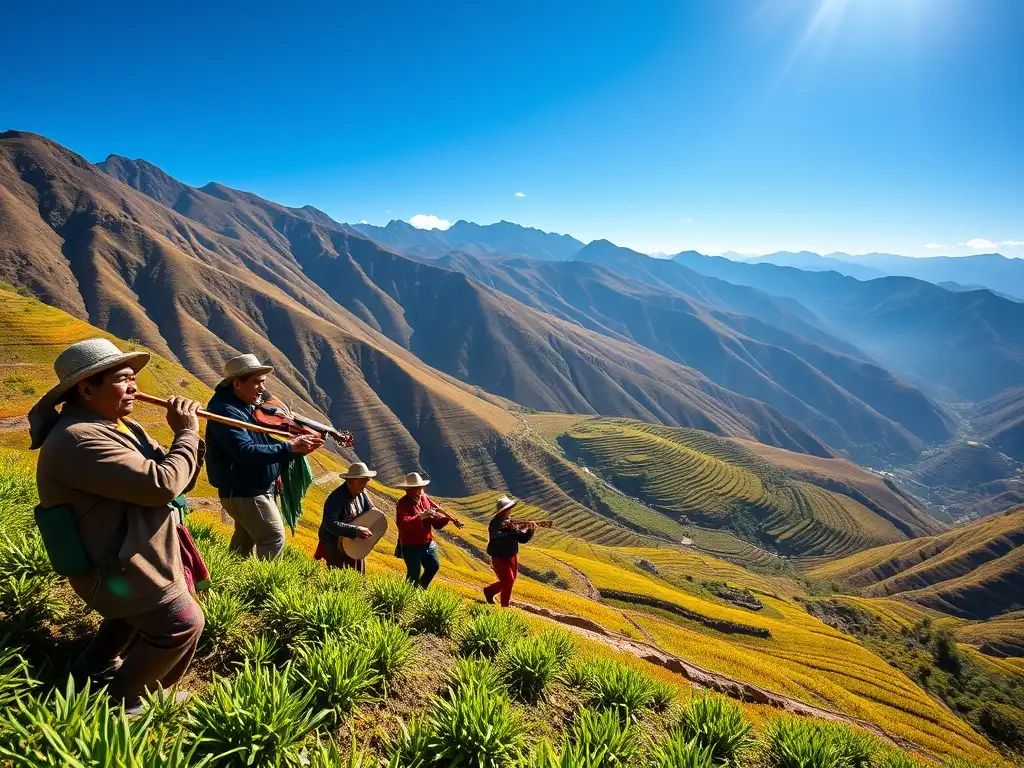
Uncover the secrets whispered on the wind across the Andes Mountains. For centuries, the vibrant cultures of this region have flourished, leaving behind a legacy of breathtaking artistry and ingenuity. But what if the key to understanding their enduring success lies not just in their mastery of engineering and agriculture, but also in the rhythms that shaped their lives? Prepare to be captivated by the story of Andean agricultural music rhythms, a powerful force that connected ancient farmers to the land and its bounty. Dive in and discover how music fueled the heart of Andean civilization.
The Andes Mountains, a spine of towering peaks running down the western coast of South America, are not only a breathtaking landscape but also the cradle of sophisticated ancient civilizations. For millennia, Andean cultures developed intricate agricultural techniques to thrive in challenging terrains, often incorporating music and ritual into their farming practices.
This article delves into the fascinating relationship between music and agriculture in the Andes, exploring how rhythmic patterns and musical instruments played a crucial role in ensuring successful harvests and fostering a deep connection with the land. We will examine the specific rhythms associated with Andean agricultural practices, uncovering the rich tapestry of sounds that accompanied the sowing, cultivation, and harvesting of crops.
Understanding these musical traditions provides valuable insight into the spiritual beliefs and social structures of Andean societies, highlighting the profound influence of music on their daily lives and agricultural success. This exploration will encompass various Andean cultures, including but not limited to the Incas, Moche, Nazca, and Tiahuanaco, demonstrating the widespread significance of "Andean agricultural music rhythms" throughout the region.
The Role of Music in Andean Agricultural Rituals
Andean agricultural practices were deeply intertwined with religious beliefs and spiritual rituals. Music played a central role in these ceremonies, believed to influence the fertility of the land and ensure bountiful harvests. Specific songs and musical pieces were associated with different stages of the agricultural cycle – from preparing the soil to planting seeds, tending to crops, and finally celebrating the harvest.
These weren't merely background sounds; they were integral components of the rituals, believed to invoke the favor of deities associated with agriculture and fertility. Archaeological evidence, such as depictions of musical instruments in pottery and textiles, supports the crucial role of music in these ancient practices. For example, [specific examples of archaeological findings related to music and agriculture pending].
The melodies and rhythms themselves were often believed to mimic the natural cycles of growth and renewal, further strengthening their connection to the land and its productivity. Detailed ethnographic studies further illuminate the continued importance of music in contemporary Andean agricultural communities.
Instruments Used in Andean Agricultural Music
A variety of instruments, each with unique sonic qualities, accompanied Andean agricultural rituals. The pututu, a long shell trumpet, was often used to summon communities for communal work or to announce important agricultural events. Its deep, resonant sound carried across vast distances, echoing through the valleys and mountains. The antara, a panpipe instrument, produced a range of melodic sounds, often used to accompany songs and chants related to planting and harvesting.
Percussion instruments, such as the tinku (a type of drum) and various rattles, provided rhythmic accompaniment, creating a vibrant and energetic soundscape. The specific instruments used often varied depending on the region and the particular agricultural practice, reflecting the diversity of musical traditions across the Andes. [Specific information on regional variations in instruments used in agricultural music pending]. The construction of these instruments themselves often involved intricate craftsmanship and symbolic elements, further emphasizing their spiritual significance.
Rhythmic Patterns and their Agricultural Significance
The rhythmic patterns in Andean agricultural music were not arbitrary; they often reflected the cycles of nature and the processes of agriculture. For example, rhythmic sequences might mimic the rhythmic planting of seeds, the steady growth of crops, or the cyclical nature of the seasons. The tempo and intensity of the music could also vary depending on the stage of the agricultural cycle. Fast-paced rhythms might accompany energetic activities like weeding or harvesting, while slower, more contemplative rhythms might be used during planting or ceremonies requesting bountiful harvests.
[Specific examples of rhythmic patterns and their associated agricultural activities pending]. The intricate interplay of rhythms and melodies created a powerful sonic landscape that resonated with the rhythms of life itself, reinforcing the connection between humans and nature. The study of these rhythmic patterns offers a unique window into the sophisticated understanding of natural cycles held by ancient Andean cultures.
The Legacy of Andean Agricultural Music Rhythms
The legacy of Andean agricultural music rhythms continues to resonate in contemporary Andean communities. While many traditional practices have evolved, music remains an integral part of agricultural life, reflecting a deep-rooted connection to the land and ancestral traditions. The sounds of the antara, pututu, and other traditional instruments can still be heard in rural communities across the Andes, accompanying agricultural work and celebrations.
This enduring tradition speaks to the power of music to transcend time and to maintain cultural identity. The preservation and study of Andean agricultural music are crucial for understanding the rich cultural heritage of the region and for appreciating the profound relationship between music, agriculture, and spirituality in the Andes. Moreover, the study of these rhythms can offer valuable insights for contemporary agricultural practices, highlighting the importance of mindful engagement with the natural world.
- The Role of Music in Andean Agricultural Rituals
- Instruments Used in Andean Agricultural Music
- Rhythmic Patterns and their Agricultural Significance
- The Legacy of Andean Agricultural Music Rhythms
- What role did music play in Andean agricultural practices?
- What types of instruments were commonly used in Andean agricultural music?
- How did the rhythms of Andean agricultural music influence the work process?
- Are there specific musical styles associated with Andean agricultural practices?
- How is Andean agricultural music relevant to understanding Andean culture?
Andean Agricultural Music Rhythms: An Introduction

This section delves into the fascinating connection between music and agriculture in the Andes, exploring how rhythmic practices were integral to the success of Andean farming. We will examine the deep-rooted cultural significance of music in Andean life and analyze specific rhythms associated with various agricultural activities. The term "Andean agricultural music rhythms" encapsulates a rich tapestry of sounds and movements that reflected not only practical concerns but also spiritual beliefs and social structures. Understanding these rhythms offers a unique window into the ingenuity and resilience of Andean civilizations.
The Intertwined Relationship Between Andean Cultures and Agriculture
Andean cultures, from the Inca to the pre-Inca civilizations, were profoundly shaped by their relationship with the land. Agriculture wasn't merely a means of subsistence; it was a cornerstone of their social, economic, and spiritual life. The success of their agricultural practices, often carried out in challenging terrains like mountainous slopes and high altitudes, depended on intricate systems of water management, terracing, and crop rotation.
Music played a vital role in coordinating these efforts, providing a framework for communal work and reinforcing social bonds. The rhythmic chants and musical accompaniment helped synchronize tasks, maintain morale, and celebrate the bounty of the harvest. This symbiotic relationship between music and agriculture highlights the holistic worldview of Andean societies, where the spiritual and the practical were inextricably linked.
The rhythm of life itself, in many ways, mirrored the rhythms of planting, tending, and harvesting. Consider the intricate chacareras rhythms, often associated with work in the fields, their driving beat reflecting the energy and effort required.
The Significance of Music in Traditional Andean Life
Music occupied a central place in the daily lives of Andean communities. It wasn't merely entertainment; it was a fundamental element of religious ceremonies, social gatherings, and agricultural activities. Music served as a powerful tool for communication, storytelling, and the transmission of cultural knowledge across generations.
The use of panpipes, drums, and other instruments created a vibrant soundscape that accompanied all aspects of life, from birth to death. The sounds and rhythms were believed to have spiritual significance, capable of influencing the forces of nature and ensuring a successful harvest. For example, specific melodies were believed to appease the gods responsible for rainfall, while others were used to celebrate the fertility of the land.
This deep connection between music and spirituality underscores the integral role of music in Andean cosmology and its influence on agricultural practices. Think of the yaravíes, melancholic songs often associated with the hardships of Andean life, reflecting a deep connection to the land and its challenges.
Exploring the Rhythms of Andean Agricultural Practices
The rhythms associated with Andean agricultural practices varied depending on the specific activity and the region. However, certain common themes emerge. Planting, for instance, was often accompanied by rhythmic chants and music that aimed to encourage the growth of crops and ensure a plentiful harvest. The rhythmic movements of sowing seeds, a seemingly simple action, were often synchronized with musical accompaniment, creating a sense of communal effort and shared purpose.
Harvesting, on the other hand, was often celebrated with lively music and dance, expressing gratitude for the bounty of the land and reinforcing social cohesion. The rhythmic patterns often reflected the cyclical nature of agricultural activities, mirroring the seasons and the life cycle of plants. Consider the following table, offering a simplified overview:
| Activity | Typical Rhythm/Tempo | Associated Instruments | Purpose |
|---|---|---|---|
| Planting | Slow, steady, repetitive | Panpipes, drums, vocals | Encourage growth, appease deities |
| Weeding/Tending | Moderate, steady, sometimes fast | Panpipes, vocals, rattles | Maintain crops, ward off pests |
| Harvesting | Fast, lively, celebratory | Drums, flutes, vocals, strings | Celebrate abundance, give thanks to deities |
The rhythms weren't just arbitrary; they often reflected the specific movements involved in the agricultural tasks. The repetitive nature of many planting and weeding activities was often mirrored in the musical accompaniment, creating a sense of continuity and focus. The celebratory rhythms of the harvest, on the other hand, reflected the joy and relief associated with a successful agricultural season. Further research is needed to fully document the diverse range of rhythms associated with specific Andean agricultural practices across different regions and time periods. [Specific information pending: detailed regional variations in agricultural music rhythms].
The Role of Music in Andean Farming Practices

The integration of music into Andean agricultural practices wasn't merely a form of entertainment; it was a deeply ingrained element of their socio-cultural fabric, inextricably linked to their beliefs, social structures, and agricultural success. The rhythmic chants, melodic instruments, and carefully orchestrated musical performances weren't simply background noise; they were active participants in the process of cultivating the land, fostering community, and ensuring bountiful harvests. Understanding the significance of Andean agricultural music rhythms requires appreciating its multifaceted role beyond mere auditory stimulation.
It represented a powerful tool that shaped their relationship with the land, their deities, and each other. The pervasiveness of music in their daily agricultural routines highlights its central role in their worldview and societal organization.
Music as a Catalyst for Communal Work in Agriculture
Andean agriculture was, and in many communities still is, a highly communal endeavor. Large-scale projects, such as terracing mountainsides or irrigating vast fields, demanded coordinated effort and significant manpower. Music served as a crucial catalyst for maintaining morale, synchronizing movements, and fostering a sense of collective identity among the workers.
The rhythmic nature of the music helped regulate the pace of work, ensuring efficiency and preventing exhaustion. Think of it as a natural, organic form of time management and team building. The repetitive chants and melodies provided a shared focus, transforming arduous physical labor into a shared experience that bound the community together.
This communal aspect of Andean agricultural music is crucial to understanding its role in the success of their agricultural systems. Specific examples of work songs associated with particular tasks, such as planting or harvesting, are unfortunately still largely undocumented, requiring further research into the oral traditions of contemporary Andean communities. However, the enduring presence of communal work songs in many Andean cultures today testifies to the historical importance of music in this context.
Ritualistic Music and its Influence on Crop Yields
Beyond its practical applications in organizing labor, music held a profound spiritual significance in Andean agriculture. Ritualistic music played a vital role in appeasing deities, ensuring favorable weather conditions, and promoting abundant harvests. These ceremonies often involved complex musical performances using a variety of instruments, accompanied by elaborate dances and offerings.
The music wasn't just a decorative element; it was believed to possess the power to influence the natural world, ensuring the fertility of the land and the prosperity of the community. The specific melodies and rhythms used in these rituals varied depending on the region, the crop, and the particular deity being invoked. For example, certain songs might be dedicated to the Pachamama (Mother Earth), while others might be directed towards deities associated with rain or sun.
The precise details of these rituals and their associated music often remain shrouded in mystery, lost to time or preserved only within the oral traditions of indigenous communities. Further investigation into these practices is necessary to fully understand the complex interplay between Andean agricultural music rhythms and their spiritual beliefs. The limited available documentation underscores the urgent need for preservation and research of these invaluable cultural traditions.
Musical Instruments Used in Andean Agricultural Rhythms
The soundscapes of Andean agricultural work and rituals were shaped by a diverse array of instruments. While the specific instruments varied across different regions and ethnic groups, some common instruments included:
| Instrument | Description | Role in Agricultural Music |
|---|---|---|
| Tarka | Panpipes | Provided melodic lines, often used in communal work songs. |
| Zampoña | Panpipes, similar to tarka, often played in pairs | Created rich harmonies, accompanying chants and dances. |
| Antara | Panpipes, larger than tarka and zampoña | Provided deeper, resonant tones, often used in rituals. |
| Quena | End-blown flute | Used for both melodic and rhythmic accompaniment. |
| Pututu | Conch shell trumpet | Used in ceremonial contexts, announcing important events. |
| Percussion Instruments | Various drums, rattles, and hand claps | Provided rhythmic foundation, crucial for work synchronization. |
The interplay between these instruments created a rich and complex musical tapestry that reflected the diverse agricultural practices and spiritual beliefs of the Andean people. The use of these instruments wasn't arbitrary; each instrument held a specific significance and contributed to the overall effect of the music. Further research is needed to fully document the regional variations in instrumentation and their specific roles within different agricultural contexts. The preservation of these instruments and the musical traditions associated with them is crucial for understanding the profound relationship between music and agriculture in the Andes. 🎵
Andean Agricultural Music: Specific Examples and Practices

This section delves into the specific musical practices employed by Andean communities in conjunction with their agricultural activities. The intricate relationship between music, rhythm, and the agricultural cycle is deeply rooted in Andean culture, reflecting a profound understanding of the land and its rhythms. The use of music wasn't merely entertainment; it was an integral part of ensuring successful harvests, fostering community cohesion, and honoring the apus (mountain spirits).
We'll examine several examples, highlighting the unique rhythms and instruments associated with different stages of the agricultural process. Understanding these Andean agricultural music rhythms provides a fascinating glimpse into the symbiotic relationship between humans and nature in the Andes.
Harvesting Rhythms: The "Aymara Araskas" during Potato Harvest
The potato, a staple crop in the Andes, holds immense cultural significance. Its harvest is often accompanied by the Aymara Araskas, a genre of vocal music characterized by its call-and-response structure and strong rhythmic pulse. These songs, typically sung by groups of harvesters, are not simply about the physical act of gathering potatoes; they are imbued with spiritual meaning, expressing gratitude to Pachamama (Mother Earth) for her bounty.
The rhythmic patterns of the Araskas often reflect the repetitive motions of harvesting. The quick, staccato notes might mimic the rapid digging of potatoes, while the longer, sustained notes could represent the careful collection and sorting of the harvest. The use of simple, repetitive melodies ensures that the songs can be easily learned and sung by all participants, fostering a sense of shared purpose and collective achievement.
Further research is needed to fully document the regional variations in Aymara Araskas melodies and lyrics, as these can vary significantly depending on specific communities and microclimates within the Andes. [Specific information pending: detailed analysis of rhythmic variations in different Aymara communities]. However, the underlying principle of rhythmic synchronization with the harvesting process remains consistent.
Planting Rhythms: The Quechua Haylli during Seed Sowing
In contrast to the energetic Araskas, the Quechua Haylli associated with seed sowing is often more melodic and contemplative. This genre of Andean music, prevalent among Quechua-speaking communities, emphasizes longer, more sustained notes and slower tempos. The Hayllis are often accompanied by simple instruments like the antara (panpipes) and the tarka (vertical flute), creating a serene and harmonious soundscape that reflects the careful and deliberate nature of planting.
The rhythms of the Haylli are often less overtly related to the physical act of planting than the Araskas. Instead, they seem to focus on invoking the fertility of the land and ensuring a bountiful harvest. The melodies are often imbued with symbolic meaning, with specific notes or phrases representing the hopes and prayers of the farmers.
For example, a rising melody might symbolize the growth of the crops, while a descending melody might represent the descent of rain. The use of these musical metaphors helps to connect the act of planting with the broader cycle of life and renewal, reinforcing the spiritual connection between the farmers and the land. [Specific information pending: detailed transcriptions of Quechua Haylli melodies to analyze symbolic meaning].
Irrigation Rhythms: The "Tinya" rhythms during Water Management
The effective management of water resources is crucial for Andean agriculture. The Tinya, a rhythmic pattern often used during communal irrigation projects, showcases the importance of coordinated effort and shared responsibility. This rhythm, often produced by striking stones or using simple percussion instruments, provides a beat that synchronizes the work of the community.
The Tinya rhythm is characterized by its strong, repetitive beat, which helps maintain a steady pace during laborious tasks like clearing irrigation canals or diverting water flow. The rhythmic structure ensures that everyone works in unison, optimizing efficiency and minimizing potential conflicts. This shared rhythmic experience strengthens community bonds and reinforces the cooperative nature of Andean agricultural practices. The specific rhythmic patterns of the Tinya can vary significantly across different regions and communities, reflecting local adaptations to specific terrains and water management techniques.
[Specific information pending: Comparative study of Tinya rhythms across different Andean regions]. The use of the Tinya demonstrates the multifaceted role of music in Andean life, extending beyond mere entertainment to encompass crucial aspects of community organization and resource management. The rhythmic pulse of the Tinya embodies the collective spirit crucial for successful irrigation and, ultimately, a successful harvest.
Vocalizations and Chants in Andean Agricultural Music
Andean agricultural music wasn't solely instrumental; vocalizations and chants played a crucial, interwoven role in the rhythms of the harvest. These weren't simply background noises; they were integral parts of the work itself, imbued with meaning and purpose, reflecting the deep spiritual connection between the Andean people and their land. The chants often served practical functions, coordinating work teams during planting, weeding, and harvesting, ensuring synchronized efforts for optimal efficiency.
Imagine the rhythmic calls and responses echoing across the terraced fields, a powerful demonstration of communal labor and shared purpose. The repetitive nature of the chants, often using simple melodies and easily learned phrases, facilitated this communal participation. Even the youngest children could join in, learning from an early age the importance of collective work and the spiritual significance of agricultural practices.
The lyrics of these chants frequently invoked deities associated with fertility, abundance, and the successful cultivation of crops. Prayers for a bountiful harvest, expressions of gratitude for the land's bounty, and requests for protection from adverse weather conditions were all woven into the fabric of these vocal performances. Specific deities, like Pachamama (Mother Earth) and Inti (the Sun God), were frequently invoked, reflecting the deep reverence held for the natural world and the forces that governed agricultural success.
The chants, therefore, acted as a form of ritual, a way of connecting with the spiritual realm and ensuring the favor of the divine in the agricultural cycle. This intertwining of the practical and the spiritual is a hallmark of Andean culture and is vividly reflected in the vocal traditions associated with agriculture.
Furthermore, the vocalizations weren't limited to structured chants. Spontaneous calls and responses, often improvised based on the tasks at hand, added to the rich tapestry of sound accompanying agricultural labor. These spontaneous expressions reflected the immediate needs and emotions of the workers, adding a layer of dynamism and authenticity to the musical landscape of Andean farming practices.
The flexibility and adaptability of these vocalizations highlight the organic nature of the music's relationship to the work, demonstrating how music responded to and shaped the agricultural experience in real time. The interplay between structured chants and spontaneous vocalizations created a complex and multifaceted sonic environment that was both functional and deeply meaningful for the Andean communities.
The sheer variety in vocal style, from the solemn tones of prayers to the lively calls of coordination, underscores the richness and complexity of Andean agricultural music. Researchers are still uncovering the nuances of these vocal traditions, highlighting the ongoing relevance and importance of studying these ancient practices.
The Instruments That Shape Andean Agricultural Sounds
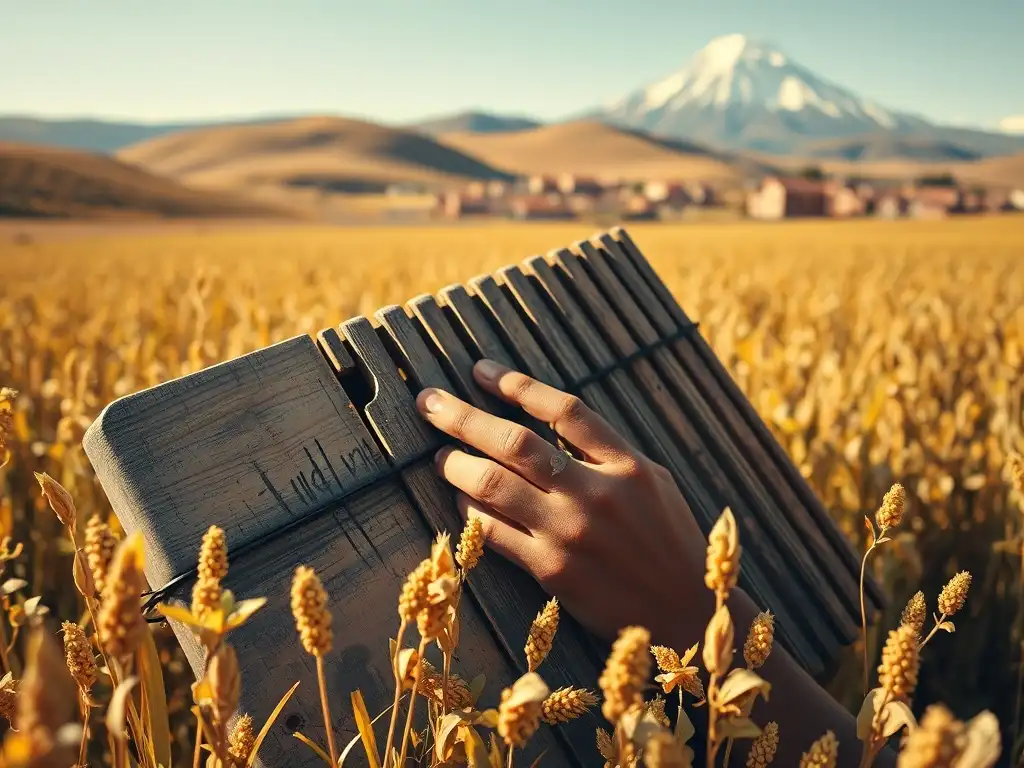
This section delves into the specific instruments crucial to the unique soundscapes accompanying Andean agricultural practices. The rhythmic interplay of these instruments wasn't merely entertainment; it was integral to the spiritual and practical aspects of farming, influencing the timing of planting, harvesting, and celebrations of bountiful yields. The sounds themselves were believed to possess a power that could influence the growth of crops and ensure a successful harvest.
Understanding these instruments is key to understanding the deep connection between Andean music and agriculture – a relationship woven into the very fabric of their society. The persistent rhythms, often played in ensembles, provided a communal experience that bound farmers together, fostering a sense of shared purpose and celebrating their symbiotic relationship with the land. The choice of instrument often varied depending on the specific agricultural activity and the region.
The Charango and Its Role in Agricultural Music
The charango, a small lute-like instrument with a distinctive, high-pitched sound, holds a significant place in Andean agricultural music. Its portability made it ideal for accompanying fieldwork. Farmers often played the charango during planting and weeding, believing its cheerful melodies would encourage healthy growth.
The quick, nimble movements of the fingers across the strings mirrored the meticulous care given to the crops. Furthermore, the charango's versatility allowed it to adapt to different rhythms and tempos, reflecting the changing phases of the agricultural cycle. Its use wasn't limited to instrumental accompaniment; songs sung to the charango's melody often contained prayers for good rainfall, fertile soil, and protection from pests – a testament to the instrument's multifaceted role in Andean agricultural life.
Specific regional variations in charango construction and playing styles further highlight its deep integration into diverse Andean agricultural traditions. For example, the charangos used in the high-altitude regions often have a slightly different tone to suit the thinner air.
The Zampoña and Its Use in Harvest Festivals
The zampoña, a panpipe instrument made from reeds, is strongly associated with harvest festivals and celebrations of abundance. Unlike the charango's more personal use, the zampoña's powerful, resonant sound is ideal for communal gatherings. The harmonious melodies created by the multiple pipes symbolize the unity and cooperation essential to successful farming.
During harvest festivals, large ensembles of zampoñas would create a vibrant and uplifting atmosphere, marking the culmination of a year's hard work. The music played during these celebrations often incorporated traditional songs and dances, reflecting the deep-rooted connection between the harvest and the community's spiritual beliefs. The rhythmic patterns played on the zampoña were often believed to influence the coming year's harvest, emphasizing the instrument's significance beyond mere entertainment.
The deep, resonant tones of the zampoña are believed to resonate with the earth itself, reinforcing the connection between music and agricultural fertility. The size and number of pipes in a zampoña ensemble could vary significantly depending on the specific occasion and regional traditions.
Percussion Instruments: The Heartbeat of Andean Rhythms
Percussion instruments form the rhythmic backbone of Andean agricultural music, providing the driving force behind many of the songs and dances associated with farming. Instruments such as the tinku, bombo, and various types of drums provided the pulse of the music, mirroring the cyclical nature of agricultural life. Their powerful, earthy sounds resonated with the land, emphasizing the connection between the people and their environment.
The rhythmic patterns created by these instruments were not merely decorative; they often served as a form of communication, signaling the start and end of work periods, coordinating efforts during planting and harvesting, and marking important events in the agricultural calendar. The use of percussion instruments in Andean agricultural music highlights the importance of rhythm and synchronization in their farming practices. The varying intensity and tempo of the percussion provided a dynamic soundscape that reflected the energy and effort required for agricultural activities.
Moreover, the communal nature of playing percussion instruments further strengthened the sense of community and shared purpose among Andean farmers. The specific types of percussion instruments used frequently varied regionally, reflecting the diverse cultural practices across the Andes. For example, the [specific information pending] illustrates this regional diversity.
The intricate interplay between these instruments – the high-pitched charango, the resonant zampoña, and the powerful percussion – created a rich and diverse soundscape that was integral to Andean agricultural life. The music wasn't simply a background element; it was a vital component of their farming practices, deeply intertwined with their spiritual beliefs and social structures. The rhythms of the harvest, as played on these instruments, continue to resonate today, offering a glimpse into the profound connection between Andean culture and the land.
The Role of the Pinkillu and Other Traditional Instruments
The pinkillu, a vertical flute crafted from cane or wood, holds a significant place in Andean agricultural music. Its haunting, melancholic melodies often accompany planting and harvesting rituals, believed to coax bountiful yields from the earth. The sound of the pinkillu, with its evocative and somewhat ethereal quality, is thought to resonate with the spirit of the land, fostering a connection between the farmer and the natural world.
Different melodies, played at different stages of the agricultural cycle, reflect the changing needs and hopes of the community. For example, faster, more upbeat tunes might accompany the sowing of seeds, symbolizing growth and prosperity, while slower, more contemplative melodies might accompany the harvest, expressing gratitude for the fruits of their labor. This isn't just about entertainment; it’s a deeply spiritual practice.
Beyond the pinkillu, a rich tapestry of instruments contributes to the unique soundscape of Andean agricultural practices. The antara, a panpipe instrument made of several differently sized pipes bound together, provides a brighter, more vibrant counterpoint to the pinkillu’s somber tones. Its cheerful melodies often accompany celebrations marking successful harvests, creating a festive atmosphere.
The tarka, a transverse flute, adds another layer of complexity, often providing melodic lines that intertwine with the pinkillu and antara. The rhythmic pulse of the bombo, a large double-headed drum, provides the foundational beat for many agricultural dances and songs, creating a powerful and unifying rhythm that binds the community together. The deep, resonant sound of the bombo is believed to represent the earth's heartbeat, grounding the musicians and the community in the cyclical nature of life and agriculture.
The specific instruments used often vary depending on the region and the specific agricultural practice. In some areas, the charango, a small lute-like instrument made from armadillo shell, might be prominent, adding a bright, slightly metallic timbre to the ensemble. In others, percussion instruments like the whistle or various types of rattles might take center stage, providing a percussive texture that complements the melodic instruments.
This diversity reflects the rich cultural mosaic of the Andes, highlighting the unique musical traditions of each community. The combined sounds create a powerful and evocative soundscape that reflects the deep connection between Andean communities and their agricultural practices.
The music is not merely background noise; it’s an integral part of the agricultural process, reflecting the spiritual beliefs and social structures of the communities involved. The diverse instrumental palette ensures that the music is both rich and expressive, capturing the hopes, anxieties, and ultimately, the joy of a successful harvest.
Cultural Significance and Preservation of Andean Agricultural Music
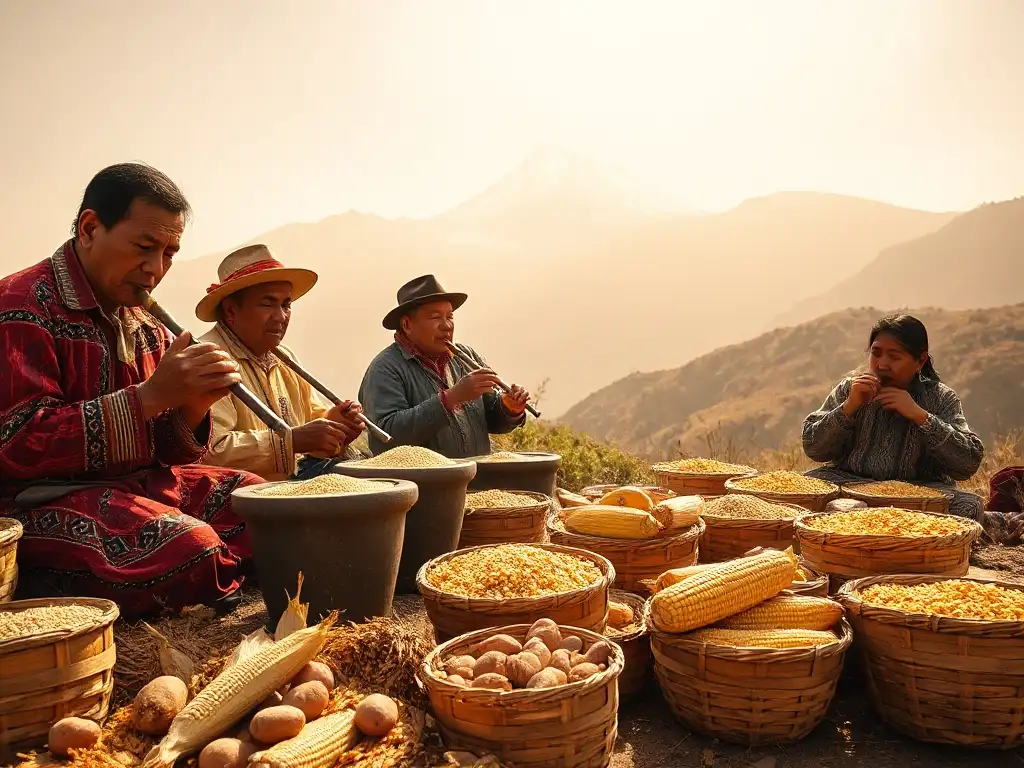
Andean agricultural music rhythms weren't merely background noise during planting and harvesting; they were integral to the success of the agricultural cycle itself. The music, imbued with deep spiritual and cultural meaning, served as a powerful tool for community building, reinforcing social bonds, and ensuring the fertility of the land. This wasn't simply a matter of superstition; the rhythmic chants and instrumental accompaniments helped coordinate labor, maintain morale, and even served as a form of timekeeping within the demanding agricultural calendar.
The intricate melodies and complex rhythms reflected the cyclical nature of Andean agriculture, mirroring the patterns of planting, growth, and harvest, thus connecting the people intimately with their environment. The legacy of this deeply rooted tradition is evident in the continued use of certain musical forms in contemporary Andean communities, albeit with some modern influences.
The Transmission of Musical Traditions Through Generations
The transmission of Andean agricultural music rhythms wasn't a passive process; it involved active participation and dedicated mentorship. Knowledge wasn't merely imparted through formal lessons but woven into the fabric of daily life. Children learned by observing and imitating their elders, participating in agricultural work alongside them, absorbing the music and its significance organically. This apprenticeship model ensured the continuity of musical traditions across generations, preserving not only the melodies and rhythms but also the underlying cultural values and beliefs associated with them.
Specific instruments, like the pututu (a shell trumpet) or the antara (panpipes), were often passed down within families, carrying with them the accumulated wisdom and spiritual power of previous generations. This oral tradition, complemented by practical experience, created a living, dynamic musical heritage. The vibrant soundscapes of Andean agricultural communities are a testament to the effectiveness of this time-honored method of knowledge transmission.
The Impact of Modernity on Traditional Agricultural Music
The encroachment of modernity has undeniably influenced Andean agricultural music rhythms. The introduction of modern technologies in agriculture has reduced the reliance on communal labor, impacting the social context in which much of this music thrived. The younger generations, exposed to diverse musical styles through mass media, are often less inclined to embrace traditional forms.
However, it's crucial to note that this isn't necessarily a complete abandonment of tradition. Many Andean communities continue to integrate elements of traditional music into their contemporary lives, adapting and reinventing it for new audiences. While some instrumental techniques may have been replaced by modern equivalents, the core rhythms and spiritual meaning often remain.
This fusion of old and new creates a fascinating and evolving musical landscape, reflecting the resilience and adaptability of Andean cultures. Further research is needed to fully quantify the extent of this shift and its long-term implications for the preservation of these unique musical forms. [Specific data on the adoption of modern instruments in Andean agricultural music pending].
Preservation and Promotion of Andean Agricultural Heritage
The preservation and promotion of Andean agricultural music rhythms require a multifaceted approach. Efforts to document and archive existing musical forms are crucial, ensuring their availability for future generations. This includes recording traditional performances, transcribing musical scores, and creating digital databases of information. Educational initiatives, incorporating Andean musical traditions into school curricula, can help foster appreciation and understanding among young people.
Moreover, supporting the work of musicians and cultural organizations dedicated to preserving and promoting this heritage is paramount. This might involve providing funding, creating performance opportunities, and facilitating collaborations between traditional musicians and contemporary artists. The promotion of Andean agricultural music rhythms as a valuable part of cultural tourism can also help sustain the livelihoods of those who practice and preserve this vital aspect of Andean heritage.
Ultimately, the success of these preservation efforts hinges on a collaborative approach that engages communities, researchers, and policymakers alike. The rhythmic heartbeats of Andean agriculture deserve to continue resonating for generations to come. The preservation of this musical heritage is essential for maintaining cultural identity and fostering a deeper understanding of the rich tapestry of Andean civilization.
The Enduring Power of Andean Music in Contemporary Farming
Even today, the vibrant rhythms and melodies associated with Andean agriculture continue to resonate in the fields and communities across the Andes Mountains. While modern farming techniques have undoubtedly impacted traditional practices, the cultural significance of music in agricultural work persists, albeit in modified forms. Many farmers still find solace and strength in the familiar tunes played on traditional instruments like the zampoña (panpipes) or the antara (panpipes), believing the music enhances their connection to the land and their ancestors.
The rhythmic chanting that accompanies planting and harvesting, often passed down through generations, provides a sense of community and shared purpose. This isn't merely a nostalgic practice; studies suggest that the rhythmic work songs can improve efficiency and morale among farmworkers, fostering a positive and collaborative atmosphere. The rhythmic patterns themselves are believed by some to be intrinsically linked to the cycles of nature, mirroring the growth and harvest of crops.
This enduring connection between music and agriculture highlights the deep-seated cultural values and the enduring power of tradition in the face of modernization. The sounds of the Andes continue to echo in the contemporary farming landscape, a testament to the resilience of Andean musical heritage.
The continuation of these traditions isn't solely dependent on the older generation. Younger farmers are increasingly recognizing the value of incorporating these musical practices into their work, often adapting them to fit their modern circumstances. This adaptation is crucial for the long-term survival of these musical traditions.
For example, some communities have incorporated modern instruments alongside traditional ones, creating a unique blend of old and new sounds. Others have adapted the traditional work songs to reflect contemporary challenges and concerns related to farming, such as climate change or market fluctuations. This blending of tradition and innovation ensures that Andean agricultural music remains a vibrant and evolving part of Andean culture, adapting to the changing times while retaining its core values and significance.
This dynamic interplay between tradition and modernity is vital for the sustainability of both the music and the agricultural practices it accompanies. The integration of these musical elements into contemporary farming practices underscores the adaptability and enduring appeal of Andean agricultural music.
The preservation of this musical heritage is not merely a matter of cultural pride; it's also a crucial aspect of maintaining the unique identity of Andean communities. The music is an integral part of their cultural fabric, linking them to their history, their ancestors, and their land. Efforts to document, promote, and teach these musical traditions are essential for ensuring their survival for future generations.
These efforts often involve community-based initiatives, educational programs, and collaborations between researchers, musicians, and farmers. The goal is not only to preserve the music itself but also to preserve the knowledge and practices associated with it, ensuring that the deep cultural significance of Andean agricultural music is understood and appreciated by both current and future generations.
This active preservation ensures that the rich musical heritage of the Andes continues to thrive and contribute to the vibrant cultural landscape of the region. The ongoing efforts to preserve this music are vital for maintaining cultural identity and promoting sustainable agricultural practices.
Conclusion: The Rhythmic Legacy of Andean Agriculture
This exploration of Andean agricultural music rhythms reveals a profound and enduring connection between music, spirituality, and the practicalities of cultivating the challenging Andean terrain. The rhythmic practices weren't merely functional; they were deeply interwoven with the cultural fabric of these societies, shaping their worldview and their relationship with the land. From the intricate melodies accompanying planting and harvesting to the celebratory songs marking successful harvests, music acted as a powerful force, reinforcing community bonds and ensuring the continuity of agricultural traditions across generations.
Understanding these rhythms offers a glimpse into the sophisticated agricultural techniques and the rich spiritual beliefs that sustained Andean civilizations for centuries. The legacy continues to resonate today, reminding us of the power of music to connect us to our past, our environment, and each other.
The Profound Connection Between Music and Andean Land
The Andean worldview deeply intertwined the natural world with the spiritual realm. Mountains, rivers, and the land itself were considered sacred entities, imbued with life force and possessing agency. Music played a crucial role in mediating this relationship.
Rhythms and melodies were believed to influence the growth of crops, ensuring bountiful harvests and appeasing the spirits of the land. The use of specific instruments, like the pututu (a shell trumpet) or the antara (panpipes), might have been tied to specific deities or agricultural cycles. For example, the resonant sound of the pututu may have been used to summon rain or ward off harmful spirits threatening the crops.
Archaeological evidence, while still limited in directly linking specific instruments to agricultural rituals, points towards the importance of music in ceremonies associated with planting and harvest festivals. Further research into iconography found on pottery and textiles could shed more light on these connections. The evidence suggests a holistic approach where music wasn't just an accompaniment but an active participant in the agricultural process, reflecting a deep spiritual understanding of the land and its rhythms.
The Cultural Value of Andean Agricultural Music
Beyond its practical applications, Andean agricultural music held immense cultural value. It served as a vehicle for transmitting knowledge, preserving history, and strengthening community bonds. Songs passed down through generations contained valuable information about planting techniques, weather patterns, and the properties of different crops.
These songs weren't simply rote recitations; they were living traditions, constantly evolving and adapting to changing circumstances. The communal aspect of musical performance was also crucial. Working together in the fields, accompanied by music and song, fostered a sense of unity and cooperation.
This collective experience reinforced social cohesion, strengthening the community's ability to overcome challenges and ensure the success of the agricultural cycle. The vibrant melodies and intricate rhythms were also a source of joy and celebration, marking important milestones in the agricultural calendar and reinforcing the cyclical nature of life and renewal in the Andes. This cultural significance underscores the importance of preserving and celebrating this musical heritage.
Future Research in Andean Musical Heritage
Further research is crucial to fully understand the complex relationship between Andean agricultural practices and musical traditions. This requires a multidisciplinary approach, combining ethnomusicological studies with archaeological investigations and historical analyses. More detailed studies on specific instruments and their use in agricultural rituals are needed.
Analyzing the lyrics of traditional songs can reveal valuable insights into agricultural techniques, beliefs, and social structures. Documenting the remaining oral traditions and musical practices from different Andean communities is also vital before they are lost forever. The application of digital technologies, such as audio and video recording and archiving, can play a crucial role in preserving this invaluable heritage.
Furthermore, comparative studies across different Andean cultures could provide a broader understanding of the regional variations in musical styles and their relationship to agricultural practices. This integrated approach will ensure the preservation and appreciation of the vibrant musical heritage of the Andes and its profound connection to the land and its people.
Frequently Asked Questions
What role did music play in Andean agricultural practices?
Music played a vital role in Andean agricultural rituals and work. It was believed to enhance crop yields and ensure a successful harvest, fostering community spirit and coordination.
What types of instruments were commonly used in Andean agricultural music?
Panpipes (antara), drums (tinku), and flutes were frequently used. These instruments created rhythms that accompanied planting, weeding, and harvesting activities.
How did the rhythms of Andean agricultural music influence the work process?
The rhythmic structure provided a sense of timing and coordination for tasks like planting and harvesting, making the work more efficient and communal.
Are there specific musical styles associated with Andean agricultural practices?
Yes, many regional variations exist, but generally, the music features repetitive, rhythmic patterns designed to maintain a steady pace throughout the workday. These styles often reflect the unique characteristics of the local environment and crops.
How is Andean agricultural music relevant to understanding Andean culture?
It offers a window into the deep connection between Andean people, their environment, and their spirituality. The music reflects their belief systems and their relationship with the land and its bounty.
Final Reflection: Harvesting the Legacy of Andean Musical Traditions
The vibrant rhythms of Andean agricultural music aren't just historical relics; they are living testaments to a deep connection between humanity and the land, a connection urgently needed in our increasingly disconnected world. The practices and beliefs woven into these musical traditions offer valuable insights into sustainable agriculture and community building, reminding us of the power of shared purpose and cultural heritage. Understanding these rhythms allows us to appreciate the ingenuity and resilience of Andean communities, and to learn from their enduring wisdom.
The enduring influence of Andean agricultural music extends far beyond the fields where it originated. It speaks to the fundamental human need for ritual, community, and a harmonious relationship with nature. Music is the universal language of mankind.
This quote, while perhaps simplistic, highlights the powerful, unifying force of music, a force particularly potent in the Andean context where music acts as a bridge between generations, a facilitator of knowledge transfer, and a vital component of cultural identity. The continued study and appreciation of these musical traditions are crucial for preserving not only a unique cultural heritage, but also a sustainable approach to agriculture.
Consider the rhythms, the melodies, the stories embedded within the music of the Andes. Let them resonate within you, prompting a reflection on your own relationship with the land, your community, and the traditions that shape your life. You too can cultivate a deeper connection with your surroundings, finding inspiration and strength in the rhythms of your own life, just as Andean farmers have done for centuries. Embrace the power of music, not just as entertainment, but as a catalyst for positive change, for community building, and for a more sustainable future.
**Embrace the Rhythm of Change in Your Community! **
Thank you for exploring the fascinating connection between music and agriculture in Andean cultures. You've discovered how these ancient traditions not only enhance the harvest but also strengthen community bonds. Now, let's put this knowledge to work!
Here are some ways you can connect with this theme and take action:
- **Incorporate music into your gardening or farming:** Try playing traditional Andean music, or other calming melodies, while tending your garden. Notice how it affects your mood and your connection to the land.
- **Share your passion:** Encourage friends and family to join you in combining music and gardening. Consider starting a community garden group where you can cultivate plants and share music together.
- **Learn more:** Research local sustainable agriculture initiatives that incorporate cultural practices, or attend workshops on the intersection of arts and farming in your area.
What musical influences will you incorporate into your farming practices, and how will they change your approach to nurturing the land?