
The Social Upheaval: How the Spanish Invasion Reshaped Andean Social Classes

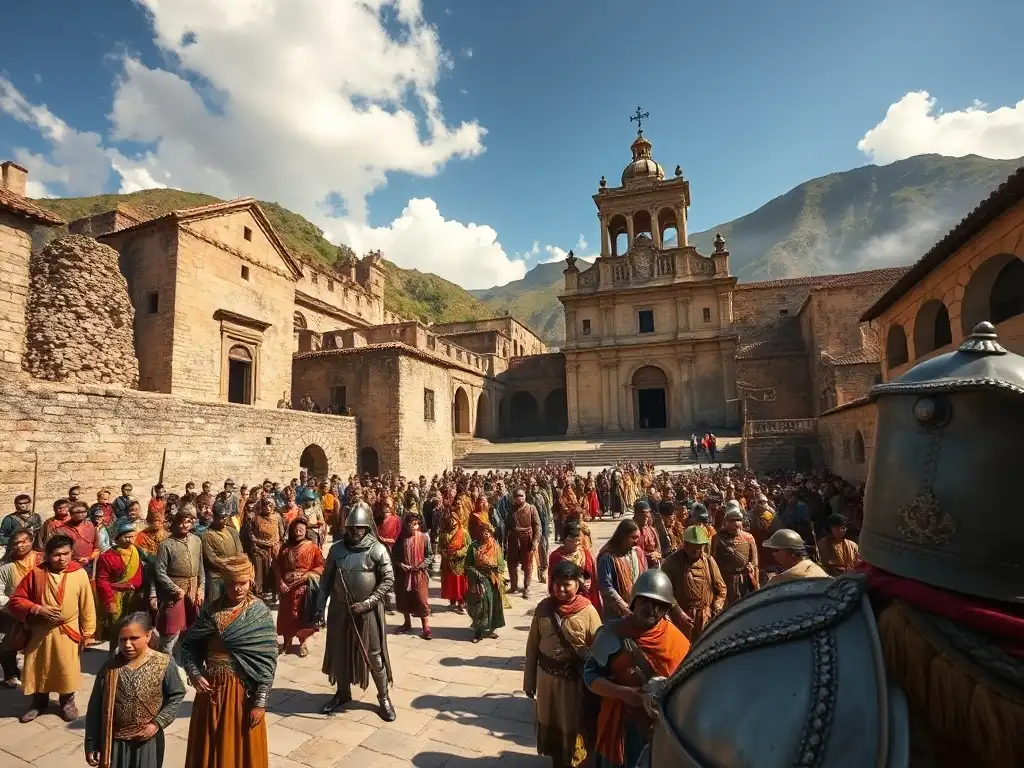
Step into a world lost to time, yet echoing through the ages. Imagine the breathtaking landscapes of the Andes, once home to vibrant civilizations whose ingenuity and artistry still astound us. But what happened when the Spanish arrived? The impact of the Spanish invasion on Andean social structures was nothing short of cataclysmic. Discover the untold story of upheaval and transformation, and delve into the profound consequences of conquest in our exploration of the Spanish invasion's lasting impact on Andean society. Uncover the secrets that lie buried beneath the mountains... Read on to learn more.
The arrival of the Spanish in the Andes marked a watershed moment, irrevocably altering the social fabric of a region characterized by complex and diverse societal structures. This article explores the profound impact of the Spanish conquest on Andean social classes, examining the pre-invasion hierarchical systems and detailing the devastating consequences of colonial rule. We will analyze how the Spanish invasion shattered existing power dynamics, leading to the disintegration of traditional social structures and the emergence of a new, oppressive hierarchy based on race and the extraction of resources.
Understanding this social upheaval is crucial to comprehending the lasting legacy of the Spanish conquest and its continuing influence on Andean societies today. The keyword "Spanish invasion Andean social impact" highlights the central theme of this exploration, focusing on the tangible and intangible transformations experienced by Andean populations during this turbulent period.
The Andean region prior to the Spanish conquest was not a monolithic entity. While the Inca Empire dominated a significant portion of the Andes, diverse societies with their own unique social structures existed both within and outside Inca influence. Understanding these pre-conquest societies is crucial to grasping the full extent of the social disruption caused by the Spanish.
The Inca Elite: Power and Privilege Before the Conquest
The Inca Empire, at its zenith, boasted a highly stratified social structure. At its apex sat the Sapa Inca, the emperor, considered a divine figure. Below him were the royal family, the nobility ( curacas), and a privileged priestly class. These elites controlled vast resources, land, and labor, enjoying a life of luxury and power sharply contrasted with the lives of the commoners.
Their authority was maintained through a complex system of tribute, labor obligations ( mita), and religious ideology. The Inca elite wielded considerable influence over all aspects of life, from agriculture and infrastructure to religious ceremonies and social control. This centralized power structure would be completely dismantled by the Spanish.
Social Stratification in Andean Societies: Beyond the Inca Empire
Beyond the Inca Empire, other Andean societies exhibited varying degrees of social stratification. The Moche, Nazca, and Tiahuanaco cultures, for instance, each possessed their own unique social hierarchies, often based on kinship, religious authority, and access to resources. While details vary between these groups, common threads include the existence of ruling elites, specialized craftspeople, farmers, and potentially enslaved populations. The Spanish arrival would impact these diverse social structures differently, but the overall effect was a systematic dismantling of traditional power dynamics and the imposition of a new colonial order.
The Spanish Conquest and its Disruptive Effects on Andean Society
The Spanish conquest did not simply involve military subjugation; it was a complete overhaul of Andean society, affecting every aspect of life, from social structures to religious beliefs. The brutality and efficiency of the conquistadors resulted in the destruction of pre-existing social orders and the implementation of a new hierarchical system based on race and colonial power.
The Initial Impact of the Spanish Arrival: A Shock to the System
The initial impact of the Spanish arrival was nothing short of catastrophic. The introduction of European diseases alone decimated the indigenous populations, weakening the existing social structures and creating power vacuums. This demographic catastrophe, coupled with the systematic dismantling of Inca governance, created widespread chaos and instability. The Spanish quickly exploited this instability, undermining traditional authorities and replacing them with a colonial administration that served their own interests.
The Collapse of the Inca Empire and the Disruption of Social Order
The collapse of the Inca Empire under the Spanish onslaught directly resulted in the disintegration of its meticulously organized social structure. The mita system, while exploitative, provided a framework for social organization and labor distribution. Its replacement with the encomienda system—a form of forced labor—further exacerbated social inequality and led to widespread suffering and exploitation.
The Spanish systematically undermined indigenous leadership, replacing it with a colonial hierarchy that privileged Spaniards and their mixed-race descendants, creating a new social order based on race and colonial power. This new system fostered deep-seated inequalities that continue to shape the Andes today. The consequences of this social upheaval are still felt centuries later.
The Spanish conquest dramatically altered the pre-existing social structures of the Andes. Before the arrival of the Europeans, Andean societies, while diverse, often featured a hierarchical system based on kinship, lineage, and religious authority. The Inca Empire, for example, had a sophisticated system with the Sapa Inca at the apex, followed by nobles, priests, and commoners.
This system, however, was fundamentally reshaped by the Spanish, who imposed a new social hierarchy based on race and origin, profoundly impacting the lives and social standing of all Andean populations. The Spanish invasion didn't simply overlay a new system; it actively dismantled existing power structures and created a new social reality characterized by exploitation and inequality. The indigenous elite, once holders of power and prestige, were largely stripped of their authority, leading to a significant social upheaval.
This upheaval was not merely political; it had profound consequences for the economic, religious, and cultural aspects of Andean life. The introduction of new social categories, like the mestizo, further complicated and fragmented the existing social fabric.
The Imposition of a New Social Hierarchy: Spanish Peninsulares and Creoles
The Spanish crown established a rigid social hierarchy placing themselves firmly at the top. At the pinnacle were the peninsulares, Spaniards born in the Iberian Peninsula. They held the most power and influence, controlling the colonial administration, military, and church.
Below them were the creoles, Spaniards born in the Americas. While enjoying a privileged position compared to other groups, they lacked the political power and opportunities afforded to peninsulares. This distinction, seemingly minor, created a significant social division, fueling resentment and contributing to future conflicts.
The rigid hierarchical system established by the Spanish was not merely based on wealth; it was primarily defined by lineage and origin, creating a system of inherent inequality deeply entrenched in the colonial social fabric. This system effectively limited the social mobility of those born outside of Spain, regardless of their wealth or achievements. The social stratification created by the Spanish was a deliberate strategy to maintain their dominance and control over the colonial territories.
The Emergence of the Mestizo Class: A New Social Reality
The Spanish conquest also led to the emergence of a new social group: the mestizos, individuals of mixed Spanish and Indigenous ancestry. Their social status was ambiguous and often precarious, fluctuating depending on the degree of Spanish blood and the prevailing social climate. While some mestizos achieved relative wealth and influence, often through commerce or military service, many remained marginalized and faced discrimination.
This ambiguous social standing led to a complex dynamic within the colonial society. The mestizo population grew significantly over time, becoming a substantial part of the colonial population, yet their social standing remained a source of tension and conflict.
This new class represented a visible blurring of the racial lines the Spanish tried to enforce, creating a social category that challenged the rigid racial hierarchy and ultimately contributed to the complex social tapestry of colonial Andean societies. The creation of the mestizo class is a prime example of the unintended consequences of the Spanish conquest and its impact on the social fabric of the Andes.
The Status of Indigenous Populations: From Rulers to Ruled
Indigenous populations suffered the most significant decline in social status. Pre-conquest Andean societies had complex social structures with established hierarchies and leadership. The Spanish conquest systematically dismantled these structures, replacing indigenous rulers and authorities with Spanish officials. Indigenous people were subjected to forced labor, disease, and cultural suppression.
Their traditional lands and resources were seized, leading to widespread dispossession and economic hardship. The Spanish colonial system imposed a new social order that actively marginalized and oppressed indigenous populations, stripping them of their cultural identity, political power, and economic autonomy. The impact of this social transformation was devastating, leaving a legacy of inequality and marginalization that continues to affect Andean communities today. The systematic dehumanization and subjugation of indigenous populations was a defining characteristic of Spanish rule in the Andes.
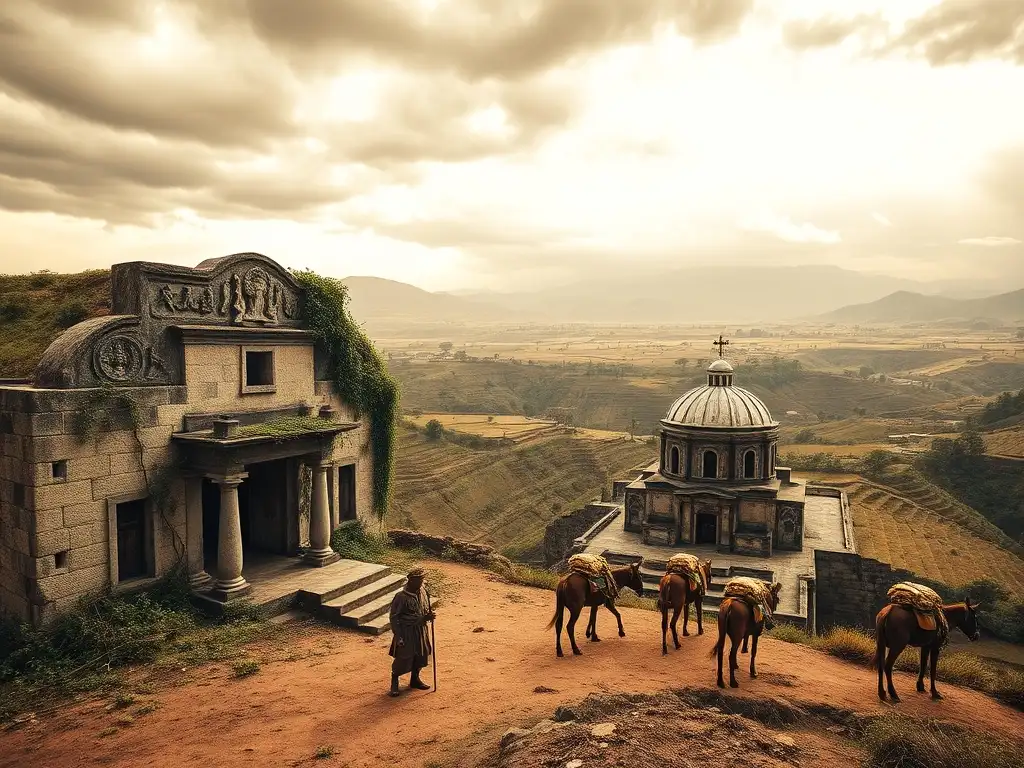
The Spanish conquest left an indelible mark on Andean social structures, resulting in lasting consequences that continue to shape the region today. The imposition of a new racial hierarchy, the emergence of new social groups, and the exploitation of indigenous labor created a complex and unequal social landscape. These lasting impacts are evident in contemporary Andean societies, where the legacy of colonial inequality persists in various forms.
Understanding the social upheaval caused by the Spanish invasion is crucial for comprehending the social and political dynamics of the Andean region in the present day. The long-term effects of the Spanish conquest highlight the enduring power of colonial legacies and the need for ongoing efforts to address historical injustices.
The Exploitation of Indigenous Labor: The Encomienda and Mita Systems
The Spanish implemented systems of forced labor, such as the encomienda and mita, to exploit indigenous populations for their economic gain. The encomienda granted Spanish conquistadors control over indigenous communities, obligating them to provide labor and tribute. The mita, a pre-Columbian system of labor, was repurposed by the Spanish, forcing indigenous people to work in mines and other demanding projects under brutal conditions.
These systems were instrumental in the extraction of wealth from the Andes, contributing significantly to the Spanish Crown’s economic prosperity, while simultaneously causing immense suffering and exploitation of indigenous populations. The inhumane conditions and the high mortality rates associated with these systems led to a significant decline in the indigenous population and had long-lasting repercussions on Andean societies. The legacy of these exploitative labor systems continues to resonate in discussions about economic inequality and social justice in the region.
Cultural and Religious Transformations: A Shift in Beliefs and Practices
The Spanish invasion also brought about significant cultural and religious changes. The Spanish actively suppressed indigenous religions and imposed Catholicism. Indigenous religious practices, beliefs, and rituals were often persecuted, leading to a decline in traditional spiritual life. However, indigenous populations did not passively accept this cultural imposition.
Syncretism, the blending of indigenous and Catholic beliefs and practices, became a common phenomenon, demonstrating the resilience of indigenous cultures in the face of colonial domination. This blending of cultural elements resulted in unique religious expressions that continue to exist in the Andes today. This complex interaction between indigenous traditions and imposed Catholicism illustrates the adaptive capacity of Andean cultures and their ability to negotiate and reinterpret imposed beliefs within their existing frameworks.
Social Resistance and Rebellions: The Fight for Indigenous Rights
Despite the oppression they faced, indigenous populations resisted Spanish rule through various forms of resistance, including open rebellions and subtle acts of defiance. Numerous uprisings challenged Spanish authority throughout the colonial period. These rebellions, though often brutally suppressed, demonstrate the resilience and determination of indigenous communities to preserve their culture, autonomy, and dignity.
These acts of resistance, while often unsuccessful in the short term, played a significant role in shaping the long-term trajectory of Andean societies and contributed to the eventual decline of Spanish colonial power. The study of these rebellions provides insights into the strategies of resistance employed by indigenous populations and highlights the enduring struggle for social justice and self-determination in the Andes. The ongoing fight for indigenous rights in the Andes is a direct consequence of the social upheaval caused by the Spanish conquest and the enduring struggle to overcome its legacy.
The Spanish conquest irrevocably altered the social fabric of Andean societies. Prior to the arrival of the Europeans, complex social hierarchies existed, often based on kinship, religious authority, and access to resources. The Inca Empire, for example, had a highly structured system with the Sapa Inca at its apex, followed by nobles, priests, artisans, and commoners.
This system, while hierarchical, possessed a degree of social mobility and a strong emphasis on reciprocal obligations within the ayllu community system. The Spanish, however, introduced a radically different social order, one based on race and imposed power structures. The encomienda system, which granted conquistadors control over Indigenous populations and their labor, became a cornerstone of this new order, directly exploiting pre-existing social structures for the benefit of the Spanish crown.
This system, coupled with the introduction of new diseases that decimated the Indigenous population, fundamentally destabilized traditional Andean social organizations. The resulting power vacuum was filled by a new elite class composed primarily of Spanish colonists, creating a profound and enduring social stratification that continues to impact Andean societies today. The devastating effects of this disruption are still felt in the persistent inequalities and social divisions that mark the region.
The Legacy of Colonialism: Enduring Inequalities and Social Divisions
The colonial legacy continues to shape social realities in the Andes. The rigid racial hierarchy established during the colonial period, with Spaniards at the top and Indigenous populations at the bottom, created deep-seated inequalities that persist even after independence. This system, known as the casta system, categorized individuals based on their racial ancestry, determining their social standing, access to resources, and legal rights.
The descendants of the Spanish maintained significant economic and political power, while Indigenous communities often faced marginalization, poverty, and discrimination. This legacy is clearly visible in disparities in access to education, healthcare, and economic opportunities. For example, Indigenous communities frequently lack access to adequate infrastructure and resources, perpetuating cycles of poverty and hindering their social and economic advancement.
The enduring impact of colonial policies and practices serves as a constant reminder of the lasting consequences of the Spanish invasion. The deeply embedded social inequalities are a significant obstacle to achieving true social justice and equity in the Andes.
The Evolution of Social Classes in Post-Colonial Andean Societies
The achievement of independence from Spanish rule in the early 19th century did not automatically erase the colonial social order. While legal frameworks shifted, the deep-seated inequalities remained. Post-colonial Andean societies witnessed a complex evolution of social classes, with the emergence of new groups and the shifting dynamics of existing ones.
The rise of a mestizo (mixed-race) population added another layer to the social hierarchy, often occupying an intermediate position between the Indigenous and Spanish populations. However, the legacy of racial discrimination continued to influence social stratification, resulting in persistent inequalities. The 20th and 21st centuries have seen significant social and political movements advocating for Indigenous rights and social justice.
These movements have sought to challenge the enduring legacy of colonialism and promote greater equity and inclusion. Nevertheless, the struggle to overcome the deep-seated social divisions inherited from the colonial period continues. The socioeconomic disparities highlight the ongoing need for policies that address historical injustices and promote social mobility.
The Ongoing Struggle for Social Justice and Indigenous Empowerment
The struggle for social justice and Indigenous empowerment in the Andes is an ongoing process. Indigenous communities continue to fight for recognition of their rights, cultural preservation, and equitable access to resources and opportunities. This struggle involves addressing various aspects of social inequality, including land rights, access to education and healthcare, and political participation.
Many Indigenous communities are actively reclaiming their cultural heritage and challenging the dominant narratives that have historically marginalized them. The fight for land rights, in particular, is a crucial aspect of this struggle, as land ownership is often inextricably linked to cultural identity and economic security. The pursuit of social justice and Indigenous empowerment requires sustained efforts to address the historical injustices stemming from the Spanish invasion and the enduring legacies of colonialism.
This involves not only implementing social programs and policies but also fostering a deeper understanding and appreciation of the diverse cultures and histories of the Andean region. The ongoing struggle highlights the importance of continued advocacy and action to create a more equitable and just society in the Andes.
- Pre-Invasion Andean Social Structure: A Hierarchical Overview
- The Spanish Conquest and its Disruptive Effects on Andean Society
- The Transformation of Andean Social Classes Under Spanish Rule
- The Lasting Impact of the Spanish Invasion on Andean Social Dynamics
- The Long-Term Consequences of the Spanish Invasion on Andean Social Structure
- What was the most significant impact of the Spanish invasion on Andean social structures?
- How did the Spanish invasion affect the Andean religious beliefs and practices?
- What was the impact of the Spanish invasion on Andean agriculture and economy?
- Did the Spanish invasion lead to any changes in Andean art and architecture?
- How did the Spanish invasion affect the political landscape of the Andes?
Frequently Asked Questions
The Spanish conquest led to the destruction of the existing social hierarchy. The Inca empire's complex system was replaced by a rigid caste system based on Spanish colonial rule, with indigenous populations at the bottom. This resulted in immense suffering and exploitation.
How did the Spanish invasion affect the Andean religious beliefs and practices?
The Spanish aggressively suppressed indigenous religions, forcing conversion to Catholicism. Many sacred sites were destroyed, and traditional practices were outlawed, leading to a syncretism of indigenous and Christian beliefs.
What was the impact of the Spanish invasion on Andean agriculture and economy?
The Spanish introduced new crops and livestock, altering traditional agricultural practices. They also implemented the encomienda and repartimiento systems, which exploited indigenous labor for mining and agriculture, leading to widespread impoverishment.
Did the Spanish invasion lead to any changes in Andean art and architecture?
Yes, the invasion resulted in a fusion of indigenous and European styles. While some traditional techniques persisted, Spanish influences are evident in architecture and artistic expressions, reflecting the cultural collision of the era.
How did the Spanish invasion affect the political landscape of the Andes?
The invasion completely overthrew the existing political structures. The Inca empire was dismantled, and a new colonial administration was established, with Spanish viceroys holding ultimate power. This dramatically altered the political power dynamics in the region.
Final Reflection: Echoes of Conquest: A Legacy of Change in the Andes
The Spanish invasion of the Andes wasn't merely a conquest; it was a seismic shift that continues to reverberate through the social fabric of the region today. The enduring legacy of this upheaval, marked by the brutal dismantling of existing power structures and the imposition of a new colonial order, profoundly shaped the social landscape and continues to influence the lives of Andean communities. Understanding this history is crucial to comprehending the complexities of modern Andean society.
The impact of the Spanish conquest extended far beyond the immediate violence and exploitation. It irrevocably altered the social hierarchy, replacing indigenous leadership with a rigid caste system based on race and ethnicity. This system, designed to maintain Spanish dominance, created deep-seated inequalities that persist to this day. As the historian Bartolomé de las Casas poignantly observed, They [the Spanish] showed no mercy, and they committed such innumerable cruelties that their wickedness is almost beyond belief.
This quote serves as a stark reminder of the human cost of the invasion and the long shadow it casts over Andean identity and social structures.
The echoes of the Spanish conquest challenge us to confront the lasting consequences of colonialism and to actively work towards a more just and equitable future. Consider the ways in which historical injustices continue to manifest in contemporary society. You, the reader, hold the power to learn from the past, to amplify the voices of marginalized communities, and to advocate for social justice. Let the story of the Andean upheaval inspire you to engage with the complexities of history and to build a future where such profound social disruptions are never again repeated.
Unveil the Legacy: Take Action on Andean History!
Thank you for exploring the fascinating history of Andean civilizations and their transformative encounter with the Spanish. Your interest in this crucial period helps preserve the stories of resilience and adaptation. Now, let's build on this knowledge and discover even more about the rich Andean heritage.
- Explore further: Visit local museums or cultural centers showcasing Andean history and immerse yourself in exhibitions celebrating these remarkable communities.
- Join the conversation: Share your perspectives on social media about the impact of historical events on modern society, connecting with others who share your passion for Andean history.
- Participate in a community project: Seek out local initiatives supporting Andean communities or historical preservation efforts, where your contribution can make a real difference.
What aspect of Andean history most inspires you to champion its preservation and understanding?