
The Allure of Andean Battle Standards: Symbols of Power and Military Might

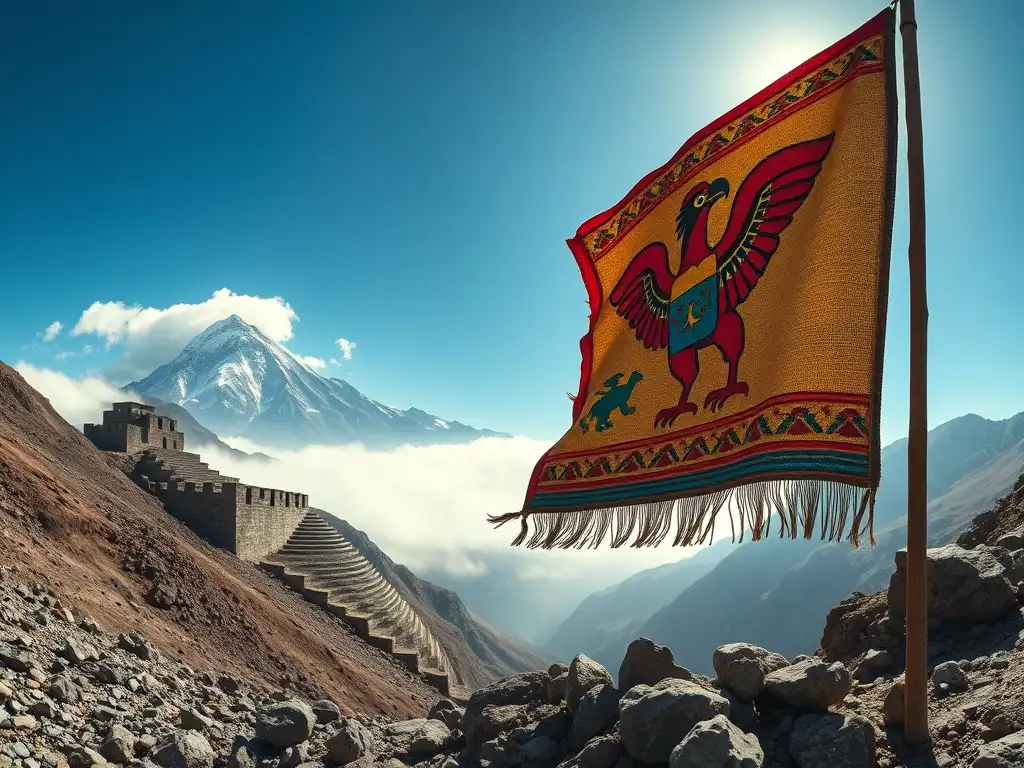
Step into a world lost to time, yet echoing with the power of empires. Journey with us through the breathtaking landscapes and intricate cultures of the Andes, where civilizations like the Incas, Moche, and Nazca flourished. But what secrets do their battle standards hold? Uncover the captivating symbolism woven into these ancient emblems of military might – a glimpse into the strategic brilliance and spiritual beliefs that shaped Andean warfare. Explore the fascinating story behind the Andean battle standard symbolism and discover the legacy they left behind.
The breathtaking landscapes of the Andes Mountains served as a backdrop to a complex tapestry of ancient civilizations, each leaving behind a legacy of ingenuity and power. Among the captivating artifacts unearthed from these pre-Columbian societies are their battle standards – vibrant, intricately designed symbols that transcended mere military markers. These weren't simply flags; they were potent representations of authority, religious beliefs, and the very essence of Andean military might.
This article delves into the fascinating world of Andean battle standard symbolism, exploring their diverse forms, the materials used in their creation, and the profound meanings embedded within their designs. We will examine how these standards functioned as powerful tools of propaganda and psychological warfare, influencing the morale of both the warriors who carried them and their adversaries on the battlefield. Understanding the symbolism of these standards offers a crucial key to deciphering the complexities of Andean warfare and the societies that waged it.
By analyzing these artifacts, we gain invaluable insight into the beliefs, social structures, and military strategies of cultures such as the Inca, Moche, Nazca, and Tiahuanaco. Prepare to be captivated by the allure of these powerful emblems of Andean civilization.
Introduction to Andean Military Standards and Their Significance
Andean battle standards were far more than simple indicators of troop position; they were complex, multi-layered symbols imbued with deep religious and political significance. Their designs often incorporated elements of nature, such as the sun, moon, stars, and animals, reflecting the Andean worldview and its close connection to the natural environment.
These symbols weren't randomly chosen; they were carefully selected to represent specific clans, lineages, or deities, conveying messages of power and legitimacy to both friendly and enemy forces. The materials used in their construction – often feathers, textiles, precious metals, and carved wood – further emphasized their importance and the high status of those who carried them.
The creation and use of these standards involved meticulous craftsmanship and elaborate rituals, solidifying their role as potent expressions of cultural identity and military prowess. The presence of a particular standard on the battlefield could inspire confidence and courage in one's own troops while simultaneously sowing fear and uncertainty in the ranks of the enemy.
Diverse Forms and Materials of Andean Battle Standards
The forms and materials used in constructing Andean battle standards varied significantly across different cultures and time periods. While precise details are sometimes limited due to the fragmentary nature of surviving artifacts, archaeological evidence reveals a fascinating range of styles. For example, some standards might have consisted of large, intricately woven textiles depicting mythical creatures or scenes of battle. Others may have featured sculpted wooden poles topped with carved animal effigies or bundles of brightly colored feathers.
The use of precious metals, such as gold and silver, was not uncommon, particularly in standards associated with elite warriors or powerful rulers. This variation highlights the considerable artistic skill and technological sophistication of Andean societies, as well as the importance placed on visual communication in warfare. The meticulous craftsmanship evident in surviving fragments suggests a significant investment of time, resources, and labor in the creation of these symbolic objects.
Deciphering the Symbolism: Iconography and Meaning
The iconography of Andean battle standards is rich and complex, often incorporating a blend of religious, political, and social symbolism. While a complete understanding remains elusive due to the limited surviving evidence and the challenges of interpreting ancient iconography, researchers have made significant progress in deciphering some of the key motifs.
For instance, the repeated appearance of specific animals, such as the puma or the condor, likely signified strength, power, and connection to the spirit world. Solar and lunar symbols likely represented cosmic forces and divine authority, while depictions of warriors or mythical beings could represent ancestral power and military prowess.
The use of color also played a critical role, with different hues potentially holding specific meanings related to religious beliefs or social status. Further research and careful analysis of newly discovered artifacts are crucial to unlocking the full spectrum of meanings embedded within these fascinating emblems of Andean military culture.
The Role of Andean Battle Standards in Psychological Warfare
The Andean battle standards were not merely decorative; they played a crucial role in psychological warfare, influencing the morale and behavior of both friendly and enemy forces. The sight of a familiar standard could inspire courage and unity among one's own troops, reinforcing their sense of belonging and shared identity. Conversely, the unexpected appearance of a powerful enemy standard could instill fear and uncertainty, potentially weakening their resolve and disrupting their battle formations.
The size and grandeur of some standards may have been deliberately designed to intimidate opponents, while the intricate designs and symbolic imagery could have served as powerful propaganda tools, projecting an image of strength, authority, and divine favor. The strategic deployment of standards on the battlefield, therefore, was likely a critical aspect of Andean military strategy, aimed at maximizing psychological advantage.
- Introduction to Andean Military Standards and Their Significance
- Diverse Forms and Materials of Andean Battle Standards
- Deciphering the Symbolism: Iconography and Meaning
- The Role of Andean Battle Standards in Psychological Warfare
Understanding Andean Battle Standards: A Visual Language of Power
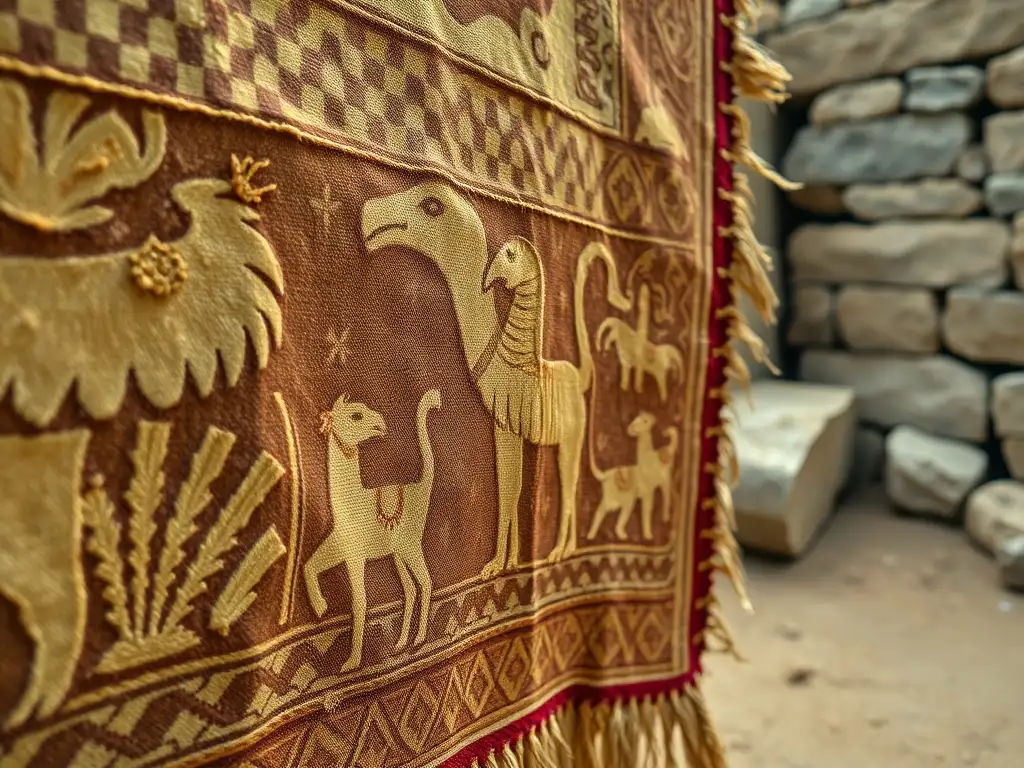
Andean battle standards weren't merely functional military markers; they were potent symbols imbued with deep religious and political significance, integral to the complex social fabric of Andean civilizations. Their design, materials, and display communicated crucial messages about power, authority, and identity, acting as a visual language understood across vast territories and diverse cultures. The careful crafting and strategic deployment of these standards reflect a sophisticated understanding of military strategy and symbolic manipulation.
Analyzing Andean battle standard symbolism allows us to gain insights into the beliefs, values, and organizational structures of these remarkable societies. The precise meaning of specific iconography often remains debated among scholars, highlighting the ongoing need for further research and interpretation. However, some common themes consistently emerge, shedding light on the multifaceted role of these powerful artifacts.
Understanding the context in which these standards were used – from ceremonial displays to the heat of battle – is vital to fully appreciating their significance. The careful consideration of surviving examples, coupled with archaeological evidence and ethnohistorical accounts, helps to piece together a more complete picture of their role in Andean warfare.
The Role of Standards in Ancient Andean Warfare
The presence of a battle standard on the battlefield served multiple crucial functions. Firstly, it acted as a rallying point for troops, a tangible manifestation of their collective identity and loyalty. In the chaotic melee of combat, the standard provided a visual focus, helping soldiers maintain cohesion and coordination. The standard-bearer, often a person of high social standing or religious importance, played a vital role, not just in maintaining the standard's integrity, but also in leading and inspiring their fellow warriors. Their position within the army reflects the importance placed upon the standard itself.
Beyond its practical use, the standard served as a potent symbol of authority and legitimacy. Its presence signified the power and authority of the ruling elite, both on and off the battlefield. The design of the standard, often incorporating powerful deities, ancestral figures, or emblems of royal lineage, served to reinforce the legitimacy of the ruler's claim to power.
The capture or destruction of an enemy standard during battle represented a significant victory, not only militarily, but also symbolically, underlining the vanquished power's loss of authority and legitimacy. The symbolic power of these standards extended beyond the battlefield; they featured prominently in ceremonial contexts, reinforcing the authority of the ruling power and solidifying their control over the population. This dual role – practical and symbolic – highlights the deeply integrated nature of military and religious life in Andean societies.
The construction of Andean battle standards varied significantly across different cultures and time periods. While specific details are sometimes limited due to the fragility of organic materials, archaeological evidence reveals a surprising diversity of forms and materials. Some standards were likely made from textiles, featuring intricate weavings and embroidery depicting powerful imagery. Others incorporated feathers, precious metals, and even human hair, signifying the immense value and symbolic power attributed to these objects.
The materials used were often carefully selected, reflecting both aesthetic and symbolic considerations. For example, the use of specific feathers might have indicated a connection to particular deities or ancestral spirits. Precious metals, such as gold and silver, would have been used to create elaborate adornments, further enhancing the standard's visual impact and symbolic power. The construction techniques themselves would have been highly specialized, requiring skilled artisans and reflecting a sophisticated understanding of textile production and metalworking. The sheer effort invested in their creation underscores their importance within Andean societies.
We can imagine a spectrum of complexity: from simpler, perhaps more utilitarian standards used by smaller groups or in less formal conflicts, to the highly elaborate and intricately designed standards carried by the elite armies of powerful empires like the Inca. The size and weight of these standards would also have varied, influencing their deployment and tactical use on the battlefield. Further research into the specific construction techniques and materials used in different Andean cultures is crucial to a more complete understanding of Andean battle standard symbolism.
The analysis of surviving fragments, coupled with careful examination of iconography, promises to reveal further insights into the craftsmanship and symbolic significance of these remarkable artifacts. The subtle variations in style and materials offer clues to the identities and origins of the armies that carried them. These subtle differences, however, frequently require detailed analysis by specialists to be correctly interpreted.
Andean Battle Standard Symbolism: Decoding the Imagery
The study of Andean battle standards offers a fascinating glimpse into the complex belief systems and military strategies of pre-Columbian societies. These weren't merely functional markers on the battlefield; they were potent symbols imbued with deep cultural and religious significance, reflecting the power and prestige of the ruling elite and the ideologies that underpinned their rule.
Understanding the symbolism encoded within these standards is crucial to comprehending the dynamics of Andean warfare and the societies that waged it. Analyzing Andean battle standard symbolism allows us to move beyond a purely military interpretation, revealing the intricate interplay between the spiritual and the secular in the Andean world.
The careful selection of imagery, colors, and materials wasn't arbitrary; it was a deliberate act of communication, conveying messages of power, legitimacy, and divine favor. This section delves into the rich iconography and diverse regional variations found in these captivating artifacts, shedding light on their multifaceted meanings.
Iconography of Power: Common Motifs in Andean Standards
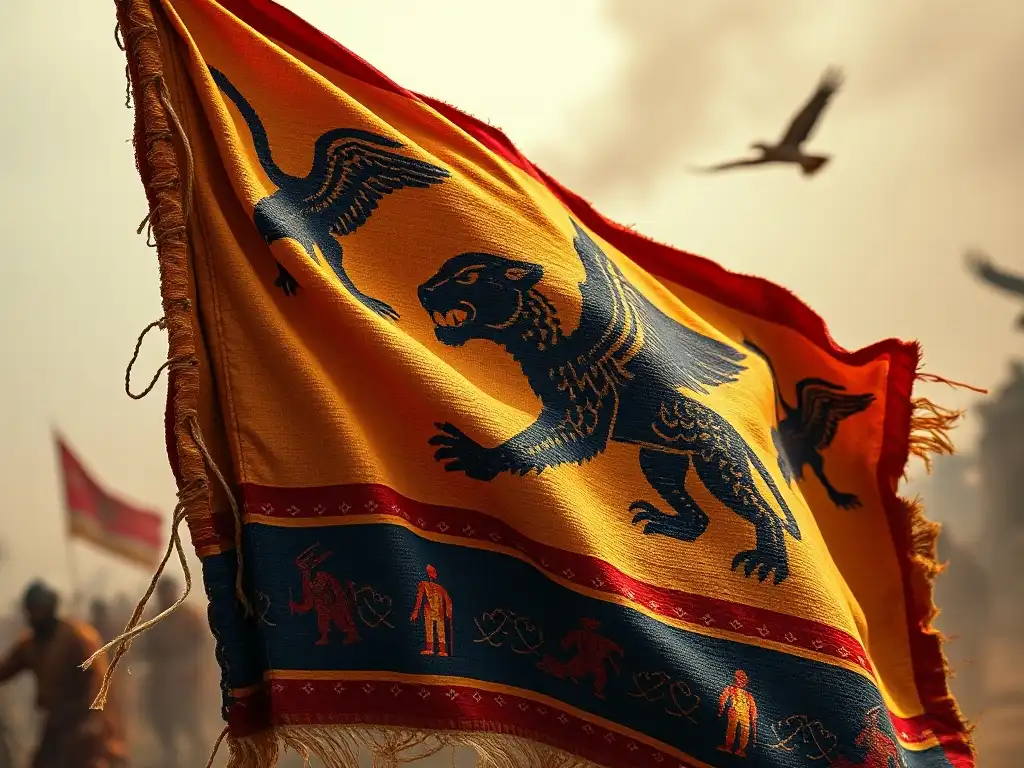
Common motifs found on Andean battle standards often depict powerful figures and symbols associated with Andean cosmology and mythology. These included stylized representations of deities, such as the sun god Inti and the moon goddess Mama Killa, reflecting the strong link between military power and divine authority. Depictions of powerful animals, like jaguars, condors, and snakes, were also prevalent.
These animals held significant symbolic meaning, often representing strength, ferocity, and connection to the Andean landscape. For example, the jaguar, a powerful predator, symbolized strength and might, while the condor, soaring high above, represented dominion and control. The serpent, often associated with fertility and the underworld, may have represented both the cyclical nature of life and death and the power of the earth itself.
Furthermore, anthropomorphic figures, often depicted in dynamic poses and adorned with elaborate headdresses and jewelry, were frequently featured. These likely represented rulers, heroes, or ancestors, signifying the continuity of power and the legitimacy of the ruling dynasty. Geometric patterns, such as stepped pyramids and spirals, were also common, potentially representing Andean concepts of cosmic order and hierarchy. The exact interpretation of these symbols can vary depending on the specific culture and time period, highlighting the need for nuanced and contextualized analysis.
For instance, a stepped pyramid on one standard might represent a specific deity or ancestor, while on another, it could signify a different concept altogether. More research is needed to fully understand the nuances of these variations. The careful study of these motifs reveals the complex interplay between religious beliefs, political power, and military might in Andean societies.
Regional Variations in Andean Battle Standard Designs
While certain motifs were common across different Andean cultures, significant regional variations existed in battle standard designs. The stylistic choices reflected not only cultural differences but also the unique historical and environmental contexts of each region. The Nazca, for instance, known for their intricate textiles and geoglyphs, likely employed similarly complex and detailed designs on their standards, possibly incorporating their characteristic geometric patterns and stylized animal figures.
In contrast, the Moche, famed for their elaborate ceramic art, may have incorporated similar artistic styles onto their battle standards. The Tiahuanaco culture, with its monumental architecture and sophisticated societal structure, likely used standards that reflected their imperial ambitions and hierarchical society. These variations are crucial to understanding the diverse expressions of Andean warfare and the specific cultural identities of each group.
Unfortunately, the scarcity of surviving Andean battle standards makes a comprehensive comparison challenging. Further archaeological discoveries are needed to fully appreciate the diversity of these objects. [Specific information pending on detailed comparison of Nazca, Moche, and Tiahuanaco battle standard designs].
The Meaning Behind Colors and Materials Used in Andean Standards
Beyond the imagery, the colors and materials used in constructing Andean battle standards also held significant symbolic meaning. The choice of specific feathers, textiles, and dyes was not arbitrary but carefully chosen to convey particular messages. For example, the use of vibrant colors like red (associated with blood, war, and the sun) and yellow (associated with gold, power, and the sun) likely conveyed messages of strength, authority, and divine favor. These colors, often obtained from precious and rare materials, would have highlighted the power and wealth of the ruling elite.
The use of certain types of feathers, like those of the Andean condor, would have further emphasized the connection between the military and the sacred. The incorporation of precious metals, such as gold and silver, would have underscored the immense wealth and power of the civilization. The careful selection of materials served not only an aesthetic purpose but also a symbolic one, reinforcing the ideological and religious significance of the standards.
[Further research is needed to fully document the specific symbolism of various colors and materials in different Andean cultures]. The meticulous craftsmanship and selection of materials underline the importance of these standards in Andean warfare and society. The detailed analysis of these elements reveals a complex system of symbolic communication, underscoring the strategic and ideological significance of these artifacts.
The Function of Andean Battle Standards on the Battlefield
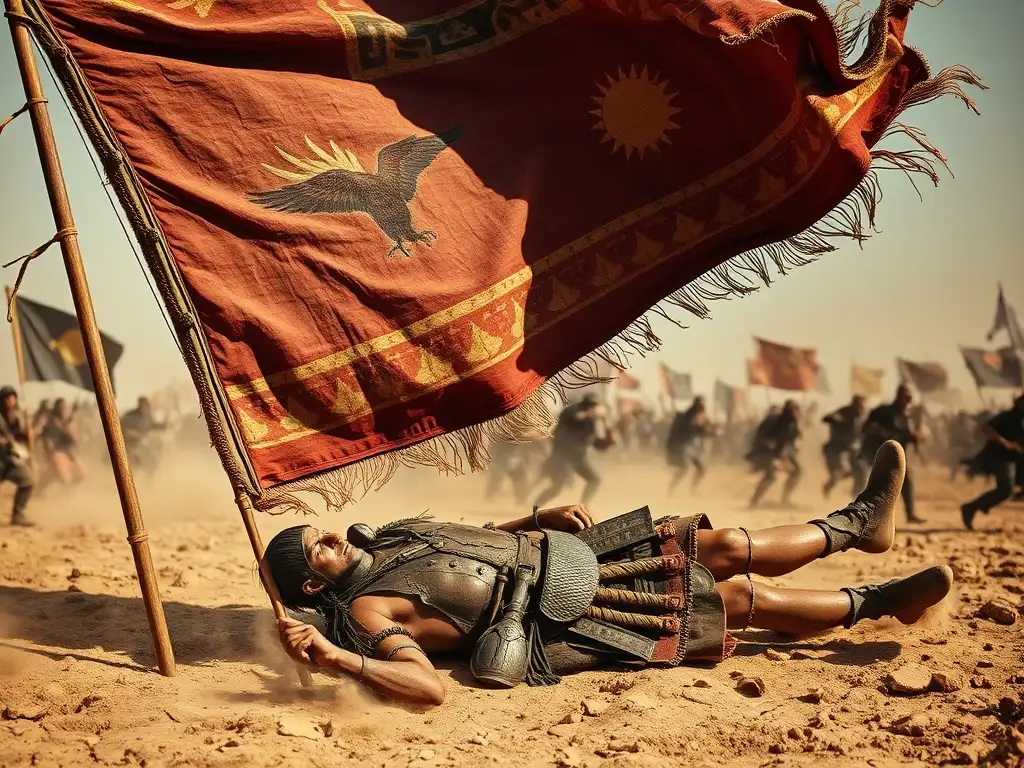
Andean battle standards, far from being mere decorative items, played a crucial role in the organization and effectiveness of Andean armies. Their symbolism extended beyond mere aesthetics; they were functional tools vital for military success. Understanding their practical applications reveals a sophisticated level of military strategy employed by these ancient civilizations. The study of Andean battle standard symbolism helps us unravel the complexities of their warfare.
How Standards Were Used to Organize and Inspire Troops
The sheer size and complexity of some Andean armies necessitated efficient organization and communication, particularly during the chaos of battle. Battle standards acted as rallying points, allowing soldiers to identify their units and commanders amidst the confusion of combat. Imagine the vast armies of the Inca Empire, stretching across mountain passes and valleys; the standards provided crucial visual cues for maintaining formation and order.
Their placement on the battlefield, often positioned strategically on elevated ground or near key command posts, facilitated the transmission of orders and the coordination of maneuvers. This organizational aspect of the standards greatly enhanced the effectiveness of Andean military tactics.
The vibrant colors and intricate designs also served as powerful morale boosters, inspiring troops and instilling a sense of unity and shared purpose. The standards acted as visible representations of the power and prestige of their respective groups, fostering a sense of loyalty and commitment among the soldiers.
Beyond their organizational function, Andean battle standards had a profound psychological impact on both the soldiers who carried them and their opponents. For the Andean warriors, the standards represented their ancestors, deities, and the power of their empire. The sight of their standards unfurled in battle would have been a powerful source of inspiration and courage, bolstering their fighting spirit and willingness to endure hardship.
Conversely, for their enemies, the standards represented a formidable force to be reckoned with, capable of striking fear and demoralization. The intricate designs, often featuring fierce animals or powerful deities, were intended to intimidate and overwhelm. The sheer size and magnificence of some standards could have been visually stunning, contributing to the psychological impact on the battlefield.
The psychological warfare aspect of Andean battle standard symbolism is a vital component in understanding their impact on warfare. Further research into specific iconography and the reactions of opposing forces would shed more light on this aspect.
The Importance of Standards in Andean Military Rituals and Ceremonies
Andean battle standards were not solely instruments of war; they held significant religious and ceremonial importance. Before battles, elaborate rituals often involved the presentation and veneration of the standards. These rituals served to sanctify the upcoming conflict, imbuing the standards with spiritual power and seeking divine favor.
The meticulous craftsmanship and the use of precious materials in their creation further emphasized their sacred status. After victorious battles, the standards were often paraded through cities and towns as symbols of triumph and glory. These celebratory processions served to reinforce the power and authority of the ruling elite and to solidify social cohesion.
The standards were also prominently displayed during peacetime ceremonies and festivals, reinforcing their status as potent symbols of cultural identity and military prowess. The integration of religious and ceremonial practices into the use of Andean battle standards demonstrates the deep-seated spiritual beliefs of these societies and how these beliefs permeated all aspects of their lives, including warfare. The study of these rituals provides valuable insights into the worldview and cultural values of the Andean civilizations.
Case Studies: Analyzing Specific Andean Battle Standards
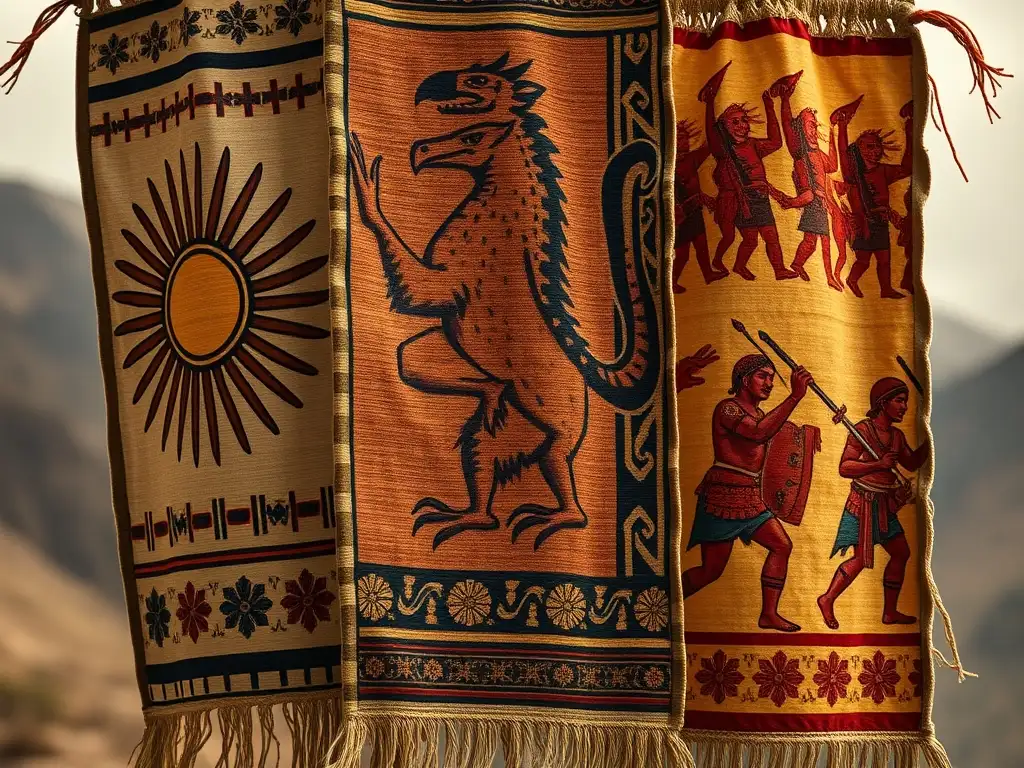
This section delves into the intricate symbolism embedded within specific Andean battle standards, offering detailed analyses of their iconography and potential meanings. Understanding these individual examples provides crucial insight into the broader context of Andean battle standard symbolism and its role in warfare and societal structures. We will explore the rich tapestry of meaning woven into these artifacts, considering their materials, artistic styles, and the historical circumstances surrounding their creation and use.
Analysis of a Moche Standard from the Huaca de la Luna
Detailed description of the standard, its iconography, and possible meaning
The Huaca de la Luna, a significant Moche archaeological site, has yielded several fascinating artifacts, including fragments of what appears to be a battle standard. While a complete reconstruction is impossible due to the fragmentary nature of the find, surviving pieces reveal a captivating narrative. The standard, seemingly made of woven textiles and adorned with feathers and possibly metal inlays (material analysis pending), depicts a scene of intense conflict.
The central motif appears to be a stylized depiction of a warrior, possibly a deity or a powerful leader. He is adorned with elaborate headdress and weaponry, indicating high status and military prowess. Surrounding the central figure are smaller figures, possibly representing lesser warriors or captives, engaged in combat or ceremonial rituals.
The imagery is dynamic, filled with motion and tension, suggesting a representation of a pivotal battle or a symbolic embodiment of military might. The color palette, predominantly reds, yellows, and blacks (specific pigment analysis needed), further enhances the dramatic effect. The use of these specific colors may be linked to Moche cosmology and beliefs about power and the afterlife.
Further research is needed to accurately interpret the subtle iconographic details, such as the specific types of weapons represented and the nature of the interactions between the figures. The overall effect suggests a powerful symbol designed to instill fear in enemies and inspire loyalty in the Moche army. The specific arrangement of the figures and the symbolic objects they wield are key to deciphering the standard's deeper meaning, requiring further scholarly investigation and comparative analysis with other Moche artifacts.
Examining an Inca Battle Standard from the Museo Nacional de Arqueología, Antropología e Historia del Perú
Detailed description of the standard, its iconography, and its historical context
The Museo Nacional de Arqueología, Antropología e Historia del Perú houses a remarkable collection of Inca artifacts, including at least one example of a battle standard (specific accession number pending). Unlike the fragmentary Moche standard, this Inca example offers a more complete picture of these powerful symbols. The standard is constructed from finely woven textiles, likely alpaca or llama wool, and displays a distinct Inca aesthetic. The colors are more muted than the vibrant hues of the Moche standard, favoring earth tones and deep reds, reflecting the Inca preference for understated elegance.
The iconography of the Inca standard is less overtly violent than the Moche example. It features a more symbolic representation of Inca power, possibly depicting the tocapu, a sacred knot used to represent different concepts and lineages within the Inca empire. These knots were not only visually striking but also served as a sophisticated form of record-keeping and communication.
The use of these tocapus on the battle standard suggests a connection between military might and the legitimacy of Inca rule. The standard likely served not only as a rallying point for Inca soldiers but also as a potent symbol of imperial authority and divine right. The presence of specific designs or symbols (further research needed on specific iconographic details) might provide insights into the specific unit or regiment to which this standard belonged, or even the individual Inca leader it represented.
The historical context of this standard, likely dating to the late Inca period (precise dating pending further analysis), allows us to connect its symbolism to the political and military events of that era. The meticulous craftsmanship and symbolic richness demonstrate the Inca’s mastery of textile arts and their sophisticated understanding of visual communication as a tool for asserting power and control. The study of this particular standard provides invaluable insights into the Inca worldview and the importance of visual symbolism in their military and political strategies.
The Legacy of Andean Battle Standards: Influence and Modern Interpretations
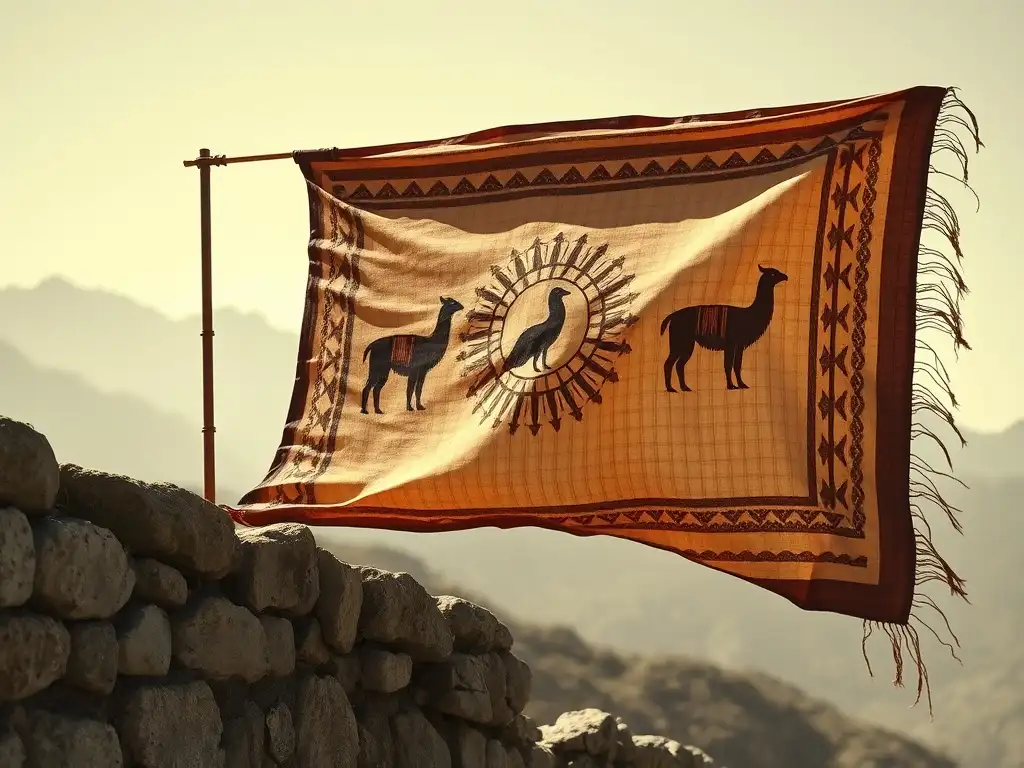
The Andean battle standards, far from being mere battlefield identifiers, represented complex systems of belief, power, and social organization. Their symbolism profoundly impacted Andean societies, leaving a legacy that resonates even today. Understanding this legacy requires examining not only the standards themselves but also their enduring influence on Andean culture and their modern reinterpretations.
The intricate designs, often incorporating deities, mythical creatures, and celestial bodies, weren't simply decorative; they communicated vital information about the army's identity, its purpose, and the authority of its leaders. Analyzing the surviving examples and their depictions in art allows us to decipher the layers of meaning embedded within these powerful symbols. The careful study of these standards provides invaluable insight into the military strategies, religious beliefs, and societal structures of the diverse Andean cultures.
The persistence of certain motifs and symbols across different Andean groups suggests a shared understanding of their significance, even amidst regional variations in artistic style and military organization. Further research into less-studied groups and regions could reveal even more about the widespread influence of these potent symbols.
The symbolism inherent in Andean battle standards continues to hold cultural significance in contemporary Andean communities. While the precise interpretations may have evolved over time, the fundamental connection between these symbols and concepts of power, identity, and spiritual authority persists. For example, certain motifs found on ancient standards, such as the condor or the puma, continue to appear in modern Andean art, textiles, and ceremonies.
These animals, representing strength, power, and spiritual connection, maintain their symbolic weight, reflecting a continuity of cultural memory. Furthermore, many indigenous communities still utilize flags and banners in their celebrations and rituals, echoing the ancient tradition of using visual symbols to convey social and political messages. These modern banners, while not direct replicas of ancient battle standards, often incorporate similar stylistic elements and symbolic imagery, indicating a living legacy of the ancient tradition.
The persistent use of these symbols demonstrates the ongoing relevance of Andean battle standard symbolism within the cultural fabric of the region. Further investigation into the specific meanings attributed to these symbols in modern Andean communities is needed to fully understand the evolution and persistence of this powerful visual language. Anthropological studies focusing on this topic could provide valuable insights into the dynamic relationship between ancient traditions and modern cultural expressions.
Modern Artistic and Cultural Representations of Andean Standards
Modern artists and cultural institutions frequently draw inspiration from Andean battle standards, reinterpreting their symbolism in contemporary contexts. These reinterpretations often involve a conscious effort to reclaim and celebrate indigenous heritage, while simultaneously engaging with broader themes of power, identity, and resistance. For instance, contemporary artists might incorporate elements of ancient Andean designs into their works, creating new pieces that reflect both traditional aesthetics and modern sensibilities.
Museums and historical societies frequently display replicas or interpretations of Andean battle standards, providing educational opportunities and fostering a greater appreciation for this aspect of Andean heritage. The use of these symbols in public art projects and cultural events further contributes to their ongoing relevance and visibility. This renewed interest in Andean battle standards highlights the enduring power of their symbolism and their capacity to resonate with audiences across time and cultures.
Analyzing these modern representations reveals how the meanings associated with these symbols continue to evolve and adapt to contemporary social and political contexts, providing a dynamic lens through which to understand both the past and the present. The ongoing creative engagement with Andean battle standard symbolism demonstrates the rich cultural legacy of these potent visual artifacts. A comprehensive catalog of modern representations, analyzing their stylistic choices and interpretations, would be a valuable contribution to the field.
Conclusion: The Timeless Power of Andean Battle Standards
The study of Andean battle standards offers a captivating glimpse into the complex social, political, and military structures of the pre-Columbian Andean world. These weren't merely functional military devices; they were potent symbols imbued with deep cultural significance, reflecting the beliefs, ideologies, and power dynamics of their creators. By analyzing their iconography, materials, and contexts of discovery, we gain invaluable insights into the strategies, rituals, and worldview of these ancient civilizations.
The meticulous craftsmanship evident in many surviving examples underscores the high value placed upon these objects and the importance of the messages they conveyed. The surviving examples, though fragmented, continue to speak volumes about the ingenuity and sophistication of Andean military organization. Understanding their symbolism helps us appreciate the nuanced complexity of Andean warfare, moving beyond simplistic narratives of conquest and conflict to explore the rich tapestry of cultural expression interwoven with military might.
The enduring legacy of Andean battle standards lies not just in their historical importance, but also in their capacity to inspire further research and deepen our understanding of these fascinating civilizations. The allure of these standards persists because they represent a tangible connection to a powerful past, a testament to the enduring human impulse to create and deploy symbols of authority and collective identity. Further research into less-studied cultures, such as the Chimú and Wari, could significantly enhance our understanding of Andean battle standard symbolism across the diverse Andean landscape.
The Importance of Preserving and Studying Andean Military Heritage
The preservation and study of Andean military heritage, including battle standards, is crucial for several reasons. Firstly, these artifacts offer irreplaceable primary sources for understanding ancient Andean societies. Their intricate designs and materials provide direct evidence of artistic skill, technological prowess, and symbolic systems. Secondly, the study of these objects contributes to a more nuanced and comprehensive understanding of Andean warfare. It moves beyond simplistic narratives of conquest and conflict, revealing the complex social, political, and religious contexts in which warfare occurred.
Thirdly, protecting these artifacts ensures the transmission of cultural knowledge to future generations. These objects are not merely relics of the past; they are living links to a rich and vibrant heritage that deserves to be celebrated and understood. The ongoing deterioration of many artifacts due to environmental factors and looting necessitates proactive conservation efforts. This includes not only the physical preservation of the objects themselves but also the documentation and dissemination of knowledge about them through rigorous academic research, museum exhibitions, and educational initiatives. Failing to prioritize the preservation of Andean battle standards and related artifacts would represent a significant loss, not only for the scholarly community but also for humanity's collective understanding of its past.
A dedicated, interdisciplinary approach combining archaeological investigation, conservation science, and public engagement is essential to ensure the long-term survival and accessibility of this vital part of Andean heritage. This collaborative effort is crucial for ensuring that the stories embedded within these objects continue to resonate and inspire for generations to come. Moreover, promoting awareness of the importance of Andean military heritage can help combat illicit trafficking and looting, safeguarding these invaluable artifacts for future research and appreciation. The ongoing effort to protect and understand these symbols of Andean power is not merely an academic pursuit; it is a commitment to preserving a vital piece of human history.
Frequently Asked Questions
What were Andean battle standards?
Andean battle standards were ceremonial objects carried into battle by ancient Andean armies. They served as powerful symbols of power and authority, representing the group's identity and military might. Their designs often held deep religious and symbolic meaning.
What kind of symbolism is depicted on Andean battle standards?
The symbolism varied greatly depending on the culture and time period, but common themes included mythological figures, animals (like condors or jaguars), and geometric patterns. These symbols often represented deities, ancestors, or specific clans. Intricate weaving techniques further enhanced their symbolic power.
How did Andean battle standards influence warfare?
Andean battle standards played a crucial role in boosting morale and inspiring warriors. Their presence on the battlefield served as a focal point, uniting soldiers under a shared identity and belief system. They also likely played a role in command and control during battles.
Where can I find examples of Andean battle standards?
Unfortunately, many original Andean battle standards haven't survived. However, archaeological evidence, such as fragments of textiles and depictions in art, provides insights into their appearance and symbolism. You can find information and images in museums and academic publications focusing on Andean archaeology.
Why is the study of Andean battle standard symbolism important?
Studying Andean battle standard symbolism offers valuable insights into the belief systems, social structures, and military strategies of ancient Andean societies. Understanding their meaning helps us reconstruct a more complete picture of their complex cultures and the role of warfare in their lives. It allows us to delve deeper into their worldview and cosmology.
Final Reflection: Echoes of Power in Andean Battle Standards
The vibrant imagery of Andean battle standards, far from being relics of a distant past, continues to resonate powerfully in contemporary discussions of identity, power, and cultural preservation. Their intricate designs and symbolic weight offer a compelling lens through which to examine the enduring legacy of Andean civilizations and the complex interplay between military might and cultural expression. The meticulous craftsmanship and potent symbolism embedded within these standards speak volumes about the sophisticated societies that created them, societies whose influence continues to shape the region today.
The enduring fascination with these battle standards stems not only from their aesthetic beauty but also from their profound capacity to evoke a sense of history and cultural continuity. They serve as tangible links to a rich and complex past, reminding us of the resilience and ingenuity of Andean peoples. The past is never dead. It's not even past,
– William Faulkner. This quote perfectly encapsulates the persistent relevance of these symbols, their ability to transcend time and speak to contemporary audiences grappling with similar themes of identity, conflict, and the struggle for power.
Consider the intricate details, the vibrant colors, the carefully chosen motifs – each element speaks to a deeper understanding of Andean cosmology, social structures, and military strategies. You, the reader, are now equipped with a deeper appreciation for the significance of these powerful symbols. Take a moment to reflect on the enduring power of visual representation and how seemingly small objects can hold immense cultural and historical weight. Let the legacy of the Andean battle standards inspire you to explore the rich tapestry of your own cultural heritage and the potent symbolism that shapes our world.
Unveil the Rich Legacy of Andean Battle Standards!
Thank you for exploring the fascinating world of Andean battle standards, where history meets artistry and power. You've discovered the significance of these remarkable symbols; now let's delve deeper!
Here are some ways to further explore this vibrant culture:
- Visit a local museum with a collection of indigenous Andean artifacts – experience the history firsthand and learn from experts.
- Share this article with friends and family to spark conversations about Andean civilization and its enduring legacy.
- Join our online community at andeancivilizations.com to discuss your insights and connect with fellow enthusiasts passionate about Andean history.
What aspect of Andean battle standards most intrigues you, and how do you believe they impacted the cultures that used them?