
The Power of Water: Understanding Irrigation Systems in PreIncan Civilizations

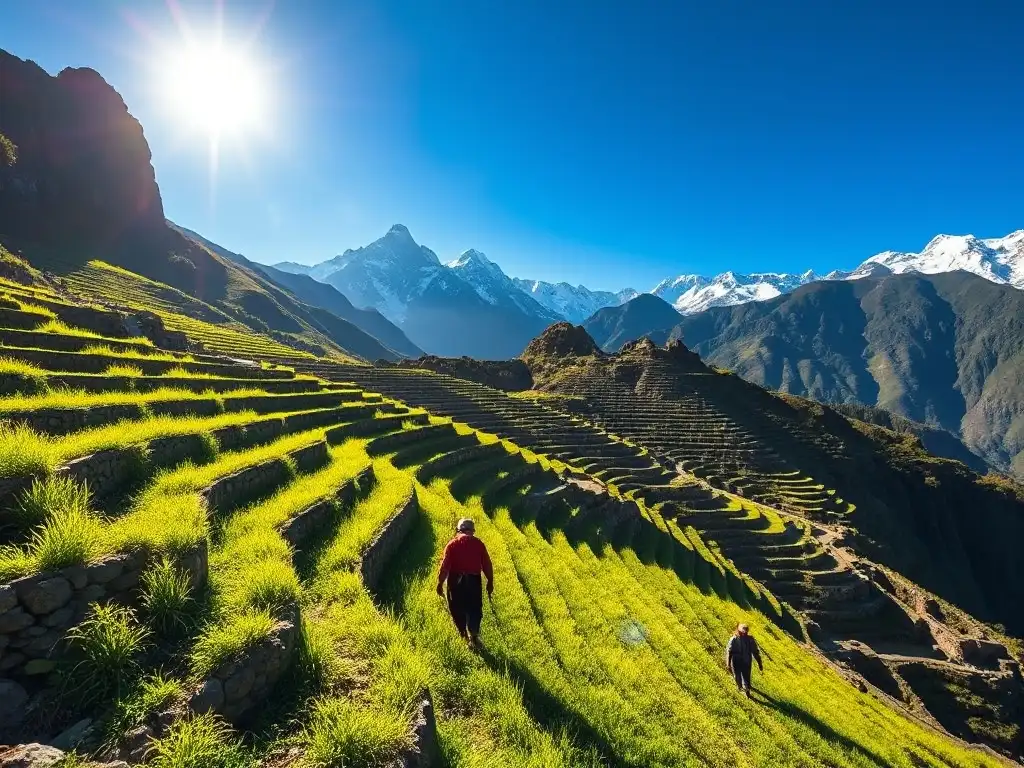
Dive into a world lost to time, yet echoing with innovation. Imagine a landscape sculpted not just by nature, but by the ingenuity of ancient Andean civilizations. Before the Incas, a sophisticated mastery of water shaped the very fabric of life. Uncover the secrets of PreIncan irrigation systems—a testament to human resilience and a key to understanding the rise and fall of empires in the breathtaking Andes Mountains. Prepare to be amazed by the power of water and the civilizations it sustained.
The Andes Mountains, a formidable barrier stretching along the western coast of South America, presented a unique challenge and opportunity for its early inhabitants. While the towering peaks and steep slopes offered breathtaking vistas, they also created a landscape characterized by dramatic variations in altitude and rainfall.
This uneven distribution of water resources necessitated the development of sophisticated irrigation systems, crucial for the survival and flourishing of PreIncan civilizations. This article delves into the ingenuity and impact of these remarkable water management techniques employed by cultures like the Nazca, Moche, and Tiahuanaco, laying the groundwork for the later Inca Empire and highlighting the crucial role water played in shaping Andean societal structures, agricultural practices, and overall development.
We will explore the intricate networks, innovative technologies, and lasting legacy of PreIncan irrigation systems, examining their significance in the context of the challenging Andean environment and their contribution to the vibrant cultures that thrived in the region. Understanding these systems provides a crucial lens through which to appreciate the complexity and resilience of these fascinating societies.
Introduction to PreIncan Water Management
PreIncan societies, facing the harsh realities of arid coastal deserts and high-altitude valleys, developed remarkable strategies for harnessing and managing water resources. These weren't merely rudimentary attempts at water diversion; rather, they represented sophisticated engineering feats reflecting a deep understanding of hydrology, topography, and agricultural needs. The techniques varied across different cultures and regions, reflecting adaptation to specific environmental conditions.
For instance, the Nazca people, famed for their geoglyphs, constructed extensive canal systems across their arid homeland, channeling water from distant sources to irrigate their crops. Similarly, the Moche civilization, known for its elaborate ceramics and monumental architecture, utilized complex systems of reservoirs and aqueducts to manage water flow in their valleys. These systems weren't simply about survival; they were integral to the economic and social structures of these societies, enabling intensive agriculture and supporting dense populations.
The ingenuity and scale of these projects underscore the advanced level of organization and technical knowledge possessed by these PreIncan communities. The legacy of these systems can still be seen today, a testament to the enduring impact of these early water management strategies.
Importance of Irrigation for Andean Civilizations
The importance of irrigation for Andean civilizations cannot be overstated. It was the very foundation upon which their societies were built. Without effective irrigation, the cultivation of essential crops like maize, potatoes, and beans – staples of the Andean diet – would have been impossible in many regions. The ability to control water resources allowed for increased agricultural productivity, leading to surplus food production.
This surplus, in turn, supported population growth, the development of specialized labor, and the emergence of complex social hierarchies. The construction and maintenance of irrigation systems also fostered social cooperation and community organization. Large-scale projects demanded coordinated effort and collective labor, strengthening social bonds and contributing to the development of sophisticated political structures. Furthermore, the control of water resources often had significant religious and symbolic importance, with water deities and rituals playing a central role in Andean cultures.
The intricate relationship between water, agriculture, and societal organization highlights the profound influence of irrigation on the development and prosperity of PreIncan civilizations. Without these systems, the trajectory of Andean history would have been drastically different. The availability of water, carefully managed and distributed, formed the bedrock of their prosperity and cultural achievements.
Early Andean Irrigation Techniques
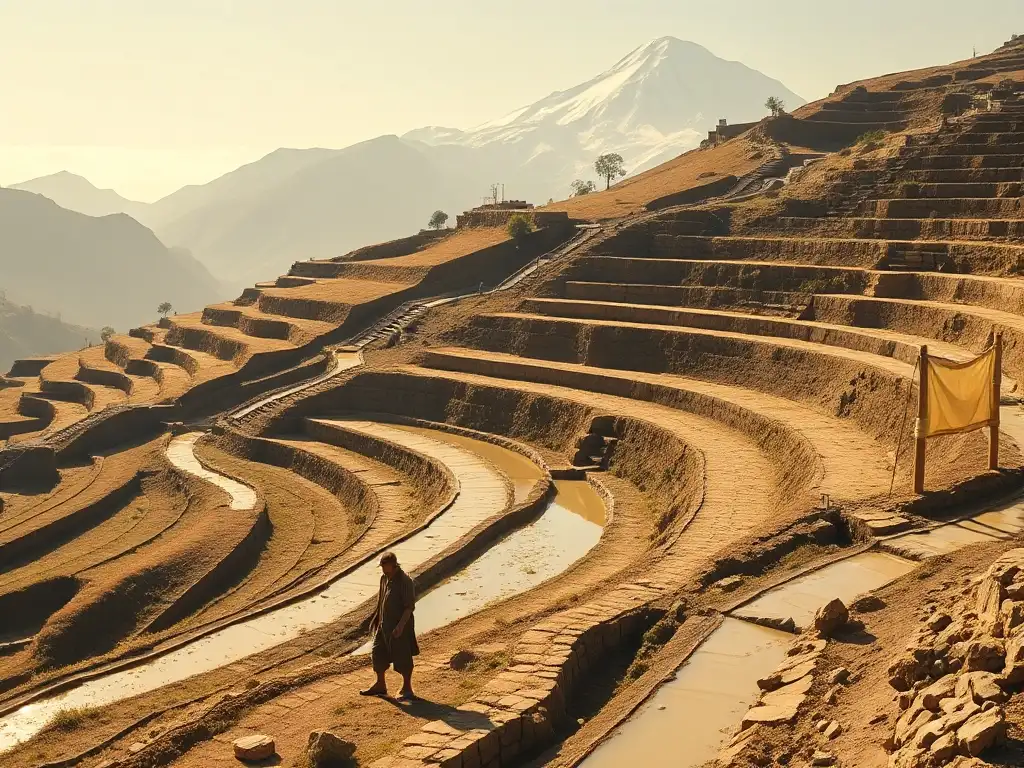
This section delves into the ingenious irrigation methods employed by pre-Incan Andean civilizations, showcasing their remarkable adaptation to the challenging Andean environment. These techniques, developed over centuries, were crucial to their agricultural success and societal development, laying the groundwork for later, more complex systems. Understanding these early methods provides invaluable insight into the ingenuity and resourcefulness of these ancient cultures and their profound impact on the landscape. The mastery of water management in the pre-Incan era is a testament to their deep understanding of their environment and a crucial aspect of their sophisticated agricultural practices.
Analyzing these techniques allows us to appreciate the ingenuity and resilience of these civilizations in the face of environmental challenges. The sophisticated techniques used for water management were crucial for their survival and prosperity. The study of pre-Incan irrigation systems reveals the complexity and sophistication of their agricultural practices.
Canal Systems and Terracing: Foundational Irrigation Methods
Pre-Incan societies developed sophisticated canal systems to divert water from rivers and streams to their agricultural fields. These canals, often built using stone and earth, varied in size and complexity depending on the scale of the agricultural project and the topography of the land. Smaller, localized canals served individual farms or small communities, while larger, more extensive systems irrigated wider areas, supporting larger populations. The construction of these canals required considerable engineering skill and coordinated labor, reflecting the advanced organizational capabilities of these ancient societies.
Terracing, another fundamental irrigation technique, transformed steep slopes into cultivatable land. By creating a series of level platforms, farmers reduced soil erosion, improved water retention, and maximized arable land. Terraces were often supported by retaining walls made of stone or earth, further demonstrating the impressive engineering skills of these civilizations.
The careful design and construction of terraces ensured efficient water distribution and minimized runoff, optimizing agricultural productivity even in challenging terrains. The combination of canal systems and terracing significantly increased agricultural yields, supporting population growth and societal complexity. Evidence suggests that the construction and maintenance of these systems involved communal effort and a deep understanding of hydrological principles.
Water Diversion and Storage in Pre-Incan Agriculture
Beyond canals and terracing, pre-Incan societies implemented diverse strategies for water diversion and storage. These included the construction of reservoirs, which collected rainwater and runoff for later use during dry periods. These reservoirs, sometimes carved into rock or built using earth and stone, varied greatly in size, ranging from small, local structures to larger, regional reservoirs capable of supplying water to extensive agricultural areas. The construction of these reservoirs demonstrates an advanced understanding of hydrology and engineering principles.
Furthermore, the ingenious use of qanats—underground channels—allowed for the efficient transport of water from higher elevations to lower-lying fields, minimizing water loss due to evaporation. The construction of qanats required specialized knowledge of subterranean water sources and sophisticated tunneling techniques. These systems, often extending for kilometers, are a testament to the advanced technological capabilities and organizational skills of pre-Incan communities.
The integration of these diverse water management strategies highlights the adaptive nature of pre-Incan agriculture, ensuring food security even in arid and semi-arid environments. The sophisticated methods used for water diversion and storage were essential for the agricultural success of pre-Incan civilizations.
The Role of Geography in Shaping Pre-Incan Irrigation
The geographical diversity of the Andes significantly influenced the development of pre-Incan irrigation techniques. In coastal regions, where water scarcity was a major challenge, civilizations relied heavily on sophisticated canal systems to divert water from rivers and streams, often employing ingenious techniques to overcome obstacles such as steep slopes and rocky terrain. In the highlands, where water resources were more abundant but distributed unevenly, terracing became a crucial technique for maximizing agricultural land and optimizing water use. The diverse climatic conditions and varied topography of the Andes shaped the specific irrigation methods employed by different pre-Incan cultures.
The availability of water resources also played a critical role in shaping settlement patterns and agricultural practices. Settlements were frequently located near reliable water sources, and the design of irrigation systems was closely tied to the local geography and hydrology. The adaptation of irrigation techniques to the specific environmental conditions of each region is a clear indication of the sophisticated understanding of their environment possessed by these ancient cultures.
Studying the interplay between geography and irrigation systems provides a deeper understanding of the adaptive strategies employed by pre-Incan societies, showcasing their remarkable resilience and ingenuity in the face of environmental challenges. The geographic context is crucial for understanding the variations and innovations in pre-Incan irrigation systems.
Case Studies of PreIncan Irrigation Systems

This section delves into specific examples of sophisticated irrigation techniques employed by various PreIncan Andean civilizations, highlighting their ingenuity and adaptation to challenging environments. Understanding these systems provides crucial insight into the agricultural success and societal development of these remarkable cultures. We will explore the engineering marvels of the Moche and the unique underground water management systems of the Nazca, showcasing the diverse approaches to harnessing water resources in the pre-Inca era. This analysis will further illuminate the significant role of PreIncan irrigation systems in shaping Andean history.
The Moche Irrigation Networks: Engineering Marvels
The Moche civilization (c. 100-800 CE), known for its impressive artistry and complex social structure, also possessed advanced irrigation technology crucial to its agricultural prosperity. Their mastery of water management allowed them to cultivate vast expanses of land in the arid coastal valleys of northern Peru. This wasn't simply a matter of digging ditches; the Moche implemented sophisticated canal systems, often involving intricate terracing and the construction of impressive aqueducts to transport water from rivers and streams to their fields.
Their success stemmed from a deep understanding of hydrology and a remarkable capacity for collaborative, large-scale engineering projects. The scale and complexity of their PreIncan irrigation systems are truly remarkable, demonstrating an advanced level of societal organization and technical skill.
Specific Examples of Moche Canals and Aqueducts
One striking example is the extensive canal network found near the Moche capital of [Specific Moche Site Name Pending]. Archaeological evidence reveals canals stretching for kilometers, carefully engineered to follow the contours of the landscape and minimize water loss. These canals were not simply straight channels; they incorporated ingenious features like sediment traps and strategically placed spillways to manage water flow effectively.
Furthermore, the Moche constructed impressive aqueducts, some of which utilized sophisticated techniques like siphoning to carry water across valleys and ravines. These aqueducts, often built from stone and mortar, demonstrate a level of engineering expertise rarely seen in other contemporary cultures. The meticulous planning and execution of these PreIncan irrigation systems allowed the Moche to sustain a large population and a complex society.
Analysis of sediment deposits in these canals also reveals valuable information about the Moche's agricultural practices and their response to changing environmental conditions. For instance, [Specific data on crop types and cultivation techniques pending].
Nazca Water Management: Beyond the Lines
While the Nazca are famously known for their enigmatic geoglyphs, their mastery of water management was equally impressive, though employing a different approach than the Moche. Facing similar arid conditions in southern Peru, the Nazca developed an ingenious system of underground aqueducts known as puquios. These were not simply tunnels; they were carefully designed systems for collecting and channeling groundwater to surface fields. The construction of PreIncan irrigation systems like these puquios required a profound understanding of the region's hydrology, including the location of underground water sources and the properties of the soil.
Underground Aqueducts (Puquios) and Their Function
The Nazca puquios are a testament to their ingenuity and resourcefulness. These underground channels were typically constructed by digging vertical shafts at intervals along the water course, connecting them with horizontal tunnels. These tunnels were often lined with stones to prevent collapse and to regulate water flow. The vertical shafts provided access for maintenance and cleaning.
The puquios not only provided a reliable source of irrigation water, but they also helped to protect the water from evaporation and contamination. This sophisticated system of PreIncan irrigation systems allowed the Nazca to thrive in one of the driest regions of Peru. [Specific data on the depth and length of typical puquios pending]. The construction of these systems required considerable labor and coordination, suggesting a well-organized society with a deep understanding of water management.
The effectiveness of the puquios demonstrates the Nazca's remarkable adaptation to their challenging environment. The longevity of these systems also underlines their enduring contribution to the development of PreIncan irrigation systems in the Andes. The ingenuity displayed in their design and construction continues to fascinate and inspire engineers and archaeologists today.
Tiahuanaco Agricultural Innovations: Raised Fields and Water Control
The Tiahuanaco civilization, flourishing in the Altiplano region of the Andes from approximately 500 CE to 1000 CE, developed sophisticated agricultural techniques to overcome the challenges of the high-altitude environment. Their ingenuity is particularly evident in their mastery of water management, crucial for successful crop cultivation in a region characterized by scarce and unpredictable rainfall. The hallmark of Tiahuanaco agriculture was the creation of waru waru systems, which involved constructing raised fields separated by canals. These weren't simply raised beds; they were carefully designed to optimize water use and soil fertility.
The construction of these raised fields involved significant labor and planning. Archaeological evidence suggests that the Tiahuanaco people meticulously surveyed the land, selecting areas with suitable soil and water sources. They then painstakingly built up the fields, using layers of soil and organic matter to create fertile plots elevated above the surrounding land. The canals between the raised fields served multiple purposes.
They acted as reservoirs, storing water collected from rainfall and snowmelt. This stored water was then used to irrigate the fields during dry periods, ensuring a consistent water supply for crops. Furthermore, the canals played a vital role in regulating water temperature, mitigating the effects of frost in the cold Andean climate. The water in the canals acted as a thermal buffer, preventing extreme temperature fluctuations that could damage crops.
The effectiveness of the Tiahuanaco system is evident in the civilization's ability to support a large population in a challenging environment. The raised fields increased the available arable land, allowing for intensified agriculture. The careful management of water resources ensured consistent yields, even during periods of drought.
This agricultural success contributed significantly to the growth and prosperity of the Tiahuanaco civilization, demonstrating the power of innovative water management techniques in shaping ancient Andean societies. The legacy of Tiahuanaco's agricultural ingenuity continues to inspire modern sustainable agricultural practices in the region. Research continues to uncover further details about their advanced understanding of hydrology and soil science, highlighting the sophistication of their water management strategies.
Waru Waru Systems: Managing Water in High Altitudes
The waru waru system, a defining feature of Tiahuanaco agriculture, represents a remarkable adaptation to the harsh environmental conditions of the high Andes. These raised fields, separated by irrigation canals, were not merely a means of increasing arable land; they represented a complex and integrated approach to water management, soil fertility, and microclimate control. The system's effectiveness stemmed from its ability to harness the limited water resources available at high altitudes and to mitigate the risks associated with frost and drought.
The construction of waru waru involved extensive labor, requiring the coordinated efforts of a large workforce. The raised fields were built using local materials, typically layers of soil and organic matter, creating fertile plots elevated above the surrounding wetlands. The canals, meticulously dug between the raised fields, served as a crucial element of the system. They acted as reservoirs, storing water collected from rainfall and snowmelt. This stored water was then used to irrigate the raised fields during dry periods, providing a consistent water supply crucial for crop production.
But the waru waru system's functionality extended beyond simple irrigation. The canals also played a significant role in regulating water temperature, offering protection against frost damage. The water in the canals acted as a thermal buffer, preventing extreme temperature fluctuations that could harm crops.
Furthermore, the system improved soil fertility. The canals facilitated the deposition of nutrient-rich sediments, enriching the soil of the raised fields. This process, coupled with the use of organic matter in the field construction, contributed to increased crop yields.
The waru waru system's resilience to environmental stresses, coupled with its ability to enhance soil fertility, demonstrates the remarkable ingenuity of the Tiahuanaco people in adapting to their challenging environment. Its success speaks volumes about their understanding of hydrology, soil science, and agricultural engineering. The waru waru system remains a testament to the power of sustainable agricultural practices and continues to inspire modern agricultural innovations in the Andes.
Evolution of PreIncan Irrigation Practices
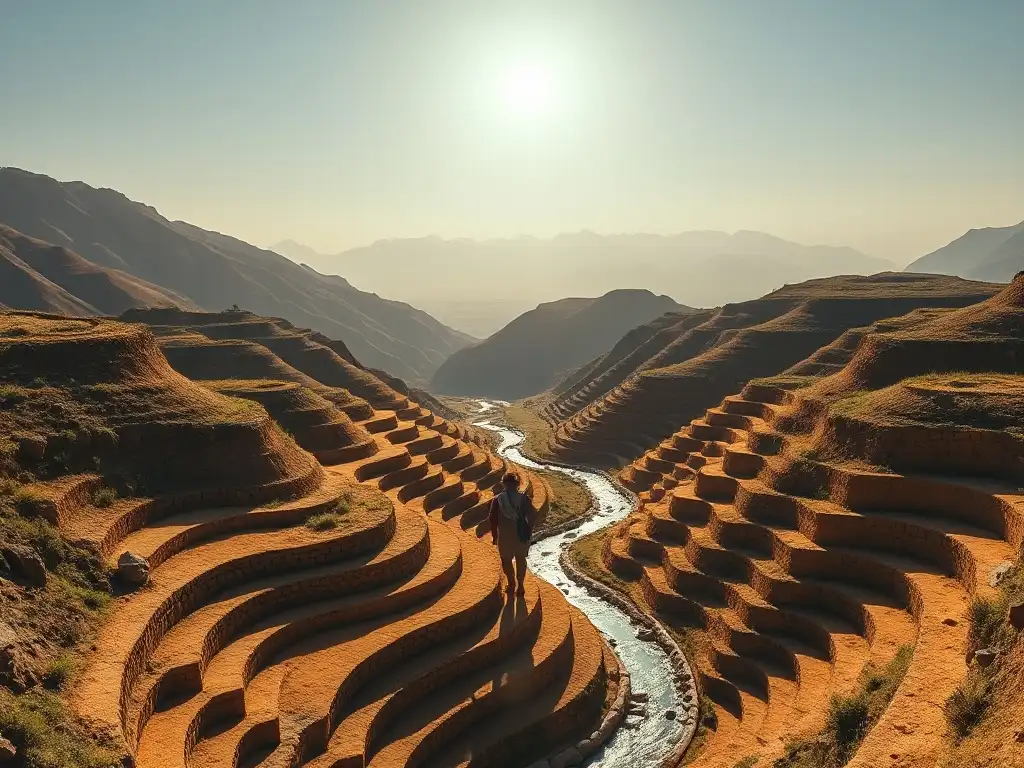
The development of sophisticated irrigation systems in the Andes wasn't a sudden invention but rather a gradual process spanning centuries, reflecting the ingenuity and adaptability of PreIncan cultures. Early attempts likely involved simple techniques like diverting small streams using rudimentary channels carved into the earth. Evidence suggests that these early systems, while less complex than later ones, were crucial for supporting the burgeoning agricultural needs of these societies.
The transition from basic diversion canals to more elaborate systems, involving reservoirs, aqueducts, and sophisticated water distribution networks, occurred over time, driven by factors such as population growth, changing climate patterns, and the need to cultivate increasingly demanding crops. Analyzing the archaeological record reveals a clear progression, with simpler techniques gradually giving way to more complex and efficient technologies, highlighting a continuous process of innovation and refinement in water management.
This evolution wasn't uniform across all Andean cultures; regional variations in topography, climate, and available resources shaped the specific characteristics of their respective irrigation systems. Understanding this evolutionary trajectory is key to appreciating the full extent of PreIncan engineering prowess.
Technological Advancements in Water Control
PreIncan societies developed remarkable technological advancements in water control, demonstrating a deep understanding of hydraulic principles. Beyond simple canals, they constructed intricate systems of reservoirs to store water during the rainy season for use during drier periods. These reservoirs, often built on hillsides or in natural depressions, varied significantly in size and design, reflecting local conditions and engineering capabilities.
The construction of these reservoirs frequently involved significant earthworks, requiring considerable labor and organizational skills. Furthermore, the use of canals and terraces allowed them to transport water across challenging terrain, often over considerable distances. Some canals were lined with stone or clay to minimize water loss through seepage, showcasing their practical understanding of hydrology.
The Nazca culture, for instance, is renowned for its extensive canal networks, some spanning many kilometers, testament to their advanced engineering skills and sophisticated social organization necessary for such large-scale projects. The development of sophisticated tools, likely made from stone and wood, facilitated the construction and maintenance of these complex systems. The precise methods used in canal construction, including techniques for excavation, lining, and maintenance, remain areas of ongoing research, but available evidence points to a remarkable level of skill and planning.
Adapting Irrigation to Different Environments
The diverse geography of the Andes presented significant challenges to agricultural development. PreIncan civilizations didn't simply replicate a single irrigation model; instead, they adapted their techniques to suit the specific environmental conditions of each region. High-altitude regions, characterized by steep slopes and limited water resources, saw the development of terraced agriculture, a technique that not only created level planting surfaces but also helped to retain water and reduce erosion.
In contrast, lower-altitude areas with more abundant water resources might have relied more heavily on extensive canal networks and reservoir systems. Coastal regions, with their unique challenges of aridity and salinity, saw the development of specialized irrigation techniques, often incorporating techniques for managing saltwater intrusion. This remarkable adaptability underscores the ingenuity and resourcefulness of PreIncan societies in their ability to overcome environmental constraints and maximize agricultural productivity.
The diversity in irrigation strategies observed across different Andean cultures highlights their deep understanding of local ecosystems and their capacity to tailor their technologies to specific needs. Further research into regional variations in PreIncan irrigation is needed to fully appreciate the extent of this adaptability.
The construction and maintenance of PreIncan irrigation systems were not merely technological feats; they had profound social and political implications. These massive projects required coordinated labor, significant resource mobilization, and effective governance to succeed. The intricate canal networks and reservoirs served as powerful symbols of social cohesion and political power, demonstrating the ability of rulers to organize and control large populations.
Water rights, access to irrigation resources, and the management of water distribution likely played a critical role in shaping social hierarchies and power dynamics. The control of water resources could have been a source of both conflict and cooperation between different communities, highlighting the importance of water in shaping social relations and political structures. Evidence suggests that religious beliefs and rituals were interwoven with water management practices, underscoring the sacred significance of water in PreIncan societies.
Further research is needed to fully understand the complex interplay between water management, social organization, and political power in PreIncan civilizations. The study of PreIncan irrigation systems offers a unique window into the social and political fabric of these fascinating societies.
Impact of PreIncan Irrigation on Agricultural Development
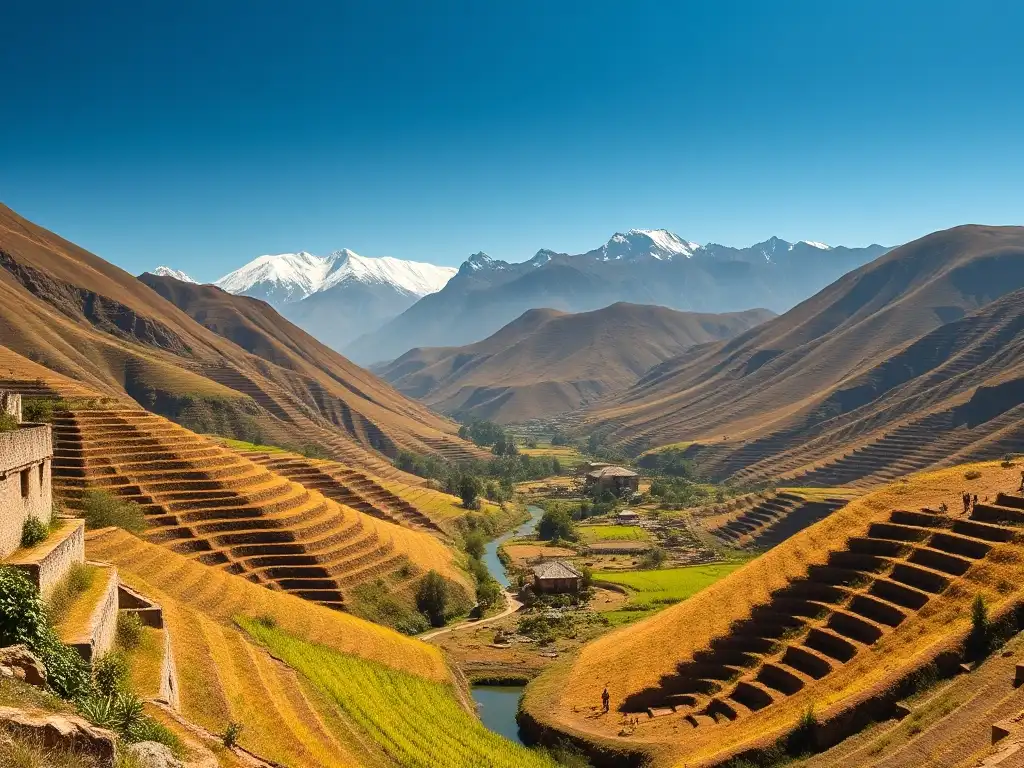
The development of sophisticated irrigation systems was paramount to the success and growth of pre-Incan Andean civilizations. These ingenious systems, adapted to the challenging Andean geography, allowed for significant advancements in agriculture, fundamentally shaping the social and political landscape of the region. Understanding the impact of these systems is key to appreciating the complexity and resilience of these ancient societies. The keyword "PreIncan irrigation systems" directly relates to the innovative techniques employed, transforming arid and semi-arid lands into productive agricultural zones. This section will explore the profound consequences of these advancements.
Increased Crop Yields and Food Security
Pre-Incan irrigation dramatically increased crop yields, providing a crucial foundation for food security. Before these systems, agriculture relied heavily on unpredictable rainfall, resulting in periods of famine and scarcity. The construction of canals, aqueducts, and terraces allowed farmers to control water distribution, ensuring a more consistent and reliable water supply for their crops.
This led to a significant increase in the production of staple crops such as maize, potatoes, and quinoa. For instance, the Nazca culture, renowned for their intricate geoglyphs, also developed a sophisticated network of canals that tapped into underground water sources, enabling them to cultivate vast expanses of desert land. This ensured a stable food supply, supporting a larger population and fostering societal stability.
The surplus produced also facilitated trade and economic development, further strengthening the social fabric of these societies. Evidence suggests that the increase in crop yields was not merely quantitative, but also qualitative, with improved crop quality resulting from consistent irrigation.
Supporting Population Growth and Urbanization
The reliable food supply generated by improved irrigation directly contributed to population growth and the rise of urban centers. With consistent harvests, communities could support larger populations without the threat of widespread famine. This surplus also freed a portion of the population from constant agricultural labor, allowing individuals to specialize in other crafts and professions, leading to the development of more complex social structures and urban settlements.
The availability of food resources allowed for the growth of larger, more densely populated settlements like those observed in the Moche and Tiahuanaco cultures. These urban centers became hubs for trade, religious activity, and political administration, driving further societal development and complexity.
The increased population density, in turn, fueled further improvements in irrigation technology as communities collaborated to expand and maintain their water systems. This cyclical relationship between irrigation, food security, and population growth is a crucial factor in understanding the rise of these powerful pre-Incan civilizations.
Legacy of PreIncan Irrigation on Modern Andean Agriculture
The ingenuity of pre-Incan irrigation techniques continues to resonate in modern Andean agriculture. Many contemporary farming practices still incorporate elements of these ancient systems. For example, the use of terraces, a hallmark of pre-Incan agriculture, remains a common practice in mountainous regions, minimizing soil erosion and maximizing water usage.
The knowledge passed down through generations has adapted to modern challenges, but the fundamental principles remain remarkably similar. While modern technology has introduced new methods, the legacy of pre-Incan irrigation is undeniable. Understanding and appreciating these ancient techniques offers valuable insights for sustainable agricultural practices in the face of climate change and growing population pressures.
Studying the resilience and adaptability of these ancient systems provides a rich source of knowledge for developing innovative and environmentally conscious approaches to modern agriculture in the Andes and beyond. The enduring impact of pre-Incan irrigation systems serves as a testament to the ingenuity and foresight of these remarkable civilizations.
Conclusion: The Enduring Influence of PreIncan Water Engineering
The ingenuity of PreIncan irrigation systems stands as a testament to the adaptability and resourcefulness of Andean civilizations. Their mastery of water management, developed over centuries, allowed for the flourishing of complex societies in challenging terrains. These weren't simply ditches and canals; they represented sophisticated engineering feats, deeply intertwined with religious beliefs and social structures.
The intricate network of aqueducts, canals, and reservoirs, meticulously designed to harness and distribute water resources efficiently, enabled the sustained agricultural production necessary to support dense populations and complex social hierarchies. Understanding these systems provides invaluable insights into the capabilities and resilience of these cultures, challenging preconceived notions about their technological capabilities. The legacy of PreIncan water management continues to resonate, shaping modern approaches to water resource management in the region and beyond.
Lessons Learned from Ancient Andean Civilizations
Analyzing PreIncan irrigation systems offers crucial lessons applicable to contemporary challenges in water management. These ancient civilizations faced similar issues of water scarcity and unpredictable rainfall, yet they developed remarkably effective solutions. Their understanding of topography, hydrology, and soil characteristics allowed them to create sustainable systems that minimized water waste and maximized agricultural yields.
For example, the Nazca's use of underground canals ( puquios) is a prime example of sustainable water harvesting, minimizing evaporation and ensuring a reliable water supply even during dry periods. The integration of terraces into hillside farming maximized arable land and controlled water flow, reducing soil erosion. These innovative techniques, developed without modern machinery or materials, demonstrate the power of careful planning, community collaboration, and a deep understanding of the local environment.
Studying these methods can inspire innovative solutions for modern water conservation and efficient irrigation practices, particularly in arid and semi-arid regions. The careful observation and adaptation to the specific needs of their environment highlight the importance of localized solutions in water management. This emphasis on sustainability, inherent in PreIncan practices, offers a valuable counterpoint to current large-scale, often unsustainable projects.
The Relevance of PreIncan Irrigation in Modern Water Management
The relevance of PreIncan irrigation systems extends far beyond historical curiosity. In a world facing increasing water scarcity and climate change, the lessons learned from these ancient civilizations hold immense practical value. The principles of water harvesting, efficient distribution, and sustainable land management employed by the PreIncan cultures are directly applicable to modern challenges.
For instance, the techniques used to build terraces and manage water flow on steep slopes are being re-evaluated and adapted for modern hillside agriculture, contributing to soil conservation and improved crop yields. Furthermore, the innovative use of underground canals, as seen in Nazca puquios, offers a sustainable alternative to energy-intensive pumping systems. The emphasis on community participation and collaborative management, integral to the success of PreIncan irrigation systems, provides a valuable model for modern water resource management projects.
By integrating these ancient wisdoms with modern technologies, we can develop more sustainable and resilient water management strategies, ensuring the availability of this precious resource for future generations. The study of PreIncan irrigation systems thus becomes not just a historical endeavor but a crucial contribution to addressing contemporary water challenges globally. The enduring legacy of these PreIncan irrigation systems is a powerful reminder of the importance of sustainable practices and community cooperation in water resource management.
Frequently Asked Questions
What were PreIncan irrigation systems like?
PreIncan civilizations developed sophisticated irrigation techniques, including canals, aqueducts, and terraced fields, to manage water resources effectively in diverse terrains. These systems were crucial for agricultural productivity and supporting large populations.
How did PreIncan irrigation differ from later Incan systems?
While both utilized canals, PreIncan systems often focused on smaller-scale projects adapted to specific environments. Incan systems were known for their larger-scale engineering feats and integration across vast territories.
Which PreIncan cultures are most known for their irrigation?
The Nazca, Moche, and Tiahuanaco cultures are particularly renowned for their advanced irrigation systems, showcasing impressive engineering skills and demonstrating a deep understanding of water management.
What materials were used in PreIncan irrigation construction?
Construction materials varied depending on the specific location and resources available, but commonly included stone, earth, and clay. The systems were meticulously planned and built to withstand the challenging Andean climate.
What was the impact of PreIncan irrigation on societal development?
Successful irrigation allowed for surplus food production, supporting population growth, economic development, and the rise of complex societies and urban centers in the Andes. It was fundamental to their social structure.
Final Reflection: The Enduring Legacy of Water
The ingenious irrigation systems of PreIncan civilizations offer a powerful lesson for our time, a stark reminder of humanity's enduring need to manage and respect our most precious resource: water. In a world grappling with climate change, dwindling freshwater supplies, and increasing desertification, understanding the ingenuity and sustainability of these ancient techniques is not just academically interesting, it is critically important for our future. Their sophisticated understanding of hydrology and their commitment to community-based water management offer invaluable insights for modern solutions.
The impact of PreIncan irrigation systems extends far beyond the immediate agricultural benefits; they represent a profound connection between people and their environment, a testament to human adaptability and resilience. These systems fostered thriving societies, complex social structures, and rich cultural traditions. Their legacy continues to resonate today, shaping our understanding of sustainable agriculture and resource management. Water is the driving force of nature.
- Leonardo da Vinci. This quote, while not directly referencing PreIncan civilizations, perfectly encapsulates the central role water played, and continues to play, in shaping human societies and their destinies.
Consider the ingenuity of these ancient engineers, their deep understanding of their environment, and their commitment to collaborative water management. You too can harness the power of mindful resource management in your own life. Think about your daily water consumption, explore ways to conserve water in your home and community, and advocate for sustainable water policies. Let the wisdom of the PreIncan civilizations inspire you to become a responsible steward of this precious resource, ensuring its availability for generations to come.
Unleash the Potential of Water and Agriculture!
Thank you for exploring the fascinating world of pre-Incan irrigation systems. You've discovered the crucial role water played in supporting these ancient civilizations and their innovative techniques. Now, let's apply this knowledge to benefit our communities.
Here are some practical steps you can take:
- Implement a Water Conservation Plan: Begin by evaluating your current water usage at home or in your community garden. Every drop counts towards a more sustainable future.
- Explore Modern Irrigation Techniques: Research and implement water-wise irrigation methods, such as drip irrigation or rainwater harvesting. These techniques, inspired by ancient practices, can significantly improve gardening yields while promoting sustainable agriculture.
- Share Your Knowledge: Educate your friends, neighbors, and local community about the importance of efficient irrigation. Consider organizing a workshop or online seminar to share your newfound expertise.
How could improved water management revolutionize farming and gardening in your community?